
1. Search Result
Search Result
Pathways Recommended: Cell Cycle/DNA Damage
Results for "

liver damage

" in MedChemExpress (MCE) Product Catalog:

180

Inhibitors & Agonists

3

Screening Libraries

22

Biochemical Assay Reagents

7

Peptides

1

Inhibitory Antibodies

63

Natural
Products

17

Isotope-Labeled Compounds

1

Click Chemistry

4

Oligonucleotides

Targets Recommended:
Cat. No. Product Name Target Research Areas Chemical Structure
  • HY-N1428
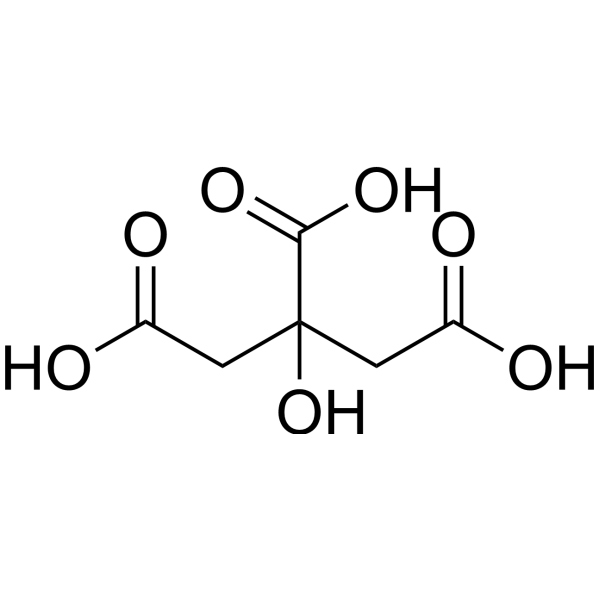
    Citric acid
    30+ Cited Publications

    Environmental Pollutants Endogenous Metabolite Bacterial Apoptosis Infection Cardiovascular Disease Metabolic Disease Inflammation/Immunology Cancer
    Citric acid is a natural preservative and food tartness enhancer. Citric acid induces apoptosis and cell cycle arrest at G2/M phase and S phase in HaCaT cells. Citric acid cause oxidative damage of the liver by means of the decrease of antioxidative enzyme activities. Citric acid is also an acidulant, emulsifier, sequestrant and buffering agent widely used across many industries .
    Citric acid
  • HY-B2201
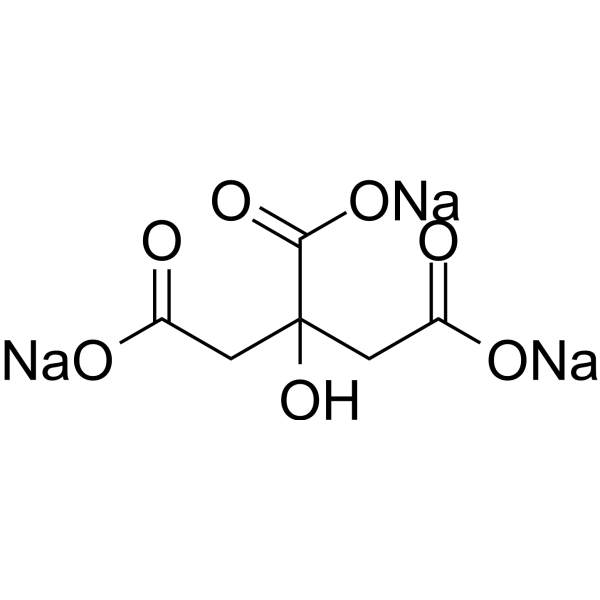
    Citric acid trisodium
    10+ Cited Publications

    Sodium citrate; Trisodium citrate anhydrous

    Environmental Pollutants Endogenous Metabolite Bacterial Apoptosis Infection Cardiovascular Disease Metabolic Disease Inflammation/Immunology Cancer
    Citric acid trisodium (Sodium citrate) is a natural preservative and food tartness enhancer. Citric acid trisodium induces apoptosis and cell cycle arrest at G2/M phase and S phase in HaCaT cells. Citric acid trisodium cause oxidative damage of the liver by means of the decrease of antioxidative enzyme activities. Citric acid trisodium is also an acidulant, emulsifier, sequestrant and buffering agent widely used across many industries .
    Citric acid trisodium
  • HY-13315
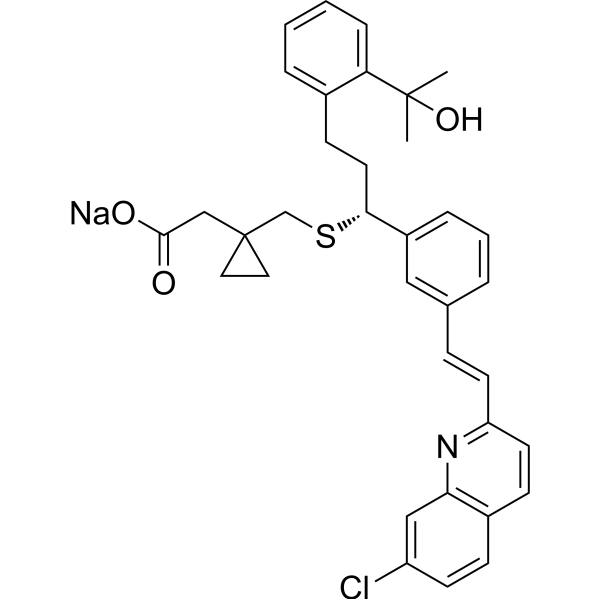
    Montelukast sodium
    10+ Cited Publications

    MK0476

    Leukotriene Receptor Inflammation/Immunology Cancer
    Montelukast sodium (MK0476) is a potent, selective and orally active antagonist of cysteinyl leukotriene receptor 1 (CysLT1). Montelukast sodium can be used for the reseach of asthma and liver injury. Montelukast sodium also has an antioxidant effect in intestinal ischemia-reperfusion injury, and could reduce cardiac damage. Montelukast sodium decreases eosinophil infiltration into the asthmatic airways. Montelukast sodium can also be used for COVID-19 research .
    Montelukast sodium
  • HY-42682
    D(+)-Galactosamine hydrochloride
    3 Publications Verification

    D-Galactosamine HCl

    Drug Derivative Inflammation/Immunology
    D(+)-Galactosamine (D-Galactosamine) hydrochloride, which is an established experimental toxin, primarily causes liver injury by the generation of free radicals and depletion of UTP nucleotides. D(+)-Galactosamine hydrochloride intoxication also induces renal dysfunction thus, renal failure is often associated with the end-stage of the liver damage. Lipopolysaccharide/D(+)-Galactosamine-induced acute liver injury is a known animal model of fulminant hepatic failure .
    D(+)-Galactosamine hydrochloride
  • HY-108910
    Chymotrypsin
    2 Publications Verification

    EC 3.4.21.1; Chymotrypsin A

    Toll-like Receptor (TLR) NF-κB MMP Others Inflammation/Immunology
    Chymotrypsin (EC 3.4.21.1; Chymotrypsin A) is an orally effective inhibitor targeting molecules such as TLR4, NF-κB, MMP-1, TNF-α, IL-1β, and IL-6. Chymotrypsin downregulates the TLR4/NF-κB signaling pathway, inhibiting the release of inflammatory factors, reducing cell infiltration and tissue damage. It also reduces the expression of tumor cell adhesion molecules (such as CD44 and CD54) and can be specifically detected by fluorescent probes (such as NBD-3). Chymotrypsin has anti-inflammatory, hepatoprotective, joint damage-reducing, liver protection against lipotoxicity, and anti-tumor metastasis functions. It can be used in research on diseases such as rheumatoid arthritis, non-alcoholic fatty liver disease, and melanoma metastasis. Chymotrypsin can be used in studies of inflammation, edema, and expectoration .
    Chymotrypsin
  • HY-107859
    Tris(2-chloroethyl) phosphate
    5+ Cited Publications

    TCEP

    Environmental Pollutants Apoptosis FXR Calcium Channel Toll-like Receptor (TLR) SOD Reactive Oxygen Species (ROS) DNA/RNA Synthesis Interleukin Related NF-κB TNF Receptor Others
    Tris(2-chloroethyl) phosphate (TCEP) is a widely used organic phosphorus flame retardant, mainly used as a plasticizer. Tris(2-chloroethyl) phosphate has orally active hepatotoxicity, inducing an increase in reactive oxygen species (ROS) and calcium ions (Ca²⁺) influx, a decrease in mitochondrial membrane potential (△Ψm), and causing DNA damage and cell apoptosis. Tris(2-chloroethyl) phosphate directly binds to FXR, inducing obesity and the formation of fatty liver in mice. Chloroethyl) phosphate activates the TLR4/NF-κB pathway, triggering liver inflammation .
    Tris(2-chloroethyl) phosphate
  • HY-13315A
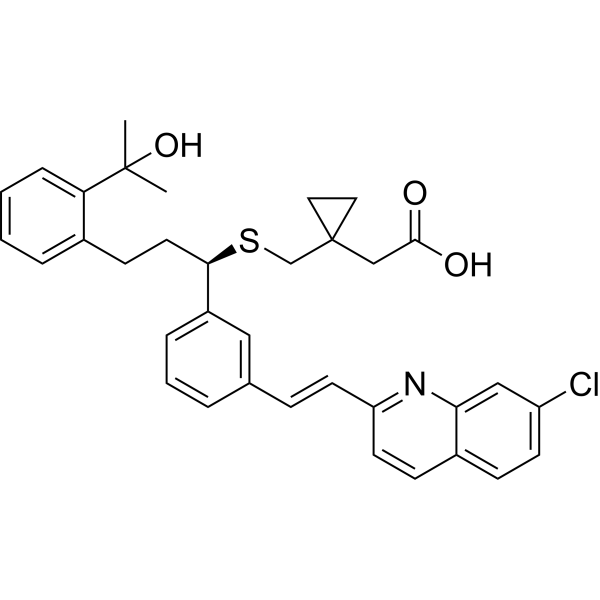
    Montelukast
    10+ Cited Publications

    MK0476 free base

    Leukotriene Receptor Inflammation/Immunology Cancer
    Montelukast (MK0476 free base) is a potent, selective and orally active antagonist of cysteinyl leukotriene receptor 1 (CysLT1). Montelukast can be used for the reseach of asthma and liver injury. Montelukast also has an antioxidant effect in intestinal ischemia-reperfusion injury, and could reduce cardiac damage. Montelukast decreases eosinophil infiltration into the asthmatic airways. Montelukast can also be used for COVID-19 research .
    Montelukast
  • HY-N0823
    Lithospermic acid
    5+ Cited Publications

    (+)-Lithospermic acid

    NO Synthase AMPK Keap1-Nrf2 Xanthine Oxidase Apoptosis Cardiovascular Disease Inflammation/Immunology
    Lithospermic acid ((+)-Lithospermic acid) is a plant-derived polycyclic phenolic carboxylic acid isolated from Salvia miltiorrhiza, and has the anti-oxidative and hepatoprotective activity on carbon tetrachloride (CCl4)-induced acute liver damage in vitro and in vivo .
    Lithospermic acid
  • HY-120912
    Gingerenone A
    2 Publications Verification

    Keap1-Nrf2 Glutathione Peroxidase Ferroptosis Metabolic Disease Inflammation/Immunology Cancer
    Gingerenone A is an Nrf2-Gpx4 activator that can induce Ferroptosis in liver damage with oral activity. Gingerenone A has anti-inflammatory, anti-diabetic, anti-tumor, and pro-aging effects in mice .
    Gingerenone A
  • HY-W019894
    Manganese chloride
    1 Publications Verification

    Manganese dichloride

    Biochemical Assay Reagents Apoptosis mTOR Cardiovascular Disease Neurological Disease
    Manganese chloride is an orally active MRI liver contrast agent. Manganese chloride induces Apoptosis and activates the mTOR signaling pathway. Manganese chloride induces cognitive impairment, promotes hematopoietic recovery, and reduces radiation-induced bone marrow and brain damage. It can be used for the study of renal impairment .
    Manganese chloride
  • HY-P3211
    Nangibotide
    5+ Cited Publications

    LR12

    TREM receptor NF-κB NOD-like Receptor (NLR) Interleukin Related Apoptosis Cardiovascular Disease Inflammation/Immunology
    Nangibotide (LR12) is a synthetic peptide and TREM-1 receptor inhibitor. Nangibotide inhibits NF-κB and NLRP3 inflammasome activation and reduces the release of pro-inflammatory factors (such as IL-1β, IL-8). Nangibotide inhibits Apoptosis. Nangibotide reduces excessive inflammatory responses and protects tissues (liver, lung) from damage. Nangibotide can be used in the researches for myocardial ischemia-reperfusion injury, septic shock, acute lung injury, osteoarthritis, and acute liver failure .
    Nangibotide
  • HY-16274
    Lapaquistat acetate
    1 Publications Verification

    TAK-475

    Farnesyl Transferase Metabolic Disease
    Lapaquistat acetate (TAK-475) is a squalene synthase inhibitor, blocking the conversion of farnesyl diphosphate (FPP) to squalene in the cholesterol biosynthesis pathway . Lapaquistat acetate is effective at lowering low-density lipoprotein cholesterol, but it might cause liver damage. Lapaquistat acetate is used for hypercholesterolemia and mevalonate kinase deficiency (MKD) research .
    Lapaquistat acetate
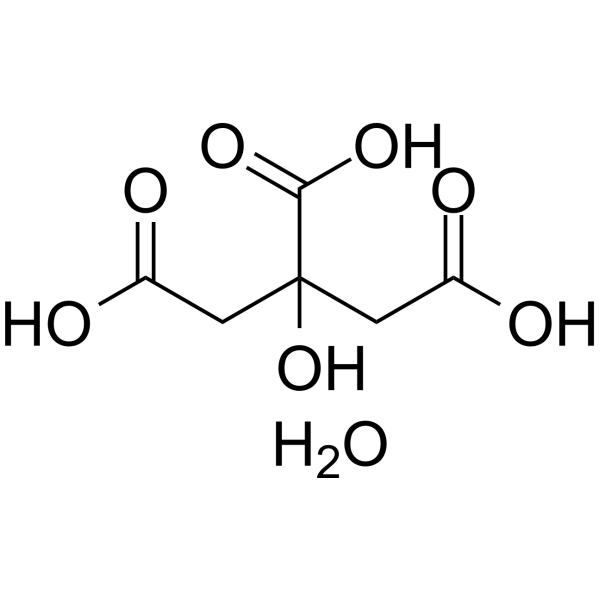
  • HY-N1428A
    Citric acid monohydrate
    5+ Cited Publications

    Environmental Pollutants Endogenous Metabolite Apoptosis Bacterial Infection Cardiovascular Disease Metabolic Disease Inflammation/Immunology Cancer
    Citric acid monohydrate is a natural preservative and food tartness enhancer. Citric acid monohydrate induces apoptosis and cell cycle arrest at G2/M phase and S phase in HaCaT cells. Citric acid monohydrate cause oxidative damage of the liver by means of the decrease of antioxidative enzyme activities. Citric acid monohydrate is also an acidulant, emulsifier, sequestrant and buffering agent widely used across many industries .
    Citric acid monohydrate
  • HY-121360

    DNA/RNA Synthesis Reactive Oxygen Species (ROS) Cancer
    Cylindrospermopsin, a cyanotoxin, is a polycyclic uracil derivative containing guanidine and sulfate groups, which can inhibit protein synthesis and covalently modify DNA or RNA. Cylindrospermopsin induces hepatocellular hypertrophy, renal cellular hypertrophy, intracellular reactive oxygen species (ROS), DNA strand breaks, mitochondrial hyperpolarisation, ultrastructural damage, and altered gene expression in liver, kidney, and intestinal cells. Cylindrospermopsin can be used in research including hepatocellular carcinoma and water quality testing .
    Cylindrospermopsin
  • HY-B0998

    Dehydrocholate sodium

    Amylases Lipase Autophagy Metabolic Disease
    Dehydrocholic acid (Dehydrocholate) sodium is an orally active hydrocholeretic agent. Dehydrocholic acid sodium modulates Autophagy, reduces serum amylase and lipase levels. Dehydrocholic acid sodium has the effects of promoting choleretic function, protecting the liver, reducing pancreatic damage, and regulating cholesterol metabolism. Dehydrocholic acid sodium can be used in the study of acute biliary pancreatitis and obstructive jaundice .
    Dehydrocholic acid sodium
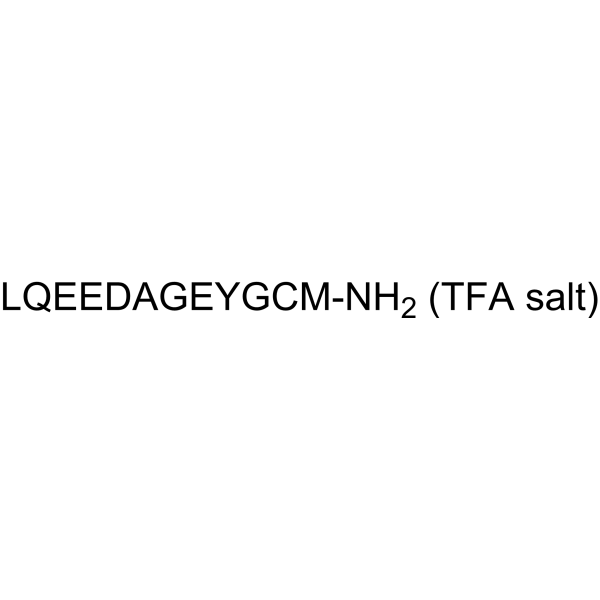
  • HY-P3211A
    Nangibotide TFA
    5+ Cited Publications

    LR12 TFA

    TREM receptor NF-κB NOD-like Receptor (NLR) Interleukin Related Apoptosis Cardiovascular Disease Inflammation/Immunology
    Nangibotide TFA (LR12 TFA) is a synthetic peptide and TREM-1 receptor inhibitor. Nangibotide TFA inhibits NF-κB and NLRP3 inflammasome activation and reduces the release of pro-inflammatory factors (such as IL-1β, IL-8). Nangibotide TFA inhibits Apoptosis. Nangibotide TFA reduces excessive inflammatory responses and protects tissues (liver, lung) from damage. Nangibotide TFA can be used in the researches for myocardial ischemia-reperfusion injury, septic shock, acute lung injury, osteoarthritis, and acute liver failure .
    Nangibotide TFA
  • HY-W009156
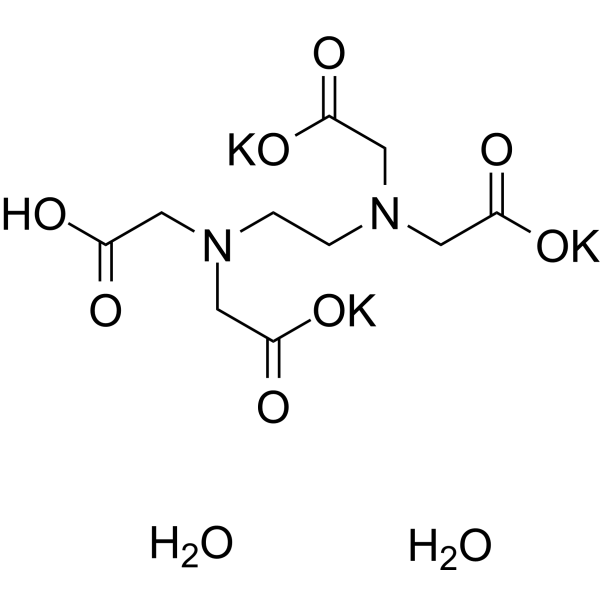
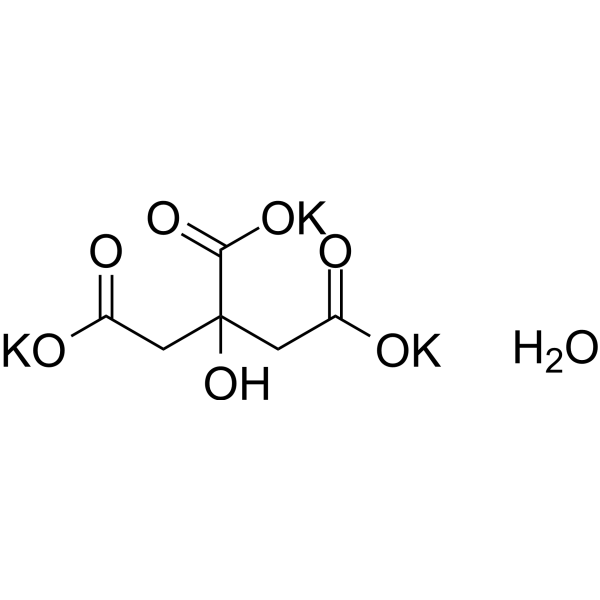
    Citric acid tripotassium hydrate
    10+ Cited Publications

    Potassium citrate monohydrate

    Environmental Pollutants Endogenous Metabolite Bacterial Apoptosis Infection Cardiovascular Disease Metabolic Disease Inflammation/Immunology Cancer
    Citric acid tripotassium hydrate (Potassium citrate monohydrate) is a natural preservative and food tartness enhancer. Citric acid tripotassium hydrate induces apoptosis and cell cycle arrest at G2/M phase and S phase in HaCaT cells. Citric acid tripotassium hydrate cause oxidative damage of the liver by means of the decrease of antioxidative enzyme activities. Citric acid tripotassium hydrate is also an acidulant, emulsifier, sequestrant and buffering agent widely used across many industries .
    Citric acid tripotassium hydrate
  • HY-163897

    PROTACs Ferroptosis Reactive Oxygen Species (ROS) Inflammation/Immunology
    PROTAC NCOA4 degrader-1 is a VHL-based PROTAC NCOA4 degrader. PROTAC NCOA4 degrader-1 is a ferroptosis inhibitor. PROTAC NCOA4 degrader-1 reduces Fe 2+ elevation, ROS production, MDA content and PTGS2 mRNA expression. PROTAC NCOA4 degrader-1 ameliorates liver damage in a CCl4-induced acute liver injury model. PROTAC NCOA4 degrader-1 can be used for the researches of inflammation and immunology. (Pink: NCOA4 ligand (HY-149457). Black: linker (HY-163903). Blue: VHL ligand (HY-138678B)) .
    PROTAC NCOA4 degrader-1
  • HY-108292

    NF-κB Neurological Disease Cancer
    Propacetamol hydrochloride is an orally active prodrug of paracetamol and an inducer of acute liver injury models, with multiple properties including antinociception, antioxidation and gastroprotection. Propacetamol hydrochloride potentiates Tramadol and attenuates Aspirin (HY-14654)-induced gastric mucosal damage and lipid peroxidation. Under specific conditions, Propacetamol hydrochloride also acts as a hepatotoxic inducer, triggering acute liver injury, oxidative stress and apoptosis, with strain differences in toxicity sensitivity. Propacetamol hydrochloride can be used in the research of acute liver injury, drug-induced hepatotoxicity and gastric mucosal damage .
    Propacetamol hydrochloride
  • HY-W011711

    URAT1 Oxidative Phosphorylation Apoptosis Metabolic Disease
    Benzarone is an oral inhibitor of human urate transporter 1 (hURAT1) with an IC50 value of 2.8 μM, and it also acts as an uncoupler of oxidative phosphorylation. Benzarone can cause liver damage and promote cell apoptosis and necrosis. Benzarone can be used to lower serum uric acid levels and for research in vascular diseases .
    Benzarone
  • HY-N3121

    PERK Keap1-Nrf2 Apoptosis Cardiovascular Disease Neurological Disease Metabolic Disease Cancer
    Pachypodol is an orally active methoxyflavonoid compound. Pachypodol activates the ERK-dependent Nrf2 pathway and inhibits Apoptosis. Pachypodol exhibits activities such as antioxidant, cytoprotective, anti-inflammatory effects. Pachypodol improves cognition. Pachypodol exerts protective effects against cardiac and liver damage. Pachypodol has anticancer activity against colon cancer .
    Pachypodol
  • HY-19696B
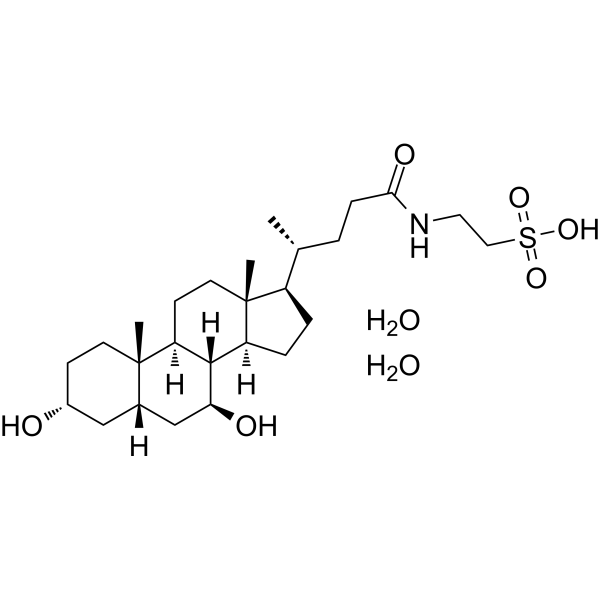
    Tauroursodeoxycholate dihydrate
    Maximum Cited Publications
    104 Publications Verification

    Tauroursodeoxycholic acid dihydrate; TUDCA dihydrate; UR 906 dihydrate

    Caspase Apoptosis Endogenous Metabolite IRE1 NF-κB JNK Reactive Oxygen Species (ROS) Akt Neurological Disease Metabolic Disease Inflammation/Immunology
    Tauroursodeoxycholate dehydrate is an orally active taurine conjugate of Ursodeoxycholic acid (HY-13771). Tauroursodeoxycholate dehydrate inhibits caspase-3/7, Apoptosis, IRE1α/TRAF2/NF-κB, prevents JNK phosphorylation, inhibits ROS generation, and activates Akt signaling. Tauroursodeoxycholate dehydrate prevents cataract formation, reduces renal tubular damage in type 2 diabetic mice, reduces I/R injury in liver, and inhibits intestinal inflammation and barrier disruption in nonalcoholic fatty liver disease .
    Tauroursodeoxycholate dihydrate
  • HY-108910A
    Chymotrypsin (MS grade)
    2 Publications Verification

    EC 3.4.21.1 (MS grade); Chymotrypsin A (MS grade)

    Toll-like Receptor (TLR) NF-κB MMP Others Inflammation/Immunology
    Chymotrypsin (EC 3.4.21.1; Chymotrypsin A) (MS grade) is an orally effective inhibitor targeting molecules such as TLR4, NF-κB, MMP-1, TNF-α, IL-1β, and IL-6. Chymotrypsin (MS grade) downregulates the TLR4/NF-κB signaling pathway, inhibits the release of inflammatory factors, reduces cell infiltration and tissue damage, and also reduces the expression of tumor cell adhesion molecules (such as CD44 and CD54). It can also be specifically detected by fluorescent probes (such as NBD-3). Chymotrypsin (MS grade) has anti-inflammatory, hepatoprotective, joint damage-reducing, liver protection against lipotoxicity, and anti-tumor metastasis functions, and can be used in the research of diseases such as rheumatoid arthritis, non-alcoholic fatty liver disease, and melanoma metastasis. Chymotrypsin (MS grade) can be used in studies of inflammation, edema, and expectoration .
    Chymotrypsin (MS grade)
  • HY-N4170
    Chebulic acid
    2 Publications Verification

    Keap1-Nrf2 Reactive Oxygen Species (ROS) Metabolic Disease
    Chebulic acid is a phenolic acid compound isolated from Terminalia chebula with strong antioxidant activity, which breaks protein cross-links induced by advanced glycation end products (AGEs) and inhibits the formation of AGEs. Chebulic acid is effective in controlling elevated metabolic parameters, oxidative stress, and liver damage, supporting its beneficial role in asthma, diabetes, and liver protection .
    Chebulic acid
  • HY-B0848
    Tricyclazole
    2 Publications Verification

    Environmental Pollutants Bacterial Infection Metabolic Disease
    Tricyclazole is a pentaketone melanin biosynthesis inhibitor and a unique fungicide for controlling rice blast. Tricyclazole alters the structure and function of fungal cell walls, reduces fungal pathogenicity and penetration, and causes dose-dependent liver damage in animals .
    Tricyclazole
  • HY-B0817
    Pyridaben
    1 Publications Verification

    Environmental Pollutants Parasite Infection
    Pyridaben is a mitochondrial electron transport inhibitor (METI) acaricide that promotes the formation of damaging oxygen and nitrogen radicals. Pyridaben selectively inhibits complex I (NADH dehydrogenase) with an IC50 value of 2.4 nM (assay sites: rat liver and bovine heart mitochondria). Pyridaben also significantly inhibits rat mitochondrial mtNOS function .
    Pyridaben
  • HY-B1393

    Dehydrocholate

    Autophagy Amylases Lipase Metabolic Disease
    Dehydrocholic acid (Dehydrocholate) is an orally active hydrocholeretic agent. Dehydrocholic acid modulates Autophagy, reduces serum amylase and lipase levels. Dehydrocholic acid has the effects of promoting choleretic function, protecting the liver, reducing pancreatic damage, and regulating cholesterol metabolism. Dehydrocholic acid can be used in the study of acute biliary pancreatitis and obstructive jaundice .
    Dehydrocholic acid
  • HY-B0885
    Econazole
    5 Publications Verification

    (±)-Econazol

    Fungal Bacterial Calcium Channel Cytochrome P450 Infection Metabolic Disease
    Econazole ((±)-Econazol) is an orally active imidazole antifungal agent, as well as a cytochrome P-450 inhibitor and a blocker of calcium and manganese ion uptake. Econazole is active against a variety of fungi and some Gram-positive bacteria, but has no significant activity against Gram-negative bacteria. Econazole can inhibit the synthesis of prostaglandins and can also induce liver damage .
    Econazole
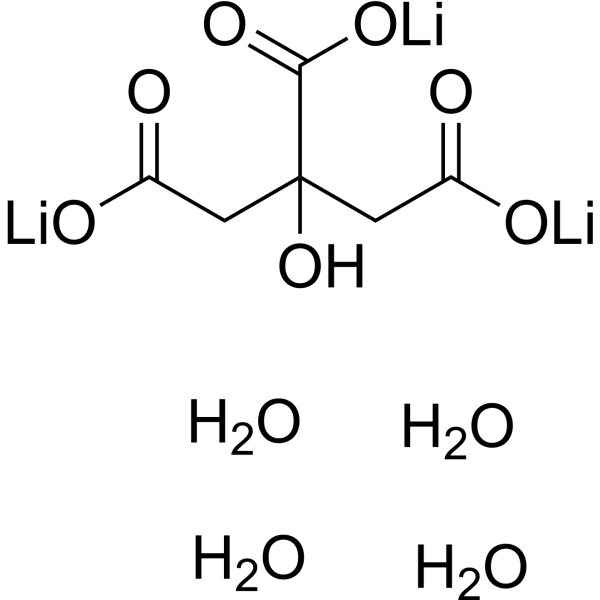
  • HY-B1295
    Lithium citrate tetrahydrate
    10+ Cited Publications

    Litarex tetrahydrate

    Apoptosis Endogenous Metabolite Bacterial Infection Cardiovascular Disease Metabolic Disease Inflammation/Immunology Cancer
    Lithium citrate (Litarex) tetrahydrate is a natural preservative and food tartness enhancer. Lithium citrate tetrahydrate induces apoptosis and cell cycle arrest at G2/M phase and S phase in HaCaT cells. Lithium citrate tetrahydrate cause oxidative damage of the liver by means of the decrease of antioxidative enzyme activities. Lithium citrate tetrahydrate is also an acidulant, emulsifier, sequestrant and buffering agent widely used across many industries .
    Lithium citrate tetrahydrate
  • HY-121944

    Casein Kinase Wnt Others
    Ricinine exhibits hepatoprotection in CCl4-induced liver damage. Ricinine is also a CK1α inhibitor, and may activate Wnt pathway .
    Ricinine
  • HY-N7327

    Phospholipase Inflammation/Immunology
    Ochnaflavone is an inhibitor of IIA-type secretory phospholipase A2 (sPLA2-IIA) with an IC50 of 3.45 µM. Ochnaflavone exhibits significant anti-inflammatory and liver-protective effects, capable of inhibiting the degradation of phosphatidylethanolamine (PE) and lipid peroxidation induced by carbon tetrachloride (CCl4) in rat liver, with an IC50 of 7.16 µM for lipid peroxidation. Ochnaflavone can be used in research on liver damage and inflammatory diseases .
    Ochnaflavone
  • HY-W012657

    Environmental Pollutants Parasite Infection
    4-Ethylbenzaldehyde is an aldehyde type organic compound with an almond-like odor. 4-Ethylbenzaldehyde is naturally present in various foods such as grilled meat, black tea, peanuts, etc. 4-Ethylbenzaldehyde has significant effects in controlling plant parasitic nematodes. 4-Ethylbenzaldehyde has genotoxicity and potential for liver damage in zebrafish models .
    4-Ethylbenzaldehyde
  • HY-N7133

    N-Phenylaniline hydrochloride

    Fungal Bacterial Metabolic Disease
    Diphenylamine hydrochloride (N-Phenylaniline hydrochloride) is an antihyperglycemic agent with oral activity and a common structure in non-steroidal anti-inflammatory drugs (NSAIDs) that uncouples oxidative phosphorylation in mitochondria, leading to a decrease in hepatic cell ATP levels and causing liver cell damage. Diphenylamine hydrochloride is also an industrial antioxidant, a dyeing mordant, and is used in agriculture as an antifungal and antibacterial agent .
    Diphenylamine hydrochloride
  • HY-N6987

    FXR Factor Xa Cardiovascular Disease Inflammation/Immunology
    Licraside, found in Glycyrrhiza glabra, is a Farnesoid X receptor (FXR) activator. Licraside activates FXR to induce upregulation of SHP and BSEP, regulates bile acid homeostasis, reduces elevated biliary and serum TBA, serum ALT, AST, GGT, ALP, and TBIL levels, and attenuates liver histopathological damage. Licraside inhibits factor Xa with an IC50 of 48.54 mM. Licraside can be used for the research of cholestasis and thromboembolic diseases .
    Licraside
  • HY-W008606

    Citric acid monosodium salt

    Environmental Pollutants Endogenous Metabolite Bacterial Apoptosis Infection Cardiovascular Disease Metabolic Disease Inflammation/Immunology Cancer
    Sodium citrate monobasic (Citric acid monosodium salt) is a natural preservative and food tartness enhancer. Sodium citrate monobasic induces apoptosis and cell cycle arrest at G2/M phase and S phase in HaCaT cells. Sodium citrate monobasic cause oxidative damage of the liver by means of the decrease of antioxidative enzyme activities. Sodium citrate monobasic is also an acidulant, emulsifier, sequestrant and buffering agent widely used across many industries .
    Sodium citrate monobasic
  • HY-W040194

    Environmental Pollutants Herbicide Metabolic Disease
    Clomazone is a broad spectrum herbicide, mainly used to control annual broadleaf weeds and grass weeds in various crops such as rice, soybeans, and peanuts. Clomazone inhibits carotenoid biosynthesis, and treated plants show typical "albinism" symptoms due to the destruction of chloroplast membrane structure leading to chlorophyll degradation. Clomazone exhibits multiple toxic effects on non-target organisms, including aquatic lethality, developmental malformations, liver damage, mitochondrial dysfunction, and hematotoxicity .
    Clomazone
  • HY-B0854

    Environmental Pollutants Lactate Dehydrogenase Apoptosis Fungal Cytochrome P450 Keap1-Nrf2 Infection Metabolic Disease Cancer
    Mancozeb is a widely used fungicide that is effective against fungal diseases in most cereals, vegetables, fruits and ornamental plants. In addition, Mancozeb can cause liver damage in mice by activating the Keap1/Nrf2 signaling pathway. Mancozeb upregulates lactate dehydrogenase and cytochrome c to alter cell metabolism and induce cell death. Mancozeb has reproductive toxicity and can induce apoptosis in ovarian cells .
    Mancozeb
  • HY-145733

    E1/E2/E3 Enzyme Cardiovascular Disease
    DI-1859 is a potent, selective and covalent inhibitor of DCN1. DI-1859 inhibits neddylation of cullin 3 in cells at low nanomolar concentrations. DI-1859 induces a robust increase of NRF2 protein, a CRL3 substrate, in mouse liver and effectively protects mice from acetaminophen-induced liver damage .
    DI-1859
  • HY-W115752

    Diamine sulfate (99%)

    PEPCK Aldehyde Dehydrogenase (ALDH) Neurological Disease Metabolic Disease Cancer
    Hydrazine sulfate is an orally active PEPCK inhibitor. Hydrazine sulfate inhibits PEPCK and low-Km ALDH. Hydrazine sulfate impairs gluconeogenesis and enhances the protective effect of energy substrates against MPP + toxicity. Hydrazine sulfate exacerbates liver damage in rats when combined with Ethanol. Hydrazine sulfate can be used in the research of shock, non-small cell lung cancer, colorectal cancer and Parkinson's disease .
    Hydrazine sulfate (99%)
  • HY-116568

    JAU-6476

    Fungal Cytochrome P450 Microtubule/Tubulin Mitochondrial Metabolism DNA/RNA Synthesis Apoptosis Fatty Acid Synthase (FASN) Infection Metabolic Disease Endocrinology
    Prothioconazole is an orally active broad-spectrum fungicide. Prothioconazole weakly inhibits CaCYP51 activity in Candida albicans, with an apparent IC50 of approximately 120 μM. Prothioconazole disrupts Microtubule stability by reducing the acetylation level of α-tubulin. Prothioconazole induces Mitochondrial dysfunction, oxidative stress, DNA damage, and Apoptosis. Prothioconazole accumulates 14-methylated sterols and depletes ergosterol in cells, culture media, plants, and animals. Prothioconazole interferes with pyruvate metabolism and glycolysis/gluconeogenesis processes in mouse liver, downregulates Fasn mRNA expression, and induces hepatotoxicity and renal metabolic disorders. Prothioconazole reduces the fertility of female mice. Prothioconazole inhibits body weight gain and increases liver/kidney indices in mice. Prothioconazole can be used in studies related to candidiasis .
    Prothioconazole
  • HY-108571

    PPAR Cardiovascular Disease Metabolic Disease
    CP-775146 is a selective PPARα agonist (Ki of 24.5 nM) that binds strongly to the PPARα ligand. CP-775146 has no observable affinity for PPARβ and PPARγ.CP-775146 shows hypolipidemic activity. CP-775146 efficiently alleviates obesity-induced liver damage, prevents lipid accumulation by activating the liver fatty acid β-oxidation pathway .
    CP-775146
  • HY-113848

    Keap1-Nrf2 Cancer
    AEM1 is an Nrf2 inhibitor with anti-tumor and oral activity. AEM1 promotes the differentiation of HepaRG cells towards mature liver cells, aiding in the recovery of damaged liver .
    AEM1
  • HY-N7541

    Others Inflammation/Immunology
    Antrodin A is one of the main active ingredients in the solid-state fermented A. camphorate mycelium. Antrodin A protects the liver from alcohol damage by improving the antioxidant and anti-inflammatory capacity of the liver and maintaining the stability of the intestinal flora .
    Antrodin A
  • HY-122951
    Eburicoic acid
    1 Publications Verification

    Reactive Oxygen Species (ROS) Cardiovascular Disease
    Eburicoic acid protects the liver from CCl4-induced hepatic damage via antioxidant and anti-inflammatory mechanisms . And Eburicoic acid has antidiabetic and antihyperlipidemic effects .
    Eburicoic acid
  • HY-148795

    Apical Sodium-Dependent Bile Acid Transporter Metabolic Disease
    Ritivixibat is an apical sodium-dependent bile acid transporter (ASBT/IBAT) inhibitor. Ritivixibat blocks ASBT/IBAT function, thereby reducing bile acid reabsorption, regulating bile acid homeostasis and alleviating liver injury. Ritivixibat protects cholangiocytes from damage caused by cytotoxic bile acids. Ritivixibat is applicable to research related to primary sclerosing cholangitis .
    Ritivixibat
  • HY-N0854
    Alisol F
    1 Publications Verification

    HBV ERK JNK p38 MAPK STAT NF-κB TNF Receptor Interleukin Related NO Synthase COX Metabolic Disease Cancer
    Alisol F is a protostane-type triterpenoid with anti-inflammatory and anti-hepatitis B virus activities. Alisol F inhibits LPS (HY-D1056)-induced phosphorylation of ERK, JNK, p38, STAT3 and NF-κB (p65), suppresses the production of NO, IL-6, TNF-α and IL-1β, and also downregulates the levels of iNOS and COX-2. Alisol F reduces the serum alanine aminotransferase and aspartate aminotransferase levels in mice with acute liver injury and ameliorates their liver pathological damage .
    Alisol F
  • HY-W392413

    Drug Derivative Reactive Oxygen Species (ROS) Cardiovascular Disease Neurological Disease Metabolic Disease Inflammation/Immunology
    Glutathione monoethyl ester is a glutathione derivative that can be transported into cells and hydrolyzed into glutathione. Glutathione monoethyl ester downregulates the gene expression of TEN1 and CTC1 while upregulating TERT expression. Glutathione monoethyl ester enhances telomerase activity, promotes proliferation and differentiation in aged bone marrow stromal cells, while elevating glutathione levels and reducing oxidative stress, protein aggregation and cell death in motor neuronal cells. Glutathione monoethyl ester confers broad multi-organ protection against cerebral ischemia, renal injury, liver damage, and pancreatitis. Glutathione monoethyl ester can be used for the research of amyotrophic lateral sclerosis, stroke, acute renal failure, liver injury, and acute pancreatitis .
    Glutathione monoethyl ester
  • HY-120912R

    Keap1-Nrf2 Glutathione Peroxidase Ferroptosis Reference Standards Metabolic Disease Inflammation/Immunology Cancer
    Gingerenone A (Standard) is the analytical standard of Gingerenone A. This product is intended for research and analytical applications. Gingerenone A is an Nrf2-Gpx4 activator that can induce Ferroptosis in liver damage with oral activity. Gingerenone A has anti-inflammatory, anti-diabetic, anti-tumor, and pro-aging effects in mice .
    Gingerenone A (Standard)
  • HY-156240

    E1/E2/E3 Enzyme Keap1-Nrf2 Metabolic Disease
    DI-1548 is a potent, selective, and irreversible covalent inhibitor of DCN1 (IC50 = 4.6 nM). DI-1548 potently and selectively inhibits cullin 3 neddylation at nanomolar concentrations, and exhibits no obvious effect on the neddylation of other cullin members (including cullin 1, 2, 4A, 4B, and 5). DI-1548 exhibits no cytotoxicity. DI-1548 covalently binds to DCN1, disrupting the DCN1-UBC12 interaction, causing the collapse of the neddylation complex, inactivating CRL3, leading to NRF2 accumulation and upregulation of its target genes, and ultimately protecting mice from liver damage. DI-1548 can be used in liver injury research .
    DI-1548
  • HY-13315B

    MK0476 dicyclohexylamine

    Leukotriene Receptor Inflammation/Immunology Cancer
    Montelukast (MK0476) dicyclohexylamine is a potent, selective and orally active antagonist of cysteinyl leukotriene receptor 1 (CysLT1). Montelukast dicyclohexylamine can be used for the reseach of asthma and liver injury. Montelukast dicyclohexylamine also has an antioxidant effect in intestinal ischemia-reperfusion injury, and could reduce cardiac damage. Montelukast dicyclohexylamine decreases eosinophil infiltration into the asthmatic airways. Montelukast dicyclohexylamine can also be used for COVID-19 research .
    Montelukast dicyclohexylamine

Inquiry Online

Your information is safe with us. * Required Fields.

Salutation


Country or Region *

Applicant Name *


Organization Name *

Department *


Email Address *


Product Name *

Cat. No.


Requested quantity *

Phone Number *


Remarks

Inquiry Online

Inquiry Information

Product Name:
Cat. No.:
Quantity:
MCE Japan Authorized Agent:

