1. Search Result
Search Result
Pathways Recommended: Stem Cell/Wnt Cell Cycle/DNA Damage
Results for "

lung cell lines

" in MedChemExpress (MCE) Product Catalog:

130

Inhibitors & Agonists

2

Fluorescent Dye

1

Biochemical Assay Reagents

1

Peptides

3

Inhibitory Antibodies

28

Natural
Products

1

Isotope-Labeled Compounds

3

Oligonucleotides

Cat. No. Product Name Target Research Areas Chemical Structure
  • HY-N0162
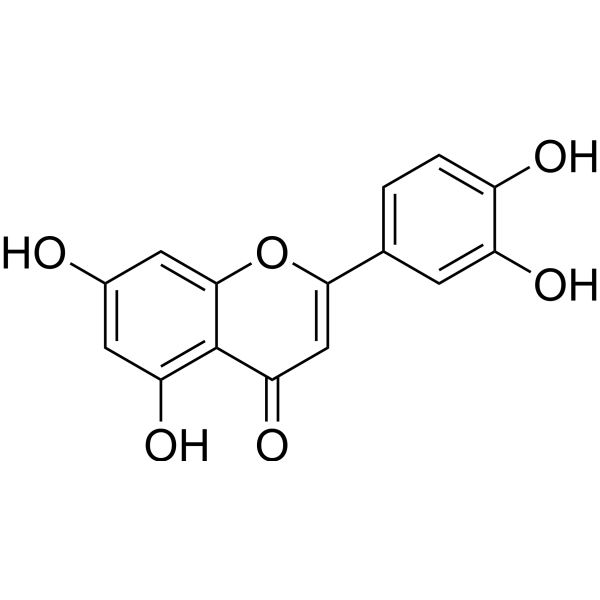
    Luteolin
    Maximum Cited Publications
    89 Publications Verification

    Luteoline; Luteolol; Digitoflavone

    Keap1-Nrf2 Apoptosis Autophagy Endogenous Metabolite Inflammation/Immunology Cancer
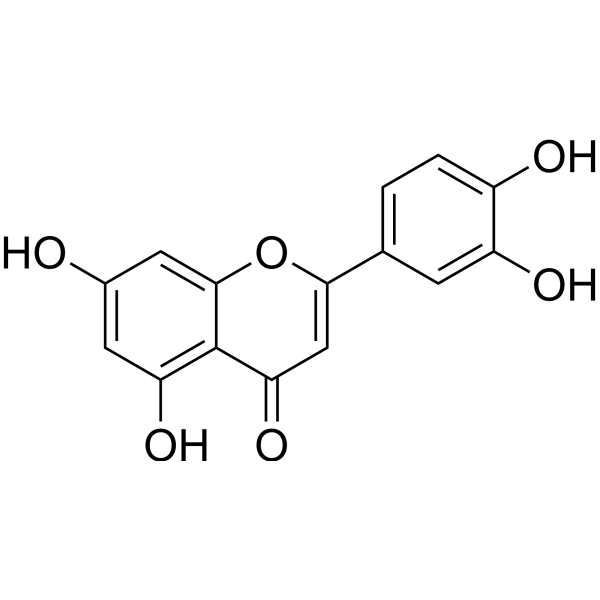
    Luteolin (Luteoline), a flavanoid compound, is a potent Nrf2 inhibitor. Luteolin has anti-inflammatory, anti-cancer properties, including the induction of apoptosis and cell cycle arrest, and the inhibition of metastasis and angiogenesis, in several cancer cell lines, including human non-small lung cancer cells .
    Luteolin
  • HY-13518
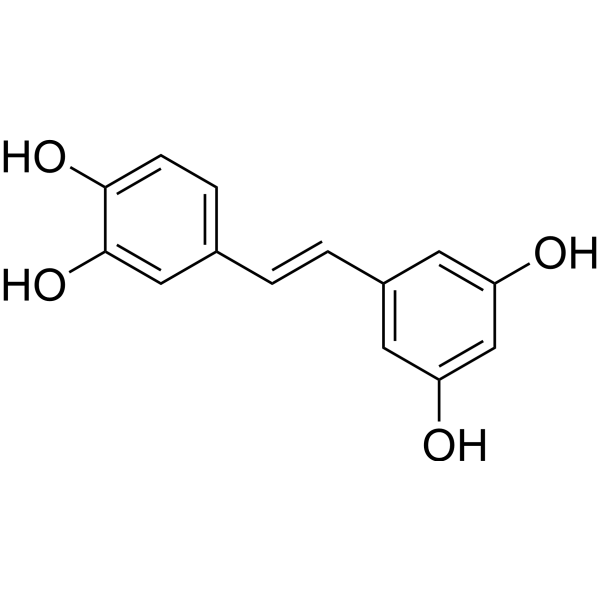
    Piceatannol
    20+ Cited Publications

    Astringenin; trans-Piceatannol

    Syk Autophagy Apoptosis Endogenous Metabolite Cancer
    Piceatannol is a well-known Syk inhibitor and reduces the expression of iNOS induced by TNF. Piceatannol is an effective agent for research of acute lung injury (ALI) . Piceatannol is a naturally occurring polyphenolic stilbene found in various fruits and vegetables and exhibits anticancer and anti-inflammatory properties . Piceatannol induces apoptosis in DLBCL cell lines . Piceatannol induces autophagy and apoptosis in MOLT-4 human leukemia cells .
    Piceatannol
  • HY-156002

    Paluratide

    Ras ERK Cancer
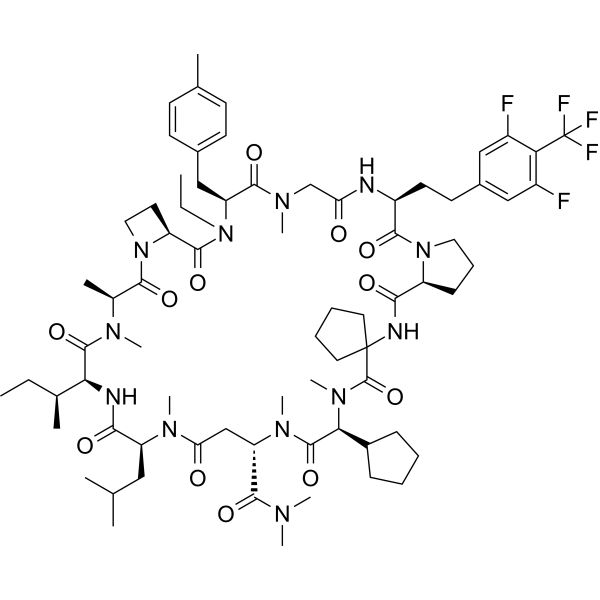
    LUNA18 is an orally-available cyclic peptide KRAS and ERK inhibitor. LUNA18 phosphorylates ERK and AKT and decreases cell proliferation in RAS-mutated cancer cells. LUNA18 exhibits RAS signal inhibition and potent anti-cancer activities through inhibiting interaction between RAS and guanine nucleotide exchange factors (GEFs) in a mouse xenograft model. LUNA18 shows significant cellular efficacy against cell lines with KRAS genetic alterations, such as colon cancer, stomach cancer, non-small cell lung cancer and pancreaticcancer .
    LUNA18
  • HY-162960

    Ras Cancer
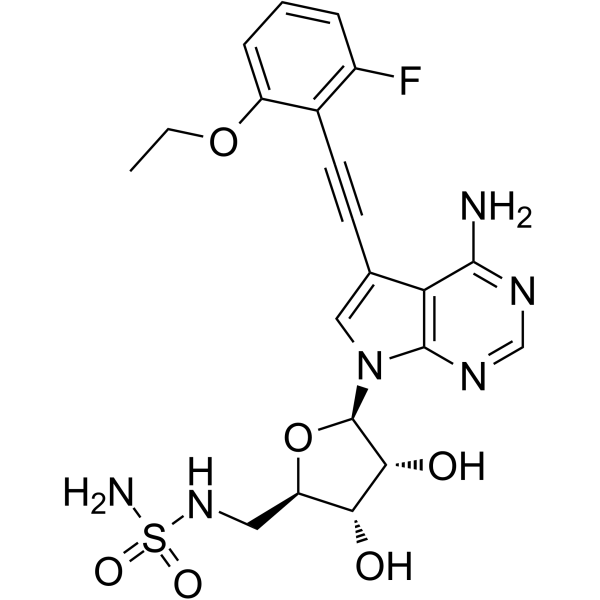
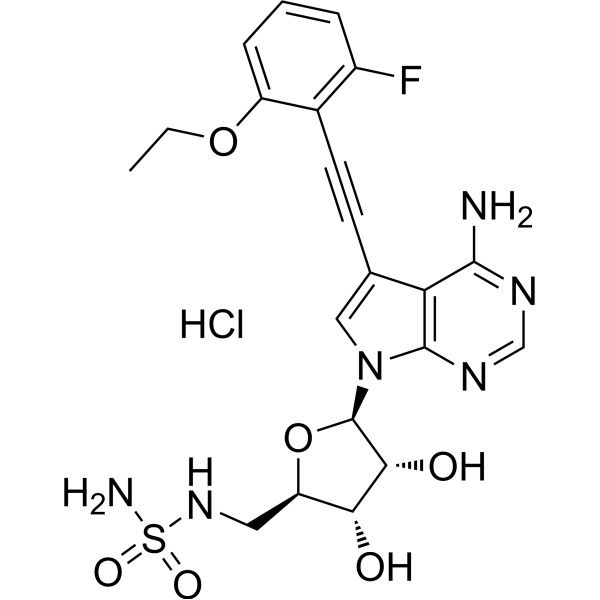
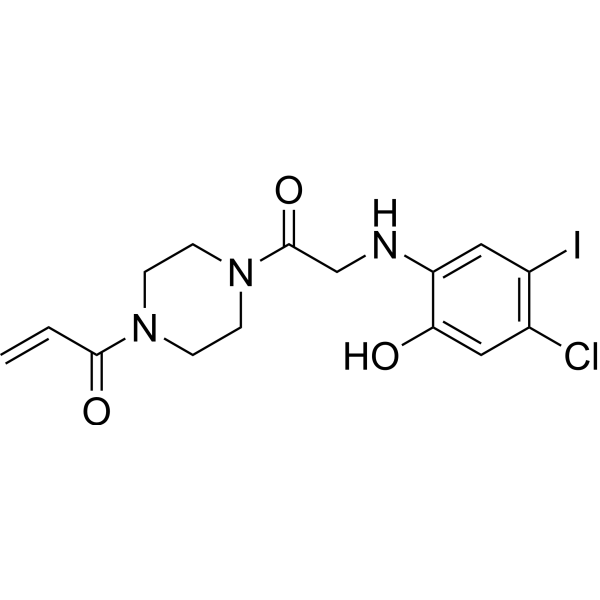
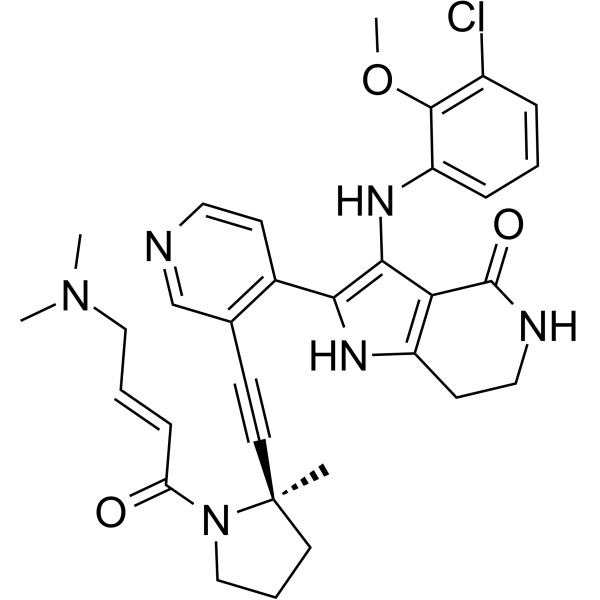
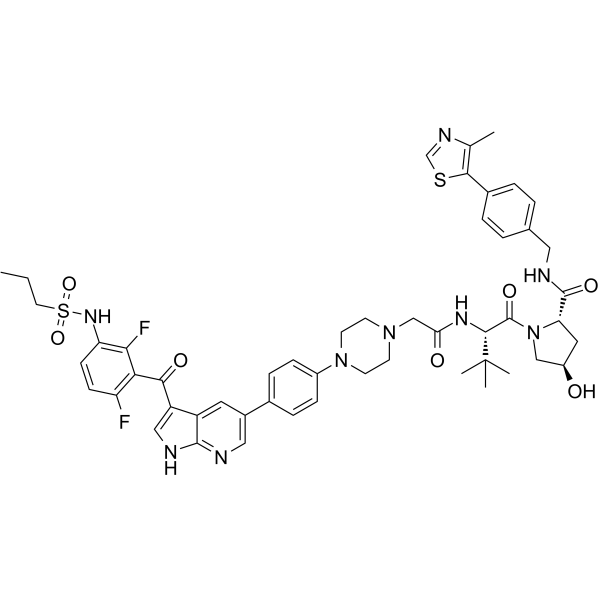
    pan-KRAS-IN-18 is a panKRAS inhibitor that inhibits KRAS WT and KRAS G12V with IC50s of 29 and 9 nM, respectively. pan-KRAS-IN-18 exhibits antiproliferative activity in KRAS-mutant cell lines. pan-KRAS-IN-18 can be used for lung cancer research .
    pan-KRAS-IN-18
  • HY-101984
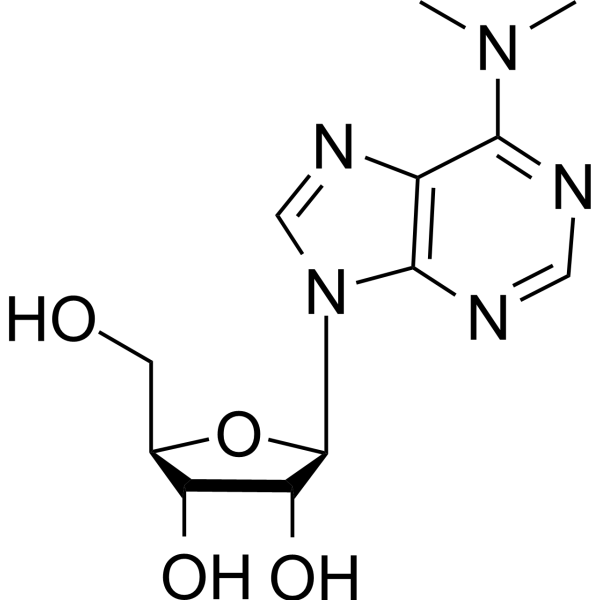
    N6,N6-Dimethyladenosine
    4 Publications Verification

    Nucleoside Antimetabolite/Analog Adenosine Receptor Akt SARS-CoV Infection Cancer
    N6,N6-Dimethyladenosine, a modified ribonucleoside, is an endogenous A3 adenosine receptor ligand. N6,N6-Dimethyladenosine is an AKT inhibitor with antitumor effects. N6, N6-Dimethyladenosine targets SARS-CoV-2 entry protein ADAM17. N6, N6-Dimethyladenosine robustly inhibits AKT signaling in a variety of non-small cell lung cancer cell lines .
    N6,N6-Dimethyladenosine
  • HY-141640

    PROTACs EGFR Cancer
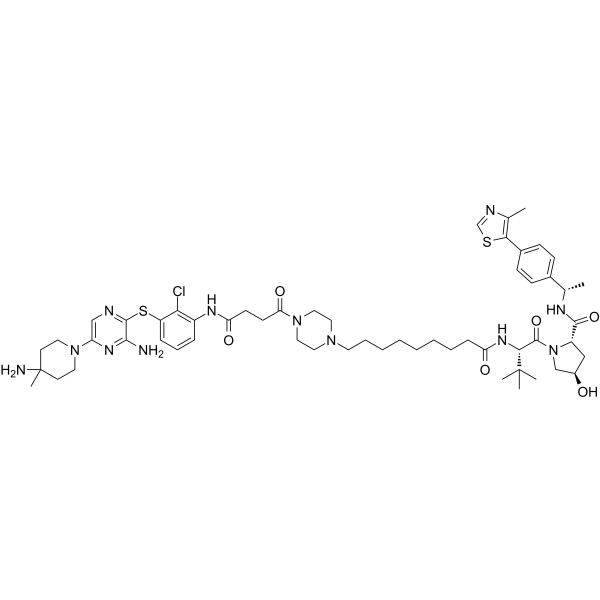
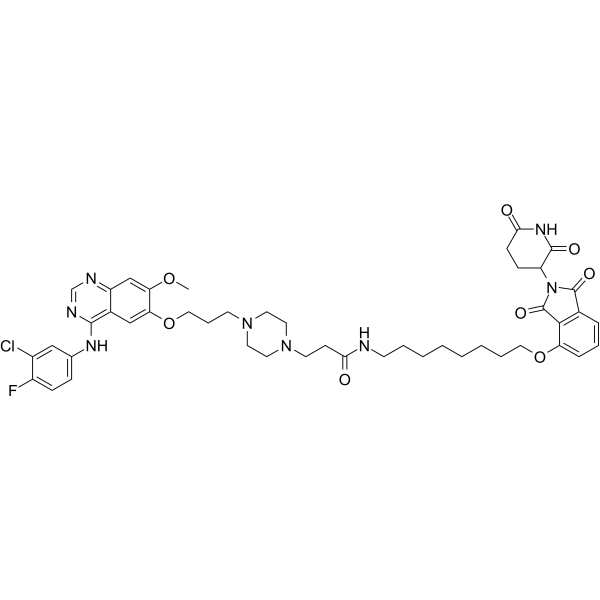
    MS154 is a first-in-class E3 ligase cereblon-recruited EGFR degrader with Kd values of 1.8 nM and 3.8 nM for EGFR WT and EGFR L858R mutant, respectively. MS154 potently induces degradation of mutant, but not wild-type, EGFR in cancer cell lines in an E3 ligase-dependent manner. MS154 exhibits anticancer effects against lung cancer (blue: E3 ligase ligand (HY-103596); black: linker (HY-W096167); pink: EGFR ligand (HY-168305)) .
    MS154
  • HY-145729

    AZD9150

    STAT Apoptosis Cancer
    Danvatirsen (AZD9150) is an antisense oligonucleotide targeting STAT3. Danvatirsen reduces the viability and promotes apoptosis of leukemia cell lines. Danvatirsen inhibits the expression of endogenous STAT3 and its downstream target genes, and reduces the proliferation and tumorigenicity of neuroblastoma and lymphoma cells. Danvatirsen inhibited tumor growth in mouse models of neuroblastoma, lymphoma, and non-small cell lung cancer. Danvatirsen achieves STAT3 mRNA and protein depletion in a mouse model of epidermoid carcinoma. Danvatirsen can be used in research related to lymphoma, myelodysplastic syndrome, acute myeloid leukemia, neuroblastoma and non-small cell lung cancer .
    Danvatirsen
  • HY-150207

    PARP Inflammation/Immunology
    RBN-3143 is a potent and NAD+-competitive catalytic PARP14 inhibitor with an IC50 value of 4 nM. RBN-3143 inhibits PARP14-mediated ADP-ribosylation and stabilizes PARP14 in cell lines. RBN-3143 can be used in research of lung inflammation .
    RBN-3143
  • HY-10325
    CL-387785
    2 Publications Verification

    EKI-785; WAY-EKI 785

    EGFR Apoptosis Endocrinology Cancer
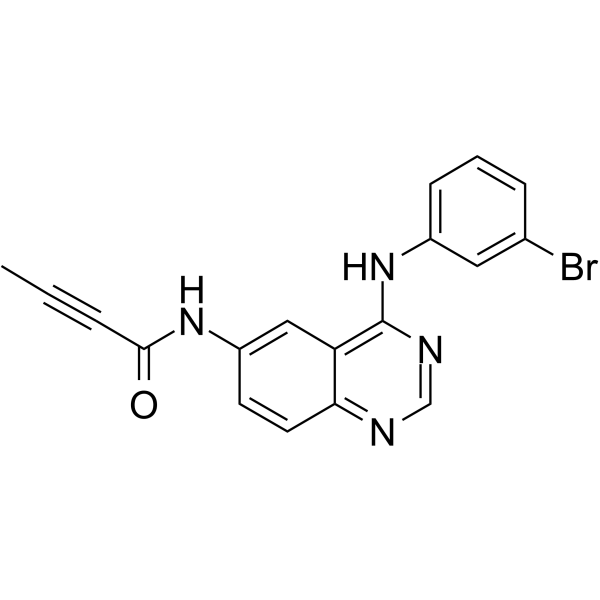
    CL-387785 (EKI-785; WAY-EKI 785) is an orally active EGFR inhibitor with an IC50 of 370 pM. CL-387785 inhibits EGF-stimulated EGFR autophosphorylation with an IC50 of approximately 5 nM. CL-387,785 exerts selective inhibition on cell lines overexpressing EGFR or c-erbB-2, whereas it shows weak inhibitory effects on cell lines with low expression of these two receptors. CL-387785 effectively induces cell cycle arrest and apoptosis. CL-387785 can be used for the research of non-small cell lung cancer and autosomal recessive polycystic kidney disease .
    CL-387785
  • HY-N0162R
    Luteolin (Standard)
    Maximum Cited Publications
    89 Publications Verification

    Luteoline(Standard); Luteolol(Standard); Digitoflavone (Standard)

    Reference Standards Keap1-Nrf2 Apoptosis Autophagy Endogenous Metabolite Inflammation/Immunology Cancer
    Luteolin (Standard) is the analytical standard of Luteolin. This product is intended for research and analytical applications. Luteolin (Luteoline), a flavanoid compound, is a potent Nrf2 inhibitor. Luteolin has anti-inflammatory, anti-cancer properties, including the induction of apoptosis and cell cycle arrest, and the inhibition of metastasis and angiogenesis, in several cancer cell lines, including human non-small lung cancer cells .
    Luteolin (Standard)
  • HY-124828
    CMLD-2
    2 Publications Verification

    HuR Cancer
    CMLD-2, an inhibitor of HuR-ARE interaction, competitively binds HuR protein disrupting its interaction with adenine-uridine rich elements (ARE)-containing mRNAs (Ki=350 nM). CMLD-2 induces apoptosis exhibits antitumor activity in different cancer cells as colon, pancreatic, thyroid and lung cancer cell lines. Hu antigen R (HuR) is an RNA binding protein, can regulate target mRNAs stability and translation .
    CMLD-2
  • HY-P991372

    RN927C antibody

    TROP2 Cancer
    Anti-TROP2 Antibody (RN927C antibody) is a human monoclonal antibody targeting Trop-2. Anti-TROP2 Antibody exerts in vitro inhibitory effects on a variety of tumor cell lines. Anti-TROP2 Antibody exhibits anti-tumor activity in mouse pancreatic PDX, ovarian PDX, lung PDX and triple-negative breast cancer (TNB) PDX models. Anti-TROP2 Antibody can be used for research on pancreatic cancer, ovarian cancer, lung cancer and triple-negative breast cancer .
    Anti-TROP2 Antibody
  • HY-156418

    DNA/RNA Synthesis Ferroptosis Apoptosis Reactive Oxygen Species (ROS) Cancer
    KY386 is a DHX33 helicase inhibitor with an IC50 of 0.019 μM. KY386 inhibits the cell viability of various cancer cells. KY386 induces ferroptosis in cancer cells, and induces apoptosis in some cancer cell lines. KY386 increases the intracellular levels of ROS, LPO and Fe 2+, and decreases the level of GSH in cancer cells . KY386 inhibits the growth of gastric cancer and colon cancer xenografts in nude mice. KY386 is applicable to the related research on liver cancer, lung cancer, pancreatic cancer, colorectal cancer, gastric cancer, breast cancer, leukemia, renal cancer, prostate cancer, esophageal cancer, cervical cancer, brain cancer (glioblastoma) and melanoma .
    KY386
  • HY-164315

    Ras PERK Cancer
    KRAS G12C inhibitor 67 (Example 35) is an orally active KRAS G12C inhibitor. KRAS G12C inhibitor 67 inhibits pERK and active KRas. KRAS G12C inhibitor 67 selectively inhibits the growth of various KRAS G12C mutant tumor cell lines. KRAS G12C inhibitor 67 exhibits anticancer activity against esophageal cancer, bladder cancer, colorectal cancer, lung cancer, and pancreatic cancer .
    KRAS G12C inhibitor 67
  • HY-18707

    Ras Apoptosis Cancer
    K-Ras(G12C) inhibitor 12 is an irreversible inhibitor of K-Ras(G12C). K-Ras(G12C) inhibitor 12 can alter the nucleotide-binding preference of K-Ras and block its interaction with effector proteins. K-Ras(G12C) inhibitor 12 can reduce cell viability and induce apoptosis in lung cancer cell lines with G12C mutations. K-Ras(G12C) inhibitor 12 has anti-tumor activity .
    K-Ras(G12C) inhibitor 12
  • HY-110245
    DMH2
    1 Publications Verification

    VU364849

    Apoptosis Cancer
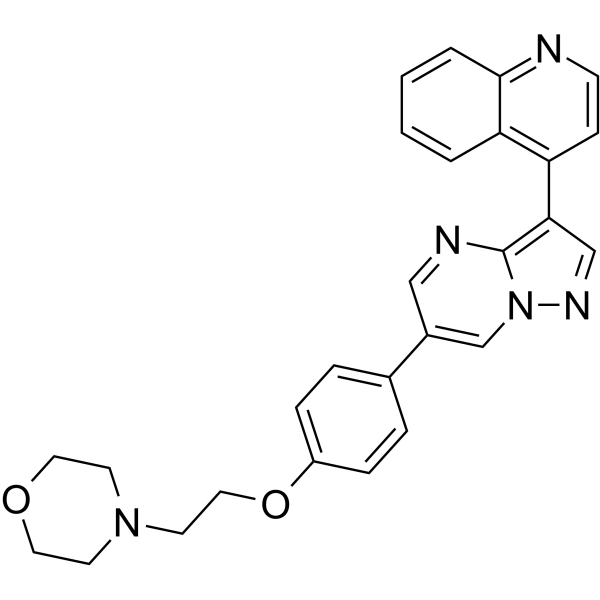
    DMH2 is a potent BMP receptor antagonist. DMH2 downregulates the expression of Id1 and Id3 proteins, and inhibits the proliferation and induces cell death of lung cancer cell lines .
    DMH2
  • HY-157396

    Aurora Kinase Apoptosis Caspase Cancer
    JAB-2485 is an orally active and selective Aurora kinase A (AURKA) inhibitor with an IC50 value of 0.327 nM. JAB-2485 exhibits inhibitory activity against various tumor cell lines such as neuroblastoma, triple-negative breast cancer, small cell lung cancer, and epithelial ovarian cancer. JAB-2485 can induce cell cycle arrest and apoptosis in tumor cells. JAB-2485 has antitumor activity .
    JAB-2485
  • HY-142997

    Liposome Cancer
    DOSPA is a cationic lipid. DOSPA can form lipid nanoparticles with DOPE (HY-112005) to serve as a carrier for nucleic acid transfection. DOSPA is applicable in research related to drug delivery .
    DOSPA
  • HY-145729A

    AZD9150 sodium

    STAT Apoptosis Cancer
    Danvatirsen sodium (AZD9150 sodium) is an antisense oligonucleotide targeting STAT3. Danvatirsen sodium reduces the viability and promotes apoptosis of leukemia cell lines. Danvatirsen sodium inhibits the expression of endogenous STAT3 and its downstream target genes, and reduces the proliferation and tumorigenicity of neuroblastoma and lymphoma cells. Danvatirsen sodium inhibited tumor growth in mouse models of neuroblastoma, lymphoma, and non-small cell lung cancer. Danvatirsen sodium achieves STAT3 mRNA and protein depletion in a mouse model of epidermoid carcinoma. Danvatirsen sodium can be used in research related to lymphoma, myelodysplastic syndrome, acute myeloid leukemia, neuroblastoma and non-small cell lung cancer .
    Danvatirsen sodium
  • HY-139342

    CDK Cancer
    CDK7-IN-4 (compound I) is a potent CDK7 (Cyclin-dependent kinase 7) inhibitor. CDK7-IN-4 shows anticancer activity. CDK7-IN-4 inhibits the in vitro growth of cancer cell lines from a variety of histologies including colon , breast , lung , ovary and stomach , in a dose dependent manner .
    CDK7-IN-4
  • HY-W303895
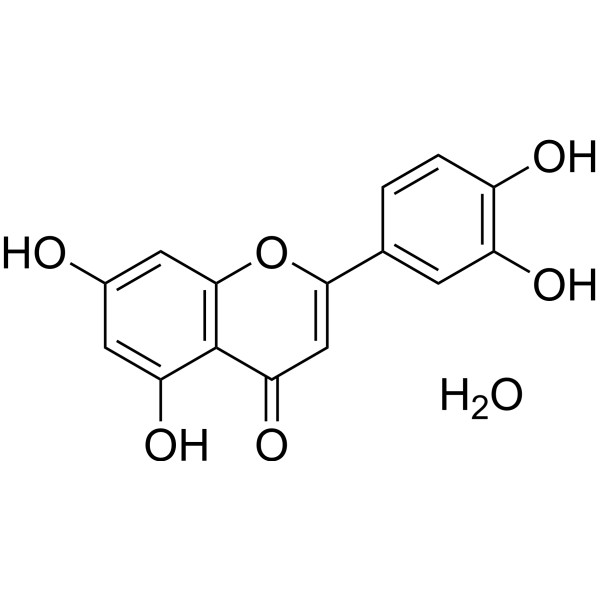
    Luteolin monohydrate
    Maximum Cited Publications
    89 Publications Verification

    Keap1-Nrf2 Apoptosis Autophagy Endogenous Metabolite Others Cancer
    Luteolin (monohydrate) is the monohydrate of Luteolin. Luteolin (Luteoline), a flavonoid, is also a potent Nrf2 inhibitor. Luteolin has anti-inflammatory and anticancer properties, induces apoptosis and cell cycle arrest in multiple human cancer cell lines, including non-small lung cancer cells, and inhibits cell metastasis and angiogenesis .
    Luteolin monohydrate
  • HY-165245

    Transmembrane Glycoprotein Cancer
    SBI-183 is an orally active inhibitor of QSOX1 (Kd: 20 μM). SBI-183 suppresses the proliferative and invasive phenotype of renal cancer cell lines, including triple negative breast cancer cell line, lung adenocarcinoma cell line and pancreatic ductal adenocarcinoma. SBI-183 inhibits tumor growth in two human xenograft mouse models of renal cell carcinoma in vivo .
    SBI-183
  • HY-178238

    ADC Payload Topoisomerase Cancer
    LD2-3 is a cytotoxic compound derived from Exatecan (HY-13631), designed to be conjugated with anti-FGFR2b or anti-CEA antibodies to form intact antibody-drug conjugate (ADC) molecules. LD2-3 exhibits a remarkable bystander killing effect: it not only effectively kills FGFR2b-positive tumor cells, but also eliminates surrounding FGFR2b-negative cells in co-culture and mixed tumor xenograft models, thereby inducing complete tumor regression. LD2-3 can be used for anti-tumor research in relevant fields such as gastric cancer and lung cancer .
    LD2-3
  • HY-120275

    Bcl-2 Family Apoptosis Cancer
    CYD-2-11 is a selective Bax agonist with a Ki value of 34.1 nM. CYD-2-11 induces cell apoptosis and shows antiproliferative activity to breast cancer MDA-MB-231 and MCF-7 cell lines with IC50 values of 3.22 and 3.81 μM, respectively. CYD-2-11 suppresses tumor growth in MDA-MB-231 tumor models. CYD-2-11 can be used for the research of breast and lung cancer .
    CYD-2-11
  • HY-19637

    Topoisomerase Cancer
    SW044248 is a non-canonical topoisomerase I inhibitor, and selectively toxic for certain non-small cell lung cancer (NSCLC) cell lines.
    SW044248
  • HY-110335

    ROCK Cancer
    OXA-06 hydrochloride is an ATP-competitive ROCK inhibitor that blocks anchorage-dependent growth and invasion of non-small cell lung cancer cell lines. OXA-06 hydrochloride inhibits cofilin phosphorylation but does not stimulate apoptosis .
    OXA-06 hydrochloride
  • HY-149040

    (S)-OBI-3424; (S)-TH-3424; AST-3424

    17β-HSD Cancer
    Odafosfamide ((S)-OBI-3424) is a highly selective prodrug bis-alkylating agent activated by aldehyde-keto reductase 1C3 (AKR1C3(). Odafosfamide is highly cytotoxic to cell lines with high AKR1C3 expression. Odafosfamide exhibits antitumor activity in a variety of tumors with high AKR1C3 expression (such as liver cancer, non-small cell lung cancer, and leukemia). Odafosfamide can be used in cancer research .
    Odafosfamide
  • HY-118899

    Endogenous Metabolite Cancer
    XR5944 is an anti-tumor compound with DNA-targeting activity. As a topoisomerase inhibitor, XR5944 can effectively inhibit the activities of topoisomerase I and II. XR5944 shows excellent anti-tumor activity against human and mouse tumor cells in vitro and in vivo. XR5944 exhibits significant potency in multiple cell lines, with IC50 values of 0.04-0.4 nM. XR5944 is not affected by atypical drug resistance in cells and remains significantly active even in cells overexpressing P-glycoprotein or multidrug resistance-related proteins. XR5944 showed anti-tumor efficacy in human tumor models of H69 small cell lung cancer and HT29 colon cancer, inducing tumor regression in most animals in the HT29 model. XR5944 can be used to study biological processes related to colon and lung cancer .
    XR5944
  • HY-19671

    SR-45023A; SR 9223i; SK&F-99085

    HMG-CoA Reductase (HMGCR) Apoptosis Cancer
    Apomine (SR-45023A) is an orally active antineoplastic agent that inhibits the mevalonate/isoprenoid pathway in cholesterol synthesis. Apomine can accelerate the degradation of 3-hydroxy-3-methylglutaryl-CoA reductase (HMGR). Apomine can also inhibit the growth of various types of cancer cells, including lung cancer, colon cancer, breast cancer, and skin cancer. Apomine is able to induce apoptosis in tumor cell lines derived from leukemia, colon cancer, liver cancer, ovarian cancer, and breast cancer .
    Apomine
  • HY-117085

    Phosphatase TMV Lipoxygenase Cancer
    Lobaric acid is a depsipeptide metabolite isolated from Stereocaulon lichen with antioxidant, antiproliferative, antiviral and enzyme inhibitory activities. Lobaric acid scavenges superoxide free radicals (IC50=97.9 μM) and inhibits cancer cell proliferation (EC50 of 15.2-63.9 μg/mL against leukemia, colorectal, gastric, breast, ovarian, prostate, pancreatic and lung cancer cell lines). Lobaric acid inhibits protein tyrosine phosphatase 1B (PTP1B; IC50=0.87 μM for human recombinant enzyme) and 12(S)-HETE produced by 12(S)-lipoxygenase (IC50=28.5 μM). Lobaric acid (250 μM) also reduced pathological changes in tobacco leaves infected with tobacco mosaic virus (TMV).
    Lobaric acid
  • HY-101984R

    Reference Standards Nucleoside Antimetabolite/Analog Adenosine Receptor Akt SARS-CoV Infection Cancer
    N6,N6-Dimethyladenosine (Standard) is the analytical standard of N6,N6-Dimethyladenosine (HY-101984). This product is intended for research and analytical applications. N6,N6-Dimethyladenosine, a modified ribonucleoside, is an endogenous A3 adenosine receptor ligand. N6,N6-Dimethyladenosine is an AKT inhibitor with antitumor effects. N6, N6-Dimethyladenosine targets SARS-CoV-2 entry protein ADAM17. N6, N6-Dimethyladenosine robustly inhibits AKT signaling in a variety of non-small cell lung cancer cell lines.
    N6,N6-Dimethyladenosine (Standard)
  • HY-125443

    Others Cancer
    Lucialdehydes A is a lanostante-type triterpene aldehydes, isolated from the fruiting bodies of Ganoderma lucidum. Lucialdehydes A shows cytotoxic effects on tumor cells, including Lewis lung carcinoma (LLC), T-47D, Sarcoma 180, and Meth-A tumor cell lines .
    Lucialdehyde A
  • HY-142094

    Histone Methyltransferase Cancer
    NSD3-IN-2 is a potent NSD3 inhibitor with an IC50 value of 17.97 μM. NSD3-IN-2 inhibits the growth and proliferation of non-small cell lung cancer cell lines H460, H1299 and H1650 with anti-cancer activity .
    NSD3-IN-2
  • HY-143466

    FAK ULK AMPK Apoptosis Autophagy Cancer
    ULK1-IN-2 (compound 3s) is a potent ULK1 inhibitor. ULK1-IN-2 shows highest cytotoxic effect against cancer cell lines, with IC50 of 1.94 μM in A549. ULK1-IN-2 can induce apoptosis and simultaneously block autophagy, and can be used to study NSCLC (Non-small cell lung cancer) .
    ULK1-IN-2
  • HY-W106860

    Drug Intermediate Cancer
    9H-Carbazole-3-carbaldehyde is an anticancer agent that can be isolated from the stems of Lansium parasiticum (Lour.) Skeels. 9H-Carbazole-3-carbaldehyde shows significant cytotoxic activity in a variety of tumor cell lines, especially against H1299 and SMMC-7721 lung cancer cells with IC50 values of 6.19-26.84 μg/mL .
    9H-Carbazole-3-carbaldehyde
  • HY-177138

    Microtubule/Tubulin Cancer
    Tubulin-IN-52 is a tubulin inhibitor. Tubulin-IN-52 demonstrates significant cytotoxicity toward a variety of cancer cell types including prostate, lung, and ovarian cancers with strong activity toward highly aggressive cancer lines (IC50 = 0.9-3.8 mM). Tubulin-IN-52 significantly inhibits the growth of established tumors without noticeable toxicity. Tubulin-IN-52 can be used for the study of cancer .
    Tubulin-IN-52
  • HY-101522

    EGFR BMX Kinase Btk MEK Cancer
    CHMFL-EGFR-202 is a potent, irreversible inhibitor of epidermal growth factor receptor (EGFR) mutant kinase, with IC50s of 5.3 nM and 8.3 nM for drug-resistant mutant EGFR T790M and WT EGFR kinases, respectively. CHMFL-EGFR-202 exhibits ~10-fold selectivity for EGFR L858R/T790M against the EGFR wild-type in cells. CHMFL-EGFR-202 adopts a covalent “DFG-in-C-helix-out” inactive binding conformation with EGFR, with strong antiproliferative effects against EGFR mutant-driven nonsmall-cell lung cancer (NSCLC) cell lines .
    CHMFL-EGFR-202
  • HY-178158

    Farnesyl Transferase Apoptosis DNA/RNA Synthesis Cancer
    SQS-IN-1 is a squalene synthase (SQS) inhibitor. SQS-IN-1 exhibits potent and broad-spectrum anti-proliferative effects on both mouse and human lung cancer cell lines. SQS-IN-1 inhibits DNA replication and the cell cycle, causing mitochondrial hyperpolarization and inducing cell apoptosis. SQS-IN-1 inhibits cell migration and invasion. SQS-IN-1 can be used to the study of lung cancer .
    SQS-IN-1
  • HY-147802

    EGFR Apoptosis Cancer
    EGFR-IN-59 (Compound 8c) is a EGFR inhibitor (IC50=190 nM) and apoptosis inducer. EGFR-IN-59 exhibits cytotoxicity against non-small lung cancer cell lines (A549) and normal lung fibroblasts (WI38) with IC50s of 8.62 and 52.6 µM, respectively. EGFR-IN-59 can be used for the research of various cancers such as non-small cell lung cancer (NSCLC), head and neck cancer, breast cancer and colorectal cancer .
    EGFR-IN-59
  • HY-118474

    NSC 721648

    Aryl Hydrocarbon Receptor Cytochrome P450 Cancer
    GW 610 (NSC 721648), an antitumor agent, is a potent AhR ligand with a Ki of 6.8 nM. GW 610 induces CYP1A1 expression in MCF-7 cells. GW 610 shows potent and selective anticancer activity against lung, colon, and breast cancer cell lines .
    GW 610
  • HY-105522

    Tetraplatin; NSC 363812

    Drug Derivative Cancer
    Ormaplatin (Tetraplatin) is a Platinum (HY-W096169D) analog with anticancer activity. Ormaplatin demonstrates cytotoxic activity in Cisplatin (HY-17394)-sensitive cell lines in vitro and in vivo. Ormaplatin can be used for non-small cell lung, colon, and breast cancer research .
    Ormaplatin
  • HY-125664

    Antibiotic Cancer
    Lucialdehyde B is a tetracyclic triterpene isolated from the substrates of Ganoderma lucidum with antiviral and cytotoxic activities. Lucialdehyde B has cytotoxic effects against Lewis lung cancer (LLC), T-47D, Sarcoma 180 and Meth-A tumor cell lines .
    Lucialdehyde B
  • HY-N3248

    Momordicacoside G

    Endogenous Metabolite Reactive Oxygen Species (ROS) Apoptosis Inflammation/Immunology Cancer
    Momordicoside G (Momordicacoside G) is an orally active cucurbitane-type triterpene glycoside. Momordicoside G selectively induces apoptosis of M1-like macrophages, without affecting M2-like macrophages. Momordicoside G reduces intracellular ROS levels and promotes autophagy. Momordicoside G also has anticancer activity, inhibiting the growth of cancer cell lines. Momordicoside G stimulates M2-associated lung injury repair and prevents inflammatory lung cancer injury .
    Momordicoside G
  • HY-Z8644

    N-Formyl-N-deacetylcolchicine

    Microtubule/Tubulin Apoptosis Cancer
    N-Deacetyl-N-formylcolchicine (N-Formyl-N-deacetylcolchicine, Compound 11) is a selective inhibitor targeting the colchicine-binding site of tubulin. N-Deacetyl-N-formylcolchicine shows antiproliferative activity against various cancer cell lines with IC50 values of 32.61-100.28 nM. N-Deacetyl-N-formylcolchicine inhibits microtubule polymerization to block cell division, induces cancer cell apoptosis and suppresses migration. N-Deacetyl-N-formylcolchicine is promising for research of cancers such as lung cancer and various solid tumors .
    N-Deacetyl-N-formylcolchicine
  • HY-13518R

    Astringenin (Standard); trans-Piceatannol (Standard)

    Reference Standards Syk Autophagy Apoptosis Endogenous Metabolite Cancer
    Piceatannol (Standard) is the analytical standard of Piceatannol. This product is intended for research and analytical applications. Piceatannol is a well-known Syk inhibitor and reduces the expression of iNOS induced by TNF. Piceatannol is an effective agent for research of acute lung injury (ALI) . Piceatannol is a naturally occurring polyphenolic stilbene found in various fruits and vegetables and exhibits anticancer and anti-inflammatory properties . Piceatannol induces apoptosis in DLBCL cell lines . Piceatannol induces autophagy and apoptosis in MOLT-4 human leukemia cells .
    Piceatannol (Standard)
  • HY-157404

    Pim Cancer
    Pim-1/2 kinase inhibitor 2 (compound 5b) is a competitive PIM-1 and PIM-2 kinase inhibitor with IC50s of 1.31 μM and 0.67 μM, respectively. Pim-1/2 kinase inhibitor 2 shows in-vitro low cytotoxicity against normal human lung fibroblast Wi-38 cell line and potent in-vitro anticancer activity against myeloid leukaemia (NFS-60), liver (HepG-2), prostate (PC-3), and colon (Caco-2) cancer cell lines .
    Pim-1/2 kinase inhibitor 2
  • HY-105369

    Anaplastic lymphoma kinase (ALK) Apoptosis Cancer
    KF-20444 is an orally active ALK inhibitor with blood-brain barrier penetration. KF-20444 exhibits strong inhibitory activity against ALK fusion proteins (EML4-ALK) and ALK resistance mutations (including L1196M, G1202R, and F1174L). KF-20444 effectively suppresses the phosphorylation of ALK in ALK-driven cancer cell lines, thereby inhibiting cancer cell proliferation and inducing apoptosis. KF-20444 demonstrates anti-tumor efficacy in mouse models bearing ALK-positive non-small cell lung cancer (NSCLC) or neuroblastoma. KF-20444 can be used for the study of ALK-driven malignancies .
    KF-20444
  • HY-121352

    Drug Derivative Cancer
    Kibdelone C is a hexacyclic tetrahydroxanthone natural product and anticancer agent with sub-nanomolar GI50 activity against human SR leukemia and SN12C renal carcinoma cell lines. Kibdelone C disrupts the actin cytoskeleton in human cancer cells, leading to cell contraction and actin stress fiber formation, without direct actin binding, actin polymerization effects, topoisomerase I/II inhibition, or DNA binding. Kibdelone C can be used for the research of leukemia, and renal cell carcinoma .
    Kibdelone C
  • HY-169514

    Trk Receptor Cancer
    TrkA-IN-8 (Compound 2) is a TrkA inhibitor with a Kd value of 3.3 µM. RTKs-IN-1 exhibits concentration-dependent inhibition of cell proliferation in lung cancer cell lines. RTKs-IN-1 holds potential for research in non-small cell lung cancer .
    TrkA-IN-8
  • HY-164713

    Others Others
    PARP1-IN-31 (compound 11f) is a phthalazinone-based compound, an anti-lung adenocarcinoma compound with inhibitory activity against PARP-1 (IC50 value of 97 nM), inducing apoptosis and inhibiting cell proliferation in lung cancer cell lines.
    PARP1-IN-31

Inquiry Online

Your information is safe with us. * Required Fields.

Salutation


Country or Region *

Applicant Name *


Organization Name *

Department *


Email Address *


Product Name *

Cat. No.


Requested quantity *

Phone Number *


Remarks

Inquiry Online

Inquiry Information

Product Name:
Cat. No.:
Quantity:
MCE Japan Authorized Agent:

