
From 11:00 pm to 12:00 pm EST ( 8:00 pm to 9:00 pm PST ) on January 6th, the website will be under maintenance. We are sorry for the inconvenience. Please arrange your schedule properly.
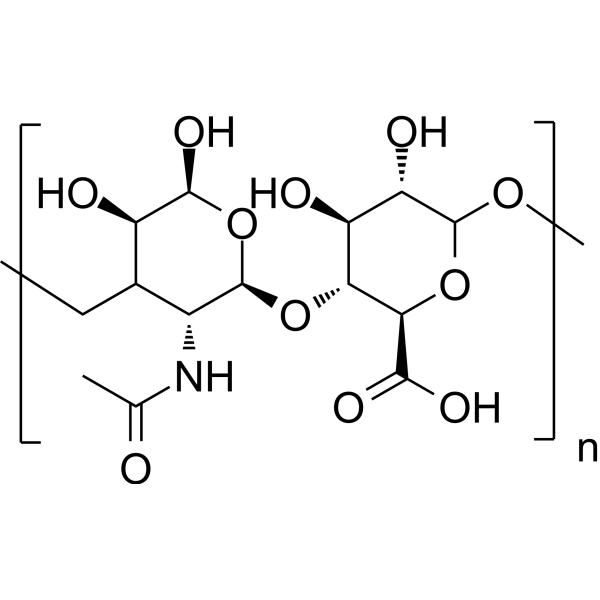
Hyaluronic acid is a biopolymer composed of repeating units of disaccharides with various applications. Hyaluronic acid is a major component of the extracellular matrix (ECM). Hyaluronic acid is synthesized at the plasma membrane. Increased hyaluronic acid levels are associated with tumor cell growth, adhesion, migration, invasion and angiogenesis in digestive cancers. Hyaluronic acid participates in tissue remodeling and rapid cell proliferation in some physiological processes including embryonic morphogenesis and wound-healing. Hyaluronic acid activates the PI3K-Akt signaling. Hyaluronic acid acts as a regulator of cancer-associated lymphangiogenesis. Hyaluronic acid also enhances cell invasion and angiogenesis by promoting proteolytic MMP-9 binding to cell surface or stimulating MMP-9 binding to cell surface. Hyaluronic acid can be used as drug delivery for sodium butyrate to improve the anti-proliferative activity on breast cancer cell line. Hyaluronic acid can be studied in joint diseases, wound healing and cancer .
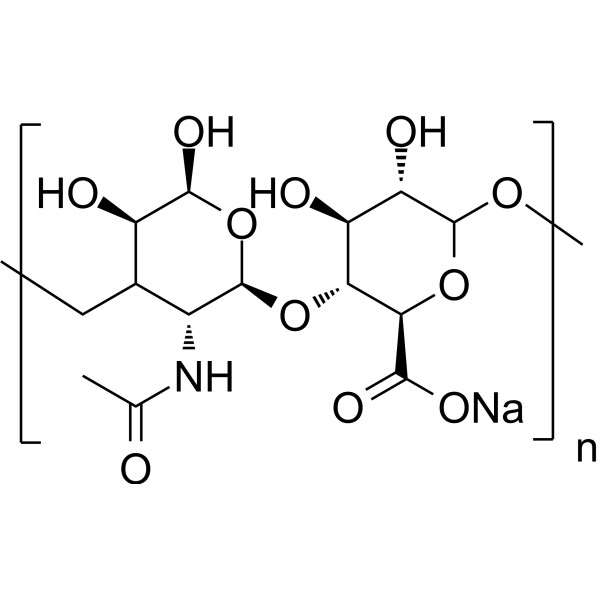
Hyaluronic acid sodium (Sodium hyaluronate) is a biopolymer composed of repeating units of disaccharides with various applications. Hyaluronic acid sodium is a major component of the extracellular matrix (ECM). Hyaluronic acid sodium is synthesized at the plasma membrane. Increased hyaluronic acid sodium levels are associated with tumor cell growth, adhesion, migration, invasion and angiogenesis in digestive cancers. Hyaluronic acid sodium participates in tissue remodeling and rapid cell proliferation in some physiological processes including embryonic morphogenesis and wound-healing. Hyaluronic acid sodium activates the PI3K-Akt signaling. Hyaluronic acid sodium acts as a regulator of cancer-associated lymphangiogenesis. Hyaluronic acid sodium also enhances cell invasion and angiogenesis by promoting proteolytic MMP-9 binding to cell surface or stimulating MMP-9 binding to cell surface. Hyaluronic acid sodium can be used as drug delivery for sodium butyrate to improve the anti-proliferative activity on breast cancer cell line. Hyaluronic acid sodium can be studied in joint diseases, wound healing and cancer .
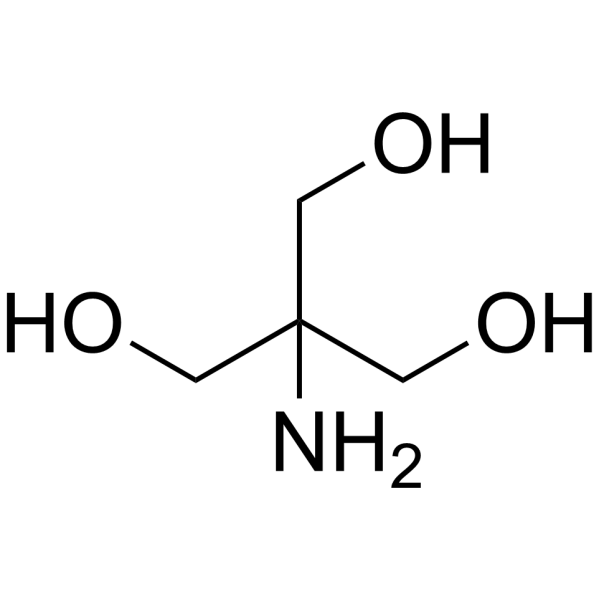
THAM (Tris) is a low-toxicity amino alcohol buffer, a specific CO2-consuming proton acceptor that buffers carbon dioxide and acid both in vitro and in vivo. THAM binds protons to form bicarbonate, reduces PaCO2, and induces intracellular alkalization, thereby ameliorating hypercapnia-induced elevation of pulmonary blood vessels and pulmonary arterial pressure. THAM may cause PaCO2 rebound, hypoglycemia, and respiratory depression. THAM removes amniotic epithelium and preserves the basement membrane, but depletes extracellular matrix and reduces the adhesion rate of limbal epithelial cells. THAM can act as a CO2 carrier to enhance the productivity and carbon utilization rate of Scenedesmus obliquus. THAM is a key component of buffer solutions used in various biological, cell culture, biochemical, and molecular biology applications .
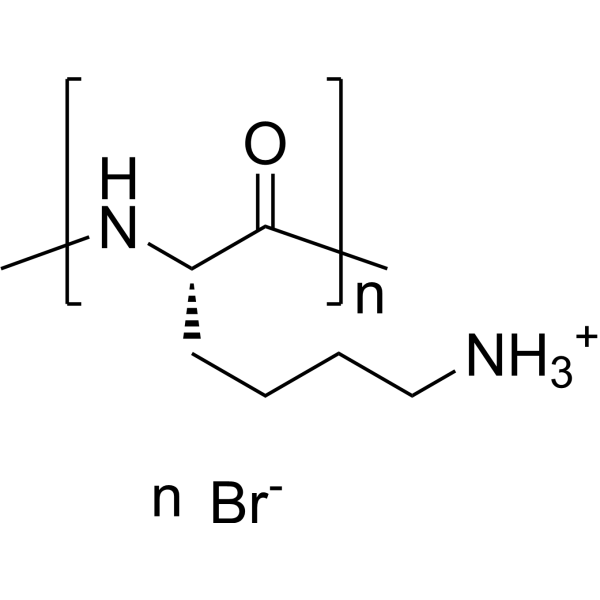
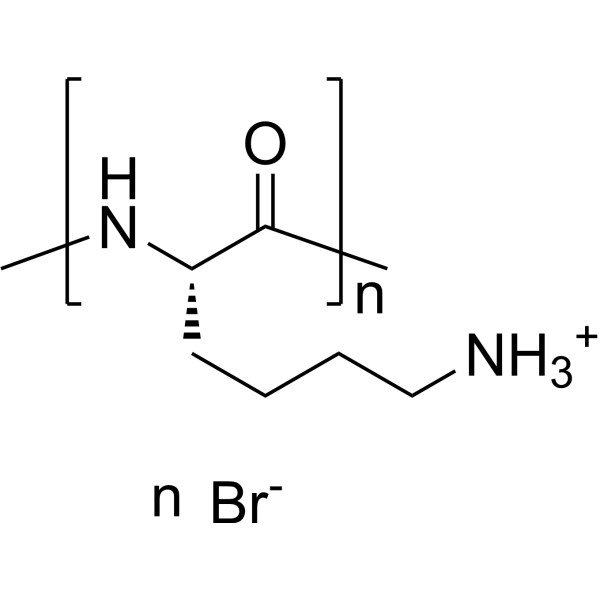
Poly-L-lysine (hydrobromide) (MW 150000-300000), a positively charged amino acid polymer, is a nonspecific attachment factor for cells. Poly-L-lysine (hydrobromide) (MW 150000-300000) has good biocompatibility. Poly-L-lysine (hydrobromide) (MW 150000-300000) is used to increase cell adhesion to solid substrates by enhancing electrostatic interaction between negatively charged ions of the cell membrane and the culture surface .
Poly-L-lysine (hydrobromide) (MW 70000-150000), a positively charged amino acid polymer, is a nonspecific attachment factor for cells. Poly-L-lysine (hydrobromide) (MW 70000-150000) has good biocompatibility. Poly-L-lysine (hydrobromide) (MW 70000-150000) is used to increase cell adhesion to solid substrates by enhancing electrostatic interaction between negatively charged ions of the cell membrane and the culture surface .
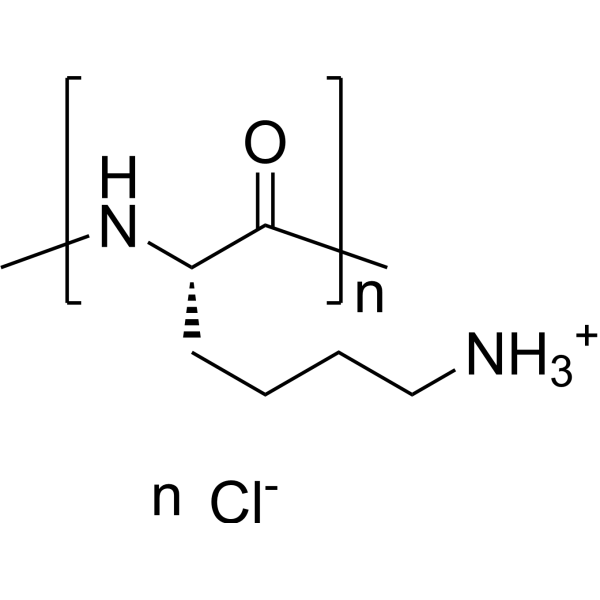
Poly-L-lysine hydrochloride is a nonspecific attachment factor for cells useful in promoting cell adhesion to solid substrates by enhancing electrostatic interaction between negatively charged ions of the cell membrane and the culture surface. Poly-L-lysine hydrochloride is a strong-attraction regulator that promotes liquid-liquid phase separation (LLPS) at low concentrations but suppresses LLPS at high concentrations. Antibacterial cationic peptide. .
Poly-L-lysine hydrobromide (MW 4000-15000) is a positively charged amino acid polymer that acts as a non-specific attachment factor for cells. Poly-L-lysine hydrobromide (MW 4000-15000) enhances the electrostatic interaction between the negative ions of the cell membrane and the surface of the culture medium, thereby promoting the adhesion of cells to solid substrates. Poly-L-lysine hydrobromide (MW 4000-15000) can be used for gene delivery .
Poly-L-lysine solution (0.01%, sterile-filtered, MW 150000-300000), a positively charged amino acid polymer, is a nonspecific attachment factor for cells. Poly-L-lysine solution (0.01%, sterile-filtered, MW 150000-300000) has good biocompatibility. Poly-L-lysine solution (0.01%, sterile-filtered, MW 150000-300000) is used to increase cell adhesion to solid substrates by enhancing electrostatic interaction between negatively charged ions of the cell membrane and the culture surface .
Hyaluronic acid sodium (MW 200-1560) is a biopolymer composed of repeating disaccharide units, with a molecular weight of 200-1560. Hyaluronic acid sodium is a major component of the extracellular matrix (ECM). It is synthesized on the plasma membrane. Hyaluronic acid sodium exerts its effects by binding to receptors CD44 and RHAMM. Hyaluronic acid sodium activates PI3K-Akt signaling. Hyaluronic acid sodium also enhances cell invasion and angiogenesis by promoting or stimulating the binding of proteolytic MMP-9 to the cell surface. Elevated hyaluronic acid levels are associated with tumor cell growth, adhesion, migration, invasion, and angiogenesis in digestive system cancers. Hyaluronic acid sodium is involved in tissue remodeling and rapid cell proliferation in several physiological processes, including embryonic morphogenesis and wound healing. Hyaluronic acid sodium can be used as a regulator of cancer-associated lymphangiogenesis. Hyaluronic acid sodium can be used as a drug delivery carrier for sodium butyrate, enhancing its anti-proliferative activity against breast cancer cell lines. Hyaluronic acid sodium can lubricate the corneal endothelium. Hyaluronic acid sodium can improve tissue hydration and enhance the resistance of cells to mechanical damage. Hyaluronic acid sodium has been conjugated with antibodies to ensure that the active compound continues to exert its effects at the site of inflammation. Hyaluronic acid sodium can be used in research in the fields of osteoarthritis, ophthalmology, cosmetic dermatology, oncology, and liver diseases .
Hyaluronic acid, low endotoxin (Hyaluronan, low endotoxin) is a biopolymer composed of repeating disaccharide units containing low levels of endotoxin. Hyaluronic acid is a major component of the extracellular matrix (ECM). It is synthesized on the plasma membrane. Hyaluronic acid exerts its effects by binding to receptors CD44 and RHAMM. Hyaluronic acid activates PI3K-Akt signaling. Hyaluronic acid also enhances cell invasion and angiogenesis by promoting or stimulating the binding of proteolytic MMP-9 to the cell surface. Elevated hyaluronic acid levels are associated with tumor cell growth, adhesion, migration, invasion, and angiogenesis in digestive system cancers. Hyaluronic acid is involved in tissue remodeling and rapid cell proliferation in several physiological processes, including embryonic morphogenesis and wound healing. Hyaluronic acid can be used as a regulator of cancer-associated lymphangiogenesis. Hyaluronic acid can be used as a drug delivery carrier for sodium butyrate, enhancing its anti-proliferative activity against breast cancer cell lines. Hyaluronic acid can lubricate the corneal endothelium. Hyaluronic acid can improve tissue hydration and enhance the resistance of cells to mechanical damage. Hyaluronic acid has been conjugated with antibodies to ensure that the active compound continues to exert its effects at the site of inflammation. Hyaluronic acid can be used in research in the fields of osteoarthritis, ophthalmology, cosmetic dermatology, oncology, and liver diseases .
Poly-L-lysine hydrobromide (MW 150000-300000), a positively charged amino acid polymer, is a nonspecific attachment factor for cells. Poly-L-lysine hydrobromide (MW 150000-300000) has good biocompatibility. Poly-L-lysine hydrobromide (MW 150000-300000) is used to increase cell adhesion to solid substrates by enhancing electrostatic interaction between negatively charged ions of the cell membrane and the culture surface .
Milatuzumab (hLL1; MEDI-115) is a humanized anti-CD74 monoclonal antibody. CD74, a integral membrane protein, is associated with the promotion of B-cell growth and survival. Milatuzumab causes free radical oxygen generation, and loss of mitochondrial membrane potential. Milatuzumaba also decreases CD20/CD74 aggregates and cell adhesion, to lead to cell death .
Laminin (Engelbreth-Holm-Swarm murine sarcoma basement membrane) is a crucial structural element in animal tissues, forming part of the scaffolding that supports tissue architecture. It interacts with type IV collagen through entactin and perlecan, connects to cell membranes via integrin receptors, dystroglycan complexes, and Lutheran blood group glycoproteins, and contains functional domains that facilitate collagen binding, cell adhesion, heparin interaction, and promote neurite outgrowth.
Hyaluronic acid sodium (MW 800kDa) is a biopolymer composed of repeating units of disaccharides with various applications. Hyaluronic acid sodium is a major component of the extracellular matrix (ECM). Hyaluronic acid sodium is synthesized at the plasma membrane. Increased hyaluronic acid sodium levels are associated with tumor cell growth, adhesion, migration, invasion and angiogenesis in digestive cancers. Hyaluronic acid sodium participates in tissue remodeling and rapid cell proliferation in some physiological processes including embryonic morphogenesis and wound-healing. Hyaluronic acid sodium activates the PI3K-Akt signaling. Hyaluronic acid sodium acts as a regulator of cancer-associated lymphangiogenesis. Hyaluronic acid sodium also enhances cell invasion and angiogenesis by promoting proteolytic MMP-9 binding to cell surface or stimulating MMP-9 binding to cell surface. Hyaluronic acid sodium can be used as drug delivery for sodium butyrate to improve the anti-proliferative activity on breast cancer cell line. Hyaluronic acid sodium can be studied in joint diseases, wound healing and cancer .
Vectofusin-1 is a histidine-rich cationic amphipathic peptide derived from the LAH4 (HY-P0311) peptide family, and also acts as a Viral entry enhancer. Vectofusin-1 promotes the adhesion and fusion of retroviral/lentiviral vectors with cell membranes during viral entry, thereby improving transduction efficiency. Vectofusin-1 potently enhances lentiviral transduction of cells .
THAM hydrochloride (≥99%, for cell culture) is a low-toxicity amino alcohol buffer, a specific CO2-consuming proton acceptor that buffers carbon dioxide and acid both in vitro and in vivo. THAM hydrochloride (≥99%, for cell culture) binds protons to form bicarbonate, reduces PaCO2, and induces intracellular alkalization, thereby ameliorating hypercapnia-induced elevation of pulmonary blood vessels and pulmonary arterial pressure. THAM hydrochloride (≥99%, for cell culture) may cause PaCO2 rebound, hypoglycemia, and respiratory depression. THAM hydrochloride (≥99%, for cell culture) removes amniotic epithelium and preserves the basement membrane, but depletes extracellular matrix and reduces the adhesion rate of limbal epithelial cells. THAM hydrochloride (≥99%, for cell culture) can act as a CO2 carrier to enhance the productivity and carbon utilization rate of Scenedesmus obliquus. THAM hydrochloride (≥99%, for cell culture) is a key component of buffer solutions used in various biological, cell culture, biochemical, and molecular biology applications .
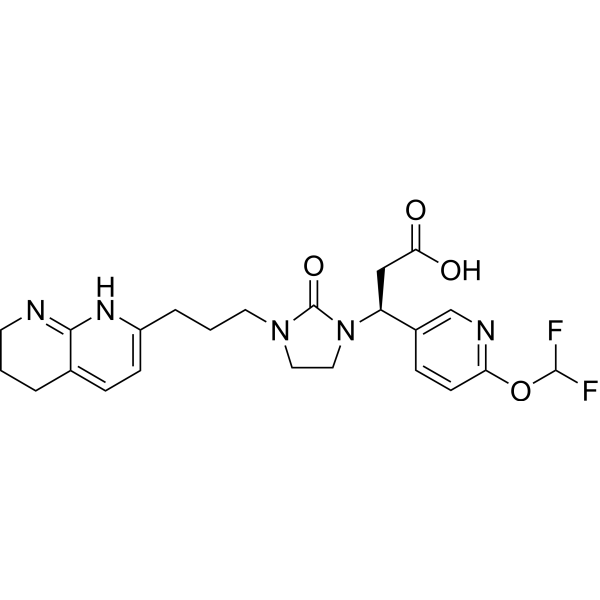
Nesvategrast (SF0166) is a potent and selective αvβ3 antagonist with IC50 values of 0.6 nM, 8 nM, and 13 nM for αvβ3, αvβ6, and αvβ8, respectively. Nesvategrast inhibits cellular adhesion to vitronectin across human, rat, rabbit, and dog cell lines with IC50 values of 7.6 pM to 76 nM. Nesvategrast decreases neovascularization in the oxygen-induced retinopathy mouse model .
Lewis X trisaccharide (Lewis X, Le x) is a potent TH2 regulator, antagonizes LPS-induced IL-12 immune expression. Lewis X trisaccharide is a human histo-blood group antigen, plays an key role in cell-cell adhesion, and servers as a tumor marker. Lewis X trisaccharide is highly expressed in the outer membrane of the parasite, can be used for the immunology research of schistosomiasis .
Phosphatidylinositol 4,5-bisphosphate (L-alpha-Phosphatidylinositol-4,5-bisphosphate) is a plasma membrane lipid that is enriched in the cytoplasmic leaflet of the plasma membrane. Phosphatidylinositol 4,5-bisphosphate serves as a substrate for phospholipase C and class I PI3K, generating diacylglycerol, inositol (1,4,5)-trisphosphate, and phosphatidylinositol (3,4,5)-trisphosphate. Phosphatidylinositol 4,5-bisphosphate contributes to lamellipodial protrusion, directional cell migration, focal adhesion lipid generation, and trafficking of the GABAA receptor. Phosphatidylinositol 4,5-bisphosphate can be used in research related to acute lung injury and pulmonary edema .
Defensin HNP-3 human is an α-defensin stored in the azurophilic granules of human neutrophils. Defensin HNP-3 human exerts broad-spectrum bactericidal, antifungal and antiviral activities mainly by forming bacterial membrane pores, and acts as a chemoattractant for monocytes and T cells. Defensin HNP-3 human maintains epithelial integrity to support periodontal tissue homeostasis, and exerts concentration-dependent effects on epithelial cell proliferation, adhesion and bacterial adhesion. Defensin HNP-3 human targets solid tumors and leukemia by inducing single-strand DNA breaks and membrane permeabilization in tumor cells via electrostatic binding and pore formation. Defensin HNP-3 human is abundant in human tongue squamous cell carcinoma and neutrophils infiltrating oral squamous cell carcinoma. Defensin HNP-3 human can be applied to research related to periodontitis and human tongue squamous cell carcinoma .
Biotin-myelin basic protein (94-102) is a peptide fragemt. Myelin basic protein is responsible for adhesion of the cytosolic surfaces of multilayered compact myelin, it plays an important role in the process of myelination of nerves in the nervous system. Myelin basic protein also acts as a membrane actin-binding protein, which might allow it to participate in transmission of extracellular signals to the cytoskeleton in oligodendrocytes and tight junctions in myelin .
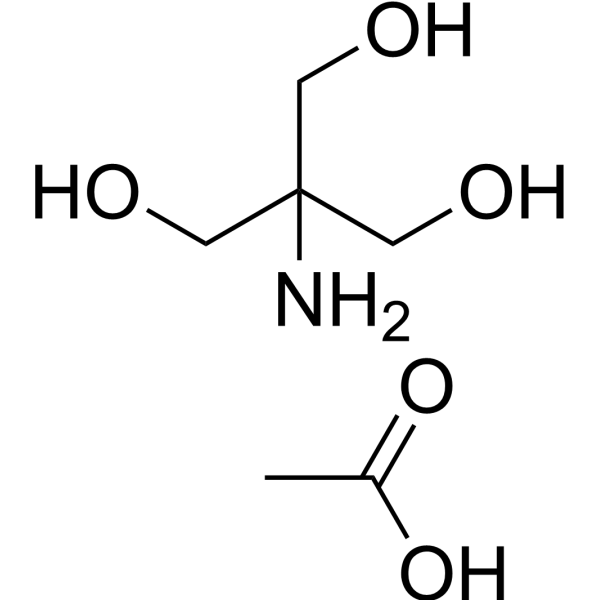
THAM acetate is a low-toxicity amino alcohol buffer, a CO2-consuming proton acceptor that buffers carbon dioxide and acid both in vitro and in vivo. THAM acetate binds protons to form bicarbonate, reduces PaCO2, and induces intracellular alkalization, thereby ameliorating hypercapnia-induced elevation of pulmonary blood vessels and pulmonary arterial pressure. THAM acetate may cause PaCO2 rebound, hypoglycemia, and respiratory depression. THAM acetate removes amniotic epithelium and preserves the basement membrane, but depletes extracellular matrix and reduces the adhesion rate of limbal epithelial cells. THAM acetate can act as a CO2 carrier to enhance the productivity and carbon utilization rate of Scenedesmus obliquus. THAM acetate is a key component of buffer solutions used in various biological, cell culture, biochemical, and molecular biology applications .
Sapindoside B is a substance with hepatoprotective activity, and also acts as a cytochrome P-450 (cytochrome P-450) inhibitor, antibacterial agent and membrane-disrupting agent. Sapindoside B reversibly inhibits the content of cytochrome P-450 in liver microsomes, suppresses the phenobarbital-induced increase in enzyme content, reduces the production of active metabolites mediated by cytochrome P-450, and alleviates hepatotoxic injury. Sapindoside B binds to Cutibacterium acnes lipase, reduces lipase activity, inhibits biofilm formation, and decreases bacterialadhesion. Sapindoside B exhibits cytotoxicity against human cancer, liver cancer, leukemia and glioblastoma cells. Sapindoside B inhibits mycelial growth of phytopathogenic fungal strains, possesses antibacterial activity against dermatophytes, and also has hemolytic/membrane-lytic activity. Sapindoside B can be used in research related to liver injury, Cutibacterium acnes biofilm-associated infections, gastric cancer, carcinoma, promyelocytic leukemia, glioblastoma, apple scab and grape gray mold .
SSAO/VAP-1 inhibitor 1 is a potent inhibitor of SSAO/VAP-1. SSAO/VAP-1 promotes the transfer of Glucose transport 4 (GLUT 4) from adipocytes to the cell membrane, thereby regulating glucose transport. In endothelial cells, SSAO/VAP-1 can mediate the adhesion and exudation of leukocytes and endothelial cells, and participate in inflammatory responses. SSAO/VAP-1 inhibitor 1 has the potential for the research of inflammation and/or inflammation-related disease or diabetes and/or diabetes-related disease (extracted from patent WO2021102774A1, compound E3) .
p53 Activator 14 (Compound 7A) is a derivative of Neratinib (HY-32721), that induces DNA damage, activates p53, and inhibits the proliferation of multi cancer cells (IC50=7.21 μM for HCT116 cell). p53 Activator 14 inhibits the adhesion, migration and invasion of HCT116, arrests the cell cycle, and induces apoptosis. p53 Activator 14 inhibits angiogenesis and exhibits antitumor efficacy in chick chorioallantoic membrane (CAM) model .
HJ-4 is a Piperine (HY-N0144) derivative. HJ-4 potently inhibits the proliferation of CRC cells by dose-dependently reducing colony formation and DNA synthesis. HJ-4 markedly suppresses the adhesion, migration, invasion and induces apoptosis of CRC cells. HJ-4 demonstrates anti-tumor efficacy in chicken embryo chorioallantoic membrane (CAM) model implanted with HCT116/SW480 tumor spheroids. HJ-4 can be used for the study of colorectal cancer (CRC) .
DN-9693 dihydrochloride is a phosphodiesterase inhibitor with a platelet membrane effect. DN-9693 dihydrochloride can increase platelet cyclic AMP and inhibit ristocetin-induced platelet agglutination and adhesion .
Tachyplesin-3 is a broad-spectrum cationic antimicrobial peptide. Tachyplesin-3 has inhibitory activity against Gram-positive bacteria, Gram-negative bacteria, fungi and enveloped viruses. Tachyplesin-3 binds to bacterial membrane lipopolysaccharides through positive charges, disrupting membrane integrity and causing leakage of cellular contents. Tachyplesin-3 interferes with bacterial adhesion and aggregation, prevents biofilm formation, and has a synergistic effect when used in combination with Piperacillin (HY-B1923) - Tazobactam (HY-B1418) (TZP) .
AG73 is a polypeptide. AG73 is derived from the G domain of the Laminin α1 chain. AG73 binds heparin, Syndecan-1 and Syndecan-4. AG73 promotes the adhesion of various cells, induces the differentiation of salivary gland acinar cells, stimulates neurite outgrowth, secretion of matrix metalloproteinases and angiogenesis. AG73 retains its angiogenic activity when conjugated to chitosan membranes. AG73 can be used in the research of melanoma and ischemic injury .
Decyl gallate is an antifungal (fungal) agent. Decyl gallate downregulates the expression of the pro-apoptotic (apoptosis) protein Bak, upregulates the expression of the anti-apoptotic protein Bcl-2, and inhibits DNA damage. Decyl gallate disrupts ALG12-mediated N-glycosylation, overactivates the UPR pathway, and simultaneously reduces fungal cell wall enzyme activity, chitin levels, mitochondrial activity, budding ability, cell viability, and host cell adhesion capacity. Decyl gallate reduces inflammatory responses induced by fungal infection and disrupts fungal membrane structure. Decyl gallate can be used in studies related to paracoccidioidomycosis and invasive fungal infections .
Mitochondrial respiration-IN-1 is a mitochondrial respiratory inhibitor. Mitochondrial respiration-IN-1 reduces platelet aggregation, adhesion, and platelet-induced coagulation responses. Mitochondrial respiration-IN-1 induces adaptive glycolysis, decreases mitochondrial membrane potential, selectively reduces ATP production derived from oxidative phosphorylation, and exerts bidirectional regulatory effects on cell proliferation. Mitochondrial respiration-IN-1 activates UPRmt and upregulates the expression of SDHA-1 and MT-CO1. Mitochondrial respiration-IN-1 restores metabolic homeostasis in type 2 diabetic mice. Mitochondrial respiration-IN-1 can be used to investigate diseases mediated by inappropriate platelet activation/aggregation and type 2 diabetes .
Hyaluronic acid is a biopolymer composed of repeating units of disaccharides with various applications. Hyaluronic acid is a major component of the extracellular matrix (ECM). Hyaluronic acid is synthesized at the plasma membrane. Increased hyaluronic acid levels are associated with tumor cell growth, adhesion, migration, invasion and angiogenesis in digestive cancers. Hyaluronic acid participates in tissue remodeling and rapid cell proliferation in some physiological processes including embryonic morphogenesis and wound-healing. Hyaluronic acid activates the PI3K-Akt signaling. Hyaluronic acid acts as a regulator of cancer-associated lymphangiogenesis. Hyaluronic acid also enhances cell invasion and angiogenesis by promoting proteolytic MMP-9 binding to cell surface or stimulating MMP-9 binding to cell surface. Hyaluronic acid can be used as drug delivery for sodium butyrate to improve the anti-proliferative activity on breast cancer cell line. Hyaluronic acid can be studied in joint diseases, wound healing and cancer .
Poly-L-lysine hydrochloride is a nonspecific attachment factor for cells useful in promoting cell adhesion to solid substrates by enhancing electrostatic interaction between negatively charged ions of the cell membrane and the culture surface. Poly-L-lysine hydrochloride is a strong-attraction regulator that promotes liquid-liquid phase separation (LLPS) at low concentrations but suppresses LLPS at high concentrations. Antibacterial cationic peptide. .
Poly-L-lysine hydrobromide (MW 4000-15000) is a positively charged amino acid polymer that acts as a non-specific attachment factor for cells. Poly-L-lysine hydrobromide (MW 4000-15000) enhances the electrostatic interaction between the negative ions of the cell membrane and the surface of the culture medium, thereby promoting the adhesion of cells to solid substrates. Poly-L-lysine hydrobromide (MW 4000-15000) can be used for gene delivery .
Poly-L-lysine solution (0.01%, sterile-filtered, MW 150000-300000), a positively charged amino acid polymer, is a nonspecific attachment factor for cells. Poly-L-lysine solution (0.01%, sterile-filtered, MW 150000-300000) has good biocompatibility. Poly-L-lysine solution (0.01%, sterile-filtered, MW 150000-300000) is used to increase cell adhesion to solid substrates by enhancing electrostatic interaction between negatively charged ions of the cell membrane and the culture surface .
Hyaluronic acid, low endotoxin (Hyaluronan, low endotoxin) is a biopolymer composed of repeating disaccharide units containing low levels of endotoxin. Hyaluronic acid is a major component of the extracellular matrix (ECM). It is synthesized on the plasma membrane. Hyaluronic acid exerts its effects by binding to receptors CD44 and RHAMM. Hyaluronic acid activates PI3K-Akt signaling. Hyaluronic acid also enhances cell invasion and angiogenesis by promoting or stimulating the binding of proteolytic MMP-9 to the cell surface. Elevated hyaluronic acid levels are associated with tumor cell growth, adhesion, migration, invasion, and angiogenesis in digestive system cancers. Hyaluronic acid is involved in tissue remodeling and rapid cell proliferation in several physiological processes, including embryonic morphogenesis and wound healing. Hyaluronic acid can be used as a regulator of cancer-associated lymphangiogenesis. Hyaluronic acid can be used as a drug delivery carrier for sodium butyrate, enhancing its anti-proliferative activity against breast cancer cell lines. Hyaluronic acid can lubricate the corneal endothelium. Hyaluronic acid can improve tissue hydration and enhance the resistance of cells to mechanical damage. Hyaluronic acid has been conjugated with antibodies to ensure that the active compound continues to exert its effects at the site of inflammation. Hyaluronic acid can be used in research in the fields of osteoarthritis, ophthalmology, cosmetic dermatology, oncology, and liver diseases .
Laminin (Engelbreth-Holm-Swarm murine sarcoma basement membrane) is a crucial structural element in animal tissues, forming part of the scaffolding that supports tissue architecture. It interacts with type IV collagen through entactin and perlecan, connects to cell membranes via integrin receptors, dystroglycan complexes, and Lutheran blood group glycoproteins, and contains functional domains that facilitate collagen binding, cell adhesion, heparin interaction, and promote neurite outgrowth.
THAM hydrochloride (≥99%, for cell culture) is a low-toxicity amino alcohol buffer, a specific CO2-consuming proton acceptor that buffers carbon dioxide and acid both in vitro and in vivo. THAM hydrochloride (≥99%, for cell culture) binds protons to form bicarbonate, reduces PaCO2, and induces intracellular alkalization, thereby ameliorating hypercapnia-induced elevation of pulmonary blood vessels and pulmonary arterial pressure. THAM hydrochloride (≥99%, for cell culture) may cause PaCO2 rebound, hypoglycemia, and respiratory depression. THAM hydrochloride (≥99%, for cell culture) removes amniotic epithelium and preserves the basement membrane, but depletes extracellular matrix and reduces the adhesion rate of limbal epithelial cells. THAM hydrochloride (≥99%, for cell culture) can act as a CO2 carrier to enhance the productivity and carbon utilization rate of Scenedesmus obliquus. THAM hydrochloride (≥99%, for cell culture) is a key component of buffer solutions used in various biological, cell culture, biochemical, and molecular biology applications .
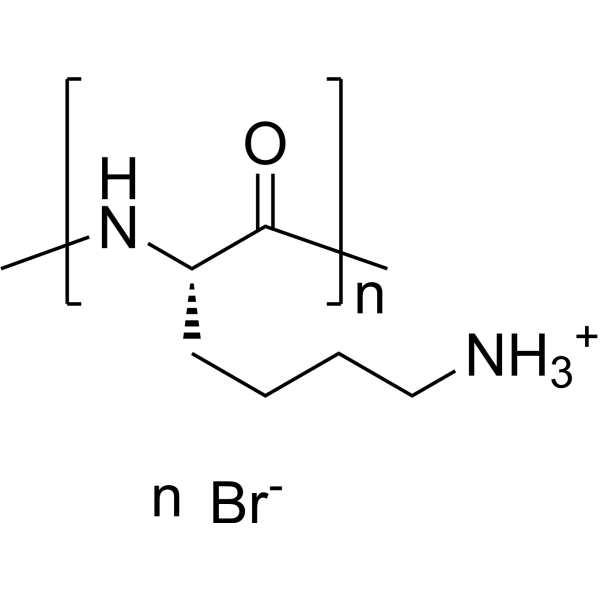
Poly-L-lysine (hydrobromide) (MW 70000-150000), a positively charged amino acid polymer, is a nonspecific attachment factor for cells. Poly-L-lysine (hydrobromide) (MW 70000-150000) has good biocompatibility. Poly-L-lysine (hydrobromide) (MW 70000-150000) is used to increase cell adhesion to solid substrates by enhancing electrostatic interaction between negatively charged ions of the cell membrane and the culture surface .
Poly-L-lysine hydrobromide (MW 150000-300000), a positively charged amino acid polymer, is a nonspecific attachment factor for cells. Poly-L-lysine hydrobromide (MW 150000-300000) has good biocompatibility. Poly-L-lysine hydrobromide (MW 150000-300000) is used to increase cell adhesion to solid substrates by enhancing electrostatic interaction between negatively charged ions of the cell membrane and the culture surface .
Laminin peptide CDPGYIGSR (Laminin (925-933)) TFA is a 67 kDa laminin receptor ligand and selective cell adhesion inducer. Laminin peptide CDPGYIGSR TFA not only promotes cell adhesion and mediates directed neurite outgrowth via matrix coating or covalent immobilization, but also inhibits neural crest cell migration under specific conditions. Laminin peptide CDPGYIGSR TFA inhibits lung colonization of melanoma cells, and suppresses the growth of Sarcoma 180 solid tumors and Lewis lung carcinoma (3LL) in mice. Laminin peptide CDPGYIGSR TFA also exerts significant anti-angiogenic effects by inhibiting embryonic angiogenesis in the chick chorioallantoic membrane and vascular endothelial cell migration induced by tumor-conditioned medium. Laminin peptide CDPGYIGSR TFA can be widely used in studies related to melanoma, Sarcoma 180, Lewis lung carcinoma (3LL), and other relevant areas .
Vectofusin-1 is a histidine-rich cationic amphipathic peptide derived from the LAH4 (HY-P0311) peptide family, and also acts as a Viral entry enhancer. Vectofusin-1 promotes the adhesion and fusion of retroviral/lentiviral vectors with cell membranes during viral entry, thereby improving transduction efficiency. Vectofusin-1 potently enhances lentiviral transduction of cells .
Defensin HNP-3 human is an α-defensin stored in the azurophilic granules of human neutrophils. Defensin HNP-3 human exerts broad-spectrum bactericidal, antifungal and antiviral activities mainly by forming bacterial membrane pores, and acts as a chemoattractant for monocytes and T cells. Defensin HNP-3 human maintains epithelial integrity to support periodontal tissue homeostasis, and exerts concentration-dependent effects on epithelial cell proliferation, adhesion and bacterial adhesion. Defensin HNP-3 human targets solid tumors and leukemia by inducing single-strand DNA breaks and membrane permeabilization in tumor cells via electrostatic binding and pore formation. Defensin HNP-3 human is abundant in human tongue squamous cell carcinoma and neutrophils infiltrating oral squamous cell carcinoma. Defensin HNP-3 human can be applied to research related to periodontitis and human tongue squamous cell carcinoma .
Biotin-myelin basic protein (94-102) is a peptide fragemt. Myelin basic protein is responsible for adhesion of the cytosolic surfaces of multilayered compact myelin, it plays an important role in the process of myelination of nerves in the nervous system. Myelin basic protein also acts as a membrane actin-binding protein, which might allow it to participate in transmission of extracellular signals to the cytoskeleton in oligodendrocytes and tight junctions in myelin .
Tachyplesin-3 is a broad-spectrum cationic antimicrobial peptide. Tachyplesin-3 has inhibitory activity against Gram-positive bacteria, Gram-negative bacteria, fungi and enveloped viruses. Tachyplesin-3 binds to bacterial membrane lipopolysaccharides through positive charges, disrupting membrane integrity and causing leakage of cellular contents. Tachyplesin-3 interferes with bacterial adhesion and aggregation, prevents biofilm formation, and has a synergistic effect when used in combination with Piperacillin (HY-B1923) - Tazobactam (HY-B1418) (TZP) .
AG73 is a polypeptide. AG73 is derived from the G domain of the Laminin α1 chain. AG73 binds heparin, Syndecan-1 and Syndecan-4. AG73 promotes the adhesion of various cells, induces the differentiation of salivary gland acinar cells, stimulates neurite outgrowth, secretion of matrix metalloproteinases and angiogenesis. AG73 retains its angiogenic activity when conjugated to chitosan membranes. AG73 can be used in the research of melanoma and ischemic injury .
Milatuzumab (hLL1; MEDI-115) is a humanized anti-CD74 monoclonal antibody. CD74, a integral membrane protein, is associated with the promotion of B-cell growth and survival. Milatuzumab causes free radical oxygen generation, and loss of mitochondrial membrane potential. Milatuzumaba also decreases CD20/CD74 aggregates and cell adhesion, to lead to cell death .
Hyaluronic acid is a biopolymer composed of repeating units of disaccharides with various applications. Hyaluronic acid is a major component of the extracellular matrix (ECM). Hyaluronic acid is synthesized at the plasma membrane. Increased hyaluronic acid levels are associated with tumor cell growth, adhesion, migration, invasion and angiogenesis in digestive cancers. Hyaluronic acid participates in tissue remodeling and rapid cell proliferation in some physiological processes including embryonic morphogenesis and wound-healing. Hyaluronic acid activates the PI3K-Akt signaling. Hyaluronic acid acts as a regulator of cancer-associated lymphangiogenesis. Hyaluronic acid also enhances cell invasion and angiogenesis by promoting proteolytic MMP-9 binding to cell surface or stimulating MMP-9 binding to cell surface. Hyaluronic acid can be used as drug delivery for sodium butyrate to improve the anti-proliferative activity on breast cancer cell line. Hyaluronic acid can be studied in joint diseases, wound healing and cancer .
Hyaluronic acid sodium (Sodium hyaluronate) is a biopolymer composed of repeating units of disaccharides with various applications. Hyaluronic acid sodium is a major component of the extracellular matrix (ECM). Hyaluronic acid sodium is synthesized at the plasma membrane. Increased hyaluronic acid sodium levels are associated with tumor cell growth, adhesion, migration, invasion and angiogenesis in digestive cancers. Hyaluronic acid sodium participates in tissue remodeling and rapid cell proliferation in some physiological processes including embryonic morphogenesis and wound-healing. Hyaluronic acid sodium activates the PI3K-Akt signaling. Hyaluronic acid sodium acts as a regulator of cancer-associated lymphangiogenesis. Hyaluronic acid sodium also enhances cell invasion and angiogenesis by promoting proteolytic MMP-9 binding to cell surface or stimulating MMP-9 binding to cell surface. Hyaluronic acid sodium can be used as drug delivery for sodium butyrate to improve the anti-proliferative activity on breast cancer cell line. Hyaluronic acid sodium can be studied in joint diseases, wound healing and cancer .
Lewis X trisaccharide (Lewis X, Le x) is a potent TH2 regulator, antagonizes LPS-induced IL-12 immune expression. Lewis X trisaccharide is a human histo-blood group antigen, plays an key role in cell-cell adhesion, and servers as a tumor marker. Lewis X trisaccharide is highly expressed in the outer membrane of the parasite, can be used for the immunology research of schistosomiasis .
Phosphatidylinositol 4,5-bisphosphate (L-alpha-Phosphatidylinositol-4,5-bisphosphate) is a plasma membrane lipid that is enriched in the cytoplasmic leaflet of the plasma membrane. Phosphatidylinositol 4,5-bisphosphate serves as a substrate for phospholipase C and class I PI3K, generating diacylglycerol, inositol (1,4,5)-trisphosphate, and phosphatidylinositol (3,4,5)-trisphosphate. Phosphatidylinositol 4,5-bisphosphate contributes to lamellipodial protrusion, directional cell migration, focal adhesion lipid generation, and trafficking of the GABAA receptor. Phosphatidylinositol 4,5-bisphosphate can be used in research related to acute lung injury and pulmonary edema .
Sapindoside B is a substance with hepatoprotective activity, and also acts as a cytochrome P-450 (cytochrome P-450) inhibitor, antibacterial agent and membrane-disrupting agent. Sapindoside B reversibly inhibits the content of cytochrome P-450 in liver microsomes, suppresses the phenobarbital-induced increase in enzyme content, reduces the production of active metabolites mediated by cytochrome P-450, and alleviates hepatotoxic injury. Sapindoside B binds to Cutibacterium acnes lipase, reduces lipase activity, inhibits biofilm formation, and decreases bacterialadhesion. Sapindoside B exhibits cytotoxicity against human cancer, liver cancer, leukemia and glioblastoma cells. Sapindoside B inhibits mycelial growth of phytopathogenic fungal strains, possesses antibacterial activity against dermatophytes, and also has hemolytic/membrane-lytic activity. Sapindoside B can be used in research related to liver injury, Cutibacterium acnes biofilm-associated infections, gastric cancer, carcinoma, promyelocytic leukemia, glioblastoma, apple scab and grape gray mold .
P-selectin is a Ca(2+)-dependent receptor on myeloid cells that critically binds to sialic acid-Lewis X on neutrophils and monocytes, promoting the interaction between activated endothelial cells or platelets and leukocytes interaction. This binding primarily to SELPLG/PSGL1 and PODXL2 is critical for rapid rolling of leukocytes during early inflammation. P-selectin Protein, Human (HEK293, His) is the recombinant human-derived P-selectin protein, expressed by HEK293 , with C-His labeled tag.
As a cell adhesion molecule, AOC3 protein plays a key role in lymphocyte extravasation and recycling by promoting the binding of lymphocytes to peripheral lymph node vascular endothelial cells, independent of L-selectin. In addition to its role in cell adhesion, AOC3 exhibits semicarbazide-sensitive monoamine oxidase activity, contributing to its enzymatic function. AOC3 Protein, Human (HEK293, His) is the recombinant human-derived AOC3 protein, expressed by HEK293 , with C-6*His labeled tag.
The EpCAM/TROP1 protein serves as an important homogeneous interacting molecule that promotes direct contact between intestinal epithelial cells (IEC) and intraepithelial lymphocytes (IEL) in the mucosal epithelium. This feature helps establish an immune barrier against mucosal infections. EpCAM/TROP1 Protein, Human (His-SUMO) is the recombinant human-derived EpCAM/TROP1 protein, expressed by E. coli , with N-6*His, N-SUMO labeled tag.
Hyaluronic acid is a biopolymer composed of repeating units of disaccharides with various applications. Hyaluronic acid is a major component of the extracellular matrix (ECM). Hyaluronic acid is synthesized at the plasma membrane. Increased hyaluronic acid levels are associated with tumor cell growth, adhesion, migration, invasion and angiogenesis in digestive cancers. Hyaluronic acid participates in tissue remodeling and rapid cell proliferation in some physiological processes including embryonic morphogenesis and wound-healing. Hyaluronic acid activates the PI3K-Akt signaling. Hyaluronic acid acts as a regulator of cancer-associated lymphangiogenesis. Hyaluronic acid also enhances cell invasion and angiogenesis by promoting proteolytic MMP-9 binding to cell surface or stimulating MMP-9 binding to cell surface. Hyaluronic acid can be used as drug delivery for sodium butyrate to improve the anti-proliferative activity on breast cancer cell line. Hyaluronic acid can be studied in joint diseases, wound healing and cancer .
Poly-L-lysine hydrochloride is a nonspecific attachment factor for cells useful in promoting cell adhesion to solid substrates by enhancing electrostatic interaction between negatively charged ions of the cell membrane and the culture surface. Poly-L-lysine hydrochloride is a strong-attraction regulator that promotes liquid-liquid phase separation (LLPS) at low concentrations but suppresses LLPS at high concentrations. Antibacterial cationic peptide. .
Inquiry Online
Your information is safe with us. * Required Fields.
Western blot analysis of extracts from THP-1(lane 2(20μg), Jurkat (lane 3(20μg) and NIH3T3(lane 4(20μg) using FOXO1A (HY-P80132) Rabbit mAb. Proteins were transferred
to a PVDF membrane and blocked with 5% non-fat milk in TBST for 2 hour at room temperature. The primary antibody (1/1000) and Loading control antibody (Beta Actin, HY-P80438, 1/10000) was
used in 5% non-fat milk in TBST at 4°C overnight. Goat Anti-Mouse/Rabbit IgG-HRP Secondary Antibody (1/10000) was used for 1 hour at room temperature.
Western blot analysis of extracts from THP-1(lane 2(20μg), Jurkat (lane 3(20μg) and NIH3T3(lane 4(20μg) using FOXO1A (HY-P80132) Rabbit mAb. Proteins were transferred
to a PVDF membrane and blocked with 5% non-fat milk in TBST for 2 hour at room temperature. The primary antibody (1/1000) and Loading control antibody (Beta Actin, HY-P80438, 1/10000) was
used in 5% non-fat milk in TBST at 4°C overnight. Goat Anti-Mouse/Rabbit IgG-HRP Secondary Antibody (1/10000) was used for 1 hour at room temperature.
Western blot analysis of extracts from THP-1(lane 2(20μg), Jurkat (lane 3(20μg) and NIH3T3(lane 4(20μg) using FOXO1A (HY-P80132) Rabbit mAb. Proteins were transferred
to a PVDF membrane and blocked with 5% non-fat milk in TBST for 2 hour at room temperature. The primary antibody (1/1000) and Loading control antibody (Beta Actin, HY-P80438, 1/10000) was
used in 5% non-fat milk in TBST at 4°C overnight. Goat Anti-Mouse/Rabbit IgG-HRP Secondary Antibody (1/10000) was used for 1 hour at room temperature.
Western blot analysis of extracts from THP-1(lane 2(20μg), Jurkat (lane 3(20μg) and NIH3T3(lane 4(20μg) using FOXO1A (HY-P80132) Rabbit mAb. Proteins were transferred
to a PVDF membrane and blocked with 5% non-fat milk in TBST for 2 hour at room temperature. The primary antibody (1/1000) and Loading control antibody (Beta Actin, HY-P80438, 1/10000) was
MedchemExpress Validation 03
Western blot analysis of extracts from THP-1(lane 2(20μg), Jurkat (lane 3(20μg) and NIH3T3(lane 4(20μg) using FOXO1A (HY-P80132) Rabbit mAb. Proteins were transferred
MedchemExpress Validation 04
Western blot analysis of extracts from THP-1(lane 2(20μg), Jurkat (lane 3(20μg) and NIH3T3(lane 4(20μg) using FOXO1A (HY-P80132) Rabbit mAb. Proteins were transferred
to a PVDF membrane and blocked with 5% non-fat milk in TBST for 2 hour at room temperature. The primary antibody (1/1000) and Loading control antibody (Beta Actin, HY-P80438, 1/10000) was
used in 5% non-fat milk in TBST at 4°C overnight. Goat Anti-Mouse/Rabbit IgG-HRP Secondary Antibody (1/10000) was used for 1 hour at room temperature.
MedchemExpress Validation
Western blot analysis of extracts from THP-1(lane 2(20μg), Jurkat (lane 3(20μg) and NIH3T3(lane 4(20μg) using FOXO1A (HY-P80132) Rabbit mAb. Proteins were transferred
to a PVDF membrane and blocked with 5% non-fat milk in TBST for 2 hour at room temperature. The primary antibody (1/1000) and Loading control antibody (Beta Actin, HY-P80438, 1/10000) was
used in 5% non-fat milk in TBST at 4°C overnight. Goat Anti-Mouse/Rabbit IgG-HRP Secondary Antibody (1/10000) was used for 1 hour at room temperature.
Western blot analysis of extracts from THP-1(lane 2(20μg), Jurkat (lane 3(20μg) and NIH3T3(lane 4(20μg) using FOXO1A (HY-P80132) Rabbit mAb. Proteins were transferred
to a PVDF membrane and blocked with 5% non-fat milk in TBST for 2 hour at room temperature. The primary antibody (1/1000) and Loading control antibody (Beta Actin, HY-P80438, 1/10000) was
used in 5% non-fat milk in TBST at 4°C overnight. Goat Anti-Mouse/Rabbit IgG-HRP Secondary Antibody (1/10000) was used for 1 hour at room temperature.
MedchemExpress Validation
Western blot analysis of extracts from THP-1(lane 2(20μg), Jurkat (lane 3(20μg) and NIH3T3(lane 4(20μg) using FOXO1A (HY-P80132) Rabbit mAb. Proteins were transferred
to a PVDF membrane and blocked with 5% non-fat milk in TBST for 2 hour at room temperature. The primary antibody (1/1000) and Loading control antibody (Beta Actin, HY-P80438, 1/10000) was
used in 5% non-fat milk in TBST at 4°C overnight. Goat Anti-Mouse/Rabbit IgG-HRP Secondary Antibody (1/10000) was used for 1 hour at room temperature.
MedchemExpress Validation
Western blot analysis of extracts from THP-1(lane 2(20μg), Jurkat (lane 3(20μg) and NIH3T3(lane 4(20μg) using FOXO1A (HY-P80132) Rabbit mAb. Proteins were transferred
to a PVDF membrane and blocked with 5% non-fat milk in TBST for 2 hour at room temperature. The primary antibody (1/1000) and Loading control antibody (Beta Actin, HY-P80438, 1/10000) was
used in 5% non-fat milk in TBST at 4°C overnight. Goat Anti-Mouse/Rabbit IgG-HRP Secondary Antibody (1/10000) was used for 1 hour at room temperature.
MedchemExpress Validation
Western blot analysis of extracts from THP-1(lane 2(20μg), Jurkat (lane 3(20μg) and NIH3T3(lane 4(20μg) using FOXO1A (HY-P80132) Rabbit mAb. Proteins were transferred
to a PVDF membrane and blocked with 5% non-fat milk in TBST for 2 hour at room temperature. The primary antibody (1/1000) and Loading control antibody (Beta Actin, HY-P80438, 1/10000) was
used in 5% non-fat milk in TBST at 4°C overnight. Goat Anti-Mouse/Rabbit IgG-HRP Secondary Antibody (1/10000) was used for 1 hour at room temperature.
MedchemExpress Validation
Western blot analysis of extracts from THP-1(lane 2(20μg), Jurkat (lane 3(20μg) and NIH3T3(lane 4(20μg) using FOXO1A (HY-P80132) Rabbit mAb. Proteins were transferred
to a PVDF membrane and blocked with 5% non-fat milk in TBST for 2 hour at room temperature. The primary antibody (1/1000) and Loading control antibody (Beta Actin, HY-P80438, 1/10000) was
used in 5% non-fat milk in TBST at 4°C overnight. Goat Anti-Mouse/Rabbit IgG-HRP Secondary Antibody (1/10000) was used for 1 hour at room temperature.
MedchemExpress Validation
Western blot analysis of extracts from THP-1(lane 2(20μg), Jurkat (lane 3(20μg) and NIH3T3(lane 4(20μg) using FOXO1A (HY-P80132) Rabbit mAb. Proteins were transferred
to a PVDF membrane and blocked with 5% non-fat milk in TBST for 2 hour at room temperature. The primary antibody (1/1000) and Loading control antibody (Beta Actin, HY-P80438, 1/10000) was
used in 5% non-fat milk in TBST at 4°C overnight. Goat Anti-Mouse/Rabbit IgG-HRP Secondary Antibody (1/10000) was used for 1 hour at room temperature.
MedchemExpress Validation
Western blot analysis of extracts from THP-1(lane 2(20μg), Jurkat (lane 3(20μg) and NIH3T3(lane 4(20μg) using FOXO1A (HY-P80132) Rabbit mAb. Proteins were transferred
to a PVDF membrane and blocked with 5% non-fat milk in TBST for 2 hour at room temperature. The primary antibody (1/1000) and Loading control antibody (Beta Actin, HY-P80438, 1/10000) was
used in 5% non-fat milk in TBST at 4°C overnight. Goat Anti-Mouse/Rabbit IgG-HRP Secondary Antibody (1/10000) was used for 1 hour at room temperature.
MedChemExpress values your privacy and your trust is important to us. We use cookies to enhance your website experience. Some cookies are necessary to run the website.
Privacy and Cookie Policy

