Search Result
Results for "
microRNA inhibitor
" in MedChemExpress (MCE) Product Catalog:
1
Biochemical Assay Reagents
9
Isotope-Labeled Compounds
| Cat. No. |
Product Name |
Target |
Research Areas |
Chemical Structure |
-
- HY-16560
-
Camptothecin
Maximum Cited Publications
68 Publications Verification
Campathecin; (S)-(+)-Camptothecin; CPT
|
Topoisomerase
ADC Payload
MicroRNA
Influenza Virus
Apoptosis
Fungal
Antibiotic
|
Infection
Cancer
|
|
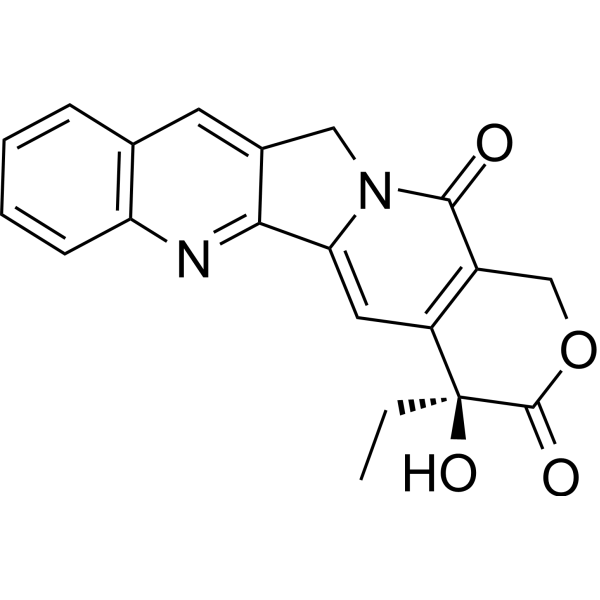
Camptothecin (CPT), a kind of alkaloid, is a DNA topoisomerase I (Topo I) inhibitor with an IC50 of 679 nM . Camptothecin (CPT) exhibits powerful antineoplastic activity against colorectal, breast, lung and ovarian cancers, modulates hypoxia-inducible factor-1α (HIF-1α) activity by changing microRNAs (miRNA) expression patterns in human cancer cells .
|
-
-
- HY-100574A
-
|
|
Protein Arginine Deiminase
Apoptosis
MicroRNA
|
Inflammation/Immunology
Cancer
|
|
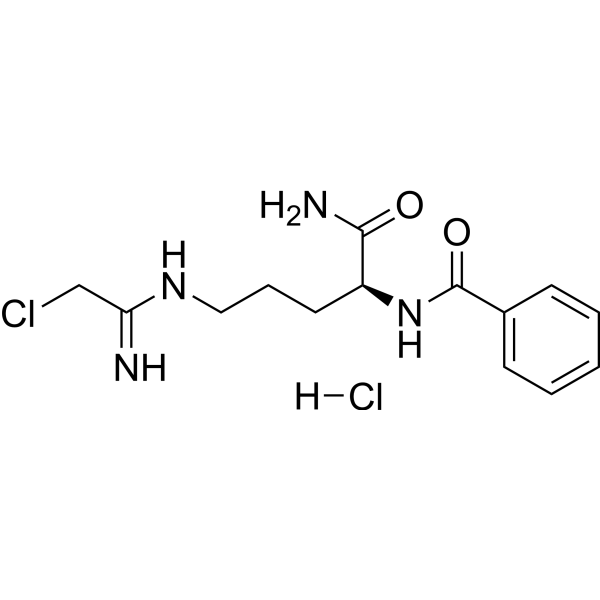
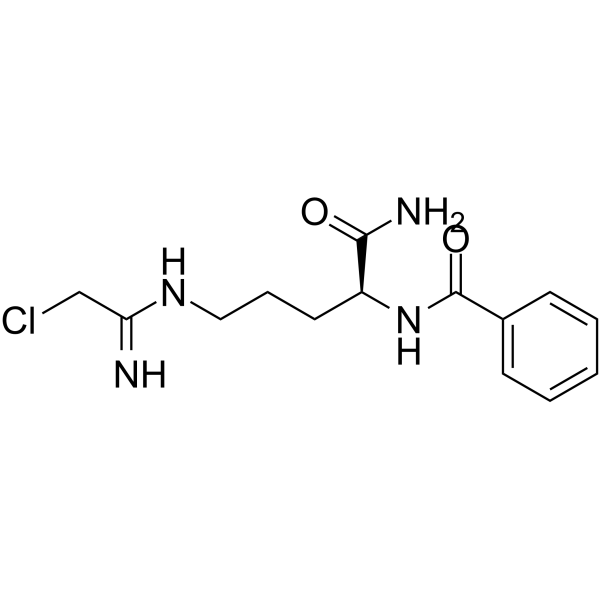
Cl-amidine hydrochloride is an orally active peptidylarginine deminase (PAD) inhibitor, with IC50 values of 0.8 μM, 6.2 μM and 5.9 μM for PAD1, PAD3, and PAD4, respectively. Cl-amidine hydrochloride induces apoptosis in cancer cells. Cl-amidine hydrochloride induces microRNA (miR)-16 (miRNA-16, microRNA-16) expression and causes cell cycle arrest. Cl-Amidine hydrochloride prevents histone 3 citrullination and neutrophil extracellular trap formation, and improves survival in a murine sepsis model .
|
-
-
- HY-N1127
-
|
|
CMV
|
Infection
Cancer
|
|
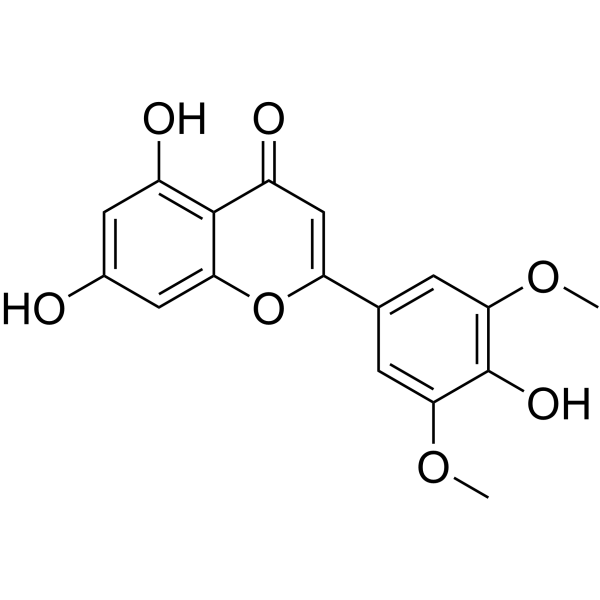
Tricin is a natural flavonoid found in large amounts in wheat. Tricin inhibits HCMV replication by inhibiting CDK9. Tricin inhibits the proliferation and invasion of C6 glioma cells by upregulating the expression of FAK-targeting microRNA-7 .
|
-
-
- HY-139290
-
|
RG4326
|
MicroRNA
|
Metabolic Disease
Cancer
|
|
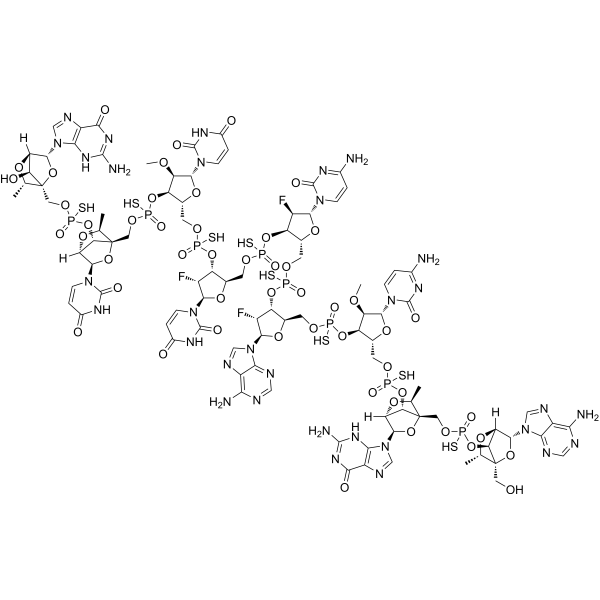
RGLS4326 (RG4326) is a first-in-class, short oligonucleotide inhibitor of microRNA-17 (miR-17). RGLS4326 can be used for the research of autosomal dominant polycystic kidney disease (ADPKD). RGLS4326 inhibits miR-17 function in HeLa cells with an EC50 value of 28.3 nM .
|
-
-
- HY-RI04602
-
|
|
MicroRNA
|
Others
|
|
MicroRNA Inhibitor Negative Control is a full-length nucleotide 2'-methoxy modified oligonucleotide, and can be used as a negative control. The sequence of MicroRNA Inhibitor Negative Control is derived from cel-mir-239b. It has minimal sequence identity with miRNAs in human, mouse, and rat.
|
-
MicroRNA Inhibitor Negative Control
-
- HY-14648R
-
-
-
- HY-151516
-
|
|
MicroRNA
|
Cancer
|
|
microRNA-21-IN-2 is a potential miR-21 inhibitor with an AC50 value of 3.29 μM. microRNA-21-IN-2 can be used for the research of cancer .
|
-
-
- HY-100574
-
|
|
Protein Arginine Deiminase
Apoptosis
MicroRNA
|
Inflammation/Immunology
Cancer
|
|
Cl-amidine is an orally active peptidylarginine deminase (PAD) inhibitor, with IC50 values of 0.8 μM, 6.2 μM and 5.9 μM for PAD1, PAD3, and PAD4, respectively. Cl-amidine induces apoptosis in cancer cells. Cl-amidine induces microRNA (miR)-16 (miRNA-16, microRNA-16) expression and causes cell cycle arrest. Cl-Amidine prevents histone 3 citrullination and neutrophil extracellular trap formation, and improves survival in a murine sepsis model .
|
-
-
- HY-N0686
-
-
-
- HY-B0268A
-
|
Enoxacin sesquihydrate; AT-2266 hydrate; CI-919 hydrate
|
Bacterial
DNA/RNA Synthesis
MicroRNA
Antibiotic
|
Infection
Cancer
|
|
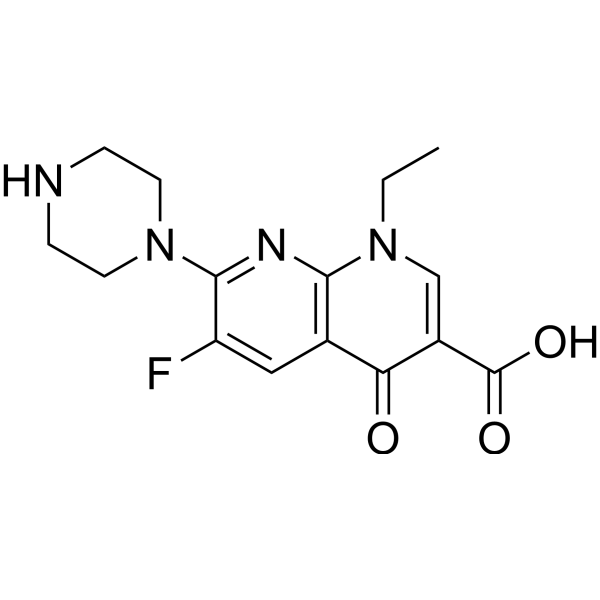
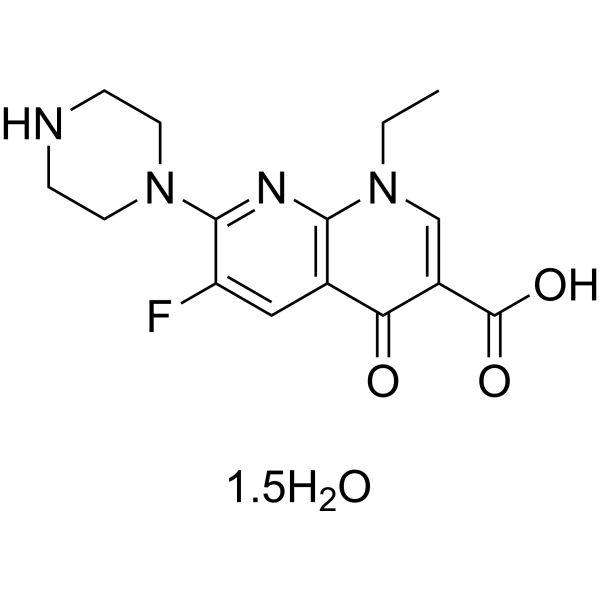
Enoxacin hydrate (Enoxacin sesquihydrate), a fluoroquinolone, interferes with DNA replication and inhibits bacterial DNA gyrase (IC50=126 µg/ml) and topoisomerase IV (IC50=26.5 µg/ml). Enoxacin hydrate is a miRNA processing activator and enhances siRNA-mediated mRNA degradation and promotes the biogenesis of endogenous miRNAs. Enoxacin hydrate has potent activities against gram-positive and -negative bacteria. Enoxacin hydrate is a cancer-specific growth inhibitor that acts by enhancing TAR RNA-binding protein 2 (TRBP)-mediated microRNA processing .
|
-
-
- HY-B0268
-
|
AT 2266; CI 919
|
Bacterial
DNA/RNA Synthesis
MicroRNA
Antibiotic
|
Infection
Cancer
|
|
Enoxacin (AT 2266), a fluoroquinolone, interferes with DNA replication and inhibits bacterial DNA gyrase (IC50=126 µg/ml) and topoisomerase IV (IC50=26.5 µg/ml). Enoxacin is a miRNA processing activator and enhances siRNA-mediated mRNA degradation and promotes the biogenesis of endogenous miRNAs. Enoxacin has potent activities against gram-positive and -negative bacteria. Enoxacin is a cancer-specific growth inhibitor that acts by enhancing TAR RNA-binding protein 2 (TRBP)-mediated microRNA processing .
|
-
-
- HY-B1817A
-
|
Zinc(II) acetate, 99.99% trace metals basis
|
CDK
Heme Oxygenase (HO)
Apoptosis
|
Others
|
|
Zinc (Zinc (II)) acetate, 99.99% trace metals basis is a heme oxygenase 1 (HO-1) activator and apoptosis inducer with cytotoxic and anticancer activities. Zinc acetate, 99.99% trace metals basis enhances HO-1 expression, alters the microRNA profile, and increases the level of caspase-cleaved cytokeratin 18. Zinc acetate, 99.99% trace metals basis also regulates the expression of Cdk2/cyclin E and interferes with cell cycle progression. Zinc acetate, 99.99% trace metals basis effectively inhibits cancer cell proliferation and induces their rapid death, with no significant cytotoxicity to non-tumor tissues. Zinc acetate, 99.99% trace metals basis has been widely used in studies related to hepatocellular carcinoma, prostate cancer, and other conditions .
|
-
-
- HY-14648S
-
-
-
- HY-15861
-
|
TGP-210
|
MicroRNA
Apoptosis
|
Cancer
|
|
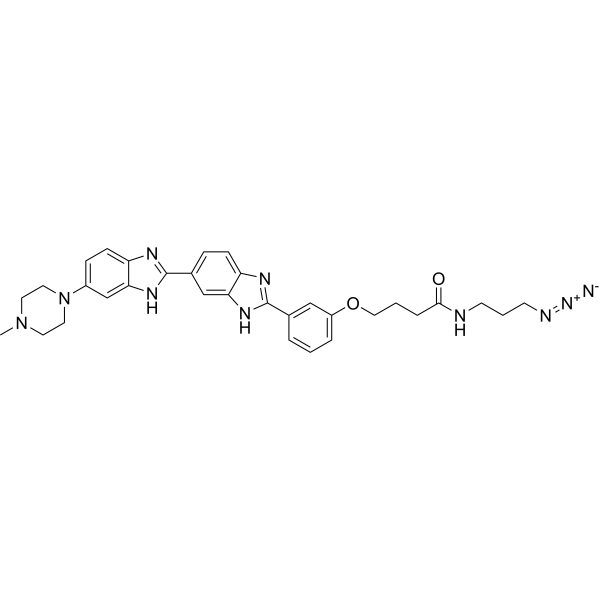
Targapremir-210 (TGP-210) is a potent and selective miR-210 (miRNA-210, microRNA-210) inhibitor. Targapremir-210 inhibits pre-miR-210 processing with high binding affinity (Kd~200 nM) . Targapremir-210 is a click chemistry reagent, it contains an Azide group and can undergo copper-catalyzed azide-alkyne cycloaddition reaction (CuAAc) with molecules containing Alkyne groups. It can also undergo strain-promoted alkyne-azide cycloaddition (SPAAC) reactions with molecules containing DBCO or BCN groups.
|
-
-
- HY-130487
-
|
|
MicroRNA
|
Cancer
|
|
miR-21-IN-2 is a high-affinity miR-21 inhibitor. miR-21-IN-2 binds to the apical loop region of the pre-miR-21 hairpin, inhibits Dicer-mediated processing, and thereby blocks the biosynthesis of mature miR-21. miR-21-IN-2 can be used for the research of microRNA-related diseases .
|
-
-
- HY-115581A
-
|
Deoxythymidine 3′,5′-diphosphate tetrasodium; pdTp tetrasodium
|
Apoptosis
MicroRNA
|
Cancer
|
|
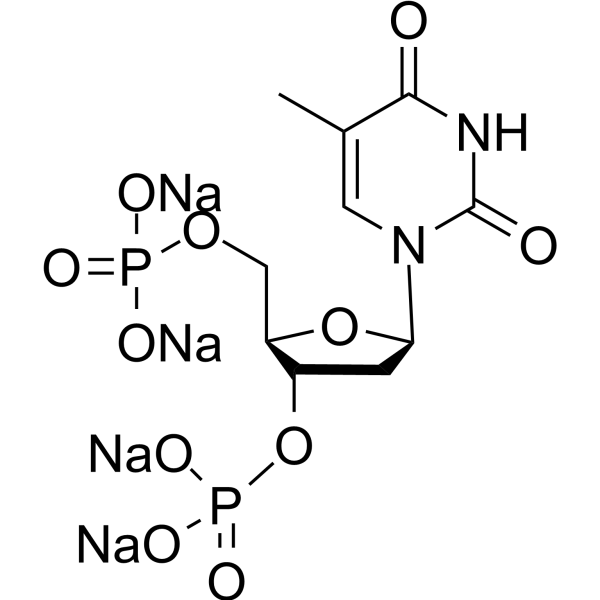
Thymidine 3',5'-diphosphate (Deoxythymidine 3′,5′-diphosphate) tetrasodium is a selective inhibitor of staphylococcal nuclease and tudor domain containing 1 (SND1, the MicroRNA regulatory complex RISC subunit) and [3,5- 2H2] tyrosyl nuclease. Thymidine 3',5'-diphosphate tetrasodium has anti-tumor activity and can also be used as a catalyst in biochemical reactions .
|
-
-
- HY-139290A
-
|
RG4326 sodium
|
MicroRNA
|
Cancer
|
|
RGLS4326 sodium is a first-in-class, short oligonucleotide inhibitor of microRNA-17 (miR-17). RGLS4326 sodium can be used for the research of autosomal dominant polycystic kidney disease (ADPKD). RGLS4326 sodium inhibits miR-17 function in HeLa cells with an EC50 value of 28.3 nM .
|
-
-
- HY-14648S3
-
|
|
Isotope-Labeled Compounds
Glucocorticoid Receptor
SARS-CoV
Autophagy
Complement System
Mitophagy
Bacterial
Antibiotic
|
Metabolic Disease
|
|
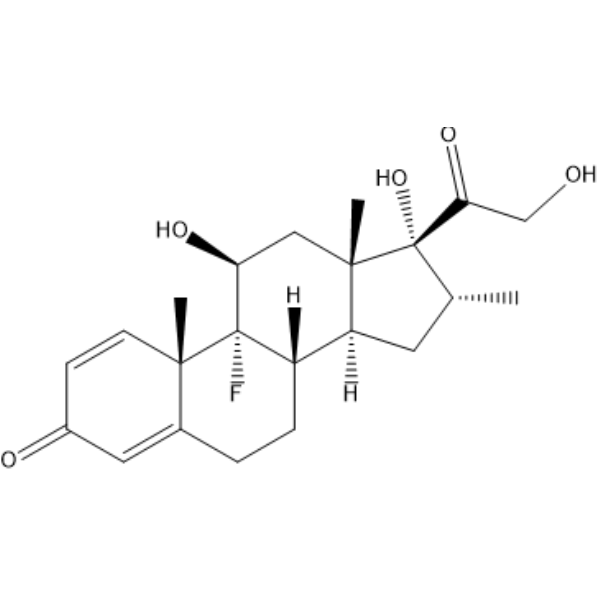
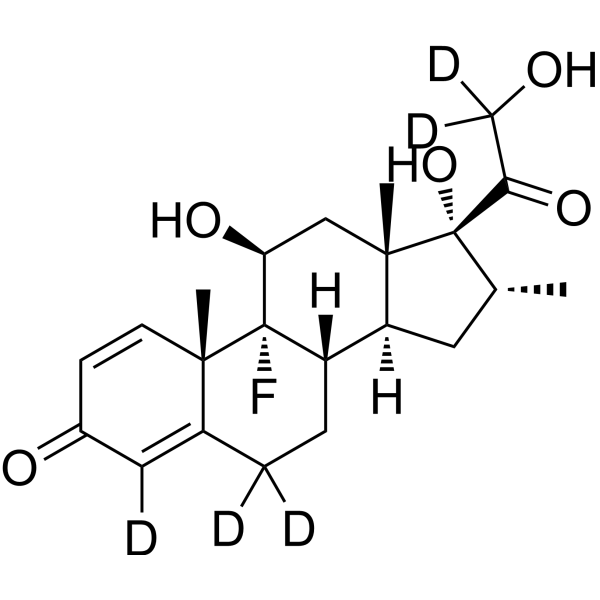
Dexamethasone-4,6α,21,21-d4 is the deuterium labeled Dexamethasone-4,6α,21,21. Dexamethasone (Hexadecadrol) is a glucocorticoid receptor agonist. Dexamethasone also significantly decreases CD11b, CD18, and CD62L expression on neutrophils, and CD11b and CD18 expression on monocytes. Dexamethasone is highly effective in the control of COVID-19 infection. Dexamethasone inhibits production of exosomes containing inflammatory microRNA-155 in lipopolysaccharide-induced macrophage inflammatory responses.
|
-
-
- HY-RI04602C
-
|
|
MicroRNA
|
Others
|
|
FAM-MicroRNA Inhibitor Negative Control is a FAM labeled FAM-MicroRNA Inhibitor Negative Control (HY-RI04602). MicroRNA Inhibitor Negative Control is a full-length nucleotide 2'-methoxy modified oligonucleotide, and can be used as a negative control. The sequence of MicroRNA Inhibitor Negative Control is derived from cel-mir-239b. It has minimal sequence identity with miRNAs in human, mouse, and rat.
|
-
FAM-MicroRNA Inhibitor Negative Control
-
- HY-100574B
-
|
|
Protein Arginine Deiminase
Apoptosis
MicroRNA
|
Inflammation/Immunology
Cancer
|
|
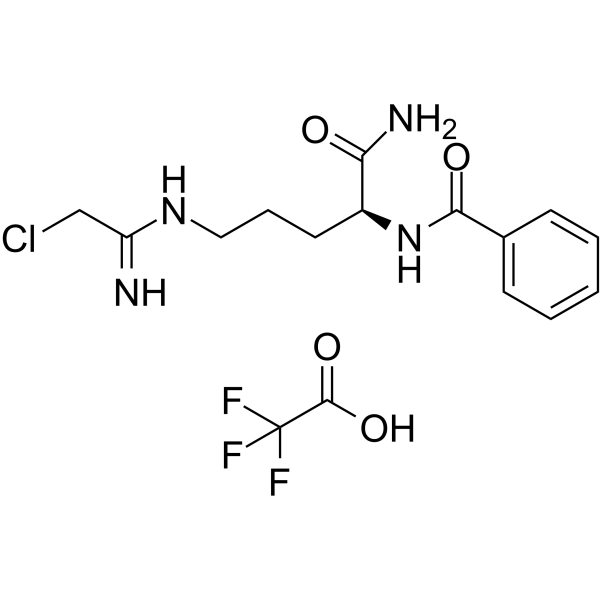
Cl-amidine TFA is an orally active peptidylarginine deminase (PAD) inhibitor, with IC50 values of 0.8 μM, 6.2 μM and 5.9 μM for PAD1, PAD3, and PAD4, respectively. Cl-amidine TFA induces apoptosis in cancer cells. Cl-amidine TFA induces microRNA (miR)-16 (miRNA-16, microRNA-16) expression and causes cell cycle arrest. Cl-Amidine TFA prevents histone 3 citrullination and neutrophil extracellular trap formation, and improves survival in a murine sepsis model .
|
-
-
- HY-14648S5
-
|
Hexadecadrol-d3-1; Prednisolone F-d3-1
|
Isotope-Labeled Compounds
Antibiotic
Autophagy
Glucocorticoid Receptor
SARS-CoV
ADC Payload
Mitophagy
Complement System
Bacterial
Exosomes
|
Cancer
|
|
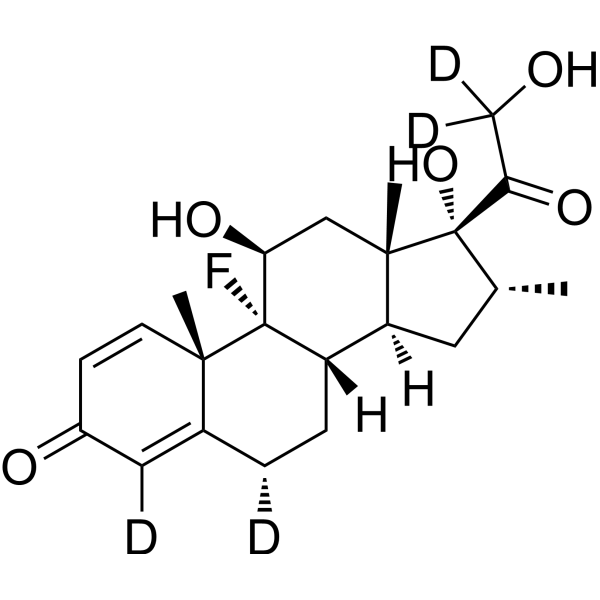
Dexamethasone-d3-1 (Hexadecadrol-d3-1; Prednisolone F-d3-1) is a deuterium labeled Dexamethasone (HY-14648). Dexamethasone (Hexadecadrol) is a glucocorticoid receptor agonist. Dexamethasone also significantly decreases CD11b, CD18, and CD62L expression on neutrophils, and CD11b and CD18 expression on monocytes. Dexamethasone is highly effective in the control of COVID-19 infection. Dexamethasone inhibits production of exosomes containing inflammatory microRNA-155 in lipopolysaccharide-induced macrophage inflammatory responses.
|
-
-
- HY-19731
-
|
MiR-544 inhibitor 1
|
MicroRNA
Apoptosis
|
Cancer
|
|
SID 3712249 (MiR-544 Inhibitor 1) is a miR-544 biogenesis inhibitor. SID 3712249 binds directly to the precursor miRNA. SID 3712249 blocks production of the mature microRNA and decreases miR-544, HIF-1α, and ATM transcripts. SID 3712249 can be used in the research of cancers, such as breast cancer .
|
-
-
- HY-15843
-
|
|
MicroRNA
Apoptosis
|
Cancer
|
|
MIR96-IN-1 targets the Drosha site in the miR-96 (miRNA-96, microRNA-96) hairpin precursor, inhibiting its biogenesis, derepressing downstream targets, and triggering apoptosis in breast cancer cells. MIR96-IN-1 binds to RNAs with Kds of 1.3, 9.4, 3.4, 1.3 and 7.4 μM for RNA1, RNA2, RNA3, RNA4 and RNA5, respectively . MIR96-IN-1 is a click chemistry reagent, it contains an Azide group and can undergo copper-catalyzed azide-alkyne cycloaddition reaction (CuAAc) with molecules containing Alkyne groups. It can also undergo strain-promoted alkyne-azide cycloaddition (SPAAC) reactions with molecules containing DBCO or BCN groups.
|
-
-
- HY-16560S
-
|
Campathecin-d5; (S)-(+)-Camptothecin-d5; CPT-d5
|
Isotope-Labeled Compounds
Topoisomerase
ADC Payload
MicroRNA
Influenza Virus
Apoptosis
Fungal
Antibiotic
|
Infection
Cancer
|
|
Camptothecin-d5 is the deuterium labeled Camptothecin. Camptothecin (CPT), a kind of alkaloid, is a DNA topoisomerase I (Topo I) inhibitor with an IC50 of 679 nM . Camptothecin (CPT) exhibits powerful antineoplastic activity against colorectal, breast, lung and ovarian cancers, modulates hypoxia-inducible factor-1α (HIF-1α) activity by changing microRNAs (miRNA) expression patterns in human cancer cells .
|
-
-
- HY-152226
-
|
|
HDAC
Apoptosis
|
Cancer
|
|
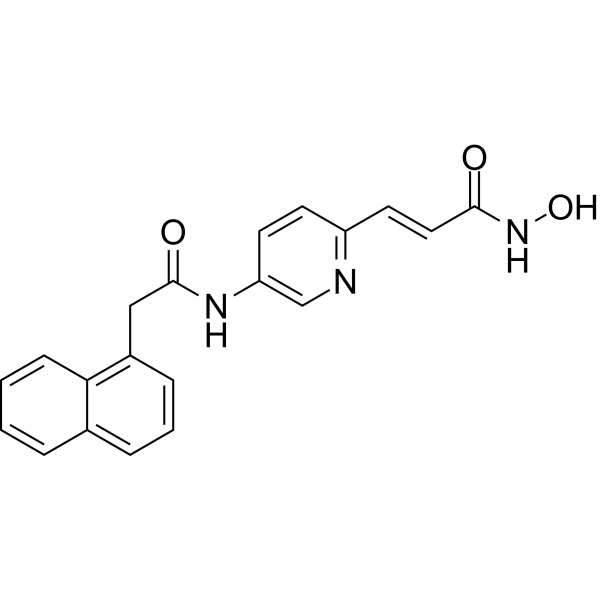
MC2590 is a potent pyridine-containing histone deacetylase (HDAC) inhibitor. MC2590 is a inhibitor of HDAC1-3, -6, -8, and -10 (class I/IIb-selective inhibitor) with IC50s of 0.015 μM-0.156 μM. MC2590 also inhibits HDAC isoforms HDAC4, HDAC5, HDAC7, HDAC9, HDAC11 with IC50s of 1.35 μM-3.98 μM. MC2625 induces G2/M cell cycle arrest and modulates pro- and anti-apoptotic microRNAs towards apoptosis induction .
|
-
-
- HY-164054
-
|
|
MicroRNA
|
Cancer
|
|
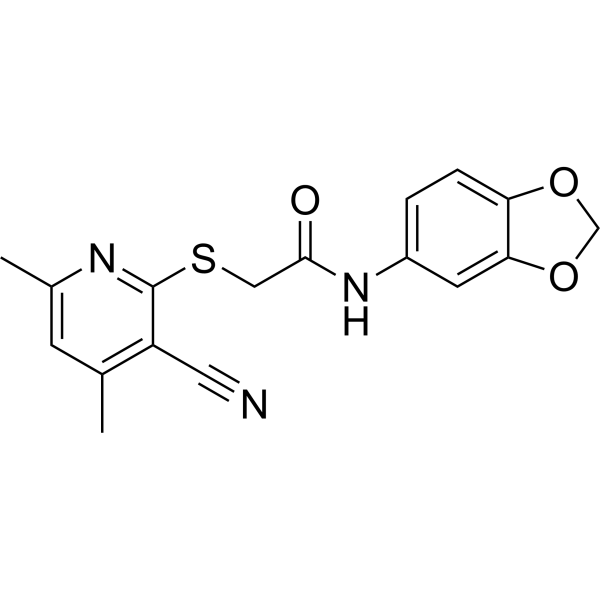
MicroRNA modulator-2 (TABLE9 compound 8) is an oxadiazole miR-21 inhibitor with AC50 of 16.48 μM .
|
-
-
- HY-14648S2
-
-
-
- HY-N1127R
-
|
|
Reference Standards
CMV
|
Infection
Cancer
|
|
Tricin (Standard) is the analytical standard of Tricin. This product is intended for research and analytical applications. Tricin is a natural flavonoid found in large amounts in wheat. Tricin inhibits HCMV replication by inhibiting CDK9. Tricin inhibits the proliferation and invasion of C6 glioma cells by upregulating the expression of FAK-targeting microRNA-7 .
|
-
-
- HY-14648S1
-
-
-
- HY-135276
-
|
|
MicroRNA
Apoptosis
|
Cancer
|
|
Targaprimir-96 is a potent inhibitor of microRNA-96 (miR-96) processing. Targaprimir-96 selectively modulates miR-96 production in cancer cells and triggers apoptosis. Targaprimir-96 binds primary miR-96 (pri-miR-96) with low nanomolar affinity. Targaprimir-96 directly engages pri-miR-96 in breast cancer cells and is ineffective on healthy breast cells .
|
-
-
- HY-177733
-
|
|
Molecular Glues
MicroRNA
|
Cancer
|
|
Lin28 degrader MG-Lin3 is a molecular glucose degrading agent that targets the Lin28 protein. Lin28 degrader MG-Lin3 significantly reduces the Renilla luciferase signal at 100 µM. Lin28 degrader MG-Lin3 inhibits the maturation of tumor microRNA let-7. Lin28 degrader MG-Lin3 can be used for cancer research .
|
-
-
- HY-16560R
-
|
Campathecin (Standard); (S)-(+)-Camptothecin (Standard); CPT (Standard)
|
Reference Standards
Topoisomerase
ADC Payload
MicroRNA
Influenza Virus
Apoptosis
Fungal
Antibiotic
|
Infection
Cancer
|
|
Camptothecin (Standard) (Campathecin (Standard)) is the analytical standard of Camptothecin (HY-16560). This product is intended for research and analytical applications. Camptothecin (CPT), a kind of alkaloid, is a DNA topoisomerase I (Topo I) inhibitor with an IC50 of 679 nM. Camptothecin (CPT) exhibits powerful antineoplastic activity against colorectal, breast, lung and ovarian cancers, modulates hypoxia-inducible factor-1α (HIF-1α) activity by changing microRNAs (miRNA) expression patterns in human cancer cells.
|
-
-
- HY-B0268S1
-
|
|
Isotope-Labeled Compounds
Bacterial
DNA/RNA Synthesis
MicroRNA
Antibiotic
|
Infection
Cancer
|
|
Enoxacin-d8 (hydrochloride) is deuterium labeled Enoxacin. Enoxacin (AT 2266), a fluoroquinolone, interferes with DNA replication and inhibits bacterial DNA gyrase (IC50=126 μg/ml) and topoisomerase IV (IC50=26.5 μg/ml). Enoxacin is a miRNA processing activator and enhances siRNA-mediated mRNA degradation and promotes the biogenesis of endogenous miRNAs. Enoxacin has potent activities against gram-positive and -negative bacteria. Enoxacin is a cancer-specific growth inhibitor that acts by enhancing TAR RNA-binding protein 2 (TRBP)-mediated microRNA processing .
|
-
-
- HY-17653
-
|
|
Drug Intermediate
|
Others
|
|
Morpholino A phosphoramidite is a specialized chemical building block used to synthesize Phosphorodiamidate Morpholino Oligomers (PMOs). Morpholino A phosphoramidite contains the adenine (A) nucleobase attached to a morpholine ring, fitted with a phosphoramidite group. PMOs are synthetic gene knockdown tools heavily used in developmental biology and targeted therapeutics to inhibit gene expression or alter RNA splicing .
|
-
-
- HY-146411
-
|
|
MicroRNA
Apoptosis
|
Cancer
|
|
microRNA-21-IN-1 (compound A7) is an efficient microRNA inhibitor. microRNA-21-IN-1 has antiproliferative activity against Hela and HCT-116 cells with IC50s of 5.5 μM and 2.8 μM respectively, as well as promotes apoptosis of Hela cells. microRNA-21-IN-1 upregulates the expression of microRNA-21 downstream functional targets (PTEN, EGR1 and SLIT2). microRNA-21-IN-1 can be used for researching anticancer .
|
-
-
- HY-N1127S
-
|
|
CMV
|
Cancer
|
|
Tricin-d6 is the deuterium labeled Tricin . Tricin is a natural flavonoid present in large amounts in Triticum aestivum. Tricin can inhibit human cytomegalovirus (HCMV) replication by inhibiting CDK9. Tricin inhibits the proliferation and invasion of C6 glioma cells via the upregulation of focal-adhesion-finase (FAK)-targeting microRNA-7 .
|
-
-
- HY-135276A
-
|
|
MicroRNA
Apoptosis
|
Cancer
|
|
Targaprimir-96 TFA is a potent inhibitor of microRNA-96 (miR-96) processing. Targaprimir-96 TFA selectively modulates miR-96 production in cancer cells and triggers apoptosis. Targaprimir-96 TFA binds primary miR-96 (pri-miR-96) with low nanomolar affinity. Targaprimir-96 TFA directly engages pri-miR-96 in breast cancer cells and is ineffective on healthy breast cells .
|
-
-
- HY-N0686R
-
|
|
Reference Standards
Fatty Acid Synthase (FASN)
MicroRNA
|
Metabolic Disease
|
|
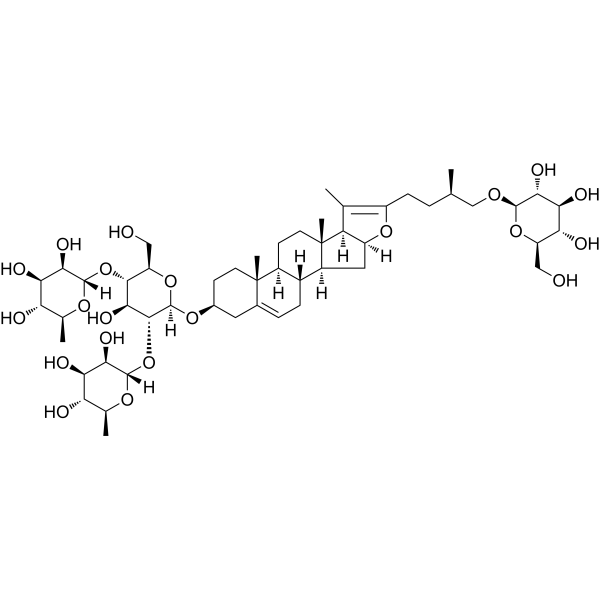
Pseudoprotodioscin (Standard) is the analytical standard of Pseudoprotodioscin. This product is intended for research and analytical applications. Pseudoprotodioscin, a furostanoside, inhibits SREBP1/2 and microRNA 33a/b levels and reduces the gene expression regarding the synthesis of cholesterol and triglycerides .
|
-
-
- HY-120269
-
|
|
NF-κB
TNF Receptor
Interleukin Related
|
Neurological Disease
Inflammation/Immunology
|
|
CAY10512 is a NF-κB inhibitor. CAY10512 can suppress the upregulation of NF-κB-sensitive proinflammatory miRNAs (miRNA-9, miRNA-125b, miRNA-146a, miRNA-155) in cerebrospinal fluid and extracellular fluid. CAY10512 significantly reduces the release of pro-inflammatory cytokines (such as TNF-α, MCP-1, IL-8, IL-6). CAY10512 can be used for researchs on neuroinflammation, islet transplantation and microRNA regulation .
|
-
-
- HY-B0268S2
-
|
|
Isotope-Labeled Compounds
Antibiotic
MicroRNA
DNA/RNA Synthesis
Bacterial
|
Infection
Cancer
|
|
Enoxacin-d8 (hydrate) is deuterium labeled Enoxacin. Enoxacin (AT 2266), a fluoroquinolone, interferes with DNA replication and inhibits bacterial DNA gyrase (IC50=126 μg/ml) and topoisomerase IV (IC50=26.5 μg/ml). Enoxacin is a miRNA processing activator and enhances siRNA-mediated mRNA degradation and promotes the biogenesis of endogenous miRNAs. Enoxacin has potent activities against gram-positive and -negative bacteria. Enoxacin is a cancer-specific growth inhibitor that acts by enhancing TAR RNA-binding protein 2 (TRBP)-mediated microRNA processing .
|
-
-
- HY-B0268AR
-
|
Enoxacin sesquihydrate (Standard); AT-2266 hydrate (Standard); CI-919 hydrate (Standard)
|
Reference Standards
Bacterial
DNA/RNA Synthesis
MicroRNA
Antibiotic
|
Infection
Cancer
|
|
Enoxacin (hydrate) (Standard) is the analytical standard of Enoxacin (hydrate). This product is intended for research and analytical applications. Enoxacin hydrate (Enoxacin sesquihydrate), a fluoroquinolone, interferes with DNA replication and inhibits bacterial DNA gyrase (IC50=126 μg/ml) and topoisomerase IV (IC50=26.5 μg/ml). Enoxacin hydrate is a miRNA processing activator and enhances siRNA-mediated mRNA degradation and promotes the biogenesis of endogenous miRNAs. Enoxacin hydrate has potent activities against gram-positive and -negative bacteria. Enoxacin hydrate is a cancer-specific growth inhibitor that acts by enhancing TAR RNA-binding protein 2 (TRBP)-mediated microRNA processing [4].
|
-
-
- HY-176805
-
|
|
MicroRNA
VEGFR
|
Cardiovascular Disease
|
|
TGP-377 is a potent miR-377 inhibitor that specifically and effectively enhances VEGFA expression by targeting the non-coding microRNA that regulates VEGFA expression .
|
-
-
- HY-164184
-
|
|
Apoptosis
Caspase
HSP
Early 2 Factor (E2F)
DNA/RNA Synthesis
|
Cancer
|
|
Ly101-4B is an apoptosis inducer and multi-target inhibitor with antiproliferative, antitumor and cycytotoxic effects. Ly101-4B reduces HSF1 expression, inhibits microRNA-214 synthesis, downregulates HSP27, HSP70 and HSP90 expression, while suppressing E2F-dependent transcriptional activity and downregulating its target genes. Ly101-4B induces caspase 3/7-mediated apoptosis by reducing DNA synthesis, inhibiting the cell cycle and G1/S phase transition, without affecting RNA synthesis or inducing necrosis. Ly101-4B is selective for pancreatic ductal adenocarcinoma cells with different genotypes and varying degrees of E2F dependence. Ly101-4B can be used in research related to epithelial ovarian cancer and pancreatic ductal adenocarcinoma .
|
-
-
- HY-P11698
-
|
|
DNA Alkylator/Crosslinker
Transthyretin (TTR)
|
Cancer
|
Guanidino-G-Clamp-PNA is a highly efficient sequence-specific RNA binder and gene silencer. Guanidino-G-Clamp-PNA precisely targets such targets as miR-155 or transthyretin (TTR) mRNA through base pairing: the former regulates tumor-related signaling pathways by reducing microRNA activity, while the latter inhibits the translation of harmful proteins via steric hindrance. Guanidino-G-Clamp-PNA effectively stabilizes DNA/RNA duplexes, induces cancer cell apoptosis, and suppresses tumor growth. In addition, Guanidino-G-Clamp-PNA can be conjugated with targeting ligands to improve tissue-specific delivery and reduce in vivo adverse reactions, and it can also enhance the splicing regulation efficacy of other oligonucleotide platforms (such as PMO) when integrated into them. Guanidino-G-Clamp-PNA is applicable to the research of various diseases including diffuse large B-cell lymphoma and hereditary transthyretin-related amyloidosis .
|
-
| Cat. No. |
Product Name |
Type |
-
- HY-B1817A
-
|
Zinc(II) acetate, 99.99% trace metals basis
|
Biochemical Assay Reagents
|
|
Zinc (Zinc (II)) acetate, 99.99% trace metals basis is a heme oxygenase 1 (HO-1) activator and apoptosis inducer with cytotoxic and anticancer activities. Zinc acetate, 99.99% trace metals basis enhances HO-1 expression, alters the microRNA profile, and increases the level of caspase-cleaved cytokeratin 18. Zinc acetate, 99.99% trace metals basis also regulates the expression of Cdk2/cyclin E and interferes with cell cycle progression. Zinc acetate, 99.99% trace metals basis effectively inhibits cancer cell proliferation and induces their rapid death, with no significant cytotoxicity to non-tumor tissues. Zinc acetate, 99.99% trace metals basis has been widely used in studies related to hepatocellular carcinoma, prostate cancer, and other conditions .
|
| Cat. No. |
Product Name |
Target |
Research Area |
-
- HY-P11698
-
|
|
DNA Alkylator/Crosslinker
Transthyretin (TTR)
|
Cancer
|
Guanidino-G-Clamp-PNA is a highly efficient sequence-specific RNA binder and gene silencer. Guanidino-G-Clamp-PNA precisely targets such targets as miR-155 or transthyretin (TTR) mRNA through base pairing: the former regulates tumor-related signaling pathways by reducing microRNA activity, while the latter inhibits the translation of harmful proteins via steric hindrance. Guanidino-G-Clamp-PNA effectively stabilizes DNA/RNA duplexes, induces cancer cell apoptosis, and suppresses tumor growth. In addition, Guanidino-G-Clamp-PNA can be conjugated with targeting ligands to improve tissue-specific delivery and reduce in vivo adverse reactions, and it can also enhance the splicing regulation efficacy of other oligonucleotide platforms (such as PMO) when integrated into them. Guanidino-G-Clamp-PNA is applicable to the research of various diseases including diffuse large B-cell lymphoma and hereditary transthyretin-related amyloidosis .
|
| Cat. No. |
Product Name |
Category |
Target |
Chemical Structure |
| Cat. No. |
Product Name |
Chemical Structure |
-
- HY-14648S
-
|
|
|
Dexamethasone-d5 is the deuterium labeled Dexamethasone. Dexamethasone (Hexadecadrol) is a glucocorticoid receptor agonist. Dexamethasone also significantly decreases CD11b, CD18, and CD62L expression on neutrophils, and CD11b and CD18 expression on monocytes. Dexamethasone is highly effective in the control of COVID-19 infection. Dexamethasone inhibits production of exosomes containing inflammatory microRNA-155 in lipopolysaccharide-induced macrophage inflammatory responses .
|
-
-
- HY-14648S3
-
|
|
|
Dexamethasone-4,6α,21,21-d4 is the deuterium labeled Dexamethasone-4,6α,21,21. Dexamethasone (Hexadecadrol) is a glucocorticoid receptor agonist. Dexamethasone also significantly decreases CD11b, CD18, and CD62L expression on neutrophils, and CD11b and CD18 expression on monocytes. Dexamethasone is highly effective in the control of COVID-19 infection. Dexamethasone inhibits production of exosomes containing inflammatory microRNA-155 in lipopolysaccharide-induced macrophage inflammatory responses.
|
-
-
- HY-14648S5
-
|
|
|
Dexamethasone-d3-1 (Hexadecadrol-d3-1; Prednisolone F-d3-1) is a deuterium labeled Dexamethasone (HY-14648). Dexamethasone (Hexadecadrol) is a glucocorticoid receptor agonist. Dexamethasone also significantly decreases CD11b, CD18, and CD62L expression on neutrophils, and CD11b and CD18 expression on monocytes. Dexamethasone is highly effective in the control of COVID-19 infection. Dexamethasone inhibits production of exosomes containing inflammatory microRNA-155 in lipopolysaccharide-induced macrophage inflammatory responses.
|
-
-
- HY-16560S
-
|
|
|
Camptothecin-d5 is the deuterium labeled Camptothecin. Camptothecin (CPT), a kind of alkaloid, is a DNA topoisomerase I (Topo I) inhibitor with an IC50 of 679 nM . Camptothecin (CPT) exhibits powerful antineoplastic activity against colorectal, breast, lung and ovarian cancers, modulates hypoxia-inducible factor-1α (HIF-1α) activity by changing microRNAs (miRNA) expression patterns in human cancer cells .
|
-
-
- HY-14648S2
-
|
|
|
Dexamethasone-d4 is deuterium labeled Dexamethasone. Dexamethasone (Hexadecadrol) is a glucocorticoid receptor agonist. Dexamethasone also significantly decreases CD11b, CD18, and CD62L expression on neutrophils, and CD11b and CD18 expression on monocytes. Dexamethasone is highly effective in the control of COVID-19 infection. Dexamethasone inhibits production of exosomes containing inflammatory microRNA-155 in lipopolysaccharide-induced macrophage inflammatory responses.
|
-
-
- HY-14648S1
-
|
|
|
Dexamethasone-d5-1 is deuterium labeled Dexamethasone. Dexamethasone (Hexadecadrol) is a glucocorticoid receptor agonist. Dexamethasone also significantly decreases CD11b, CD18, and CD62L expression on neutrophils, and CD11b and CD18 expression on monocytes. Dexamethasone is highly effective in the control of COVID-19 infection. Dexamethasone inhibits production of exosomes containing inflammatory microRNA-155 in lipopolysaccharide-induced macrophage inflammatory responses.
|
-
-
- HY-B0268S1
-
|
|
|
Enoxacin-d8 (hydrochloride) is deuterium labeled Enoxacin. Enoxacin (AT 2266), a fluoroquinolone, interferes with DNA replication and inhibits bacterial DNA gyrase (IC50=126 μg/ml) and topoisomerase IV (IC50=26.5 μg/ml). Enoxacin is a miRNA processing activator and enhances siRNA-mediated mRNA degradation and promotes the biogenesis of endogenous miRNAs. Enoxacin has potent activities against gram-positive and -negative bacteria. Enoxacin is a cancer-specific growth inhibitor that acts by enhancing TAR RNA-binding protein 2 (TRBP)-mediated microRNA processing .
|
-
-
- HY-N1127S
-
|
|
|
Tricin-d6 is the deuterium labeled Tricin . Tricin is a natural flavonoid present in large amounts in Triticum aestivum. Tricin can inhibit human cytomegalovirus (HCMV) replication by inhibiting CDK9. Tricin inhibits the proliferation and invasion of C6 glioma cells via the upregulation of focal-adhesion-finase (FAK)-targeting microRNA-7 .
|
-
-
- HY-B0268S2
-
|
|
|
Enoxacin-d8 (hydrate) is deuterium labeled Enoxacin. Enoxacin (AT 2266), a fluoroquinolone, interferes with DNA replication and inhibits bacterial DNA gyrase (IC50=126 μg/ml) and topoisomerase IV (IC50=26.5 μg/ml). Enoxacin is a miRNA processing activator and enhances siRNA-mediated mRNA degradation and promotes the biogenesis of endogenous miRNAs. Enoxacin has potent activities against gram-positive and -negative bacteria. Enoxacin is a cancer-specific growth inhibitor that acts by enhancing TAR RNA-binding protein 2 (TRBP)-mediated microRNA processing .
|
-
| Cat. No. |
Product Name |
|
Classification |
-
- HY-15861
-
|
TGP-210
|
|
Azide
|
|
Targapremir-210 (TGP-210) is a potent and selective miR-210 (miRNA-210, microRNA-210) inhibitor. Targapremir-210 inhibits pre-miR-210 processing with high binding affinity (Kd~200 nM) . Targapremir-210 is a click chemistry reagent, it contains an Azide group and can undergo copper-catalyzed azide-alkyne cycloaddition reaction (CuAAc) with molecules containing Alkyne groups. It can also undergo strain-promoted alkyne-azide cycloaddition (SPAAC) reactions with molecules containing DBCO or BCN groups.
|
-
- HY-15843
-
|
|
|
Azide
|
|
MIR96-IN-1 targets the Drosha site in the miR-96 (miRNA-96, microRNA-96) hairpin precursor, inhibiting its biogenesis, derepressing downstream targets, and triggering apoptosis in breast cancer cells. MIR96-IN-1 binds to RNAs with Kds of 1.3, 9.4, 3.4, 1.3 and 7.4 μM for RNA1, RNA2, RNA3, RNA4 and RNA5, respectively . MIR96-IN-1 is a click chemistry reagent, it contains an Azide group and can undergo copper-catalyzed azide-alkyne cycloaddition reaction (CuAAc) with molecules containing Alkyne groups. It can also undergo strain-promoted alkyne-azide cycloaddition (SPAAC) reactions with molecules containing DBCO or BCN groups.
|
| Cat. No. |
Product Name |
|
Classification |
-
- HY-139290
-
|
RG4326
|
|
Antisense Oligonucleotides
|
|
RGLS4326 (RG4326) is a first-in-class, short oligonucleotide inhibitor of microRNA-17 (miR-17). RGLS4326 can be used for the research of autosomal dominant polycystic kidney disease (ADPKD). RGLS4326 inhibits miR-17 function in HeLa cells with an EC50 value of 28.3 nM .
|
-
- HY-RI04602
-
|
|
|
MicroRNAs
miRNA inhibitors
|
|
MicroRNA Inhibitor Negative Control is a full-length nucleotide 2'-methoxy modified oligonucleotide, and can be used as a negative control. The sequence of MicroRNA Inhibitor Negative Control is derived from cel-mir-239b. It has minimal sequence identity with miRNAs in human, mouse, and rat.
|
-
- HY-139290A
-
|
RG4326 sodium
|
|
Antisense Oligonucleotides
|
|
RGLS4326 sodium is a first-in-class, short oligonucleotide inhibitor of microRNA-17 (miR-17). RGLS4326 sodium can be used for the research of autosomal dominant polycystic kidney disease (ADPKD). RGLS4326 sodium inhibits miR-17 function in HeLa cells with an EC50 value of 28.3 nM .
|
-
- HY-RI04602C
-
|
|
|
MicroRNAs
miRNA inhibitors
|
|
FAM-MicroRNA Inhibitor Negative Control is a FAM labeled FAM-MicroRNA Inhibitor Negative Control (HY-RI04602). MicroRNA Inhibitor Negative Control is a full-length nucleotide 2'-methoxy modified oligonucleotide, and can be used as a negative control. The sequence of MicroRNA Inhibitor Negative Control is derived from cel-mir-239b. It has minimal sequence identity with miRNAs in human, mouse, and rat.
|
Your information is safe with us. * Required Fields.
Inquiry Information
- Product Name:
- Cat. No.:
- Quantity:
- MCE Japan Authorized Agent:

