
1. Search Result
Search Result
Pathways Recommended: Cell Cycle/DNA Damage
Results for "

muscle damage

" in MedChemExpress (MCE) Product Catalog:

36

Inhibitors & Agonists

1

Screening Libraries

3

Biochemical Assay Reagents

8

Natural
Products

1

Isotope-Labeled Compounds

Cat. No. Product Name Target Research Areas Chemical Structure
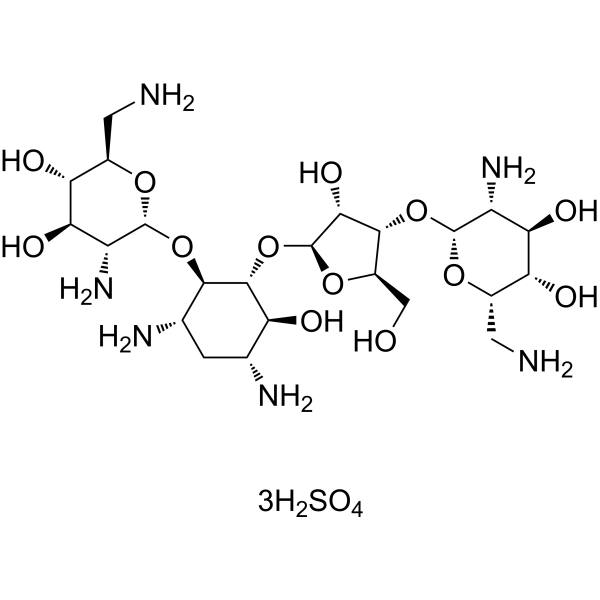
  • HY-B0470
    Neomycin sulfate
    Maximum Cited Publications
    68 Publications Verification

    Environmental Pollutants Antibiotic Phospholipase Bacterial Infection Metabolic Disease Cancer
    Neomycin sulfate, an aminoglycoside antibiotic, exerts antibacterial activity through irreversible binding of the nuclear 30S ribosomal subunit, thereby blocking bacterial protein synthesis. Neomycin sulfate is a known phospholipase C (PLC) inhibitor. Neomycin sulfate potently inhibits both the nuclear translocation of angiogenin and angiogenin-induced cell proliferation and angiogenesis. Neomycin sulfate inhibits IP3-mediated Ca 2+ release, MgATP-dependent Ca 2+ uptake, and electrical excitation-evoked skeletal muscle Ca 2+ transients. Neomycin sulfate depletes gut microbiota in specific mouse models, causes hearing impairment, and kidney damage with prolonged exposure. Neomycin sulfate can be used for the research of cancer .
    Neomycin sulfate
  • HY-B1614
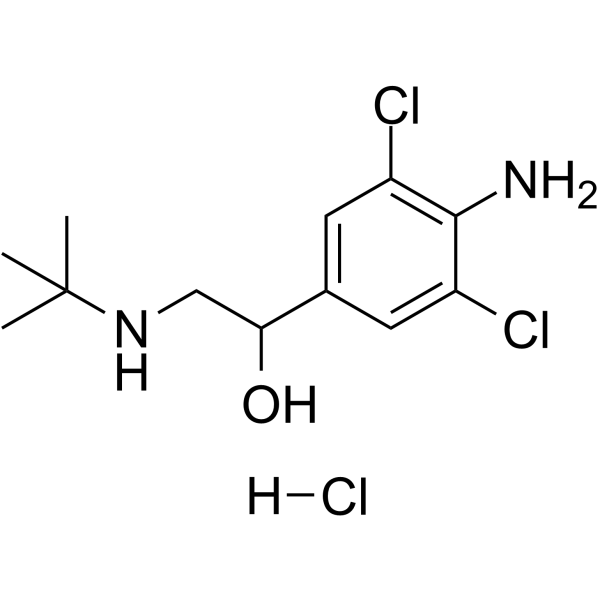
    Clenbuterol hydrochloride
    5+ Cited Publications

    NAB-365 hydrochloride

    Adrenergic Receptor Metabolic Disease Inflammation/Immunology Endocrinology
    Clenbuterol (NAB-365) hydrochloride, a selective β2-adrenergic agonist, enhances skeletal muscle strength and hypertrophy. Clenbuterol hydrochloride induces growth factor mRNA, activates astrocytes, and protects rat brain tissue against ischemic damage .
    Clenbuterol hydrochloride
  • HY-148799

    EDG-5506

    Myosin Others
    Sevasemten is an orally active, selective allosteric inhibitor of skeletal muscle myosin that protects skeletal muscle from contraction-induced injury. Sevasemten decreases muscle damage biomarkers and fibrosis while increasing muscle strength and activity in in Duchenne muscular dystrophy disease models .
    Sevasemten
  • HY-B1060
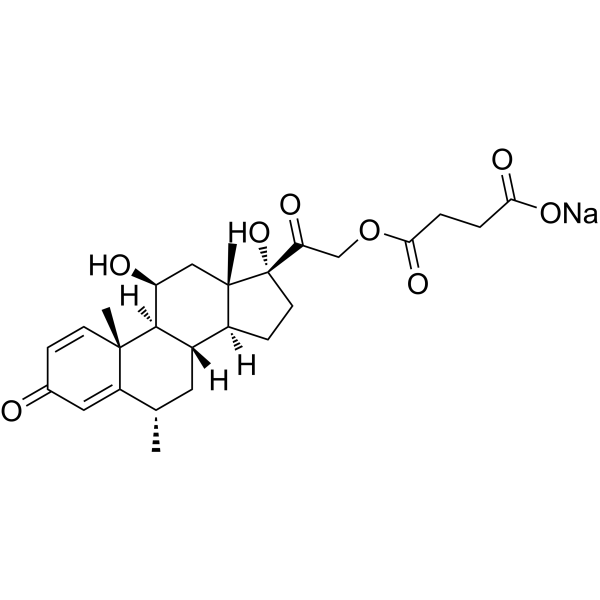
    Methylprednisolone succinate sodium
    2 Publications Verification

    Methylprednisolone hydrogen succinate sodium

    Glucocorticoid Receptor Infection Neurological Disease Inflammation/Immunology Cancer
    Methylprednisolone succinate (Methylprednisolone hydrogen succinate) sodium is a prodrug of Methylprednisolone (HY-B0260) and glucocorticoid with immunosuppressant and anti-inflammatory activity. Methylprednisolone succinate sodium binds cytosolic glucocorticoid receptors, translocates to nuclei, and modulates target gene transcription. Methylprednisolone succinate sodium alters Bax, Bcl-2, occludin, and ZO-1 expression; attenuates TLR4/NF-κB signaling; suppresses proinflammatory cytokine production and immune cell activation. Methylprednisolone succinate sodium can be used for the research of intracranial haemorrhage, rheumatoid arthritis, multiple sclerosis, preterminal cancer, inflammatory conditions, shock, immediate-type hypersensitivity, acute myocardial ischemia, hypoxic heart muscle damage, and traumatic spinal cord injury .
    Methylprednisolone succinate sodium
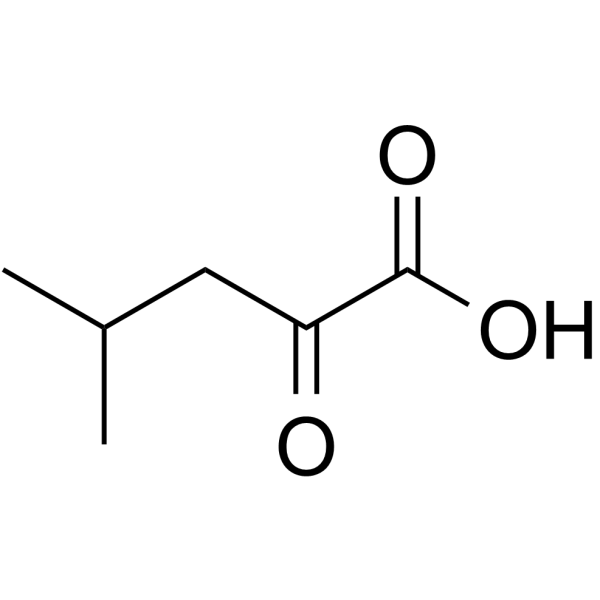
  • HY-W012722
    4-Methyl-2-oxopentanoic acid
    1 Publications Verification

    α-Ketoisocaproic acid

    Endogenous Metabolite Autophagy mTOR SOD Neurological Disease Metabolic Disease
    4-Methyl-2-oxopentanoic acid (α-Ketoisocaproic acid) is a metabolite of L-leucine and is involved in energy metabolism. 4-Methyl-2-oxopentanoic acid increases endoplasmic reticulum stress, promotes lipid accumulation in preadipocytes and insulin resistance by impairing mTOR and autophagy signaling pathways. 4-Methyl-2-oxopentanoic acid also causes oxidative damage, leading to cognitive deficits, inhibits α-ketoglutarate dehydrogenase activity, acts as an oxidative phosphorylation uncoupler and metabolic inhibitor. 4-Methyl-2-oxopentanoic acid acts as a nutrient signal and stimulates skeletal muscle protein synthesis. 4-Methyl-2-oxopentanoic acid can be used in the study of maple syrup urine disease .
    4-Methyl-2-oxopentanoic acid
  • HY-A0033
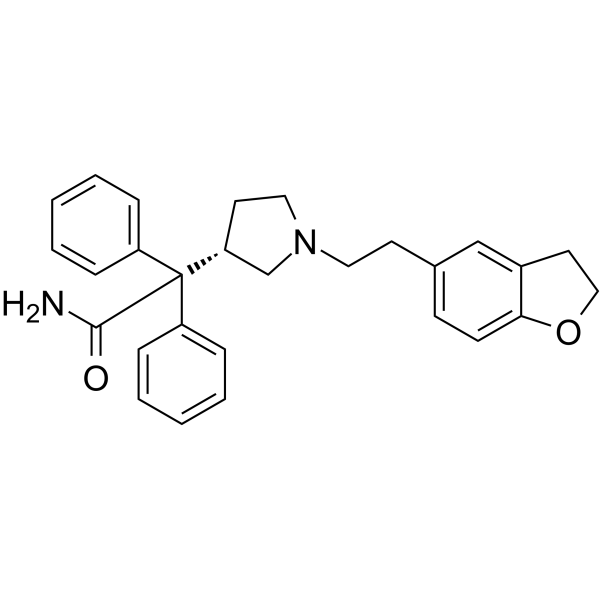
    Darifenacin
    5+ Cited Publications

    UK-88525

    mAChR p38 MAPK Akt Neurological Disease Metabolic Disease Cancer
    Darifenacin (UK-88525) is a selective and orally active M3 muscarinic receptor (M3R) antagonist with a pKi of 8.9. Darifenacin binds >20-fold more specifically to M3R than to other muscarinic receptors. Darifenacin can be used in the study of urinary incontinence and other symptoms of overactive bladder. Darifenacin inhibits tumor growth in colorectal cancer cells and has anti-tumor effects .
    Darifenacin
  • HY-N6769
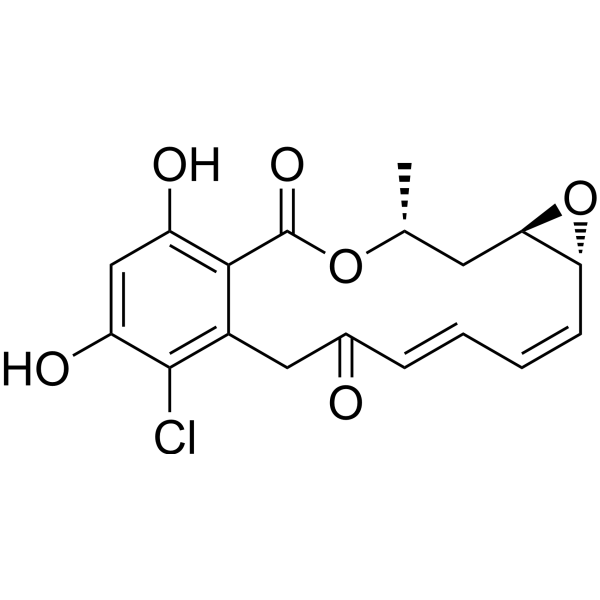
    Radicicol
    4 Publications Verification

    Monorden

    HSP Bacterial Antibiotic Parasite Infection
    Radicicol is an inhibitor of Hsp90 with an IC50 value < 1 μM, and leads to proteasomal degradation . Radicicol exhibits inhibition on PDK with IC50s of 230 μM (PDK1) and 400 μM (PDK3). Radicicol is an antifungal and antimalarial antibiotic, impairs mitochondrial replication by targeting P. falciparum topoisomerase VIB . Radicicol is also an inhibitor of fat mass and obesity-associated protein (FTO), with an IC50 value of 16.04 μM .
    Radicicol
  • HY-A0012
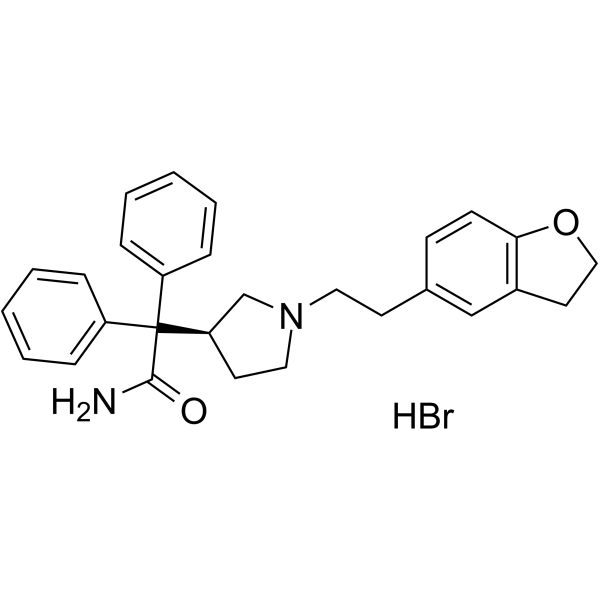
    Darifenacin hydrobromide
    5+ Cited Publications

    UK-88525 hydrobromide

    mAChR p38 MAPK Akt Neurological Disease Metabolic Disease Cancer
    Darifenacin (UK-88525) hydrobromide is a selective and orally active M3 muscarinic receptor (M3R) antagonist with a pKi of 8.9. Darifenacin hydrobromide binds >20-fold more specifically to M3R than to other muscarinic receptors. Darifenacin hydrobromide can be used in the study of urinary incontinence and other symptoms of overactive bladder. Darifenacin hydrobromide inhibits tumor growth in colorectal cancer cells and has anti-tumor effects .
    Darifenacin hydrobromide
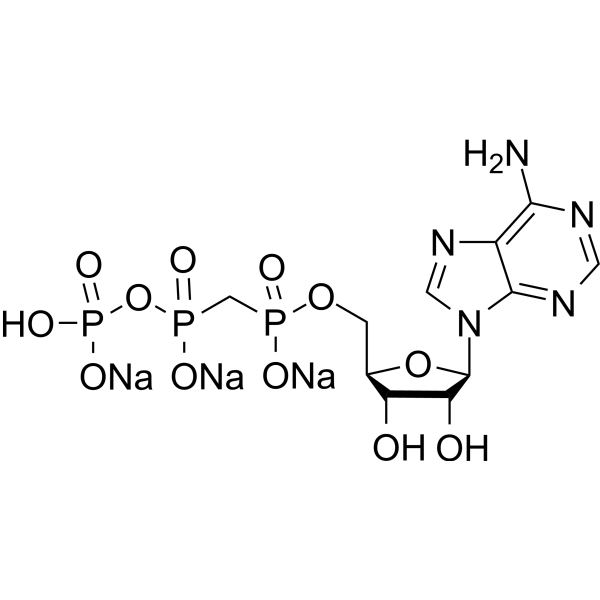
  • HY-108652
    α,β-Methylene-ATP trisodium
    1 Publications Verification

    P2X Receptor Inflammation/Immunology
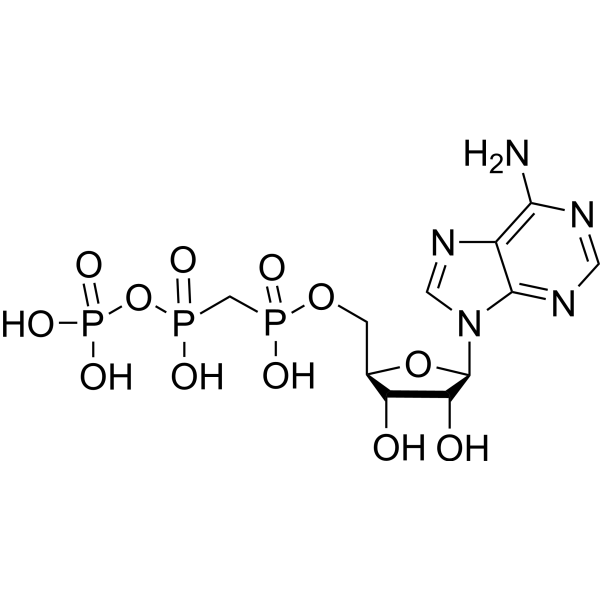
    α,β-Methylene-ATP trisodium is an agonist of P2X1 and P2X3 receptors and can cross the blood-brain barrier. α,β-Methylene-ATP trisodium can trigger a reflex pressor response by activating P2X receptors in peripheral muscles and the central locus coeruleus (LC); this effect can be blocked by the P2X antagonist PPADS (HY-108960). α,β-Methylene-ATP trisodium also activates noradrenergic neurons in the central locus coeruleus, mediating antinociceptive effects; this effect can be attenuated by the locus coeruleus damaging agent DSP-4 (HY-103210/HY-121602). α,β-Methylene-ATP trisodium can be used to study the pathological mechanisms of neuropathic pain, cardiovascular reflex regulation, and antinociceptive effects of the central nervous system .
    α,β-Methylene-ATP trisodium
  • HY-13981
    Ligandrol
    2 Publications Verification

    LGD-4033

    Androgen Receptor Apoptosis Insulin Receptor Caspase Metabolic Disease Endocrinology
    Ligandrol is an orally active, selective androgen receptor (AR) agonist. Ligandrol enhances protein synthesis, inhibits muscle breakdown and oxidative stress, improves muscle cell viability and bone tissue microstructure, and reduces Cisplatin (HY-17394)-induced muscle toxicity and apoptosis. Ligandrol promotes muscle growth, protects bone structure, and has anti-diabetic, anti-apoptotic and antioxidant effects. Ligandrol can antagonize Streptozotocin (HY-13753) damage to pancreatic islets and improve the symptoms of type 2 diabetes .
    Ligandrol
  • HY-174406

    Myosin PDGFR Reactive Oxygen Species (ROS) Ferroptosis Akt mTOR ERK Cancer
    MT-125 is a specific and well-tolerated inhibitor of non-muscle myosin IIA (Ki,NMIIA = 2.7 μM) and IIB (EC50 = 1.7 μM). MT-125 can pass through the blood-brain barrier. MT-125 induces ferroptosis and DNA damage by increasing the levels of reactive oxygen species (ROS) within tumor cells. MT-125 can enhance the PDGFR signaling pathway. MT-125 can be used for research on glioblastoma.
    MT-125
  • HY-B1900
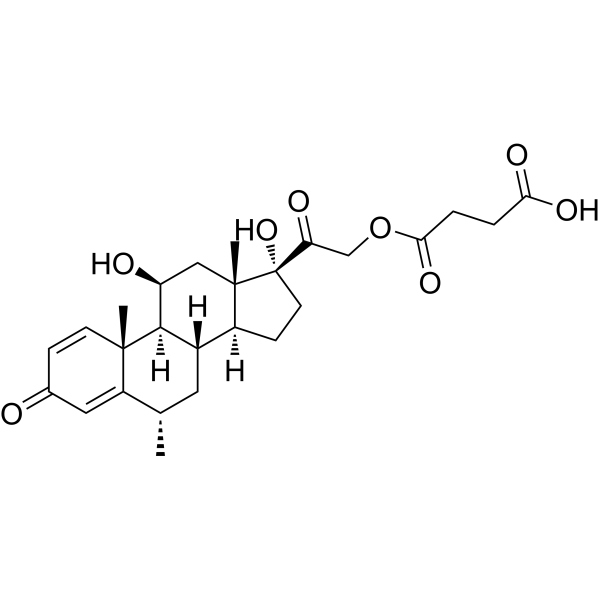
    Methylprednisolone succinate
    2 Publications Verification

    Methylprednisolone hydrogen succinate

    Glucocorticoid Receptor Bacterial Toll-like Receptor (TLR) NF-κB Infection Neurological Disease Metabolic Disease Inflammation/Immunology Cancer
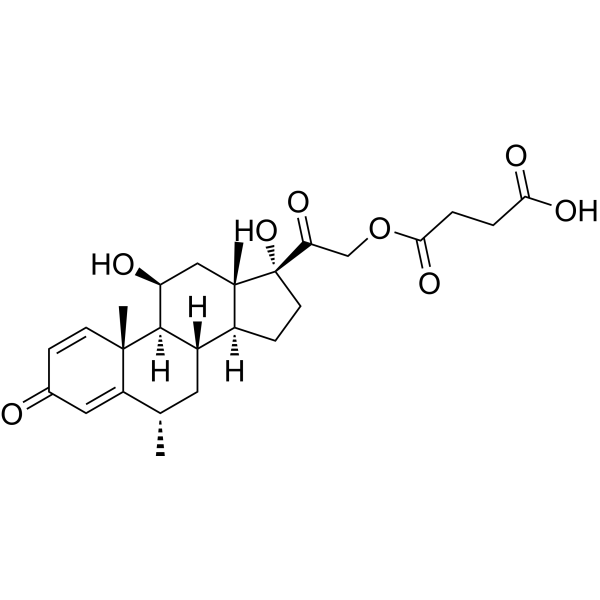
    Methylprednisolone succinate (Methylprednisolone hydrogen succinate) is a prodrug of Methylprednisolone (HY-B0260) and glucocorticoid with immunosuppressant and anti-inflammatory activity. Methylprednisolone succinate binds cytosolic glucocorticoid receptors, translocates to nuclei, and modulates target gene transcription. Methylprednisolone succinate alters Bax, Bcl-2, occludin, and ZO-1 expression; attenuates TLR4/NF-κB signaling; suppresses proinflammatory cytokine production and immune cell activation. Methylprednisolone succinate can be used for the research of intracranial haemorrhage, rheumatoid arthritis, multiple sclerosis, preterminal cancer, inflammatory conditions, shock, immediate-type hypersensitivity, acute myocardial ischemia, hypoxic heart muscle damage, and traumatic spinal cord injury .
    Methylprednisolone succinate
  • HY-150520

    Antibiotic Phospholipase Infection Cancer
    Neomycin, an aminoglycoside antibiotic, exerts antibacterial activity through irreversible binding of the nuclear 30S ribosomal subunit, thereby blocking bacterial protein synthesis. Neomycin is a known phospholipase C (PLC) inhibitor. Neomycin potently inhibits both the nuclear translocation of angiogenin and angiogenin-induced cell proliferation and angiogenesis. Neomycin inhibits IP3-mediated Ca 2+ release, MgATP-dependent Ca 2+ uptake, and electrical excitation-evoked skeletal muscle Ca 2+ transients. Neomycin depletes gut microbiota in specific mouse models, causes hearing impairment, and kidney damage with prolonged exposure. Neomycin can be used for the research of cancer .
    Neomycin
  • HY-B0282A
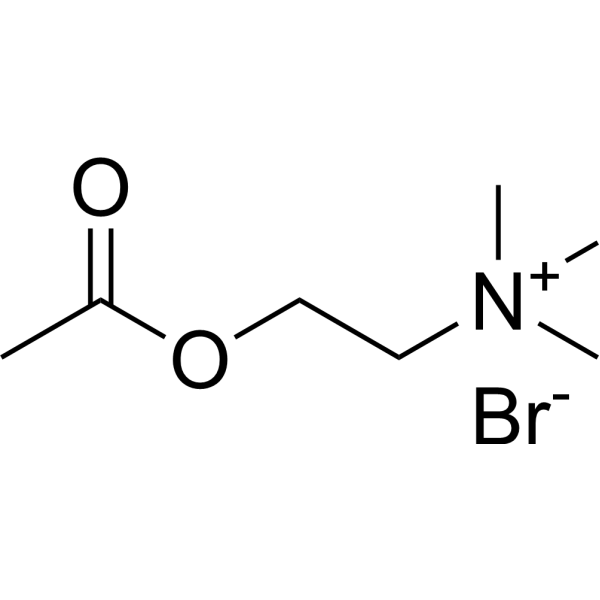
    Acetylcholine bromide
    20+ Cited Publications

    ACh bromide

    Biochemical Assay Reagents Others Cancer
    Acetylcholine bromide is an organic choline salt compound commonly used in neurophysiology and pharmacology experiments. It plays an important role in the nervous system, acting as a neurotransmitter that transmits signals and regulates many important physiological functions. Due to its special biological activity, Acetylcholine bromide is widely used in the study of neurotransmitters, nerve damage and muscle movement.
    Acetylcholine bromide
  • HY-174406A

    Myosin PDGFR Reactive Oxygen Species (ROS) Ferroptosis Akt mTOR ERK Inflammation/Immunology Cancer
    MT-125 free base is a specific and well-tolerated inhibitor of non-muscle myosin IIA (Ki,NMIIA = 2.7 μM) and IIB (EC50 = 1.7 μM). MT-125 free base can pass through the blood-brain barrier. MT-125 free base induces ferroptosis and DNA damage by increasing the levels of reactive oxygen species (ROS) within tumor cells. MT-125 free base can enhance the PDGFR signaling pathway. MT-125 free base can be used for research on glioblastoma.
    MT-125 free base
  • HY-150270A

    P2X Receptor Prostaglandin Receptor NOD-like Receptor (NLR) Caspase Interleukin Related Inflammation/Immunology
    NP-1815-PX sodium is an orally active dual inhibitor of P2X4 and prostaglandin TP receptors, with an IC50 of 0.26 μM against human P2X4 receptors. NP-1815-PX sodium specifically inhibits ATP-mediated prostaglandin production, TP receptor-induced calcium elevation, and the canonical/non-canonical NLRP3 inflammasome signaling pathway. NP-1815-PX sodium selectively blocks smooth muscle contractions induced by ATP, U46619 (HY-108566) and prostaglandin F2α. NP-1815-PX sodium not only produces anti-allodynic effects in vivo, but also significantly alleviates symptoms of DNBS (HY-W324435)-induced colitis (such as weight loss and tissue damage). NP-1815-PX sodium exerts anti-inflammatory effects by downregulating IL-1β levels and Caspase-1 activity. NP-1815-PX sodium is used in studies related to asthma and inflammatory bowel disease (colitis) .
    NP-1815-PX sodium
  • HY-W040255

    PGPC

    Ferroptosis FABP Caspase Interleukin Related Apoptosis Inflammation/Immunology
    1-Palmitoyl-2-glutaryl-sn-glycero-3-phosphocholine is an oxidized phospholipid. 1-Palmitoyl-2-glutaryl-sn-glycero-3-phosphocholine reduces the viability of HUVECs, increases the levels of ferrous ions and lipid peroxidation, promotes the production of superoxide anions, and decreases the levels of glutathione and GPX4 in cells. 1-Palmitoyl-2-glutaryl-sn-glycero-3-phosphocholine upregulates the mRNA and protein levels of FABP3 in HUVECs, impairs mitochondrial membrane potential, and induces ferroptosis-related changes as well as mitochondrial dysfunction and damage. 1-Palmitoyl-2-glutaryl-sn-glycero-3-phosphocholine activates caspase-11 and promotes the continuous release of IL-1β from macrophages and dendritic cells. 1-Palmitoyl-2-glutaryl-sn-glycero-3-phosphocholine inhibits the proliferation of aortic smooth muscle cells and induces apoptosis in these cells. 1-Palmitoyl-2-glutaryl-sn-glycero-3-phosphocholine is applicable to relevant research on atherosclerosis .
    1-Palmitoyl-2-glutaryl-sn-glycero-3-phosphocholine
  • HY-134440A

    P2X Receptor Inflammation/Immunology
    α,β-Methylene-ATP is an agonist of P2X1 and P2X3 receptors and can cross the blood-brain barrier. α,β-Methylene-ATP can trigger a reflex pressor response by activating P2X receptors in peripheral muscles and the central locus coeruleus (LC); this effect can be blocked by the P2X antagonist PPADS (HY-108960). α,β-Methylene-ATP also activates noradrenergic neurons in the central locus coeruleus, mediating antinociceptive effects; this effect can be attenuated by the locus coeruleus damaging agent DSP-4 (HY-103210/HY-121602). α,β-Methylene-ATP can be used to study the pathological mechanisms of neuropathic pain, cardiovascular reflex regulation, and antinociceptive effects of the central nervous system .
    α,β-Methylene-ATP
  • HY-D1005I

    Biochemical Assay Reagents Others
    Poloxamer L61 is a non-ionic triblock copolymer surfactant. Poloxamer L61 effectively achieves intracellular molecular delivery to cancer cells during photoacoustic molecular delivery, and maintains cell viability by promoting cell membrane resealing, thus avoiding irreversible damage caused by laser-induced membrane permeabilization. Poloxamer L61 is a key component of SP1017, a compound related to gene therapy, which regulates the interaction between DNA and extracellular matrix as well as cellular uptake, and significantly enhances the distribution and bioavailability of plasmid DNA in skeletal muscle. Poloxamer L61 can be used in studies on local or systemic therapeutic protein production .
    Poloxamer L61
  • HY-B1900R
    Methylprednisolone succinate (Standard)
    1 Publications Verification

    Methylprednisolone hydrogen succinate (Standard)

    Reference Standards Glucocorticoid Receptor Bacterial Toll-like Receptor (TLR) NF-κB Metabolic Disease Inflammation/Immunology Cancer
    Methylprednisolone succinate (Standard) is the analytical standard of Methylprednisolone succinate (HY-B1900). This product is intended for research and analytical applications. Methylprednisolone succinate (Methylprednisolone hydrogen succinate) is a prodrug of Methylprednisolone (HY-B0260) and glucocorticoid with immunosuppressant and anti-inflammatory activity. Methylprednisolone succinate binds cytosolic glucocorticoid receptors, translocates to nuclei, and modulates target gene transcription. Methylprednisolone succinate alters Bax, Bcl-2, occludin, and ZO-1 expression; attenuates TLR4/NF-κB signaling; suppresses proinflammatory cytokine production and immune cell activation. Methylprednisolone succinate can be used for the research of intracranial haemorrhage, rheumatoid arthritis, multiple sclerosis, preterminal cancer, inflammatory conditions, shock, immediate-type hypersensitivity, acute myocardial ischemia, hypoxic heart muscle damage, and traumatic spinal cord injury .
    Methylprednisolone succinate (Standard)
  • HY-167917

    Drug Isomer Metabolic Disease Inflammation/Immunology Endocrinology Cancer
    Conjugated linoleic acid is a group of isomers of Linoleic acid (HY-N0729) containing conjugated double bonds. Conjugated linoleic acid is mainly derived from dairy products and ruminant meats. Conjugated linoleic acid exhibits various activities such as anti-carcinogenicity, immunomodulation, weight loss promotion, reduction of muscle damage, and alleviation of inflammatory responses. Conjugated linoleic acid can be used as a food additive .
    Conjugated linoleic acid
  • HY-150270

    Prostaglandin Receptor P2X Receptor NOD-like Receptor (NLR) Caspase Interleukin Related Neurological Disease Inflammation/Immunology
    NP-1815-PX is an orally active dual inhibitor of P2X4 and prostaglandin TP receptors, with an IC50 of 0.26 μM against human P2X4 receptors. NP-1815-PX specifically inhibits ATP-mediated prostaglandin production, TP receptor-induced calcium elevation, and the canonical/non-canonical NLRP3 inflammasome signaling pathway. NP-1815-PX selectively blocks smooth muscle contractions induced by ATP, U46619 (HY-108566) and prostaglandin F2α. NP-1815-PX not only produces anti-allodynic effects in vivo, but also significantly alleviates symptoms of DNBS (HY-W324435)-induced colitis (such as weight loss and tissue damage). NP-1815-PX exerts anti-inflammatory effects by downregulating IL-1β levels and Caspase-1 activity. NP-1815-PX is used in studies related to asthma and inflammatory bowel disease (colitis) .
    NP-1815-PX
  • HY-N6609

    nAChR Others
    Magnocurarine is a neuromuscular junction blocker that inhibits muscle contraction by functionally blocking signal transmission without directly damaging nerve or muscle tissues. In frog, mouse and rabbit models, Magnocurarine exerts a dose-dependent paralytic effect, which progresses gradually from limb weakness and loss of righting reflex to respiratory depression and even cardiac arrest. Although high doses cause complete cessation of movement, Magnocurarine does not affect the spinal multineuronal reflex in frogs. Magnocurarine exhibits biological activity similar to that of tubocurarine (HY-125901) in various animal models .
    Magnocurarine
  • HY-134440

    P2X Receptor Inflammation/Immunology
    α,β-Methylene-ATP dilithium is an agonist of P2X1 and P2X3 receptors and can cross the blood-brain barrier. α,β-Methylene-ATP dilithium can trigger a reflex pressor response by activating P2X receptors in peripheral muscles and the central locus coeruleus (LC); this effect can be blocked by the P2X antagonist PPADS (HY-108960). α,β-Methylene-ATP dilithium also activates noradrenergic neurons in the central locus coeruleus, mediating antinociceptive effects; this effect can be attenuated by the locus coeruleus damaging agent DSP-4 (HY-103210/HY-121602). α,β-Methylene-ATP dilithium can be used to study the pathological mechanisms of neuropathic pain, cardiovascular reflex regulation, and antinociceptive effects of the central nervous system .
    α,β-Methylene-ATP dilithium
  • HY-149708

    ICMT Others
    UCM-13207 is a selective isoprenylcysteine carboxylmethyltransferase (ICMT) inhibitor with a human IC50 of 1.4 μM and human Ka of 7.2 μM. UCM-13207 modulates progerin localization, stability, and levels, reduces DNA damage, increases cellular viability, and decreases tissue senescence. UCM-13207 can be used for the research of Hutchinson−Gilford progeria syndrome .
    UCM-13207
  • HY-B1614R

    NAB-365 hydrochloride (Standard)

    Reference Standards Adrenergic Receptor Metabolic Disease Inflammation/Immunology Endocrinology
    Clenbuterol (hydrochloride) (Standard) is the analytical standard of Clenbuterol (hydrochloride). This product is intended for research and analytical applications. Clenbuterol (NAB-365) hydrochloride, a selective β2-adrenergic agonist, enhances skeletal muscle strength and hypertrophy. Clenbuterol hydrochloride induces growth factor mRNA, activates astrocytes, and protects rat brain tissue against ischemic damage .
    Clenbuterol hydrochloride (Standard)
  • HY-103074

    JNK Neurological Disease
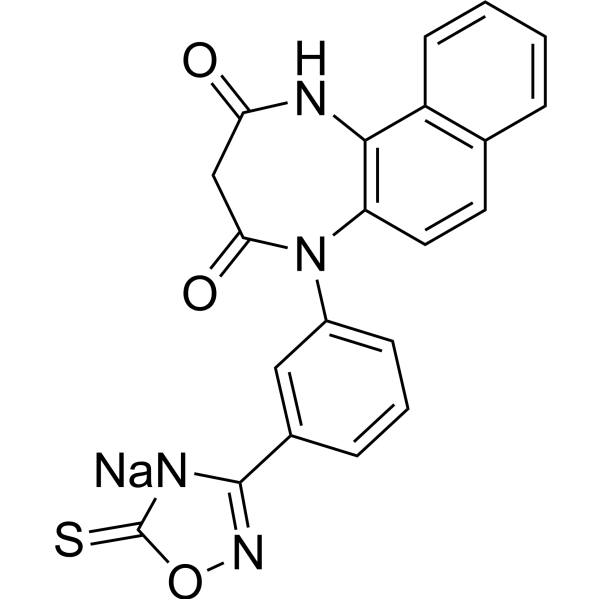
    GSK2226649A (compound 2) is a novel activator of satellite cell proliferation and enhanced repair of damaged muscle .
    GSK2226649A
  • HY-W753375R

    Reference Standards Fungal Succinate Dehydrogenase Infection
    Clenbuterol (hydrochloride) (Standard) is the analytical standard of Clenbuterol (hydrochloride). This product is intended for research and analytical applications. Clenbuterol (NAB-365) hydrochloride, a selective β2-adrenergic agonist, enhances skeletal muscle strength and hypertrophy. Clenbuterol hydrochloride induces growth factor mRNA, activates astrocytes, and protects rat brain tissue against ischemic damage .
    Fluindapyr (Standard)
  • HY-A0012R

    UK-88525 hydrobromide (Standard)

    Reference Standards mAChR p38 MAPK Akt Neurological Disease Metabolic Disease Cancer
    Darifenacin (hydrobromide) (Standard) is the analytical standard of Darifenacin (hydrobromide). This product is intended for research and analytical applications. Darifenacin (hydrobromide) is a selective and orally active M3 muscarinic receptor (M3R) antagonist with a pKi of 8.9. Darifenacin (hydrobromide) binds >20-fold more specifically to M3R than to other muscarinic receptors. Darifenacin (hydrobromide) can be used in the study of urinary incontinence and other symptoms of overactive bladder. Darifenacin (hydrobromide) inhibits tumor growth in colorectal cancer cells and has anti-tumor effects .
    Darifenacin hydrobromide (Standard)
  • HY-B1139S

    Isotope-Labeled Compounds Neurological Disease
    Tolperisone-d10 (hydrochloride) is the deuterium labeled Tolperisone hydrochloride. Tolperisone hydrochloride is a centrally acting muscle relaxant, is indicated for use in the treatment of pathologically increased tone of the cross-striated muscle caused by neurological diseases (damage of the pyramidal tract, multiple sclerosis, myelopathy, encephalomyelitis) and of spastic paralysis and other encephalopathies manifested with muscular dystonia.
    Tolperisone-d10 hydrochloride
  • HY-183148

    NAMPT ATP Synthase Neurological Disease
    NAMPT activator-10 (Compound B11) is an orally active NAMPT activator with a target Kd value of 0.64 μM. NAMPT activator-10 activates the rate-limiting enzyme in NAD + biosynthesis and promotes intracellular NAD + synthesis. NAMPT activator-10 reduces lactate accumulation, enhances glycogen storage in the liver and muscle, increases tissue ATP production, improves exercise endurance and muscle strength, and exerts a protective effect against fatigue-induced muscle damage in mouse fatigue models. NAMPT activator-10 can be used in studies related to muscle fatigue .
    NAMPT activator-10
  • HY-N6609B

    nAChR Cardiovascular Disease
    Magnocurarine chloride is a neuromuscular junction blocker that inhibits muscle contraction by functionally blocking signal transmission without directly damaging nerve or muscle tissues. In frog, mouse and rabbit models, Magnocurarine chloride exerts a dose-dependent paralytic effect, which progresses gradually from limb weakness and loss of righting reflex to respiratory depression and even cardiac arrest. Although high doses cause complete cessation of movement, Magnocurarine chloride does not affect the spinal multineuronal reflex in frogs. Magnocurarine chloride exhibits biological activity similar to that of tubocurarine (HY-125901) in various animal models .
    Magnocurarine chloride
  • HY-148150A

    Creatine Kinase Cardiovascular Disease Inflammation/Immunology Cancer
    Cyclocreatine phosphate dilithium is a synthetic intracellular energy buffer. Cyclocreatine phosphate dilithium mediates antiproliferative activity in cells with high creatine kinase levels and inhibits solid tumor growth. Cyclocreatine phosphate dilithium maintains adenosine triphosphate (ATP) levels and protects tissues from hypoxia, cellular damage and inflammation during ischemic events. Cyclocreatine phosphate dilithium accumulates in skeletal muscle, reduces muscle phosphocreatine and total creatine levels, and acts both as a bioenergetic/anti-inflammatory agent and an experimental tool for the assessment of ischemic injury. Cyclocreatine phosphate dilithium can be used in studies related to solid tumors, heart failure and ischemia .
    Cyclocreatine phosphate dilithium
  • HY-N9980

    PI3K Akt NF-κB p38 MAPK AP-1 Inflammation/Immunology
    Antcin K is a selective inhibitor targeting the PI3K/Akt, NF-κB, MEK1/2-ERK, p38 and AP-1 pathways. Antcin K upregulates IL-10 expression, thereby inhibiting the production of pro-inflammatory factors, blocking monocyte adhesion, reducing tissue damage, and promoting myogenesis. Antcin K has significant anti-inflammatory, anti-damage and tissue protective activities. Antcin K is mainly used in the research of inflammation-related diseases such as periodontitis, rheumatoid arthritis, and skeletal muscle injury .
    Antcin K
  • HY-181906

    PROTACs Reactive Oxygen Species (ROS) CDK Cancer
    ZnPc-PEG2-VH032 is a VHL-pathway-dependent photodegradation targeting chimera (PDTAC) and cytotoxic agent. ZnPc-PEG2-VH032 (HY-120217) binds to the VHL ligand domain, and then specifically degrades VHL under light irradiation, a process independent of non-specific ROS-mediated protein damage. ZnPc-PEG2-VH032 uses Zinc phthalocyanine (HY-19204) as a photosensitizer, and generates ROS via type I and type II photodynamic pathways under 680 nm LED irradiation. On one hand, it targets and degrades the bound VHL protein through ROS; on the other hand, it exerts direct photodynamic cytotoxicity. Meanwhile, the degradation of VHL downregulates the phosphorylation level of CDK2/4, induces cell cycle arrest in tumor cells, further enhances the sensitivity of tumor cells to oxidative damage caused by ROS, and achieves a synergistic anti-tumor effect. ZnPc-PEG2-VH032 exerts significant in vivo efficacy in an orthotopic mouse model of non-muscle invasive bladder cancer (NMIBC) .
    ZnPc-PEG2-VH032
  • HY-108652R

    Reference Standards P2X Receptor Inflammation/Immunology
    α,β-Methylene-ATP trisodium (Standard) is the analytical standard of α,β-Methylene-ATP (trisodium) (HY-108652). This product is intended for research and analytical applications. α,β-Methylene-ATP trisodium is an agonist of P2X1 and P2X3 receptors and can cross the blood-brain barrier. α,β-Methylene-ATP trisodium can trigger a reflex pressor response by activating P2X receptors in peripheral muscles and the central locus coeruleus (LC); this effect can be blocked by the P2X antagonist PPADS (HY-108960). α,β-Methylene-ATP trisodium also activates noradrenergic neurons in the central locus coeruleus, mediating antinociceptive effects; this effect can be attenuated by the locus coeruleus damaging agent DSP-4 (HY-103210/HY-121602). α,β-Methylene-ATP trisodium can be used to study the pathological mechanisms of neuropathic pain, cardiovascular reflex regulation, and antinociceptive effects of the central nervous system .
    α,β-Methylene-ATP trisodium (Standard)

Inquiry Online

Your information is safe with us. * Required Fields.

Salutation


Country or Region *

Applicant Name *


Organization Name *

Department *


Email Address *


Product Name *

Cat. No.


Requested quantity *

Phone Number *


Remarks

Inquiry Online

Inquiry Information

Product Name:
Cat. No.:
Quantity:
MCE Japan Authorized Agent:

