









1. Search Result
Search Result
Results for "

myelin

" in MedChemExpress (MCE) Product Catalog:

46

Inhibitors & Agonists

2

Biochemical Assay Reagents

43

Peptides

2

Inhibitory Antibodies

5

Natural
Products

22

Recombinant Proteins

17

Antibodies

1

Click Chemistry

1

Oligonucleotides

Cat. No. Product Name Target Research Areas Chemical Structure
  • HY-P1240
    MOG (35-55) mouse, rat
    Maximum Cited Publications
    9 Publications Verification

    myelin Oligodendrocyte Glycoprotein Peptide (35-55), mouse, rat

    Endogenous Metabolite Neurological Disease Inflammation/Immunology
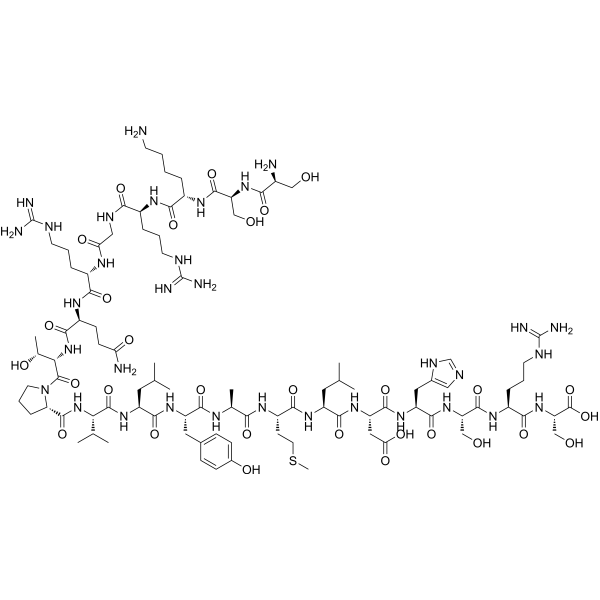
    MOG (35-55) mouse, rat (Myelin Oligodendrocyte Glycoprotein Peptide (35-55), mouse, rat) is a minor component of CNS myelin. MOG (35-55) mouse, rat has encephalitogenic activity and induces T cell proliferative. MOG (35-55) mouse, rat induces Th1 cytokine response as well as relatively high levels of IgG antibodies. MOG (35-55) mouse, rat produces a relapsing-remitting neurological disease with extensive plaque-like demyelination. MOG (35-55) mouse, rat (MOG (35-55)) can be used for experimental autoimmune encephalomyelitis (EAE) modeling .
    MOG (35-55)  mouse, rat
  • HY-113498
    Sphingomyelin
    1 Publications Verification

    Endogenous Metabolite Neurological Disease Metabolic Disease Inflammation/Immunology
    Sphingomyelin is a eukaryotic sphingolipid and one of the major constituents of cell membranes and particularly abundant in the myelin sheath that surrounds neuronal axons. Sphingomyelin plays an important role in cell processes, the regulation of inflammatory responses, and signal transduction. Sphingomyelin metabolism is associated with various central nervous system diseases and Niemann–Pick disease .
    Sphingomyelin
  • HY-P3719
    MOG(35-55) amide, mouse, rat
    1 Publications Verification

    CCR Inflammation/Immunology
    MOG (35-55) amide, mouse, rat the terminal amidation form of the 35-55 fragment of the myelin oligodendrocyte glycoprotein (MOG) immunogenic peptide (MOG (35-55) (HY-P1240)). MOG(35-55) amide, mouse, rat can be used for experimental autoimmune encephalomyelitis (EAE) modeling .
    MOG(35-55) amide, mouse, rat
  • HY-P1240A
    MOG (35-55) TFA
    Maximum Cited Publications
    9 Publications Verification

    myelin Oligodendrocyte Glycoprotein Peptide (35-55), mouse, rat TFA

    Endogenous Metabolite Neurological Disease Inflammation/Immunology
    MOG (35-55) (MOG (35-55)) TFA is a minor component of CNS myelin. MOG (35-55) (TFA) has encephalitogenic activity and induces T cell proliferative. MOG (35-55) (TFA) induces Th1 cytokine response as well as relatively high levels of IgG antibodies. MOG (35-55) (TFA) produces a relapsing-remitting neurological disease with extensive plaque-like demyelination. MOG (35-55) (MOG (35-55)) TFA can be used for experimental autoimmune encephalomyelitis (EAE) modeling .
    MOG (35-55) TFA
  • HY-D0889
    Glycylglycine
    1 Publications Verification

    Gly-Gly; H-Gly-Gly-OH

    Endogenous Metabolite Metabolic Disease
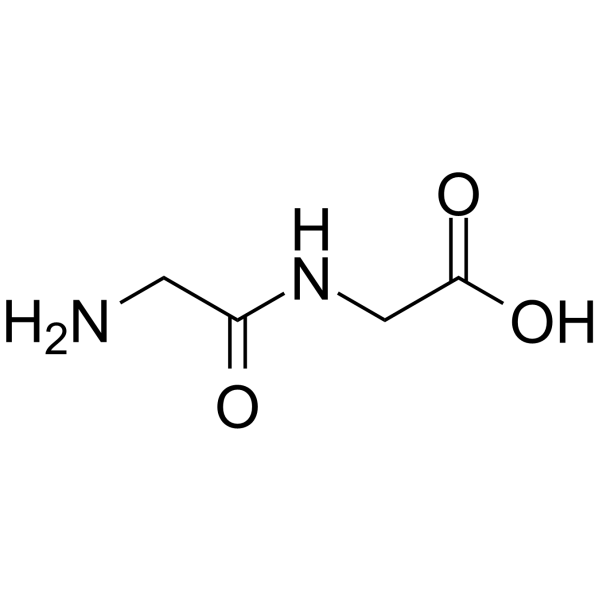
    Glycylglycine is a non-selective glycylglycine dipeptidase substrate and iNOS inhibitor. Glycylglycine can cross the cell membrane by passive diffusion and is hydrolyzed to glycine in the cell, participating in energy metabolism and antioxidant processes. Glycylglycine promotes spermatogonial stem cells (SSCs) proliferation, inhibits astrocyte overactivation and reduces nitric oxide (NO) release, while upregulating the expression of neurotrophic factors (such as PDGFA, FGF2, CNTF) to support nerve myelin repair. Glycylglycine can be used to study male reproductive biology (such as SSCs proliferation regulation) and neurodegenerative diseases (such as neuroprotective mechanisms in multiple sclerosis) .
    Glycylglycine
  • HY-P1821
    Myelin Basic Protein
    2 Publications Verification

    MHP4-14

    PKC Neurological Disease
    Myelin Basic Protein (MHP4-14), a synthetic peptide comprising residues 4-14 of myelin basic protein, is a very selective PKC substrate (Km=7 μM). Myelin Basic Protein is not phosphorylated by cyclic AMP-dependent protein kinase, casein kinases I and II, Ca 2+/calmodulin-dependent protein kinase II, or phosphorylase kinase, and can be routinely used for the assay of protein kinase C with low background in the crude tissue extracts .
    Myelin Basic Protein
  • HY-109520
    Glatiramer acetate
    2 Publications Verification

    MHC Inflammation/Immunology Cancer
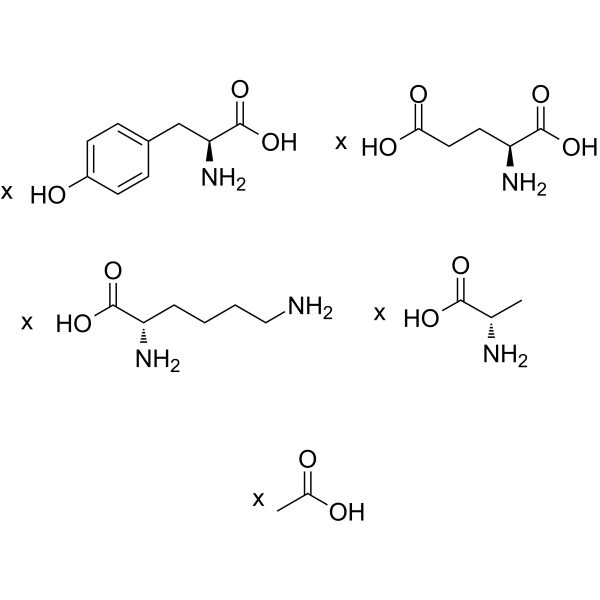
    Glatiramer acetate, a synthetic analogue of myelin basic protein and an immunomodulating agent, inhibits Experimental autoimmune encephalomyelitis (EAE), and can be used for the research of multiple sclerosis. Glatiramer acetate exhibits strong and promiscuous binding to MHC molecules and consequent competition with various myelin antigens for their presentation to T cells. A further aspect of its action is potent induction of specific suppressor cells of the T helper 2 (Th2) type that migrate to the brain and lead to in situ bystander suppression .
    Glatiramer acetate
  • HY-P10932A

    Fluorescent Dye Neurological Disease
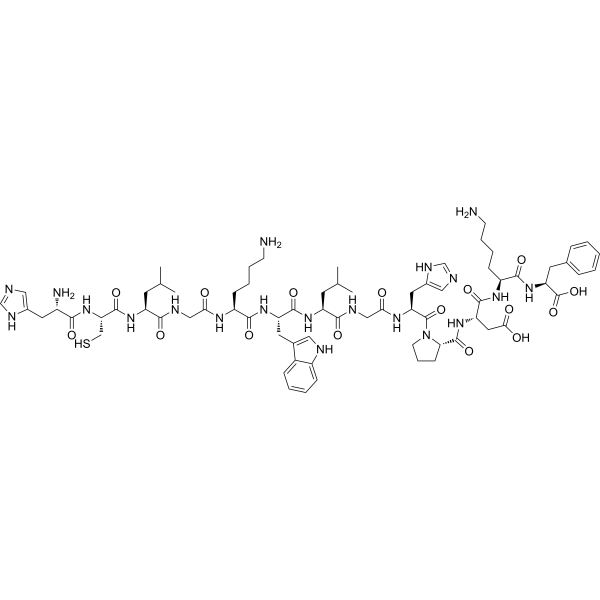
    pGk13a TFA is an azide (azide group can be combined with fluorophore)-containing amphiphilic membrane labeling probe. pGk13a TFA enables high-resolution imaging of cell membranes in the ultrastructural membrane expansion microscopy (umExM) technique, facilitating the observation of membrane-associated structures and proteins. pGk13a TFA can be used for neuronal structural studies .
    pGk13a TFA
  • HY-D0953

    Solvent Blue 38

    Environmental Pollutants Fluorescent Dye Neurological Disease
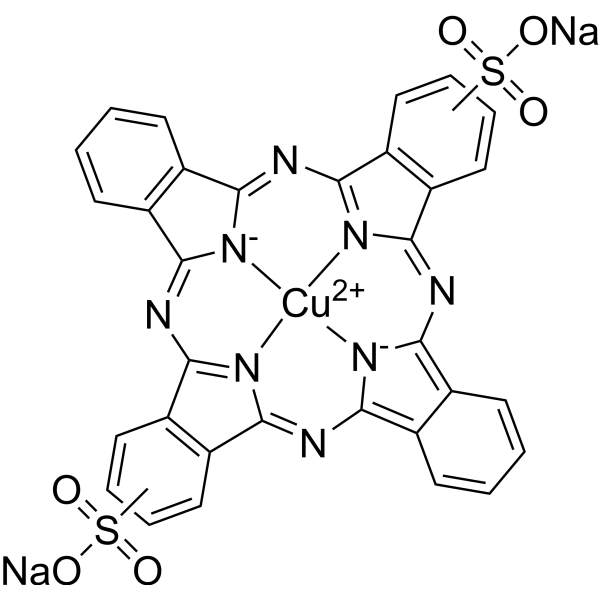
    Direct Blue 86 (Solvent Blue 38) is a myelin-sheath stain, commonly utilized in microscopy to detect demyelination in the central nervous system. Direct Blue 86 also is a dye with various applications including as a commercial dye in the printing of cotton and mucilage glue fabrics .
    Direct Blue 86
  • HY-173591

    Formyl Peptide Receptor (FPR) Apoptosis Cardiovascular Disease Neurological Disease Inflammation/Immunology
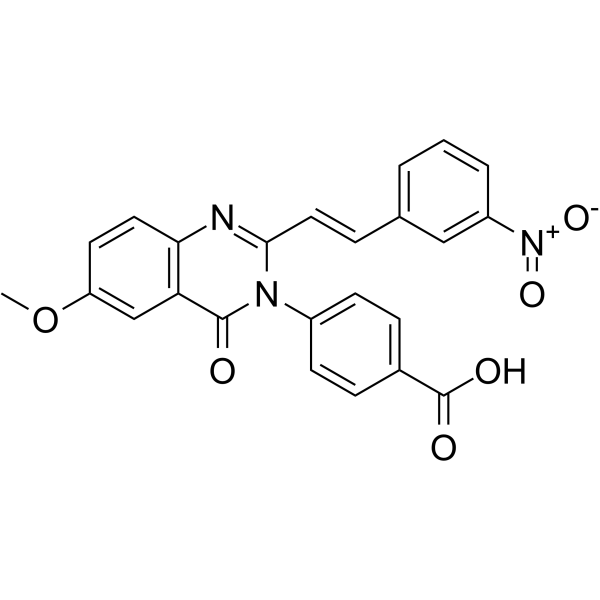
    T0080 is a central nervous system-penetrant FPR1 inhibitor. By functionally blocking the FPR1 signaling pathway, T0080 effectively reduces neutrophil infiltration into ischemic brain tissue and maintains the integrity of the blood-brain barrier. T0080 alleviates tPA-associated hemorrhagic transformation, inhibits demyelination responses and the expression of NOX2. T0080 also possesses anti-apoptotic (apoptosis) and anti-inflammatory properties, thereby protecting myelin and reducing neurological deficits. T0080 is widely used in studies related to ischemic stroke complicated by hemorrhagic transformation after tPA thrombolysis, as well as multiple sclerosis .
    T0080
  • HY-B0877
    Halcinonide
    1 Publications Verification

    SQ-18566

    Smo Caspase RAR/RXR CDK Cardiovascular Disease Neurological Disease Inflammation/Immunology
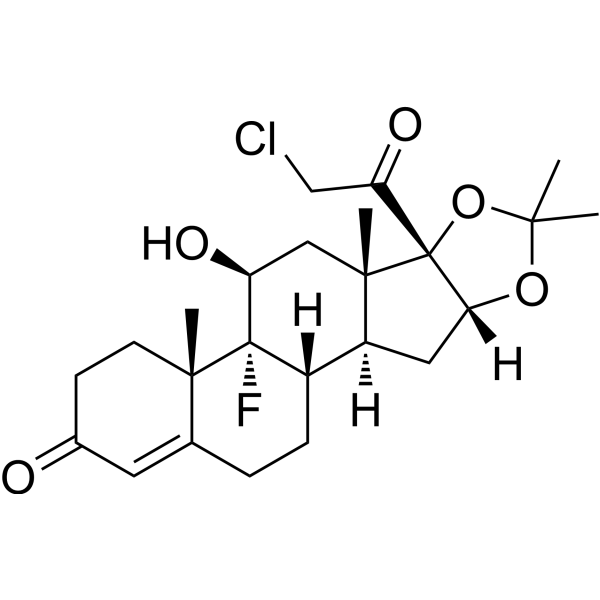
    Halcinonide (SQ-18566) is an orally active Smoothened (Smo) agonist. Halcinonide activates the Hedgehog signaling pathway by binding to Smo and promoting its internalization and expression, thereby activating Gli transcription factors. Halcinonide not only stimulates cell proliferation, increases the expression of cyclin D2/CDK6 and inhibits the degradation of caspase-3, but also suppresses Bcl-2/Bax-mediated apoptosis, oxidative stress and inflammatory responses. Halcinonide activates RxRγ to upregulate the expression of myelin genes, thereby reducing cerebral infarction and improving behavioral deficits. Halcinonide has been used in studies related to multiple sclerosis and ischemic stroke .
    Halcinonide
  • HY-43515

    Endogenous Metabolite Metabolic Disease
    ESI1 is a small molecule epigenetic silencing inhibitor. ESI1 can trigger the formation of nuclear condensates of key lipid metabolism regulators SREBP1/2, concentrating transcriptional co-activators to drive lipid/cholesterol biosynthesis. ESI1 can promote myelin regeneration in demyelinated animal models and facilitate de novo myelination on regenerating CNS axons, reversing age-related declines in cognitive abilities .
    ESI1
  • HY-112411

    EGFR ERK PDGFR FGFR Neurological Disease Inflammation/Immunology
    PD 174265 is a highly selective, reversible EGFR/ErbB2 tyrosine kinase inhibitor (IC50=0.45 nM) and cell differentiation inducer. By blocking receptor autophosphorylation and the downstream ERK signaling pathway (with an IC50 of 0.45 μM for full-length ERK), PD 174265 effectively inhibits tumor growth and exhibits antitumor activity without obvious toxicity in in vivo models. PD 174265 drives oligodendrocyte precursor cells to switch from a proliferative state to a differentiated state, significantly upregulates the expression of myelin proteins such as CNP, PLP and MBP, and induces neurite branching. PD 174265 shows no inhibitory effect on other kinases including insulin, PDGF and basic FGF receptors, and serves as a crucial tool molecule for investigating the treatment of human epidermoid carcinoma and the mechanism of myelin repair in multiple sclerosis .
    PD 174265
  • HY-P2459

    MHC Neurological Disease
    MOG (35-55), human is a component of CNS myelin. MOG (35-55), human is different from mMOG (35-55) by a proline for serine substitution at position 42. MOG (35-55), human is also immunogenic via bind to H-2b class II MHC and recognized by T cells, but not encephalitogenic, and is only partially cross-reactive with mMOG35–55. MOG (35-55), human induces minimal clinical signs of EAE relative to the rodent peptide .
    MOG (35-55), human
  • HY-15703
    QNZ46
    1 Publications Verification

    iGluR Neurological Disease
    QNZ46 is a highly selective noncompetitive NMDA receptor antagonist targeting GluN2C/D (IC50=3.9 μM), GluN1/GluN2C (IC50=7.1 μM), and GluN1/GluN2D (IC50=182 μM) subunits. QNZ46 inhibits glutamate-mediated calcium influx, thereby blocking excitotoxicity. QNZ46 is membrane permeable and can cross the blood-brain barrier, where it inhibits myelin damage and axonal degeneration .
    QNZ46
  • HY-P1242
    NEP(1-40)
    2 Publications Verification

    Transmembrane Glycoprotein Inflammation/Immunology
    NEP(1-40) is a Nogo-66 receptor (NgR) antagonist peptide, reversing the injury-induced shift in distribution of microglia morphologies by limiting myelin-based inhibition .
    NEP(1-40)
  • HY-P10532

    PKC Others Inflammation/Immunology
    Myelin basic protein, MBP (68-86) is the portion of the 68th to 86th amino acid residues in the MBP protein sequence. Myelin basic protein, MBP (68-86) can act as an autoantigen, triggering the immune system to attack its own myelin. Myelin basic protein, MBP (68-86) is used as one of the immunogens in the experimental autoimmune encephalomyelitis (EAE) animal model to study immune responses associated with multiple sclerosis (MS) .
    Myelin basic protein, MBP (68-86)
  • HY-108583

    5-(4-Phenylbutoxy)psoralen

    Potassium Channel Inflammation/Immunology
    Psora-4 is a potent and selective inhibitor of Kv1.3 (voltage-gated potassium channels) with an EC50 of 3 nM . Psora-4 has immunosuppressive activity and inhibits proliferation of human and rat myelin-specific effector memory T cells in vitro .
    Psora-4
  • HY-P3828

    Fluorescent Dye Neurological Disease
    Biotin-myelin basic protein (94-102) is a peptide fragemt. Myelin basic protein is responsible for adhesion of the cytosolic surfaces of multilayered compact myelin, it plays an important role in the process of myelination of nerves in the nervous system. Myelin basic protein also acts as a membrane actin-binding protein, which might allow it to participate in transmission of extracellular signals to the cytoskeleton in oligodendrocytes and tight junctions in myelin .
    Biotin-myelin basic protein (94-102)
  • HY-128749A

    Calcium D-glucarate tetrahydrate

    Endogenous Metabolite Apoptosis Neurological Disease Metabolic Disease Inflammation/Immunology Cancer
    D-Glucaric acid tetrahydrate (Calcium D-glucarate tetrahydrate) is an orally active end product of the mammalian D-glucuronidation pathway. D-Glucaric acid tetrahydrate is found in a variety of fruits and vegetables. D-Glucaric acid tetrahydrate induces cell Apoptosis. D-Glucaric acid tetrahydrate reduces the expression of hippocampal myelin-related genes (Mbp, Plp1). D-Glucaric acid tetrahydrate has cholesterol-lowering and anti-tumor activities. D-Glucaric acid tetrahydrate can be used in the research of neurological diseases .
    D-Glucaric acid tetrahydrate
  • HY-137672A

    2',3'-cNADP+; β-Nicotinamide adenine dinucleotide-2',3'-cyclic phosphate

    Phosphodiesterase (PDE) Calcium Channel Neurological Disease
    2',3'-Cyclic NADP disodium (2',3'-cNADP+; β-Nicotinamide adenine dinucleotide-2',3'-cyclic phosphate) is a substrate for 2',3'-cyclic nucleotide 3'-phosphodiesterase (CNP), an enzyme abundant in myelin. It has been used in a coupled enzyme assay to quantify CNP activity. 2',3'-Cyclic NADP disodium (5 μM) increases calcium overload-induced calcium release and prevents calcium-induced swelling in rat brain mitochondria.
    2',3'-Cyclic NADP disodium
  • HY-164495

    FAAH Thyroid Hormone Receptor Inflammation/Immunology Endocrinology
    Sob-AM2 is a potent substrate (Km=1.3 μM) targeting fatty acid amide hydrolase (FAAH) expressed in the brain and has blood-brain barrier permeability. Sob-AM2 delivers high concentrations of Sobetirome (HY-14823) to the central nervous system with minimal peripheral systemic dose, thereby stimulating central thyroid hormone receptor β (TRβ). In addition, Sob-AM2 can prevent myelin and axon degeneration in experimental autoimmune encephalomyelitis (EAE) mice .
    Sob-AM2
  • HY-125726

    (3'-sulfo)Galβ-Cer(d18:1/24:1); N-Nervonoyl Sulfatide; C24:1 Sulfatide

    Nuclear Factor of activated T Cells (NFAT) Inflammation/Immunology
    Sulfo galactosylceramide (N-Nervonoyl Sulfatide; C24:1 Sulfatide) is a glycolipid and the major sulfolipid species in mature myelin. Sulfo galactosylceramide interacts with C-type lectins and immunoglobulin-like receptors, with the highest affinity for LMIR5. Sulfo galactosylceramide induces MCP-1 production by basophils but not mast cells, and increases NFAT activation via LMIR5. Sulfo galactosylceramide alleviates symptoms and improves survival in a mouse model of chronic relapsing-remitting experimental autoimmune encephalomyelitis (EAE), and reduces inflammatory lesions and the number of infiltrating mononuclear cells in the lumbar spinal cord of EAE mice.
    Sulfo galactosylceramide
  • HY-D0889R

    Gly-Gly (Standard); H-Gly-Gly-OH (Standard)

    Reference Standards Endogenous Metabolite Metabolic Disease
    Glycylglycine (Standard) is the analytical standard of Glycylglycine (HY-D0889). This product is intended for research and analytical applications. Glycylglycine is a non-selective glycylglycine dipeptidase substrate and iNOS inhibitor. Glycylglycine can cross the cell membrane by passive diffusion and is hydrolyzed to glycine in the cell, participating in energy metabolism and antioxidant processes. Glycylglycine promotes spermatogonial stem cells (SSCs) proliferation, inhibits astrocyte overactivation and reduces nitric oxide (NO) release, while upregulating the expression of neurotrophic factors (such as PDGFA, FGF2, CNTF) to support nerve myelin repair. Glycylglycine can be used to study male reproductive biology (such as SSCs proliferation regulation) and neurodegenerative diseases (such as neuroprotective mechanisms in multiple sclerosis) .
    Glycylglycine (Standard)
  • HY-P10932

    Fluorescent Dye Neurological Disease
    pGk13a is an amphipathic membrane-labeling probe containing an azide group, which can bind to fluorophores. pGk13a enables high-resolution imaging of cell membranes in the ultrastructure expansion microscopy (umExM) technique, facilitating the observation of membrane-associated structures and proteins. pGk13a is applicable to neuronal structure research .
    pGk13a
  • HY-P1821A
    Myelin basic protein (4-14) TFA
    2 Publications Verification

    MHP4-14 TFA

    PKC Neurological Disease
    Myelin Basic Protein (MHP4-14) TFA, a synthetic peptide comprising residues 4-14 of myelin basic protein, is a very selective PKC substrate (Km=7 μM). Myelin Basic Protein TFA is not phosphorylated by cyclic AMP-dependent protein kinase, casein kinases I and II, Ca 2+/calmodulin-dependent protein kinase II, or phosphorylase kinase, and can be routinely used for the assay of protein kinase C with low background in the crude tissue extracts .
    Myelin basic protein (4-14) TFA
  • HY-P5966

    MOG (40-54)

    MHC Inflammation/Immunology
    Myelin Oligodendrocyte Glycoprotein (40-54), Rat, Mouse (MOG (40-54)) is a CD8-related self-antigenic epitope of the myelin oligodendrocyte glycoprotein (MOG) protein and is presented in association with H-2Db .
    Myelin Oligodendrocyte Glycoprotein (40-54), Rat, Mouse
  • HY-P11272

    FTX-101

    VEGFR Neurological Disease
    Tasronetide (FTX-101) is a highly selective inhibitor toward the NRP1/Plexin-A1 receptor system, and displays no significant activity on other targets. Tasronetide intercalates within the transmembrane domains of Plexin-A1 and NRP1 of oligodendrocytes, interferes with the heterodimerization of the co-receptor system, effectively disrupts the NRP1/Plexin-A1 receptor complex and mitigates the inhibitory influence of Sema3A on oligodendrocyte migration and differentiation, thereby facilitating increased myelin sheathing around axons. Tasronetide is designed to enhance the recruitment and maturation of oligodendrocyte precursors and can be used for Chronic Op c Neuropathy research .
    Tasronetide
  • HY-P3248

    myelin basic protein (85-99) antagonist

    Biochemical Assay Reagents Inflammation/Immunology
    J5 peptide is an MBP inhibitor that competitively inhibits the binding of MBP85-99 to HLA-DR2. J5 peptide alleviates PLP139-151/MBP85-99-induced experimental autoimmune encephalomyelitis (EAE) in mice. J5 peptide can be used in research on inflammatory and immune diseases .
    J5 peptide
  • HY-P990138

    CD20 Metabolic Disease Inflammation/Immunology
    Anti-Monkey/Human CD20 Antibody (2H7) is a mouse-derived IgG2b κ type antibody inhibitor, targeting to monkey/human CD20. Anti-Monkey/Human CD20 Antibody (2H7) specifically depletes B cells. Anti-Monkey/Human CD20 Antibody (2H7) can be used for the researches of inflammation and metabolic disease, such as diabetes and experimental autoimmune encephalomyelitis .
    Anti-Monkey/Human CD20 Antibody (2H7)
  • HY-P1052A

    PKC Inflammation/Immunology
    Myelin Basic Protein(87-99) TFA is an encephalitogenic peptide that induces basic protein-specific T cell proliferation. Myelin Basic Protein(87-99) TFA causes a Th1 polarization in peripheral blood mononuclear cells with is implicated of multiple sclerosis (MS) .
    Myelin Basic Protein(87-99) TFA
  • HY-P1242A

    Transmembrane Glycoprotein Inflammation/Immunology
    NEP(1-40) TFA is a Nogo-66 receptor (NgR) antagonist peptide, reversing the injury-induced shift in distribution of microglia morphologies by limiting myelin-based inhibition .
    NEP(1-40) TFA
  • HY-176784

    Others Neurological Disease Inflammation/Immunology
    Human MOG-specifying DNA is located at chromosome 6 within the human leukocyte antigen (HLA) gene locus. Human MOG-specifying DNA is exclusively expressed in the central nervous system (CNS) on the surface of myelin sheaths and oligodendrocytes (ODCs) processes, with unique methylation patterns in ODCs. Human MOG-specifying DNA can be used for inflammatory demyelinating diseases such as multiple sclerosis (MS) research .
    Human MOG-specifying DNA
  • HY-P2461

    MHC Neurological Disease
    MOG (89-113), human is a peptide fragment of human myelin oligodendrocyte glycoprotein.
    MOG (89-113), human
  • HY-P1734

    PKC Neurological Disease
    Ac-MBP 1-11, a short peptide sequence, is the major encephalitogenic epitope in myelin basic protein (MBP) .
    Ac-MBP (1-11)
  • HY-P10297

    Biochemical Assay Reagents Inflammation/Immunology
    PLP (190-209) is a myelin proteolipid protein (PLP) fragment. PLP (190-209) is used to induce experimental autoimmune encephalomyelitis (EAE) animal models for multiple sclerosis research .
    PLP (190-209)
  • HY-112219

    Histamine Receptor Inflammation/Immunology Endocrinology
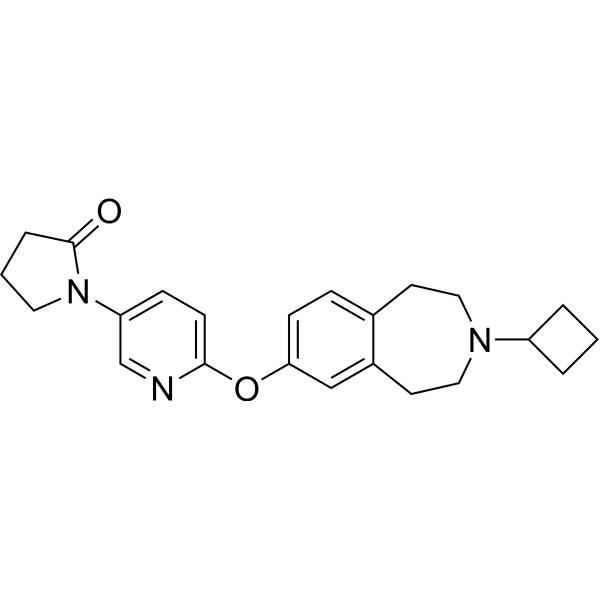
    H3R antagonist 1 is a histamine receptor 3 (H3R) inverse agonist. H3R antagonist 1 increases the expression levels of myelin-associated glycoprotein (MAG) and myeline basic protein (MBP) in differentiating oligodendrocytes. H3R antagonist 1 can be used for the study of multiple sclerosis .
    H3R antagonist 1
  • HY-112219A

    Histamine Receptor Inflammation/Immunology Endocrinology
    H3R antagonist 1 hydrochloride is a histamine receptor 3 (H3R) inverse agonist. H3R antagonist 1 hydrochloride increases the expression levels of myelin-associated glycoprotein (MAG) and myeline basic protein (MBP) in differentiating oligodendrocytes. H3R antagonist 1 hydrochloride can be used for the study of multiple sclerosis .
    H3R antagonist 1 hydrochloride
  • HY-W040074

    Diglycine hydrochloride hydrate; Gly-Gly (HCl H2O)

    Biochemical Assay Reagents Metabolic Disease
    Glycylglycine hydrochloride hydrate is a non-selective Glycylglycine hydrochloride hydrate dipeptidase substrate and iNOS inhibitor. Glycylglycine hydrochloride hydrate can cross the cell membrane by passive diffusion and is hydrolyzed to glycine in the cell, participating in energy metabolism and antioxidant processes. Glycylglycine hydrochloride hydrate promotes spermatogonial stem cells (SSCs) proliferation, inhibits astrocyte overactivation and reduces nitric oxide (NO) release, while upregulating the expression of neurotrophic factors (such as PDGFA, FGF2, CNTF) to support nerve myelin repair. Glycylglycine hydrochloride hydrate can be used to study male reproductive biology (such as SSCs proliferation regulation) and neurodegenerative diseases (such as neuroprotective mechanisms in multiple sclerosis) .
    Glycylglycine hydrochloride hydrate
  • HY-158688

    PI3K Inflammation/Immunology
    PI3Kδ-IN-21 (Compound 31) is a selective inhibitor for phosphoinositide 3-kinases δ (PI3Kδ), with an IC50 of 13.6 nM. PI3Kδ-IN-21 inhibits proliferation and differentation of T cells through PI3K/AKT/mTOR signaling pathway. PI3Kδ-IN-21 exhibits good pharmacokinetic characters in rat model, and attenuates the experimental autoimmune encephalomyelitis in myelin oligodendrocyte glycoprotein (MOG)-induced EAE model .
    PI3Kδ-IN-21
  • HY-128749AR

    Calcium D-glucarate tetrahydrate (Standard)

    Endogenous Metabolite Reference Standards Apoptosis Neurological Disease Metabolic Disease Inflammation/Immunology Cancer
    D-Glucaric acid tetrahydrate (Standard) (Calcium D-glucarate tetrahydrate (Standard)) is the analytical standard of D-Glucaric acid tetrahydrate (HY-128749A). This product is intended for research and analytical applications. D-Glucaric acid tetrahydrate (Calcium D-glucarate tetrahydrate) is an orally active end product of the mammalian D-glucuronidation pathway. D-Glucaric acid tetrahydrate is found in a variety of fruits and vegetables. D-Glucaric acid tetrahydrate induces cell Apoptosis. D-Glucaric acid tetrahydrate reduces the expression of hippocampal myelin-related genes (Mbp, Plp1). D-Glucaric acid tetrahydrate has cholesterol-lowering and anti-tumor activities. D-Glucaric acid tetrahydrate can be used in the research of neurological diseases .
    D-Glucaric acid tetrahydrate (Standard)
  • HY-NP208

    Arp2/3 Complex Microtubule/Tubulin Neurological Disease
    Myelin Basic Protein (Porcine), the second most abundant protein in central nervous system myelin, is responsible for adhesion of the cytosolic surfaces of multilayered compact myelin. Myelin Basic Protein (Porcine) mediates interactions with actin and tubulin and effect of post-translational modifications .
    Myelin Basic Protein (Porcine)
  • HY-W110775

    Drug Derivative Neurological Disease
    Coumarin 152 (Compound 16) is a coumarin derivative. Coumarin 152 does not show binding affinity toward compact myelin .
    Coumarin 152
  • HY-P10707

    Endogenous Metabolite Inflammation/Immunology
    Tpp-CAQK can bind to mitochondria, enabling the construction of an engineered mitochondrial compound, Mito-Tpp-CAQK, with excellent bioactivity. Mito-Tpp-CAQK can be internalized by macrophages, thereby enhancing the phagocytosis of myelin debris, alleviating mitochondrial dysfunction, and reducing proinflammatory profiles, ultimately facilitating tissue repair and functional recovery in mice after spinal cord injury .
    Tpp-CAQK
  • HY-P10707A

    Endogenous Metabolite Inflammation/Immunology
    Tpp-CAQK TAF can bind to mitochondria, enabling the construction of an engineered mitochondrial compound, Mito-Tpp-CAQK TFA, with excellent bioactivity. Mito-Tpp-CAQK TFA can be internalized by macrophages, thereby enhancing the phagocytosis of myelin debris, alleviating mitochondrial dysfunction, and reducing proinflammatory profiles, ultimately facilitating tissue repair and functional recovery in mice after spinal cord injury .
    Tpp-CAQK TFA
  • HY-183593

    Phosphatase Akt Interleukin Related Neurological Disease
    SHIP1-IN-1 is an orally active, blood-brain barrier-permeable SHIP1 ligand. SHIP1-IN-1 exhibits IC50 values of 384 μM and 177 μM against human SHIP1, and an IC50 value of 379 μM against murine SHIP1. SHIP1-IN-1 alters the binding state of SHIP1 to phosphatidylinositol membranes, and regulates phosphoinositide pools and phosphorylated AKT levels. SHIP1-IN-1 enhances the uptake of myelin/membrane fragments and amyloid proteins by microglia, alters gene expression and reduces IL-1β levels. SHIP1-IN-1 can be used in studies related to Alzheimer's disease .
    SHIP1-IN-1

Inquiry Online

Your information is safe with us. * Required Fields.

Salutation


Country or Region *

Applicant Name *


Organization Name *

Department *


Email Address *


Product Name *

Cat. No.


Requested quantity *

Phone Number *


Remarks

Inquiry Online

Inquiry Information

Product Name:
Cat. No.:
Quantity:
MCE Japan Authorized Agent:

