1. Search Result
Search Result
Pathways Recommended: Cell Cycle/DNA Damage
Results for "

nerve damage

" in MedChemExpress (MCE) Product Catalog:

22

Inhibitors & Agonists

3

Screening Libraries

1

Biochemical Assay Reagents

3

Peptides

13

Natural
Products

1

Isotope-Labeled Compounds

1

Click Chemistry

1

Oligonucleotides

Cat. No. Product Name Target Research Areas Chemical Structure
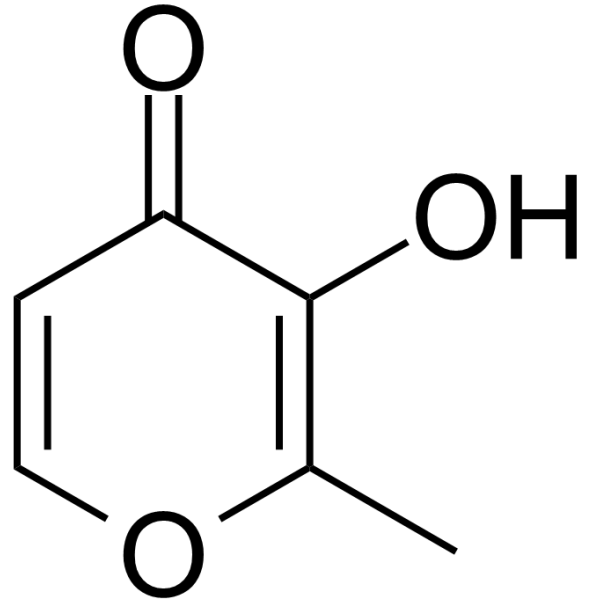
  • HY-W012788
    Maltol
    2 Publications Verification

    Environmental Pollutants Endogenous Metabolite Apoptosis Infection Neurological Disease
    Maltol, a type of aromatic compound, is an antioxidant agent. Maltol enhances neural function by mitigating oxidative stress and cell apoptosis. Maltol is an inhibitor of oxidative damage in nerve cells and is effective in preventing diabetic peripheral neuropathy (DPN). Maltol is used extensively as a safe flavoring agent and food preservative. Maltol is a metal ion chelator that can be used in the field of catalysis, cosmetics, and medicine .
    Maltol
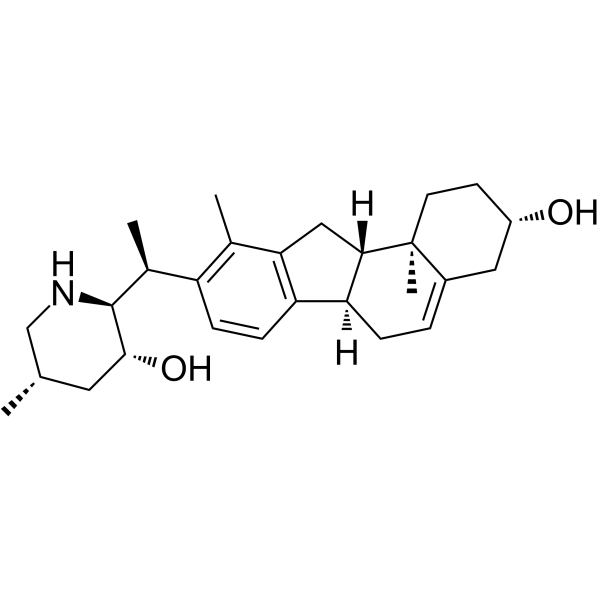
  • HY-N0837
    Veratramine
    1 Publications Verification

    NSC17821; NSC23880

    PI3K Akt mTOR Autophagy Apoptosis Neurological Disease Metabolic Disease Inflammation/Immunology Cancer
    Veratramine (NSC17821; NSC23880) is an orally active inhibitor of the PI3K/Akt/mTOR signaling pathway and a SIGMAR1 modulator. Veratramine induces autophagic apoptosis of tumor cells, arrests the cell cycle at the G0/G1 phase, and inhibits epithelial-mesenchymal transition (EMT)-related proteins to reduce tumor migration. Veratramine reduces spinal cord and sciatic nerve pathological damage in a neuropathy model by inhibiting SIGMAR1 binding to NMDAR and phosphorylation of NMDAR Ser896. Veratramine has anti-tumor proliferation, apoptosis induction, anti-inflammatory and neuroprotective activities, and can be used in the study of cancers such as liver cancer and osteosarcoma, as well as diabetic peripheral neuropathy .
    Veratramine
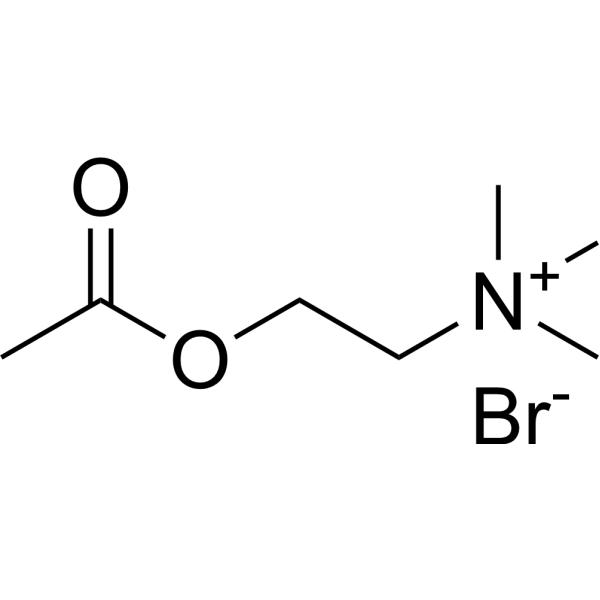
  • HY-B0282A
    Acetylcholine bromide
    20+ Cited Publications

    ACh bromide

    Biochemical Assay Reagents Others Cancer
    Acetylcholine bromide is an organic choline salt compound commonly used in neurophysiology and pharmacology experiments. It plays an important role in the nervous system, acting as a neurotransmitter that transmits signals and regulates many important physiological functions. Due to its special biological activity, Acetylcholine bromide is widely used in the study of neurotransmitters, nerve damage and muscle movement.
    Acetylcholine bromide
  • HY-P10904

    ST-100

    Collagen Others
    Vezocolmitide (ST-100) is a collagen mimetic peptide. Vezocolmitide can rapidly repair damaged collagen triple helix structures, thereby quickly reversing damage to the ocular surface and extracellular matrix, and restoring corneal nerve function while repairing the epithelium. Vezocolmitide can be used for research of dry eye disease (DED) .
    Vezocolmitide
  • HY-P6437A

    Dynamin Cardiovascular Disease Neurological Disease
    Drp1 peptide inhibitor P110 (Compound P110) TFA is a selective Drp1 peptide inhibitor with neuroprotective properties. Drp1 peptide inhibitor P110 TFA can inhibit the activation of Drp1, prevent MPTP (HY-15608)-induced Drp1 mitochondrial translocation, and alleviate MPTP-induced dopaminergic neuron loss, dopaminergic nerve terminal damage, and behavioral deficits, and can be used in the study of Alzheimer's disease. Additionally, Drp1 peptide inhibitor P110 TFA can reduce mitochondrial damage and organ injury in animal models of Huntington's disease, cerebral ischemic injury, and myocardial infarction .
    Drp1 peptide inhibitor P110 TFA
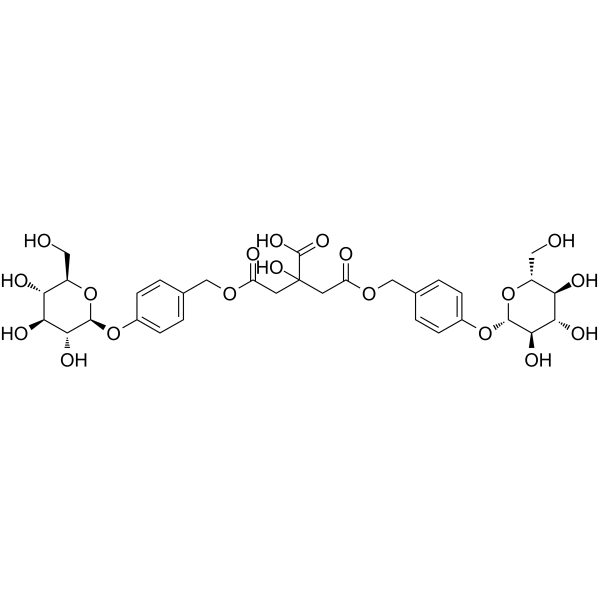
  • HY-N2125

    5-HT Receptor iGluR Caspase Interleukin Related TNF Receptor SOD NF-κB Neurological Disease Inflammation/Immunology
    Parishin C is a brain-penetrant major bioactive component found in Gastrodia elata Blume. Parishin C is a 5-HT1A receptor agonist with an EC50 of 34 nM. Parishin C has antipsychotic and neuroprotective effects. Parishin C protects against Aβ-induced long-term potentiation damage and NMDA receptor current impairment. Parishin C reduces oxidative stress, pro-inflammatory cytokine levels, caspase activity, brain water content, and cerebral infarct volume; increases antioxidant enzyme activity and BDNF levels; improves nerve function and histopathological brain damage. Parishin C attenuates phencyclidine-induced immobility time increases, sociability deficits, and visual recognition memory impairment. Parishin C can be used for the research of ischemic stroke, Alzheimer's disease, and schizophrenia-like psychosis .
    Parishin C
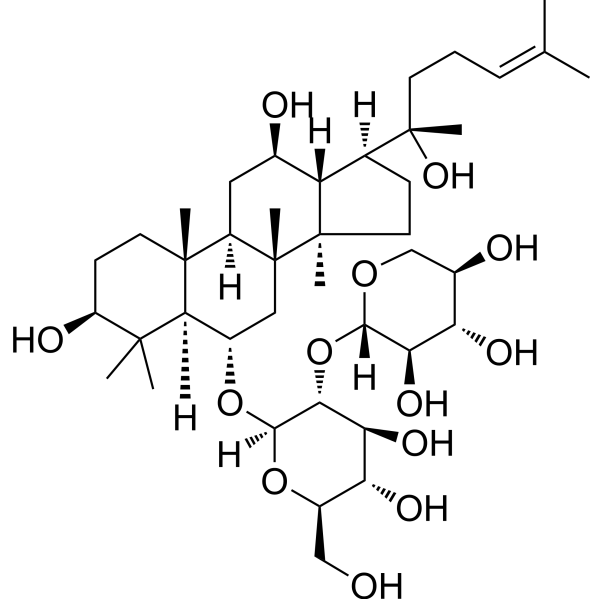
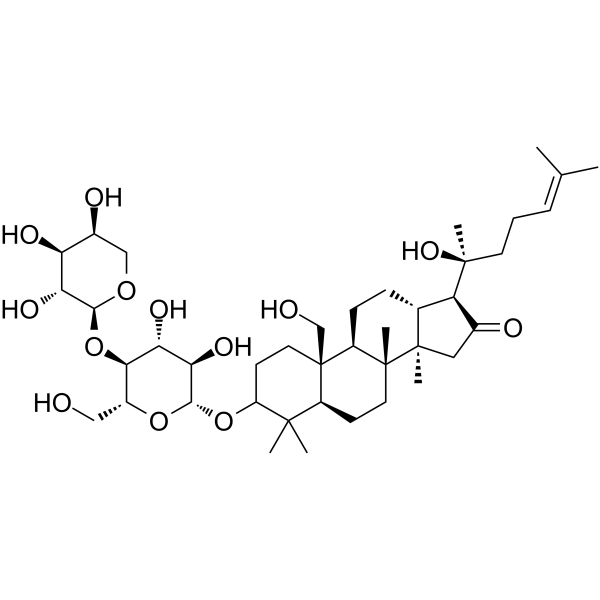
  • HY-N0909
    Notoginsenoside R2
    1 Publications Verification

    20(S)-Notoginsenoside R2; Ginsenoside Ng-R2

    Apoptosis MEK ERK Reactive Oxygen Species (ROS) Caspase COX β-catenin Src MDM-2/p53 JAK STAT Neurological Disease Metabolic Disease Inflammation/Immunology
    Notoginsenoside R2 (20(S)-Notoginsenoside R2; Ginsenoside Ng-R2) is an orally active notoginsenoside . Notoginsenoside R2 activates P90RSK and Nrf2 via the MEK1/2-ERK1/2 pathway to inhibit 6-OHDA-induced apoptotic damage in nerve cells. Notoginsenoside R2 upregulates SOX8/β-catenin by reducing miR-27a, thereby suppressing Aβ25-35-induced neuronal apoptosis and inflammatory responses . Notoginsenoside R2 alleviates lipid accumulation and mitochondrial dysfunction in diabetic nephropathy by inhibiting c-Src. Notoginsenoside R2 alleviates hepatic fibrosis by inducing hepatic stellate cell senescence and inhibiting the inflammatory microenvironment via JAK/STAT3 suppression . Notoginsenoside R2 can be used in research related to Parkinson's disease, Alzheimer's disease, diabetic nephropathy and hepatic fibrosis .
    Notoginsenoside R2
  • HY-P6437

    Dynamin Cardiovascular Disease Neurological Disease
    Drp1 peptide inhibitor P110 (Compound P110) is a selective Drp1 peptide inhibitor with neuroprotective properties. Drp1 peptide inhibitor P110 can inhibit the activation of Drp1, prevent MPTP-induced Drp1 mitochondrial translocation, and alleviate MPTP-induced dopaminergic neuron loss, dopaminergic nerve terminal damage, and behavioral deficits, and can be used in the study of Alzheimer's disease. Additionally, Drp1 peptide inhibitor P110 can reduce mitochondrial damage and organ injury in animal models of Huntington's disease, cerebral ischemic injury, and myocardial infarction .
    Drp1 peptide inhibitor P110
  • HY-N8249

    nAChR Interleukin Related Inflammation/Immunology
    Cynandione A is an acetophenone that can be isolated from Cynanchum Wilfordii Radix. Cynandione A protects hepatocytes and cortical neurons from toxicity and improves neurological deficits in a rat model of cerebral ischemia. On the other hand, cynandione A has significant anti-inflammatory effects and inhibits inflammation by activating macrophage α7 nAChR and IL-10 expression .
    Cynandione A
  • HY-N1989

    Na+/K+ ATPase CaMK Apoptosis Cholinesterase (ChE) NO Synthase NF-κB Neurological Disease Cancer
    Bacoside A is an orally active, blood-brain barrier-permeable triterpenoid saponin that modulates the activities of ATPases, AChE, CaMK2A and iNOS. Derived from Bacopa monniera. Bacoside A exerts significant antioxidant, anti-inflammatory and anti-apoptotic effects by maintaining ion balance, scavenging reactive oxygen species, stabilizing cell membranes, and regulating the expression of NF-κB and apoptosis-related proteins. Bacoside A counteracts morphine-induced reductions in Na +/K +-ATPase, Ca 2+-ATPase and Mg 2+-ATPase activities, increases mitochondrial membrane potential, and decreases intracellular reactive oxygen species levels. Bacoside A specifically binds to calcium/calmodulin-dependent protein kinase IIA to trigger endoplasmic reticulum calcium release. Bacoside A exhibits non-apoptotic cytotoxicity against glioblastoma cells while protecting normal nerve cells from stress-induced damage. Bacoside A is applicable to the research of Parkinson's disease and glioblastoma multiforme .
    Bacoside A
  • HY-N0837R

    NSC17821 (Standard); NSC23880 (Standard)

    Reference Standards PI3K Akt mTOR Autophagy Apoptosis Neurological Disease Metabolic Disease Cancer
    Veratramine (NSC17821; NSC23880) (Standard) is the analytical standard of Veratramine (HY-N0837). This product is intended for research and analytical applications. Veratramine (NSC17821; NSC23880) is an orally active inhibitor of the PI3K/Akt/mTOR signaling pathway and a SIGMAR1 modulator. Veratramine induces autophagic apoptosis of tumor cells, arrests the cell cycle at the G0/G1 phase, and inhibits epithelial-mesenchymal transition (EMT)-related proteins to reduce tumor migration. Veratramine reduces spinal cord and sciatic nerve pathological damage in a neuropathy model by inhibiting SIGMAR1 binding to NMDAR and phosphorylation of NMDAR Ser896. Veratramine has anti-tumor proliferation, apoptosis induction, anti-inflammatory and neuroprotective activities, and can be used in the study of cancers such as liver cancer and osteosarcoma, as well as diabetic peripheral neuropathy .
    Veratramine (Standard)
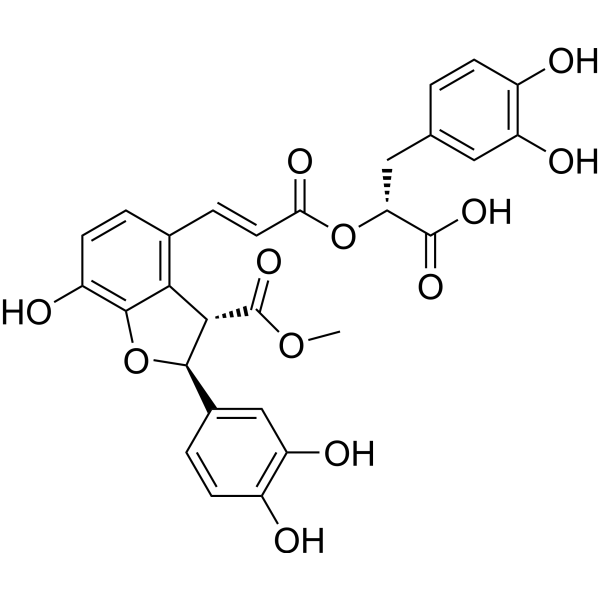
  • HY-N8931

    Lithospermic acid monomethyl ester

    Akt Neurological Disease
    Monomethyl lithospermate activates the PI3K/AKT pathway, which plays a protective role in nerve injury. Monomethyl lithospermate can improve the survival ability of SHSY-5Y cells, inhibit the breakdown of mitochondrial membrane potential (MMOP) and inhibit cell apoptosis. Monomethyl lithospermate also reduced the level of oxidative stress in the brain tissue of rats with middle artery occlusion (MCAO) and improved nerve damage in rats with ischemic stroke (IS) .
    Monomethyl lithospermate
  • HY-W012788R

    Reference Standards Endogenous Metabolite Apoptosis Infection Neurological Disease
    Maltol (Standard) is the analytical standard of Maltol. This product is intended for research and analytical applications. Maltol, a type of aromatic compound, is an antioxidant agent. Maltol enhances neural function by mitigating oxidative stress and cell apoptosis. Maltol is an inhibitor of oxidative damage in nerve cells and is effective in preventing diabetic peripheral neuropathy (DPN). Maltol is used extensively as a safe flavoring agent and food preservative. Maltol is a metal ion chelator that can be used in the field of catalysis, cosmetics, and medicine .
    Maltol (Standard)
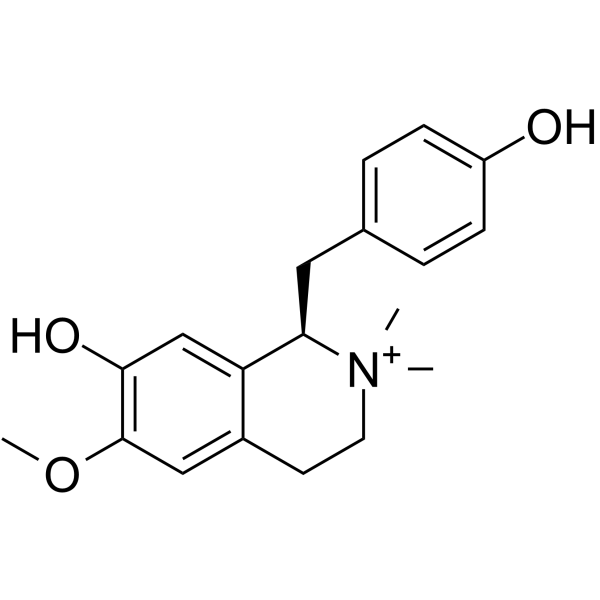
  • HY-N6609

    nAChR Others
    Magnocurarine is a neuromuscular junction blocker that inhibits muscle contraction by functionally blocking signal transmission without directly damaging nerve or muscle tissues. In frog, mouse and rabbit models, Magnocurarine exerts a dose-dependent paralytic effect, which progresses gradually from limb weakness and loss of righting reflex to respiratory depression and even cardiac arrest. Although high doses cause complete cessation of movement, Magnocurarine does not affect the spinal multineuronal reflex in frogs. Magnocurarine exhibits biological activity similar to that of tubocurarine (HY-125901) in various animal models .
    Magnocurarine
  • HY-168172

    Lactate Dehydrogenase Cancer
    LDH-IN-3 (compound E38) is an inhibitor of LDH, promising protective agent for ischemic nerve damage in the eye and brain. LDH-IN-3 acts its function via HO-1/SIRT1 pathway. .
    LDH-IN-3
  • HY-W012788S

    Isotope-Labeled Compounds Endogenous Metabolite Apoptosis Infection Neurological Disease
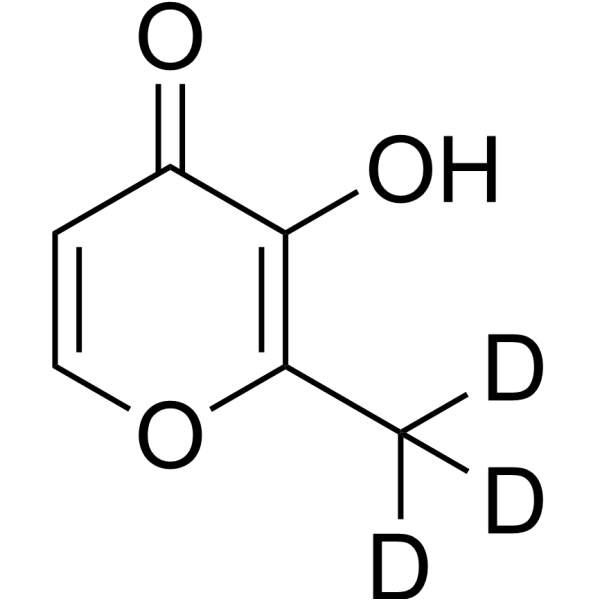
    Maltol-d3 is a deuterium labeled Maltol (HY-W012788). Maltol, a type of aromatic compound, is an antioxidant agent. Maltol enhances neural function by mitigating oxidative stress and cell apoptosis. Maltol is an inhibitor of oxidative damage in nerve cells and is effective in preventing diabetic peripheral neuropathy (DPN). Maltol is used extensively as a safe flavoring agent and food preservative. Maltol is a metal ion chelator that can be used in the field of catalysis, cosmetics, and medicine .
    Maltol-d3
  • HY-N2125R

    Reference Standards 5-HT Receptor iGluR Caspase Interleukin Related TNF Receptor SOD NF-κB Neurological Disease Inflammation/Immunology
    Parishin C (Standard) is the analytical standard of Parishin C (HY-N2125). This product is intended for research and analytical applications. Parishin C is a brain-penetrant major bioactive component found in Gastrodia elata Blume. Parishin C is a 5-HT1A receptor agonist with an EC50 of 34 nM. Parishin C has antipsychotic and neuroprotective effects. Parishin C protects against Aβ-induced long-term potentiation damage and NMDA receptor current impairment. Parishin C reduces oxidative stress, pro-inflammatory cytokine levels, caspase activity, brain water content, and cerebral infarct volume; increases antioxidant enzyme activity and BDNF levels; improves nerve function and histopathological brain damage. Parishin C attenuates phencyclidine-induced immobility time increases, sociability deficits, and visual recognition memory impairment. Parishin C can be used for the research of ischemic stroke, Alzheimer's disease, and schizophrenia-like psychosis .
    Parishin C (Standard)
  • HY-175841

    Tau Protein p38 MAPK NF-κB Apoptosis Bcl-2 Family ERK JNK Neurological Disease
    Tau Protein Phosphorylation-IN-1 is a tau protein phosphorylation inhibitor that potently protects PC12 cells against Aβ25–35-induced cytotoxicity (EC50 = 1.93 μM), and can penetrate the blood-brain barrier (BBB).Tau Protein Phosphorylation-IN-1 reverses the hyperphosphorylation of tau, significantly inhibits the expression of certain immune-related cytotoxic factors, suppresses the MAPK and NF-κB signaling pathways, and significantly inhibits the expression of RAGE and the apoptosis factors Bax/Bcl-2, both in vitro and in vivo. Tau Protein Phosphorylation-IN-1 relieves nerve damage, and improves learning and memory in an Alzheimer’s disease (AD) mouse model. Tau Protein Phosphorylation-IN-1 can be used for AD research .
    Tau Protein Phosphorylation-IN-1
  • HY-171936

    GM1 (d18:1/C18:0) ammonium; C18 Ganglioside GM1 (d18:1/18:0) ammonium

    Endogenous Metabolite Neurological Disease
    Ganglioside GM1 (ammonium) is a monosialylated ganglioside and the prototypic ganglioside for those containing one sialic acid residue. Ganglioside GM1 (ammonium) is one of the most abundant gangliosides in the brain which provides neuroprotection. Ganglioside GM1 (ammonium) exhibits anti-inflammatory property. Ganglioside GM1 (ammonium) has a well-balanced amphiphilic behavior. Ganglioside GM1 (ammonium) can reduce the fluidity of the plasma membrane that implies a retention and enrichment of the ganglioside in specific membrane domains that are called lipid rafts. Ganglioside GM1 (ammonium) can modify the process of differentiation, amplifies responses to neurotrophic factors, protects against excitatory amino acid-related neurotoxicity. Ganglioside GM1 (ammonium) can alleviate acute nerve cell damage through blocking cytotoxicity and potentiating neurotophic factors. Ganglioside GM1 (ammonium) can be studied in neurodegenerative diseases such as Alzheimer’s disease .
    Ganglioside GM1 ammonium
  • HY-N12696

    Reactive Oxygen Species (ROS) Neurological Disease
    Cistanoside H is a phenylethanoid glycoside neuroprotective agent that can be isolated from the leaves and twigs of Callicarpa dichotoma. Cistanoside H can alleviate glutamate-induced oxidative stress and protect rat cortical cells from neurotoxic damage. Cistanoside H protects nerve cells against excitotoxic damage and can be applied in research related to neurodegenerative diseases (such as Alzheimer's disease and Parkinson's disease).
    Cistanoside H
  • HY-N6609B

    nAChR Cardiovascular Disease
    Magnocurarine chloride is a neuromuscular junction blocker that inhibits muscle contraction by functionally blocking signal transmission without directly damaging nerve or muscle tissues. In frog, mouse and rabbit models, Magnocurarine chloride exerts a dose-dependent paralytic effect, which progresses gradually from limb weakness and loss of righting reflex to respiratory depression and even cardiac arrest. Although high doses cause complete cessation of movement, Magnocurarine chloride does not affect the spinal multineuronal reflex in frogs. Magnocurarine chloride exhibits biological activity similar to that of tubocurarine (HY-125901) in various animal models .
    Magnocurarine chloride
  • HY-183853

    mAChR Reactive Oxygen Species (ROS) DNA/RNA Synthesis Apoptosis SOD Sirtuin Cardiovascular Disease Neurological Disease Cancer
    Arecaidine-propargyl ester is a selective M2 muscarinic receptor agonist with blood-brain barrier permeability, with a pKi of 5.91 for hm1, 7.06 for hm2, 6.07 for hm3, 6.01 for hm4, and 6.03 for hm5. Arecaidine-propargyl ester stimulates central and peripheral muscarinic receptors. Arecaidine-propargyl ester increases intracellular ROS, induces DNA damage and Apoptosis, and upregulates the expression of MnSOD and SIRT1. Arecaidine-propargyl ester reduces sympathetic nerve outflow, induces dose-dependent hypotension, and triggers negative chronotropic effects at high peripheral doses. Arecaidine-propargyl ester can be used in research related to Alzheimer's disease and glioblastoma .
    Arecaidine-propargyl ester

Inquiry Online

Your information is safe with us. * Required Fields.

Salutation


Country or Region *

Applicant Name *


Organization Name *

Department *


Email Address *


Product Name *

Cat. No.


Requested quantity *

Phone Number *


Remarks

Inquiry Online

Inquiry Information

Product Name:
Cat. No.:
Quantity:
MCE Japan Authorized Agent:

