
25 Results for "

nerve tissues

" in MedChemExpress (MCE) Product Catalog:
Products (25)

25 Results for "nerve tissues" in MCE Product Catalog:

5
5 Cited Publications
Cat. No.: HY-W017443
CAS No.: 5794-13-8
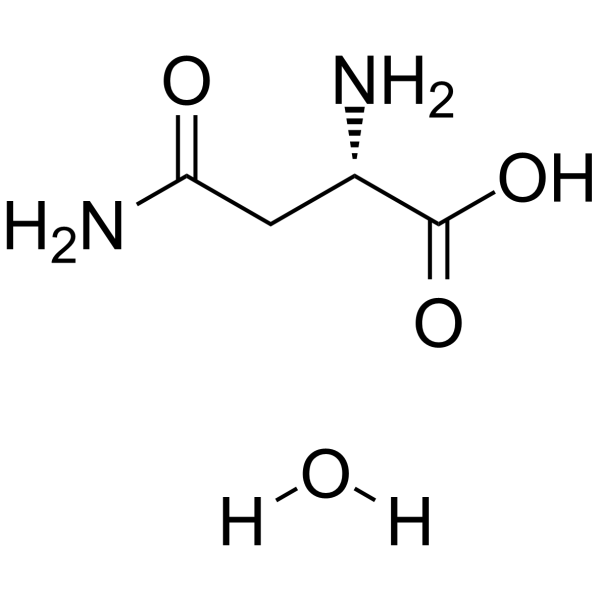
L-Asparagine monohydrate is an essential amino acid for leukemic cells and a substrate for L-Asparaginase. L-Asparaginase is a potent anti-leukemic enzyme that promotes asparagine (Asn) and glutamine (Gln) depletion and inhibits protein biosynthesis in lymphoblasts. Removal of L-asparagine from plasma by L-Asparaginase results in inhibition of RNA and DNA synthesis and subsequent apoptosis. L-Asparaginase has cell-killing ability in vitro and in vivo, and selectively inhibits the growth of cancer cells with low asparagine synthetase (AASNS) expression. L-Asparagine monohydrate can be used as a biomarker and sensor for the study of childhood acute lymphoblastic leukemia .
loading...
    loading...
Cat. No.: HY-P4154
CAS No.: 2276787-79-0
Synonyms: ALM-488
Target:  

Fluorescent Dye

Research Areas:  

Neurological Disease Cancer

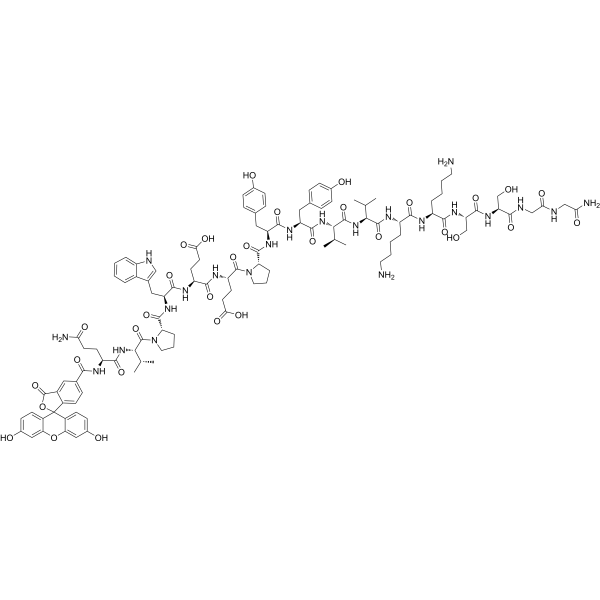
Bevonescein (ALM-488) is a fluorescein-conjugated peptide that facilitates the targeted delivery of a fluorescent moiety (5-FAM (HY-66022)) to nerves after intravenous (IV) administration. Bevonescein binds nerve-associated connective tissue, labels peripheral nerves under real-time fluorescence imaging (FL) in living mice and human ex vivo nerve tissue. Bevonescein is a peptide-linked tracer which fluorescently labeled both intact and degenerated nerves (Ex/Em = 480/530 nm) .
loading...
    loading...
Cat. No.: HY-B1016
CAS No.: 15421-84-8
Synonyms: AR-12008
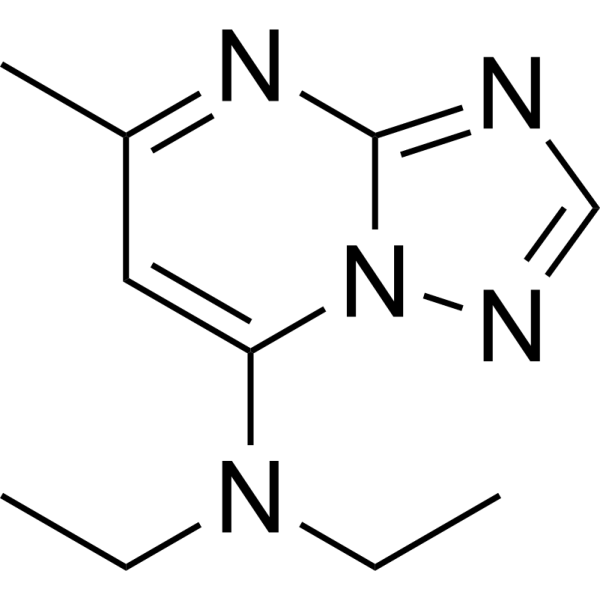
Trapidil (AR-12008) is an orally active vasodilator and antiplatelet agent. Trapidil antagonizes platelet-derived growth factor (PDGF), inhibits phosphodiesterase, thromboxane A2 synthesis and pro-inflammatory cytokine production. Trapidil promotes prostacyclin biosynthesis, reduces lipid peroxidation, regulates nitric oxide metabolism, and inhibits cell proliferation and migration. Trapidil exerts tissue-protective effects, regulates bone turnover, and inhibits pyroptosis via the GPX3/Nrf2 pathway. Trapidil is applicable to research related to renal ischemia-reperfusion injury, chronic stable angina, restenosis, meningioma, diabetic cardiomyopathy and peripheral nerve crush injury .
loading...
    loading...
Cat. No.: HY-P1130
CAS No.: 908844-75-7
Synonyms: Galanin-(2-13)-Glu-His-(Pro)3-(Ala-Leu)2-Ala-amide
M871 (Galanin-(2-13)-Glu-His-(Pro)3-(Ala-Leu)2-Ala-amide) is an orally active and selective galanin receptor type 2 (GalR2) antagonist. M871 exhibits Ki values of 13.1 nM, 420 nM and >10 μM for GalR2, GalR1 and GalR3 respectively. M871 relieves the mice allergic rhinitis by reducing IgE production, as well as the number of B cells in tissues. M871 can inhibit the nerve invasion of salivary adenoid cystic carcinoma (SACC) and alleviate myocardial ischemia-reperfusion injury. M871 can be used for research on GalR2-related diseases (such as epilepsy, pain) .
loading...
    loading...
Cat. No.: HY-148796
CAS No.: 1311570-07-6
Synonyms: GE3126
Target:  

Fluorescent Dye

Research Areas:  

Others

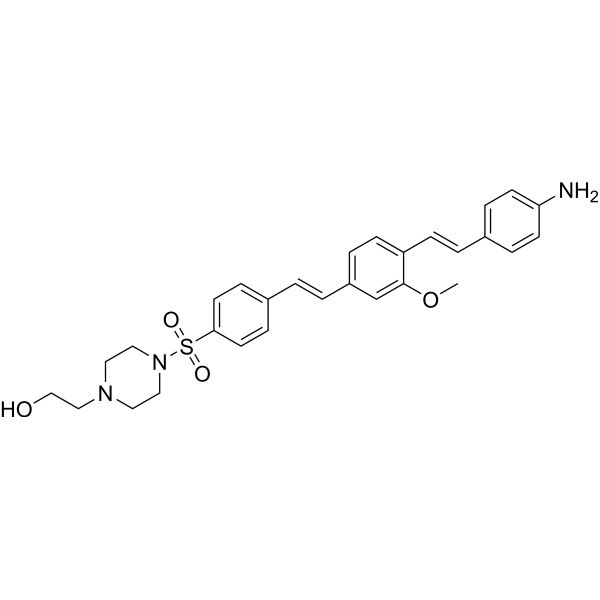
Rizedisben (GE3126) is a fluorophore that can be used in fluorescence image-guided surgery. Rizedisben reduces non-specific adipose tissue fluorescence intensity and enhances nerve visibility .
loading...
    loading...
Cat. No.: HY-W017443R
CAS No.: 5794-13-8
L-Asparagine monohydrate (Standard) is the analytical standard of L-Asparagine monohydrate (HY-W017443). This product is intended for research and analytical applications. L-Asparagine monohydrate is an essential amino acid for leukemic cells and a substrate for L-Asparaginase. L-Asparaginase is a potent anti-leukemic enzyme that promotes asparagine (Asn) and glutamine (Gln) depletion and inhibits protein biosynthesis in lymphoblasts. Removal of L-asparagine from plasma by L-Asparaginase results in inhibition of RNA and DNA synthesis and subsequent apoptosis. L-Asparaginase has cell-killing ability in vitro and in vivo, and selectively inhibits the growth of cancer cells with low asparagine synthetase (AASNS) expression. L-Asparagine monohydrate can be used as a biomarker and sensor for the study of childhood acute lymphoblastic leukemia .
loading...
    loading...
Cat. No.: HY-N8931
CAS No.: 933054-33-2
Synonyms: Lithospermic acid monomethyl ester
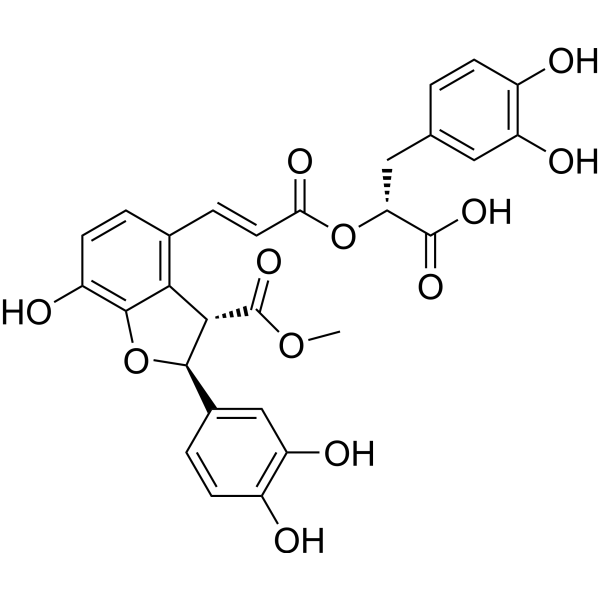
Monomethyl lithospermate activates the PI3K/AKT pathway, which plays a protective role in nerve injury. Monomethyl lithospermate can improve the survival ability of SHSY-5Y cells, inhibit the breakdown of mitochondrial membrane potential (MMOP) and inhibit cell apoptosis. Monomethyl lithospermate also reduced the level of oxidative stress in the brain tissue of rats with middle artery occlusion (MCAO) and improved nerve damage in rats with ischemic stroke (IS) .
loading...
    loading...
Cat. No.: HY-N6609
CAS No.: 6801-40-7
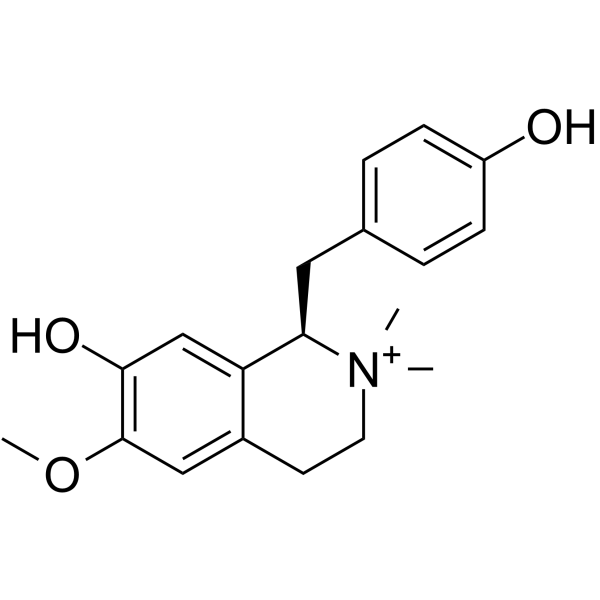
Magnocurarine is a neuromuscular junction blocker that inhibits muscle contraction by functionally blocking signal transmission without directly damaging nerve or muscle tissues. In frog, mouse and rabbit models, Magnocurarine exerts a dose-dependent paralytic effect, which progresses gradually from limb weakness and loss of righting reflex to respiratory depression and even cardiac arrest. Although high doses cause complete cessation of movement, Magnocurarine does not affect the spinal multineuronal reflex in frogs. Magnocurarine exhibits biological activity similar to that of tubocurarine (HY-125901) in various animal models .
loading...
    loading...
Cat. No.: HY-B1016R
CAS No.: 15421-84-8
Synonyms: AR-12008 (Standard)
Trapidil (Standard) (AR-12008 (Standard)) is the analytical standard of Trapidil (HY-B1016R). This product is intended for research and analytical applications. Trapidil (AR-12008) is an orally active vasodilator and antiplatelet agent. Trapidil antagonizes platelet-derived growth factor (PDGF), inhibits phosphodiesterase, thromboxane A2 synthesis and pro-inflammatory cytokine production. Trapidil promotes prostacyclin biosynthesis, reduces lipid peroxidation, regulates nitric oxide metabolism, and inhibits cell proliferation and migration. Trapidil exerts tissue-protective effects, regulates bone turnover, and inhibits pyroptosis via the GPX3/Nrf2 pathway. Trapidil is applicable to research related to renal ischemia-reperfusion injury, chronic stable angina, restenosis, meningioma, diabetic cardiomyopathy and peripheral nerve crush injury.
loading...
    loading...
Cat. No.: HY-D1367
CAS No.: 2104632-29-1
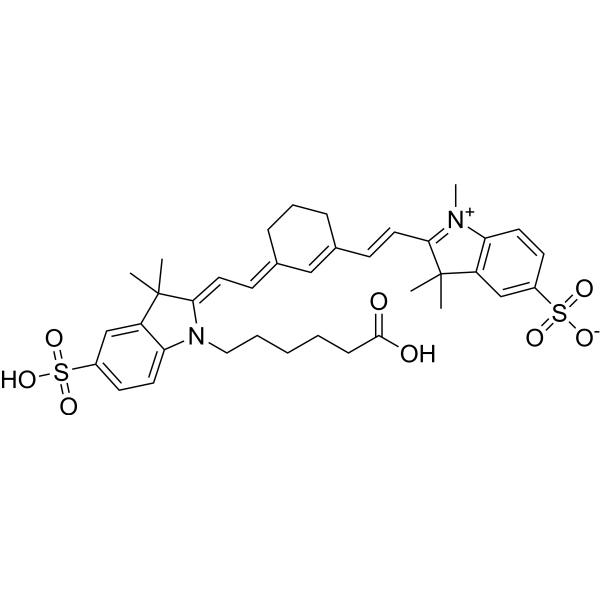
Sulfo-Cyanine7 carboxylic acid is a near-infrared fluorescent dye. Sulfo-Cyanine7 carboxylic acid is applicable to ex vivo histological imaging of the trigeminal nerve in rats as well as studies on the distribution and retention in brain tissues. Sulfo-Cyanine7 carboxylic acid can serve as a model hydrophilic probe for multiplex biomedical fluorescence imaging (Ex=750 nm, Em=773 nm) .
loading...
    loading...
Cat. No.: HY-P10637
CAS No.: 145344-97-4
Target:  

Peptides

Research Areas:  

Others

Orcokinin (NFDEIDRSGFGFN) is a crustacean peptide eliciting potent myotropic effects in gut tissues. The first Orcokinin reported was NFDEIDRSGFGFN, isolated from abdominal nerve cord extracts of the crayfish Orconectes limosus .
loading...
    loading...
Cat. No.: HY-U00079A
CAS No.: 132373-81-0
Synonyms: FK-176
Target:  

mAChR

Research Areas:  

Neurological Disease

Vamicamide (FK-176) is an orally active competitive mAChR antagonist that inhibits contractions induced by cholinergic nerve stimulation by preventing mAChR agonists from binding to mAChR. Vamicamide exhibits a good anti-bladder spasm effect, with a pA2 value of 6.82 in bladder tissue. Vamicamide can be used in research within the field of neurological diseases .
loading...
    loading...
Cat. No.: HY-167689
CAS No.: 136-46-9
Target:  

Adrenergic Receptor

Research Areas:  

Neurological Disease

Parethoxycaine hydrochloride is an anesthetic with nerve conduction blocking activity. Parethoxycaine hydrochloride exhibits non-selective inhibitory effects on responses to various stimulants in rat vas deferens and guinea pig ileum muscles. Parethoxycaine hydrochloride has an enhanced effect on the action of norepinephrine, and its methyl bromide derivative also exhibits the same properties on the action of norepinephrine and potassium ions. Derivatives of parethoxycaine hydrochloride have significant effects on calcium dose-response curves, displaying different tissue and stimulant selectivities. The mechanism of action of Parethoxycaine hydrochloride involves the regulation of calcium transport processes .
loading...
    loading...
Cat. No.: HY-119058
CAS No.: 463976-07-0
Synonyms: CP-744809
Target:  

Aldose Reductase

Research Areas:  

Metabolic Disease

ARI-809 (CP-744809) is a highly selective, orally active aldose reductase inhibitor with an IC50 of 1 nM. ARI-809 blocks excessive glucose flux through the polyol pathway. ARI-809 normalizes elevated sorbitol and fructose levels in sciatic nerve tissues of diabetic rat models, inhibits sorbitol accumulation in lens tissues, and brings elevated urinary albumin excretion close to normal. ARI-809 can be used in diabetes research .
loading...
    loading...
Cat. No.: HY-130921
Sulfo-Cyanine7 carboxylic acid potassium is a near-infrared fluorescent dye. Sulfo-Cyanine7 carboxylic acid potassium is applicable to ex vivo histological imaging of the trigeminal nerve in rats as well as studies on the distribution and retention in brain tissues. Sulfo-Cyanine7 carboxylic acid potassium can serve as a model hydrophilic probe for multiplex biomedical fluorescence imaging (Ex=750 nm, Em=773 nm) .
loading...
    loading...
Cat. No.: HY-D3171
AD-BChE/HClO is a dual-target two-photon fluorescent probe. AD-BChE/HClO produces strong fluorescence only in the simultaneous presence of BChE and HClO. AD-BChE/HClO enables two-photon imaging in nerve cells and mouse brain tissues via tail vein injection. AD-BChE/HClO can be used for the research of Alzheimer's disease (Ex/Em = 450 nm/500 nm) .
loading...
    loading...
Cat. No.: HY-182335
CAS No.: 2655556-75-3
PF-07245303 is a ITK/TRK inhibitor. PF-07245303 reduces the production of inflammatory cytokines such as IL-4 and IFNγ, and inhibits the phosphorylation of PLCγ1. PF-07245303 inhibits nerve growth factor-induced basophil activation and the phosphorylation of TRKA. PF-07245303 reduces oxazolone-induced ear swelling in mouse ear tissues. PF-07245303 is applicable to research related to atopic dermatitis .
loading...
    loading...
Cat. No.: HY-L212
126 compounds

Neuropeptides are small proteins produced and released by neurons through the regulation of secretory pathways, expressed in neurons and have transmitter or co-transmitter functions, and are used as nerve substrates. Neuropeptides are by far the largest and most diverse signaling molecules in the brain and have been implicated in the development of diseases and drugs. Neuropeptides are involved in inflammatory and immune diseases and have an impact on epithelial, vascular, and connective tissue cells proliferation and tissue repair. Studies have shown that neuropeptides are particularly important when the nervous system is challenged, such as stress, injury, or substance abuse. Substance P is a neuropeptide that acts as a neurotransmitter and neuromodulator in the central nervous system and is currently in clinical research and has been shown to be involved in inflammatory processes and pain.

MCE can provide 126 neuropeptides that can be used for scientific research.

Cat. No.: HY-N6609B
CAS No.: 75413-87-5
Magnocurarine chloride is a neuromuscular junction blocker that inhibits muscle contraction by functionally blocking signal transmission without directly damaging nerve or muscle tissues. In frog, mouse and rabbit models, Magnocurarine chloride exerts a dose-dependent paralytic effect, which progresses gradually from limb weakness and loss of righting reflex to respiratory depression and even cardiac arrest. Although high doses cause complete cessation of movement, Magnocurarine chloride does not affect the spinal multineuronal reflex in frogs. Magnocurarine chloride exhibits biological activity similar to that of tubocurarine (HY-125901) in various animal models .
loading...
    loading...
Cat. No.: HY-P992142
CAS No.: 3050549-24-8
Synonyms: ANX-007

Target:  

Complement System

Vonaprument (ANX-007) is an intravitreally injected C1q antibody fragment (with a molecular weight of approximately 48 kDa) and a human monoclonal antibody. Vonaprument inhibits the activation of the classical complement cascade by specifically recognizing the globular head of C1q and blocking substrate binding. After intravitreal injection, Vonaprument distributes to the retina, choroid and optic nerve, and achieves complete C1q target binding in the aqueous humor and retinal tissues. Vonaprument can be used in research related to neurodegenerative eye diseases such as age-related macular degeneration and glaucoma .
loading...
    loading...

