1. Search Result
Search Result
Results for "

openers

" in MedChemExpress (MCE) Product Catalog:

63

Inhibitors & Agonists

6

Natural
Products

2

Isotope-Labeled Compounds

Cat. No. Product Name Target Research Areas Chemical Structure
  • HY-B0112
    Minoxidil
    Maximum Cited Publications
    11 Publications Verification

    U10858

    Potassium Channel Endogenous Metabolite Cardiovascular Disease Cancer
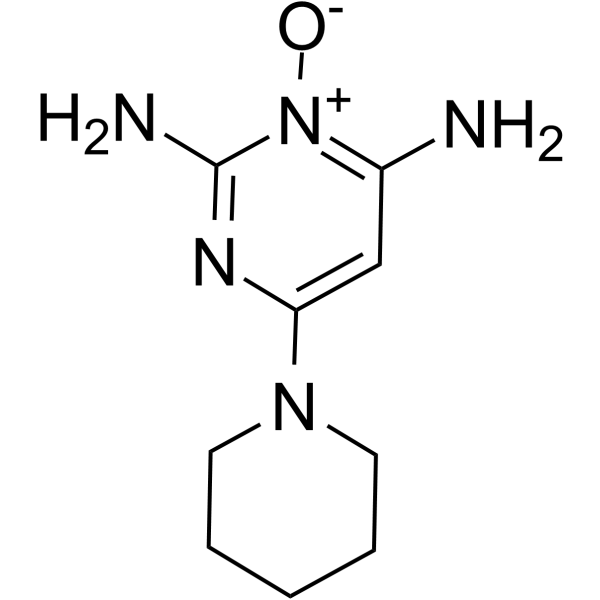
    Minoxidil (U10858) is an ATP-sensitive potassium (KATP) channel opener, a potent oral antihypertensive agent and a peripheral vasodilator that promotes vasodilation also affects hair growth. Minoxidil is also a potent inhibitor of soybean lipoxygenaseare with an IC50 of 20 μM .
    Minoxidil
  • HY-15589
    GW9508
    5+ Cited Publications

    Free Fatty Acid Receptor Potassium Channel Cardiovascular Disease Metabolic Disease Inflammation/Immunology
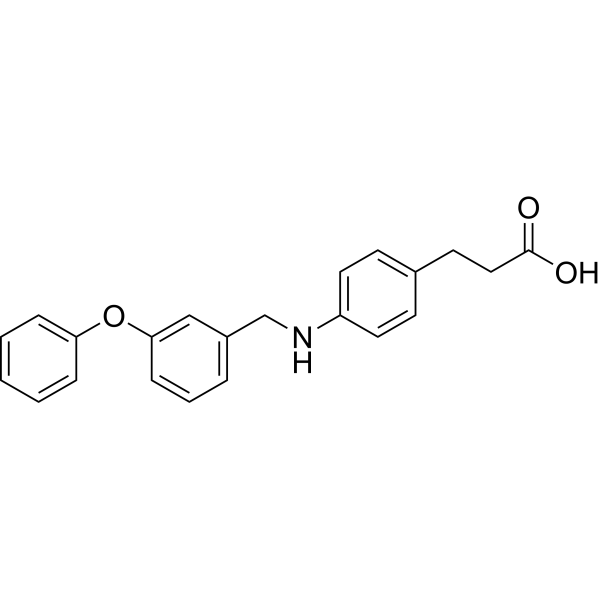
    GW9508 is a potent and selective G protein-coupled receptors FFA1 (GPR40) and GPR120 agonist with pEC50s of 7.32 and 5.46, respectively. GW9508 shows ~100-fold selectivity for GPR40 over GPR120. GW9508 is inactive against other GPCRs, kinases, proteases, integrins and PPARs. GW9508 is a glucose-sensitive insulin secretagogue and an ATP-sensitive potassium (KATP) channels opener. Anti-inflammatory and anti-atherosclerotic activities .
    GW9508
  • HY-139791

    XEN1101

    Potassium Channel Neurological Disease
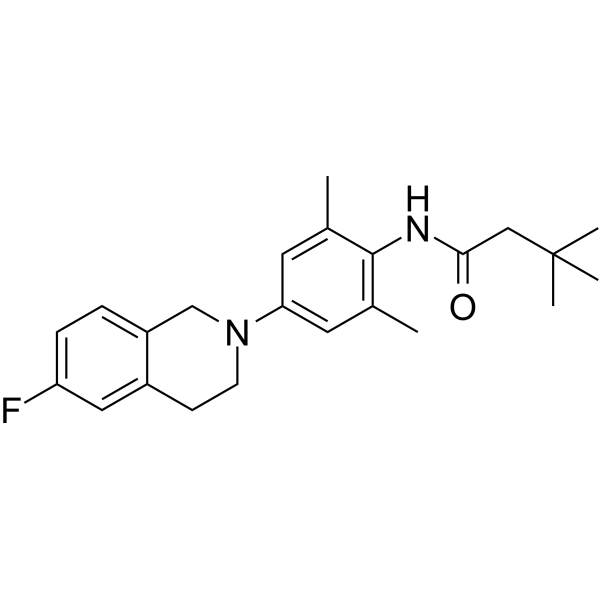
    Azetukalner (XEN1101) is a selective and orally active Kv7.2/Kv7.3 potassium channel opener with an EC50 of 27 nM. Azetukalner is approximately 4-fold more selective for Kv7.2/7.3 over Kv7.3/7.5 (EC50 of 94 nM) and Kv7.4 (EC50 of 113 nM) channels. Azetukalner exhibits a selectivity >100-fold for Kv7 channels over other ion channels and receptors. Azetukalner can be used for the study of focal epilepsy .
    Azetukalner
  • HY-17001A
    Flupirtine
    1 Publications Verification

    D 9998

    Potassium Channel iGluR GABA Receptor Neurological Disease Inflammation/Immunology
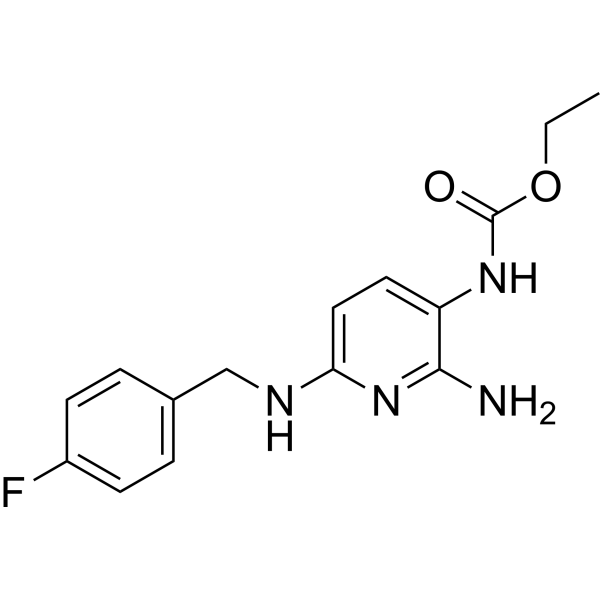
    Flupirtine (D 9998) is an orally active, blood-brain barrier-crossing non-opioid analgesic and neuroprotective agent. Flupirtine is a neuronal potassium channel opener (Kv7 activator), a NMDA receptor antagonist and a GABA receptor activator. Flupirtine stabilizes blood-brain-barrier integrity, reduces oxidative stress and brain leukocyte infiltration, enhances angioneurogenesis, suppresses calcium influx, stabilizes neuronal resting membrane potential, and counteracts focal cerebral ischemia. Flupirtine exhibits analgesic, muscle relaxant properties, protects neurons from excitotoxic, ischemic, or cytokine-mediated death. Flupirtine functions as a non-opioid analgesic without antipyretic or antiphlogistic properties, shows no relevant affinity to opiate receptor. Flupirtine can be used for the research of focal cerebral ischemia, pain, Alzheimer’s disease, or multiple sclerosis .
    Flupirtine
  • HY-B1445

    Potassium Channel Metabolic Disease
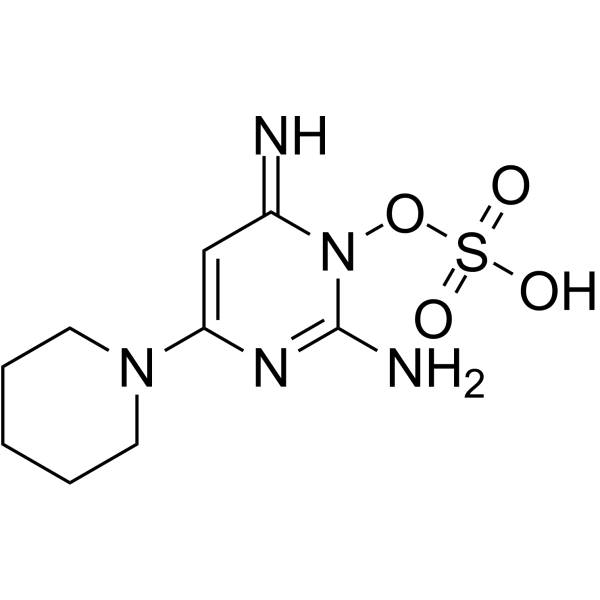
    Minoxidil sulfate, a potent and ATP-sensitive K + channel opener, is the sulfated metabolite of minoxidil. Minoxidil sulfate is considered as a vasodilator to promote hair growth in vivo .
    Minoxidil sulfate
  • HY-135897
    Urolithin C
    5 Publications Verification

    Calcium Channel Reactive Oxygen Species (ROS) Apoptosis Endogenous Metabolite Metabolic Disease
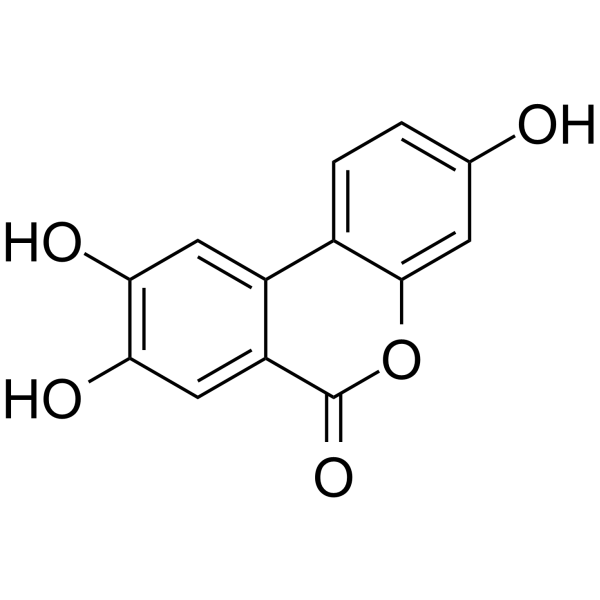
    Urolithin C, a gut-microbial metabolite of Ellagic acid, is a glucose-dependent activator of insulin secretion. Urolithin C is a L-type Ca 2+ channel opener and enhances Ca 2+ influx. Urolithin C induces cell apoptosis through a mitochondria-mediated pathway and also stimulates reactive oxygen species (ROS) formation .
    Urolithin C
  • HY-17001
    Flupirtine Maleate
    1 Publications Verification

    D 9998 Maleate

    Potassium Channel iGluR GABA Receptor Neurological Disease Inflammation/Immunology
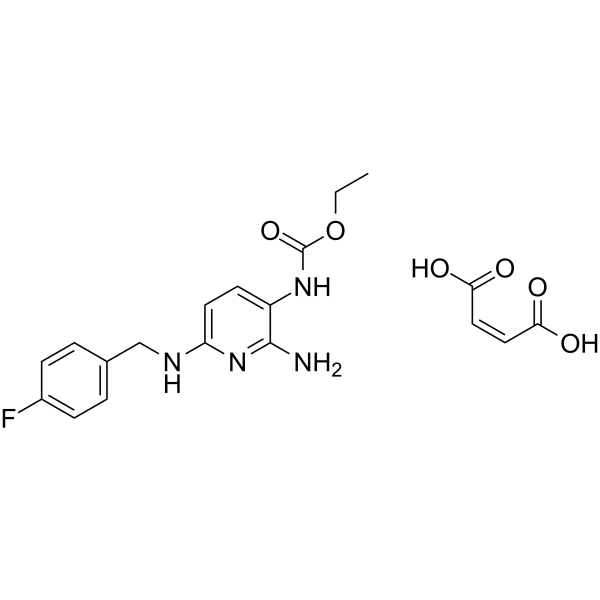
    Flupirtine (D 9998) Maleate is an orally active, blood-brain barrier-crossing non-opioid analgesic and neuroprotective agent. Flupirtine Maleate is a neuronal potassium channel opener (Kv7 activator), a NMDA receptor antagonist and a GABA receptor activator. Flupirtine Maleate stabilizes blood-brain-barrier integrity, reduces oxidative stress and brain leukocyte infiltration, enhances angioneurogenesis, suppresses calcium influx, stabilizes neuronal resting membrane potential, and counteracts focal cerebral ischemia. Flupirtine Maleate exhibits analgesic, muscle relaxant properties, protects neurons from excitotoxic, ischemic, or cytokine-mediated death. Flupirtine Maleate functions as a non-opioid analgesic without antipyretic or antiphlogistic properties, shows no relevant affinity to opiate receptor. Flupirtine Maleate can be used for the research of focal cerebral ischemia, pain, Alzheimer’s disease, or multiple sclerosis .
    Flupirtine Maleate
  • HY-122114
    ICA-27243
    1 Publications Verification

    Potassium Channel Neurological Disease
    ICA-27243 is a selective, potent and orally active KCNQ2/Q3 potassium channel opener with an EC50 of 0.38 μM. ICA-27243 is less effective at activating KCNQ4 and KCNQ3/Q5. ICA-27243 has antiepileptic and anticonvulsant effects .
    ICA-27243
  • HY-119322

    NN414

    Potassium Channel Metabolic Disease
    Tifenazoxide (NN414) is a potent, orally active and SUR1/Kir6.2 selective K ATP channels opener. Tifenazoxide has antidiabetic effect, can inhibit glucose stimulated insulin release in vitro and in vivo, and has a beneficial effect on glucose homeostasis .
    Tifenazoxide
  • HY-12496
    NS-1619
    4 Publications Verification

    Potassium Channel Apoptosis Cardiovascular Disease Cancer
    NS-1619 is an opener of large conductance Ca 2+-activated K + (BK) channel. NS-1619 is a highly effective relaxant with an EC50 of about 10 – 30 μM in several smooth muscles of blood vessels and other tissues . NS1619 inhibits proliferation and induces apoptosis in A2780 ovarian cancer cells .
    NS-1619
  • HY-108593
    BMS-191011
    3 Publications Verification

    BMS-A

    Potassium Channel Neurological Disease
    BMS 191011 (BMS-A) is a potent BKCa channel opener (large-conductance Ca 2+-activated potassium channel). BMS-191011 shows neuroprotective activities in rodent models of stroke .
    BMS-191011
  • HY-125469

    PF-04895162

    Potassium Channel Neurological Disease
    ICA-105665 (PF-04895162) is a potent and orally active neuronal Kv7.2/7.3 and Kv7.3/7.5 potassium channels opener. ICA-105665 inhibits liver mitochondrial function and bile salt export protein (BSEP) transport (IC50 of 311 μM). ICA-105665 can penetrate the blood-brain barrier and has antiseizure effects .
    ICA-105665
  • HY-N0237
    Atractyloside A
    3 Publications Verification

    Toll-like Receptor (TLR) MyD88 NF-κB Mitochondrial Metabolism Interleukin Related Aquaporin Cardiovascular Disease Metabolic Disease Inflammation/Immunology
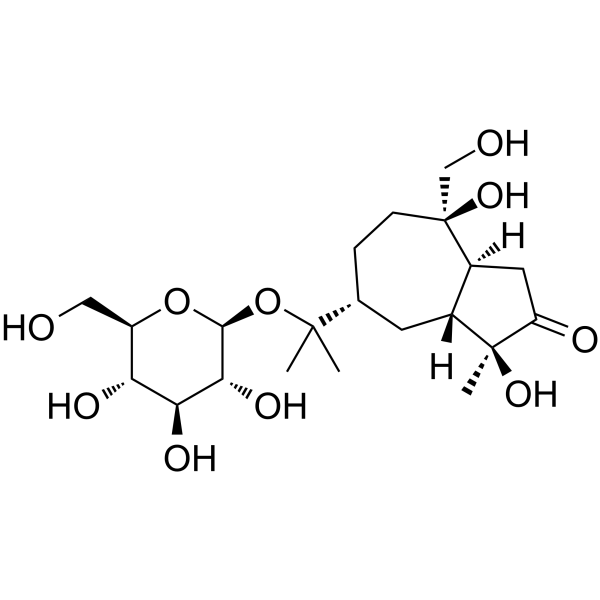
    Atractyloside A is an orally active inhibitor of the TLR4/MyD88/NF-κB signaling pathway and also an opener of the mitochondrial permeability transition pore (MPTP). Atractyloside A interferes with the activation of the TLR4/MyD88/NF-κB pathway, thereby inhibiting intestinal inflammatory responses. Atractyloside A reverses mucin synthesis impairment, improves intestinal barrier integrity, and restores homeostasis by altering the composition of the gut microbiota. Atractyloside A can be used in studies related to spleen deficiency diarrhea and myocardial injury .
    Atractyloside A
  • HY-110011
    Cromakalim
    1 Publications Verification

    BRL 34915

    Potassium Channel Inflammation/Immunology
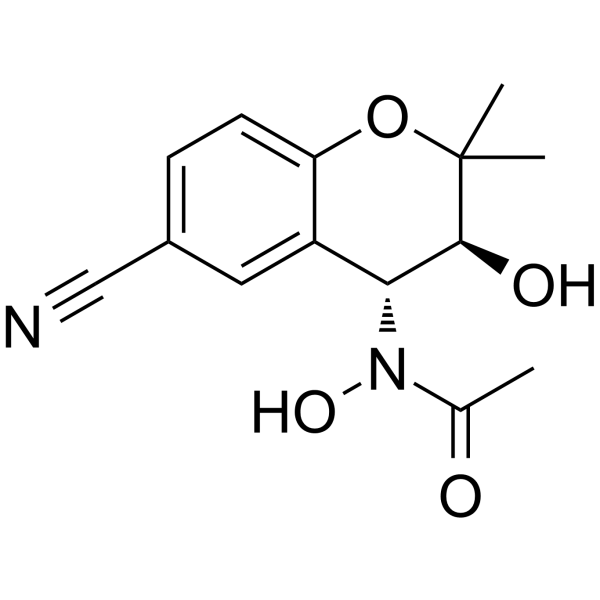
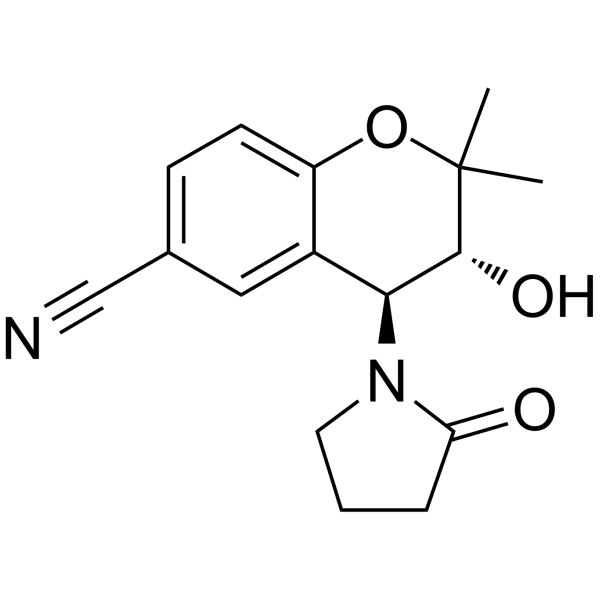
    Cromakalim is a potassium channel opener. Cromakalim can be used as a bronchodilator in asthma. Cromakalim inhibits the spontaneous tone of human isolated bronchi in a concentration-related manner being nearly as effective as isoprenaline or theophylline .
    Cromakalim
  • HY-B0112R

    U10858 (Standard)

    Reference Standards Potassium Channel Endogenous Metabolite Cardiovascular Disease Cancer
    Minoxidil (Standard) is the analytical standard of Minoxidil. This product is intended for research and analytical applications. Minoxidil (U10858) is an ATP-sensitive potassium (KATP) channel opener, a potent oral antihypertensive agent and a peripheral vasodilator that promotes vasodilation also affects hair growth. Minoxidil is also a potent inhibitor of soybean lipoxygenaseare with an IC50 of 20 μM .
    Minoxidil (Standard)
  • HY-W013712

    Potassium Channel Neurological Disease
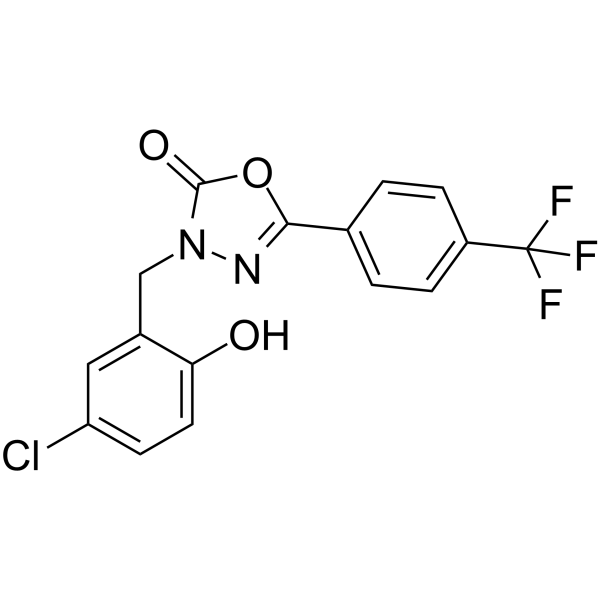
    GI-530159 is a selective opener of TREK1 and TREK2 potassium channels. GI-530159 displays selectivity for TREK1/2 over TRAAK, TASK3 and other potassium channels, with an EC50 of 0.76 μM for TREK1. GI-530159 reduces rat dorsal root ganglion neuron excitability and shows potential analgesic effect .
    GI-530159
  • HY-N3463

    Potassium Channel Neurological Disease
    Isopimaric acid is a potent opener of large conductance calcium activated K + (BK) channels.
    Isopimaric acid
  • HY-152847

    QLS-101

    Potassium Channel Neurological Disease
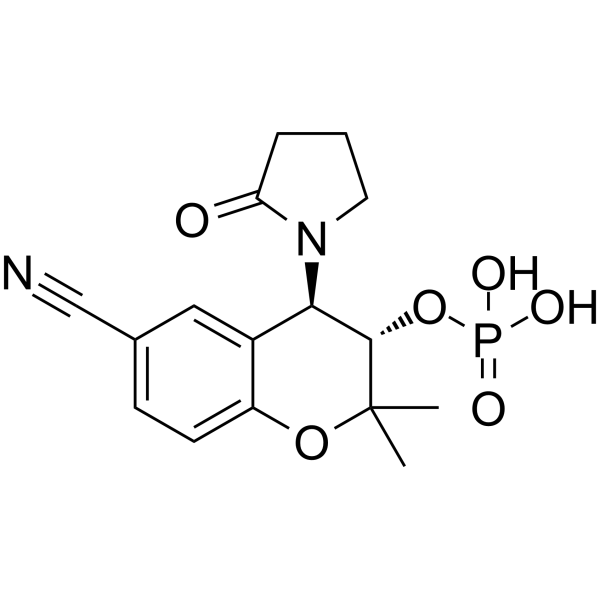
    Foslevcromakalim (QLS-101) is a ATP-sensitive potassium channel opener. Foslevcromakalim is the proagent used for ocular hypotensive effect .
    Foslevcromakalim
  • HY-23196S

    Potassium Channel Neurological Disease
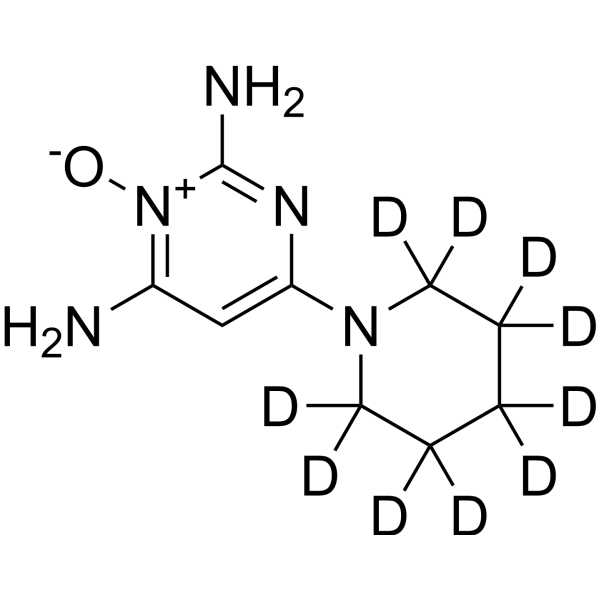
    Minoxidil-d10 (U10858-d10) is the deuterium labeled Minoxidil. Minoxidil (U10858) is an ATP-sensitive potassium (KATP) channel opener, a potent oral antihypertensive agent and a peripheral vasodilator that promotes vasodilation also affects hair growth. Minoxidil is also a potent inhibitor of soybean lipoxygenaseare with an IC50 of 20 μM[1][2][3].
    Minoxidil-d10
  • HY-124424

    Potassium Channel Others Neurological Disease
    VU0071063 is a potent and specific Kir6.2/SUR1 opener (EC50=7.44 μM) and can be used for investigating Kir6.2/SUR1 expressed in the pancreas and brain. VU0071063 inhibits insulin secretion by inducing hyperpolarization of β-cell membrane potential. VU0071063 chemotype has a very steep structure-activity relationships .
    VU0071063
  • HY-175668

    Potassium Channel Neurological Disease
    IDOR-1104-0086 is an orally active Kv7 potassium channel opener with an EC50 of 210 nM that can cross blood-brain barrier. IDOR-1104-0086 displays strong selectivity against the hERG channel with an IC20 of 25 μM. IDOR-1104-0086 exhibits efficacy in two rodent models of epilepsy and a favorable tolerability profile. IDOR-1104-0086 can used for the study of epilepsy .
    IDOR-1104-0086
  • HY-102052

    Potassium Channel Metabolic Disease
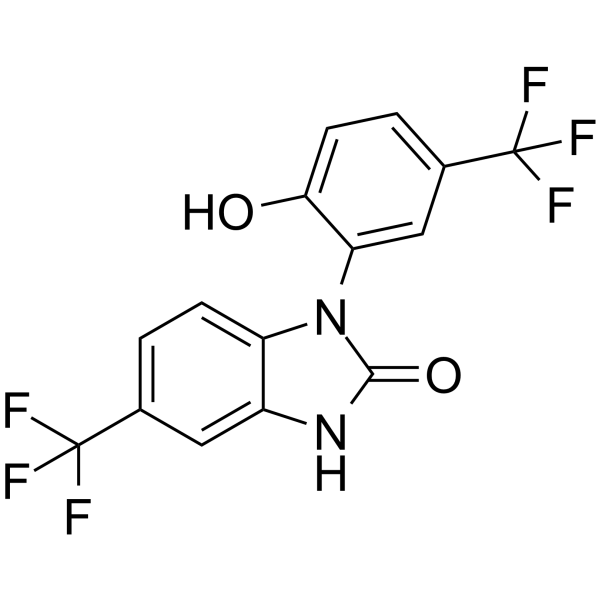
    DCEBIO is a small/medium conductance calcium-activated potassium (SKCa/IKCa) channel opener and primary neuron signal blocker. It hyperpolarizes the membrane potential of C2C12 myoblasts by activating IKCa channels, thereby promoting myogenic differentiation. The specific biological activity of DCEBIO is manifested in increased myotube formation, enhanced myosin heavy chain II protein levels and myogenin mRNA levels. DCEBIO can be applied in the field of muscle research, especially in muscle-related degenerative diseases such as sarcopenia .
    DCEBIO
  • HY-101069
    Y-26763
    2 Publications Verification

    Potassium Channel Cardiovascular Disease
    Y-26763 is a K + channel opener and active metabolite of Y-27152 . Y-26763 is an ATP-sensitive K + (KATP) channel activator .
    Y-26763
  • HY-108069

    Potassium Channel nAChR Neurological Disease
    Iptakalim hydrochloride, a lipophilic para-amino compound, is a novel ATP-sensitive potassium channel (KATP) opener, as well as an α4β2-containing nicotinic acetylcholine receptor (nAChR) antagonist .
    Iptakalim hydrochloride
  • HY-100276

    BMS 234303-01

    Potassium Channel Cardiovascular Disease
    Naminidil is a cyanoguanidine KATP opener.
    Naminidil
  • HY-15589R

    Free Fatty Acid Receptor Potassium Channel Reference Standards Cardiovascular Disease Metabolic Disease Inflammation/Immunology
    GW9508 (Standard) is the analytical standard of GW9508. This product is intended for research and analytical applications. GW9508 is a potent and selective G protein-coupled receptors FFA1 (GPR40) and GPR120 agonist with pEC50s of 7.32 and 5.46, respectively. GW9508 shows ~100-fold selectivity for GPR40 over GPR120. GW9508 is inactive against other GPCRs, kinases, proteases, integrins and PPARs. GW9508 is a glucose-sensitive insulin secretagogue and an ATP-sensitive potassium (KATP) channels opener. Anti-inflammatory and anti-atherosclerotic activities .
    GW9508 (Standard)
  • HY-110230

    D 9998-d4 hydrochloride

    Isotope-Labeled Compounds Potassium Channel iGluR GABA Receptor Neurological Disease Inflammation/Immunology
    Flupirtine-d4 (D 9998-d4) hydrochloride is the deuterium labeled Flupirtine hydrochloride (HY-W709349). Flupirtine hydrochloride is an orally active, blood-brain barrier-crossing non-opioid analgesic and neuroprotective agent. Flupirtine hydrochloride is a neuronal potassium channel opener (Kv7 activator), a NMDA receptor antagonist and a GABA receptor activator. Flupirtine hydrochloride stabilizes blood-brain-barrier integrity, reduces oxidative stress and brain leukocyte infiltration, enhances angioneurogenesis, suppresses calcium influx, stabilizes neuronal resting membrane potential, and counteracts focal cerebral ischemia. Flupirtine hydrochloride exhibits analgesic, muscle relaxant properties, protects neurons from excitotoxic, ischemic, or cytokine-mediated death. Flupirtine hydrochloride functions as a non-opioid analgesic without antipyretic or antiphlogistic properties, shows no relevant affinity to opiate receptor. Flupirtine hydrochloride can be used for the research of focal cerebral ischemia, pain, Alzheimer’s disease, or multiple sclerosis .
    Flupirtine-d4 hydrochloride
  • HY-108582

    Potassium Channel Cardiovascular Disease
    Y-27152, a proagent of the KATP (Kir6) channel opener Y-26763, is a long-acting K+ channel opener with less tachycardia: antihypertensive effects in hypertensive rats and dogs in conscious state .
    Y-27152
  • HY-U00173

    Potassium Channel Cardiovascular Disease
    U-89232 appears to be a cardioselective KATP channel opener.
    U89232
  • HY-101256

    Potassium Channel Others
    ZM226600 is an ATP-sensitive potassium channel opener (EC50: 500 nM). ZM226600 inhibits bladder spontaneous activity .
    ZM226600
  • HY-19116

    Potassium Channel Neurological Disease Metabolic Disease
    KRN-2391 is a KATP channel opener with NO donor properties. KRN-2391 exerts dual inhibitory effects on overactive bladder (OAB) by activating KATP channels (causing cellular hyperpolarization and bladder smooth muscle relaxation) and releasing NO (enhancing relaxation via cGMP pathways). KRN-2391 is promising for research of OAB .
    KRN-2391
  • HY-12596

    Calcium Channel Sodium Channel Potassium Channel Neurological Disease
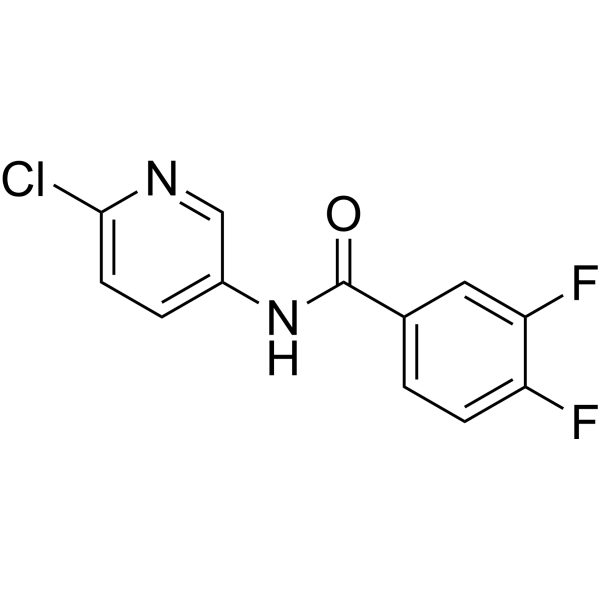
    JNJ-26489112, a CNS-active agent, exhibits broad-spectrum anticonvulsant activity in rodents against audiogenic, electrically-induced, and chemically-induced seizures. JNJ-26489112 inhibits voltage-gated Na + channels and N-type Ca 2+ channels, and is effective as a K + channel opener. JNJ-26489112 has very weak inhibition of CA-II (IC50=35 μM) and CA-I (18 μM) .
    JNJ-26489112
  • HY-117255

    Potassium Channel Others
    ZM260384 is a KATP channel opener that accelerates metabolism and inhibits the decline of guinea pig isolated diaphragm function, thereby affecting muscle contraction. ZM260384 can be used to study muscle function under hypoxic conditions .
    ZM260384
  • HY-105466

    Potassium Channel Cardiovascular Disease
    P-1060 is a potassium channel opener. P-1060 can be used for the research of cardiovascular disease .
    P-1060
  • HY-116556

    HOE 234

    Potassium Channel Cardiovascular Disease
    Rilmakalim (HOE 234) is a potassium channel opener (PCO) that activates ATP-sensitive K + channels in the heart or other tissues .
    Rilmakalim
  • HY-106896

    Potassium Channel Neurological Disease Inflammation/Immunology
    YM 934 is a potassium channel opener. YM 934 inhibits neurogenic plasma leakage. YM 934 inhibits airway neurogenic inflammation .
    YM 934
  • HY-119306

    Potassium Channel Cardiovascular Disease
    MCC-134, a blocker of mitochondrial and opener of surface ATP-sensitive K+ (KATP) channels, abrogates cardioprotective effects of chronic hypoxia. MCC-134 is a vasorelaxing agent .
    MCC-134
  • HY-U00201

    Potassium Channel Cardiovascular Disease
    KRN4884 is a K + channel opener. In the presence of intracellular ATP (1 mM), KRN4884 (0.1-3 μM) activates KATP channels in a concentration-dependent manner (EC50=0.55 μM).
    KRN4884
  • HY-105501

    Potassium Channel Cardiovascular Disease
    KI 1769 is a potassium channel opener. KI 1769 can exhibit vasodilating effect. KI 1769 prolongs the micturition interval and reduces the resistance to fluid infusion through the urethral lumen. KI 1769 can be used for the research of cardiovascular disease .
    KI 1769
  • HY-117283

    rel-RP 52891

    Potassium Channel Others
    rel-Aprikalim (rel-RP 52891) is the relative configuration of Aprikalim (HY-121183). Aprikalim (RP 52891), a potassium channel opener (KCO), activates ATP-sensitive K + (KATP) channels in guinea pig ventricular myocytes .
    rel-Aprikalim
  • HY-106861

    Potassium Channel Cardiovascular Disease
    NIP-121 is a new type of potassium channel opener. NIP-121 significantly reduces mean pulmonary artery pressure and total pulmonary resistance through vasodilation. NIP-121 can be used for research on pulmonary arterial hypertension .
    NIP-121
  • HY-110011R

    BRL 34915 (Standard)

    Potassium Channel Reference Standards Inflammation/Immunology
    Cromakalim (Standard) is the analytical standard of Cromakalim. This product is intended for research and analytical applications. Cromakalim is a potassium channel opener. Cromakalim can be used as a bronchodilator in asthma. Cromakalim inhibits the spontaneous tone of human isolated bronchi in a concentration-related manner being nearly as effective as isoprenaline or theophylline .
    Cromakalim (Standard)
  • HY-123641

    Way 120491

    Potassium Channel Cardiovascular Disease
    Celikalim (Way 120491) is an antihypertensive agent. Celikalim lowers blood pressure through opening potassium channelsin vascular smooth muscle. Celikalim can inhibit white thrombus formation. Celikalim is a potent potassium opener in dog model. Celikalim can be studied in thrombosis-related research .
    Celikalim
  • HY-14257

    Potassium Channel Lactate Dehydrogenase Cardiovascular Disease
    BMS-191095 hydrochloride is a mitochondrial KATP channel opener. BMS-191095 hydrochloride can protect the myocardium without causing vasodilation or affecting electrophysiology, by prolonging the contraction time during ischemia, improving contractile function after reperfusion, and reducing lactate dehydrogenase (LDHM) release, thereby exerting its cardioprotective effects .
    BMS-191095 hydrochloride
  • HY-19216

    SKP 450

    Potassium Channel Cardiovascular Disease
    KR-30450 (SKP 450) is a potent K +ATP opener, and a potassium channel activator. KR-30450 exerts more potent cardioprotective effects than Lemakalim (HY-14255). KR-30450 significantly improves reperfusion cardiac function. KR-30450 significantly attenuates reperfusion contracture and lactate dehydrogenase release .
    KR-30450
  • HY-133596

    Potassium Channel GABA Receptor Neurological Disease
    12,14-Dichlorodehydroabietic acid, a chlorinated resin acid, is a potent Ca 2+-activated K + (BK) channel opener. 12,14-Dichlorodehydroabietic acid blocks GABA-dependent chloride entry in mammalian brain and operates as a non-competitive GABAA antagonist. 12,14-Dichlorodehydroabietic acid increases cytosolic free Ca 2+ and stimulates transmitter release .
    12,14-Dichlorodehydroabietic acid
  • HY-119322R

    NN414 (Standard)

    Potassium Channel Reference Standards Metabolic Disease
    Tifenazoxide (Standard) is the analytical standard of Tifenazoxide. This product is intended for research and analytical applications. Tifenazoxide (NN414) is a potent, orally active and SUR1/Kir6.2 selective KATP channels opener. Tifenazoxide has antidiabetic effect, can inhibit glucose stimulated insulin release in vitro and in vivo, and has a beneficial effect on glucose homeostasis .
    Tifenazoxide (Standard)
  • HY-19244

    Potassium Channel Cardiovascular Disease
    JTV-506 is a potent ATP-sensitive potassium channel opener. JTV-506 inhibits Histamine (HY-B1204)-induced contraction of tracheal smooth muscle by activation of KATP channels. JTV-506 attenuates pulmonary vascular tone through its direct action on vascular smooth muscle cells. JTV-506 can be used for pulmonary hypertension research .
    JTV-506
  • HY-135897R

    Calcium Channel Reactive Oxygen Species (ROS) Apoptosis Endogenous Metabolite Metabolic Disease
    Urolithin C (Standard) is the analytical standard of Urolithin C. This product is intended for research and analytical applications. Urolithin C, a gut-microbial metabolite of Ellagic acid, is a glucose-dependent activator of insulin secretion. Urolithin C is a L-type Ca2+ channel opener and enhances Ca2+ influx. Urolithin C induces cell apoptosis through a mitochondria-mediated pathway and also stimulates reactive oxygen species (ROS) formation .
    Urolithin C (Standard)
  • HY-108327

    Potassium Channel Neurological Disease
    PF-05020182 is an orally active opener for Kv7 channel, that activates human Kv7.2/7.3, Kv7.4 and Kv7.3/7.5 with EC50 of 334, 625 and 588 nM, respectively. PF-05020182 exhibits anticonvulsant activity in rats corneal electric shock-induced tonic seizure (MES) models. PF-05020182 is blood-brain barrier (BBB) penetrable .
    PF-05020182

Inquiry Online

Your information is safe with us. * Required Fields.

Salutation


Country or Region *

Applicant Name *


Organization Name *

Department *


Email Address *


Product Name *

Cat. No.


Requested quantity *

Phone Number *


Remarks

Inquiry Online

Inquiry Information

Product Name:
Cat. No.:
Quantity:
MCE Japan Authorized Agent:

