Search Result
Results for "
p-ERK1/2
" in MedChemExpress (MCE) Product Catalog:
2
Isotope-Labeled Compounds
| Cat. No. |
Product Name |
Target |
Research Areas |
Chemical Structure |
-
- HY-10254
-
Mirdametinib
Maximum Cited Publications
154 Publications Verification
PD0325901; PD325901
|
MEK
Autophagy
Apoptosis
|
Cancer
|
|
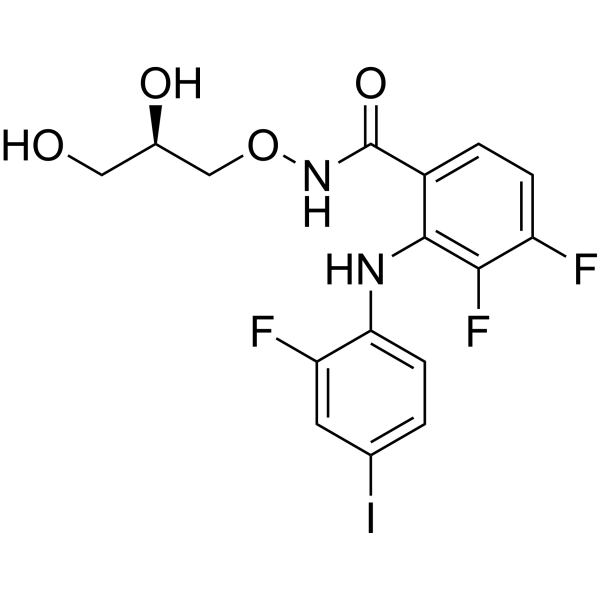
Mirdametinib (PD0325901) is an orally active, selective and non-ATP-competitive MEK inhibitor with an IC50 of 0.33 nM. Mirdametinib exhibits a Ki app of 1 nM against activated MEK1 and MEK2. Mirdametinib suppresses the expression of p-ERK1/2 and induces apoptosis. Mirdametinib has anti-cancer activity for a broad spectrum of human tumor xenografts [1] .
|
-
-
- HY-14463
-
|
AT13387
|
HSP
|
Cancer
|
|
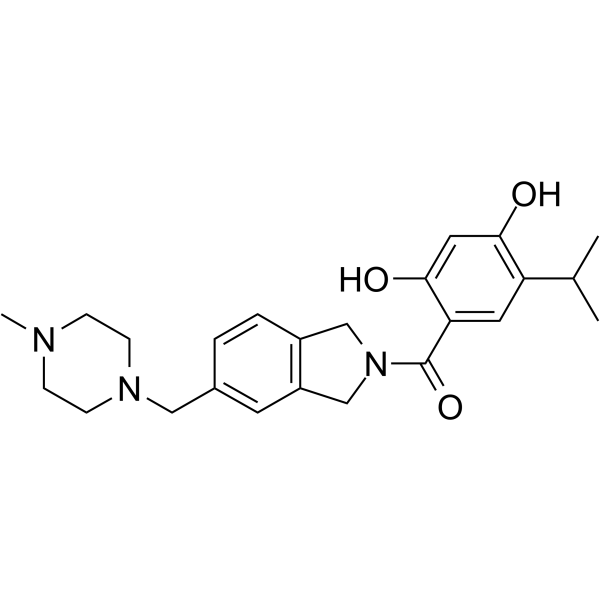
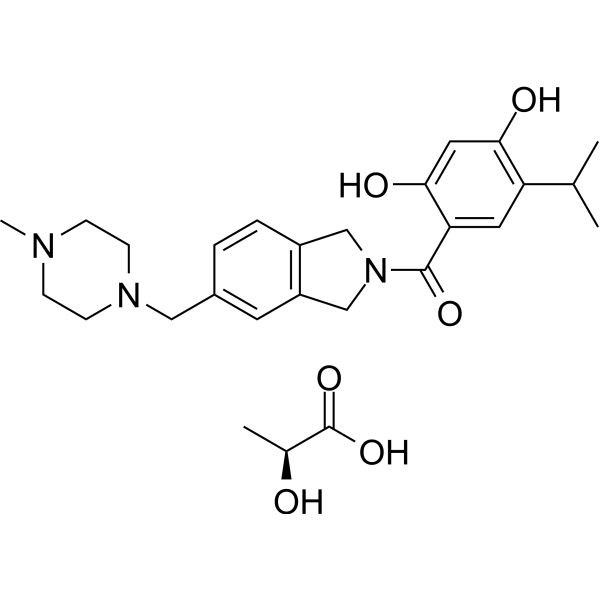
Onalespib (AT13387) is a potent and cross the blood-brain barrier heat-shock-protein-90 (Hsp90) inhibitor. Onalespib inhibits the proliferation, survival and migration. Onalespib decreases the expression of EGFR, p-EGFR, AKT, P-AKT, ERK1/2, P-ERK1/2, S6, P-S6 protein. Onalespib shows antitumor activity. Onalespib has the potential for the research of non-small cell lung cancer (NSCLC) [1] .
|
-
-
- HY-100403
-
|
|
mGluR
|
Cancer
|
|
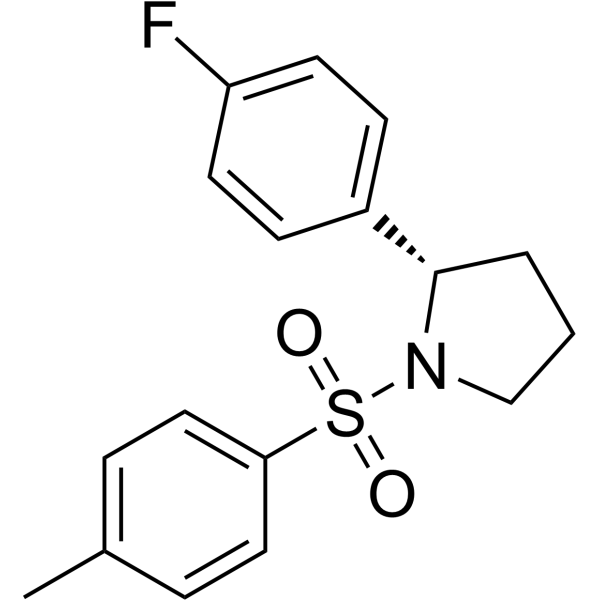
Ro 67-7476 is a potent positive allosteric modulator of mGluR1 and potentiates glutamate-induced calcium release in HEK293 cells expressing rat mGluR1a with an EC50 of 60.1 nM [1] . Ro 67-7476 is a potent P-ERK1/2 agonist and activates ERK1/2 phosphorylation in the absence of exogenously added glutamate (EC50=163.3 nM) .
|
-
-
- HY-B0168A
-
|
|
Serotonin Transporter
PERK
|
Neurological Disease
|
|
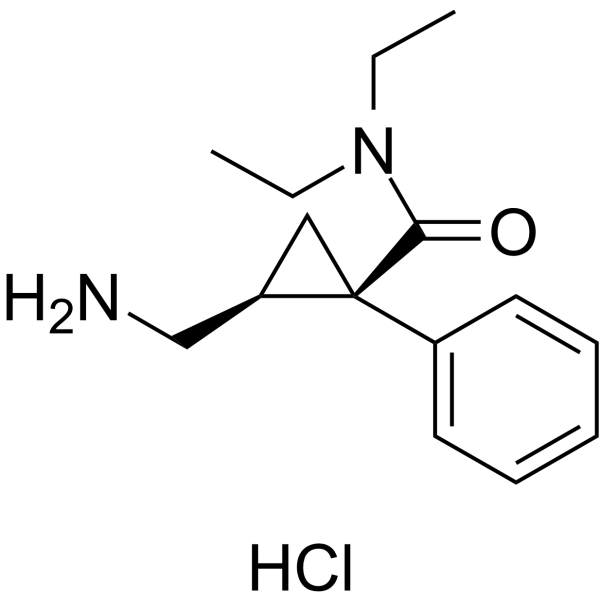
Milnacipran hydrochloride is an orally active Serotonin (HY-B1473A) and Norepinephrine (HY-13715) reuptake inhibitor. Milnacipran hydrochloride inhibits monoamine transporters, especially the norepinephrine transporter and the serotonin transporter (Ki values of 31 and 8.5 nM, respectively). Milnacipran hydrochloride inhibits pERK1/2 activation. Milnacipran hydrochloride has antidepressant, anxiolytic and analgesic properties. Milnacipran hydrochloride inhibits biting behavior in mice. Milnacipran hydrochloride can be used in the study of major depressive disorder, anxiety disorders, and neuropathic pain (e.g., fibromyalgia) [1] .
|
-
-
- HY-N0745
-
|
|
Caspase
ERK
Keap1-Nrf2
Heme Oxygenase (HO)
Apoptosis
|
Neurological Disease
Inflammation/Immunology
|
|
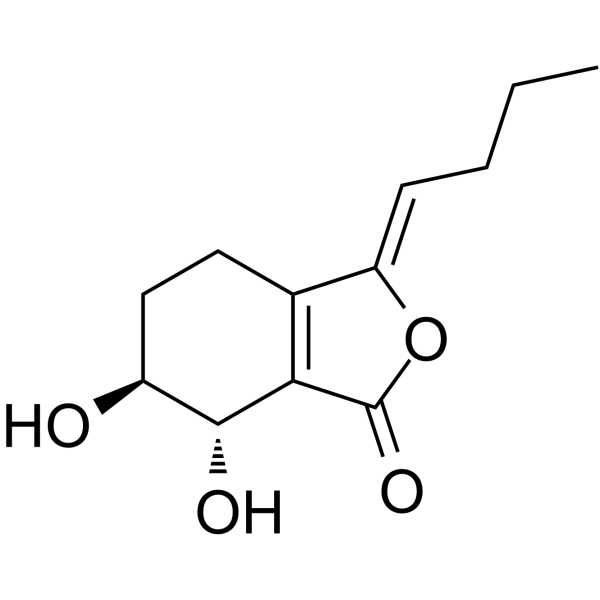
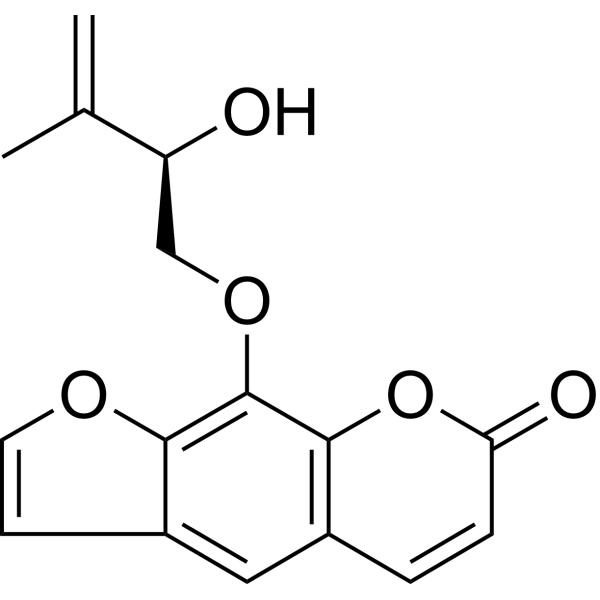
Senkyunolide I is an orally active, blood-brain barrier-permeable metabolite of Z-ligustilide (HY-N0401A) . Senkyunolide I is isolated from Ligusticum chuanxiong. Senkyunolide I upregulates p-Erk1/2 and Nrf2/HO-1, and inhibits Caspase 3. Senkyunolide I alleviates Apoptosis. Senkyunolide I increases the pain threshold in mice and reduces acetic acid-induced writhing responses in mice. Senkyunolide I improves neurological deficits, reduces infarct volume and alleviates cerebral edema in rats with focal cerebral ischemia-reperfusion injury. Senkyunolide I protects renal function and structural integrity in a mouse model of renal ischemia-reperfusion injury. Senkyunolide I is applicable to research related to focal cerebral ischemia-reperfusion injury, migraine, and renal ischemia-reperfusion injury [1] .
|
-
-
- HY-N2450
-
|
|
Apoptosis
EGFR
ERK
NF-κB
Microtubule/Tubulin
|
Cancer
|
|
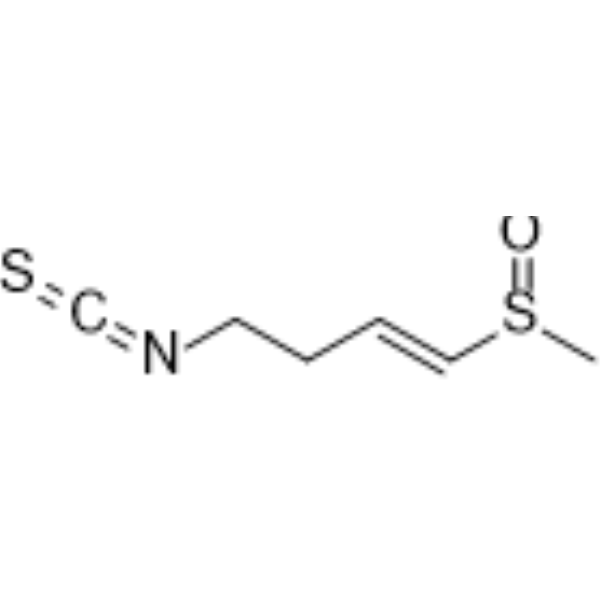
Sulforaphene, isolated from radish seeds, exhibits an ED50 against velvetleaf seedlings approximately 2 x 10 -4 M. Sulforaphene promotes cancer cells apoptosis and inhibits migration via inhibiting EGFR, p-ERK1/2, NF‐κB and other signals [1] .
|
-
-
- HY-13032B
-
|
GSK 525762C; I-BET 762 besylate
|
Epigenetic Reader Domain
ERK
|
Cancer
|
|
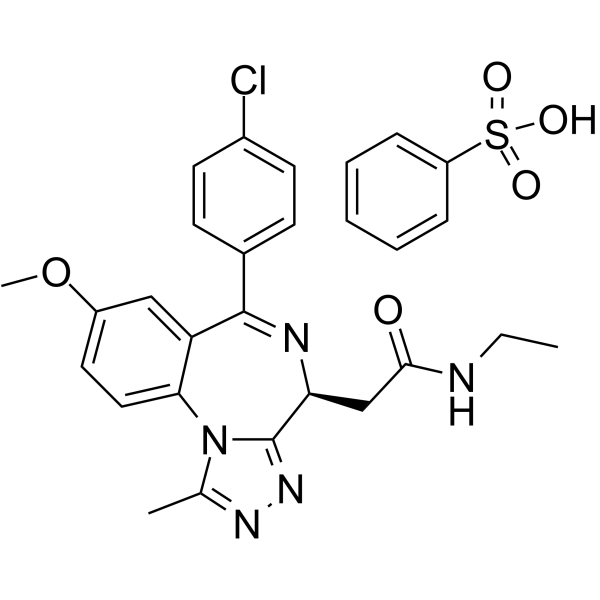
Molibresib besylate (GSK 525762C; I-BET 762 besylate) is an orally active pan-BET inhibitor that targets and binds to BRD2, BRD3, BRD4 and BRDT. By competitively occupying acetylated lysine binding sites, Molibresib besylate disrupts the interaction between BET proteins and chromatin, thereby effectively inhibiting MYC expression and target gene transcription. Molibresib besylate exhibits broad antiproliferative activity, which not only inhibits cancer cell growth and induces growth arrest, but also downregulates mitosis-related genes and upregulates the level of p-ERK1/2. When combined with MEK inhibitors, Molibresib besylate shows a significant synergistic effect, reduces tumor burden in mouse models of leukemia, modulates the immune microenvironment and prolongs survival. Molibresib besylate is widely applicable to research related to acute myeloid leukemia, multiple myeloma, triple-negative breast cancer, small-cell lung cancer and various advanced refractory solid tumors [1] .
|
-
-
- HY-N6857
-
|
|
AP-1
NF-κB
p38 MAPK
ERK
JNK
|
Neurological Disease
Metabolic Disease
Inflammation/Immunology
Cancer
|
|
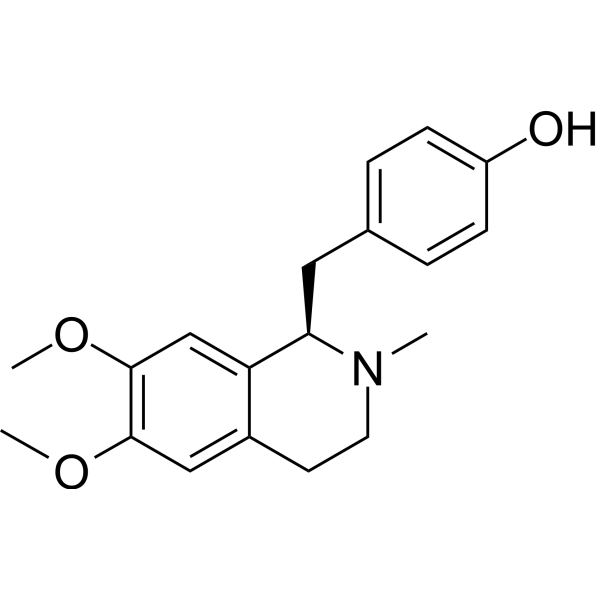
Armepavine, found in Nelumbo nucifera, is an orally active NF-κB inhibitor. Armepavine attenuates expression of p-p65, α-SMA, p-JNK1/2, p-ERK1/2, p-p38α stimulated by TNF-α and LPS. Armepavine suppresses NF-κB nuclear translocation, IκBα phosphorylation, and collagen deposition. Armepavine can be used for the research of hepatic fibrosis and leukemia [1] .
|
-
-
- HY-P3136
-
|
TRV120055
|
Angiotensin Receptor
ERK
|
Cardiovascular Disease
|
|
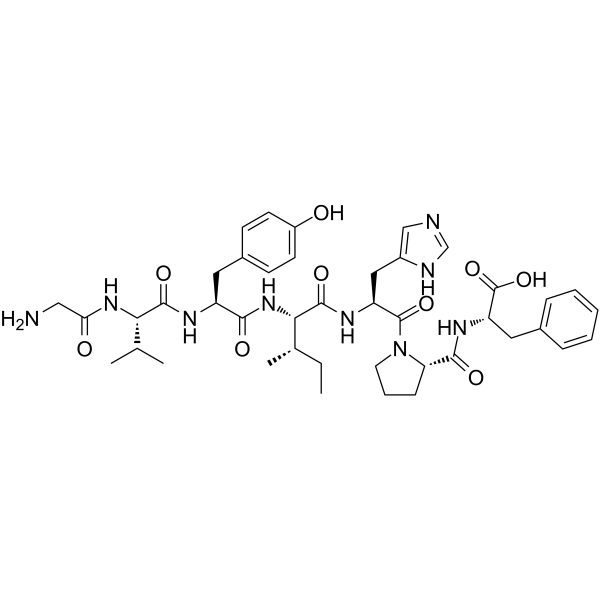
TRV055 (TRV120055) is a G protein-biased agonist of angiotensin II type 1 receptors (AT1Rs). TRV120055 induces fibroblast proliferation, overexpression of collagen I and α-SMA, and stress fibre formation in human cardiac fibroblasts. TRV055 activates AT1 receptor/Gαq-mediated signaling pathways, upregulates TGF-β1 and p-ERK1/2. TRV055 induces collagen secretion in adult rat myofibroblasts at a level comparable to Ang II. TRV055 can be used to study the role of G protein-biased signaling of AT1Rs in regulating fibrotic responses [1]
|
-
-
- HY-117720
-
|
|
PKC
Apoptosis
|
Cancer
|
|
OSU-2S is a potent PKCδ activator. OSU-2S inhibits cell proliferation and migration. OSU-2S decreases the expression of p-ERK1/2, increases the expression of PKCδ (38 kDa) when combined with Sorafenib (HY-10201). OSU-2S induces Apoptosis. OSU-2S slao is a non-immunosuppressive analogue of FTY720. OSU-2S shows anticancer activity [1] .
|
-
-
- HY-B0168
-
|
|
Serotonin Transporter
PERK
|
Neurological Disease
|
|
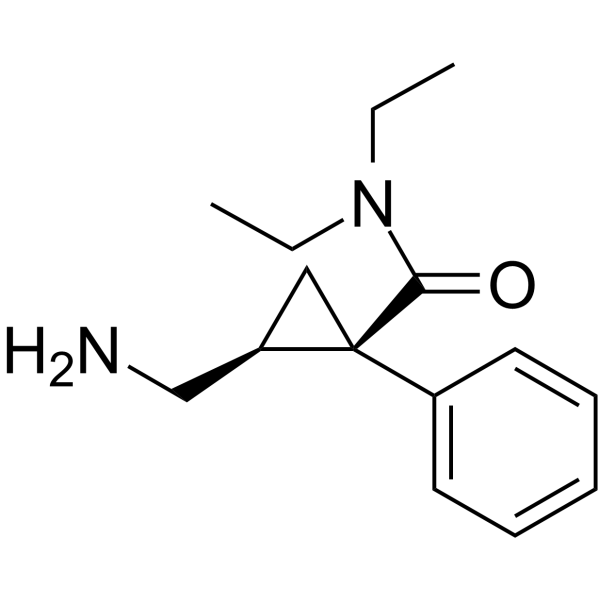
Milnacipran is an orally active Serotonin (HY-B1473A) and Norepinephrine (HY-13715) reuptake inhibitor. Milnacipran inhibits monoamine transporters, especially the norepinephrine transporter and the serotonin transporter (Ki values of 31 and 8.5 nM, respectively). Milnacipran inhibits pERK1/2 activation. Milnacipran has antidepressant, anxiolytic and analgesic properties. Milnacipran inhibits biting behavior in mice. Milnacipran can be used in the study of major depressive disorder, anxiety disorders, and neuropathic pain (e.g., fibromyalgia) [1] .
|
-
-
- HY-P3136A
-
|
TRV120055 hydrochloride
|
Angiotensin Receptor
|
Cardiovascular Disease
|
|
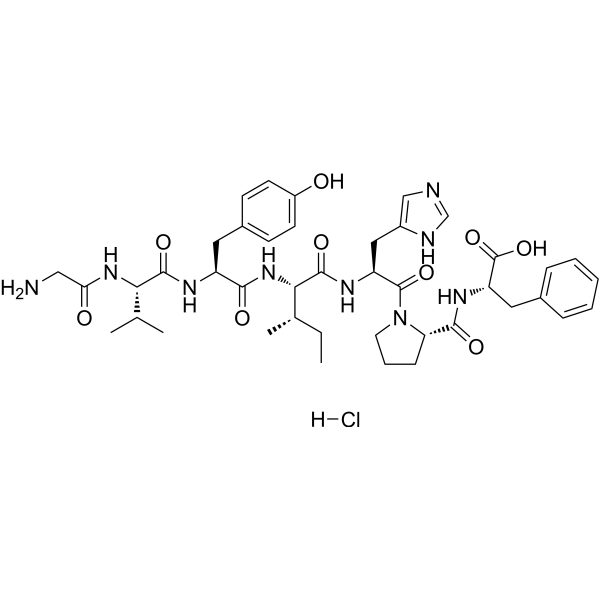
TRV055 (TRV120055) hydrochloride is a G protein-biased agonist of angiotensin II type 1 receptors (AT1Rs). TRV055 hydrochloride induces fibroblast proliferation, overexpression of collagen I and α-SMA, and stress fibre formation in human cardiac fibroblasts. RV055 hydrochloride activates AT1 receptor/Gαq-mediated signaling pathways, upregulates TGF-β1 and p-ERK1/2. RV055 hydrochloride induces collagen secretion in adult rat myofibroblasts at a level comparable to Ang II. RV055 hydrochloride can be used to study the role of G protein-biased signaling of AT1Rs in regulating fibrotic responses [1]
|
-
-
- HY-113916
-
|
AT13387 lactate
|
HSP
|
Cancer
|
|
Onalespib lactate is a potent and cross the blood-brain barrier heat-shock-protein-90 (Hsp90) inhibitor with an Kd value of 0.71 nM. Onalespib lactate inhibits the proliferation, survival and migration. Onalespib lactate decreases the expression of EGFR, p-EGFR, AKT, P-AKT, ERK1/2, P-ERK1/2, S6, P-S6 protein. Onalespib lactate shows antitumor activity. Onalespib lactate has the potential for the research of non-small cell lung cancer (NSCLC) [1] .
|
-
-
- HY-N3480
-
|
(+)-Isogospherol; Isogospherol
|
Others
|
Inflammation/Immunology
|
|
Isogosferol ((+)-Isogospherol; Isogospherol) is a potent anti-inflammatory agent. Isogosferol decreases LPS (HY-D1056)-stimulated NO and IL-1β expression. Isogosferol decreases the LPS (HY-D1056)-stimulated expression of iNOS, COX-2, NF-κB, and pERK1/2 [1].
|
-
-
- HY-173119
-
|
|
ERK
Autophagy
Apoptosis
p62
mTOR
Reactive Oxygen Species (ROS)
Ferroptosis
|
Cancer
|
|
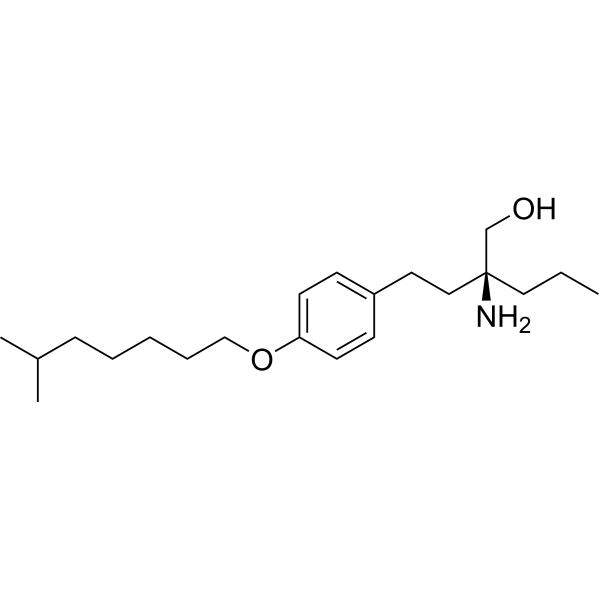
SKLB-D18 is an orally active ERK1/2/ERK5 inhibitor, with an IC50 of 38.69 nM and a Kd of 126.9 nM against human ERK1, an IC50 of 40.12 nM and a Kd of 209.8 nM against ERK2, and an IC50 of 59.72 nM and a Kd of 468.2 nM against ERK5. SKLB-D18 inhibits cancer cell proliferation, induces G0/G1 cell cycle arrest and apoptosis. SKLB-D18 reduces the levels of p-ERK5, p-RSKp90, p-c-Myc and c-Myc, and upregulates the level of p-ERK1/2, thereby inhibiting the ERK1/2/5 pathway in cells. SKLB-D18 increases LC3B-II accumulation, and decreases the levels of p62, p-mTOR and p-p70S6K. SKLB-D18 elevates the levels of ROS, lipid peroxidation and free ferrous ions, reduces the levels of NCOA4 and GPX4, and induces ferritin autophagy-dependent ferroptosis in cancer cells. SKLB-D18 exhibits antitumor activity in a triple-negative breast cancer xenograft mouse model. SKLB-D18 can be used in research related to triple-negative breast cancer [1].
|
-
-
- HY-N2450R
-
-
-
- HY-114978
-
|
|
mGluR
PERK
|
Neurological Disease
|
|
VU0424465 is a potent and partial PAM (positive allosteric modulator)-agonist for mGlu5 mediated iCa 2+ mobilization. VU0424465 exhibits high affinity at MPEP allosteric binding site, with a Ki value of 11.8 nM. VU0424465 is also a agonist for pERK1/2 in cortical neurons [1] .
|
-
-
- HY-B0168S
-
|
|
Isotope-Labeled Compounds
Serotonin Transporter
PERK
|
Neurological Disease
|
|
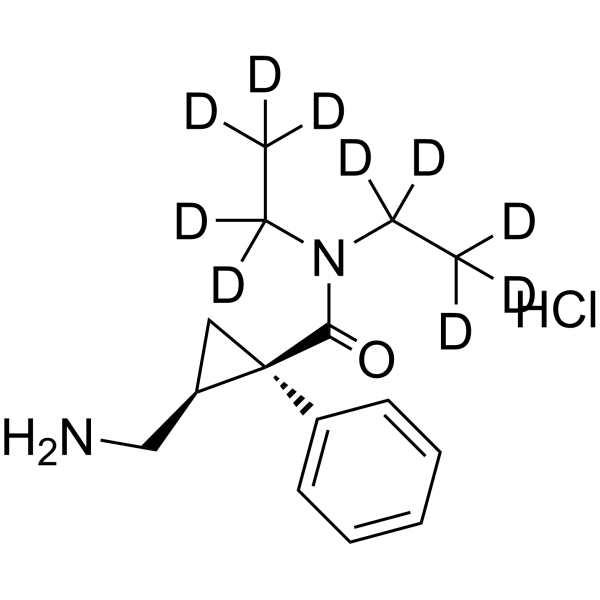
Milnacipran-d10 (hydrochloride) is the deuterium labeled Milnacipran hydrochloride (HY-B0168A). Milnacipran hydrochloride is an orally active Serotonin (HY-B1473A) and Norepinephrine (HY-13715) reuptake inhibitor. Milnacipran hydrochloride inhibits monoamine transporters, especially the norepinephrine transporter and the serotonin transporter (Ki values of 31 and 8.5 nM, respectively). Milnacipran hydrochloride inhibits pERK1/2 activation. Milnacipran hydrochloride has antidepressant, anxiolytic and analgesic properties. Milnacipran hydrochloride inhibits biting behavior in mice. Milnacipran hydrochloride can be used in the study of major depressive disorder, anxiety disorders, and neuropathic pain (e.g., fibromyalgia) [1] .
|
-
-
- HY-122241
-
|
|
PKC
|
Cancer
|
|
MT477 is a potent protein kinase C (PKC) inhibitor. MT477 induces apoptosis and necrosis. MT477 decreases the protein expression of Ras-GTP, p-Erk1/2, p-Elk1. MT477 shows antitumor activity [1].
|
-
-
- HY-155098
-
|
|
SHP2
|
Cancer
|
|
CNBCA is a potent, selective, competitive SHP2 enzyme inhibitor, with the IC50 of 0.87 μM. CNBCA binds to full-length SHP2 and inhibits enzyme activity. CNBCA inhibits pAkt and pERK1/2, and the cell growth of BT474 and MDA-MB468 cells. CNBCA can be used for breast cancer study [1].
|
-
-
- HY-173188
-
|
|
EGFR
Akt
PERK
JNK
p38 MAPK
|
Cancer
|
|
EGFR-IN-154 (compound 4c) is an EGFR inhibitor with EC50 values of 0.16 μM, 21.73 μM and 41.56 μM against EGFR Del19, EGFR WT and EGFR L858R, respectively. EGFR-IN-154 shows anticancer activity on various cance cell lines. EGFR-IN-154 induces mitochondrial apoptosis, and decreases pERK1/2 and pAkt levels, but increases pJNK and pp38 levels [1].
|
-
-
- HY-161966
-
|
|
Apoptosis
Reactive Oxygen Species (ROS)
VEGFR
|
Cancer
|
|
VEGFR-2-IN-52 (compound 14d) is a potent VEGFR-2 inhibitor with an IC50 value of 191.1 nM. VEGFR-2-IN-52 decreases the protein expression of p-VEGFR-2, MMP9, p-ERK1/2 and p-MEK1. VEGFR-2-IN-52 shows cytotoxicity. VEGFR-2-IN-52 induces apoptosis and cell cycle arrest at G0/G1 phase. VEGFR-2-IN-52 increases the levels of ROS [1].
|
-
-
- HY-144693
-
|
|
MEK
PI3K
PERK
|
Cancer
|
|
MEK/PI3K-IN-2 (compound 6s) is a potent MEK/PI3K inhibitor, with IC50 values of 352 nM (MEK1), 107 nM (PI3Kα), and 137 nM (PI3Kδ), respectively. MEK/PI3K-IN-2 suppresses pAKT and pERK1/2 levels. MEK/PI3K-IN-2 shows anti-proliferative activity against tumor cell lines [1].
|
-
-
- HY-144692
-
|
|
MEK
PI3K
PERK
|
Cancer
|
|
MEK/PI3K-IN-1 (compound 6r) is a potent MEK/PI3K inhibitor, with IC50 values of 124 nM (MEK1), 130 nM (PI3Kα), and 236 nM (PI3Kδ), respectively. MEK/PI3K-IN-1 suppresses pAKT and pERK1/2 levels. MEK/PI3K-IN-1 shows anti-proliferative activity against tumor cell lines [1].
|
-
-
- HY-B0168AS
-
|
|
Isotope-Labeled Compounds
Serotonin Transporter
PERK
|
Neurological Disease
|
|
Milnacipran-d5 hydrochloride is deuterium labeled Milnacipran hydrochloride (HY-B0168A). Milnacipran hydrochloride is an orally active Serotonin (HY-B1473A) and Norepinephrine (HY-13715) reuptake inhibitor. Milnacipran hydrochloride inhibits monoamine transporters, especially the norepinephrine transporter and the serotonin transporter (Ki values of 31 and 8.5 nM, respectively). Milnacipran hydrochloride inhibits pERK1/2 activation. Milnacipran hydrochloride has antidepressant, anxiolytic and analgesic properties. Milnacipran hydrochloride inhibits biting behavior in mice. Milnacipran hydrochloride can be used in the study of major depressive disorder, anxiety disorders, and neuropathic pain (e.g., fibromyalgia) [1] .
|
-
-
- HY-B0168AR
-
|
|
Reference Standards
Serotonin Transporter
PERK
|
Neurological Disease
|
|
Milnacipran (hydrochloride) (Standard) is the analytical standard of Milnacipran hydrochloride (HY-B0168A). This product is intended for research and analytical applications. Milnacipran hydrochloride is an orally active Serotonin (HY-B1473A) and Norepinephrine (HY-13715) reuptake inhibitor. Milnacipran hydrochloride inhibits monoamine transporters, especially the norepinephrine transporter and the serotonin transporter (Ki values of 31 and 8.5 nM, respectively). Milnacipran hydrochloride inhibits pERK1/2 activation. Milnacipran hydrochloride has antidepressant, anxiolytic and analgesic properties. Milnacipran hydrochloride inhibits biting behavior in mice. Milnacipran hydrochloride can be used in the study of major depressive disorder, anxiety disorders, and neuropathic pain (e.g., fibromyalgia) [1] .
|
-
-
- HY-149824
-
|
|
EGFR
Apoptosis
|
Cancer
|
|
EGFR T790M/L858R-IN-2 is a potent and selective EGFRT790M/L858R inhibitor with IC50 values of 3.5, 1290 nM for EGFRT790M/L858R, EGFR WT, respectively. EGFR T790M/L858R-IN-2 decreases the expression of p-EGFR, P-AKT, P-ERK1/2. EGFR T790M/L858R-IN-2 induces Apoptosis and cell cycle arrest in the G1 phase. EGFR T790M/L858R-IN-2 shows anti-cancer activity [1].
|
-
-
- HY-178382
-
|
|
Raf
Bcr-Abl
P-glycoprotein
PERK
Apoptosis
|
Cancer
|
|
BRAFV600E/ABL2-IN-1 is a BRAFV600E (IC50 = 0.088 μM)/ABL2 (IC50 = 0.3 μM) dual inhibitor. BRAFV600E/ABL2-IN-1 can diminish P-glycoprotein expression. BRAFV600E/ABL2-IN-1 effectively inhibits p-CrkL (Abl2 signaling) and p-ERK1/2 (BRAFV600E pathway) in A375-R melanoma cells. BRAFV600E/ABL2-IN-1 causes cell cycle arrest. BRAFV600E/ABL2-IN-1 significantly increases the percentage of late apoptotic cells. BRAFV600E/ABL2-IN-1 can be used for the study of melanoma [1].
|
-
-
- HY-107471
-
|
GP2a
|
Cannabinoid Receptor
|
Cancer
|
|
CB2 receptor agonist 3 is a robust and selective CB2 cannabinoid agonist with Kis of 7.6 and 900 nM for CB2 and CB1, respectively. CB2 receptor agonist 3 significantly increases P-ERK 1/2 expression in HL-60 cells [1].
|
-
-
- HY-N12561
-
|
|
ERK
p38 MAPK
JNK
|
Others
|
|
Pestanoid A is a rearranged pimarane diterpenoid osteoclastogenesis inhibitor with an IC50 of 4.2 μM. Pestanoid A can be isolated from the marine mesophotic zone chalinidae sponge-associated fungus, Pestalotiopsis sp. NBUF145. Pestanoid A inhibits the receptor activator of NF-kB ligand-induced MAPK and NF-κB signaling by suppressing the phosphorylation of ERK1/2-JNK1/2-p38 MAPKs and NF-κB nuclear translocation. Pestanoid A can be used for the study of osteoporosis [1].
|
-
-
- HY-182899
-
|
|
PERK
Ras
COX
PD-1/PD-L1
Apoptosis
DNA/RNA Synthesis
Mitochondrial Metabolism
|
Cancer
|
|
DPAP is a p-ERK1/2 inhibitor with an IC50 of 7.85 μM against p-ERK1/2. DPAP inhibits the expression of p-MEK1/2 and disrupts the Ras-ERK signaling pathway. DPAP inhibits the expression of COX-2 in nerve cells. DPAP damages DNA and mitochondria, induces Apoptosis via the mitochondrial pathway, and upregulates PD-L1. DPAP inhibits melanoma metastasis and angiogenesis, and inactivates spinal microglia and astrocytes. DPAP exhibits anti-melanoma activity and can be combined with anti-PD-1 monoclonal antibodies to modify anti-tumor effects. DPAP is applicable for the research of melanoma [1].
|
-
-
- HY-181931
-
|
|
Phosphodiesterase (PDE)
p38 MAPK
LPL Receptor
ERK
JNK
|
Inflammation/Immunology
|
|
Autotaxin-IN-8 (Compound 14E) is an orally active Autotaxin inhibitor with an IC50 of 14.2 nM against hAutotaxin. Autotaxin-IN-8 inhibits Autotaxin activity, MAPK activation, LPAR1 and p-ERK1/2. Autotaxin-IN-8 reduces the phosphorylation levels of JNK and p38. Autotaxin-IN-8 decreases collagen deposition in a mouse model of pulmonary fibrosis. Autotaxin-IN-8 can be used in research related to pulmonary fibrosis [1].
|
-
-
- HY-10254R
-
|
PD0325901 (Standard); PD325901 (Standard)
|
Reference Standards
MEK
Autophagy
Apoptosis
|
Cancer
|
|
Mirdametinib (Standard) is the analytical standard of Mirdametinib (HY-10254). This product is intended for research and analytical applications. Mirdametinib (PD0325901) is an orally active, selective and non-ATP-competitive MEK inhibitor with an IC50 of 0.33 nM. Mirdametinib exhibits a Kiapp of 1 nM against activated MEK1 and MEK2. Mirdametinib suppresses the expression of p-ERK1/2 and induces apoptosis. Mirdametinib has anti-cancer activity for a broad spectrum of human tumor xenografts [1] .
|
-
-
- HY-P11011A
-
|
Pep R54 acetate; CXCR4 antagonist peptide 19 acetate
|
CXCR
ERK
Akt
|
Cancer
|
|
Peptide R54 acetate (Pep R54 acetate) is a CXCR4 antagonist. Peptide R54 acetate inhibits CXCL12-dependent activation of pERK1/2 and pAKT. The combination of Peptide R54 acetate and Nivolumab (HY-P9903) suppresses melanoma growth. Peptide R54 (acetate) is applicable to research related to melanoma and ovarian cancer [1] .
|
-
-
- HY-100403R
-
|
|
mGluR
Reference Standards
|
Cancer
|
|
Ro 67-7476 (Standard) is the analytical standard of Ro 67-7476 (HY-100403). This product is intended for research and analytical applications. Ro 67-7476 is a potent positive allosteric modulator of mGluR1 and potentiates glutamate-induced calcium release in HEK293 cells expressing rat mGluR1a with an EC50 of 60.1 nM [1] . Ro 67-7476 is a potent P-ERK1/2 agonist and activates ERK1/2 phosphorylation in the absence of exogenously added glutamate (EC50=163.3 nM) .
|
-
-
- HY-180200
-
|
|
Ras
ERK
|
Cancer
|
|
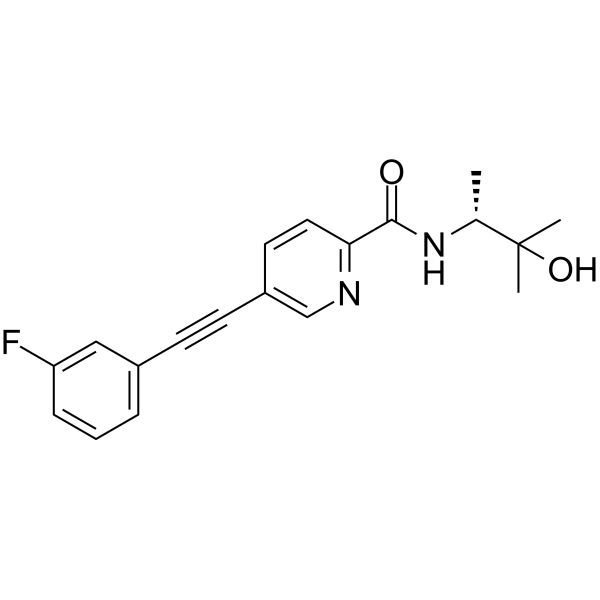
RNK08954 is an orally active KRASG12D inhibitor with a Kd of 0.0395 nM. RNK08954 selectively binds the inactive GDP-bound KRASG12D form, suppresses downstream KRAS-mediated signaling pathways p-ERK1/2 experssion. RNK08954 inhibits KRASG12D-mutant cell proliferation, induces G0-G1 cell cycle arrest, and inhibits tumor growth in mouse xenograft models. RNK08954 can be used for the research of non-small cell lung cancer, pancreatic ductal adenocarcinoma [1].
|
-
-
- HY-182068
-
|
|
iGluR
|
Cardiovascular Disease
Neurological Disease
|
|
NFI23 is a GluN2B-NMDAR inhibitor with an IC50 of 1.31 μM and a Ki of 5.98 nM against GluN2B-NMDAR. NFI23 can cross the blood-brain barrier. NFI23 binds to the ifenprodil binding site of GluN2B-NMDAR, reduces NMDA-induced Ca 2+ influx and reactive oxygen species (ROS) production, maintains mitochondrial membrane potential, inhibits neuronal apoptosis, and restores the expression of p-ERK1/2. NFI23 exerts neuroprotective effects against NMDA-induced cytotoxicity and in the rat middle cerebral artery occlusion (MCAO) model. NFI23 can be used for the research of ischemic stroke [1].
|
-
-
- HY-W715812
-
|
|
Fungal
Apoptosis
Caspase
Reactive Oxygen Species (ROS)
MDM-2/p53
SOD
Bcl-2 Family
PERK
JNK
p38 MAPK
|
Cardiovascular Disease
Infection
Endocrinology
Cancer
|
|
Bromuconazole is a triazole fungicide with oral efficacy and blood-brain barrier permeability . Bromuconazole protects crops from various fungal contaminations. Bromuconazole exhibits cytotoxicity against a variety of cancer cells, induces G0/G1 cell cycle arrest and inhibits DNA synthesis in cancer cells, and triggers cytoskeletal structural disorder, genotoxic damage, apoptotic (apoptosis) cell death, and mitochondrial membrane depolarization. Bromuconazole activates caspase-3, induces excessive production of ROS, p53 and Bax, lipid peroxidation, increased activities of SOD and CAT, and downregulates Bcl-2. By upregulating p-ERK1/2 and p-JNK, Bromuconazole disrupts the MAPK signaling pathway, impairs the cellular stress response of human trophoblast cells and endometrial cells, and damages the implantation process . Bromuconazole is applicable to research related to glioma, colon cancer, reproductive injury (implantation dysfunction), and cardiac dysfunction [1] .
|
-
-
- HY-107471R
-
|
GP2a (Standard)
|
Reference Standards
Cannabinoid Receptor
|
Cancer
|
|
CB2 receptor agonist 3 (Standard) is the analytical standard of CB2 receptor agonist 3 (HY-107471). This product is intended for research and analytical applications. CB2 receptor agonist 3 is a robust and selective CB2 cannabinoid agonist with Kis of 7.6 and 900 nM for CB2 and CB1, respectively. CB2 receptor agonist 3 significantly increases P-ERK 1/2 expression in HL-60 cells [1].
|
-
| Cat. No. |
Product Name |
Target |
Research Area |
-
- HY-P3136
-
|
TRV120055
|
Angiotensin Receptor
ERK
|
Cardiovascular Disease
|
|
TRV055 (TRV120055) is a G protein-biased agonist of angiotensin II type 1 receptors (AT1Rs). TRV120055 induces fibroblast proliferation, overexpression of collagen I and α-SMA, and stress fibre formation in human cardiac fibroblasts. TRV055 activates AT1 receptor/Gαq-mediated signaling pathways, upregulates TGF-β1 and p-ERK1/2. TRV055 induces collagen secretion in adult rat myofibroblasts at a level comparable to Ang II. TRV055 can be used to study the role of G protein-biased signaling of AT1Rs in regulating fibrotic responses [1]
|
-
- HY-P3136A
-
|
TRV120055 hydrochloride
|
Angiotensin Receptor
|
Cardiovascular Disease
|
|
TRV055 (TRV120055) hydrochloride is a G protein-biased agonist of angiotensin II type 1 receptors (AT1Rs). TRV055 hydrochloride induces fibroblast proliferation, overexpression of collagen I and α-SMA, and stress fibre formation in human cardiac fibroblasts. RV055 hydrochloride activates AT1 receptor/Gαq-mediated signaling pathways, upregulates TGF-β1 and p-ERK1/2. RV055 hydrochloride induces collagen secretion in adult rat myofibroblasts at a level comparable to Ang II. RV055 hydrochloride can be used to study the role of G protein-biased signaling of AT1Rs in regulating fibrotic responses [1]
|
-
- HY-P11011A
-
|
Pep R54 acetate; CXCR4 antagonist peptide 19 acetate
|
CXCR
ERK
Akt
|
Cancer
|
|
Peptide R54 acetate (Pep R54 acetate) is a CXCR4 antagonist. Peptide R54 acetate inhibits CXCL12-dependent activation of pERK1/2 and pAKT. The combination of Peptide R54 acetate and Nivolumab (HY-P9903) suppresses melanoma growth. Peptide R54 (acetate) is applicable to research related to melanoma and ovarian cancer [1] .
|
| Cat. No. |
Product Name |
Category |
Target |
Chemical Structure |
| Cat. No. |
Product Name |
Chemical Structure |
-
- HY-B0168S
-
|
|
|
Milnacipran-d10 (hydrochloride) is the deuterium labeled Milnacipran hydrochloride (HY-B0168A). Milnacipran hydrochloride is an orally active Serotonin (HY-B1473A) and Norepinephrine (HY-13715) reuptake inhibitor. Milnacipran hydrochloride inhibits monoamine transporters, especially the norepinephrine transporter and the serotonin transporter (Ki values of 31 and 8.5 nM, respectively). Milnacipran hydrochloride inhibits pERK1/2 activation. Milnacipran hydrochloride has antidepressant, anxiolytic and analgesic properties. Milnacipran hydrochloride inhibits biting behavior in mice. Milnacipran hydrochloride can be used in the study of major depressive disorder, anxiety disorders, and neuropathic pain (e.g., fibromyalgia) [1] .
|
-
-
- HY-B0168AS
-
|
|
|
Milnacipran-d5 hydrochloride is deuterium labeled Milnacipran hydrochloride (HY-B0168A). Milnacipran hydrochloride is an orally active Serotonin (HY-B1473A) and Norepinephrine (HY-13715) reuptake inhibitor. Milnacipran hydrochloride inhibits monoamine transporters, especially the norepinephrine transporter and the serotonin transporter (Ki values of 31 and 8.5 nM, respectively). Milnacipran hydrochloride inhibits pERK1/2 activation. Milnacipran hydrochloride has antidepressant, anxiolytic and analgesic properties. Milnacipran hydrochloride inhibits biting behavior in mice. Milnacipran hydrochloride can be used in the study of major depressive disorder, anxiety disorders, and neuropathic pain (e.g., fibromyalgia) [1] .
|
-
| Cat. No. |
Compare |
Product Name |
Application |
Reactivity |
Image |
Compare Products
|
| Products |
|
| Cat. No. |
|
| Host |
|
| Reactivity |
|
| Application |
|
Dilution Ratio |
|
| Molecular Weight |
|
| Conjugation |
|
| Clonality |
|
| Immunogen |
|
| Appearance |
|
| Isotype |
|
| Gene ID |
|
| SwissProt ID |
|
| Purity |
|
| Formulation |
|
| Free Sample |
Yes
No
|
| Size |
* This product has been "discontinued".
Optimized version of product available:
|
| Cat. No. |
Product Name |
|
Classification |
-
- HY-180200
-
|
|
|
Alkynes
|
|
RNK08954 is an orally active KRASG12D inhibitor with a Kd of 0.0395 nM. RNK08954 selectively binds the inactive GDP-bound KRASG12D form, suppresses downstream KRAS-mediated signaling pathways p-ERK1/2 experssion. RNK08954 inhibits KRASG12D-mutant cell proliferation, induces G0-G1 cell cycle arrest, and inhibits tumor growth in mouse xenograft models. RNK08954 can be used for the research of non-small cell lung cancer, pancreatic ductal adenocarcinoma [1].
|
Your information is safe with us. * Required Fields.
Inquiry Information
- Product Name:
- Cat. No.:
- Quantity:
- MCE Japan Authorized Agent:

