





1. Search Result
Search Result
Results for "

pathogenesis

" in MedChemExpress (MCE) Product Catalog:

100

Inhibitors & Agonists

10

Screening Libraries

5

Fluorescent Dye

5

Biochemical Assay Reagents

12

Peptides

2

Inhibitory Antibodies

9

Natural
Products

2

Recombinant Proteins

8

Isotope-Labeled Compounds

8

Oligonucleotides

Cat. No. Product Name Target Research Areas Chemical Structure
  • HY-125859
    Peroxidase, Horseradish
    1 Publications Verification

    Reactive Oxygen Species (ROS) Inflammation/Immunology Endocrinology
    Peroxidase, Horseradish actively involves in oxidizing reactive oxygen species, innate immunity, hormone biosynthesis and pathogenesis of several diseases .
    Peroxidase, Horseradish
  • HY-127105
    Iptacopan
    10+ Cited Publications

    LNP023

    Complement System Metabolic Disease Inflammation/Immunology
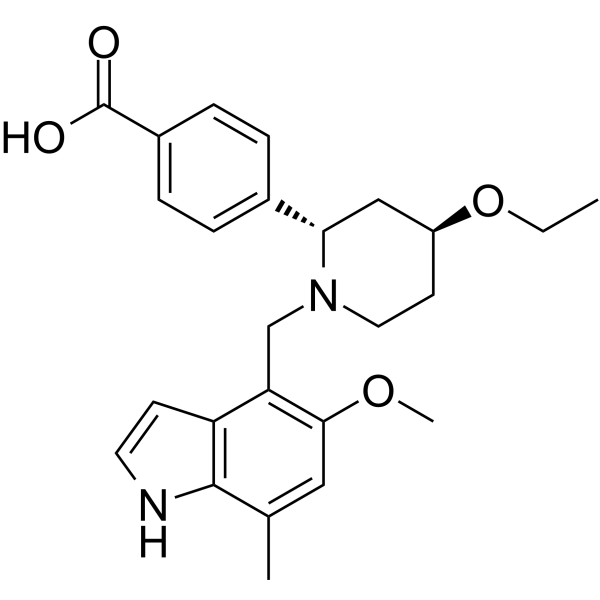
    Iptacopan (LNP023) is an effective and orally-active highly selective factor B inhibitor with an IC50 value of 10 nM and KD of 7.9 nM. Iptacopan exerts a proximal effect in the complement cascade reaction, preventing the destruction (hemolysis) of red blood cells in PNH and the damage of renal cells in IgAN and C3G. Iptacopan can be used for the study of complement-mediated diseases, particularly paroxysmal nocturnal hemoglobinuria (PNH), primary immunoglobulin A nephropathy (IgAN), and complement 3 glomerulopathy (C3G) .
    Iptacopan
  • HY-D1300
    LysoTracker Red
    10+ Cited Publications

    LysoTracker Red DND-99

    Biochemical Assay Reagents Fluorescent Dye Others
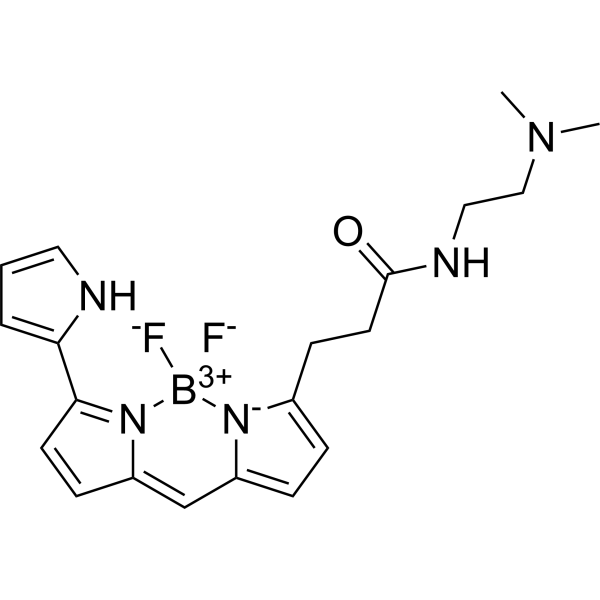
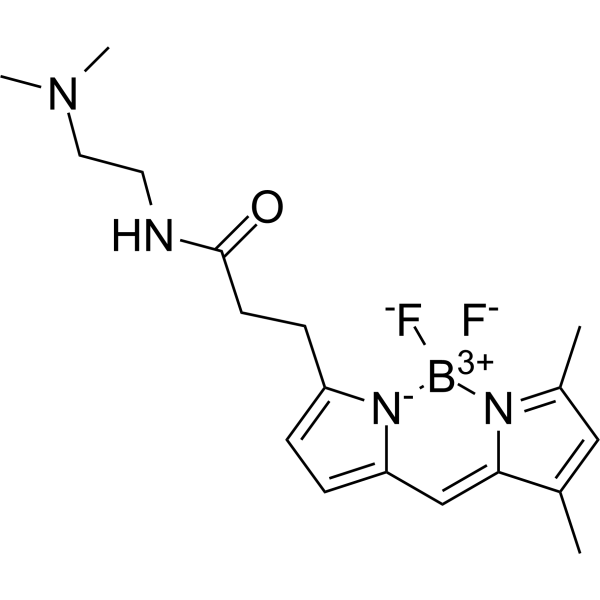
    LysoTracker Red is a Red fluorescently labeled lysosomal probe with a maximum excitation/emission wavelength of 577/590 nm. The structure is composed of a fluorescein group and linked weak bases, which can freely cross the cell membrane and gather on spherical organelles. It is suitable for observing the internal biosynthesis and related pathogenesis of lysosomes .
    LysoTracker Red
  • HY-113066A
    Guanosine 5'-diphosphate disodium salt
    2 Publications Verification

    GDP disodium salt

    Hepcidin Potassium Channel Endogenous Metabolite Neurological Disease Inflammation/Immunology Cancer
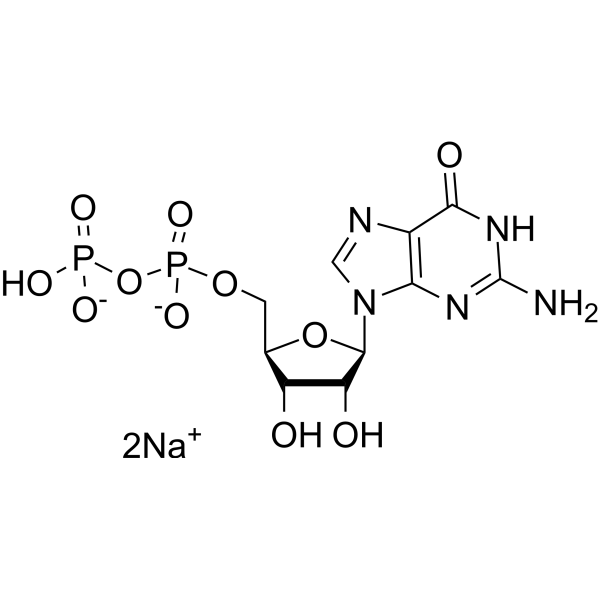
    Guanosine 5'-diphosphate (GDP) disodium salt, a purine nucleoside diphosphate, is interconverted to guanosine by the action of exonucleotidase and phosphorylation of nucleoside to guanine. Guanosine 5'-diphosphate disodium salt activates adenosine 5'-triphosphate-sensitive K + channel and is used to study the kinetics and characteristics of GTPases such as those associated with G-protein coupled receptors (GPCR). Guanosine 5'-diphosphate disodium salt is a potential iron mobilizer, which prevents the Hepcidin (HY-P70400)-ferroportin interaction and modulates the interleukin-6 (IL-6)/stat-3 pathway. Elevated levels of guanosine 5’-diphosphate are associated with the pathogenesis of neurological diseases. Guanosine 5'-diphosphate disodium salt is promising for the research of inflammation, such as anemia of inflammation (AI) .
    Guanosine 5'-diphosphate disodium salt
  • HY-N2279
    Kurarinone
    5 Publications Verification

    Eukaryotic Initiation Factor (eIF) Inflammation/Immunology Cancer
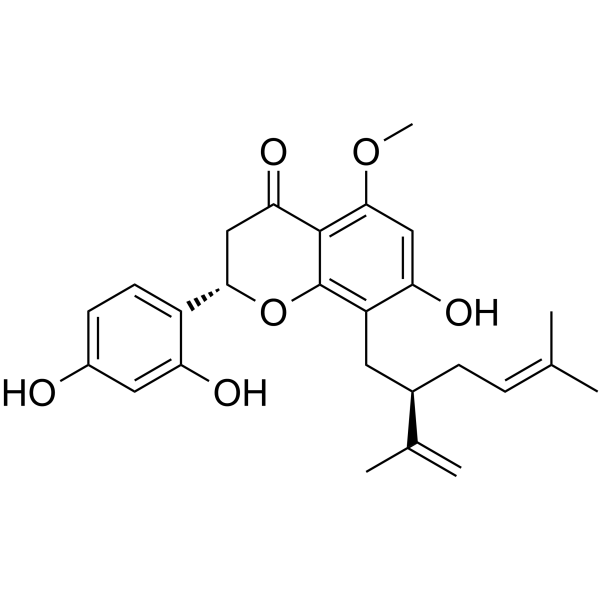
    Kurarinone is an orally active flavonoid isolated from matrine that inhibits the pathogenesis of experimental autoimmune encephalomyelitis by inhibiting cell differentiation of Th1 and Th17. Kurarinone has antitumor and anti-inflammatory activity .
    Kurarinone
  • HY-P1362
    β-Amyloid (42-1), human
    1 Publications Verification

    Amyloid β Peptide (42-1)(human)

    Amyloid-β Neurological Disease
    β-Amyloid (42-1), human is the inactive form of Amyloid β Peptide (1-42). Its active form, β-Amyloid (1-42), may play a key role in the pathogenesis of Alzheimer's disease .
    β-Amyloid (42-1), human
  • HY-DY1040

    Fluorescent Dye Biochemical Assay Reagents Others
    LysoTracker Red (solution) is a Red fluorescently labeled lysosomal probe with a maximum excitation/emission wavelength of 577/590 nm. The structure is composed of a fluorescein group and linked weak bases, which can freely cross the cell membrane and gather on spherical organelles. It is suitable for observing the internal biosynthesis and related pathogenesis of lysosomes .
    Solvent and concentration: DMSO: 1 mM
    LysoTracker Red (solution)
  • HY-127105A
    Iptacopan hydrochloride
    10+ Cited Publications

    LNP023 hydrochloride

    Complement System Metabolic Disease Inflammation/Immunology
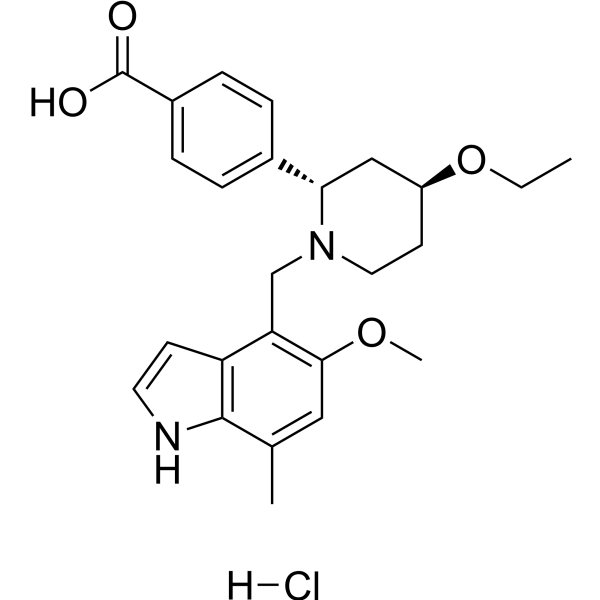
    Iptacopan (LNP023) hydrochloride is an effective and orally-active highly selective factor B inhibitor with an IC50 value of 10 nM and KD of 7.9 nM. Iptacopan hydrochloride exerts a proximal effect in the complement cascade reaction, preventing the destruction (hemolysis) of red blood cells in PNH and the damage of renal cells in IgAN and C3G. Iptacopan hydrochloride can be used for the study of complement-mediated diseases, particularly paroxysmal nocturnal hemoglobinuria (PNH), primary immunoglobulin A nephropathy (IgAN), and complement 3 glomerulopathy (C3G) .
    Iptacopan hydrochloride
  • HY-126386

    EC 3.2.1.15

    Biochemical Assay Reagents Others
    Pectinase (EC 3.2.1.15) is a mixed enzymes that hydrolyze pectic substances, it mostly presents in microorganisms and higher plants. Pectinase is involved in the metabolism of the cell wall as well as in the growth of the cell, senescence, ripening of fruits, pathogenesis and abscission process .
    Pectinase, aspergillus niger
  • HY-121252

    α-synuclein Apoptosis Drug Metabolite Neurological Disease
    Dopal is a metabolite and aldehyde neurotoxin of Dopamine (HY-B0451). Dopal exhibits cytotoxicity, induces α-synuclein oligomerization and aggregation, and is closely associated with the pathogenesis of Parkinson's disease. Dopal can be used in research related to Parkinson's disease .
    Dopal
  • HY-129098
    DMHCA
    1 Publications Verification

    LXR Metabolic Disease
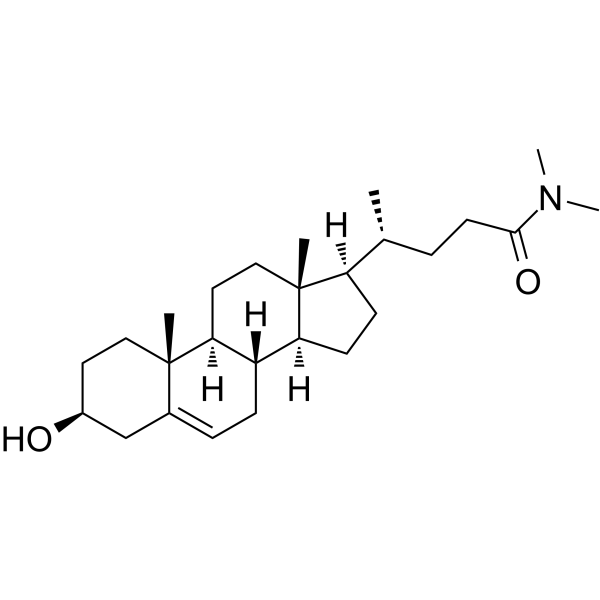
    DMHCA, a potent and selective LXR agonist, specifically activates the cholesterol efflux arm of the LXR pathway without stimulating triglyceride synthesis. DMHCA has anti-inflammatory effects?and can be used for the research of cholesterol homeostasis diabetes .
    DMHCA
  • HY-103018
    Gusacitinib
    1 Publications Verification

    ASN-002

    JAK Syk Inflammation/Immunology Cancer
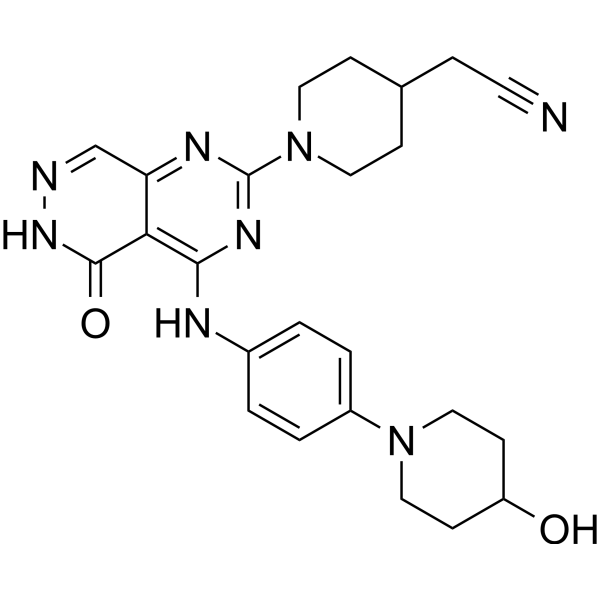
    Gusacitinib (ASN-002) is an orally active dual SYK/JAK kinase inhibitor with IC50 values of 5, 46, 4, 11 and 8 nM for SYK, JAK1, JAK2, JAK3 and TYK2, respectively. Gusacitinib rapidly and significantly suppressed key inflammatory pathways implicated in atopic dermatitis pathogenesis. Gusacitinib can be used in the research of chronic hand eczema and cancers such as basal cell carcinoma .
    Gusacitinib
  • HY-D1296
    Green DND-26
    2 Publications Verification

    Fluorescent Dye Others
    Green DND-26 is a green fluorescently labeled lysosomal probe with a maximum excitation/emission wavelength of 504/511 nm. The structure is composed of a fluorescein group and linked weak bases, which can freely cross the cell membrane and generally gather on spherical organelles. Green DND-26 is suitable for observing the internal biosynthesis and related pathogenesis of lysosomes .
    Green DND-26
  • HY-B1118
    Secnidazole
    1 Publications Verification

    RP-14539; PM-185184

    Bacterial Parasite Infection
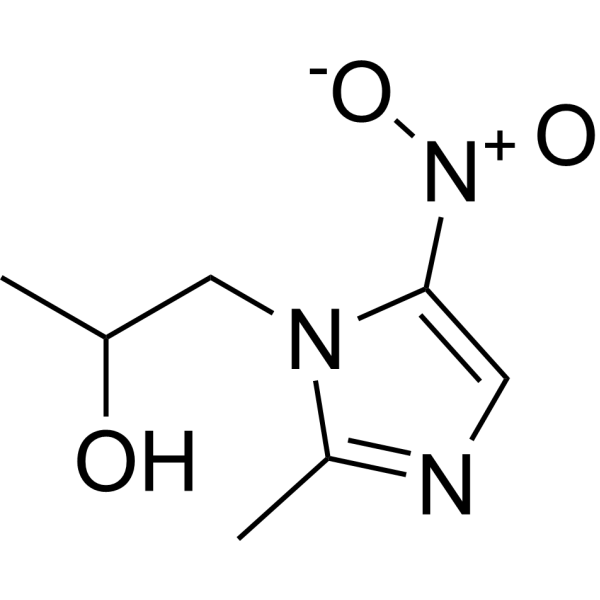
    Secnidazole (RP-14539) is an orally active azole antibiotic and a imidazole mitigator of Serratia marcescens virulence. Secnidazole, as an analog of acylhomoserine lactones, effectively inhibits QS resulting in the attenuation of Pseudomonas aeruginosa pathogenesis. Secnidazole has antimicrobial activity against many anaerobic Gram-negative and Gram-positive bacterial species in vitro. Secnidazole can be used for the research of various diseases, such as amoebiasis and giardiasis, and bacterial vaginitis .
    Secnidazole
  • HY-P5912

    iGluR Calcium Channel Neurological Disease
    GluN1 (356-385) is a polypeptide targeting NMDAR GluN1. GluN1 (356-385) induces the production of autoantibodies, which reduce the density of cell surface NMDAR clusters, impair long-term potentiation, and decrease NMDAR-mediated Ca 2+ influx. As an immunogen, GluN1 (356-385) induces symptoms similar to anti-NMDAR encephalitis, including memory loss, in mice. GluN1 (356-385) can be used to establish a mouse model that mimics the pathogenesis of anti-NMDAR encephalitis. GluN1 (356-385) is applicable to research related to anti-NMDAR encephalitis .
    GluN1(356-385)
  • HY-Y0912

    N-HBTU

    Biochemical Assay Reagents Inflammation/Immunology
    HBTU (N-HBTU) is a guanidinium-based peptide coupling reagent and immunological sensitizer. HBTU can be used in combination with bases such as DIPEA (HY-130142) to complete coupling reactions, with HOBt and TMU as by-products. HBTU is a standard reagent in automated solid-phase peptide synthesis, particularly for the Fmoc/tBu strategy, which effectively promotes coupling steps, but it is not suitable for sterically hindered amino acids or dipeptide derivatives. HBTU can induce rhinitis, dermatitis, bronchial asthma and severe allergic reactions. HBTU can be used to study the pathogenesis of allergic reactions, occupational rhinitis, allergic contact dermatitis and bronchial asthma .
    HBTU
  • HY-P9927A
    Secukinumab (Anti-Human IL-17A)
    1 Publications Verification

    Interleukin Related Inflammation/Immunology Cancer
    Secukinumab (Anti-Human IL-17A) is a fully human anti-interleukin-17A monoclonal antibody. Anti-Human IL-17A can be used for research in psoriasis pathogenesis .
    Secukinumab (Anti-Human IL-17A)
  • HY-118315
    L-012
    2 Publications Verification

    Fluorescent Dye Inflammation/Immunology
    L-012 is a luminal-based chemiluminescent probe. L-012 sodium salt can detect NADPH oxidase (Nox)-derived superoxide and nitrogen species (reactive oxygen species (ROS) and reactive nitrogen species (RNS)) .
    L-012
  • HY-P5096

    Amyloid-β Neurological Disease
    FITC-β-Ala-Amyloid β-Protein (1-42) is a FITC tagged Aβ1-42 peptide. Aβ1-42 plays a key role in the pathogenesis of Alzheimer’s disease .
    FITC-β-Ala-Amyloid β-Protein (1-42)
  • HY-W039897
    Methyl α-D-mannopyranoside
    1 Publications Verification

    α-Methyl-D-mannoside

    Environmental Pollutants Bacterial Infection
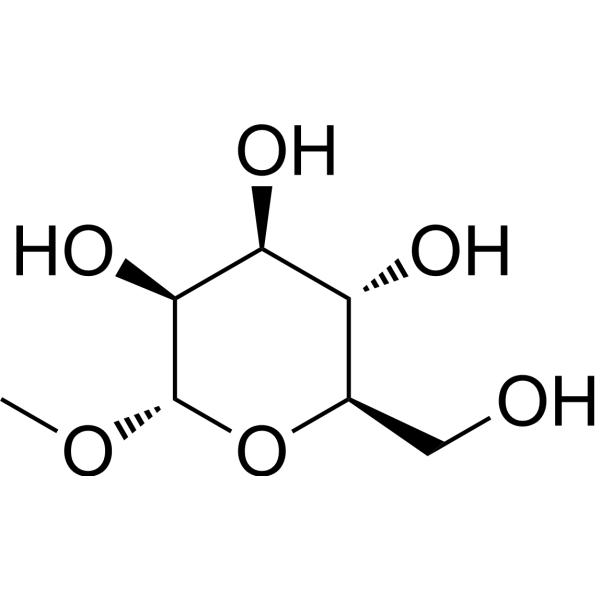
    Methyl α-D-mannopyranoside (α-Methyl-D-mannoside) is a methyl glycoside derivative and conformational stabilizer of α-D-mannopyranose. The glycosidic bond conformation of Methyl α-D-mannopyranoside is significantly affected by the environment. In aqueous solution, Methyl α-D-mannopyranoside stabilizes into a trans conformation via intermolecular hydrogen bonds; in the gas phase, however, steric interactions drive Methyl α-D-mannopyranoside to prefer a clockwise gauche conformation. Methyl α-D-mannopyranoside also serves as a major component of secondary cell wall polymers in some bacteria and an active precursor site for virus-targeted glycoproteins. Methyl α-D-mannopyranoside acts as an acceptor substrate for alternansucrase, mediating the transfer of D-glucopyranosyl groups to generate a variety of glycosylated oligosaccharide products, with methyl α-D-glucopyranosyl-(1→6)-α-D-mannopyranoside as the main component. Methyl α-D-mannopyranoside is applicable to studies on bacterial pathogenic mechanisms associated with mannose-specific fimbrial lectins .
    Methyl α-D-mannopyranoside
  • HY-P3908

    Amyloid-β Neurological Disease
    FITC-β-Ala-Amyloid β-Protein (1-42) ammonium is a FITC tagged Aβ1-42 peptide. Aβ1-42 plays a key role in the pathogenesis of Alzheimer’s disease .
    FITC-β-Ala-Amyloid β-Protein (1-42) ammonium
  • HY-148448

    Eukaryotic Initiation Factor (eIF) Cancer
    eIF4A3-IN-9 is a Rocaglate analog. eIF4A3-IN-9 interferes with the assembly of the eIF4F translation complex, with EC50 values of 40 nM and > 2000 nM against myc-LUC and tub-LUC, respectively. eIF4A3-IN-9 can be used for the research of tumor pathogenesis .
    eIF4A3-IN-14
  • HY-105070A

    E5564

    EBV Toll-like Receptor (TLR) Infection Inflammation/Immunology
    Eritoran tetrasodium (E5564) is a Toll-like receptor 4 (TLR4) antagonist. Eritoran tetrasodium protects mice against lethal influenza virus infection, such as Ebola virus (EBOV), Marburg virus (MARV). Eritoran tetrasodium decreases the level of granulocytosis, may alleviate the severity of the "cytokine storm". Eritoran tetrasodium inhibits pathogenesis of filovirus infection. Eritoran tetrasodium has anti-inflammatory activity .
    Eritoran tetrasodium
  • HY-N6723

    Ceramidase Acyltransferase Infection Cancer
    Fumonisin B2 is a selective ceramide synthase inhibitor and carcinogenic mycotoxin with toxicity comparable to that of Fumonisin B1 (HY-N6719). Fumonisin B2 inhibits de novo sphingolipid biosynthesis by blocking the amide bond formation between fatty acids and dihydrosphingosine, which leads to a massive intracellular accumulation of free dihydrosphingosine, altered sphingosine levels, subsequent inhibition of cell proliferation, and induction of cell death. Fumonisin B2 is used to investigate the pathogenesis of diseases associated with Fusarium verticillioides contamination, including equine leukoencephalomalacia, porcine pulmonary edema syndrome, human esophageal cancer, and rat hepatocellular carcinoma .
    Fumonisin B2
  • HY-W009390

    Endogenous Metabolite Metabolic Disease
    DL-Homocystine is the double-bonded form of homocysteine and homocysteine is recognized as an important substance in the pathogenesis and pathophysiology of schizophrenia.
    DL-Homocystine
  • HY-126386B

    Macerozyme R-10

    Biochemical Assay Reagents Others
    Pectinase, rhizobia is a mixed enzymes that hydrolyze pectic substances, it mostly presents in microorganisms and higher plants. Pectinase is involved in the metabolism of the cell wall as well as in the growth of the cell, senescence, ripening of fruits, pathogenesis and abscission process .
    Pectinase, rhizobia
  • HY-141866
    Acid Ceramidase-IN-1
    1 Publications Verification

    Ceramidase Neurological Disease
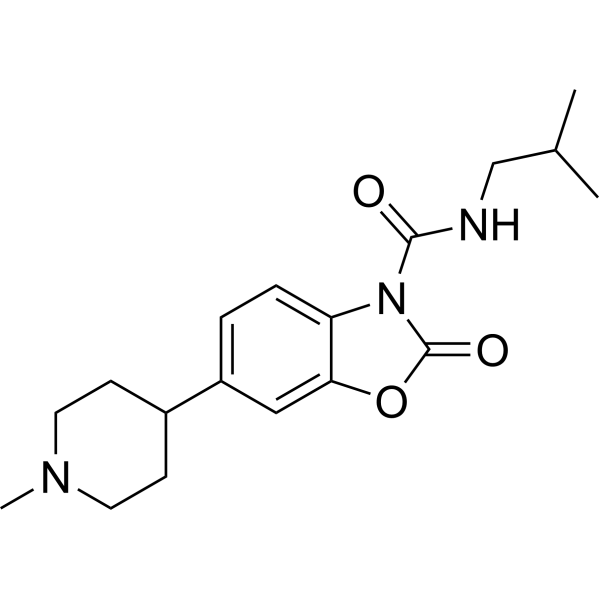
    Acid Ceramidase-IN-1 is orally active and blood-brain barrier penetrant acid ceramidase (AC, ASAH-1) inhibitor (hAC IC50=0.166 μM). Acid Ceramidase-IN-1 reduces AC activity, accumulates ceramide species (Cer (d18:0/16:0), Cer (d18:1/16:0)), and decreases sphingosine levels. Acid Ceramidase-IN-1 can be used for the study of severe neurological lysosomal storage diseases (LSDs) such as Gaucher’s disease (GD) and Krabbe’s disease (KD) .
    Acid Ceramidase-IN-1
  • HY-E70065

    Sialyltransferase Infection
    alpha-2,3-Sialyltransferase (PmST2) is a sialyltransferase produced by Pasteurella multocida (Pm) and plays an important role in the pathogenesis of Pm. alpha-2,3-Sialyltransferase (PmST2) can be used to synthesize sialyllactosyl sphingosine (lyso-GM3) .
    alpha-2,3-Sialyltransferase (PmST2)
  • HY-P1363F1

    Biotin-amyloid β-peptide (1-42) (human) TFA

    Amyloid-β Neurological Disease
    Biotin-β-Amyloid (1-42), human TFA (Biotin-Amyloid β-Peptide (1-42) (human) TFA) is the botin labeled β-Amyloid (1-42), human TFA (HY-P1363). β-Amyloid (1-42), human TFA is a 42-amino acid peptide which plays a key role in the pathogenesis of Alzheimer disease .
    Biotin-β-Amyloid (1-42), human TFA
  • HY-B1853

    Environmental Pollutants Apoptosis ERK Herbicide MEK Cardiovascular Disease
    Simetryn is a triazine herbicide that exerts teratogenicity. Simetryn inhibits photosynthesis by blocking electron transfer in the chloroplast photosystem II and activates the MEK/Erk signaling pathway. Simetryn triggers vascular and developmental abnormalities in zebrafish and tadpoles, suppresses proliferation, enhances apoptosis, and induces malformations. Simetryn serves as a tool to establish a zebrafish model for studying arteriovenous malformations and related pathogenesis. Simetryn controls paddy weeds and can be used for research on developmental and vascular disorders .
    Simetryn
  • HY-108447

    Ser/Thr Protease SARS-CoV PAI-1 Infection Cancer
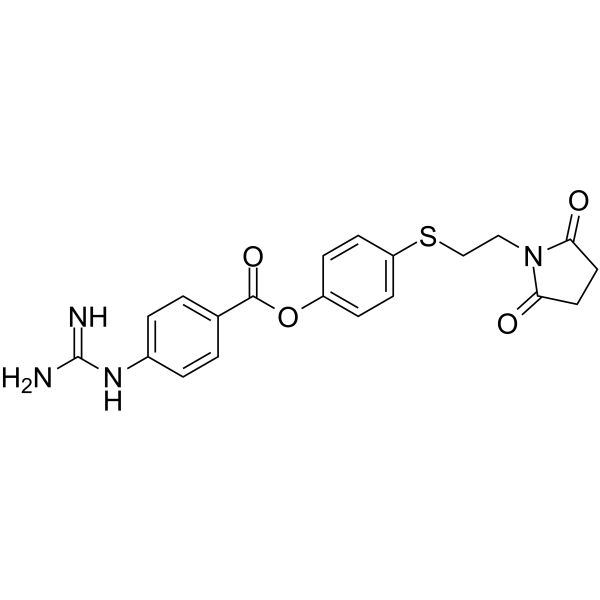
    BC-11 hydrobromide is a selective TMPRSS2 inhibitor (TMPRSS2 is a key host cellular factor for viral entry and SARS-CoV-2 pathogenesis), and a selective urokinase (uPA) inhibitor (IC50=8.2 μM). BC-11 hydrobromide is cytotoxic to triple-negative MDA-MB231 breast cancer cells. BC-11 hydrobromide is used in research on viral infections and cancer .
    BC-11 hydrobromide
  • HY-160783

    HuR Cancer
    SRI-43265 (compound 40) is an inhibitor of human antigen R protein (HuR) dimerization, and HuR multimers have been implicated in cancer and inflammatory pathogenesis .
    SRI-43265
  • HY-171160

    SARS-CoV Infection
    WYFA-15 is a sphingomyelin synthase 1 (SMS1) inhibitor that protects mice against lethal SFTSV infection and reduce SARS-CoV-2 replication and pathogenesis. WYFA-15 can be utilized in anti-virus research .
    WYFA-15
  • HY-153484A

    VEGFR Small Interfering RNA (siRNA) Others
    Bevasiranib sodium is a siRNA designed to silence the genes that produce vascular endothelial growth factor (VEGF). It is widely accepted that vascular endothelial growth factor (VEGF) is a key component in the pathogenesis of choroidal neo-vascularization (CNV), which is a precursor to wet age-related macular degeneration (wet AMD).
    Bevasiranib sodium
  • HY-176892

    Src Neurological Disease
    Papaveroline is an orally active Fyn tyrosine kinase inhibitor. Papaveroline stably binds to the active site of Fyn tyrosine kinase via hydrogen bonding and hydrophobic interactions, thereby inhibiting kinase activity associated with the pathogenesis of Alzheimer's disease. Papaveroline can be used for the research of Alzheimer's disease .
    Papaveroline
  • HY-P1143A

    GCGR Metabolic Disease
    [Des-His1,Glu9]-Glucagon amide TFA is a potent and peptide antagonist of the glucagon receptor, with a pA2 of 7.2. [Des-His1,Glu9]-Glucagon amide TFA is potentially useful in the study of the pathogenesis of diabetes .
    [Des-His1,Glu9]-Glucagon amide TFA
  • HY-148443

    Eukaryotic Initiation Factor (eIF) Cancer
    eIF4A3-IN-9 is a Rocaglate analog. eIF4A3-IN-9 interferes with the assembly of the eIF4F translation complex, with EC50 values of 29 and 450 nM against myc-LUC and tub-LUC, respectively. eIF4A3-IN-9 can be used for the research of tumor pathogenesis .
    eIF4A3-IN-9
  • HY-148446

    Eukaryotic Initiation Factor (eIF) Cancer
    eIF4A3-IN-12 (compound 62) is a Silvestrol (HY-13251) analogue. eIF4A3-IN-12 interferes the assembling of eIF4F translation complex with EC50s of 4, 70 and 5 nM for myc-LUC, tub-LUC and the growth inhibition for MBA-MB-231 cells. eIF4A3-IN-12 can be used for the research of human cancer pathogenesis .
    eIF4A3-IN-12
  • HY-148452

    Eukaryotic Initiation Factor (eIF) Cancer
    eIF4A3-IN-18 (compound 74) is a Silvestrol (HY-13251) analogue. eIF4A3-IN-18 interferes the assembling of eIF4F translation complex with EC50 values of 0.8, 35 and 2 nM for myc-LUC, tub-LUC and the growth inhibition for MBA-MB-231 cells. eIF4A3-IN-18 also has cytotoxicity to RMPI-8226 cells with an LC50 of 0.06 nM. eIF4A3-IN-18 can be used for the research of human cancer pathogenesis .
    eIF4A3-IN-18
  • HY-126386A

    Biochemical Assay Reagents Others
    Pectinase, aspergillus acne is a mixed enzymes that hydrolyze pectic substances, it mostly presents in microorganisms and higher plants. Pectinase is involved in the metabolism of the cell wall as well as in the growth of the cell, senescence, ripening of fruits, pathogenesis and abscission process .
    Pectinase, aspergillus acne
  • HY-P1143

    GCGR Metabolic Disease
    [Des-His1,Glu9]-Glucagon amide is a potent and peptide antagonist of the glucagon receptor, with a pA2 of 7.2. [Des-His1,Glu9]-Glucagon amide is potentially useful in the study of the pathogenesis of diabetes .
    [Des-His1,Glu9]-Glucagon amide
  • HY-148444

    Eukaryotic Initiation Factor (eIF) Cancer
    eIF4A3-IN-10 (compound 58) is a Silvestrol (HY-13251) analogue. eIF4A3-IN-10 interferes the assembling of eIF4F translation complex with EC50s of 35 and 100 nM for myc-LUC and the growth inhibition for MBA-MB-231 cells. eIF4A3-IN-10 can be used for the research of human cancer pathogenesis .
    eIF4A3-IN-10
  • HY-B1118R

    RP-14539 (Standard); PM-185184 (Standard)

    Reference Standards Bacterial Parasite Infection
    Secnidazole (Standard) is the analytical standard of Secnidazole. This product is intended for research and analytical applications. Secnidazole (RP-14539) is an orally active azole antibiotic and a imidazole mitigator of Serratia marcescens virulence. Secnidazole, as an analog of acylhomoserine lactones, effectively inhibits QS resulting in the attenuation of Pseudomonas aeruginosa pathogenesis. Secnidazole has antimicrobial activity against many anaerobic Gram-negative and Gram-positive bacterial species in vitro. Secnidazole can be used for the research of various diseases, such as amoebiasis and giardiasis, and bacterial vaginitis .
    Secnidazole (Standard)
  • HY-113066AR

    GDP disodium salt (Standard)

    Hepcidin Endogenous Metabolite Potassium Channel Reference Standards Neurological Disease Inflammation/Immunology Cancer
    Guanosine 5'-diphosphate (disodium salt) (Standard) is the analytical standard of Guanosine 5'-diphosphate (disodium salt). This product is intended for research and analytical applications. Guanosine 5'-diphosphate (GDP) disodium salt, a purine nucleoside diphosphate, is interconverted to guanosine by the action of exonucleotidase and phosphorylation of nucleoside to guanine. Guanosine 5'-diphosphate disodium salt activates adenosine 5'-triphosphate-sensitive K+ channel and is used to study the kinetics and characteristics of GTPases such as those associated with G-protein coupled receptors (GPCR). Guanosine 5'-diphosphate disodium salt is a potential iron mobilizer, which prevents the Hepcidin (HY-P70400)-ferroportin interaction and modulates the interleukin-6 (IL-6)/stat-3 pathway. Elevated levels of guanosine 5’-diphosphate are associated with the pathogenesis of neurological diseases. Guanosine 5'-diphosphate disodium salt is promising for the research of inflammation, such as anemia of inflammation (AI) .
    Guanosine 5'-diphosphate disodium salt (Standard)
  • HY-157639A

    Others Cardiovascular Disease
    18:2 Lyso PA sodium is an unsaturated lysophosphatidic acid (LysoPA), a lipid mediator mainly present in plasma and thought to be involved in the pathogenesis of acute coronary syndrome (ACS). 18:2 Lyso PA sodium significantly correlates with serum autotaxin (ATX) in peripheral arteries .
    18:2 Lyso PA sodium
  • HY-W009390S

    Endogenous Metabolite Metabolic Disease
    DL-Homocystine-3,3,3’,3’,4,4,4’,4’-d8 is the deuterium labeled DL-Homocystine. DL-Homocystine is the double-bonded form of homocysteine and homocysteine is recognized as an important substance in the pathogenesis and pathophysiology of schizophrenia .
    DL-Homocystine-3,3,3’,3’,4,4,4’,4’-d8
  • HY-145119S

    VV116 free base; GS-621763-d1

    Isotope-Labeled Compounds Others
    GS-621763-d1 is the deuterium labeled GS-621763 (HY-145119) . GS-621763, an orally bioavailable proagent of GS-441524, shows antiviral activity against SARS-CoV-2 pathogenesis in mice .
    Mindeudesivir
  • HY-121252A

    α-synuclein Apoptosis Drug Metabolite Neurological Disease
    Dopal (purity>80%) is a metabolite and aldehyde neurotoxin of Dopamine (HY-B0451). Dopal (purity>80%) exhibits cytotoxicity, induces α-synuclein oligomerization and aggregation, and is closely associated with the pathogenesis of Parkinson's disease. Dopal (purity>80%) can be used in research related to Parkinson's disease .
    Dopal (purity>80%)
  • HY-P1363S

    Amyloid β-peptide-15N (1-42) (human) TFA

    Amyloid-β Neurological Disease
    β-Amyloid- 15N (1-42), human (TFA) is the 15N-labledβ-Amyloid (1-42) (TFA). β-Amyloid (1-42), human TFA (Amyloid β-Peptide (1-42) (human) TFA) is a 42-amino acid peptide which plays a key role in the pathogenesis of Alzheimer disease .
    β-Amyloid-15N (1-42), human TFA
  • HY-113456S

    Drug Metabolite Endogenous Metabolite Cardiovascular Disease Inflammation/Immunology
    Leukotriene D4-d5 is the deuterium labeled Leukotriene D4. Leukotriene D4 is one of the constituents of slow-reacting substance of anaphylaxis (SRS-A) produced by the metabolism of LTC4 by γ-glutamyl transpeptidase. Leukotriene D4 is the first cysteinyl-leukotriene metabolite of LTC4. Leukotriene D4-induced bronchoconstriction and enhanced vascular permeability contribute to the pathogenesis of asthma and acute hypersensitivity.
    Leukotriene D4-d5

Inquiry Online

Your information is safe with us. * Required Fields.

Salutation


Country or Region *

Applicant Name *


Organization Name *

Department *


Email Address *


Product Name *

Cat. No.


Requested quantity *

Phone Number *


Remarks

Inquiry Online

Inquiry Information

Product Name:
Cat. No.:
Quantity:
MCE Japan Authorized Agent:

