1. Search Result
Search Result
Results for "

performic acid

" in MedChemExpress (MCE) Product Catalog:

74

Inhibitors & Agonists

6

Bibliothèques de criblage

10

Fluorescent Dyes

10

Biochemical Assay Reagents

5

Peptides

2

Kits MCE

5

Natural
Products

2

Isotope-Labeled Compounds

12

Click Chemistry

2

Oligonucleotides

Cat. No. Nom du produit Target Áreas de investigación Chemical Structure
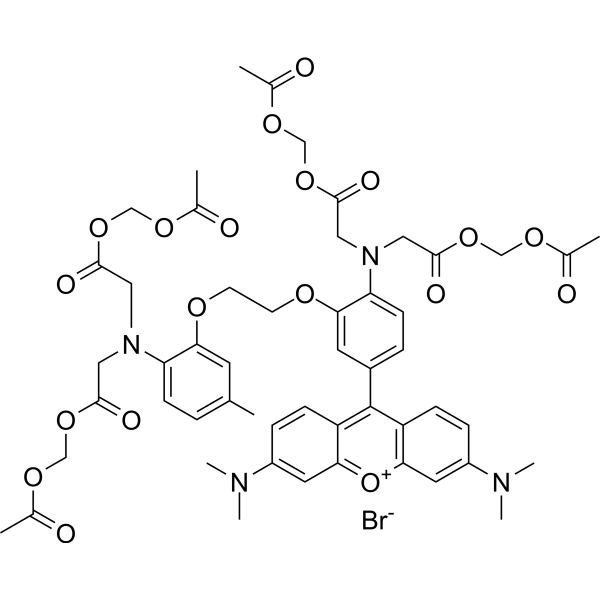
  • HY-D0989
    Rhod-2 AM
    30+ Cited Publications

    Fluorescent Dye Others
    Rhod-2 is a high-affinity visible light excitation wavelength Ca 2+ fluorescent probe, Rhod-2, AM is an acetyl methyl ester derivative of Rhod-2, which has cell membrane permeability and can easily enter cells with simple culture. Once it enters the cell, it is sheared by its lactesterase to produce Rhod-2 without membrane permeability, which remains in the cell to perform the corresponding physiological functions. Maximum excitation/emission wavelength: 549/578 nm .
    Rhod-2 AM
  • HY-100486
    BTTAA
    2 Publications Verification

    Biochemical Assay Reagents Others
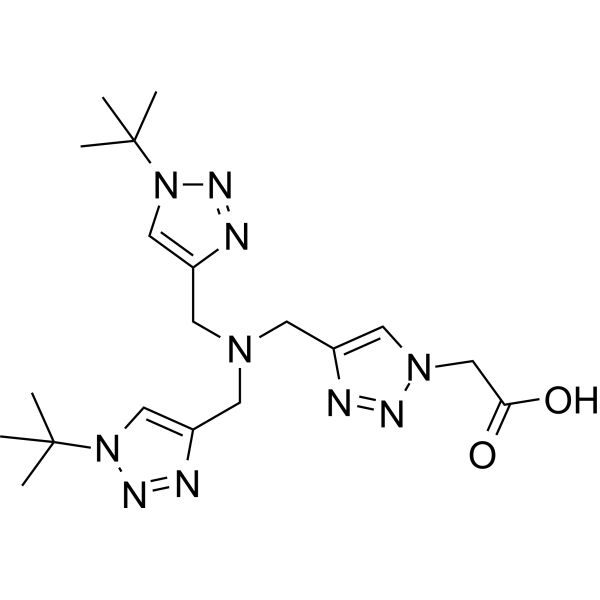
    BTTAA is a Cu(I)-stabilizing ligand, whch performs potently with ubiquitin Glu18AzF.
    BTTAA
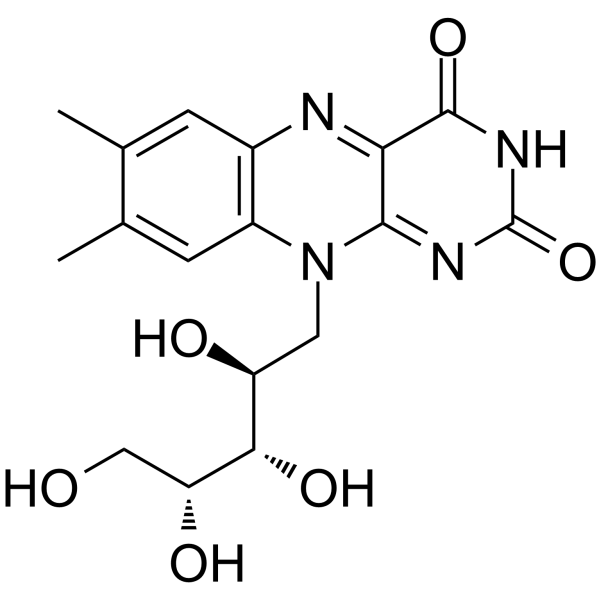
  • HY-B0456
    Riboflavin
    5+ Cited Publications

    Vitamin B2; E101

    Environmental Pollutants Endogenous Metabolite Bacterial Metabolic Disease Cancer
    Riboflavin, an orally active and easily absorbed micronutrient, is a precursor of flavin mononucleotide (FMN) and flavin adenine dinucleotide (FAD), which serve as coenzymes for numerous enzymatic reactions and perform key metabolic functions by mediating the transfer of electrons in biological oxidation-reduction reaction .
    Riboflavin
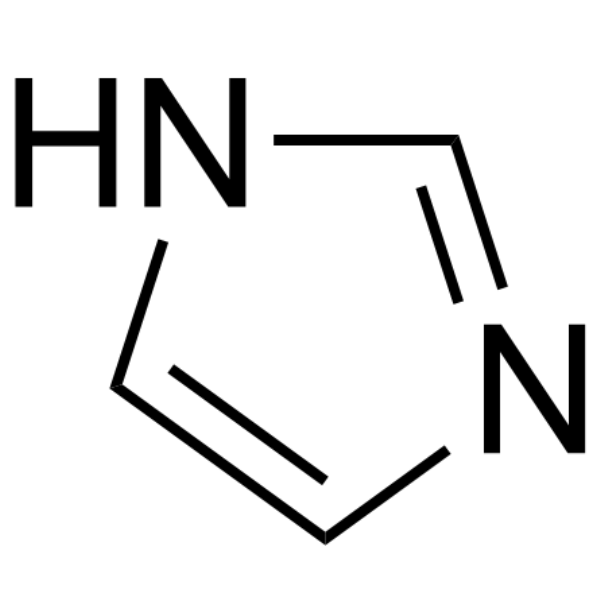
  • HY-D0837
    Imidazole
    2 Publications Verification

    Glyoxaline; 1,3-Diaza-2,4-cyclopentadiene

    MOFs Ser/Thr Protease Thrombopoietin Receptor Neurological Disease Inflammation/Immunology
    Imidazole (Glyoxaline; 1,3-Diaza-2,4-cyclopentadiene) is a heterocyclic aromatic compound. Imidazole bearing molecules have been used as corrosion, acetylcholinesterase (AChEI) and xanthine oxidase (XO) inhibitors, performing biological activities such as antifungal, antituberculosis, anti-inflammatory, antioxidant, and analgesic, amongst many others. Imidazole inhibits the enzymatic conversion of the endoperoxides (PGG2 and PGH2) to thromboxane A2 by platelet microsomes. Imidazole derivatives exhibits inhibition on SARS-CoV-2 3CL Pro enzyme, which is promising for research in the field of Alzheimer’s disease, gout, COVID-19 and thrombo-embolic disease .
    Imidazole
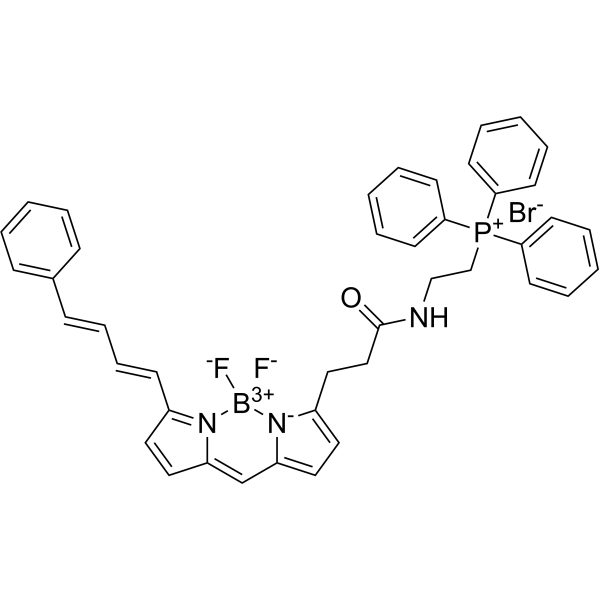
  • HY-125623
    MitoPerOx
    3 Publications Verification

    Fluorescent Dye Others
    MitoPerOx is a mitochondrial-targeted, lipid peroxidation-indicating fluorescent probe with BODIPY581/591 fluorophores. The triphenylphosphine cation (TPP+) of MitoPerOx can be selectively enriched in mitochondria (depending on membrane potential) and can be used to detect lipid peroxidation in the inner mitochondrial membrane. Under the action of lipid peroxides, the BODIPY581/591 fluorophores of MitoPerOx shift their emission wavelength from 590 nm (reduced state) to 520 nm (oxidized state), and ratiometric detection can be performed at an excitation wavelength of 488 nm. MitoPerOx can specifically monitor the peroxidation of mitochondrial phospholipids (especially cardiolipin) and is used in the study of oxidative stress-related diseases (such as aging, neurodegenerative diseases, and mitochondrial dysfunction)[1][2].
    MitoPerOx
  • HY-101867
    AU1235
    3 Publications Verification

    Bacterial Infection Cancer
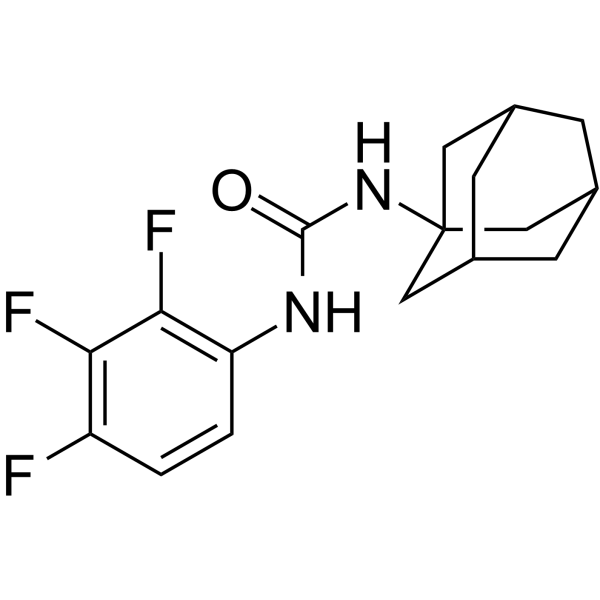
    AU1235, an adamantyl urea, is a potent MmpL3 inhibitor. The Mycobacterium tuberculosis protein MmpL3 performs an essential role in cell wall synthesis, since it effects the transport of trehalose monomycolates across the inner membrane .
    AU1235
  • HY-123275A
    H-D-Phe-Pip-Arg-pNA hydrochloride
    1 Publications Verification

    S-2238 hydrochloride

    Fluorescent Dye Others
    H-D-Phe-Pip-Arg-pNA (S-2238) hydrochloride, a chromogenic substrate, is patterned after the N-terminal portion of the A alpha chain of fibrinogen, which is the natural substrate of thrombin. H-D-Phe-Pip-Arg-pNA hydrochloride is specific for thrombin and is used to measure antithrombin-heparin cofactor (AT-III). The AT-III assay using H-D-Phe-Pip-Arg-pNA hydrochloride is sensitive, accurate, and easy to perform .
    H-D-Phe-Pip-Arg-pNA hydrochloride
  • HY-123275B
    H-D-Phe-Pip-Arg-pNA acetate
    1 Publications Verification

    S-2238 acetate

    Fluorescent Dye Others
    H-D-Phe-Pip-Arg-pNA (S-2238) acetate, a chromogenic substrate, is patterned after the N-terminal portion of the A alpha chain of fibrinogen, which is the natural substrate of thrombin. H-D-Phe-Pip-Arg-pNA acetate is specific for thrombin and is used to measure antithrombin-heparin cofactor (AT-III). The AT-III assay using H-D-Phe-Pip-Arg-pNA acetate is sensitive, accurate, and easy to perform .
    H-D-Phe-Pip-Arg-pNA acetate
  • HY-W090940

    ADC Linker Cancer
    H-Gly-Gly-Phe-OH is a tripeptide linker that may be used in the creation of antibody drug conjugates (ADCs). The N-terminal of the glycine tripeptide is free to perform a variety of reactions such as couplings with carboxylic acids or NHS esters.
    H-Gly-Gly-Phe-OH
  • HY-NP0194A

    Complement System Cardiovascular Disease Infection Neurological Disease Metabolic Disease Inflammation/Immunology
    C1q Protein (mouse) is a complement protein and is a recognition molecule of the classical pathway, performs a diverse range of complement and non-complement functions. C1q Protein (mouse) binds various ligands derived from self, non-self, and altered self and modulate the functions of immune
    and non-immune cells. C1q Protein (mouse) can be used for the research of mutiple disease .
    C1q Protein (mouse)
  • HY-W110927

    Biochemical Assay Reagents Fluorescent Dye Others
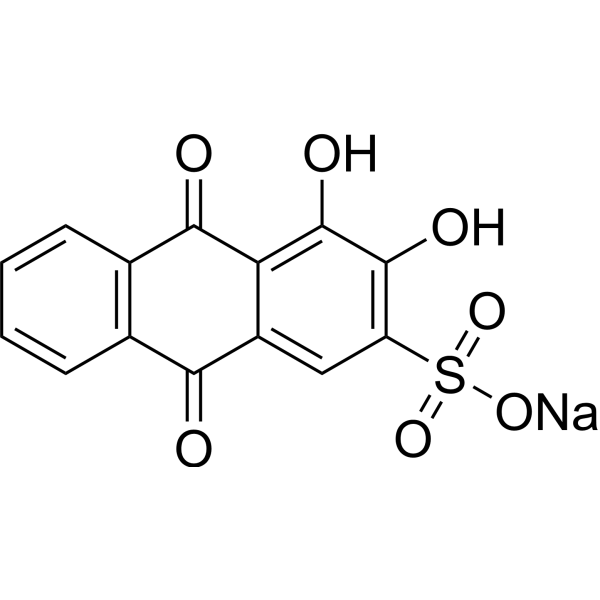
    Alizarin red S indicator (C.I. 58005) is a reductively active (quinone-based) anthraquinone dye that forms complexes with metal ions (such as zirconium, calcium) or boric acid to label calcium deposition and perform electrochemical sensing functions. Alizarin Red S undergoes reversible redox reactions (for electrochemical detection) and irreversible chelation (for bone staining). Alizarin Red S is mainly used in bone metabolism research (labeling mineralized tissue), sugar detection (boric acid-sugar competition system) and metal ion sensing (such as zirconium ion detection), and can be used in osteoporosis and metabolic disease research .
    Alizarin Red S Indicator (4.3-6.3), IND
  • HY-N7393

    Palatinitol

    Environmental Pollutants Lactate Dehydrogenase Metabolic Disease
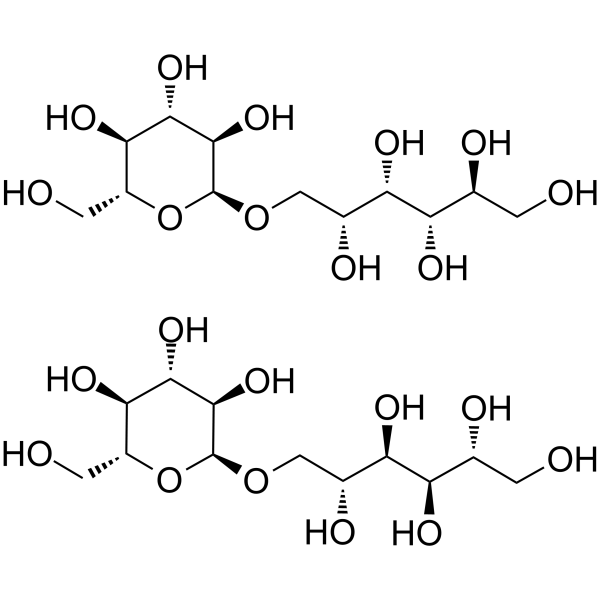
    Isomalt (Palatinitol), a well-tolerated, non-toxic polyol and a protein-stabilizing excipient, stabilizes lactate dehydrogenase (LDH) moderately during freeze-drying, and performs better during storage. Isomalt is traditionally used as a sweetening agent in the food industry and as a tabletting excipient for pharmaceutical purposes .
    Isomalt
  • HY-DY1020

    Fluorescent Dye Others
    Rhod-2 (solution) is a high-affinity visible light excitation wavelength Ca 2+ fluorescent probe, Rhod-2, AM is an acetyl methyl ester derivative of Rhod-2, which has cell membrane permeability and can easily enter cells with simple culture. Once it enters the cell, it is sheared by its lactesterase to produce Rhod-2 without membrane permeability, which remains in the cell to perform the corresponding physiological functions. Maximum excitation/emission wavelength: 549/578 nm .
    Solvent and concentration: DMSO: 1 mM
    Rhod-2 AM (solution)
  • HY-DY1073

    Fluorescent Dye Others
    MitoPerOx (solution) is a mitochondrial-targeted, lipid peroxidation-indicating fluorescent probe with BODIPY581/591 fluorophores. The triphenylphosphine cation (TPP+) of MitoPerOx can be selectively enriched in mitochondria (depending on membrane potential) and can be used to detect lipid peroxidation in the inner mitochondrial membrane. Under the action of lipid peroxides, the BODIPY581/591 fluorophores of MitoPerOx shift their emission wavelength from 590 nm (reduced state) to 520 nm (oxidized state) , and ratiometric detection can be performed at an excitation wavelength of 488 nm. MitoPerOx can specifically monitor the peroxidation of mitochondrial phospholipids (especially cardiolipin) and is used in the study of oxidative stress-related diseases (such as aging, neurodegenerative diseases, and mitochondrial dysfunction) .
    Solvent and concentration: DMSO: 2 mM
    MitoPerOx (solution)
  • HY-160250

    Fluorescent Dye UGT Metabolic Disease
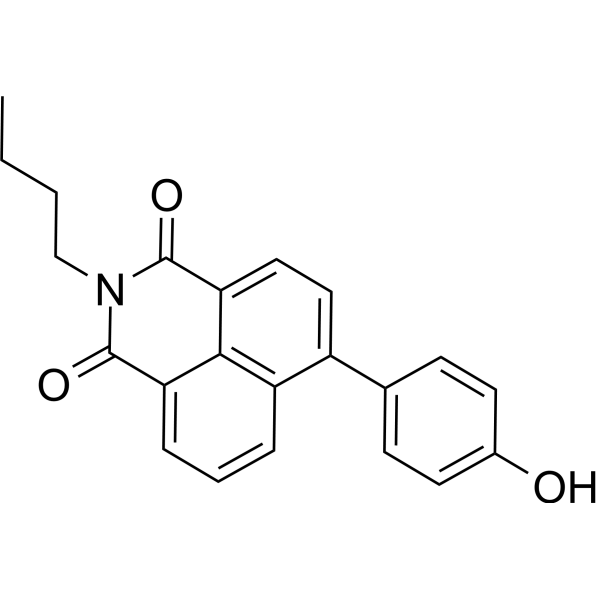
    UGT1A1-IN-1 is a UGT1A1 inhibitor and fluorescent probe (Ex=370 nm, Em=520 nm), with an IC50 of 1.33 μM and a Ki of 5.02 μM. UGT1A1-IN-1 is selectively glucuronidated by UGT1A1 at the bilirubin homologous binding site, and its PET effect is blocked along with this reaction, triggering fluorescence changes. UGT1A1-IN-1 can serve as a substitute for bilirubin to detect UGT1A1 activity and perform high-throughput screening of UGT1A1 modulators .
    UGT1A1-IN-1
  • HY-NP0147
    Wheat Germ Agglutinin (Fluorescein)
    1 Publications Verification

    WGA (Fluorescein)

    Fluorescent Dye Infection Neurological Disease
    Wheat Germ Agglutinin (WGA) Fluorescein is a classic fluorescent label that specifically binds to sugar residues such as N-acetylglucosamine, N-acetylneuraminic acid and sialic acid. Wheat Germ Agglutinin Fluorescein performs regionally differential fluorescent staining of the ocular surface epithelial glycocalyx to assess its integrity, and causes no damage to the eye at safe concentrations. Wheat Germ Agglutinin Fluorescein is also used for staining structures including red blood cells, cultured cells, bacteria and pine wood nematodes, and facilitates the isolation of wheat-associated plant-growth-promoting rhizobacterial strains. Wheat Germ Agglutinin Fluorescein can be applied to the detection of ocular glycocalyx integrity and the research of related diseases such as pine wilt disease .
    Wheat Germ Agglutinin (Fluorescein)
  • HY-W012218

    (±)-10-Camphorsulfonic acid

    Biochemical Assay Reagents Others
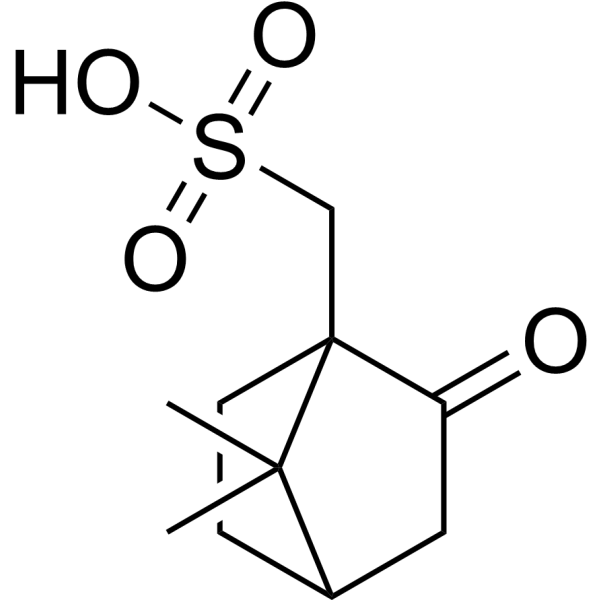
    (±)-Camphor-10-sulfonic acid is a racemate of Camphor-10-sulfonic acid. (±)-Camphor-10-sulfonic acid can be used as an organocatalyst in performing a huge array of organic transformations .
    (±)-Camphor-10-sulfonic acid
  • HY-157006

    ADC Linker Cancer
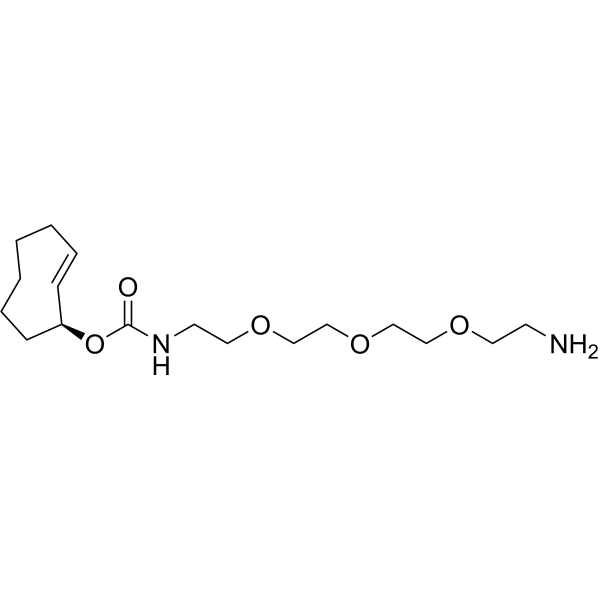
    (S)-TCO-PEG3-NH2 is an ADC linker containing 3 PEG units. (S)-TCO-PEG3-NH2 can use its own TCO group to perform the inverse electron demand Diels-Alder reaction (iEDDA) with molecules with Tetrazine groups.
    (S)-TCO-PEG3-NH2
  • HY-B0456R
    Riboflavin (Standard)
    1 Publications Verification

    Vitamin B2 (Standard); E101 (Standard)

    Reference Standards Endogenous Metabolite Bacterial Metabolic Disease Cancer
    Riboflavin (Standard) is the analytical standard of Riboflavin. This product is intended for research and analytical applications. Riboflavin, an orally active and easily absorbed micronutrient, is a precursor of flavin mononucleotide (FMN) and flavin adenine dinucleotide (FAD), which serve as coenzymes for numerous enzymatic reactions and perform key metabolic functions by mediating the transfer of electrons in biological oxidation-reduction reaction .
    Riboflavin (Standard)
  • HY-E70011

    Biochemical Assay Reagents Others
    Levanase is a slime-dissolving enzyme of Rhodotorula species. Levanase performs random hydrolysis of β-2,6 fructofuranosyl linkages in β-2,6 fructans containing more than 3 fructose units .
    Levanase
  • HY-137640A

    PKA Inflammation/Immunology
    Sp-8-Br-cAMPS sodium is a cAMP analog, which performs a protein kinase A (PKA) activating activity with EC50 of 360 nM. Sp-8-Br-cAMPS sodium inhibits proliferation of T cells and the haemocyte non-self response in Lepidoptera larve .
    Sp-8-Br-cAMPS sodium
  • HY-139149

    Histone Acetyltransferase Cancer
    NiCur is a potent and selective CBP histone acetyltransferase (HAT) inhibitor with an IC50 value of 0.35 μΜ. NiCur, which blocks CBP HAT activity and downregulates p53 activation upon genotoxic stress. NiCur can be used for performing mechanistic studies without affecting the expression of target proteins .
    NiCur
  • HY-NP0194C

    Complement System Inflammation/Immunology
    C1q Protein (rat) is a complement protein and is a recognition molecule of the classical pathway, performs a diverse range of complement and non-complement functions. C1q Protein (rat) binds various ligands derived from self, non-self, and altered self and modulate the functions of immune
    and non-immune cells. C1q Protein (rat) can be used for the research of mutiple disease .
    C1q Protein (rat)
  • HY-P11057

    Fluorescent Dye Others
    FGGH is a water-soluble peptide-based probe. FGGH performs the sequential detection of Cu 2+ and S 2- by fluorescence and colorimetry with high sensitivity (LOD: 1.42 and 22.2 nM for Cu 2+ and S 2-, respectively) (Ex=488 nm, Em=525 nm), and images both two ions in living cells and zebrafish models with low cytotoxicity. FGGH can be used for in vivo imaging and environmental pollution monitoring research .
    FGGH
  • HY-123275C

    S-2238 dihydrochloride

    Fluorescent Dye Others
    H-D-Phe-Pip-Arg-pNA (S-2238) dihydrochloride, a chromogenic substrate, is patterned after the N-terminal portion of the A alpha chain of fibrinogen, which is the natural substrate of thrombin. H-D-Phe-Pip-Arg-pNA dihydrochloride is specific for thrombin and is used to measure antithrombin-heparin cofactor (AT-III). The AT-III assay using H-D-Phe-Pip-Arg-pNA dihydrochloride is sensitive, accurate, and easy to perform .
    H-D-Phe-Pip-Arg-pNA dihydrochloride
  • HY-W012166

    NHS-Bromoacetate

    Biochemical Assay Reagents Infection
    N-Succinimidyl bromoacetate (NHS-Bromoacetate) is a heterobifunctional crosslinking reagent, mainly used to modify the ɛ-amino group of lysine side chains. By covalently linking its bromoacetyl moiety to the ɛ-amino group of lysine in peptidomimetics, N-Succinimidyl bromoacetate enables their conjugation with thiol-modified nanoparticles via thioether bonds. N-Succinimidyl bromoacetate also performs bromoacetylation modification on carrier proteins, which then forms stable thioether bonds with the thiol groups of cysteine in peptides, thus efficiently preparing soluble peptide-protein conjugates with high substitution ratios. N-Succinimidyl bromoacetate can be used to prepare activated Sepharose derivatives for affinity chromatography, protein affinity labeling reagents, and peptide-protein immunogen conjugates with non-immunogenic linkages. N-Succinimidyl bromoacetate is applicable to studies related to HIV-1 infection and glioblastoma multiforme .
    N-Succinimidyl bromoacetate
  • HY-123275
    H-D-Phe-Pip-Arg-pNA
    1 Publications Verification

    S-2238

    Fluorescent Dye Others
    H-D-Phe-Pip-Arg-pNA (S-2238), a chromogenic substrate, is patterned after the N-terminal portion of the A alpha chain of fibrinogen, which is the natural substrate of thrombin. H-D-Phe-Pip-Arg-pNA is specific for thrombin and is used to measure antithrombin-heparin cofactor (AT-III). The AT-III assay using H-D-Phe-Pip-Arg-pNA is sensitive, accurate, and easy to perform .
    H-D-Phe-Pip-Arg-pNA
  • HY-101218

    N-(+)-Biotinyl-6-aminohexanoic acid

    Sialyltransferase Others
    N-Biotinyl-6-aminohexanoic acid (N-(+)-Biotinyl-6-aminohexanoic acid) can be used to perform biotinylation .
    N-Biotinyl-6-aminohexanoic acid
  • HY-B0456S5

    Vitamin B2-d8 ; E101-d8

    Isotope-Labeled Compounds Bacterial Endogenous Metabolite Metabolic Disease Cancer
    Riboflavin-d8 (Vitamin B2-d8 ) is deuterium labeled Riboflavin. Riboflavin, an orally active and easily absorbed micronutrient, is a precursor of flavin mononucleotide (FMN) and flavin adenine dinucleotide (FAD), which serve as coenzymes for numerous enzymatic reactions and perform key metabolic functions by mediating the transfer of electrons in biological oxidation-reduction reaction .
    Riboflavin-d8
  • HY-155322

    Fluorescent Dye Others
    Cy3-PEG2-TCO is a dye derivative of Cyanine 3 (Cy3) (HY-D0822) containing 2 PEG units. Cy3-PEG2-TCO can use its own TCO group to perform an inverse electron demand Diels-Alder reaction (iEDDA) with molecules with Tetrazine groups.
    Cy3-PEG2-TCO
  • HY-W391641

    Biochemical Assay Reagents Endogenous Metabolite
    F8BT is a polymer material with excellent photoelectric properties. F8BT is widely used in organic light-emitting diodes (OLEDs) and organic solar cells (PLEDs), and can effectively improve the luminous efficiency and energy conversion efficiency of the devices. The structure of F8BT makes it perform well in photoelectric conversion and electron transport, making it an important object of modern electronic material research.
    F8BT
  • HY-E70675

    CDK Cancer
    CDK20 is a major controller of cell cycle checkpoints, which regulate cell growth and proliferation and perform a role in the development of many malignancies. CDK20 is thought to have Cyclin-dependent activating kinase (CAK) activity for CDK2 when it is complexed with Cyclin H. CDK20/CycH Recombinant Human Active Protein Kinase can be used to study the function of CDK20/CycH .
    CDK20/CycH Recombinant Human Active Protein Kinase
  • HY-178969

    FAK Pyk2 Apoptosis Neurological Disease Cancer
    GZD-257 is a brain-penetrant, ATP-competitive FAK inhibitor (IC50 = 14.3 nM), performing 4.77-fold selectivity with FAK to Pyk2 (IC50 = 68.2 nM). GZD-257 can significantly induce apoptosis of U118MG cells and arrest the cell cycle at the G2/M phase. GZD-257 can be used for the study of Glioblastoma (GBM) .
    GZD-257
  • HY-N3887

    Haplophytin B; Haplophytine B

    Bacterial Infection
    Evoxine (Haplophytin B) is a compound that selectively inhibits CO2-induced immunosuppression and has activity in inhibiting the expression of interleukin-6 and chemokine CCL2 in human THP-1 macrophages. Evoxine shows antimicrobial activity against a wide range of bacteria, especially performing well in minimum inhibitory concentration (MIC) tests against Escherichia coli, Bacillus subtilis, and Staphylococcus aureus. Evoxine extracts may find application in crude drug preparations in West Africa, provided that their in vivo toxicity results are negative .
    Evoxine
  • HY-D0837R

    Glyoxaline (Standard); 1,3-Diaza-2,4-cyclopentadiene (Standard)

    Xanthine Oxidase Reference Standards Ser/Thr Protease Thrombopoietin Receptor Neurological Disease Inflammation/Immunology
    Imidazole (Standard) is the analytical standard of Imidazole. This product is intended for research and analytical applications. Imidazole (Glyoxaline; 1,3-Diaza-2,4-cyclopentadiene) is a heterocyclic aromatic compound. Imidazole bearing molecules have been used as corrosion, acetylcholinesterase (AChEI) and xanthine oxidase (XO) inhibitors, performing biological activities such as antifungal, antituberculosis, anti-inflammatory, antioxidant, and analgesic, amongst many others. Imidazole inhibits the enzymatic conversion of the endoperoxides (PGG2 and PGH2) to thromboxane A2 by platelet microsomes. Imidazole derivatives exhibits inhibition on SARS-CoV-2 3CLPro enzyme, which is promising for research in the field of Alzheimer’s disease, gout, COVID-19 and thrombo-embolic disease .
    Imidazole (Standard)
  • HY-174499

    mRNA Others
    Cas9 Nickase D10A mRNA expresses a version of the Streptococcus pyogenes SF370 Cas9 protein (CRISPR Associated Protein 9) that contains a D10A amino acid substitution. This mRNA also contains a C-terminal nuclear localization signal followed by a HA tag.Cas9 functions as part of the CRISPR (clustered regularly interspaced short palindromic repeats) genome editing system. In the CRISPR system, an RNA guide sequence targets the site of interest and the Cas9 protein is employed to perform the DNA cleavage. While wild-type Cas9 creates a double-stranded break at the target site, Cas9 nickase creates a single-stranded break. This favors homology-directed repair and decreases the occurrence of non-homologous end joining.
    Cas9 Nickase D10A mRNA (5moU)
  • HY-124127

    Parasite Others
    Allylpyrocatechol is a compound with antimalarial activity isolated from plants. Its antimalarial activity in vitro and in vivo has been verified, and structure-activity relationship analysis of its analogs has also been performed.
    Allylpyrocatechol
  • HY-141161B

    ADC Linker Cancer
    (R)-TCO-PEG8-acid is an ADC linker containing 8 PEG units. (R)-TCO-PEG8-acid can use its own TCO group to perform an inverse electron demand Diels-Alder reaction (iEDDA) with molecules with Tetrazine groups.
    (R,E)-TCO-PEG8-acid
  • HY-157008

    ADC Linker Cancer
    (S)-TCO-PEG2-Maleimide is an ADC linker containing 2 PEG units. (S)-TCO-PEG2-Maleimide can use its own TCO group to perform an inverse electron demand Diels-Alder reaction (iEDDA) with molecules with Tetrazine groups.
    (S)-TCO-PEG2-Maleimide
  • HY-141167B

    ADC Linker Cancer
    (S)-TCO-PEG4-NHS ester is an ADC linker containing 4 PEG units. (S)-TCO-PEG4-NHS ester can use its own TCO group to perform an inverse electron demand Diels-Alder reaction (iEDDA) with molecules with Tetrazine groups.
    (S)-TCO-PEG4-NHS ester
  • HY-141169B

    ADC Linker Cancer
    (R)-TCO-PEG8-NHS ester is an ADC linker containing 8 PEG units. (R)-TCO-PEG8-NHS ester can use its own TCO group to perform an inverse electron demand Diels-Alder reaction (iEDDA) with molecules with Tetrazine groups.
    (R,E)-TCO-PEG8-NHS ester
  • HY-141169A

    ADC Linker Cancer
    (S)-TCO-PEG8-NHS ester is an ADC linker containing 8 PEG units. (S)-TCO-PEG8-NHS ester can use its own TCO group to perform an inverse electron demand Diels-Alder reaction (iEDDA) with molecules with Tetrazine groups.
    (S,E)-TCO2-PEG8-NHS ester
  • HY-157003

    ADC Linker Cancer
    (S)-TCO-PEG2-NH2 is an ADC Linker containing 2 PEG units. (S)-TCO-PEG2-NH2 can use its own TCO group to perform an inverse electron demand Diels-Alder reaction (iEDDA) with molecules with Tetrazine groups.
    (S)-TCO-PEG2-NH2
  • HY-157007

    ADC Linker Cancer
    (S)-TCO-PEG7-NH2 is an ADC linker containing 7 PEG units. (S)-TCO-PEG7-NH2 can use its own TCO group to perform the inverse electron demand Diels-Alder reaction (iEDDA) with molecules with Tetrazine groups.
    (S)-TCO-PEG7-NH2
  • HY-W012218R

    (±)-10-Camphorsulfonic acid (Standard)

    Reference Standards Biochemical Assay Reagents Others
    (±)-Camphor-10-sulfonic acid (Standard) is the analytical standard of (±)-Camphor-10-sulfonic acid. This product is intended for research and analytical applications. (±)-Camphor-10-sulfonic acid is a racemate of Camphor-10-sulfonic acid. (±)-Camphor-10-sulfonic acid can be used as an organocatalyst in performing a huge array of organic transformations .
    (±)-Camphor-10-sulfonic acid (Standard)
  • HY-N7393R

    Palatinitol (Standard)

    Reference Standards Lactate Dehydrogenase Metabolic Disease
    Isomalt (Standard) is the analytical standard of Isomalt. This product is intended for research and analytical applications. Isomalt (Palatinitol), a well-tolerated, non-toxic polyol and a protein-stabilizing excipient, stabilizes lactate dehydrogenase (LDH) moderately during freeze-drying, and performs better during storage. Isomalt is traditionally used as a sweetening agent in the food industry and as a tabletting excipient for pharmaceutical purposes .
    Isomalt (Standard)
  • HY-137640

    PKA Others
    Sp-8-Br-cAMPS is an analog of cAMP(HY-B1511). Sp-8-Br-cAMPS is an agonist for cAMP, which performs a protein kinase A (PKA) activating activity with EC50 of 360 nM. Sp-8-Br-cAMPS inhibits proliferation of T cells and the haemocyte non-self response in Lepidoptera larve .
    Sp-8-Br-cAMPS
  • HY-155324

    Fluorescent Dye Others
    Cy3-PEG7-TCO is a dye derivative of Cyanine 3 (Cy3) (HY-D0822) containing 7 PEG units. Cy3-PEG7-TCO can use its own TCO group to perform an inverse electron demand Diels-Alder reaction (iEDDA) with molecules with Tetrazine groups.
    Cy3-PEG7-TCO
  • HY-172329

    Liposome Others
    Q1-ALC-0315 iodide is a cationic quaternary ammonium lipid derivative of the ionizable cationic lipid ALC-0315 (HY-138170). Q1-ALC-0315-based LNPs can be used for lung-targeted mRNA delivery, which demonstrates high-performing firefly luciferase protein expression in the lungs .
    Q1-ALC-0315 iodide
  • HY-155323

    Fluorescent Dye Others
    Cy3-PEG3-TCO is a dye derivative of Cyanine 3 (Cy3) (HY-D0822) containing 3 PEG units. Cy3-PEG3-TCO can use its own TCO group to perform an inverse electron demand Diels-Alder reaction (iEDDA) with molecules with Tetrazine groups.
    Cy3-PEG3-TCO

Demande en ligne

Your information is safe with us. * Required Fields.

Civilité


Country or Region *

Nom du demandeur *


Nom de l'organisation *

Department *


Adresse e-mail *


Nom du produit *

Cat. No.


Requested quantity *

Numéro de téléphone *


Remarques

Demande en ligne

Inquiry Information

Nom du produit:
Cat. No.:
Quantité:
MCE Japan Authorized Agent:

