1. Search Result
Search Result
Results for "

phosphorylating

" in MedChemExpress (MCE) Product Catalog:

306

Inhibitors & Agonists

4

Screening Libraries

7

Biochemical Assay Reagents

60

Peptides

7

Inhibitory Antibodies

52

Natural
Products

8

Isotope-Labeled Compounds

2

Click Chemistry

5

Oligonucleotides

Cat. No. Product Name Target Research Areas Chemical Structure
  • HY-10578
    PD 169316
    25+ Cited Publications

    p38 MAPK Autophagy Enterovirus Cancer
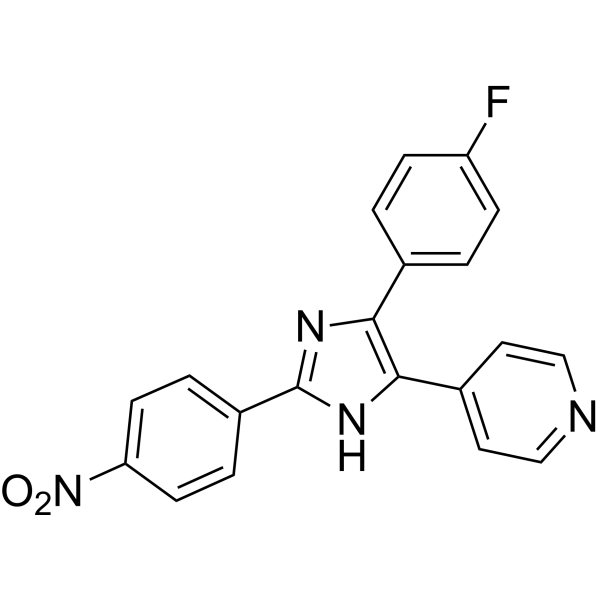
    PD 169316 is a potent, cell-permeable and selective p38 MAP kinase inhibitor, with IC50 of 89 nM. PD169316 selectively inhibits the kinase activity of the phosphorylated p38 without hindering upstream kinases to phosphorylate p38. PD169316 shows antiviral activity against Enterovirus71. PD169316 shows antiviral activity against Enterovirus71.
    PD 169316
  • HY-136270
    Gartisertib
    5 Publications Verification

    VX-803; M4344; ATR inhibitor 2

    ATM/ATR Cancer
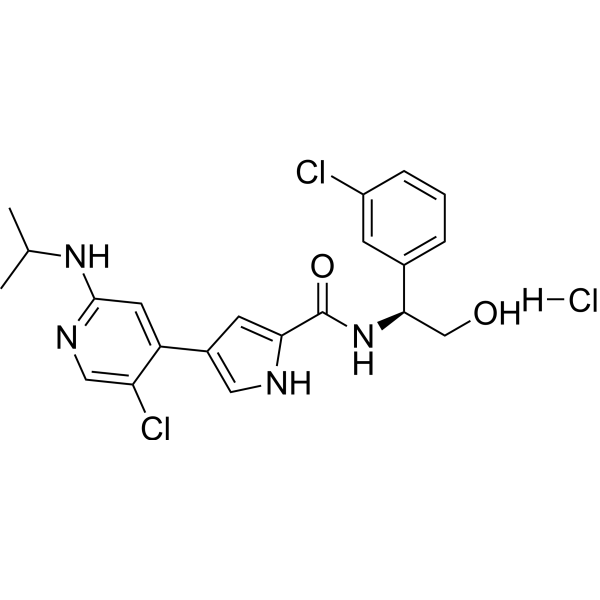
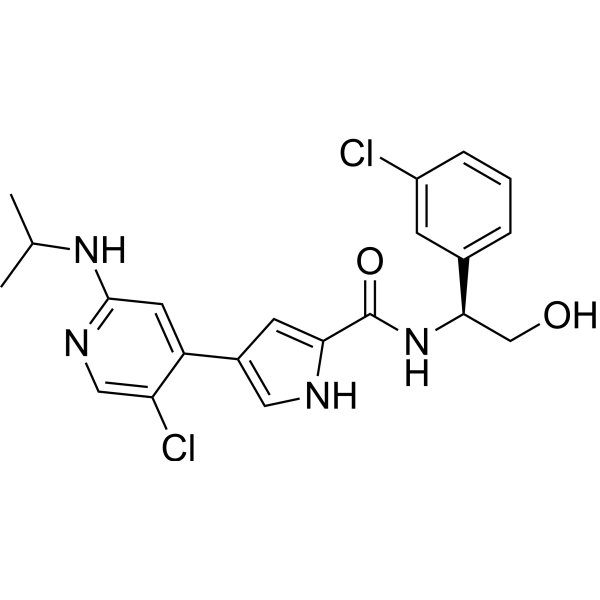
    Gartisertib (VX-803) is an ATP-competitive, orally active, and selective ATR inhibitor, with a Ki of <150 pM. Gartisertib potently inhibits ATR-driven phosphorylated checkpoint kinase-1 (Chk1) phosphorylation with an IC50 of 8 nM. Antitumor activity .
    Gartisertib
  • HY-P1975
    Aureobasidin A
    3 Publications Verification

    Basifungin

    Antibiotic Fungal Parasite Infection Inflammation/Immunology
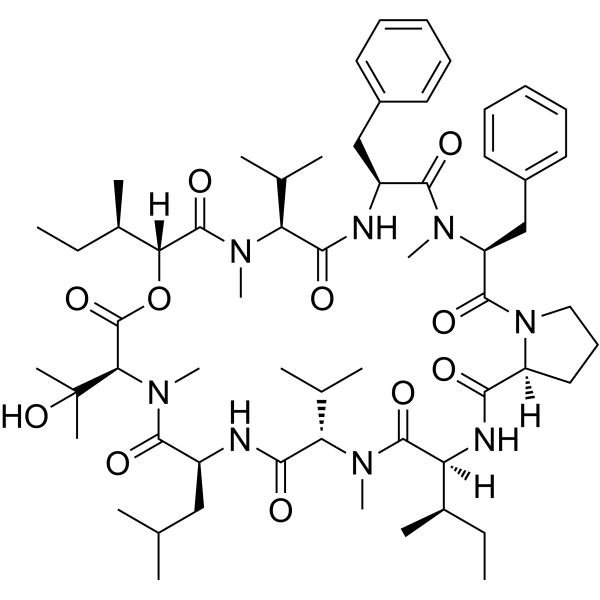
    Aureobasidin A (Basifungin) is a cyclic peptide antibiotic with oral activity. Aureobasidin A is an inhibitor of inositol phosphorylated ceramide synthetase AUR1. Aureobasidin A has antifungal and antiparasitic activity .
    Aureobasidin A
  • HY-W017540
    Cyclocreatine
    1 Publications Verification

    ATP Synthase Cardiovascular Disease Neurological Disease Metabolic Disease Cancer
    Cyclocreatine, a creatine analogue, acts as a brain-penetrant and potent bioenergetic protective agent by providing high levels of ATP. Cyclocreatine can be phosphorylated and dephosphorylated by creatine kinases. Cyclocreatine suppresses creatine metabolism ameliorating the cognitive, autistic and epileptic phenotype in a mouse model of creatine transporter defciency. Cyclocreatine protects against ischemic injury and enhances cardiac recovery during early reperfusion in dogs and rats. Cyclocreatine decreases plaque-adjacent neuronal dystrophy in TREM2-deficient mice with amyloid-β pathology. Cyclocreatine is proming for research of ischemic heart disease, cardiovascular diseases, Alzheimer’s disease and other neurodegenerative diseases associated with microglial dysfunction, prostate cancer .
    Cyclocreatine
  • HY-128374
    D-Glucose 6-phosphate disodium salt
    4 Publications Verification

    Endogenous Metabolite Metabolic Disease
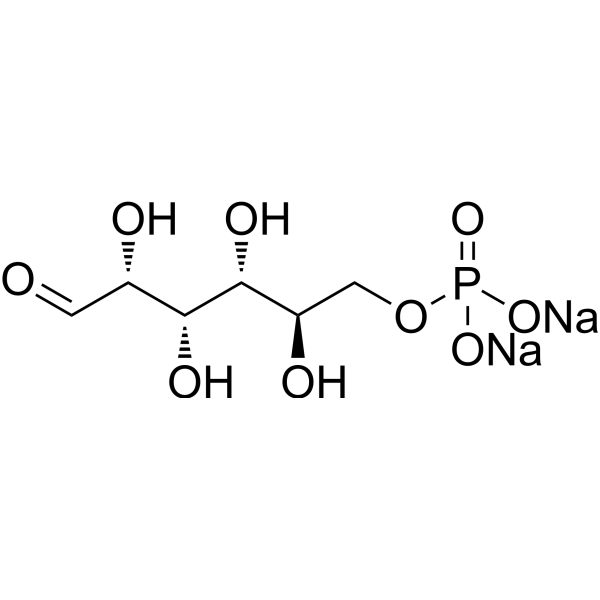
    D-Glucose-6-phosphate disodium salt is a glucose sugar phosphorylated at the hydroxy group on carbon 6 .
    D-Glucose 6-phosphate disodium salt
  • HY-13538
    Gemcitabine elaidate
    5 Publications Verification

    CP-4126; CO-101; Gemcitabine 5'-elaidate

    Nucleoside Antimetabolite/Analog Autophagy Apoptosis Inflammation/Immunology Cancer
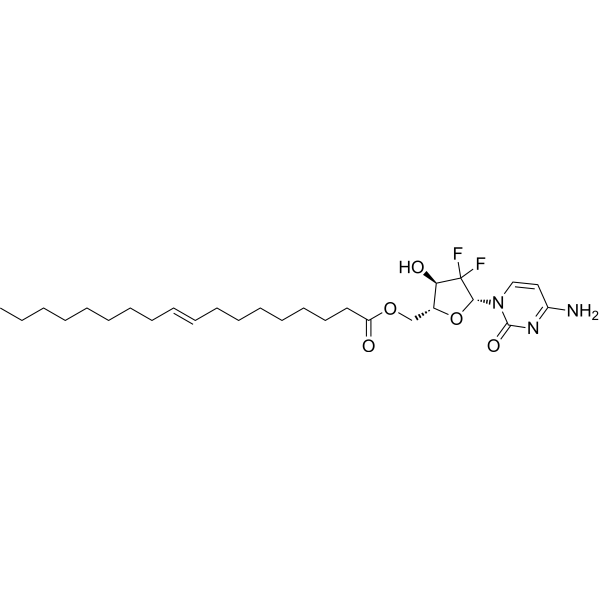
    Gemcitabine elaidate (CP-4126) is lipophilic pro-agent of Gemcitabine. Gemcitabine elaidate is converted to Gemcitabine by esterases in order to be phosphorylated. Gemcitabine elaidate exhibits anti-tumor activity .
    Gemcitabine elaidate
  • HY-136610
    Chlorpyrifos-oxon
    2 Publications Verification

    Cholinesterase (ChE) Neurological Disease
    Chlorpyrifos-oxon, an active metabolite of Chlorpyrifos, is a potent phosphorylating agent that potently inhibits AChE. Chlorpyrifos-oxon can induce cross-linking between subunits of tubulin and disrupt microtubule function .
    Chlorpyrifos-oxon
  • HY-123611

    RX-5902

    DNA/RNA Synthesis Apoptosis Cancer
    Supinoxin (RX-5902) is an orally active inhibitor of phosphorylated-p68 RNA helicase (P-p68) and a potent first-in-class anti-cancer agent. Supinoxin interacts with Y593 phosphorylated-p68 and attenuates the nuclear shuttling of β-catenin. Supinoxin induces cell apoptosis and inhibits growth of TNBC cancer cell lines with IC50s ranging from 10 nM to 20 nM .
    Supinoxin
  • HY-135401
    VU6015929
    1 Publications Verification

    Discoidin Domain Receptor Inflammation/Immunology
    VU6015929 is a potent, selective and orally active dual discoidin domain receptor 1/2 (DDR1/2) inhibitor with IC50s of 4.67 nM and 7.39 nM, respectively. VU6015929 potently blocks collagen-induced DDR1 activation and collagen-IV production .
    VU6015929
  • HY-N9330

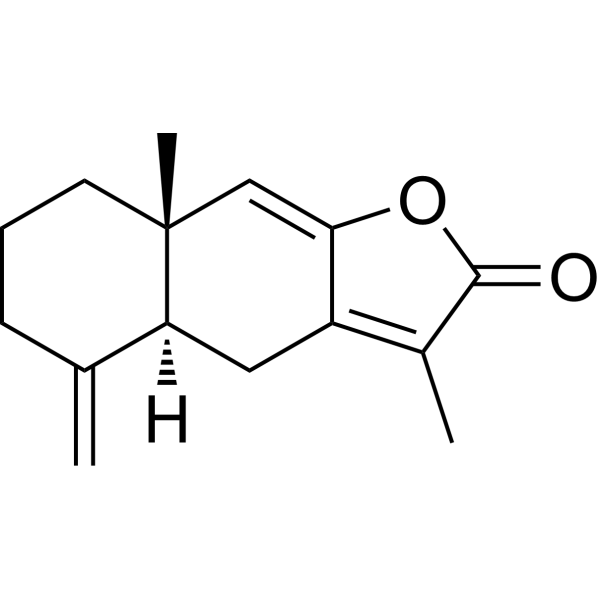
    Xanthine Oxidase Cancer
    Broussoflavonol F is a HER2-RAS-MEK-ERK signaling pathway modulator and mushroom tyrosinase inhibitor, with an IC50 of 82.3 μM against mushroom tyrosinase. Broussoflavonol F reduces the protein expression levels of RAS, HER2, phosphorylated BRAF, phosphorylated MEK and phosphorylated Erk. It induces cell apoptosis, triggers G0/G1 phase cell cycle arrest, and exhibits cytotoxicity against colon cancer cells. Broussoflavonol F is applicable to related research on colon cancer .
    Broussoflavonol F
  • HY-W040188

    Biochemical Assay Reagents Others
    Fosfructose trisodium octahydrate is a phosphorylated sugar derivative used in biochemical research and is also an intermediate in carbohydrate metabolism.
    Fosfructose trisodium octahydrate
  • HY-N0859

    Schizanhenol; Gomisin-K3

    UGT Cholinesterase (ChE) Tau Protein SOD Sirtuin Neurological Disease Inflammation/Immunology Cancer
    Schisanhenol (Schizanhenol), a lignan, is an orally active antioxidant. Schisanhenol reduces AChE activity, increases SIRT1 and PGC-1α expression, and decreases phosphorylated Tau (Ser 396) levels. Schisanhenol increases SOD and glutathione peroxidase activity, decreases malondialdehyde (MDA) content, and inhibits UGT2B7 activitY. Schisanhenol attenuates ox-LDL-induced apoptosis, intracellular reactive oxygen species generation, and cytotoxicity in endothelial cells. Schisanhenol inhibits LDL oxidation, brain mitochondrial and membrane peroxidative damage, and brain mitochondrial swelling and disintegration. Schisanhenol can be used for the research of Alzheimer’s disease, atherosclerosis, brain ischemia, and age-related brain deterioration .
    Schisanhenol
  • HY-137377
    TAS-119
    1 Publications Verification

    Aurora Kinase Cancer
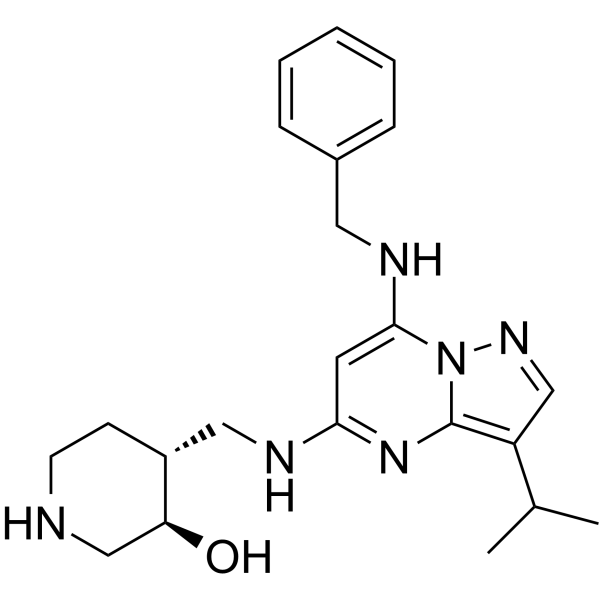
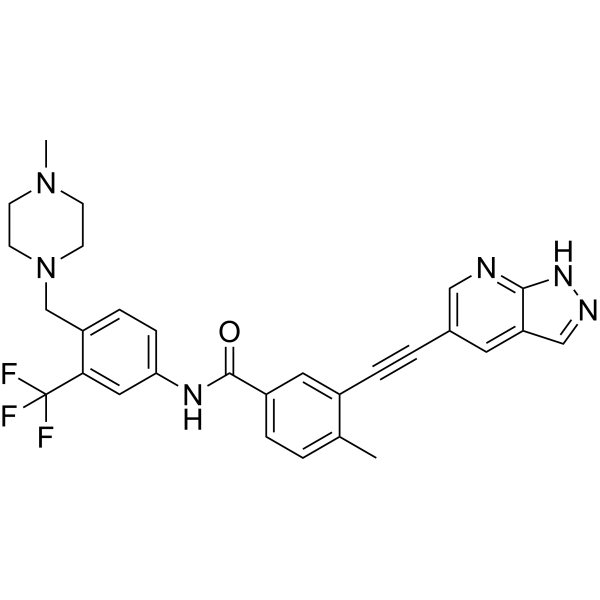
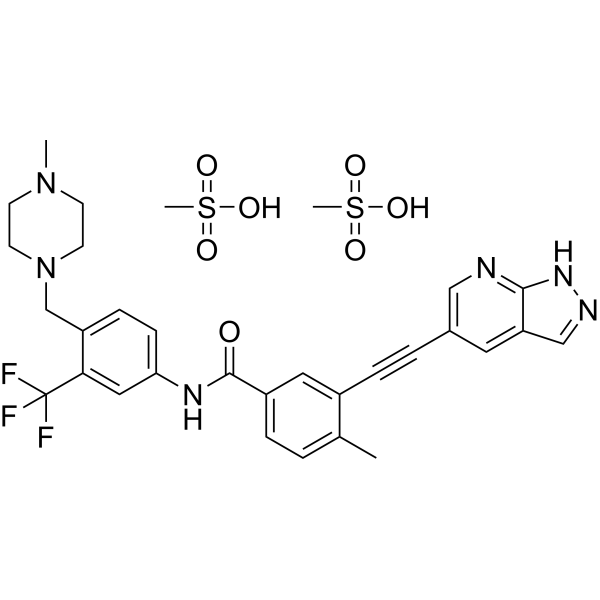
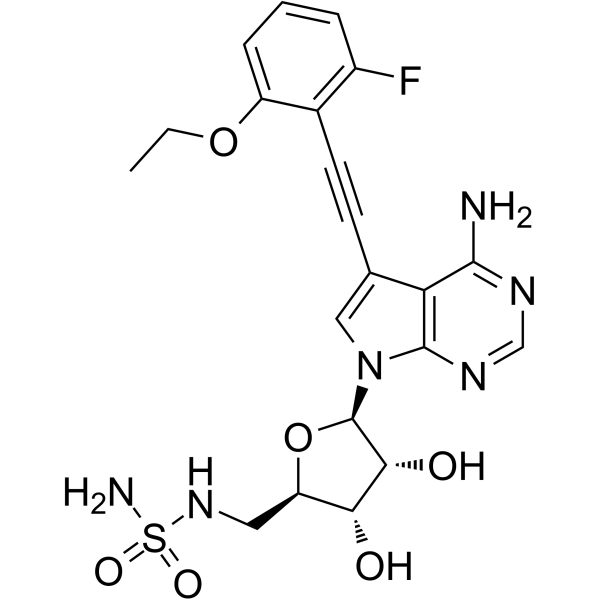
    TAS-119 is a potent, selective and orally active Aurora A inhibitor with an IC50 of 1.0 nM. TAS-119 shows high selectivity for Aurora A over other protein kinases, including Aurora B (IC50 of 95 nM). TAS-119 has potent antitumor activites .
    TAS-119
  • HY-P990169

    PD-1/PD-L1 Inflammation/Immunology Cancer
    Anti-Mouse/Human phosphorylated PD-1/CD279 Antibody (407.6G12) is a mouse-derived IgG2a κ type antibody inhibitor, targeting to mouse/human phosphorylated PD-1/CD279. Anti-Mouse/Human phosphorylated PD-1/CD279 Antibody (407.6G12) can detect the phosphorylated form of the PD-1 ITSM by both western blot and flow cytometry .
    Anti-Mouse/Human phosphorylated PD-1/CD279 Antibody (407.6G12)
  • HY-128586A
    TAS4464 hydrochloride
    5+ Cited Publications

    NEDD8-activating Enzyme Carbonic Anhydrase Apoptosis Cancer
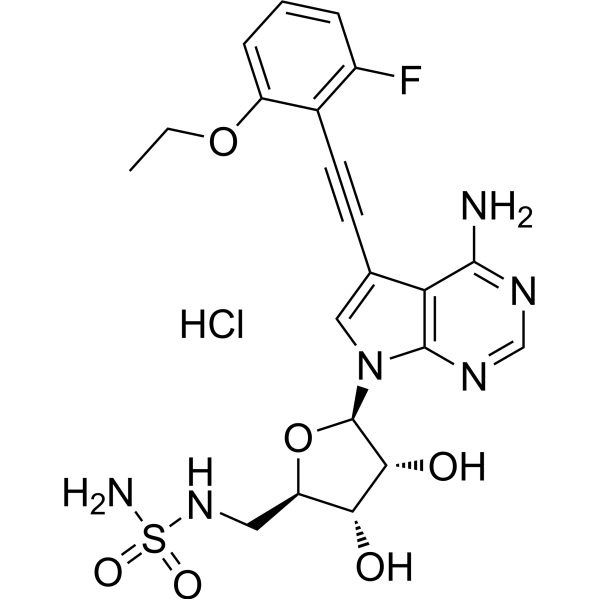
    TAS4464 hydrochloride is a long-acting, highly selective covalent inhibitor targeting NEDD8-activating enzyme (NAE) (IC50=0.955 nM), and also inhibits CAII with an IC50 of 0.73 μM, which is less potent than MLN4924 (HY-70062). The IC50 values of TAS4464 hydrochloride against other E1 enzymes UAE and SAE are 449 nM and 1280 nM, respectively. TAS4464 hydrochloride targets NEDD8 in an ATP-dependent manner to inhibit NAE, blocks the neddylation pathway, causes accumulation of CRL ubiquitin ligase substrates (such as CDT1, p27, phosphorylated IκBα), and further induces tumor cell apoptosis. TAS4464 hydrochloride exhibits antiproliferative and cytotoxic effects, and has broad-spectrum antitumor activity against various hematologic and solid tumor cell lines as well as patient-derived tumor cells. TAS4464 hydrochloride has a wide therapeutic window, without obvious toxicity. TAS4464 hydrochloride can be used in the research of hematologic malignancies (leukemia, lymphoma, multiple myeloma, etc.) and solid tumors (small cell lung cancer, colorectal cancer, sarcoma, endometrial cancer, ovarian cancer, etc.) .
    TAS4464 hydrochloride
  • HY-23789

    2'-O-MOE-rG

    Nucleoside Antimetabolite/Analog DNA/RNA Synthesis Others
    2′-O-(2-Methoxyethyl)guanosine (2'-O-MOE-rG) is a 2'-O-methoxyethyl-modified nucleoside analogue and an important intermediate in the synthesis of nucleic acid drugs. 2′-O-(2-Methoxyethyl)guanosine neither effectively phosphorylated by cytosolic nucleoside kinases, nor are they incorporated into cellular DNA or RNA .
    2′-O-(2-Methoxyethyl)guanosine
  • HY-138820

    HSP Neurological Disease
    SW02 is a potent activator of ATPase activity of Hsp70, with an EC50 of 150 μM. SW02 leads to accumulation of both total tau and phosphorylated tau (pTau) .
    SW02
  • HY-153996

    Deubiquitinase Apoptosis Bcr-Abl STAT c-Myc Cancer
    CT1113 is a selective, orally active USP25/USP28 inhibitor. CT1113 inhibits cancer cell proliferation, induces apoptosis, and causes G2/S phase cell cycle arrest. CT1113 reduces the levels of total BCR-ABL1, phosphorylated BCR-ABL1, total STAT5, and phosphorylated STAT5, but does not alter the mRNA level of BCR-ABL1. CT1113 is applicable to research related to pancreatic cancer, colon cancer, and acute leukemia .
    CT1113
  • HY-131596B

    (-)-Emtricitabine triphosphate tetrasodium salt

    Reverse Transcriptase HBV HIV Infection
    Emtricitabine triphosphate tetrasodium salt is the tetrasodium salt form of Emtricitabine triphosphate (HY-131596). However,Emtricitabine triphosphate ((-)-Emtricitabine triphosphate) is the phosphorylated anabolite of Emtricitabine (HY-17427),a nucleoside reverse transcriptase inhibitor,targeting to HIV and HBV .
    Emtricitabine triphosphate tetrasodium salt
  • HY-12736A
    GSK143 dihydrochloride
    1 Publications Verification

    Syk ERK Inflammation/Immunology Cancer
    GSK143 dihydrochloride is an orally active and highly selective spleen tyrosine kinase (SYK) inhibitor with a pIC50 of 7.5. GSK143 dihydrochloride inhibits phosphorylated Erk (pErk: pIC50=7.1) . GSK143 dihydrochloride reduces inflammation and prevents recruitment of immune cells in the intestinal muscularis in mice .
    GSK143 dihydrochloride
  • HY-W784557

    Phosphoramidites Biochemical Assay Reagents Others
    O-DMT-2,2-di(ethoxycarbonyl)propan-1,3-diol is a chemical phosphorylation reagent used for the synthesis of 5'-phosphorylated oligonucleotides. It contains the chemical protective group DMT in its structure, which allows for purification through C18 columns or reversed-phase chromatography .
    O-DMT-2,2-di(ethoxycarbonyl)propan-1,3-diol
  • HY-W793693

    Biochemical Assay Reagents Others
    Sucrose 6′-monophosphate dipotassium is a dipotassium salt of a phosphorylated derivative of Sucrose (HY-B1779).
    Sucrose 6′-monophosphate dipotassium
  • HY-P990661

    c-Met/HGFR ERK PERK Cancer
    SAIT-301 is a Met-targeting monoclonal antibody. SAIT-301 inhibits Met activation, induces downregulated expression of phosphorylated Met(p-Met) and phosphorylated ERK(p-ERK), and reduces EGR-1 expression. SAIT-301 inhibits the migration and invasion of nasopharyngeal carcinoma cells. SAIT-301 is applicable to relevant research on nasopharyngeal carcinoma. For the isotype control of SAIT-301, refer to Human IgG1 kappa, Isotype Control (HY-P99001) .
    SAIT-301
  • HY-P1597
    Malantide
    1 Publications Verification

    PKA PKC Cancer
    Malantide is a synthetic dodecapeptide derived from the site phosphorylated by cAMP-dependent protein kinase (PKA) on the β-subunit of phosphorylase kinase. Malantide is a highly specific substrate for PKA with a Km of 15 μM and shows protein inhibitor (PKI) inhibition >90% substrate phosphorylation in various rat tissue extracts . Malantide is also an efficient substrate for PKC with a Km of 16 μM .
    Malantide
  • HY-119062

    MetAP CDK Cancer
    A-800141 is an orally active, selective, sulfonamide-based MetAP2 inhibitor (IC50=12 nM) that binds reversibly to MetAP2 and interacts with its manganese ions. A-800141 induces the production of N-terminal methionine-unprocessed GAPDH variants, which in turn triggers G1-phase cell cycle arrest, elevates p21 levels, and reduces the levels of phosphorylated Rb and total cyclin A. A-800141 exhibits anti-angiogenic and tumor growth inhibitory effects, and produces synergistic effects when combined with cytotoxic inhibitors or BCL-2 inhibitors. A-800141 has been widely used in scientific research related to B-cell lymphoma, neuroblastoma, prostate cancer, colon cancer, melanoma and other fields .
    A-800141
  • HY-116586

    Sigma Receptor mAChR ERK Amyloid-β Tau Protein Neurological Disease
    AF710B is an orally effective allosteric agonist for the M1 muscarinic receptor and σ1 receptor. AF710B activates the downstream phosphorylated ERK1/2 and phosphorylated CREB signaling pathways. AF710B simultaneously improves cognitive function and alleviates the core pathological features of Alzheimer's disease, including deposition, excessive Tau phosphorylation and neuroinflammation. AF710B is applicable to the research of Alzheimer's disease .
    AF710B
  • HY-P5430

    DYRK Others
    DYRKtide is a biological active peptide. (Dyrktide is designed as the optimal substrate sequence efficiently phosphorylated by DYRK1A, which is a dual-specificity protein kinase that is thought to be involved in brain development.)
    DYRKtide
  • HY-13538A
    Gemcitabine elaidate hydrochloride
    5 Publications Verification

    CP-4126 hydrochloride; CO-101 hydrochloride; Gemcitabine 5'-elaidate hydrochloride

    Nucleoside Antimetabolite/Analog Autophagy Apoptosis Cancer
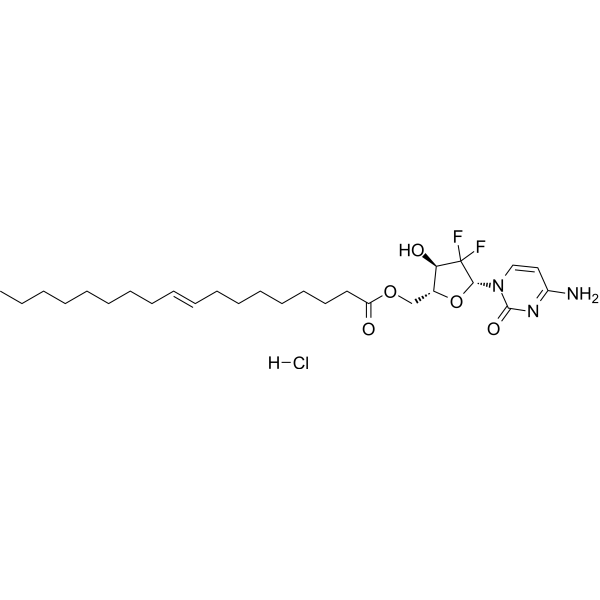
    Gemcitabine elaidate (CP-4126) hydrochloride is lipophilic pro-agent of Gemcitabine. Gemcitabine elaidate hydrochloride is converted to Gemcitabine by esterases in order to be phosphorylated. Gemcitabine elaidate hydrochloride exhibits anti-tumor activity .
    Gemcitabine elaidate hydrochloride
  • HY-Y1269D

    Salmiac, for molecular biology

    TGF-beta/Smad Apoptosis Chloride Channel Neurological Disease Cancer
    Ammonium chloride (Salmiac), for molecular biology is an inhibitor of Slc26a4 and SMAD2. Ammonium chloride, for molecular biology reduces the protein expression level of Slc26a4 in lung tissue, and attenuates ozone-induced increases in proinflammatory cytokines, inflammatory cells, pulmonary resistance, goblet cell hyperplasia, peribronchial inflammation and thiocyanate levels in mouse tissues and bronchoalveolar lavage fluid. Ammonium chloride, for molecular biology decreases the level of phosphorylated SMAD2, inhibits autophagy by reducing autophagy-related proteins, and enhances Cisplatin (HY-17394)-induced cancer cell apoptosis and DNA double-strand breaks. Ammonium chloride, for molecular biology also inhibits the TCA cycle, reduces ATP production, increases glucose utilization, regulates the levels of lactic acid, glutamic acid and ATP, and induces morphological degeneration of neuroblastoma cells. Ammonium chloride, for molecular biology can be used in studies related to ozone-induced airway injury, hepatocellular carcinoma, human cervical cancer, hepatic encephalopathy, Reye syndrome, epilepsy and neurodegenerative diseases .
    Ammonium chloride, for molecular biology
  • HY-156382

    Akt ERK E1/E2/E3 Enzyme Cancer
    SPOP-IN-1 is a selective SPOP E3 ubiquitin ligase inhibitor. SPOP-IN-1 leads to the accumulation of tumor suppressors PTEN and DUSP7 and decreased levels of phosphorylated AKT and ERK in clear-cell renal cell carcinoma .
    SPOP-IN-1
  • HY-178946

    IRE1 Cancer
    IA107 is a potent, selective, and allosteric IRE1α RNase (IC50 = 16 nM (non phosphorylated), IC50 = 9 nM (phosphorylated)) inhibitor. IA107 can inhibit endoplasmic reticulum stress-induced XBP1 mRNA splicing and protein expression, and has no cytotoxicity .
    IA107
  • HY-P2761

    Biochemical Assay Reagents Metabolic Disease
    Glucokinase is a glucose-phosphorylating enzyme that has an important role in glucose homeostasis. Glucokinase acts as a glucose sensot of pancreatic β-cells. Glucokinase regulates the conversion of glucose to glucogen as well as gluconeogenesis. Glucokinase in mammals can phosphorylate hexoses like mannose or fructose in addition to glucose. Glucokinase can be studied in research on diabetes .
    Glucokinase
  • HY-139094

    LPL Receptor Metabolic Disease
    A6770 is an orally active, potent sphingosine 1-phosphate (S1P) lyase (S1PL) inhibitor. A6770 is phosphorylated and the phosphorylated form directly inhibits S1P lyased.A6770, a potential key metabolite of THI, induces a [ 3H]dhS1P increase .
    A6770
  • HY-136498A

    Drug Metabolite Infection
    T-705RMP (ammonium) is the ammonium form of T-705RMP. T-705RMP (ammonium)’s the inhibition of IMP dehydrogenase (IMPDH) activity is weak .
    T-705RMP ammonium
  • HY-B1863

    Environmental Pollutants Cholinesterase (ChE) Fungal Infection
    Iprobenfos is an organophosphorus fungicide and is widely used to control the rice blast fungus. Iprobenfos can phosphorylate the -OH group on the serine residue in the active (esteratic) site of ChEs and so inhibit both AChE and BChE activity .
    Iprobenfos
  • HY-E70002

    Biochemical Assay Reagents Others
    Deamino-NADPH is a 2'-phosphorylated coenzyme. Deamino-NADPH can be used in ammonia determination .
    Deamino-NADPH
  • HY-P3921

    Casein Kinase Cancer
    Casein Kinase II Substrate is a casein kinase II (CK2) peptide substrate that can be selectively phosphorylated by CK2 .
    Casein Kinase II Substrate
  • HY-131607

    CBV-TP; (-)-Carbovir triphosphate; (-)-Carbovir 5′-triphosphate

    HIV Infection Inflammation/Immunology
    Carbovir triphosphate (CBV-TP) is a phosphorylated metabolite. Carbovir triphosphate can be used for the research of human immunodeficiency virus (HIV) .
    Carbovir triphosphate
  • HY-113831

    CDK SRPK Cancer
    LK1/2-IN-3 (compound 3) is a potent and selective CLK1 and CLK2 inhibitor with IC50 values of 1.1, 2.1, 130, 260, 260 nM for CLK1, CLK2, SRPK1, SRPK2, SRPK3, respectively. CLK1/2-IN-3 shows anti-proliferative activity. CLK1/2-IN-3 reduces the levels of endogenous phosphorylated SR proteins and increases the expression of S6K mRNAs .
    CLK1/2-IN-3
  • HY-12736

    Syk ERK Inflammation/Immunology Cancer
    GSK143 is an orally active and highly selective spleen tyrosine kinase (SYK) inhibitor with a pIC50 of 7.5. GSK143 inhibits phosphorylated Erk (pErk: pIC50=7.1) . GSK143 reduces inflammation and prevents recruitment of immune cells in the intestinal muscularis in mice .
    GSK143
  • HY-P0228A

    PKA Metabolic Disease
    PKA RII peptide TFA is a PKA substrate that, after being phosphorylated at the serine residue, can be used for the detection of calcineurin activity .
    PKA RII peptide TFA
  • HY-P3935

    Ser/Thr Kinase Cancer
    Arg-Gly-Tyr-Ser-Leu-Gly is corresponding to the sequence of residues from 21 through 26 in lysozyme. Arg-Gly-Tyr-Ser-Leu-Gly can be used as a substrate for the protein kinase, and phosphorylated at serine residue by protein kinase .
    Arg-Gly-Tyr-Ser-Leu-Gly
  • HY-124938

    Antibiotic Infection
    ABC-1 is a phosphorylated analogue and a potential antiviral agent against Newcastle disease virus (NDV). ABC-1 has potent antiviral activity .
    ABC-1
  • HY-136498

    Drug Metabolite Infection
    T-705RMP, a phosphorylated metabolite of T-705, exhibits a very weak inhibitory effect on the IMP dehydrogenase (IMPDH) activities of the host cells, with an IC50 of 601 μM .
    T-705RMP
  • HY-131043
    NVS-PAK1-C
    1 Publications Verification

    PAK Cancer
    NVS-PAK1-C is a potent, ATP-competitive and specific allosteric PAK1 inhibitor probe with IC50 values of 5 nM and 6 nM for dephosphorylated PAK1 and phosphorylated PAK1, respectively. NVS-PAK1-C is also against dephosphorylated PAK2 (IC50=270 nM) and phosphorylated PAK2 (IC50=720 nM) .
    NVS-PAK1-C
  • HY-P2548

    EGFR Others
    pp60 (v-SRC) Autophosphorylation Site, Phosphorylated is the phosphorylated peptide of an EGFR substrate. pp60 (v-SRC) Autophosphorylation Site, Phosphorylated can be used for the screening of EGFR Kinase inhibitors via phosphorylated-substrate quantification .
    pp60 (v-SRC) Autophosphorylation Site, Phosphorylated
  • HY-P0291

    [Phospho-Ser5]kemptide

    PKA Others
    Phosphorylated kemptide is a phosphoserine-containing Kemptide (HY-P0248) peptide. Phosphorylated kemptide can be used as a substrate for phosphatases .
    Phosphorylated kemptide
  • HY-152247

    MAP3K Cancer
    DDO3711, a PP5-recruiting phosphatase recruitment chimeras (PHORCs), is formed by connecting a small molecular apoptosis signal-regulated kinase 1 (ASK1) inhibitor to a PP5 activator through a chemical linker. DDO3711 specifically inhibits ASK1 (IC50 =164.1 nM) not ASK2 (IC50>20 μM). DDO3711 significantly dephosphorylates p-ASK1 T838 by recruiting PP5 and shows the ASK1-dependent antiproliferative activity. DDO3711 has anti-cancer activity and has the potential for abnormally phosphorylated oncoproteins research .
    DDO3711
  • HY-141532

    Biochemical Assay Reagents Others
    D-erythritol 4-phosphate is a phosphorylated component isolated from the hydrolysate .
    D-Erythritol 4-phosphate
  • HY-W017540R

    Reference Standards ATP Synthase Cardiovascular Disease Neurological Disease Metabolic Disease Cancer
    Cyclocreatine, a creatine analogue, acts as a brain-penetrant and potent bioenergetic protective agent by providing high levels of ATP. Cyclocreatine can be phosphorylated and dephosphorylated by creatine kinases. Cyclocreatine suppresses creatine metabolism ameliorating the cognitive, autistic and epileptic phenotype in a mouse model of creatine transporter defciency. Cyclocreatine protects against ischemic injury and enhances cardiac recovery during early reperfusion in dogs and rats. Cyclocreatine decreases plaque-adjacent neuronal dystrophy in TREM2-deficient mice with amyloid-β pathology. Cyclocreatine is proming for research of ischemic heart disease, cardiovascular diseases, Alzheimer’s disease and other neurodegenerative diseases associated with microglial dysfunction, prostate cancer .
    Cyclocreatine (Standard)

Inquiry Online

Your information is safe with us. * Required Fields.

Salutation


Country or Region *

Applicant Name *


Organization Name *

Department *


Email Address *


Product Name *

Cat. No.


Requested quantity *

Phone Number *


Remarks

Inquiry Online

Inquiry Information

Product Name:
Cat. No.:
Quantity:
MCE Japan Authorized Agent:

