
1. Search Result
Search Result
Results for "

pneumoniae

" in MedChemExpress (MCE) Product Catalog:

237

Inhibitors & Agonists

3

Fluorescent Dyes

4

Biochemical Assay Reagents

20

Peptides

42

Natural
Products

6

Recombinant Proteins

4

Isotope-Labeled Compounds

2

Oligonucleotides

Cat. No. Product Name Target Research Areas Chemical Structure
  • HY-113678

    Polymyxin E

    Antibiotic Bacterial Infection
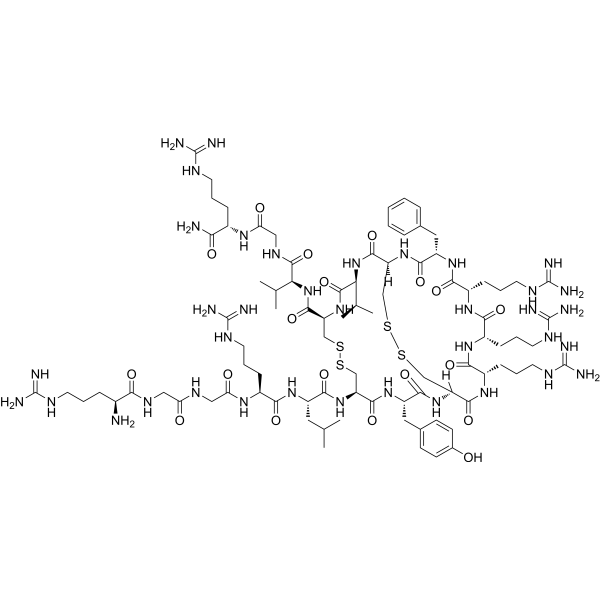
    Colistin is an orally active polypeptide antibiotic. Colistin has excellent activity against various Gram-negative rod-shaped bacteria, including multidrug-resistant Pseudomonas aeruginosa, Acinetobacter baumannii and Klebsiella pneumoniae. Colistin is associated with nephrotoxicity. Colistin can be used for the research of infections caused by Gram-negative bacilli .
    Colistin
  • HY-109008
    Nacubactam
    2 Publications Verification

    OP0595 free acid

    Beta-lactamase Bacterial Infection
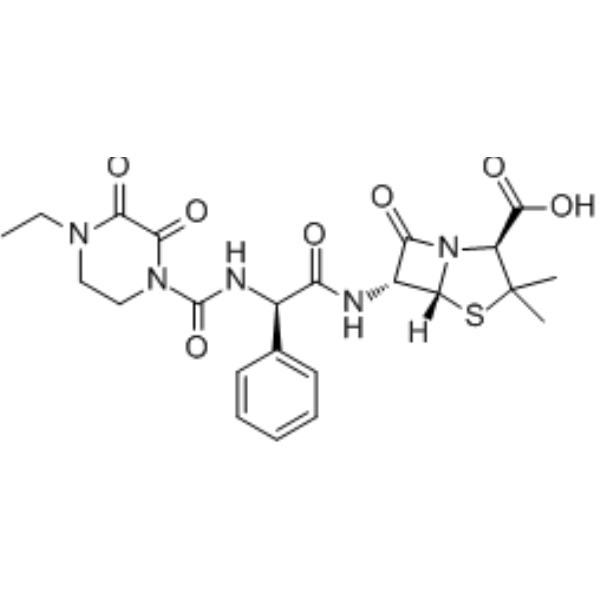
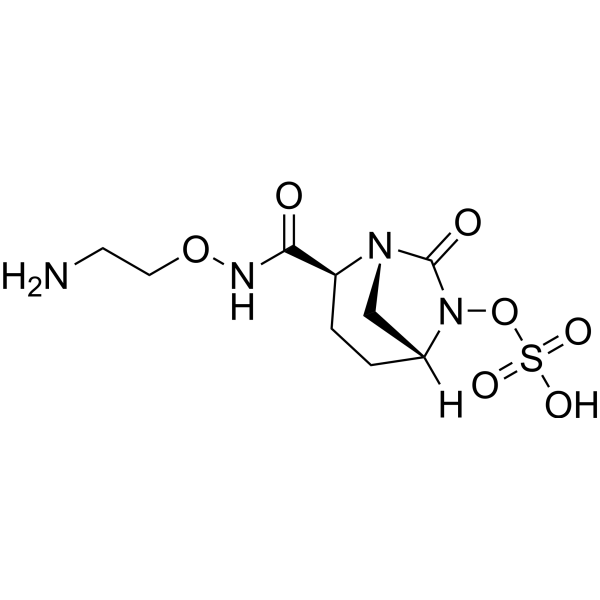
    Nacubactam (OP0595 free acid) is a potent non-β-lactam-β-lactamase inhibitor with activity against class A and C β-lactamases. Nacubactam acts as a penicillin binding protein (PBP) 2-active antibacterial, and gives β-lactamase-independent potentiation of β-lactams targeting other PBPs. Nacubactam potentiates the antimicrobial activities of Piperacillin (HY-B1923), Cefepime (HY-B0692), and Meropenem (HY-13678) against CTX-M-15-positive Escherichia coli and KPC-positive Klebsiella pneumoniae .
    Nacubactam
  • HY-124617
    AMXT-1501
    5+ Cited Publications

    Apoptosis Bacterial Infection Cancer
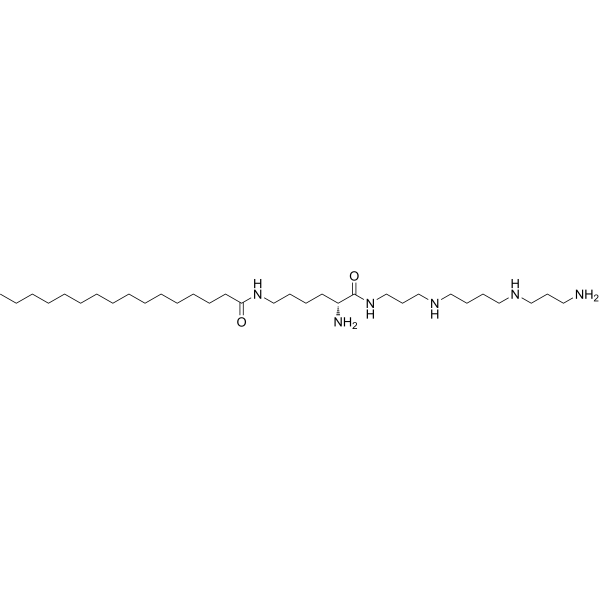
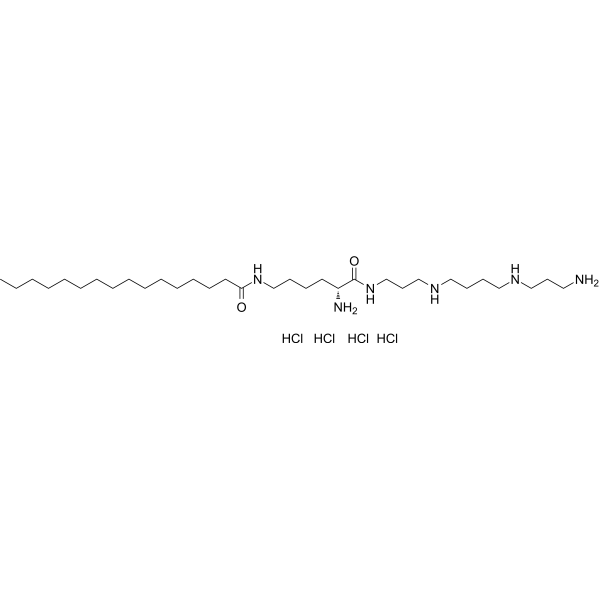
    AMXT-1501 is a Bacterial agent and polyamine transport system inhibitor. AMXT-1501 targets membrane phospholipids and exhibits antibacterial activity against a variety of Gram-positive and Gram-negative multidrug-resistant bacteria . AMXT-1501 inhibits capsular biosynthesis in Streptococcus pneumoniae . AMXT-1501 targets ornithine decarboxylase and polyamines to inhibit the proliferation of neuroblastoma cells . AMXT-1501 in combination with DFMO (HY-B0744) induces Apoptosis in neuroblastoma cells. AMXT-1501 is applicable to research related to multidrug-resistant bacterial infections, pneumococcal infections, Streptococcus pneumoniae infections, and neuroblastoma .
    AMXT-1501
  • HY-D1056B3

    LPS, from bacterial (Klebsiella pneumoniae)

    Toll-like Receptor (TLR) Inflammation/Immunology
    Lipopolysaccharides, from Klebsiella pneumoniae (LPS, from bacterial (Klebsiella pneumoniae)) are lipopolysaccharide endotoxins and TLR4 activators derived from Klebsiella pneumoniae, and are classified as S-type LPS. Lipopolysaccharides, from Klebsiella pneumoniae exhibit a typical three-part structure: O-antigen, core oligosaccharide, and lipid A. Lipopolysaccharides, from Klebsiella pneumoniae may participate in bacterial immune evasion by inhibiting complement-mediated killing and suppressing the host's secretion of antimicrobial peptides, thereby allowing the bacteria to escape immune defenses. Lipopolysaccharides, from Klebsiella pneumoniae possess high viscosity and resistance to serum-mediated killing, which may lead to sepsis. Lipopolysaccharides, from Klebsiella pneumoniae can be used to construct Acute Lung Injury Model .
    It is recommended to prepare a solution with concentration ≥2 mg/mL. Vortex thoroughly for more than 10 minutes. Due to the adsorption characteristics of LPS, silanized container or low adsorption centrifuge tubes should be used for aliquoting and storage, and mix thoroughly before use.
    Lipopolysaccharides, from Klebsiella pneumoniae
  • HY-14814
    Delafloxacin
    5 Publications Verification

    RX-3341; WQ-3034; ABT492

    Bacterial Antibiotic Infection
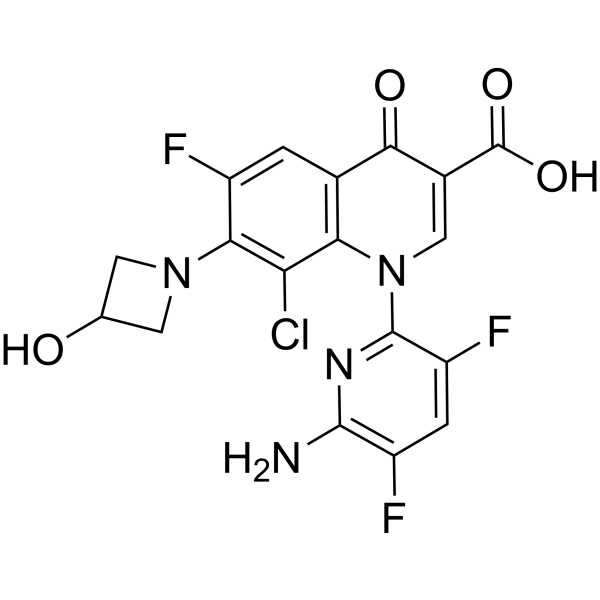
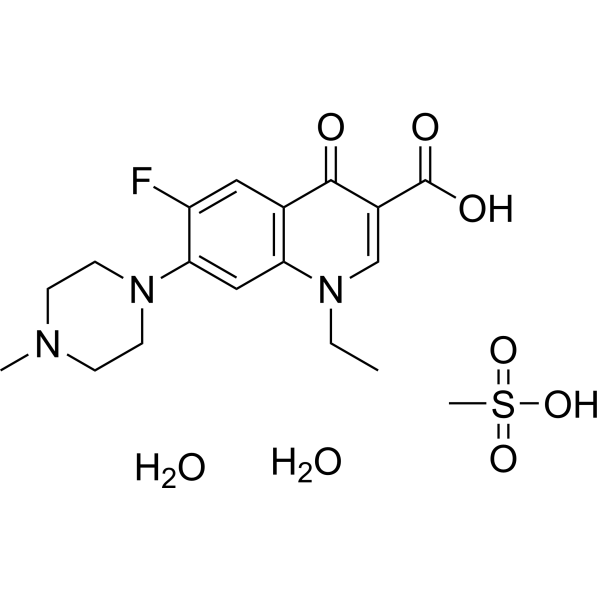
    Delafloxacin (RX-3341; WQ-3034; ABT492) is a broad-spectrum fluoroquinolone antibiotic. Delafloxacin has a broad spectrum of activity that includes drug-resistant Staphylococcus aureus, Streptococcus pneumoniae, and Klebsiella pneumonia .
    Delafloxacin
  • HY-N9459

    D-Glucosamine Hydrochloride

    GLUT Infection Neurological Disease Cancer
    2-Amino-2-deoxyglucose hydrochloride (D-Glucosamine Hydrochloride) is a glucose analog that is specifically recognized and transported by the cell membrane GLUT1. 2-Amino-2-deoxyglucose hydrochloride acts as a tumor-targeting ligand and a guiding molecule for the synthesis of prodrug conjugates, thus delivering drugs precisely to tumor cells. 2-Amino-2-deoxyglucose hydrochloride is applicable to diagnostic imaging and therapeutic efficacy monitoring of solid tumors and various cancers (e.g., breast cancer, glioblastoma). 2-Amino-2-deoxyglucose hydrochloride also helps bacteria resist lysozyme digestion by integrating into the non-N-acetylated residues of Streptococcus pneumoniae peptidoglycan. 2-Amino-2-deoxyglucose hydrochloride is used in studies on tumor metabolism and the exploration of bacterial drug resistance mechanisms .
    2-Amino-2-deoxyglucose hydrochloride
  • HY-P2866

    Endogenous Metabolite Bacterial Infection Inflammation/Immunology
    β-N-Acetylhexosaminidase, Streptococcus pneumoniae is a cell surface virulence factor of Streptococcus pneumoniae, which contains two synergistically acting GH20 domains (with higher activity in GH20-2). β-N-Acetylhexosaminidase, Streptococcus pneumoniae specifically recognizes and hydrolyzes substrates with β(1,2) glycosidic bonds via Trp-443 and Tyr-482 residues. β-N-Acetylhexosaminidase, Streptococcus pneumoniae catalyzes the hydrolysis of β(1,2)-linked N-acetylglucosamine groups and related disaccharides, and promotes persistent colonization of bacteria in the airway by modifying host defense molecules and releasing monosaccharides for bacterial growth. β-N-Acetylhexosaminidase, Streptococcus pneumoniae can be used in studies related to Streptococcus pneumoniae infection, acute pneumonia, otitis media and meningitis .
    β-N-Acetylhexosaminidase, Streptococcus pneumoniae
  • HY-16764

    JNJ-Q2

    Bacterial Antibiotic Infection Inflammation/Immunology
    Avarofloxacin (JNJ-Q2) is a broad-spectrum fluoroquinolone antibacterial agent being developed for the treatment of acute bacterial skin and skin-structure infections and community-acquired pneumonia with oral activity. Avarofloxacin (JNJ-Q2) is an aminoethylidenylpiperidine fluoroquinolone that demonstrates antibacterial effect against numerous Gram-positive bacteria with a mean 0.12 mg/L MIC90 value. Avarofloxacin (JNJ-Q2) has potential for treatment of methicillin-resistant Staphylococcus aureus (MRSA) infections .
    Avarofloxacin
  • HY-14814A
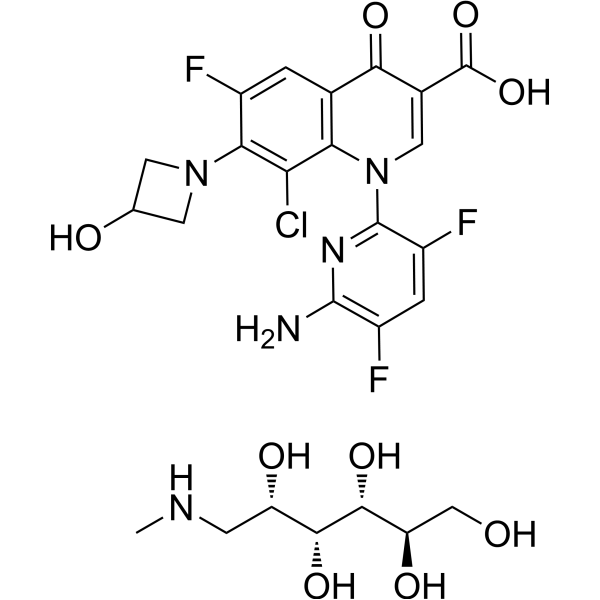
    Delafloxacin meglumine
    5 Publications Verification

    ABT492 meglumine; RX-3341 meglumine; WQ-3034 meglumine

    Bacterial Antibiotic Infection
    Delafloxacin meglumine (ABT492 meglumine; RX-3341 meglumine; WQ-3034 meglumine) is a broad-spectrum fluoroquinolone antibiotic. Delafloxacin has a broad spectrum of activity that includes drug-resistant Staphylococcus aureus, Streptococcus pneumoniae, and Klebsiella pneumonia .
    Delafloxacin meglumine
  • HY-111023
    Nemonoxacin malate
    1 Publications Verification

    TG-873870 malate

    Antibiotic Bacterial Infection
    Nemonoxacin (TG-873870) malate is a nonfluorinated quinolone antibiotic. Nemonoxacin malate has broad-spectrum activity against Gram-positive, Gram-negative and atypical pathogens. Nemonoxacin malate can inhibit drug-resistant Streptococcus pneumoniae and Methicillin-resistant Staphylococcus aureus. Nemonoxacin malate can be used for the research of community-acquired pneumonia .
    Nemonoxacin malate
  • HY-W353258

    BAY 12-8039 monohydrate

    Bacterial Antibiotic Infection Cancer
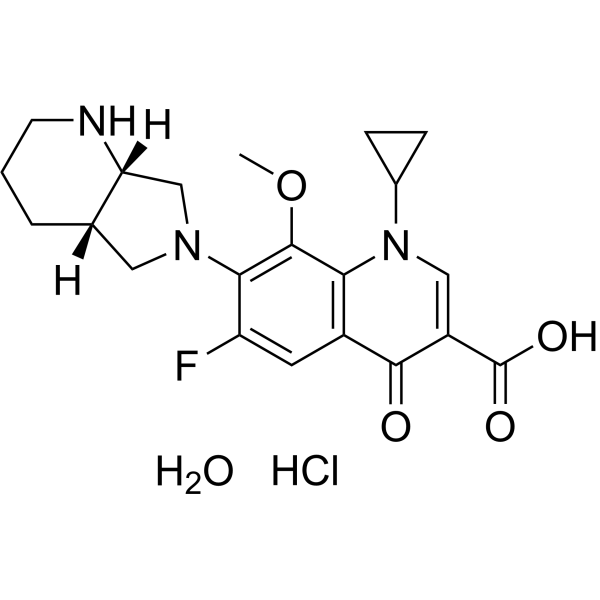
    Moxifloxacin (BAY 12-8039) hydrochloride monohydrate is an orally active bacterial inhibitor that is effective against Streptococcus pneumoniae. Moxifloxacin hydrochloride monohydrate can be used in tuberculosis research .
    Moxifloxacin hydrochloride monohydrate
  • HY-157536

    Bacterial Infection Inflammation/Immunology
    SMT-738 is a bacterial bactericide. SMT-738 targets the small molecules responsible for lipoprotein transport in Enterobacteriaceae, causing abnormal lipoprotein localization and bacterial cell death. SMT-738 inhibits the growth of E. coli and K. pneumoniae. SMT-738 reduces bacterial loads in mouse models of urinary tract infection, bloodstream infection, and pulmonary infection caused by Enterobacterales. SMT-738 can be used in the research of Enterobacteriaceae infections, urinary tract infections, bloodstream infections, and pneumonia .
    SMT-738
  • HY-N10495

    Antibiotic Bacterial Topoisomerase Infection
    Seconeolitsine, an antibiotic, and is an inhibitor of targeting topoisomerase I (TopA). Seconeolitsine also is a new antimicrobial agent that can inhibit S. pneumoniae growth. Seconeolitsine can inhibit TopA relaxation activity with an IC50 value of 17 μM. Seconeolitsine can be used for the research of S. pneumoniae infections resistant to other antibiotics .
    Seconeolitsine
  • HY-131981
    TP0586532
    2 Publications Verification

    Bacterial Infection Cardiovascular Disease
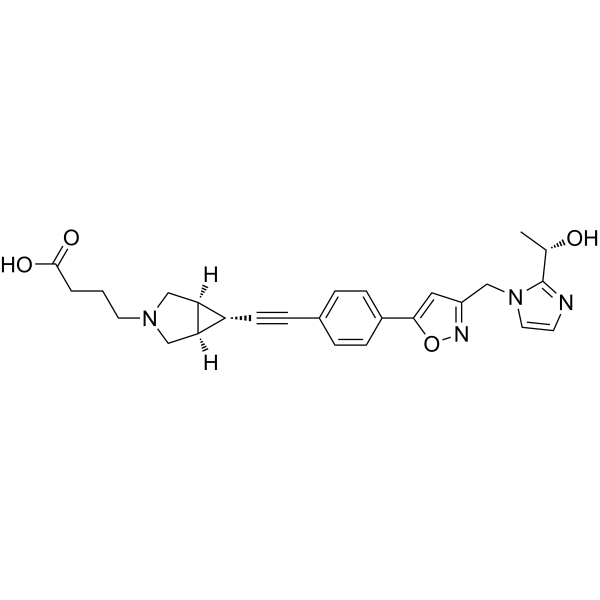
    TP0586532 is a non-hydroxamate LpxC inhibitor (IC50=0.101 μM). TP0586532 as a compound with a low cardiovascular risk that is effective against K. pneumoniae, including resistant strains . TP0586532 is a click chemistry reagent, it contains an Alkyne group and can undergo copper-catalyzed azide-alkyne cycloaddition (CuAAc) with molecules containing Azide groups.
    TP0586532
  • HY-119749

    Bacterial Infection
    Diazaborine is an inhibitor for enoyl-acyl carrier protein (enoyl ACP) in an NAD+-dependent manner. Diazaborine exhibits antibacterial activity, MIC for E. coli and K. pneumoniae is 25 and 3.12 μg/mL .
    Diazaborine
  • HY-163542

    Bacterial Inflammation/Immunology
    Pneumolysin-IN-1 (compound PB-3) is a targeted small molecule inhibitor of Pneumolysin (PLY) (IC50=3.1 µM). Pneumolysin-IN-1 is a pore blocking agent and an anti-virulence factor. Pneumolysin-IN-1 can be used to study the infection caused by Streptococcus pneumoniae .
    Pneumolysin-IN-1
  • HY-159687

    WCK 4873

    Antibiotic Bacterial Infection
    Nafithromycin (WCK 4873) is an orally available antibiotic that inhibits community-acquired pneumonia caused by Streptococcus pneumoniae, Haemophilus influenzae, Moraxella catarrhalis, and Methicillin (HY-121544)-susceptible Staphylococcus aureus. The MIC90 of nafithromycin against macrolide-resistant and telithromycin (HY-A0062)-insensitive Streptococcus pneumoniae is 0.12 mg/liter .
    Nafithromycin
  • HY-19506

    Antibiotic Bacterial Infection
    AR-709 is a diaminopyrimidine antibiotic. AR-709 exhibits potent antibacterial activity against Streptococcus pneumoniae (MIC = 0.03 mg/L). AR-709 can be used for research on bacterial infections .
    AR-709
  • HY-147237

    Bacterial Infection
    LpxC-IN-10 (Compound A) is a high selectivity inhibitor of LpxC. LpxC-IN-10 exhibits MIC values of 0.5 μg/mL against E. coli and K. pneumoniae. LpxC-IN-10 (Compound A) can be used for the research of bacterial infection . LpxC-IN-10 is a click chemistry reagent, it contains an Alkyne group and can undergo copper-catalyzed azide-alkyne cycloaddition (CuAAc) with molecules containing Azide groups.
    LpxC-IN-10
  • HY-153626

    Bacterial Antibiotic Infection Inflammation/Immunology
    Chlamydia pneumoniae-IN-1 (compound 55), a benzimidazole, shows high activity against the bacterium. Chlamydia pneumoniae-IN-1 has 99% inhibition of C. pneumoniae Growth at 10 μM, and has 95% inhibition effect on the viability of the host cells at 10 μM. Chlamydia pneumoniae-IN-1 inhibits the growth of the CV-6 strain with a MIC of 12.6 μM. Chlamydia pneumoniae-IN-1 has antichlamydial efficiency .
    Chlamydia pneumoniae-IN-1
  • HY-130836
    LpxH-IN-AZ1
    1 Publications Verification

    Bacterial Infection
    LpxH-IN-AZ1, a sulfonyl piperazine compound, is a potent UDP-2,3-diacylglucosamine pyrophosphate hydrolase LpxH inhibitor. LpxH-IN-AZ1 is a potent inhibitor of Klebsiella pneumoniae LpxH with IC50 of 0.36 μM .
    LpxH-IN-AZ1
  • HY-136429

    Optochin

    Bacterial Parasite Infection
    Ethylhydrocupreine (Optochin) is a quinine derivate with antimicrobial activity against S. pneumoniae. Ethylhydrocupreine also possesses antimalarial activity against Plasmodium falciparum, with an IC50 of 25.75 nM. Ethylhydrocupreine is a Gallus gallus taste 2 receptors (ggTas2r1, ggTas2r2 and ggTas2r7) agonist .
    Ethylhydrocupreine
  • HY-N8221

    Bacterial Infection
    Homoembelin is an antimicrobial compound and has the potential for MDR bacterial infection research .
    Homoembelin
  • HY-102009

    Bacterial Infection
    BB-83698 is a peptide deformylase (PDF) inhibitor. BB-83698 exhibits potent in vitro activity against Streptococcus pneumoniae, with a minimum inhibitory concentration (MIC) range of 0.06-0.25μg/mL. BB-83698 elevates the survival rate of mice regardless of whether the infecting strain carries resistance mechanisms. BB-83698 can be used for the study of diseases related to drug-resistant Streptococcus pneumoniae infections .
    BB-83698
  • HY-W023253

    Bacterial Fungal Infection Inflammation/Immunology
    Biclotymol is an antimicrobial agent against gram-positive cocci. Biclotymol inhibits Streptococcus pneumoniae and Haemophilus influenzae, with MIC of 150 and 150 μM. Biclotymol exhibits anti-inflammatory and analgesic activity and ameliorates the otolaryngology infection and throat sore .
    Biclotymol
  • HY-N10755A

    Cytochrome P450 Bacterial Infection
    (±)-ε-Viniferin is a racemate of ε-Viniferin (HY-N3841). (±)-ε-Viniferin exhibits P450 inhibitory antioxidants, as well as hepato-protective and antimicrobial activities. (±)-ε-Viniferin has antibacterial and antibiofilm activity against Gram-positive bacteria Streptococcus pneumoniae with a MIC of 20 μM .
    (±)-ε-Viniferin
  • HY-106526

    Bactacine; Nanbacine

    Bacterial Infection Inflammation/Immunology
    Xibornol (Bactacine) has strong antibacterial action against Streptococcus pneumoniae, Streptococcus pyogenes, and Staphyloccus aureus, as well as against Actinomyces israelii and Corynebacterium ulcerans. Xibornol has the potential for using for the antisepsis of the oral cavity and as adjuvant in pharyngeal infections caused by Gram-positive microorganisms .
    Xibornol
  • HY-125789

    Bacterial Infection
    PF-04753299 is a potent and selective UDP-3-O-(R-3-hydroxymyristol)-N-acetylglucosamine deacetylase (LpxC) inhibitor. PF-04753299 is bactericidal for the gonococcal isolates. PF-04753299 inhibits E. coli, P. aeruginosa and K. pneumoniae strains with MIC90 values of 2 μg/ml, 4 μg/ml and 16 μg/ml, respectively. PF-04753299 is used for the study of gram-negative bacteria infection .
    PF-04753299
  • HY-129331

    Antibiotic Bacterial Fungal Infection Cancer
    Neothramycin A is an antibiotic, which can be isolated from Streptomyces. Neothramycin A exhibits board spectrum antimicrobial activity, inhibits Staphylococcus aureus, Klebsiella pneumoniae, Escherichia coli W677, and Saccharomyces cerevisia with MIC of 25-50 μg/mL. Neothramycin A exhibits antitumor efficacy against leukemia in mouse models .
    Neothramycin A
  • HY-N16460

    Antibiotic Bacterial Infection
    Albomycin δ2 is a siderophore-antibiotic conjugate targeting bacterial ribosomes (MIC: 0.0625 μg/mL against S. pneumoniae, 0.125 μg/mL against MRSA). Albomycin δ2 is promising for research of Streptococcus pneumoniae and Staphylococcus aureus infections .
    Albomycin δ2
  • HY-117963

    Antibiotic Infection
    Lincosamine is a lincosamide antibiotic with activity that inhibits bacterial growth. Lincosamine is primarily produced by Streptomyces lincolnensis. Lincosamine has shown efficacy in combating certain bacterial infections, especially against Klebsiella pneumoniae. Lincosamine ranked among 14 other antimicrobial compounds in its activity against Klebsiella pneumoniae in a test .
    Lincosamine
  • HY-139982

    Bacterial Infection
    OX11 is a selective inhibitor of S. pneumoniae, P. aeruginosa, and E. coli bacterial strains .
    OX11
  • HY-N16459

    Antibiotic Bacterial Infection
    Albomycin δ1 is a selective bacterial ribosome-targeted antibiotic (MIC: 0.0625 μg/mL against S. pneumoniae). Albomycin δ1 exerts bactericidal activity via covalent binding to 70S ribosomes and irreversible inhibition of peptidyl transferase. Albomycin δ1 is promising for research of S. pneumoniae and S. aureus infections .
    Albomycin δ1
  • HY-B0699

    HR 810

    Antibiotic Bacterial Infection
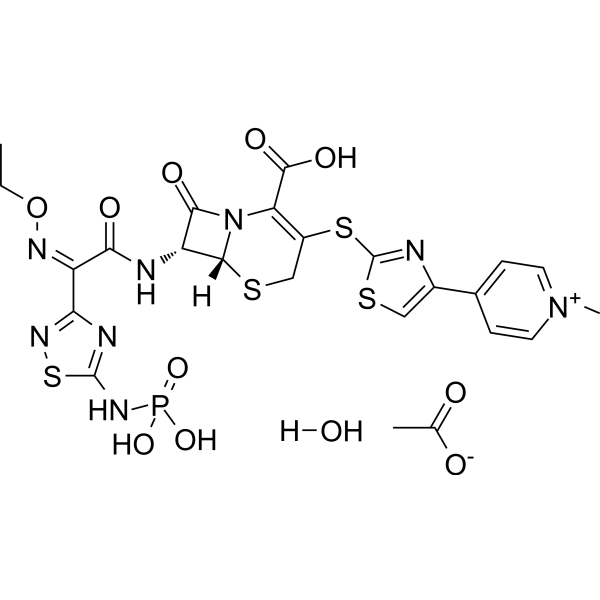
    Cefpirome (HR 810) is a fourth generation cephalosporin. Cefpirome shows antibacterial activity. Cefpirome also has in vitro activity against Streptococcus pneumoniae .
    Cefpirome
  • HY-P5704

    Bacterial Infection
    K11 is an antimicrobial peptide. K11 is active against MDR/XDR K. pneumoniae isolates (MIC: 8-512 μg/mL), and inhibits bacterial biofilm formation. K11 can act synergistically with antibiotics (Chloramphenicol (HY-B0239), Meropenem (HY-13678), Rifampicin (HY-B0272), etc.) against drug-resistant K. pneumoniae. K11 has high thermal and wide pH stability .
    K11
  • HY-N16461

    Bacterial Infection
    Albomycin ε is a siderophore-antibiotic conjugate targeting bacterial ribosomes (MIC values:>512 μg/mL). Albomycin ε is promising for research of Streptococcus pneumoniae and Staphylococcus aureus infections .
    Albomycin ε
  • HY-162144

    Bacterial Infection
    BDM91288 is an orally active AcrB efflux pump inhibitor of pyridinium piperazine. BDM91288 can enhance the in vivo efficacy of levofloxacin (HY-B0330) in the treatment of Klebsiella pneumoniae pulmonary infection in mouse models .
    BDM91288
  • HY-160762

    Bacterial Infection
    IMB-H4 is an antibacterial agent and BamA binder. IMB-H4 disrupts BamA-BamD interaction by binding to BamA. IMB-H4 shows growth inhibition to Escherichia coli, Klebsiella pneumoniae, Pseudomonas aeruginosa, and Acinetobacter baumannii .
    IMB-H4
  • HY-P10431

    Sea snake cathelicidin

    Bacterial Infection Inflammation/Immunology
    Hc-CATH (Sea snake cathelicidin) is an antibacterial peptide with broad-spectrum. Hc-CATH inhibits Shigella dysenteriae and Klebsiella pneumoniae with MIC of 0.16 mM-20.67 mM. Hc-CATH exhibits anti-inflammatory efficacy .
    Hc-CATH
  • HY-144100

    Beta-lactamase Bacterial Infection
    β-Lactamase-IN-7 (compound 14) is a potent VIM-Type metallo-β-lactamase inhibitor, with Kis of 1.26 μM and 0.54 μM for VIM-1 and VIM-4, respectively. β-Lactamase-IN-7 can effectively inhibit Klebsiella pneumoniae .
    β-Lactamase-IN-7
  • HY-157808

    Bacterial Infection
    Antibacterial agent 185 (compound IP-01) is a potent antibacterial agent. Antibacterial agent 185 inhibits filamentous temperature-sensitive mutant Z (FtsZ) polymerization and bundling by increasing GTP hydrolysis. Antibacterial agent 185 inhibits Streptococcus pneumoniae and shows narrow-spectrum activity .
    Antibacterial agent 185
  • HY-150767

    Bacterial Infection
    KPC-2-IN-2 (Compound 6c) is a potent Klebsiella pneumoniae carbapenemase (KPC-2) inhibitor (Ki=0.038 μM). KPC-2-IN-2 can enhance the activity of cefotaxime in KPC-2 expressing Escherichia coli .
    KPC-2-IN-2
  • HY-177301

    Bacterial Infection
    PDF-IN-2 is a peptidyl deformylase (PDF) inhibitor. PDF-IN-2 has average IC50 values of 0.25, 0.50 and 0.34 nM, and average MIC values of 0.16, 0.33 and 0.25 μg/mL for Streptococcus pneumoniae PDF WT, G70V and G70D, respectively. PDF-IN-2 can be used in the research of infectious diseases .
    PDF-IN-2
  • HY-125524

    Bacterial Infection
    Antibacterial agent 199 (Compound 2) is an activator for caseinolytic protease (ClpP) with a Kd of 0.7 μM. Antibacterial agent 199 exhibits antibacterial efficacy against Gram-positive strains Staphylococcus aureus, Streptococcus pneumoniae and Gram-negative strain Neisseria meningitidis, with MICs of 16, 0.5 and 0.5 μg/mL, respectively .
    Antibacterial agent 199
  • HY-105425

    Bacterial Antibiotic Infection
    DWC 751 is a cephalosporin antibiotic. DWC 751 exhibits activity against most Gram-positive bacteria, such as methicillin-sensitive Staphylococcus aureus and S. pneumoniae, as well as Gram-negative bacteria including E. coli and E. cloacae. DWC 751 can be used in the research of infectious diseases .
    DWC 751
  • HY-B1422S

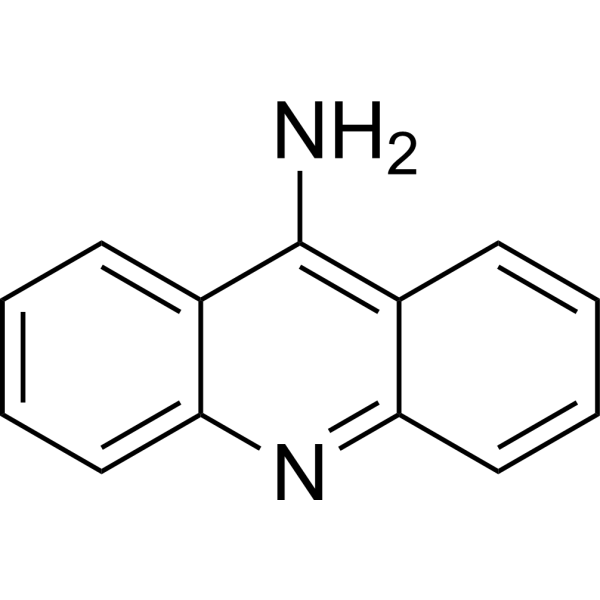
    Aminacrine-13C6

    Bacterial HIV Isotope-Labeled Compounds Infection
    9-Aminoacridine-13C6 is the 13C-labeled 9-Aminoacridine(HY-B1422). 9-Aminoacridine, a fluorescent probe, acts as an indicator of pH for quantitative determination of transmembrane pH gradients (inside acidic). 9-Aminoacridine is an antimicrobial. 9-Aminoacridine exerts its antimicrobial activity by interacting with specific bacterial DNA and disrupting the proton motive force in K. pneumoniae. 9-Aminoacridine is a HIV-1 inhibitor and inhibits HIV LTR transcription highly dependent on the presence and location of the amino moiety. 9-Aminoacridine inhibits virus replication in HIV-1 infected cell lines. 9-Aminoacridine is used as a Rifampin (RIF; HY-B0272) adjuvant for the multidrug-resistant K. pneumoniae infections .
    9-Aminoacridine-13C6
  • HY-138621

    Bacterial Infection
    Antibacterial agent 19 (compound 8) is a potent antibacterial agent. Antibacterial agent 19 has antibacterial activity against K. pneumoniae, (M-R)S. aureus and (M-R,V-R)S. aureus with MIC values of 0.022, 0.022 and 0.045 mg/mL, respectively .
    Antibacterial agent 19
  • HY-128222

    Hydrazinecarboselenoamide

    Bacterial Infection Cancer
    Selenosemicarbazide (Hydrazinecarboselenoamide) exhibits antimicrobial activity, that inhibits B. subtilis, S. aureus, Klebsiella pneumoniae, Sarcina lutea and Mycobacterium tuberculosis. Selenosemicarbazide forms complex with metal ions, and exhibits antitumor efficacy against cancer cells
    Selenosemicarbazide
  • HY-124679A

    Bacterial Others
    (R)-DS86760016 is the R-enantiomer of DS86760016 (HY-124679). DS86760016 is a potent leucyl-tRNA synthetase (LeuRS) inhibitor with activity against multidrug-resistant (MDR) Gram-negative bacteria, such as Escherichia coli, Klebsiella pneumoniae, and Pseudomonas aeruginosa .
    (R)-DS86760016
  • HY-144284

    Bacterial Infection
    MsbA-IN-5 (compound 40) is a potent and highly selective MsbA inhibitor with an IC50 value of 2 nM. MsbA-IN-5 has inhibitory activity against Escherichia coli, Klebsiella pneumoniae, and Enterobacter cloacae with MICs of 12 μM, 12 μM and 25 μM, respectively. MsbA-IN-5 can be used for researching anti-Gram-negative bacteria .
    MsbA-IN-5

Inquiry Online

Your information is safe with us. * Required Fields.

Salutation


Country or Region *

Applicant Name *


Organization Name *

Department *


Email Address *


Product Name *

Cat. No.


Requested quantity *

Phone Number *


Remarks

Inquiry Online

Inquiry Information

Product Name:
Cat. No.:
Quantity:
MCE Japan Authorized Agent:

