



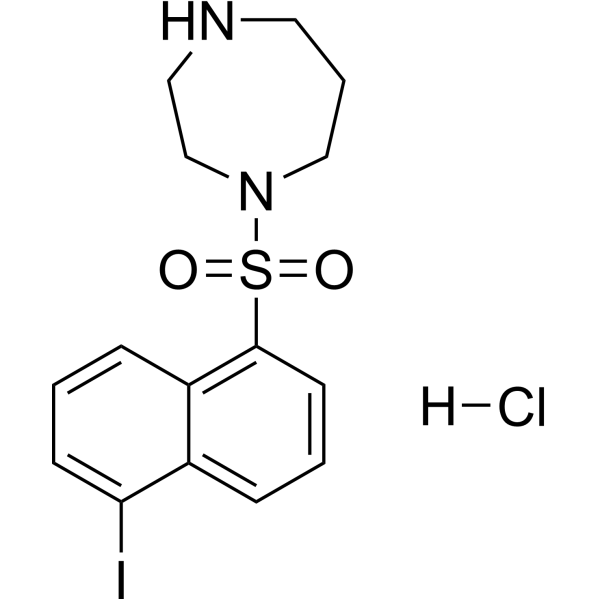
ML-7 hydrochloride
Based on 25 publication(s) in Google Scholar
ML-7 hydrochloride is a selective and highly specific myosin light chain kinase (MLCK) inhibitor that acts as a trabecular meshwork (TM) relaxant. ML-7 hydrochloride enhances Quinocetone (HY-123581)-induced phosphorylation of ERK, p38 MAPK and JNK, attenuates Akt activation, and promotes apoptosis of hepatocellular carcinoma cells. ML-7 hydrochloride reduces Th2 cytokine secretion by inhibiting MLCK, while alleviating smooth muscle hyperplasia and collagen deposition. As a non-antibiotic adjuvant, ML-7 hydrochloride restores the sensitivity of drug-resistant bacteria to Tigecycline (HY-B0117). ML-7 hydrochloride can be used in research related to glaucoma, hepatocellular carcinoma, asthma, and Klebsiella pneumoniae infection.
For research use only. We do not sell to patients.
- Purity : 99.60%
- CAS No.: 110448-33-4
- Formula: C15H18ClIN2O2S
- Molecular Weight:452.74
-
Storage:
4°C, sealed storage, away from moisture
* In solvent : -80°C, 1 year; -20°C, 6 months (sealed storage, away from moisture)

To place orders, for customer services and technical support, please contact: MedChemExpress USA
Tel: 609-228-6898 E-mail: [email protected] [email protected]


-
 Biological Activity
-
Chemical Information
-
Solvent & Solubility
- Protocols
- Purity & Documentation
- References
-
 Help & FAQs


-
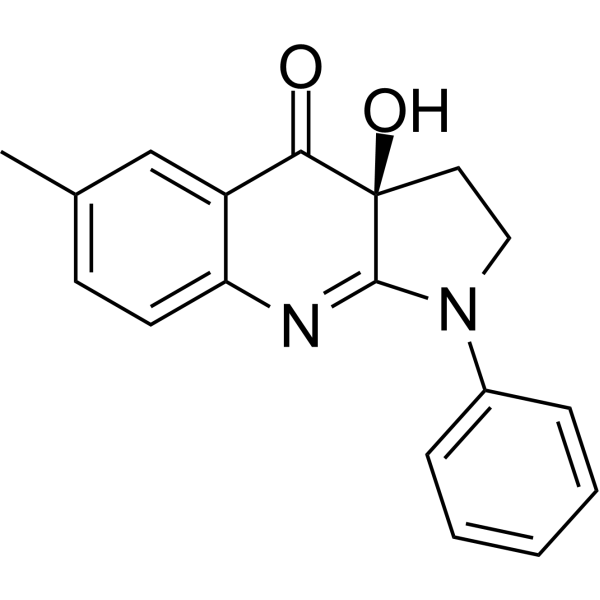
HY-13441
(-)-BlebbistatinMyosin II ATPase Inhibitor -
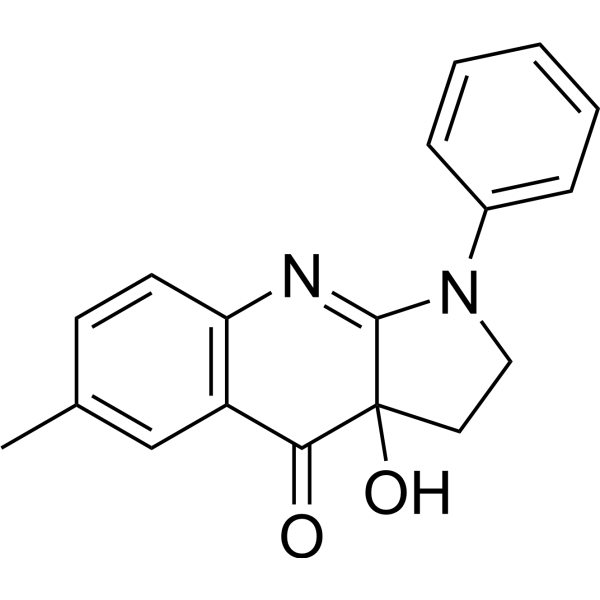
HY-13813
BlebbistatinMyosin II Inhibitor -
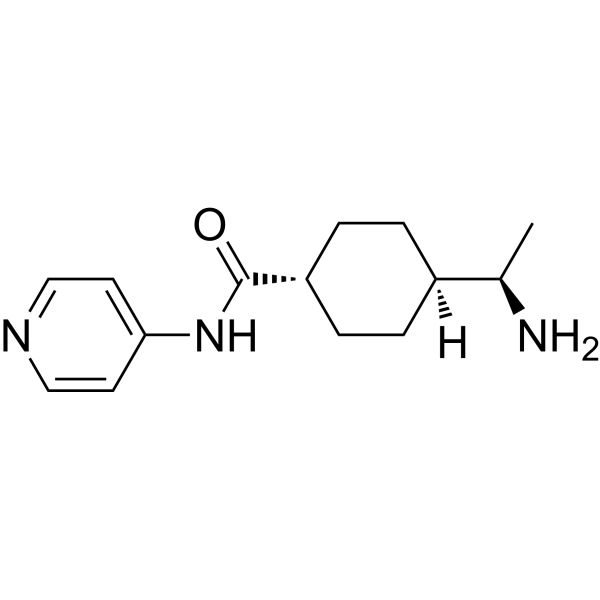
HY-10071
Y-27632ROCK Inhibitor -
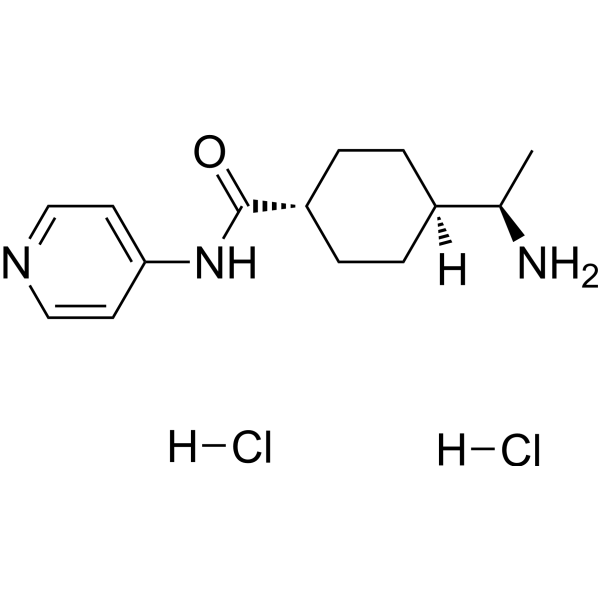
HY-10583
Y-27632 dihydrochlorideROCK Inhibitor -
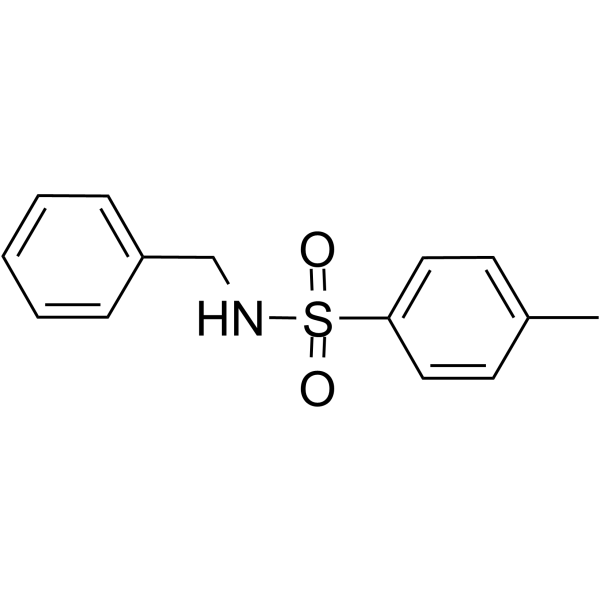
HY-16690
BTSMyosin S1 ATPase Inhibitor -
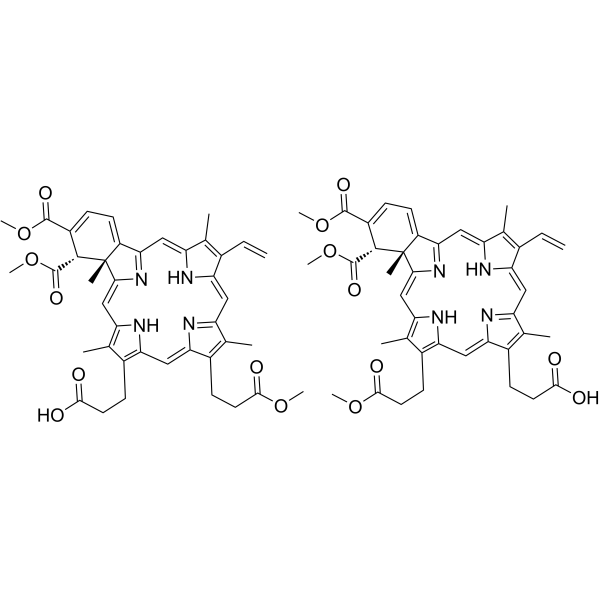
HY-B0146
VerteporfinYAP Inhibitor -
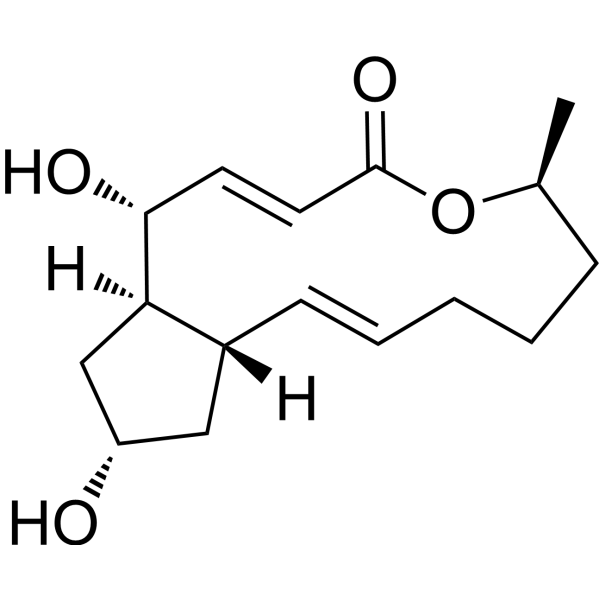
HY-16592
Brefeldin AProtein Transport Inhibitor -
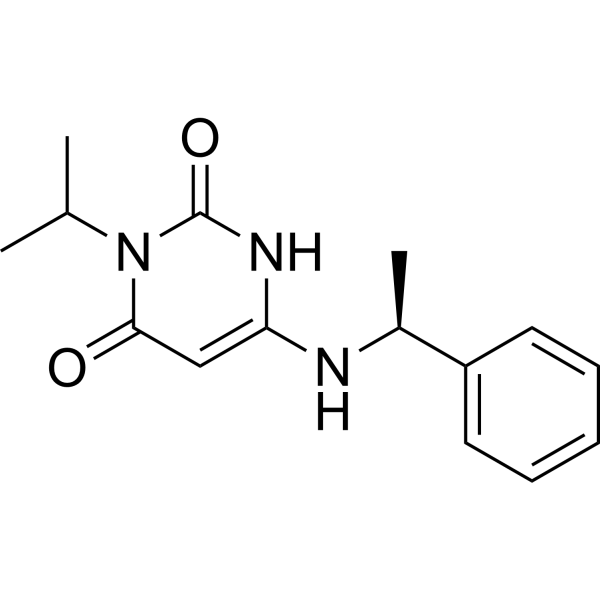
HY-109037
MavacamtenCardiac Myosin Modulator -
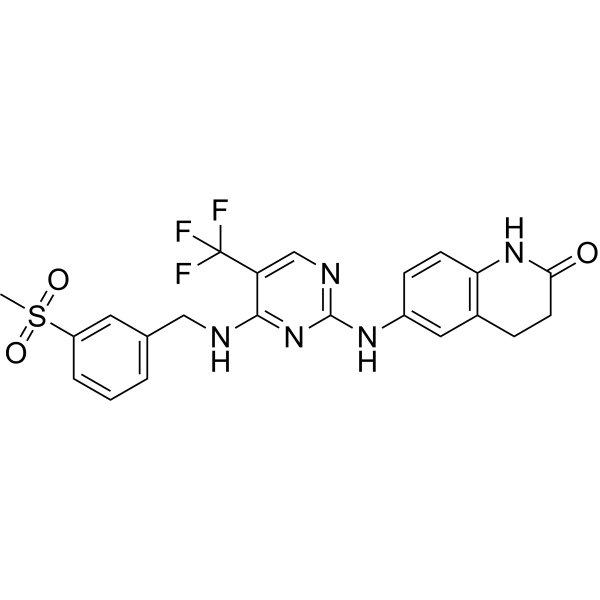
HY-10461
PF-573228FAK Inhibitor -
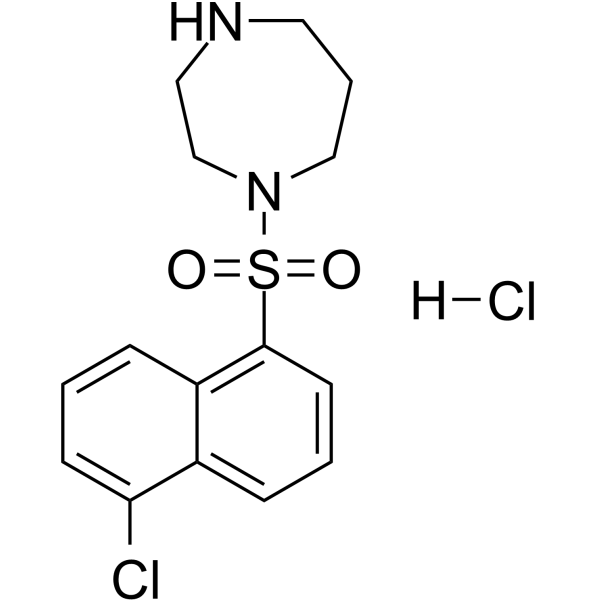
HY-100932
ML-9Akt Kinase Inhibitor -
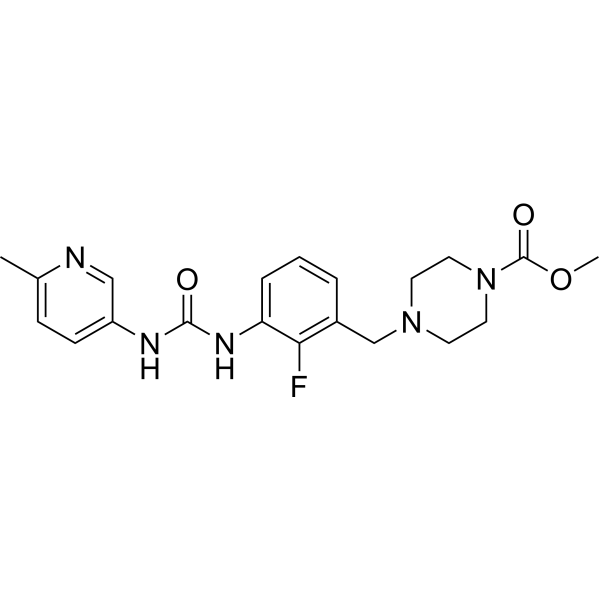
HY-14233
Omecamtiv mecarbilCardiac Myosin Activator -

HY-P1029
MLCK inhibitor peptide 18MLCK Inhibitor
Publications Citing Use of MedChemExpress (MCE) ML-7 hydrochloride
More- Immunity. 2022 Dec 13;55(12):2285-2299.e7. [Abstract]
- Bioact Mater. 2024 Jun 14:40:244-260. [Abstract]
- Carbohydr Polym. 2023 Dec 1:321:121292. [Abstract]
- Food Res Int. 2026 Feb 11.
- Cell Mol Gastroenterol Hepatol. 2021;11(3):683-696. [Abstract]
- J Invest Dermatol. 2024 Feb;144(2):243-251.e2. [Abstract]
- J Agric Food Chem. 2024 Jan 10;72(1):326-338. [Abstract]
- J Agric Food Chem. 2023 Jan 11;71(1):867-876. [Abstract]
- J Agric Food Chem. 2021 Apr 14;69(14):4101-4110. [Abstract]
- Ecotoxicol Environ Saf. 2021 Oct 1:222:112476. [Abstract]
- EMBO Rep. 2026 Aug;27(16):4721-4750.
- J Mol Cell Biol. 2025 Jul 22:mjaf019. [Abstract]
- Cells. 2024 Oct 14;13(20):1697. [Abstract]
- Int J Mol Sci. 2023 Mar 27;24(7):6263. [Abstract]
- PLoS Pathog. 2022 Aug 3;18(8):e1010765. [Abstract]
- Environ Toxicol Pharmacol. 2023 Nov:104:104301. [Abstract]
- Eur J Cell Biol. 2024 May 28;103(2):151427. [Abstract]
- J Sci Food Agric. 2025 Jul 1. [Abstract]
- J Cell Sci. 2022 Jul 1;135(13):jcs259692. [Abstract]
- Toxicol Lett. 2020 Oct 10:332:146-154. [Abstract]
- Virology. 2024 Dec:600:110233. [Abstract]
- Biochem Biophys Res Commun. 2023 Aug 30:670:109-116. [Abstract]
- bioRxiv. 2026 Mar 16:2026.03.13.711384. [Abstract]
- bioRxiv. 2024 Jan 23.
- bioRxiv. 2023 Feb 5.
 Customer Validation & Images

-
WB
-
WB
-
WB


Biological Activity
Description
IC50 & Target
|
YAP/TAZ |
In Vitro
ML-7 (10-20 μM; 24 h) hydrochloride alone shows no toxicity to HepG2 cells, but enhances quinocetone-induced cytotoxicity in a dose-dependent manner, and significantly reduces cell viability when used in combination with quinocetone[1].
ML-7 (15-20 μM; 24 h) hydrochloride alone does not induce significant apoptosis in HepG2 cells, but when combined with quinocetone, it significantly enhances quinocetone-induced apoptosis in a dose-dependent manner[1].
ML-7 (20 μM; 24 h) hydrochloride enhances quinocetone-induced activation of both extrinsic and intrinsic apoptotic pathways in HepG2 cells by promoting the cleavage of key caspases, PARP-1 and Bid, as well as upregulating the pro-apoptotic Bax/Bcl-2 ratio[1].
ML-7 (20 μM; 24 h) hydrochloride significantly amplifies quinocetone-induced loss of mitochondrial membrane potential in HepG2 cells, thereby promoting an increase in endogenous apoptosis levels[1].
ML-7 (20 μM; 24 h) hydrochloride attenuates quinocetone-induced activation of the pro-survival Akt pathway and enhances quinocetone-induced activation of the JNK, p38 and ERK MAPK pathways in HepG2 cells[1].
ML-7 (20 μM; 15 min) hydrochloride inhibits the increase in MLCK activity in phagocytosing human neutrophils[2].
ML-7 (20 μM) hydrochloride inhibits the upregulation of cell surface ALPase activity (a marker of reactive oxygen species-producing granule exocytosis) in PMA-stimulated human neutrophils, with an inhibition rate of 86% when treated before stimulation and 75% when treated after stimulation[2].
ML-7 (20 μM) hydrochloride inhibits extracellular O2− release from human neutrophils stimulated by phorbol ester (PMA) (HY-18739); administration prior to stimulation results in complete inhibition, while administration after stimulation achieves approximately 80% inhibition[2].
ML-7 (20 μM) hydrochloride does not inhibit PMA-stimulated O2− production in human neutrophils, but prolongs the lag phase of oxidant production when administered prior to stimulation[2].
ML-7 (20 μM; 5 min) hydrochloride fails to prevent the formation of intracellular O2−-producing compartments in PMA-stimulated human neutrophils, regardless of whether it is administered before or after stimulation[2].
ML-7 (20 μM) hydrochloride does not inhibit NADPH oxidase activity in phorbol ester (PMA)-stimulated human neutrophils, but reduces the association of oxidant-producing compartments with the plasma membrane[2].
ML-7 (20 μM; 5 min) hydrochloride inhibits the association of pro-oxidant intracellular compartments with the plasma membrane in PMA-stimulated human neutrophils, with a suppression rate of 87% for pre-stimulation treatment and 81% for post-stimulation treatment[2].
ML-7 (1-5 μM) hydrochloride dose-dependently inhibits carbachol (HY-B1208)-induced contractility of isolated bovine trabecular meshwork strips, with an inhibition rate of 25.1% at the concentration of 5 μM[3].
ML-7 (1 μM) hydrochloride reduces endothelin-1-induced contractile force in isolated bovine trabecular meshwork strips to 35.9% of the maximal contractile force induced by carbachol[3].
ML-7 (1 μM) hydrochloride reduces the serine phosphorylation level of myosin light chain kinase in carbachol-induced native bovine trabecular meshwork muscle strips[3].
ML-7 (4-128 μg/mL; 18 h) hydrochloride acts as a potent adjuvant that synergizes with tigecycline against all tested clinical tigecycline-resistant Klebsiella pneumoniae isolates (7 sequence types), with fractional inhibitory concentration index (FICI) values ≤ 0.5, and reduces the MIC of tigecycline by 4- to 128-fold[4].
Combination treatment with ML-7 (64 μg/mL; 24 h) hydrochloride and tigecycline at 2 μg/mL completely inhibits the growth of tigecycline-resistant Klebsiella pneumoniae isolates 14-R71, 14-R74 and 14-R75 within 24 h, whereas monotherapy with either drug only achieves partial growth inhibition[4].
The combination of ML-7 (64 μg/mL; 24 h) hydrochloride and 2 μg/mL tigecycline exerts synergistic bactericidal activity against tigecycline-resistant Klebsiella pneumoniae isolates 14-R71 and 14-R75 (reducing CFU/mL by approximately 5-6 log10), and exhibits synergistic bacteriostatic activity against isolate 14-R74 within 24 h, whereas no significant effect is observed with either drug used alone[4].
ML-7 (32-128 μg/mL; 1 h) hydrochloride inhibits the activity of efflux pumps in tigecycline-resistant Klebsiella pneumoniae in a dose-dependent manner, and its combined use enhances the inhibitory effect of tigecycline on such efflux pumps[4].
ML-7 (32-128 μg/mL; 30 min) hydrochloride disrupts the proton motive force of tigecycline-resistant Klebsiella pneumoniae 14-R75 by significantly increasing ΔpH, and this effect occurs when ML-7 is used alone or in combination with tigecycline[4].
ML-7 (32-128 μg/mL) hydrochloride reduces the outer membrane permeability of tigecycline-resistant Klebsiella pneumoniae in a dose-dependent manner, either when used alone or in combination with tigecycline, but has no effect on inner membrane permeability[4].
ML-7 (4 h) hydrochloride alters the transcriptome of tigecycline-resistant Klebsiella pneumoniae 14-R75, and genes associated with its mechanism of action are mainly enriched in ABC transporters, including downregulated expression of the efflux pump component macB[4].
ML-7 (32-128 μg/mL; 30 min) hydrochloride induces dose-dependent accumulation of reactive oxygen species in tigecycline-resistant Klebsiella pneumoniae 14-R75, either when acting alone or in combination with tigecycline[4].
ML-7 (32-128 μg/mL) hydrochloride dose-dependently reduces the intracellular ATP level of tigecycline-resistant Klebsiella pneumoniae 14-R75, and this effect occurs both when ML-7 acts alone and when it is used in combination with tigecycline[4].
MedChemExpress (MCE) has not independently confirmed the accuracy of these methods. They are for reference only. Further protocols information, click here.
-
Cell Line:HepG2 human hepatocellular carcinoma cells
-
Concentration:10, 15 and 20 μM (in combination with Quinocetone)
-
Incubation Time:24 h
-
Result:Did not cause significant changes in HepG2 cell viability compared to controls when used alone.
Reduced cell viability from 80.70% to 64.62% when co-treated with 5 μg/mL quinocetone at 15 μM.
Reduced cell viability to 53.20% when co-treated with 5 μg/mL quinocetone at 20 μM.
Produced similar dose-dependent reductions in cell viability relative to quinocetone alone when co-treated with 7.5 or 10 μg/mL quinocetone plus 15 or 20 μM.
-
Cell Line:HepG2 human hepatocellular carcinoma cells
-
Concentration:15 and 20 μM (in combination with Quinocetone)
-
Incubation Time:24 h
-
Result:Did not cause significant changes in apoptotic cell percentages compared to controls when used alone.
Raised the apoptotic cell ratio from 5.13% to 10.95% when co-treated with 5 μg/mL quinocetone at 20 μM.
Raised the apoptotic cell ratio from 10.65% to 20.53% when co-treated with 7.5 μg/mL quinocetone at 20 μM.
Increased apoptotic cell rates to 15.51% and 34.69% when co-treated with 5 μg/mL and 7.5 μg/mL quinocetone respectively at 20 μM.
-
Cell Line:HepG2 human hepatocellular carcinoma cells
-
Concentration:20 μM (in combination with Quinocetone)
-
Incubation Time:24 h
-
Result:Enhanced quinocetone-induced cleavage of caspase-3, PARP-1, caspase-8, caspase-9, and Bid when co-treated with quinocetone.
Amplified quinocetone-induced upregulation of the Bax/Bcl-2 ratio compared to quinocetone alone.
Did not produce significant changes in these proteins relative to controls when used alone.
-
Cell Line:HepG2 human hepatocellular carcinoma cells
-
Concentration:20 μM (in combination with 5-10 μg/mL quinocetone)
-
Incubation Time:24 h
-
Result:Attenuated quinocetone-induced activation of the Akt pathway, without changing total Akt or S6K levels, when co-treated with quinocetone.
Amplified quinocetone-induced phosphorylation of JNK, p38, and ERK, and increased total JNK and ERK levels compared to quinocetone alone, when co-treated with quinocetone.
-
Cell Line:HepG2 human hepatocellular carcinoma cells
-
Concentration:20 μM (in combination with 7.5 μg/mL Quinocetone, preceded by 30 min pretreatment with 10 μM SB203580, 10 μM U0126, 10 μM SP600125, or 50 ng/mL IGF-1)
-
Incubation Time:24 h (combo treatment; preceded by 30 min pretreatment)
-
Result:Reduced combo-induced cleavage of PARP-1, caspase-3, caspase-9, caspase-8, and Bid, and reduced the combo-induced Bax/Bcl-2 ratio when cells were pretreated with SB203580 or IGF-1.
Enhanced combo-induced cleavage of these proteins and increased the Bax/Bcl-2 ratio when cells were pretreated with U0126 or SP600125.


Chemical Information
-
CAS No. 110448-33-4
-
Appearance Solid
-
Molecular Weight 452.74
-
Formula C15H18ClIN2O2S
-
Color Off-white to yellow
-
SMILES
O=S(N1CCNCCC1)(C2=C3C=CC=C(I)C3=CC=C2)=O.Cl
-
Shipping
Room temperature in continental US; may vary elsewhere.
-
Storage
4°C, sealed storage, away from moisture
* In solvent : -80°C, 1 year; -20°C, 6 months (sealed storage, away from moisture)


Publications (25)
-
Journal Impact Factor
-
Most Recent
-
Immunity
Neutrophil "plucking" on megakaryocytes drives platelet production and boosts cardiovascular disease. [Abstract]2022 Dec 13;55(12):2285-2299.e7. PMID: 36272416 -
Bioact Mater
Creating a bionic scaffold via light-curing liquid crystal ink to reveal the role of osteoid-like microenvironment in osteogenesis. [Abstract]2024 Jun 14:40:244-260. PMID: 38973990 -
Carbohydr Polym
Highly anisotropic and elastic cellulosic scaffold guiding cell orientation and osteogenic differentiation via topological and mechanical cues. [Abstract]2023 Dec 1:321:121292. PMID: 37739527 -
-
Cell Mol Gastroenterol Hepatol
2021;11(3):683-696. PMID: 33075564 -
J Invest Dermatol
Hair follicle transit amplifying cells phagocytose dead cells after radiotherapeutic and chemotherapeutic injuries for timely regeneration. [Abstract]2024 Feb;144(2):243-251.e2. PMID: 37598868 -
J Agric Food Chem
Mechanism of Intestinal Epithelial Absorption and Electrophysiological Regulation of the Shrimp Peptide QMDDQ. [Abstract]2024 Jan 10;72(1):326-338. PMID: 38155399 -
J Agric Food Chem
Aflatoxin B1 Induces Intestinal Barrier Dysfunction by Regulating the FXR-Mediated MLCK Signaling Pathway in Mice and in IPEC-J2 Cells. [Abstract]2023 Jan 11;71(1):867-876. PMID: 36579420 -
J Agric Food Chem
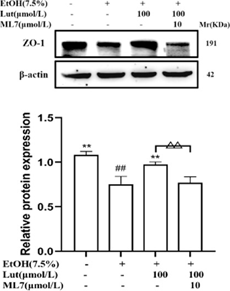
Reparative Effects of Ethanol-Induced Intestinal Barrier Injury by Flavonoid Luteolin via MAPK/NF-κB/MLCK and Nrf2 Signaling Pathways. [Abstract]2021 Apr 14;69(14):4101-4110. PMID: 33749262
ML-7 hydrochloride purchased from MedChemExpress. Usage Cited in: J Agric Food Chem. 2021 Apr 14;69(14):4101-4110. [Abstract]
Relative protein expression of ZO-1 pretreated with 10 μmol/L ML7 for 1 h. ML7 directly inhibits the expression of ZO-1.
-
Ecotoxicol Environ Saf
2021 Oct 1:222:112476. PMID: 34214772 -
-
J Mol Cell Biol
The mechanoresponsive chromosomal passenger complex sustains furrow ingression under confinement. [Abstract]2025 Jul 22:mjaf019. PMID: 40693957 -
Cells
Single-Cell Hypertrophy Promotes Contractile Function of Cultured Human Airway Smooth Muscle Cells via Piezo1 and YAP Auto-Regulation. [Abstract]2024 Oct 14;13(20):1697. PMID: 39451215 -
Int J Mol Sci
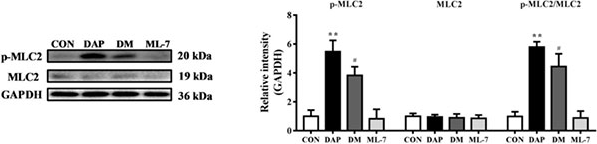
iE-DAP Induced Inflammatory Response and Tight Junction Disruption in Bovine Mammary Epithelial Cells via NOD1-Dependent NF-κB and MLCK Signaling Pathway. [Abstract]2023 Mar 27;24(7):6263. PMID: 37047240
ML-7 hydrochloride purchased from MedChemExpress. Usage Cited in: Int J Mol Sci. 2023 Mar 27;24(7):6263. [Abstract]
ML-7 hydrochloride (ML-7; 10 μM; 2 h; pretreatment) significantly reduces the protein level of phosphorylated MLC2 and the phosphorylation ratio of MLC2 in BMECs.
-
PLoS Pathog
Streptococcal autolysin promotes dysfunction of swine tracheal epithelium by interacting with vimentin. [Abstract]2022 Aug 3;18(8):e1010765. PMID: 35921364 -
Environ Toxicol Pharmacol
ZC3H4 Governs Epithelial Cell Migration through ROCK/p-PYK2/p-MLC2 Pathway in Silica-induced Pulmonary Fibrosis. [Abstract]2023 Nov:104:104301. PMID: 37866415 -
Eur J Cell Biol
The mechanical mechanism of angiotensin II induced activation of hepatic stellate cells promoting portal hypertension. [Abstract]2024 May 28;103(2):151427. PMID: 38820882 -
J Sci Food Agric
Mechanism of intestinal paracellular absorption of shrimp peptide QMDDQ regulated by myosin light chain kinase. [Abstract]2025 Jul 1. PMID: 40590404 -
J Cell Sci
2022 Jul 1;135(13):jcs259692. PMID: 35665815 -
Toxicol Lett
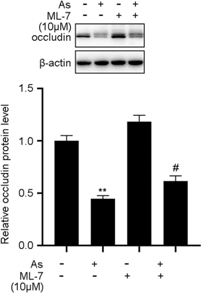
Arsenite-induced downregulation of occludin in mouse lungs and BEAS-2B cells via the ROS/ERK/ELK1/MLCK and ROS/p38 MAPK signaling pathways. [Abstract]2020 Oct 10:332:146-154. PMID: 32683294
ML-7 hydrochloride purchased from MedChemExpress. Usage Cited in: Toxicol Lett. 2020 Oct 10:332:146-154. [Abstract]
Cells are incubated with 10 μM ML-7 for 1 h, followed by incubation with 1.0 μM As2O3 for 24 h and assessment of occludin protein expression with Western blotting.
-
Virology
2024 Dec:600:110233. PMID: 39255726 -
Biochem Biophys Res Commun
YAP nuclear translocation facilitates radiation resistance in nasopharyngeal carcinoma cells. [Abstract]2023 Aug 30:670:109-116. PMID: 37290285 -
bioRxiv
Spatially Distinct Myosin II Architectures Regulate Protrusion Dynamics and Directional Persistence during Immune Cell Migration. [Abstract]2026 Mar 16:2026.03.13.711384. PMID: 41889862 -
-


Solvent & Solubility
In Vitro:
DMSO : ≥ 43 mg/mL (94.98 mM; Hygroscopic DMSO has a significant impact on the solubility of product, please use newly opened DMSO)
H2O : 1.43 mg/mL (3.16 mM; Need ultrasonic)
* "≥" means soluble, but saturation unknown.
Please refer to the solubility information to select the appropriate solvent. Once prepared, please aliquot and store the solution to prevent product inactivation from repeated freeze-thaw cycles.
Storage method and period of stock solution: -80°C, 1 year; -20°C, 6 months (sealed storage, away from moisture). When stored at -80°C, please use it within 1 year. When stored at -20°C, please use it within 6 months.
* Note: If you choose water as the stock solution, please dilute it to the working solution, then filter and sterilize it with a 0.22 μm filter before use.
Please refer to the solubility information to select the appropriate solvent. Once prepared, please aliquot and store the solution to prevent product inactivation from repeated freeze-thaw cycles.
Storage method and period of stock solution: -80°C, 1 year; -20°C, 6 months (sealed storage, away from moisture). When stored at -80°C, please use it within 1 year. When stored at -20°C, please use it within 6 months.
* Note: If you choose water as the stock solution, please dilute it to the working solution, then filter and sterilize it with a 0.22 μm filter before use.
Concentration (start) × Volume (start) = Concentration (final) × Volume (final)
In Vivo:
Select the appropriate dissolution method based on your experimental animal and administration route.
- For the following dissolution methods, please ensure to first prepare a clear stock solution using an In Vitro approach and then sequentially add co-solvents:
- To ensure reliable experimental results, the clarified stock solution can be appropriately stored based on storage conditions. As for the working solution for In Vivo experiments, it is recommended to prepare freshly and use it on the same day.
- The percentages shown for the solvents indicate their volumetric ratio in the final prepared solution. If precipitation or phase separation occurs during preparation, heat and/or sonication can be used to aid dissolution.
Add each solvent one by one: 10% DMSO 90% (20% SBE-β-CD in Saline)
Solubility: ≥ 1.67 mg/mL (3.69 mM); Clear solution
This protocol yields a clear solution of ≥ 1.67 mg/mL (saturation unknown).
Taking 1 mL working solution as an example, add 100 μL DMSO stock solution (16.7 mg/mL) to 900 μL 20% SBE-β-CD in Saline, and mix evenly.
Preparation of 20% SBE-β-CD in Saline (4°C, storage for one week): 2 g SBE-β-CD powder is dissolved in 10 mL Saline, completely dissolve until clear.
In Vivo Dissolution Calculator
Please enter the basic information of animal experiments:
-
-
-
-
Recommended: Prepare an additional quantity of animals to account for potential losses during experiments.
Please enter your animal formula composition:
-
%DMSO +
Recommended: Keep the proportion of DMSO in working solution below 2% if your animal is weak.
-
%+
-
+%Tween-80 + +
-
%Saline +
The co-solvents required include: DMSO, . All of co-solvents are available by MedChemExpress (MCE). , Tween 80. All of co-solvents are available by MedChemExpress (MCE).
Working solution concentration: 0.22 mg/mL
Method for preparing stock solution: mg drug dissolved in μL DMSO. Stock solution concentration: mg/mL. * In solvent : -80°C, 1 year; -20°C, 6 months (sealed storage, away from moisture)
1. Take μL DMSO stock solution;
2. Add μL .
μL , mix evenly;
3. Then add μL Tween 80, mix evenly;
4. Then add μL
Please ensure that the stock solution in the first step is dissolved to a clear state, and add co-solvents in sequence. You can use ultrasonic heating (ultrasonic cleaner, recommended frequency 20-40 kHz), vortexing, etc. to assist dissolution.

Protocols
-
Western Blot
Western blotting (WB) is a commonly used experimental method in molecular biology, biochemistry, and immunogenetics for identifying and quantifying target proteins. It combines gel electrophoresis with immunoassay, enabling researchers to analyze protein expression, post-translational modifications, and molecular weight.
-
Collagen: Sirius Red Staining
Sirius Red or picrosirius red staining is a histochemical method for visualizing collagen-rich extracellular matrix in tissue sections, and collagen fibers are detected as red-stained structures under bright-field microscopy with enhanced birefringence under polarized light. Picrosirius red is useful for assessing total collagen organization, distribution, and fibrosis burden, but polarized color should not be interpreted as a definitive collagen type I versus type III readout because color is affected by fiber orientation, thickness, and packing.
-
Research Protocol for Infectious Diseases
Infectious-disease experiments test how pathogens interact with host barriers, innate immune receptors, inflammatory signaling, pathogen replication, and tissue injury; pattern-recognition receptors such as TLRs, RIG-I-like receptors, NOD-like receptors, and inflammasomes detect microbial molecules and activate NF-κB, interferon, and cytokine responses. The central hypothesis is that infection severity reflects the balance between pathogen burden and host response: protective inflammation restricts pathogen growth, whereas excessive or mislocalized inflammation contributes to tissue damage and disease phenotype. Unresolved questions include which host pathways are protective versus pathogenic, why some infection models fail to translate to human disease, and which combined readouts best predict clinically relevant infection outcomes.
-
Annexin V plus membrane-impermeant dye apoptosis staining
Annexin V-based apoptosis assays rely on the detection of phosphatidylserine (PS) externalization from the inner leaflet of the plasma membrane to the outer leaflet, an early biochemical hallmark of apoptosis. Fluorescently labeled Annexin V binds PS in a calcium-dependent manner, enabling identification of early apoptotic cells by flow cytometry or fluorescence microscopy. When combined with a membrane-impermeant DNA-binding dye (e. g. , propidium iodide), this approach allows discrimination between viable (Annexin V−/dye−), early apoptotic (Annexin V+/dye−), and late apoptotic or necrotic (Annexin V+/dye+) cell populations by assessing membrane integrity and PS exposure.
-
Naïve CD4+ T-cell subset differentiation/polarization
Naïve CD4+ T-cell subset differentiation/polarization is an in vitro assay in which purified naïve CD4+ T cells are activated through TCR and CD28 costimulation and cultured with defined cytokines and neutralizing antibodies to generate Th0, Th1, Th2, Th17, or induced Treg-like populations. Differentiation is detected by subset-associated cytokines and transcription factors: IFN-γ/T-bet for Th1, IL-4/GATA3 for Th2, IL-17A/RORγt for Th17, and Foxp3 for induced Treg cells. The assay readout is usually generated by intracellular cytokine staining after restimulation, transcription-factor staining by flow cytometry, ELISA of secreted cytokines, or gene-expression analysis. The result reflects cytokine-directed lineage commitment or polarization rather than antigen-specific immune protection by itself.
-
Connective Tissue: Masson's Trichrome/Collagen Trichrome Staining
Masson’s Trichrome (collagen/trichrome staining) is a histological technique that differentially stains tissue compartments using sequential acidic dyes to distinguish collagen from muscle and cytoplasmic components based on dye affinity and tissue permeability differences, enabling visualization of fibrosis and connective tissue architecture in histological sections. The classical formulation typically uses Weigert's iron hematoxylin for nuclear staining, Biebrich scarlet-acid fuchsin for cytoplasm and muscle, and aniline blue (or light green variants) for collagen, producing a characteristic blue/green collagen signal contrasted against red cytoplasm and dark nuclei. The staining principle relies on selective displacement of smaller dye molecules by larger anionic dyes in collagen-rich regions under controlled acidified conditions, which enhances collagen-specific dye retention. This property makes the method widely used for fibrosis assessment in organs such as heart, liver, lung, a
-
Liver Cancer Modeling
Liver cancer can be classified into primary liver cancer and secondary liver cancer. Secondary liver cancer is the metastatic liver cancer. Primary liver cancer includes hepatocellular carcinoma (HCC), intrahepatic cholangiocarcinoma (ICC) and fibrolamellar HCC, of which HCC is the most common form, accounting for approximately 90% of primary liver cancers[1]. HCC mouse models include chemical agent-induced models, transplanted tumor models, and genetic engineered models.
-
Research Protocol for Inflammation-related Diseases
The NLRP3 inflammasome is a cytosolic innate immune signaling platform that integrates priming signals and danger-signal activation to promote caspase-1 activation, maturation of IL-1β and IL-18, and gasdermin D-mediated pyroptotic cell death. The core experimental logic is to determine whether inflammatory disease phenotypes are driven by increased NLRP3 expression, ASC-containing inflammasome assembly, caspase-1 cleavage, GSDMD cleavage, and extracellular release of IL-1β/IL-18 rather than by nonspecific cell injury alone. The pathway is strongly linked to inflammation-related disease phenotypes because monosodium urate crystals activate NALP3/NLRP3 inflammasome signaling in gout-like crystal inflammation, cholesterol crystals activate NLRP3 inflammasomes in atherogenesis models, and DSS-induced intestinal inflammation has been reported to involve NLRP3 inflammasome activity. However, experimental colitis studies also show context-dependent protective effects of NLRP3 inflammasome co
-
Kinase activity and phosphorylation assays
Kinase activity assays measure the ability of kinases to transfer phosphate groups from ATP to specific substrates, while phosphorylation assays detect the presence and levels of phosphorylated proteins. Common methods include radiolabeled ATP incorporation (e. g. ,), ADP release detection via bioluminescence (e. g. ,[3]), enzyme-linked immunosorbent assays (ELISA) for phospho-specific epitopes (e. g. ,[6]), and microtiter-based formats for high-throughput screening (e. g. ,[8]). The ADP-Glo assay quantifies kinase activity by measuring ADP produced during phosphorylation using a luciferase-based system. Radiometric assays involve autoradiography or scintillation counting after incorporation of 32P-labeled ATP into substrate proteins. ELISA-based approaches rely on phospho-specific antibodies to detect activated kinases in cell lysates or purified samples.
-
Fibrosis/Collagen Morphometry
Fibrosis and collagen morphometry is based on the quantitative visualization of fibrillar collagen deposition in tissue sections using histochemical stains such as Sirius Red (Picrosirius Red) or Masson's trichrome, followed by image-based or polarization-enhanced analysis to estimate collagen proportional area as a surrogate of extracellular matrix accumulation during fibrotic remodeling. Sirius Red combined with polarized light microscopy enhances detection of collagen fibers due to birefringence properties, enabling more specific visualization of collagen type I and III fibrils compared to conventional bright-field histology, while whole-section or region-restricted digital morphometry reduces field-selection bias in fibrosis assessment. Alternative quantitative approaches include second harmonic generation (SHG) and two-photon excited fluorescence microscopy, which enable label-free detection of fibrillar collagen and have been validated against histological staining and biochemica
-
Apoptosis
Apoptosis, also called programmed cell death, is generally characterized by distinct morphological characteristics.
-
TUNEL staining for apoptotic DNA fragmentation
TUNEL staining detects DNA strand breaks by using terminal deoxynucleotidyl transferase to add labeled nucleotides to exposed 3′-OH DNA termini, generating either microscopic staining in fixed cells or tissue sections, or fluorescence/cytometric signal in cell suspensions. TUNEL positivity reflects DNA fragmentation but should not be interpreted alone as definitive apoptosis, because TUNEL can also label necrotic, autolytic, mechanically damaged, or DNA-repair-associated DNA breaks.
-
Apoptosis Solutions
Apoptosis is a regulated, generally non-lytic cell-death pathway that removes unwanted, damaged, infected, or abnormal cells through coordinated morphological changes, caspase activation, DNA fragmentation, and membrane remodeling. The intrinsic apoptosis pathway is controlled mainly by mitochondrial outer membrane permeabilization, BCL-2 family proteins, cytochrome c release, apoptosome formation, caspase-9 activation, and downstream executioner caspase-3/7 activation. The extrinsic apoptosis pathway is initiated by death receptors such as Fas, TNFR, and TRAIL receptors, which recruit adaptor proteins and activate caspase-8 before engaging executioner caspases or mitochondrial amplification through BID cleavage. Apoptosis is linked to many phenotypes, including cancer cell killing, tissue homeostasis, immune regulation, neurodegeneration, infection response, and treatment-induced cytotoxicity; unresolved questions include how apoptosis interacts with necroptosis, pyroptosis, ferroptos
-
Protocol for Kinase activity and phosphorylation assays
Kinase activity assays measure transfer of phosphate from ATP to a protein or peptide substrate, generating phosphorylated substrate, ADP, or incorporated radiolabeled phosphate as the readout; phosphorylation assays measure site-specific phosphorylation in cells or tissues as a proxy for kinase-pathway activation, inhibition, or substrate regulation. Phosphorylation can be detected by phospho-specific Western blot, immunoprecipitation kinase assay, phospho-immunofluorescence, phospho-flow cytometry, luminescent ADP detection, radiolabeled ATP incorporation, or reporter-based pathway assays, and these readouts can be applied to cancer cells, primary neurons, mouse tumors, organoids, inflammatory macrophages, ferroptosis studies, and mitophagy studies when the kinase target is biologically relevant.


Purity & Documentation
-
Data Sheet (290 KB)
-
SDS (394 KB)
- English - EN (394 KB)
- Français - FR (394 KB)
- Deutsch - DE (394 KB)
- Norwegian - NO (394 KB)
- Español - ES (394 KB)
- Swedish - SV (394 KB)
- Italian - IT (394 KB)
- Korean - KR (394 KB)
- Portuguese - PT (394 KB)
-
Handling Instructions (2659 KB)
References
[1]. Zhou Y, et al. ML-7 amplifies the quinocetone-induced cell death through akt and MAPK-mediated apoptosis on HepG2 cell line. Toxicology mechanisms and methods. 2016;26(1):11-21. [Content Brief]
[2]. Odani K, et al. ML-7 inhibits exocytosis of superoxide-producing intracellular compartments in human neutrophils stimulated with phorbol myristate acetate in a myosin light chain kinase-independent manner. Histochemistry and cell biology. 2003 May;119(5):363-70. [Content Brief]
[3]. Rosenthal R, et al. Effects of ML-7 and Y-27632 on carbachol- and endothelin-1-induced contraction of bovine trabecular meshwork. Experimental eye research. 2005 Jun;80(6):837-45. [Content Brief]
[4].
Sun L, et al. A Novel Tigecycline Adjuvant ML-7 Reverses the Susceptibility of Tigecycline-Resistant Klebsiella pneumoniae. Front Cell Infect Microbiol. 2022 Jan 5;11:809542.
[Content Brief]


Complete Stock Solution Preparation Table
Please refer to the solubility information to select the appropriate solvent. Once prepared, please aliquot and store the solution to prevent product inactivation from repeated freeze-thaw cycles.
Storage method and period of stock solution: -80°C, 1 year; -20°C, 6 months (sealed storage, away from moisture). When stored at -80°C, please use it within 1 year. When stored at -20°C, please use it within 6 months.
| Optional Solvent | Concentration Solvent Mass | 1 mg | 5 mg | 10 mg | 25 mg |
|---|---|---|---|---|---|
| H2O / DMSO | 1 mM | 2.2088 mL | 11.0439 mL | 22.0877 mL | 55.2193 mL |
| DMSO | 5 mM | 0.4418 mL | 2.2088 mL | 4.4175 mL | 11.0439 mL |
| 10 mM | 0.2209 mL | 1.1044 mL | 2.2088 mL | 5.5219 mL | |
| 15 mM | 0.1473 mL | 0.7363 mL | 1.4725 mL | 3.6813 mL | |
| 20 mM | 0.1104 mL | 0.5522 mL | 1.1044 mL | 2.7610 mL | |
| 25 mM | 0.0884 mL | 0.4418 mL | 0.8835 mL | 2.2088 mL | |
| 30 mM | 0.0736 mL | 0.3681 mL | 0.7363 mL | 1.8406 mL | |
| 40 mM | 0.0552 mL | 0.2761 mL | 0.5522 mL | 1.3805 mL | |
| 50 mM | 0.0442 mL | 0.2209 mL | 0.4418 mL | 1.1044 mL | |
| 60 mM | 0.0368 mL | 0.1841 mL | 0.3681 mL | 0.9203 mL | |
| 80 mM | 0.0276 mL | 0.1380 mL | 0.2761 mL | 0.6902 mL |
* Note: If you choose water as the stock solution, please dilute it to the working solution, then filter and sterilize it with a 0.22 μm filter before use.


ML-7 hydrochloride Related Classifications
HY-15417 Related Classifications
 Powered by Bioz