1. Search Result
Search Result
Results for "

polar

" in MedChemExpress (MCE) Product Catalog:

125

Inhibitors & Agonists

8

Screening Libraries

15

Fluorescent Dyes

23

Biochemical Assay Reagents

4

Peptides

13

Natural
Products

11

Isotope-Labeled Compounds

1

Click Chemistry

16

Oligonucleotides

1

GMP Molecules

Cat. No. Product Name Target Research Areas Chemical Structure
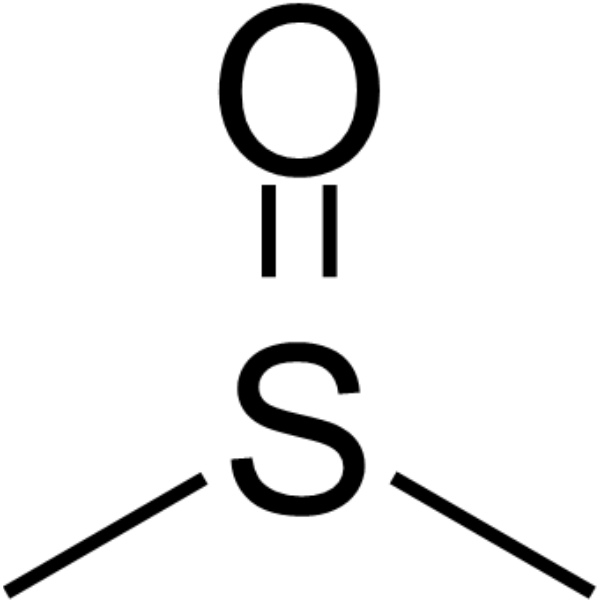
  • HY-Y0320

    DMSO, meets analytical specification of Ch.P.

    Environmental Pollutants Bacterial Cholinesterase (ChE) Infection Inflammation/Immunology Cancer
    Dimethyl sulfoxide (DMSO), meets analytical specification of Ch.P. is an aprotic solvent that dissolves polar and non-polar compounds, including water-insoluble therapeutic and toxic agents. Dimethyl sulfoxide (DMSO) has a strong affinity for water and can rapidly penetrate or enhance the penetration of other substances into biological membranes. Dimethyl sulfoxide also has potential free radical scavenging and anticholinesterase effects and may affect coagulation activity. Dimethyl sulfoxide also induces histamine release from mast cells but is thought to have low systemic toxicity. Dimethyl sulfoxide also exhibits antifreeze and antibacterial properties .
    MCE provides Dimethyl sulfoxide that complies with the inspection standards (Ch.P) of Part 4 of the Chinese Pharmacopoeia (2020 Edition). Amicrobic, low endotoxin, can be used in various biochemical experiments such as drug dissolution.
    Dimethyl sulfoxide, meets analytical specification of Ch.P.
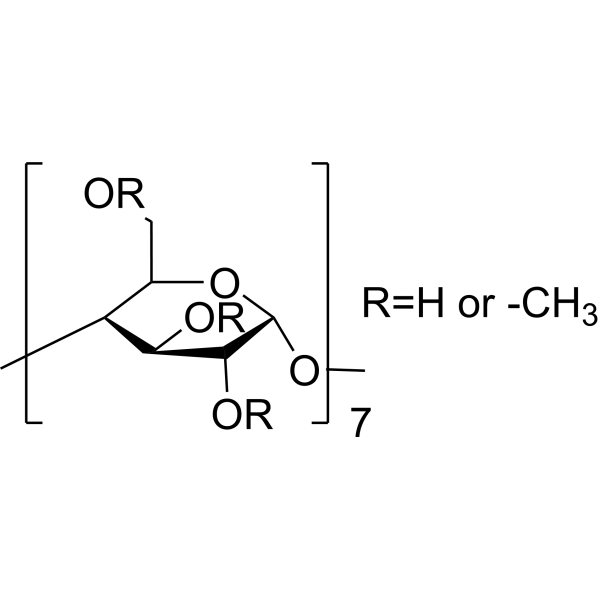
  • HY-101461
    Methyl-β-cyclodextrin
    105+ Cited Publications

    Methyl-beta-cyclodextrin

    Environmental Pollutants Biochemical Assay Reagents Cancer
    Methyl-β-cyclodextrin (Methyl-beta-cyclodextrin) is a cyclic heptasaccharide used to deliver hydrophobic agents based on its property of solubilizing non-polar substances. Methyl-β-cyclodextrin is also extensively used as a cholesterol-depleting reagent . Methyl-β-cyclodextrin strongly reduces clathrin-dependent endocytosis . Methyl-β-cyclodextrin blocks cell migrasome formation .
    Methyl-β-cyclodextrin
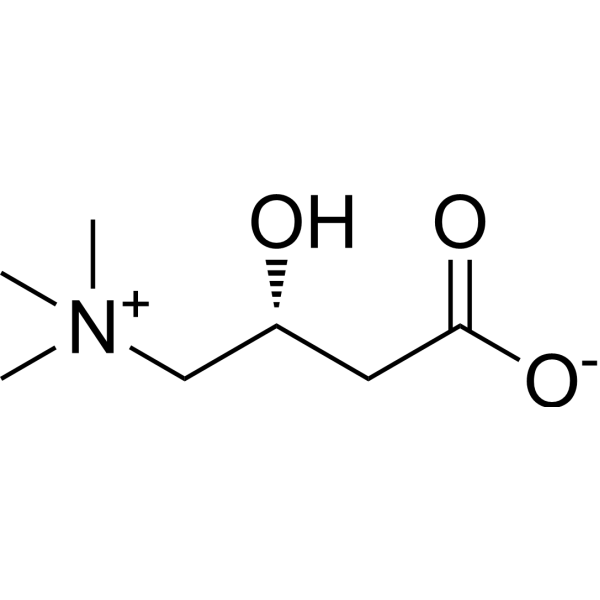
  • HY-B0399
    L-Carnitine
    Maximum Cited Publications
    20 Publications Verification

    (R)-Carnitine; Levocarnitine

    Endogenous Metabolite Neurological Disease Cancer
    L-Carnitine ((R)-Carnitine), a highly polar, small zwitterion, is an essential co-factor for the mitochondrial β-oxidation pathway. L-Carnitine functions to transport long chain fatty acyl-CoAs into the mitochondria for degradation by β-oxidation. L-Carnitine is an antioxidant. L-Carnitine can ameliorate metabolic imbalances in many inborn errors of metabolism .
    L-Carnitine
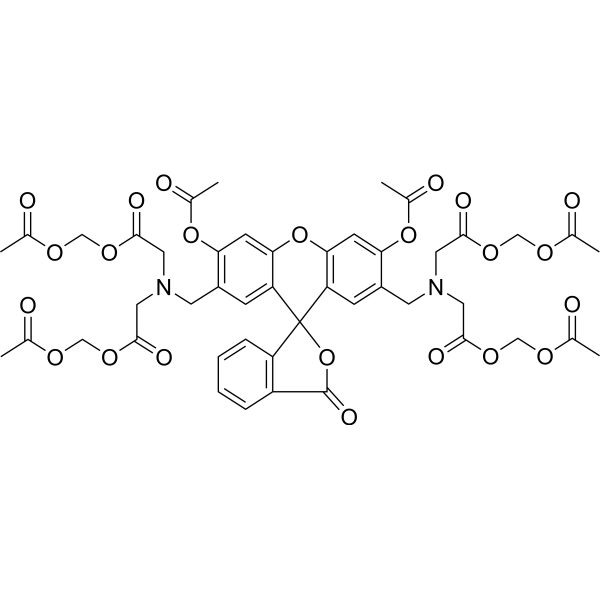
  • HY-D0041
    Calcein-AM
    80+ Cited Publications

    Calcein acetoxymethyl ester

    Fluorescent Dye Cancer
    Calcein AM, has cell membrane permeability and can easily enter the cell. Calcein AM has no fluorescence and is hydrolyzed by endogenous esterase in the cell to produce polar molecule Calcein (Calcein), which has strong negative charge and cannot permeate the cell membrane. Calcein can emit strong green fluorescence, so it is often used with Propidium Iodide for cell viability/virulence detection, excitation/emission wavelength: 494/515 nm .
    Calcein-AM
  • HY-Y1275

    NMP; 1-Methyl-2-pyrrolidinone

    Environmental Pollutants Biochemical Assay Reagents Cancer
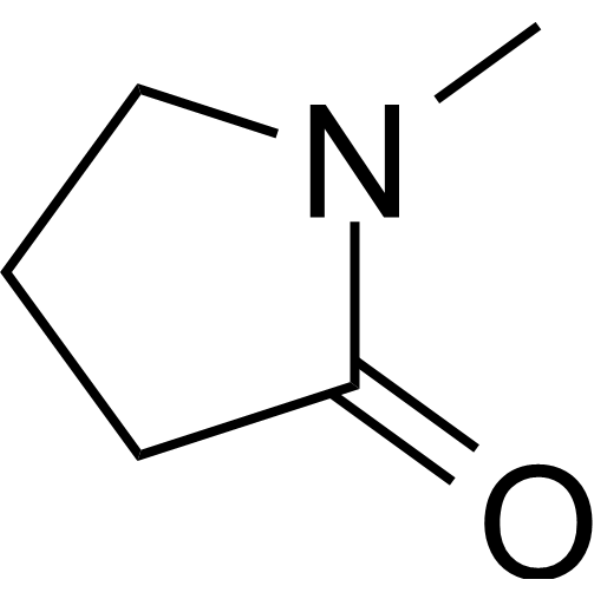
    N-Methylpyrrolidone (1-Methyl-2-pyrrolidinone), a five-membered cyclic amide, is an orally active organic polar solvent with teratogenicity and toxicity. N-Methylpyrrolidone is low in acute toxicity with a LD50 value of 3914 mg/kg in rats and of 4050 mg/kg in mice. N-Methylpyrrolidone is extensively used in the manufacture of adhesives, paints, fuels, and pharmaceuticals .
    N-Methylpyrrolidone
  • HY-W110551

    Biochemical Assay Reagents Interleukin Related Infection Inflammation/Immunology
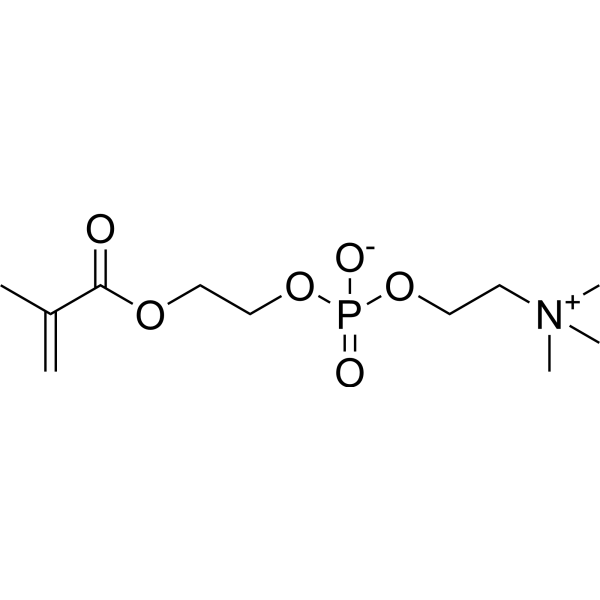
    2-Methacryloyloxyethyl phosphorylcholine is a polymer monomer containing a phospholipid polar group. 2-Methacryloyloxyethyl phosphorylcholine polymers modify the surface properties of materials and reduce protein-surface interactions, reduce IL-8 production, inhibit cell, Staphylococcus aureus, and Porphyromonas gingivalis adhesion. 2-Methacryloyloxyethyl phosphorylcholine is used in the study of medical device-associated infections, periodontitis, and dental caries .
    2-Methacryloyloxyethyl phosphorylcholine
  • HY-Y0873L

    Polyethylene glycol 800

    Environmental Pollutants Biochemical Assay Reagents Others
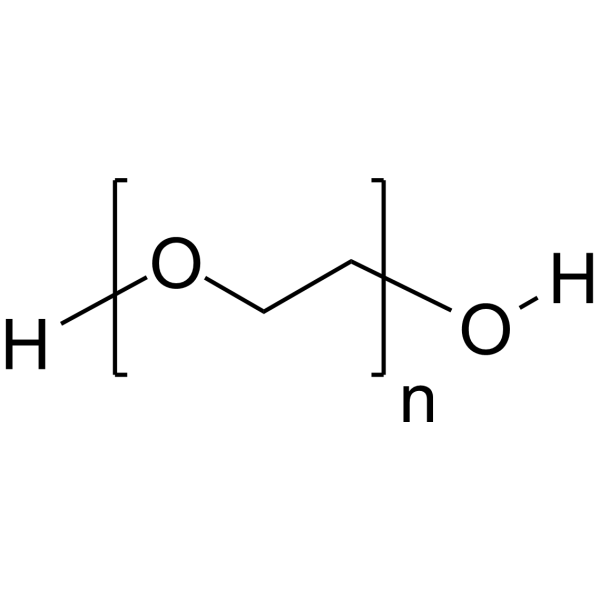
    PEG800 (Polyethylene glycol 800) is a nonionic surfactant that is soluble in water and many polar solvents .
    PEG800
  • HY-W008566

    Norharman; β-Carboline

    Monoamine Oxidase Endogenous Metabolite Infection Neurological Disease Cancer
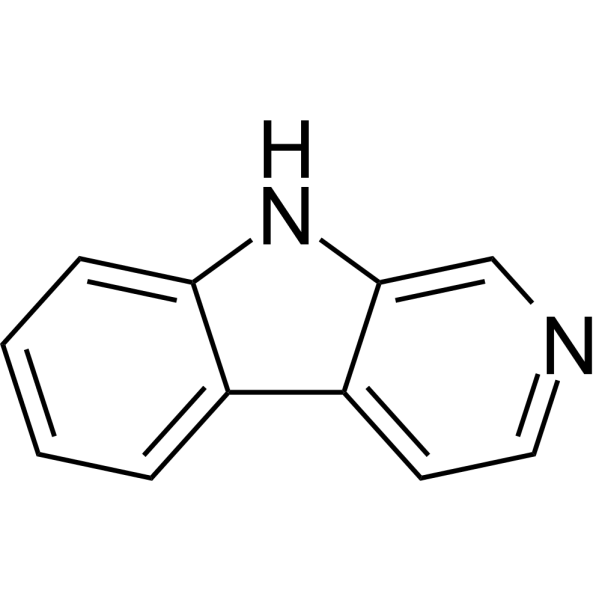
    Norharmane (Norharman), a β-carboline alkaloid, is a potent and reversible monoamine oxidase inhibitor, with IC50 values of 6.5 and 4.7 μM for MAO-A and MAO-B, respectively. Norharmane causes antidepressant responses. Norharmane is also a prospective anti-cancer photosensitizer. Norharmane alters polar auxin transport (PAT) by inhibiting PIN2, PIN3 and PIN7 transport proteins, thus causing a significant inhibitory effect on the growth of Arabidopsis thaliana seedlings .
    Norharmane
  • HY-116425
    N-1-Naphthylphthalamic acid
    2 Publications Verification

    Alanap 1

    Environmental Pollutants Herbicide Others
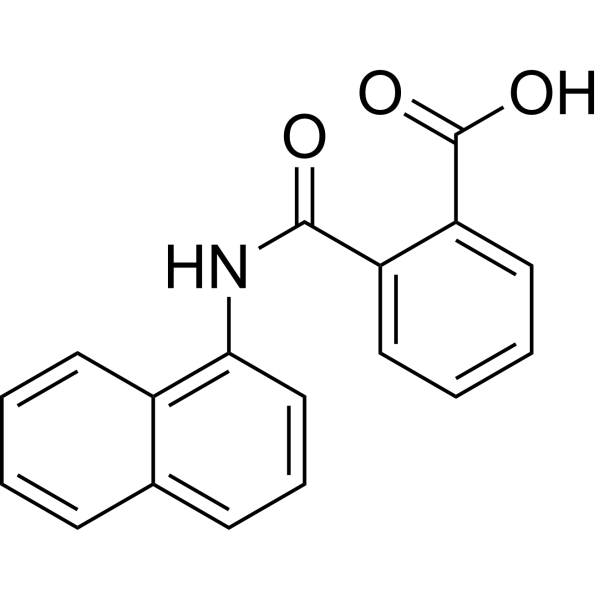
    N-1-Naphthylphthalamic acid (Alanap 1) is a modulator of polar auxin transport that competes with auxin (indole-3-acetic acid, IAA) for membrane binding sites. N-1-Naphthylphthalamic acid also disrupts maize leaf initiation, KNOX protein regulation, and leaf margin formation .
    N-1-Naphthylphthalamic acid
  • HY-B2246
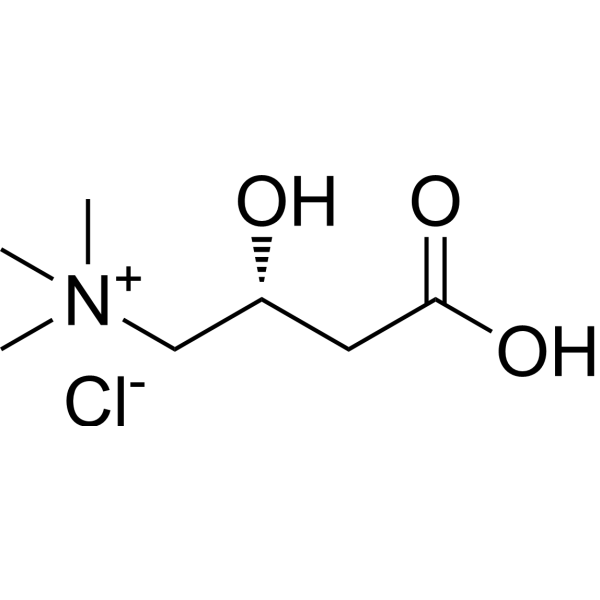
    L-Carnitine hydrochloride
    Maximum Cited Publications
    20 Publications Verification

    (R)-Carnitine hydrochloride; Levocarnitine hydrochloride

    Endogenous Metabolite Metabolic Disease Cancer
    L-Carnitine hydrochloride ((R)-Carnitine hydrochloride), a highly polar, small zwitterion, is an essential co-factor for the mitochondrial β-oxidation pathway. L-Carnitine hydrochloride functions to transport long chain fatty acyl-CoAs into the mitochondria for degradation by β-oxidation. L-Carnitine hydrochloride is an antioxidant. L-Carnitine hydrochloride can ameliorate metabolic imbalances in many inborn errors of metabolism .
    L-Carnitine hydrochloride
  • HY-Y0971

    TBAF

    Biochemical Assay Reagents Others
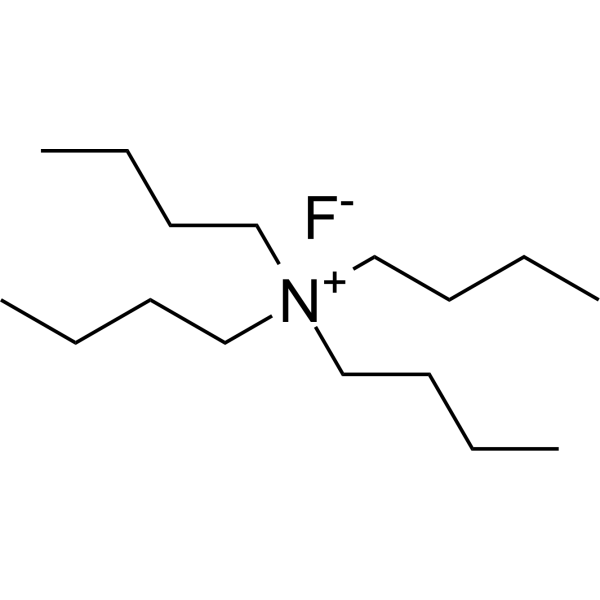
    Tetrabutylammonium fluoride is an organic compound containing both ammonium and fluorine functional groups. It is commonly used as a reagent in various chemical synthesis applications, especially as a source of fluoride ions for nucleophilic reactions. Tetrabutylammonium fluoride has several properties that make it suitable for these applications, including its high solubility in polar solvents and its ability to selectively activate certain chemical bonds. In addition, it can be used as a catalyst for organic reactions and as an electrolyte for batteries.
    Tetrabutylammonium fluoride (solution),1M in THF
  • HY-DY1036

    Fluorescent Dye Cancer
    Calcein AM (solution) , has cell membrane permeability and can easily enter the cell. Calcein AM has no fluorescence and is hydrolyzed by endogenous esterase in the cell to produce polar molecule Calcein (Calcein) , which has strong negative charge and cannot permeate the cell membrane. Calcein can emit strong green fluorescence, so it is often used with Propidium Iodide for cell viability/virulence detection, excitation/emission wavelength: 494/515 nm .
    Solvent and concentration: DMSO: 2 mM
    Calcein-AM (solution)
  • HY-W105518
    L-Carnitine tartrate
    15+ Cited Publications

    Endogenous Metabolite Neurological Disease
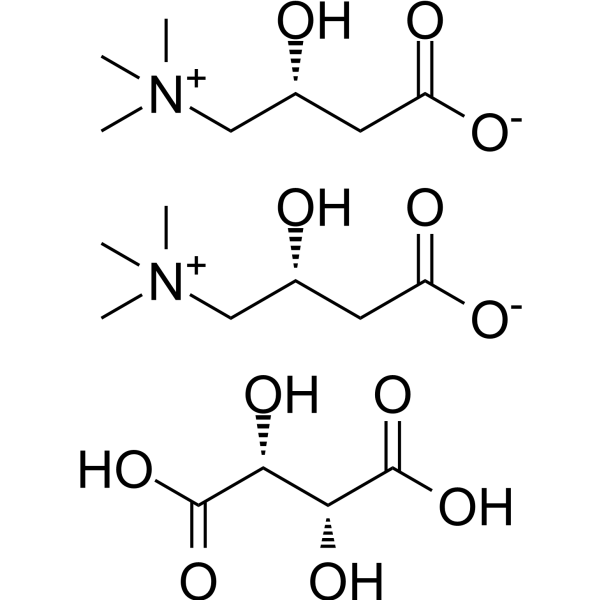
    L-Carnitine tartrate is a highly polar, small zwitterion. L-Carnitine tartrate is an essential co-factor for the mitochondrial β-oxidation pathway. L-Carnitine tartrate functions to transport long chain fatty acyl-CoAs into the mitochondria for degradation by β-oxidation. L-Carnitine tartrate is an antioxidant. L-Carnitine tartrate can ameliorate metabolic imbalances in many inborn errors of metabolism [3] .
    L-Carnitine tartrate
  • HY-157950

    Liposome Cancer
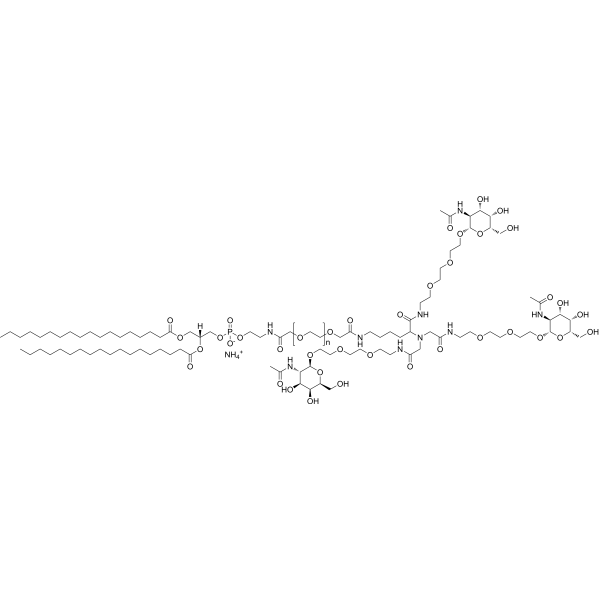
    DSPE-PEG2K-triGalNAc ammonium is a polar lipid composed of DSPE and tri-N-acetylgalactosamine that can be used to construct liposomes target to asialoglycoprotein receptor (ASGPR).
    DSPE-PEG2000-triGalNAc ammonium
  • HY-21226

    Biochemical Assay Reagents Others
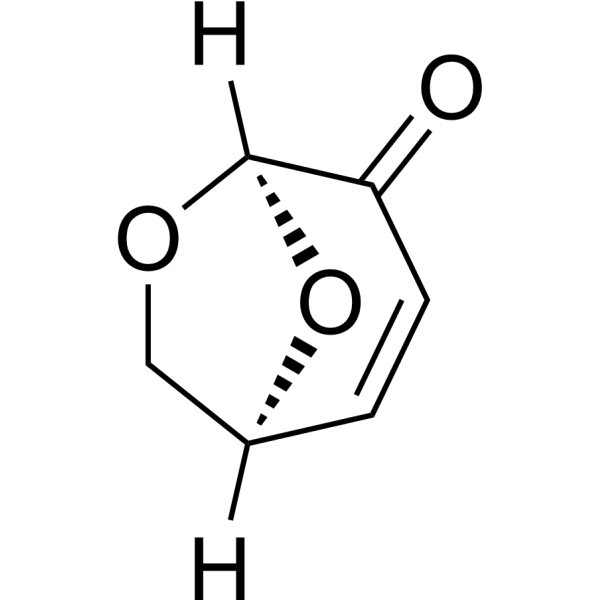
    Levoglucosenone Levoglucosenone has unique chemical properties that make it an important intermediate in the production of a wide variety of chemicals, including pharmaceuticals, fragrances and flavorings. Due to its ability to dissolve polar and non-polar compounds, it can also be used as a solvent or fuel additive.
    Levoglucosenone
  • HY-113116
    Sphinganine 1-phosphate
    1 Publications Verification

    D-erythro-Dihydrosphingosine 1-phosphate

    Endogenous Metabolite Inflammation/Immunology Cancer
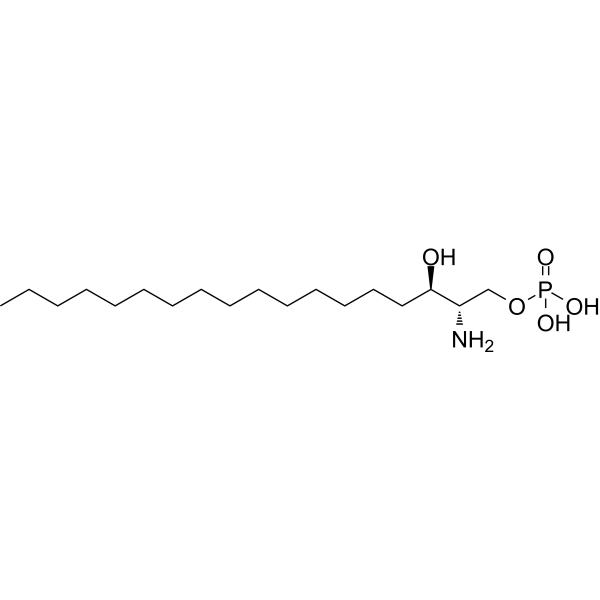
    Sphinganine 1-phosphate (D-erythro-Dihydrosphingosine 1-phosphate) is a polar sphingolipid metabolite that regulates cell migration, differentiation, survival and complex physiological processes .
    Sphinganine 1-phosphate
  • HY-124190

    Environmental Pollutants Biochemical Assay Reagents Others
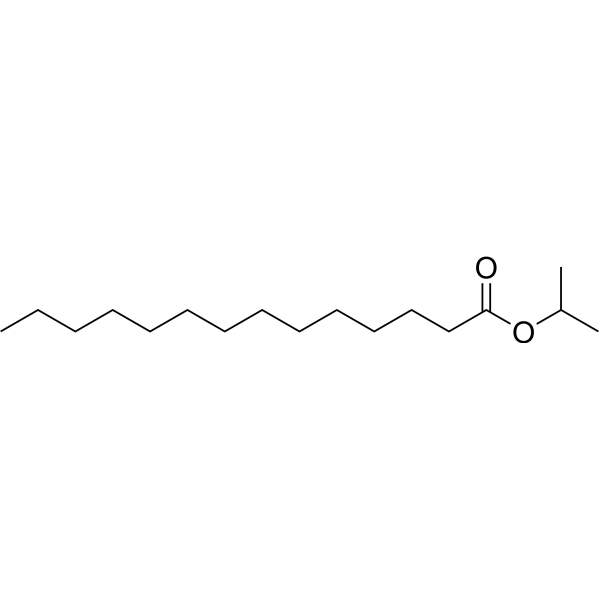
    Isopropyl myristate (IPM) is the ester of isopropyl alcohol and myristic acid. Isopropyl myristate is used for transdermal delivery of some compounds. Isopropyl myristate is a polar emollient and is used in cosmetic and topical medicinal preparations where good absorption into the skin is desired .
    Isopropyl myristate
  • HY-W115738

    Biochemical Assay Reagents Others
    PAR is an azo dye widely used as a colorimetric reagent for metal ions. PAR forms stable chelates with different metal ions. PAR can also complex with heavy metal ions in polar organic solvents, such as ethanol .
    PAR
  • HY-Y0320R
    Dimethyl sulfoxide (Standard)
    1 Publications Verification

    DMSO, meets analytical specification of Ch.P. (Standard)

    Reference Standards Cholinesterase (ChE) Bacterial Infection Inflammation/Immunology Cancer
    Dimethyl sulfoxide (Standard) is the analytical standard of Dimethyl sulfoxide. This product is intended for research and analytical applications. Dimethyl sulfoxide (DMSO) is an aprotic solvent that dissolves both polar and nonpolar compounds. Dimethyl sulfoxide has anti-freezing and bacteriostatic properties .
    Dimethyl sulfoxide (Standard)
  • HY-112076

    Methylatropine bromide

    mAChR Neurological Disease
    Atropine methyl bromide, a muscarinic receptor (mAChR) antagonist, is a quaternary ammonium salt of atropine and a mydriatic for dilation of the pupil during ophthalmic examination. It is introduced for relieving pyloric spasm in infants for its highly polar nature. It penetrates less readily into the central nervous system than atropine .
    Atropine methyl bromide
  • HY-174940

    Biochemical Assay Reagents Others
    E. coli Extract Polar is a polar lipid extract of Escherichia coli containing phosphatidylethanolamine, phosphatidylglycerol, and cardiolipin for reconstitution of membrane proteins.
    E. coli Extract Polar
  • HY-W013967

    Fluorescent Dye Infection
    1,6-Diphenylhexa-1,3,5-triene is a membrane intercalator and hydrophobic fluorescent probe. 1,6-Diphenylhexa-1,3,5-triene intercalates into the non-polar region of lipid bilayers of adipocyte membranes with probe/membrane equilibrium affected by temperature, probe concentration, and membrane concentration. 1,6-Diphenylhexa-1,3,5-triene’s fluorescence intensity correlating with adipocyte membrane probe incorporation (Ex/Em = 350/452 nm) .
    1,6-Diphenylhexa-1,3,5-triene
  • HY-B2246S
    L-Carnitine-d9 chloride
    1 Publications Verification

    (R)-Carnitine-d9 chloride; Levocarnitine-d9 chloride

    Isotope-Labeled Compounds Endogenous Metabolite Metabolic Disease
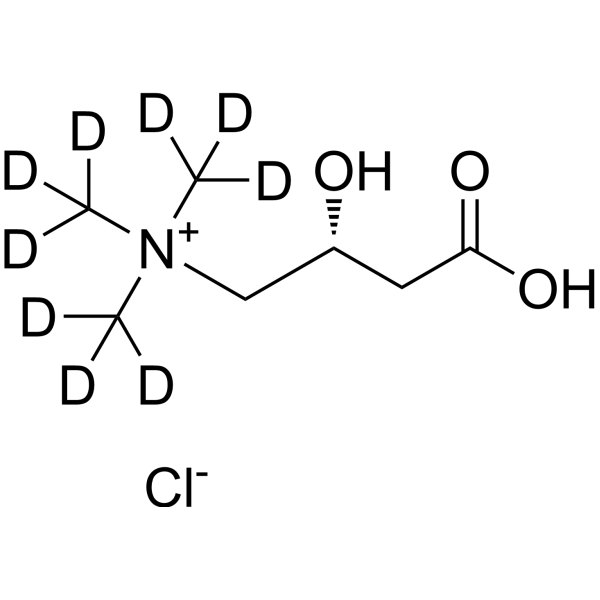
    L-Carnitine-d9 (chloride)e is the deuterium labeled L-Carnitine chloride. L-Carnitine chloride, a highly polar, small zwitterion, is an essential co-factor for the mitochondrial β-oxidation pathway. L-Carnitine chloride functions to transport long chain fatty acyl-CoAs into the mitochondria for degradation by β-oxidation. L-Carnitine chloride is an antioxidant. L-Carnitine chloride can ameliorate metabolic imbalances in many inborn errors of metabolism .
    L-Carnitine-d9 chloride
  • HY-W010795

    Biochemical Assay Reagents Others
    Tetraheptylammonium bromide (>98%,BC) (THAB) is a quaternary ammonium compound commonly used as a phase transfer catalyst in organic synthesis reactions, especially those involving charged species or polar reagents. It can facilitate the transfer of reactants between two immiscible phases, such as water and organic solvents, by forming stable ion pairs. In addition, THAB is used as a surfactant, and as an additive in various products such as cosmetics, pharmaceuticals, and detergents. Due to THAB's ability to form complexes with these ions, its potential use in the removal of heavy metal ions from wastewater was also investigated.
    Tetraheptylammonium bromide (>98%,BC)
  • HY-W099630

    9-Heptadecanol

    Biochemical Assay Reagents Others
    Heptadecan-9-ol (9-Heptadecanol) is a lipid with a secondary hydroxyl group and two non-polar tails.
    Heptadecan-9-ol
  • HY-112076A

    Methylatropine nitrate; Atropine methyl nitrate

    mAChR Neurological Disease
    Atropine methyl bromide, a muscarinic receptor (mAChR) antagonist, is a quaternary ammonium salt of atropine and a mydriatic for dilation of the pupil during ophthalmic examination. It is introduced for relieving pyloric spasm in infants for its highly polar nature. It penetrates less readily into the central nervous system than atropine .
    Atropine methyl nitrate
  • HY-Y1155

    HMPA

    Environmental Pollutants DNA Alkylator/Crosslinker Biochemical Assay Reagents Cytochrome P450 Inflammation/Immunology Endocrinology Cancer
    Hexamethylphosphoramide is an orally active polar aprotic solvent, flame retardant additive, and carcinogen. Hexamethylphosphoramide undergoes cytochrome P-450-mediated N-demethylation to Formaldehyde. Hexamethylphosphoramide induces DNA-protein crosslinks. Hexamethylphosphoramide has been linked to nasal tumors (squamous cell carcinoma, adenoid squamous cell carcinoma), squamous metaplasia, rhinitis, tracheitis, and reversible and irreversible infertility .
    Hexamethylphosphoramide
  • HY-B0399R

    (R)-Carnitine (Standard); Levocarnitine (Standard)

    Reference Standards Endogenous Metabolite Neurological Disease Cancer
    L-Carnitine (Standard) is the analytical standard of L-Carnitine. This product is intended for research and analytical applications. L-Carnitine ((R)-Carnitine), a highly polar, small zwitterion, is an essential co-factor for the mitochondrial β-oxidation pathway. L-Carnitine functions to transport long chain fatty acyl-CoAs into the mitochondria for degradation by β-oxidation. L-Carnitine is an antioxidant. L-Carnitine can ameliorate metabolic imbalances in many inborn errors of metabolism .
    L-Carnitine (Standard)
  • HY-123622

    Biochemical Assay Reagents Others
    CYMAL-5, 98% (TLC) is a cycloalkyl aliphatic saccharide. CYMAL-5, 98% (TLC) is a glycosidic surfactant (GS) with a chiral maltose polar head group and a cyclohexyl-pentyl hydrophobic tail. CYMAL-5, 98% (TLC) is a non-ionic detergent that has a tenfold lower critical micelle concentration (CMC) in comparison with OG, and has previously been used for membrane protein extraction or crystallization of membrane proteins for X-ray crystallographic studies .
    CYMAL-5, 98% (TLC)
  • HY-W141932

    Stearoylglycine; N-Octadecanoylglycine

    Endogenous Metabolite Others
    N-stearoylglycine is a lipid and has a small ionizable polar headgroup whose charge is pH dependent and whose amide moiety can form H-bonded network between adjacent molecules in ordered films .
    N-Stearoylglycine
  • HY-157666

    PC(13:0/13:0); DTPC

    Endogenous Metabolite Others
    13:0 PC (PC(13:0/13:0)), also known as ditridecanoyl phosphatidyl choline (DTPC), is a phospholipid characterized by its unique structure that includes a polar head with a positively charged quaternary amine and a negatively charged phosphate, along with two non-polar fatty acid tails.
    13:0 PC
  • HY-W248583

    PM650

    Fluorescent Dye Others
    Pyrromethene 650 (PM650) is a green-fluorescent polar tracer dye. It is used for investigations of membrane fusion, lysis, and gap-junctional communication and to detect volume changes in cells or liposomes.
    Pyrromethene 650
  • HY-W587663

    Dihydrofolate reductase (DHFR) Infection
    4 '-DTMP is a DHFR inhibitor with Ki of 5.1 nM (DHFR WT) and 34.3 nM (DHFR L28R), respectively. 4 '-DTMP carries a polar modification that induces additional local interactions with the enzyme. In particular, the hairpin structure on the M20 ring is related to the internal communication of the DHFR. 4 '-DTMP has potential inhibition of E.coli .
    4′-DTMP
  • HY-116425R

    Alanap 1 (Standard)

    Herbicide Reference Standards Others
    N-1-Naphthylphthalamic acid (Standard) is the analytical standard of N-1-Naphthylphthalamic acid. This product is intended for research and analytical applications. N-1-Naphthylphthalamic acid (Alanap 1) is a modulator of polar auxin transport that competes with auxin (indole-3-acetic acid, IAA) for membrane binding sites. N-1-Naphthylphthalamic acid also disrupts maize leaf initiation, KNOX protein regulation, and leaf margin formation .
    N-1-Naphthylphthalamic acid (Standard)
  • HY-D1777

    PM605

    Fluorescent Dye Others
    Pyrromethene 605 (PM605) is a green-fluorescent polar tracer dye. It is used for investigations of membrane fusion, lysis, and gap-junctional communication and to detect volume changes in cells or liposomes.
    Pyrromethene 605
  • HY-124891

    N-Phenylpyrrole

    Fluorescent Dye Others
    1-Phenylpyrrole (N-Phenylpyrrole) has dual fluorescent properties. 1-Phenylpyrrole displays a single band in nonpolar solvents and a second red-shifted fluorescent band in polar solvents .
    1-Phenylpyrrole
  • HY-17521

    SYP-L190

    Fungal Infection
    Flumorph (SYP-L190) is a carboxylic acid amide fungicide. Flumorph inhibits the polar growth of Phytophthora melonis by disrupting the arrangement of filamentous actin. Flumorph can be used to study Phytophthora melonis infection .
    Flumorph
  • HY-N10510

    A-Tetrasaccharide

    Others Others
    Blood group A antigen tetraose type 5 (A-Tetrasaccharide) is a tetrasaccharide and a blood group specific oligosaccharide, inhibits the binding of anti-A antibody to blood group A substance. Blood group A antigen tetraose type 5 can be isolated from polar bear milk samples .
    Blood group A antigen tetraose type 5
  • HY-D1672

    Fluorescent Dye Neurological Disease
    TMR Biocytin is a polar tracer used in the research of cell-cell and cell-liposome fusions, as well as membrane permeability and cellular uptake during pinocytosis. TMR Biocytin can be detected using streptavidin, and is an effective neuronal tracer in live tissue (Ex=544 nm, Em=571 nm) .
    TMR Biocytin
  • HY-Y1275S

    NMP-d9; 1-Methyl-2-pyrrolidinone-d9

    Isotope-Labeled Compounds Biochemical Assay Reagents Cancer
    N-Methylpyrrolidone-d9 (NMP-d9) is deuterium labeled N-Methylpyrrolidone. N-Methylpyrrolidone (1-Methyl-2-pyrrolidinone), a five-membered cyclic amide, is an orally active organic polar solvent with teratogenicity and toxicity. N-Methylpyrrolidone is low in acute toxicity with a LD50 value of 3914 mg/kg in rats and of 4050 mg/kg in mice. N-Methylpyrrolidone is extensively used in the manufacture of adhesives, paints, fuels, and pharmaceuticals .
    N-Methylpyrrolidone-d9
  • HY-W243002

    Bacterial Infection
    Acetyl-L-homoserine lactone is a member of the family of N-acylated homoserine lactones (HSLs). Acetyl-L-homoserine lactone is a polar mediator of cell-cell interactions in bacterial biofilms .
    Acetyl-L-homoserine lactone
  • HY-117289

    Drug Intermediate Others
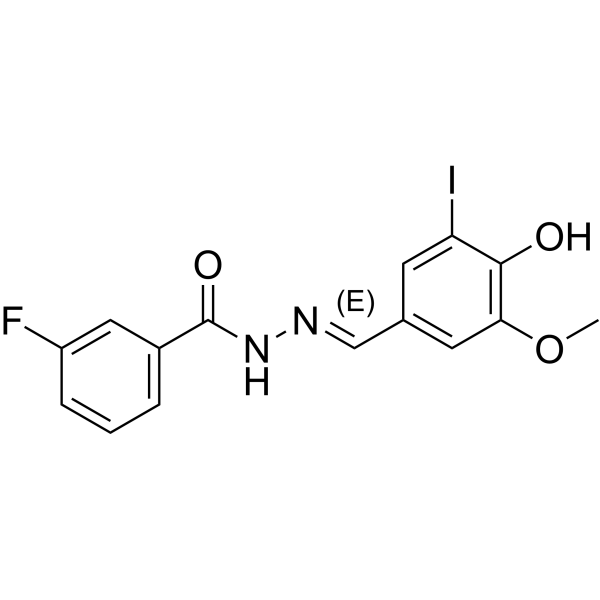
    AKOS B018304 is an arylalkylidene derivative, with polar substitution at para-position.
    AKOS B018304
  • HY-W248118

    PM556

    Fluorescent Dye Others
    Pyrromethene 556 (PM556) is a green-fluorescent polar tracer dye. It is used for investigations of membrane fusion, lysis, and gap-junctional communication and to detect volume changes in cells or liposomes.
    Pyrromethene 556
  • HY-W099632

    Biochemical Assay Reagents Infection Inflammation/Immunology
    2-Hexyldecanoic acid is a lipid containing one carboxylic acid group and two non-polar tails. In the presence of EDC, HATU and DCC, carboxylic acid groups can undergo continuous amide coupling reactions with amine-containing biomolecules to form stable amide bonds. 2-Hexyldecanoic acid can be used as an aerolysin inhibitor to prevent bacterial pathogens. 2-Hexyldecanoic acid can cause contact dermatitis .
    2-Hexyldecanoic acid
  • HY-115756

    Others Others
    4-Maleimidosalicylic acid is a polar maleimide, and does not suppress IL-2 production in JURKAT T cells .
    4-Maleimidosalicylic acid
  • HY-165104

    GuCGp; Gulopyranosyl-(β1-1)-caldarchaetidylglycerol

    Bacterial Others
    β-L-Gulopyranosyl-caldarchaetidyl-glycerol (GuCGp) is a compound that is studied in the polar lipid composition of thermoacidophilic bacteria. Its content varies under different culture conditions, which may be related to the adaptation of bacteria to the environment.
    β-L-Gulopyranosyl-caldarchaetidyl-glycerol
  • HY-175412

    Dodecylmercapto-S-(poly(tris(hydroxymethyl)acrylamidomethane); H12-TAC

    Biochemical Assay Reagents Others
    DDTAC (H12-TAC) is a detergent that can extract and solubilize membrane proteins. DDTAC has a thio dodecanoyl chain linked to a polar group made of Tris polyalcoholic moieties and can be utilized in extracting yeast ATP synthase from mitochondrial membranes .
    DDTAC
  • HY-17650

    (±)-Dimyristoyl-2,3-dimethylhydroxypropylamine

    Liposome Others
    DMDHP ((±)-Dimyristoyl-2,3-dimethylhydroxypropylamine) is a cationic lipid with a polar head group containing a dihydroxy group. DMDHP exhibits superior transfection efficiency and lower toxicity at high DNA doses in mouse intrapulmonary transfection model. DMDHP is commonly used for gene delivery .
    DMDHP
  • HY-Y1275S1

    NMP-d3; N-Methyl-2-pyrrolidone-d3

    Isotope-Labeled Compounds Others
    N-Methylpyrrolidone-d3 is the deuterium labeled N-Methylpyrrolidone . N-Methylpyrrolidone (1-Methyl-2-pyrrolidinone), a five-membered cyclic amide, is an organic polar solvent. N-Methylpyrrolidone is extensively used in the manufacture of adhesives, paints, fuels, and pharmaceuticals .
    N-Methylpyrrolidone-d3
  • HY-W591449

    Liposome Cancer
    DOPE-PEG2000-Azide is a liposome to simulate biological phospholipid membrane. Liposomes are the main component of vesicles with concentric phospholipid bilayer membranes, which can be used to construct drug delivery systems for anti-cancer and anti-infection fields. Highly polar water-soluble payloads can be trapped in the internal aqueous space of liposomes, while lipophilic payloads can partition into and become part of the lipid bilayer. Especially for delivering antisense oligonucleotides, it can overcome problems such as inefficient cellular uptake and rapid loss in the body .
    DOPE-PEG2000-Azide

Inquiry Online

Your information is safe with us. * Required Fields.

Salutation


Country or Region *

Applicant Name *


Organization Name *

Department *


Email Address *


Product Name *

Cat. No.


Requested quantity *

Phone Number *


Remarks

Inquiry Online

Inquiry Information

Product Name:
Cat. No.:
Quantity:
MCE Japan Authorized Agent:

