1. Search Result
Search Result
Results for "

potency enhancement

" in MedChemExpress (MCE) Product Catalog:

43

Inhibitors & Agonists

3

Screening Libraries

2

Peptides

1

Inhibitory Antibodies

5

Natural
Products

1

Isotope-Labeled Compounds

Cat. No. Product Name Target Research Areas Chemical Structure
  • HY-40161
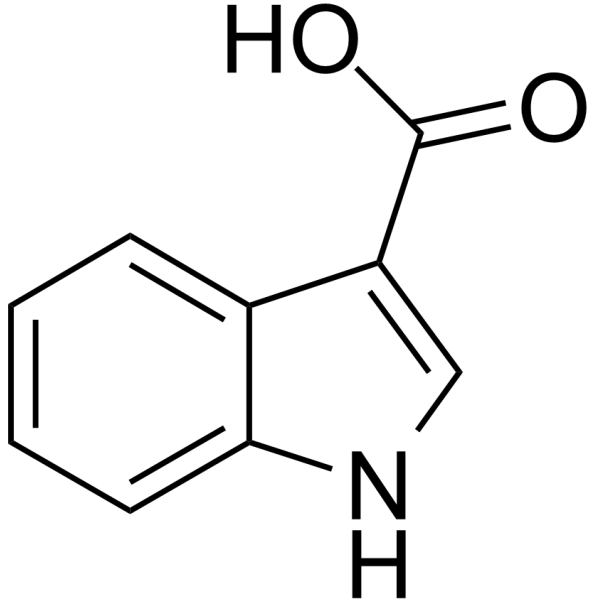
    Indole-3-carboxylic acid
    2 Publications Verification

    Endogenous Metabolite Bacterial Metabolic Disease Cancer
    Indole-3-carboxylic acid is an orally active urinary indolic tryptophan metabolite. Indole-3-carboxylic acid is a mediator of priming against Plectosphaerella cucumerina. Indole-3-carboxylic acid enhances the anti-colorectal cancer potency of Doxorubicin (HY-15142A) by inducing cell senescence. Indole-3-carboxylic acid can be used in liver disease research .
    Indole-3-carboxylic acid
  • HY-122882
    HOIPIN-8
    4 Publications Verification

    E1/E2/E3 Enzyme Inflammation/Immunology
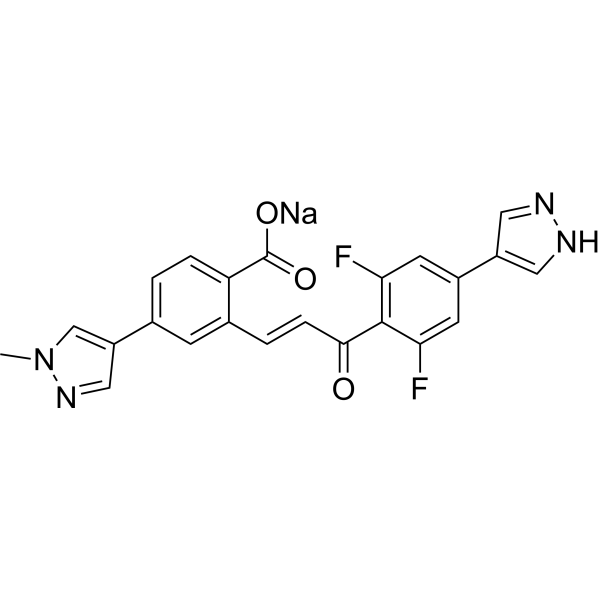
    HOIPIN-8 is a potent inhibitor of linear ubiquitin chain assembly complex (LUBAC) with an IC50 of 11 nM. HOIPIN-8 is a HOIPIN-1 derivative with enhanced the potency by 255-fold in the petit-LUBAC inhibition, and 10-fold and 4-fold in the LUBAC- and TNF-α-mediated NF-κB activation, respectively than HOIPIN-1. HOIPIN-1 is a promising tool to explore the cellular functions of LUBAC .
    HOIPIN-8
  • HY-12875

    Ras Cancer
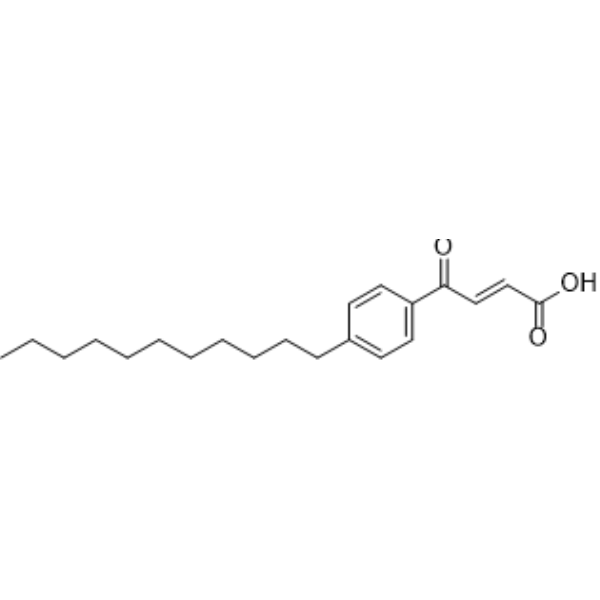
    BQU57 is a selective inhibitor of RalA/RalB small GTPases, with a binding potency (Kb) of 7.7 μM for RalB-GDP. BQU57 can block its interaction with effector proteins (such as SEC5 and EXO84), inhibiting tumor cell migration, invasion and non-adherent growth. BQU57 downregulates the NF-κB signaling pathway, reduces the expression of IL-6, IL-8 and MMP-13, and inhibits apoptosis by regulating the Bcl-2/Bax balance. BQU57 also protects the extracellular matrix by inhibiting the Ral/NF-κB pathway and can be used for the study of degenerative diseases. BQU57 exhibits significant antitumor activity in triple-negative breast cancer (TNBC) models, inhibiting orthotopic tumor growth and lung metastasis and enhancing paclitaxel chemotherapy sensitivity .
    BQU57
  • HY-N2453
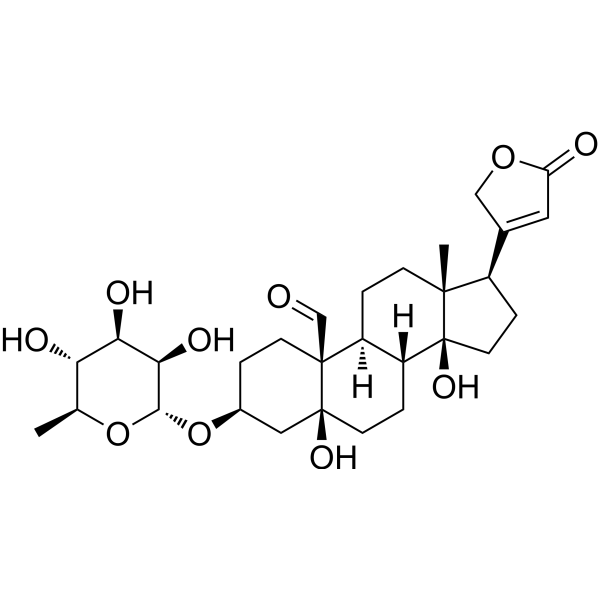
    Convallatoxin
    1 Publications Verification

    PPAR NF-κB P-glycoprotein Inflammation/Immunology Cancer
    Convallatoxin is a cardiac glycoside isolated from Adonis amurensis Regel et Radde. Convallatoxin ameliorates colitic inflammation via activation of PPARγ and suppression of NF-κB. Convallatoxin is a P-glycoprotein (P-gp) substrate and recognized Val982 as an important amino acid involved in its transport. Convallatoxin is an enhancer of ligand-induced MOR endocytosis with high potency and efficacy. Anti-inflammatory and anti-proliferative properties .
    Convallatoxin
  • HY-N1408

    trans-trismethoxy Resveratrol; (E)-Resveratrol trimethyl ether; trans-3,5,4'-Trimethoxystilbene

    VEGFR Reactive Oxygen Species (ROS) Caspase Apoptosis Inflammation/Immunology Cancer
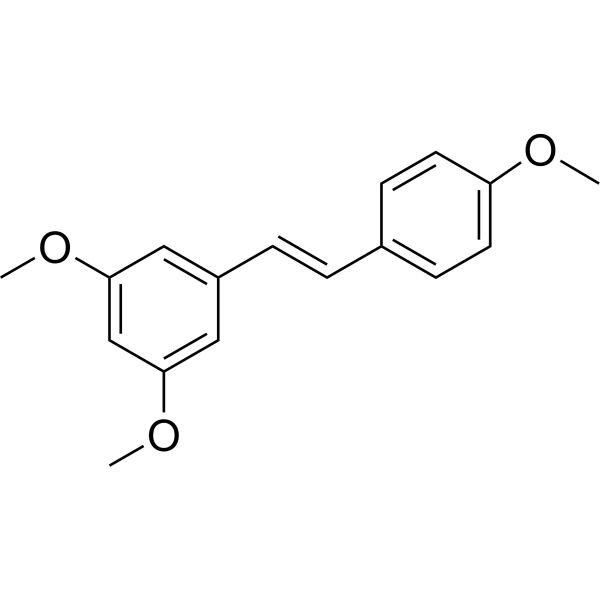
    Trans-Trimethoxyresveratrol (trans-trismethoxy Resveratrol; (E)-Resveratrol trimethyl ether; trans-3,5,4'-Trimethoxystilbene) is an orally active natural derivative of Resveratrol (HY-16561). Trans-Trimethoxyresveratrol has an enhanced anticancer profile compared to Resveratrol, exhibiting higher potency than resveratrol, with improved cancer cell proliferation inhibition, induction of cell cycle arrest, decreased metastasis, and increased apoptosis. Trans-Trimethoxyresveratrol causes microtubule disassembling and tubulin depolymerization and exerts anti-angiogenic effects through VEGFR2. Trans-Trimethoxyresveratrol can be used for the studies of anti-angiogenic and anti-cancer (such as non-small cell lung cancer and osteosarcoma) .
    trans-Trimethoxyresveratrol
  • HY-158991

    CFTR Inflammation/Immunology
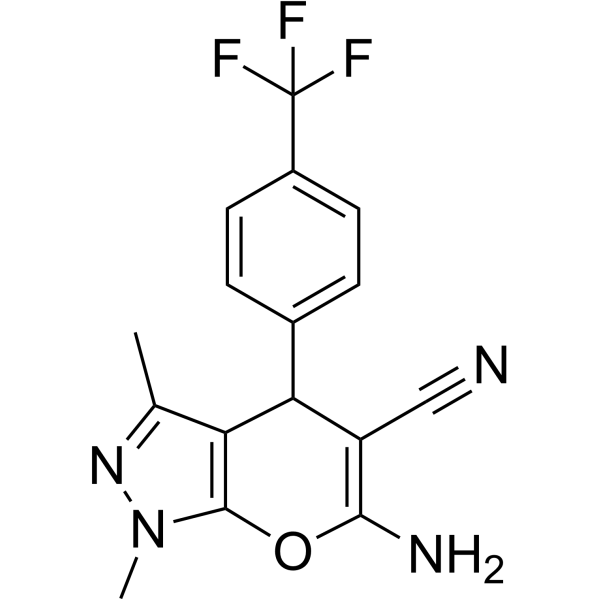
    I1421 is an activator of the cystic fibrosis transmembrane conductance regulator (CFTR) with an EC50 of 64 nM for WT CFTR currents. I1421 also allosterically activates multiple mutants causing cystic fibrosis (CF) with good in vivo potency, with an oral bioavailability of 60% in mice corresponding to a half-life of 75 min. I1421 synergizes with Elexacaftor (HY-111772) to enhance CFTR currents .
    I1421
  • HY-P10716

    GLP Receptor Metabolic Disease
    Exendin-P5 is a selective agonist that targets the GLP-1R. Exendin-P5 promotes rapid activation of G proteins by transient interactions with the transmembrane domain of GLP-1R, enhancing its potency in G protein-mediated signaling and accelerating cAMP production. This mechanism suggests the potential application of Exendin-P5 in the study of metabolic diseases .
    Exendin-P5
  • HY-144636

    Atg4 Cathepsin Phospholipase Autophagy Cancer
    Atg4B-IN-2 is a potent competitive Atg4B inhibitor with Ki value of 3.1 μM, also possesses declining PLA2 inhibitory potency, IC50s of 11 μM and 3.5 μM for Atg4B and PLA2, respectively. Atg4B-IN-2 enhances the anticancer activity of anti-castration-resistant prostate cancer agents via autophagy inhibition .
    Atg4B-IN-2
  • HY-P991739

    VEGFR PD-1/PD-L1 Cancer
    RC148 is a humanized IgG1 bispecific antibody targeting VEGF and PD-1. RC148 allows dimeric VEGF crosslinking and gradually enhances PD-1 binding activity, potentially reduces systemic toxicity of the anti-VEGF approach, and enhances antitumor potency via VEGF-triggered enrichment in tumor areas. RC148 blocks the binding of VEGF to VEGFR and PD-1 to PD-L1, prevents the growth and migration of human umbilical vein endothelial cells, and enables efficient T cell activation. RC148 can be used for the study of breast cancer and lung cancer .
    RC148
  • HY-155811

    iGluR Neurological Disease
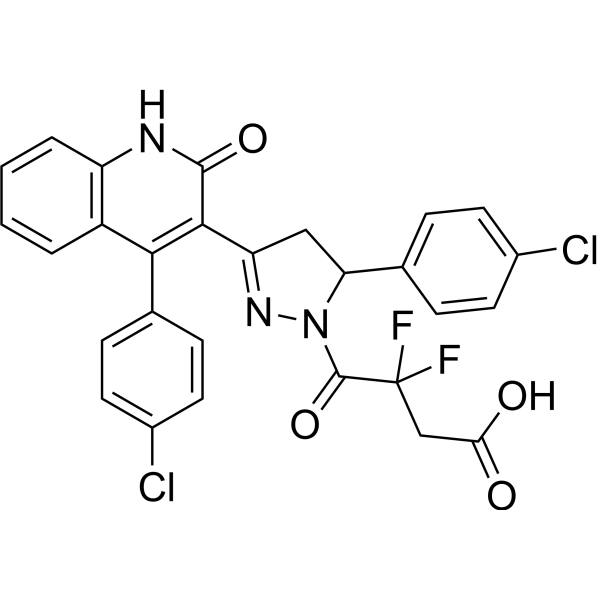
    DQP-997-74 (compound 2i) is a selective negative allosteric modulator of N-methyl-d-aspartate receptor (NMDAR), specifically targeting GluN2C/D (IC50: 0.069 μM and 0.035 μM), with blood-brain barrier penetrability. Where DQP refers to dihydroquinoline-pyrazoline. DQP-997-74 acts synergistically with the agonist glutamate to exhibit time-dependent enhanced potency in inhibiting hypersynchronous activity driven by high-frequency excitatory synaptic transmission. DQP-997-74 reduces the number of epileptogenesis in a murine model of tuberous sclerosis complex (TSC)-induced epilepsy. DQP-997-74 can be used for research on NMDAR-related neurological diseases .
    DQP-997-74
  • HY-W001692

    DOV 273547

    GABA Receptor Neurological Disease
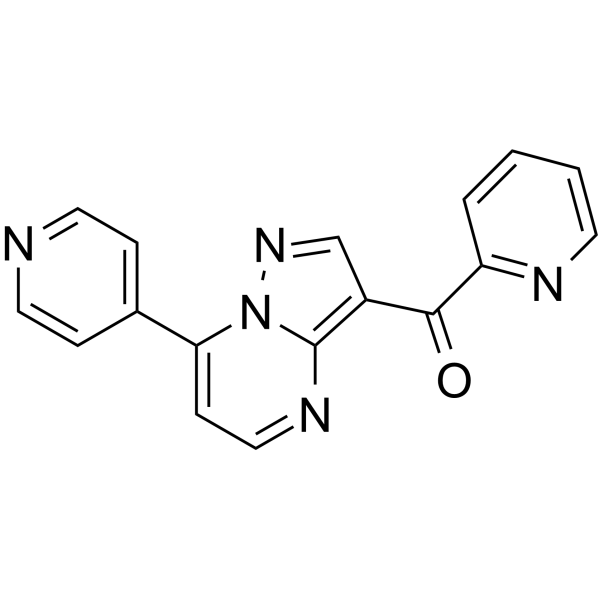
    Ocinaplon (DOV 273547) is an orally active positive allosteric modulator of GABAA receptor, with an EC50 ranging from 3.07 μM (α1β2γ2 subtype) to 10.03 μM (α1β2γ3 subtype). Ocinaplon enhances GABA-stimulated chloride currents across multiple GABAA receptor subtypes, with varying potency between different subtypes. Ocinaplon exerts anxiolytic and anticonvulsant effects, and causes motor impairment at high doses. Ocinaplon can be used for research on generalized anxiety disorder .
    Ocinaplon
  • HY-162384

    Histone Methyltransferase Cancer
    EPIC-0628 is an inhibitor of the HOTAIR-EZH2 interaction and promotes ATF3 expression. The long noncoding RNA HOTAIR has been found to regulate glioblastoma (GBM) progression and mediate DNA damage repair (DDR) by interacting with the catalytic subunit EZH2 of PRC2. EPIC-0628 also inhibits the ATF3-p38-E2F1 DDR pathway to inhibit the HR pathway and upregulates CDKN1A (p21) expression, causing cell cycle arrest. EPIC-0628 also synergizes with Temozolomide (TMZ) (HY-17364) to enhance its in vivo potency .
    EPIC-0628
  • HY-179582

    PROTACs Ligands for E3 Ligase Glycosidase Cancer
    PROTAC DNPH1 Degrader 1 (Compound 59) is a PROTAC DNPH1 degrader with a DC50 of 28 nM. PROTAC DNPH1 Degrader 1 promotes the ubiquitination and degradation of DNPH1. PROTAC DNPH1 Degrader 1 has sufficient potency to enhance hmdU sensitivity. PROTAC DNPH1 Degrader 1 can be used in cancer research .
    PROTAC DNPH1 Degrader 1
  • HY-107506

    mGluR Neurological Disease
    Ro 67-4853 is a positive allosteric modulator (PAM) of mGluR1 (pEC50=7.16 for rmGlu1a receptor). Ro67-4853 exhibits activity at all group I mGlu receptors including hmGlu1, rmGlu1, and rmGlu5. Ro 67-4853 enhances the potency of L-Glu by interacting with the transmembrane domain (TMD) of the receptor. Ro 67-4853 potentiates sensory synaptic responses to repetitive vibrissa stimulation .
    Ro 67-4853
  • HY-W013170

    N-Octylbicycloheptenedicarboximide; ENT 8184

    Environmental Pollutants Insecticide Infection
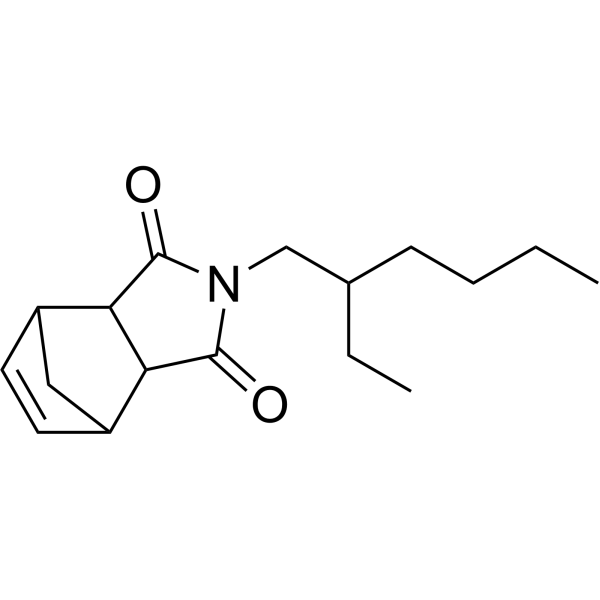
    MgK-264 (N-octylbicycloheptenedicarboximide) is a synergist enhancing the potency of pyrethroid ingredients. MgK-264 has no intrinsic pesticidal qualities itself .
    MGK-264
  • HY-139874

    CXCR Inflammation/Immunology Cancer
    CXCR2 antagonist 3 (compound 11h) is a potent antagonist of CXC chemokine receptor 2 (CXCR2). CXCR2 antagonist 3 demonstrates double-digit nanomolar potencies against CXCR2 and significantly inhibited neutrophil infiltration into the air pouch. CXCR2 antagonist 3 reduces the infiltration of neutrophils and MDSCs and enhance the infiltration of CD3 + T lymphocytes into the Pan02 tumor tissues .
    CXCR2 antagonist 3
  • HY-15350

    LY 300046 hydrochloride

    Reverse Transcriptase Others
    Trovirdine hydrochloride, a phenethylthiazolylthiourea (PETT) derivative, is an HIV reverse transcriptase (RT) non-nucleoside inhibitor (NNI). A novel computer model of the RT/NNI binding pocket revealed spatial gaps around Trovirdine hydrochloride's pyridyl ring. Docking studies suggested that replacing this planar ring with a nonplanar piperidinyl or piperazinyl ring could better occupy the binding pocket, enhancing anti-HIV activity. Synthesized heterocyclic compounds based on this modification demonstrated greater potency than Trovirdine hydrochloride, effectively inhibiting HIV replication at nanomolar concentrations without cytotoxicity in infected peripheral blood mononuclear cells .
    Trovirdine hydrochloride
  • HY-162464

    PROTACs SARS-CoV Infection
    MPD2 is a Cereblon-binding ligand-based PROTAC that degrades MPro, the main protease of SARS-CoV-2. MPD2 effectively reduced MPro protein levels in 293T cells in a time-dependent manner (DC50=296 nM). MPD2 exhibited potent antiviral activity against multiple SARS-CoV-2 strains and had enhanced potency against Nirmatrelvir (HY-138687) resistant strains. MPD2 provides a new direction for antiviral drug development against SARS-CoV-2 and other emerging coronavirus pathogens (Sturcture Note:(Blue: Cereblon ligand (HY-14658), Black: linker (HY-W275882);Red: SARS-CoV-2 MPro Inhibitor MP18 (HY-158763)) .
    MPD2
  • HY-171807

    nAChR STAT Neurological Disease Inflammation/Immunology
    TC-2559 free base is a α4β2 nicotinic acetylcholine receptor (nAChR) agonists with an EC50 of 0.18 μM. TC-2559 free base shows much weaker potencies on the group of b4-containing nAChR subtypes, α2β4, α4β4 and α3β4 receptors, with EC50s in the range of 10-30 µM. TC-2559 free base can increase the discharge of dopamine cells in the ventral tegmental area (VTA) of rats in vitro, enhancing the excitability and aggressive behavior of VTA dopamine neurons. TC-2559 free base inhibits STAT3 to exert anti-inflammatory properties and relieves mice mechanical allodynia and improve rats cognitive deficits. TC-2559 free base can be used for the study of nerve pain .
    TC-2559 free base
  • HY-14297

    Adrenergic Receptor Endocrinology
    Milveterol is a long-acting β(2)-adrenoceptor agonist with high binding activity. Milveterol exhibits high potency in vitro and a prolonged duration of action in a guinea pig bronchoprotection model. Milveterol has been structurally optimized to show enhanced binding potency compared to its parent monomer .
    Milveterol
  • HY-153690

    TNF Receptor Others
    Progranulin modulator-1 (Compound 60) is an orally active enhancer of progranulin (PGRN) secretion. Progranulin modulator-1 enhances the potency of BV-2 cell to increase PGRN levels, has inhibitory effect on hERG and Low cytotoxicity, the PGRN EC50 and hERG IC50 were 83 and 3100 nM, respectively .
    Progranulin modulator-1
  • HY-169501

    Neurokinin Receptor mAChR SARS-CoV Infection Neurological Disease
    WIN 62577 is a species-selective tachykinin NK1 receptor antagonist. WIN 62577 is also an allosteric enhancer with micromolar potency at M3 receptors. WIN 62577 exhibits potent antiviral activity against SARS-CoV-2 .
    WIN 62577
  • HY-W013170R

    N-Octylbicycloheptenedicarboximide (Standard); ENT 8184 (Standard)

    Insecticide Reference Standards Infection
    MGK-264 (Standard) is the analytical standard of MGK-264. This product is intended for research and analytical applications. MgK-264 (N-octylbicycloheptenedicarboximide) is a synergist enhancing the potency of pyrethroid ingredients. MgK-264 has no intrinsic pesticidal qualities itself .
    MGK-264 (Standard)
  • HY-116149

    nAChR Others
    A-424274 is a positive allosteric modulator of the α4β2 neuronal nicotinic acetylcholine receptor with activity to enhance the efficacy of analgesics. A-424274 selectively enhances the potency of a range of nicotinic acetylcholine receptor agonists at the α4β2 receptor and, in preclinical models, co-administration with an α4β2 PAM significantly enhances the analgesic efficacy of ABT-594 at clinically well-tolerated doses in humans.
    A-424274
  • HY-163136A

    Autophagy REV-ERB Cancer
    Autophagy/REV-ERB-IN-1 hydrochloride (Compound 24) is a dual autophagy and REV-ERB inhibitor with anticancer activity. Autophagy/REV-ERB-IN-1 (hydrochloride) has improved potency in blocking autophagy, enhanced toxicity against cancer cells. Autophagy/REV-ERB-IN-1 (hydrochloride) can be used for the research for melanoma .
    Autophagy/REV-ERB-IN-1 hydrochloride
  • HY-13646B

    HM30181 hydrochloride; HM30181A hydrochloride

    P-glycoprotein Others
    Encequidar hydrochloride (HM30181 hydrochloride) is an oral P-glycoprotein (P-gp) inhibitor with the activity of enhancing the oral bioavailability of P-gp substrate drugs. Encequidar shows the highest potency among various MDR1 inhibitors, with IC50=0.63nM. Encequidar effectively blocks the transepithelial transport of paclitaxel in MDCK monolayer cells, with IC50=35.4nM .
    Encequidar hydrochloride
  • HY-117440

    Kinesin Cancer
    4'-Methoxy-S-trityl-L-cysteinol is an allosteric inhibitor of vertebrate Kinesin Spindle Protein (KSP). 4'-Methoxy-S-trityl-L-cysteinol significantly enhances its inhibitory activity against NCI60 tumor cells by modifying the trityl and cysteine groups. Its EC50 for bipolar spindle formation is 28 μM, showing stronger inhibitory potency than the parent molecule and monastrol.
    4'-Methoxy-S-trityl-L-cysteinol
  • HY-N2453R

    Reference Standards PPAR NF-κB P-glycoprotein Inflammation/Immunology Cancer
    Convallatoxin (Standard) is the analytical standard of Convallatoxin. This product is intended for research and analytical applications. Convallatoxin is a cardiac glycoside isolated from Adonis amurensis Regel et Radde. Convallatoxin ameliorates colitic inflammation via activation of PPARγ and suppression of NF-κB. Convallatoxin is a P-glycoprotein (P-gp) substrate and recognized Val982 as an important amino acid involved in its transport. Convallatoxin is an enhancer of ligand-induced MOR endocytosis with high potency and efficacy. Anti-inflammatory and anti-proliferative properties .
    Convallatoxin (Standard)
  • HY-129200

    Endogenous Metabolite Others
    Aspergillomarasmine A is a natural aminopolycarboxylic acid with potent inhibitory activity against class B metallo-β-lactamases (MBLs). Aspergillomarasmine A inactivates MBLs by removing a catalytic Zn2+ cofactor. Aspergillomarasmine A acts as a selective Zn2+ scavenger, promoting the dissociation of the metal cofactor, thereby indirectly inactivating NDM-1. Aspergillomarasmine A causes the loss of Zn2+ ions from the low-affinity binding site of NDM-1. The action of Aspergillomarasmine A results in the rapid degradation of Zn2+-deficient NDM-1, thereby enhancing its potency as a β-lactam enhancer. The mechanism of Aspergillomarasmine A has broad applicability among different Zn2+ chelators .
    Aspergillomarasmine A
  • HY-105349

    Phosphodiesterase (PDE) Neurological Disease
    T-0156 is a potent and selective phosphodiesterase type 5 (PDE5) inhibitor. T-0156 specifically inhibits the hydrolysis of cyclic guanosine monophosphate (cGMP) by PDE5 in a competitive manner (IC50=0.23 nM). T-0156 inhibits PDE6 (IC50=56 nM) and has low potencies against PDE1, PDE2, PDE3, and PDE4 (IC50>10 μM). T-0156 enhances the nitric oxide (NO)/cGMP pathway .
    T-0156
  • HY-164685

    Phosphodiesterase (PDE) Neurological Disease
    T-0156 free base is a potent and selective phosphodiesterase type 5 (PDE5) inhibitor. T-0156 free base specifically inhibits the hydrolysis of cyclic guanosine monophosphate (cGMP) by PDE5 in a competitive manner (IC50=0.23 nM). T-0156 free base inhibits PDE6 (IC50=56 nM) and has low potencies against PDE1, PDE2, PDE3, and PDE4 (IC50>10 μM). T-0156 free base enhances the nitric oxide (NO)/cGMP pathway .
    T-0156 free base
  • HY-W770198

    2-Monolinolein-d5; 2-Monolinoleoylglycerol-d5

    Isotope-Labeled Compounds Cannabinoid Receptor Neurological Disease
    2-Linoleoyl glycerol-d5 (2-Monolinolein-d5; 2-Monolinoleoylglycerol-d5) is the deuterium labeled 2-Linoleoyl glycerol (HY-130311). 2-Linoleoyl glycerol (2-Monolinolein; 2-Monolinoleoylglycerol) is a monoacylglycerol that is an antagonist and partial agonist at the type 1 cannabinoid CB1 receptor. The potency of 2-Linoleoyl glycerol can be enhanced by JZL195 (HY-15250), an inhibitor of FAAH and MAGL, and inhibited by the CB1 antagonist AM251 (HY-15443) and Cannabidiol. As a CB1 antagonist, 2-Linoleoyl glycerol does not enhance, but only attenuates, the activity of the CB1/CB2 receptor ligands cannabinoids (AEA) and 2-arachidonoylglycerol (2-AG) .
    2-Linoleoyl glycerol-d5
  • HY-121856

    Others Inflammation/Immunology
    Flumizole, a derivative of substituted 5,6-diaryl-2,3-dihydroimidazo[2,1-b]thiazoles, was synthesized and evaluated for its immunoregulatory and anti-inflammatory properties in animal models such as rat adjuvant-induced arthritis and mouse oxazolone-induced contact sensitivity assays. This compound class combines structural elements from flumizole and levamisole, aiming to enhance therapeutic efficacy. Symmetrically substituted 5,6-diaryl compounds with specific alkyl heteroatom or halogen substitutions showed optimal potency in the arthritis model. However, variations in activity were less consistent in the contact sensitivity assay. Flumizole and related compounds demonstrate potential as dual-action agents, targeting inflammation and immune modulation, offering promise for therapeutic development in immune-related disorders .
    Flumizole
  • HY-15334

    VEGFR Cancer
    CEP-5214, derived from a new indenopyrrolocarbazole template, is a potent inhibitor of vascular endothelial growth factor R2 (VEGF-R2) tyrosine kinase. Structurally, it features optimal substitutions at positions 9 (ethoxymethyl) and 12 (hydroxypropyl) on the indeno[2,1-a]pyrrolo[3,4-c]carbazole-5-one scaffold, leading to high potency against VEGF-R2 (IC50 8 nM). Compound 21 (CEP-5214) exhibits low-nanomolar inhibition of human VEGF-R tyrosine kinases (IC50 4 nM for VEGF-R2/KDR), with good selectivity over other kinases. The compound demonstrated significant cellular and in vivo antitumor activity across various models and advanced into phase I clinical trials as a water-soluble prodrug (CEP-7055) to enhance oral bioavailability .
    CEP-5214
  • HY-173132

    Aldose Reductase Cancer
    AKR1Cs-IN-1 (Compound 29) is a potent and broad-spectrum inhibitor targeting members of the Aldo-Keto Reductase 1C family (AKR1C1-1C4). By simultaneously occupying the SP2 and SP3 pockets, it effectively inhibits multiple isoforms and disrupts metabolic pathways associated with drug resistance. In enzymatic activity assays, AKR1Cs-IN-1 exhibited significant inhibitory potency, with IC50 values of 0.09, 0.28, 0.05, and 0.51 µM against AKR1C1, AKR1C2, AKR1C3, and AKR1C4, respectively. In the doxorubicin (DOX)-resistant breast cancer cell line MCF-7/ADR, AKR1Cs-IN-1 showed remarkable resensitization effects and significantly enhanced the cytotoxicity of DOX. AKR1Cs-IN-1 holds promise for research on overcoming drug resistance in breast cancer .
    AKR1Cs-IN-1
  • HY-179639

    Phosphodiesterase (PDE) Inflammation/Immunology
    PDE4-IN-30 is a selective PDE4 inhibitor with an IC50 of 2.7 nM for PED4D2, targeting PDE4 through halogen bonding and metal coordination. PDE4-IN-30 exhibits at least 67-fold selectivity for other PDE subfamilies. PDE4-IN-30 can be used for the research of idiopathic pulmonary fibrosis .
    PDE4-IN-30
  • HY-P11258

    Urotensin Receptor Cardiovascular Disease Metabolic Disease Inflammation/Immunology Cancer
    UPG-108, a peptide compound, is a non-competitive allosteric modulator of Urotensin II receptors (UTR). UPG-108 significantly enhances the efficacy of UTR agonists but reduces the potency of UTR agonists. UPG-111 efficiently induces calcium release and does not cause contraction of rat aortic rings without endothelial denudation. UPG-111 can be used to study various diseases related to the angiotensinergic system .
    UPG-108
  • HY-182723

    GPR84 Cancer
    PSB-16671 is an allosteric agonist of GPR84. PSB-16671 recruits β-arrestins and couples to Gi, enhances the Gi activation potency of orthosteric agonists, and exerts a synergistic effect with orthosteric agonists. PSB-16671 promotes G protein activation and partial chemotaxis independent of GPR84 in mouse neutrophils, maintains the phagocytic function of macrophages against cancer cells without inducing receptor desensitization. PSB-16671 can be used in cancer-related research .
    PSB-16671
  • HY-156505A

    iGluR Neurological Disease
    R-(+)-EU-1180-453 is a positive allosteric modulator targeting NMDA receptors containing GluN2C and GluN2D subunits, with a pEC50 value of 5.5 for both rat receptor subtypes, and it can cross the blood-brain barrier. R-(+)-EU-1180-453 increases the potency of glutamate, enhances receptor responses to maximally effective concentrations of agonists, and acts only on receptors bound to both co-agonists. R-(+)-EU-1180-453 is applicable to research related to Alzheimer's disease, Parkinson's disease, epilepsy, and neuropathic pain .
    R-(+)-EU-1180-453
  • HY-128131

    Endogenous Metabolite Others
    UCCF-029 Free base is a potent activator of the cystic fibrosis transmembrane conductance regulator (CFTR) chloride channel. UCCF-029 Free base exhibits enhanced activity through benzannulation of the flavone A-ring at the 7,8-position. UCCF-029 Free base serves as a structural guide for the development of more effective flavonoid analogues. UCCF-029 Free base demonstrates improved potency compared to apigenin in activating wild-type CFTR. UCCF-029 Free base also exhibits potential for activating the mutant CFTR (G551D-CFTR) though not as robustly as apigenin.
    UCCF-029 free base
  • HY-179572

    EGFR Akt Mitochondrial Metabolism Metabolic Disease
    STA-013 is a EphB tyrosine kinase inhibitor. STA-013 shows promising potency against EphB1 (IC50 = 0.69 µM), EphB2 (IC50 = 1.73 µM), and EphB4 (IC50 = 1.02 µM) tyrosine kinases. STA-013 results a inhibition of the EphB phosphorylated signal, coupled with increased p-AKT/AKT signaling, to suggest insulin signaling activation. STA-013 inhibits EphB tyrosine kinase by enhancing insulin receptor beta (IRβ) signaling, and decreasing TGF-β levels in the heart. STA-013 can be used for the study of type 2 diabetes and cardiac complications (diabetic cardiomyopathy) .
    STA-013
  • HY-108029

    ACH-2684 sodium; Neceprevir sodium

    HCV HCV Protease Infection
    Deldeprevir (ACH-2684; Neceprevir) sodium is a HCV NS3/4A protease inhibitor and resistance inhibitor. Deldeprevir sodium exhibits activity against wild-type genotype 1a and 1b HCV, including mutant strains resistant to other NS3 protease inhibitors. Deldeprevir sodium blocks the emergence of HCV mutant strains resistant to ACH-3422 in vitro, with enhanced efficacy when used in triple combination with ACH-3422 and ACH-3102 (HY-124182). Deldeprevir sodium shows additive antiviral potency when combined with ACH-3422, and exerts antiviral activity against HCV replicons carrying ACH-3102. Deldeprevir sodium is applicable to research related to hepatitis C .
    Deldeprevir sodium
  • HY-119396

    Endogenous Metabolite Cancer
    DY3002 is a selective and highly potent EGFR inhibitor with activity in overcoming T790M-mediated drug resistance in non-small cell lung cancer. DY3002 exhibited superior inhibitory effects against EGFR T790M mutants in kinase assays (IC50 = 0.71 nM), compared to weaker inhibitory effects against wild-type EGFR (IC50 = 448.7 nM). DY3002 was significantly superior to rociletinib and osimertinib in selectivity, showing an extremely high selectivity index (SI = 632.0). In cell experiments, DY3002 had an IC50 value of 0.037 μM against H1975 cells, showing enhanced inhibitory potency. In addition, DY3002 was superior to other alternative compounds in terms of biological properties and did not cause hyperglycemia .
    DY3002

Inquiry Online

Your information is safe with us. * Required Fields.

Salutation


Country or Region *

Applicant Name *


Organization Name *

Department *


Email Address *


Product Name *

Cat. No.


Requested quantity *

Phone Number *


Remarks

Inquiry Online

Inquiry Information

Product Name:
Cat. No.:
Quantity:
MCE Japan Authorized Agent:

