



1. Search Result
Search Result
Results for "

quantitative analysis

" in MedChemExpress (MCE) Product Catalog:

50

Inhibitors & Agonists

2

Screening Libraries

10

Fluorescent Dyes

5

Biochemical Assay Reagents

7

Peptides

1

MCE Kits

6

Natural
Products

3

Isotope-Labeled Compounds

Cat. No. Product Name Target Research Areas Chemical Structure
  • HY-W019823
    4-MUNANA
    2 Publications Verification

    Fluorescent Dye Infection Neurological Disease
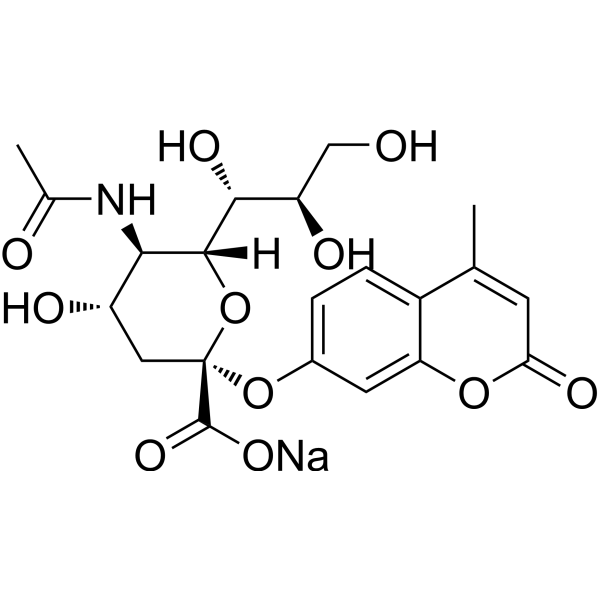
    4-MUNANA is a substrate of influenza virus neuraminidase (NA) with high selectivity and irreversible reaction. In the enzymatic reaction, 4-MUNANA is hydrolyzed by NA to generate fluorescent 4-methylumbelliferone (4-MU). By detecting the fluorescence intensity of 4-MU, quantitative analysis of NA activity can be achieved. 4-MUNANA can be used in influenza-related research, such as screening NA inhibitors, developing new anti-influenza drugs, and studying the infection mechanism of influenza viruses .
    4-MUNANA
  • HY-D0971
    Pyronin Y
    4 Publications Verification

    Pyronine G; C.I. 45005

    DNA Stain Others
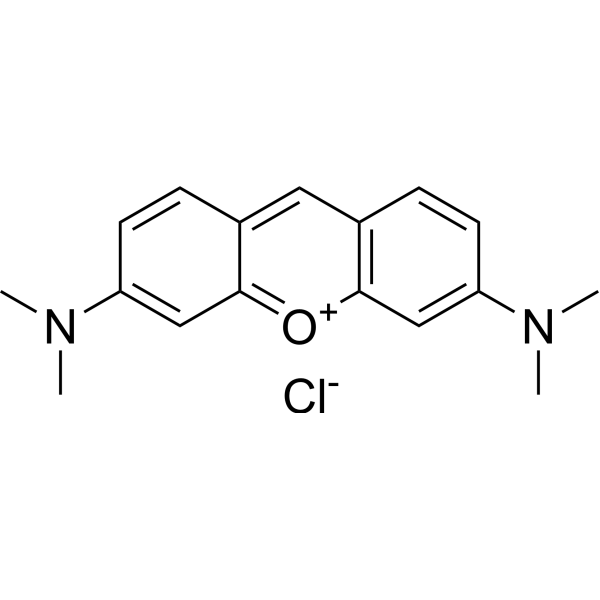
    Pyronin Y (Pyronine G) is a cationic dye that intercalates RNA and has been used to target cell structures including RNA, DNA and organelles. Pyronin Y forms fluorescent complexes with double-stranded nucleic acids (especially RNA) enabling semi-quantitative analysis of cellular RNA. Pyronin Y can be used to identify specific RNA subspecies of ribonuclear proteins complexes in live cells .
    Pyronin Y
  • HY-15906
    AMPPD
    1 Publications Verification

    Lumi-Phos Plus; Lumigen PPD; PPD

    Phosphatase Others
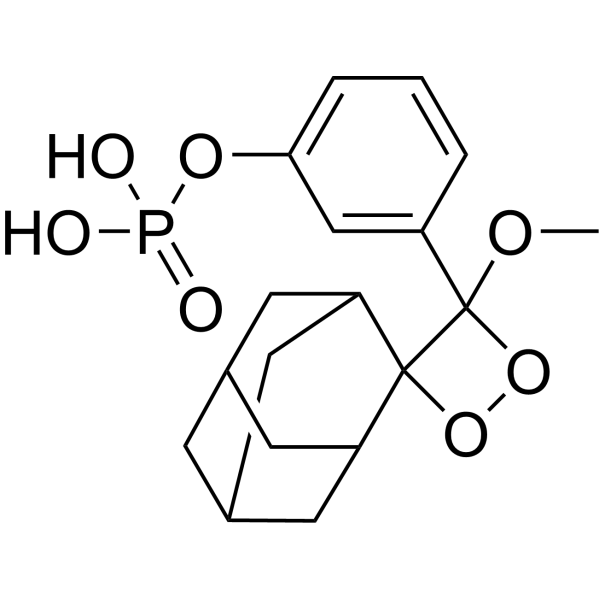
    AMPPD (Lumi-Phos Plus; Lumigen PPD) is a chemiluminescent substrate for alkaline phosphatase (APase). AMPPD is hydrolyzed by APase to generate an unstable dioxetane intermediate, and the intermediate releases a chemiluminescent signal when it decomposes. The luminescent signal of AMPPD can be detected by highly sensitive equipment, thereby achieving quantitative analysis of the target molecule. AMPPD can be used in ultrasensitive enzyme-linked immunosorbent assays (such as quantitative detection of human tissue kininogen), chemiluminescent detection of proteins and nucleic acids, and other fields .
    AMPPD
  • HY-153006
    2,7-Dichlorodihydrofluorescein
    Maximum Cited Publications
    8 Publications Verification

    DCFH2

    Biochemical Assay Reagents Others
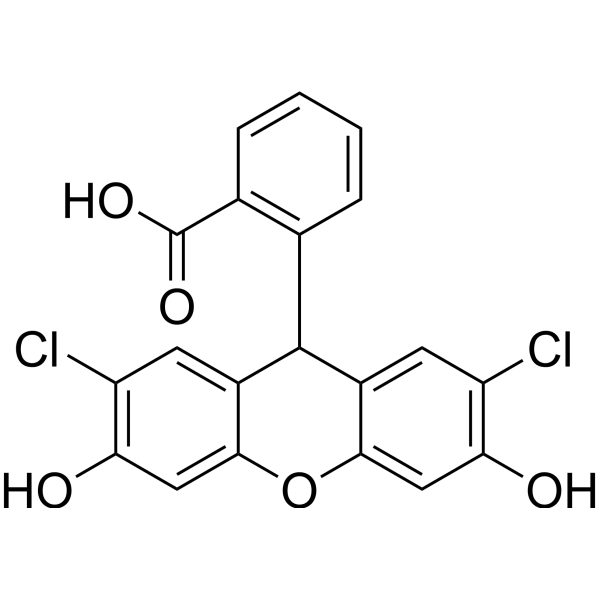
    2,7-Dichlorodihydrofluorescein (DCFH2) is a non-fluorescent reactive oxygen species (ROS) probe with an excitation wavelength of 485-500 nm and an emission wavelength of 515-530 nm. 2,7-Dichlorodihydrofluorescein is first hydrolyzed by intracellular esterases and then oxidized by ROS to generate non-biomembrane-permeable, highly fluorescent 2,7-dichlorofluorescein (DCF). The fluorescence intensity of DCF is positively correlated with the ROS concentration. 2,7-Dichlorodihydrofluorescein can undergo oxidation reactions with a variety of ROS (such as ·OH, H2O2, ONOO -, etc.) and is used to quantitatively detect the level of oxidative stress inside and outside cells. It is suitable for oxidative stress analysis in in vitro cell models and in vivo targeted delivery (such as liver-targeted liposomes) .
    2,7-Dichlorodihydrofluorescein
  • HY-W004290

    Methyl margarate

    Environmental Pollutants Biochemical Assay Reagents Others
    Methyl heptadecanoate (Methyl margarate) is a methyl ester derivative of heptadecanoic acid (HY-W004284). Methyl heptadecanoate is used as an internal standard for the quantitative calibration of fatty acids in GC-MS analysis .
    Methyl heptadecanoate
  • HY-122266

    Biochemical Assay Reagents Metabolic Disease
    Orcein is an irreversible stain that specifically targets elastic fibers and can interact hydrophobically with the protein components in elastic fibers. Orcein makes elastic fibers in tissues appear purple or purple-red. Orcein can be used for morphological studies of Drosophila polytene chromosomes and for qualitative and quantitative analysis of elastic fibers, collagen fibers and other components in atherosclerotic plaques .
    Orcein
  • HY-N16308

    Fluorescent Dye Others
    ER-Laurdan is a derivative of the membrane-permeable fluorescent probe Laurdan (HY-D0080) that targets the endoplasmic reticulum (ER). As a membrane fluidity reporter, ER-Laurdan specifically localizes to the ER luminal membrane, and exhibits a prominent solvatochromic response to fluidity changes caused by membrane packing and exogenous saturated fatty acid stress. ER-Laurdan shows no overlapping localization with mitochondria, enables quantitative analysis of ER membrane fluidity via generalized polarization ratio measurement, and allows automatic signal masking with the help of ER markers. With high specificity and quantitative capability, ER-Laurdan serves as an important tool for investigating metabolic disorders and associated changes in the physical properties of cell membranes .
    ER-Laurdan
  • HY-Y0678
    1,3,5-Trimethoxybenzene
    1 Publications Verification

    TRIMETHYL PHLOROGLUCINOL

    Biochemical Assay Reagents Others
    1,3,5-Trimethoxybenzene (TRIMETHYL PHLOROGLUCINOL) is an electrophilic substitution reaction substrate targeting free chlorine (Cl +) and free bromine (Br +). 1,3,5-Trimethoxybenzene has highly selective electrophilic addition characteristics. By capturing halogens, it undergoes specific substitution reactions to generate stable halogenated products. 1,3,5-Trimethoxybenzene can not only quench residual oxidants, but also quantify the halogen concentration by detecting the product without affecting the stability of redox-sensitive disinfection byproducts (DBPs). 1,3,5-Trimethoxybenzene is mainly used in water quality testing and quantitative analysis of free chlorine/bromine in water. At the same time, in phytochemistry, it is a key component of rose fragrance and participates in the study of pollination attraction mechanism .
    1,3,5-Trimethoxybenzene
  • HY-W020012

    22-NBD Cholesterol

    Fluorescent Dye Metabolic Disease
    Fluoresterol (22-NBD Cholesterol) is a cholesterol-specific fluorescent probe with cholesterol-mimicking binding properties. Fluoresterol is ineffective orally and does not cross the blood-brain barrier. Fluoresterol specifically binds to cholesterol transport-related proteins (such as ABCA1 and ABCG1) and is primarily used in cholesterol metabolism research, particularly for the visualization and quantitative analysis of cholesterol absorption, efflux, intracellular transport efficiency, and reverse cholesterol transport (RCT) processes. The commonly used concentration of Fluoresterol in in vitro experiments is 0.1-10 μM, and the commonly used dose in in vivo experiments is 5-20 mg/kg (gavage or intraperitoneal injection), with excitation/emission wavelengths of 472/540 nm. Fluoresterol can be applied to the study of cholesterol metabolism mechanisms related to hyperlipidemia, atherosclerosis, and non-alcoholic fatty liver disease (NAFLD) .
    Fluoresterol
  • HY-P3185

    Biochemical Assay Reagents Metabolic Disease
    Beta-galactose dehydrogenase is a selective catalyst for β-galactose. Under pH 8.6 conditions, beta-galactose dehydrogenase catalyzes the oxidation of β-galactose, produced by the hydrolysis of lactose by β-galactosidase, with nicotinamide adenine dinucleotide (NAD) to produce reduced nicotinamide adenine dinucleotide (NADH). Beta-galactose dehydrogenase specifically mediates this oxidation reaction for the quantitative detection of the substrate, used in the analysis of lactose concentration in samples such as breast milk .
    beta-Galactose dehydrogenase
  • HY-D0077

    Oregon green 488

    Fluorescent Dye Others
    2',7'-Difluorofluorescein (Oregon green 488) is a fluorescein derivative and a pH-sensitive fluorescent probe (pKa ~4.7). Upon excitation at 488 nm, 2',7'-Difluorofluorescein exhibits pH-sensitive fluorescence intensity through the formation of dianions, while its pH sensitivity decreases under excitation at 450 nm, allowing its use in ratiometric pH analysis. 2',7'-Difluorofluorescein can be used for the quantitative analysis of pH values in the range of 2-7 in submicron aerosol particles. 2',7'-Difluorofluorescein undergoes buffer-mediated and buffer-free excited-state proton transfer between different protonated forms, and its cationic form undergoes rapid excited-state deprotonation. 2',7'-Difluorofluorescein is resistant to photodegradation, maintains stable absorption and fluorescence properties within the physiological pH range, and serves as a fluorescent protein label, a component of Ca 2+ indicators, a fluorescent imaging agent, and an anisotropy probe .
    2',7'-Difluorofluorescein
  • HY-W115721

    Sodium rhodizonate dibasic

    Reactive Oxygen Species (ROS) DNA/RNA Synthesis Others
    Rhodizonic acid disodium (Sodium rhodizonate dibasic) is a transition metal-dependent pro-oxidant and lead detection agent that induces reactive oxygen species generation, DNA damage, and inhibits Aconitase activity. Rhodizonic acid disodium generates superoxide anion radicals in an iron (II)-dependent manner, leading to aconitase inactivation. Rhodizonic acid disodium also triggers hydroxyl radical-mediated DNA strand breaks and 8-OHdG formation via copper ion reduction. Rhodizonic acid disodium reacts with lead to form a scarlet precipitate, with the color intensity proportional to lead content, enabling qualitative or quantitative analysis of lead. Rhodizonic acid disodium can also be used for real-time visualization of the dynamic process of lead sequestration in the plant rhizosphere and evaluation of the effects of environmental factors such as soil type on the stability of lead-sequestering structures .
    Rhodizonic acid disodium
  • HY-W004290S

    Isotope-Labeled Compounds Biochemical Assay Reagents Drug Derivative Others
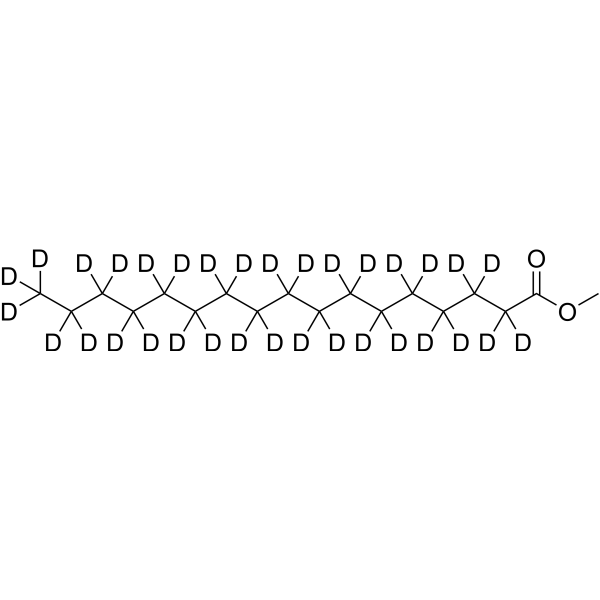
    Methyl heptadecanoate-d33 is the deuterium labeled Methyl heptadecanoate (HY-W004290). Methyl heptadecanoate (C17:0 methyl ester) is the methyl ester derivative of heptadecanoic acid (HY-W004284). Methyl heptadecanoate is used as an internal standard for quantitative calibration of fatty acids in GC-MS analysis .
    Methyl heptadecanoate-d33
  • HY-141749B

    CLPM hydrochloride; SR 26334 hydrochloride

    Drug Metabolite Cardiovascular Disease
    Clopidogrel carboxylic acid (CLPM) hydrochloride is an inactive metabolite of the widely used antiplatelet medication clopidogrel, which serves as a reference standard for quantitative analysis of clopidogrel metabolism. Clopidogrel carboxylic acid hydrochloride has been shown to represent approximately 85% of circulating clopidogrel, hydrolyzed from the active form by esterases. Clopidogrel carboxylic acid hydrochloride plays a crucial role in assessing the pharmacokinetics and bioavailability of clopidogrel in various clinical and research settings.
    Clopidogrel carboxylic acid hydrochloride
  • HY-D1603

    Fluorescent Dye Others
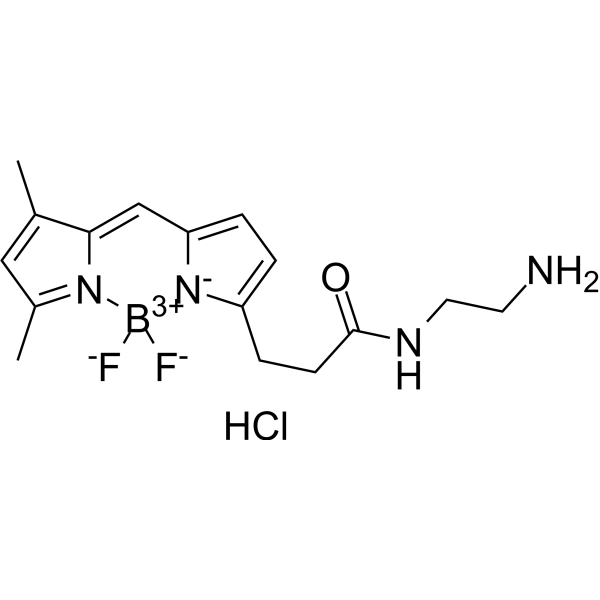
    BODIPY FL-EDA is a widely used fluorescent dye for quantitative analysis of nucleotides. BODIPY FL-EDA is an aliphatic amine analog that can react with aldehydes and ketones. BODIPY FL-EDA can be used to detect both modified and unmodified deoxynucleotides and to determine DNA damage and genomic DNA methylation through capillary electrophoresis with laser-induced fluorescence (CE-LIF). Additionally, it can be used for quantifying intracellular ATP levels. The excitation wavelength is 500 nm, and the emission wavelength is 510 nm .
    BODIPY FL-EDA
  • HY-DY1034

    Fluorescent Dye Infection Neurological Disease
    4-MUNANA (solution) is a substrate of influenza virus neuraminidase (NA) with high selectivity and irreversible reaction. In the enzymatic reaction, 4-MUNANA is hydrolyzed by NA to generate fluorescent 4-methylumbelliferone (4-MU). By detecting the fluorescence intensity of 4-MU, quantitative analysis of NA activity can be achieved. 4-MUNANA can be used in influenza-related research, such as screening NA inhibitors, developing new anti-influenza drugs, and studying the infection mechanism of influenza viruses .
    Solvent and Concentration: Sterile water: 10 mM
    4-MUNANA (solution)
  • HY-N7868

    Biochemical Assay Reagents Others
    Methyl tricosanoate is a saturated fatty acid methyl ester and also serves as an internal standard, which can be used for the quantitative analysis of neuraminic acid (NA) concentration .
    Methyl tricosanoate
  • HY-D2482

    APG-1 AM

    Fluorescent Dye Neurological Disease
    Asante potassium green-1 AM (APG-1 AM) is a cell-permeable K +-sensitive fluorescent indicator and potassium ion indicator that exhibits minimal interference from Na + and pH at physiologically relevant intracellular levels. Asante potassium green-1 AM enables non-invasive monitoring and quantitative analysis of intracellular potassium ion concentrations (Ex/Em = 522/547 nm) .
    Asante potassium green-1 AM
  • HY-D2188

    Deubiquitinase Cancer
    IMP-2373 is a low-toxicity activity-based probe targeting covalent pan-deubiquitinase (DUB), which modulates and monitors DUB activity via covalent binding to the catalytic cysteine and active site of DUB. IMP-2373 enables real-time tracking of dynamic intracellular DUB activity in physiologically relevant living cell systems, and quantitative analysis of activity changes induced by pharmacological inhibition or MYC dysregulation. IMP-2373 can be used for research on related diseases such as B-cell lymphoma .
    IMP-2373
  • HY-D1460

    Bacterial β-glucuronidase Infection
    Fluorescein Di-β-D-Glucuronide is an orally active fluorescent probe substrate and an indicator of β-glucuronidase (βG) activity in intestinal bacteria. Fluorescein Di-β-D-Glucuronide can be used for non-invasive time-lapse optical imaging of βG activity in intestinal bacteria in nude mice. Fluorescein Di-β-D-Glucuronide supports the quantitative analysis of bacterial βG enzyme activity and inhibition .
    Fluorescein Di-β-D-Glucuronide
  • HY-P3123A

    Fluorescent Dye Others
    Dnp-RPLALWRS TFA is a fluorescent peptide substrate designed for human matrilysin (MMP-7). After enzymatic cleavage of Dnp-RPLALWRS TFA at the alanine-leucine bond, the release of the Dnp group alleviates fluorescence quenching, thereby enabling real-time quantitative analysis of MMP-7 activity by increasing tryptophan emission. Dnp-RPLALWRS TFA provides a sensitive and efficient detection method for kinetic studies and inhibitor screenin .
    Dnp-RPLALWRS TFA
  • HY-Y0678R

    Reference Standards Biochemical Assay Reagents Others
    1,3,5-Trimethoxybenzene (TRIMETHYL PHLOROGLUCINOL) is an electrophilic substitution reaction substrate targeting free chlorine (Cl+) and free bromine (Br+). 1,3,5-Trimethoxybenzene has highly selective electrophilic addition characteristics. By capturing halogens, it undergoes specific substitution reactions to generate stable halogenated products. 1,3,5-Trimethoxybenzene can not only quench residual oxidants, but also quantify the halogen concentration by detecting the product without affecting the stability of redox-sensitive disinfection byproducts (DBPs). 1,3,5-Trimethoxybenzene is mainly used in water quality testing and quantitative analysis of free chlorine/bromine in water. At the same time, in phytochemistry, it is a key component of rose fragrance and participates in the study of pollination attraction mechanism .
    1,3,5-Trimethoxybenzene (Standard)
  • HY-P3149

    TNF Receptor Inflammation/Immunology
    LEESGGGLVQPGGSMK, a proteolysis peptide, is a component of Infliximab. LEESGGGLVQPGGSMK can be used for quantitative analysis of Infliximab. Infliximab is a chimeric monoclonal IgG1 antibody that specifically binds to TNF-α .
    LEESGGGLVQPGGSMK
  • HY-141642

    Glycerol triheptadecanoate; Trimargarin

    Biochemical Assay Reagents Others
    Triheptadecanoin (Glycerol triheptadecanoate) is an internal standard for the rapid GC analysis of fatty acid methyl esters in edible fats and oils. Triheptadecanoin enables the quantitative analysis of trans-fatty acid content in edible fats and oils via a rapid GC method. Triheptadecanoin smoothly undergoes methylation with m-TFPTAH in toluene solution at room temperature .
    Triheptadecanoin
  • HY-179227

    HDAC Neurological Disease
    HDAC6 ligand-7 (Compound 16a) is a positron emission tomography (PET) tracer for the deacetylase 6 (HDAC6) enzyme with a Kd value of 1.66 nM. HDAC6 ligand-7 exhibits excellent HDAC6 inhibitory activity, with IC50 values of 2.7 and 3.7 nM for hHDAC6 and mHDAC6, respectively, and has high selectivity for HDAC1/4/7/8. HDAC6 ligand-7 after being radioactively labeled with fluorine-18, [¹⁸F]HDAC6 ligand-7 shows varying degrees of radioactive uptake in PET, which can reflect the specific binding to HDAC6. HDAC6 ligand-7 can be used for the study of HDAC6 imaging .
    HDAC6 ligand-7
  • HY-124433

    iso-Tridecanoic methyl ester

    Biochemical Assay Reagents Others
    Methyl 11-Methyldodecanoate is a methylated fatty acid methyl ester that has been used as a standard for the quantitative analysis of 11-methyl lauric acid in vernix and M. oleifera extracts.
    Methyl 11-methyldodecanoate
  • HY-P3149B

    TNF Receptor Inflammation/Immunology
    LEESGGGLVQPGGSMK acetate, a proteolysis peptide, is a component of Infliximab. LEESGGGLVQPGGSMK acetate can be used for quantitative analysis of Infliximab. Infliximab is a chimeric monoclonal IgG1 antibody that specifically binds to TNF-α .
    LEESGGGLVQPGGSMK acetate
  • HY-P3149A

    TNF Receptor Inflammation/Immunology
    LEESGGGLVQPGGSMK TFA, a proteolysis peptide, is a component of Infliximab. LEESGGGLVQPGGSMK TFA can be used for quantitative analysis of Infliximab. Infliximab is a chimeric monoclonal IgG1 antibody that specifically binds to TNF-α .
    LEESGGGLVQPGGSMK TFA
  • HY-W568314

    Drug Intermediate Others
    Vericiguat impurity-1 is the impurity of Vericiguat (HY-16774). Vericiguat impurity-1 can be used as impurity standards in impurity analysis, to develop selective and quantitative methods to determine impurities .
    Vericiguat impurity-1
  • HY-164227

    Biochemical Assay Reagents Others
    Vericiguat impurity-2 is the impurity of Vericiguat (HY-16774). Vericiguat impurity-2 can be used as impurity standards in impurity analysis, in order to develop selective and quantitative methods to determine impurities .
    Vericiguat impurity-2
  • HY-138127

    Biochemical Assay Reagents Others
    Gendenafil is an analog of Sildenafil (HY-15025). Gendenafil can be used as internal standard for quantitative analysis of Sildenafil (HY-15025), Tadalafil (HY-90009A), and Vardenafil (HY-B0442) .
    Gendenafil
  • HY-W354544

    Dihydrodiethylstilbestrol

    Estrogen Receptor/ERR Endocrinology
    (Rac)-Hexestrol is the racemic form of Hexestrol (HY-B1662). Hexestrol is a synthetic non-steroidal estrogen. (Rac)-Hexestrol usually appears in deuterated form and is used as an internal standard for precise quantitative analysis in analytical chemistry.
    (Rac)-Hexestrol
  • HY-B1230A

    Endogenous Metabolite Inflammation/Immunology
    Camylofin dihydrochloride is an antispasmodic drug with activity in relieving smooth muscle spasms. Camylofin dihydrochloride is used to suppress spasms during labor and to provide pharmacotherapy for ulcerative colitis. The analysis of camylofin dihydrochloride can be quantitatively determined by gas chromatography to assess its content in pharmaceutical preparations .
    Camylofin dihydrochloride
  • HY-122792

    Endogenous Metabolite Cardiovascular Disease
    Phenyramidol hydrochloride is an anticoagulant and analgesic with activity that increases detection sensitivity in biological samples. Phenyramidol hydrochloride can be oxidized in aqueous media by electrochemical methods to achieve its quantitative analysis. The detection of Phenyramidol hydrochloride using an amino-functionalized multi-walled carbon nanotube-modified glassy carbon electrode showed significant enhancement of the current peak .
    Phenyramidol Hydrochloride
  • HY-173535

    TNP-β-L-Guanosine 5'-triphosphate tetrasodium

    Arf Family GTPase Others
    TNP-β-L-GTP (TNP-β-L-Guanosine 5'-triphosphate) tetrasodium is a fluorescent GTP mimetic that can be used to study the binding kinetics and affinity of GTP-binding proteins (such as G proteins and GTPases). TNP-β-L-GTP tetrasodium carries a TNP fluorophore, which changes fluorescence intensity upon protein binding, allowing for quantitative analysis .
    TNP-β-L-GTP tetrasodium
  • HY-W004290R

    Methyl margarate (Standard)

    Reference Standards Biochemical Assay Reagents Drug Derivative Others
    Methyl heptadecanoate (Standard) is the analytical standard of Methyl heptadecanoate (HY-W004290). This product is intended for research and analytical applications. Methyl heptadecanoate (C17:0 methyl ester) is the methyl ester derivative of heptadecanoic acid (HY-W004284). Methyl heptadecanoate is used as an internal standard for quantitative calibration of fatty acids in GC-MS analysis .
    Methyl heptadecanoate (Standard)
  • HY-103382R

    Reference Standards Fungal Infection
    Phenyramidol (Hydrochloride) (Standard) is the analytical standard of Phenyramidol (Hydrochloride). This product is intended for research and analytical applications. Phenyramidol hydrochloride is an anticoagulant and analgesic with activity that increases detection sensitivity in biological samples. Phenyramidol hydrochloride can be oxidized in aqueous media by electrochemical methods to achieve its quantitative analysis. The detection of Phenyramidol hydrochloride using an amino-functionalized multi-walled carbon nanotube-modified glassy carbon electrode showed significant enhancement of the current peak .
    Arcyriaflavin A (Standard)
  • HY-P3123

    Fluorescent Dye Others
    Dnp-RPLALWRS is a fluorescent peptide substrate designed for human matrilysin (MMP-7). After enzymatic cleavage of Dnp-RPLALWRS at the alanine-leucine bond, the release of the Dnp group alleviates fluorescence quenching, thereby enabling real-time quantitative analysis of MMP-7 activity by increasing tryptophan emission. Dnp-RPLALWRS provides a sensitive and efficient detection method for kinetic studies and inhibitor screenin .
    Dnp-RPLALWRS
  • HY-173138

    Monoamine Oxidase Neurological Disease
    FCOB02 is a monoamine oxidase B (MAO-B) ligand. FCOB02 can be labeled as [18F]FCOB02, a 4-methylcoumarin-like targeting probe. [18F]FCOB02 has a high affinity for MAO-B with an IC50 of 10.68 nM. [18F]FCOB02 can be used in specific MAO-B imaging as well as quantitative analysis in vivo .
    FCOB02
  • HY-W010736A

    Biochemical Assay Reagents Others
    1,2-Dipalmitoyl-rac-glycerol is a diacylglycerol containing palmitic acid at the sn-1 and sn-2 positions (Cat. No. 10006627). It is found in a variety of vegetable oils, including palm, soybean, canola, and corn. 1 \n 1,2-Dipalmitoyl-rac-glycerol MaxSpec Standard is a quantitative grade standard of 1,2-dipalmitoyl-rac-glycerol prepared for mass spectrometry and related applications requiring quantitative reproducibility . The solution has been prepared gravimetrically and contained in argon-sealed deactivated glass ampoules. Concentrations were verified by comparison to independently prepared calibration standards. This 1,2-dipalmitoyl-rac-glycerol MaxSpec Standard is guaranteed to meet specifications for identity, purity, stability, and concentration and is supplied with a batch-specific Certificate of Analysis. Ongoing stability testing is performed to ensure concentrations remain accurate throughout the shelf life of the product. Note: Add more solution to the vial than listed. Therefore, accurate volume measurements are necessary to prepare calibration standards. Follow recommended storage and handling conditions to maintain product quality.
    1,2-Dipalmitoyl-rac-glycerol
  • HY-176999

    Biochemical Assay Reagents Metabolic Disease
    EOTMBA is a peptide labeling reagent and can be used for quantitative analysis of dipeptides and tripeptides .
    EOTMBA
  • HY-176999S

    Isotope-Labeled Compounds Metabolic Disease
    EOTMBA-d3 is the deuterium labeled EOTMBA (HY-176999). EOTMBA is a peptide labeling reagent and can be used for quantitative analysis of dipeptides and tripeptides .
    EOTMBA-d3
  • HY-D3205

    Fluorescent Dye Others
    Bis (picolinoyl) fluorescein is a Cu 2+ esterase activity probe with both fluorogenic and chromogenic properties. Bis (picolinoyl) fluorescein enables quantitative analysis of free Cu 2+, as well as detection of esterolytic activity of Cu bound to organic ligands or biomolecules .
    Bis(picolinoyl)fluorescein
  • HY-172577

    Ion potassium green-4 TMA

    Fluorescent Dye Potassium Channel Others
    IPG-4 (Ion potassium green-4) TMA is an extracellular potassium ion fluorescence indicator with an Ex/Em ratio of 525/545 nm. IPG-4 TMA can be used for real-time monitoring and quantitative analysis of the transport of the biological electrochemical ion pump K⁺ .
    IPG-4 TMA
  • HY-166417S

    Isotope-Labeled Compounds mAChR Others
    Tiotropium-d3 iodide is the deuterium labeled Tiotropium iodide. Tiotropium-d3 iodide is a muscarinic acetylcholine receptor (mAChR) antagonist that blocks the binding of the acetylcholine ligand. Tiotropium-d3 iodide serves as a stable isotope tracer for quantitative analysis .
    Tiotropium-d3 iodide
  • HY-122792R

    Endogenous Metabolite Reference Standards Cardiovascular Disease
    Phenyramidol (Hydrochloride) (Standard) is the analytical standard of Phenyramidol (Hydrochloride). This product is intended for research and analytical applications. Phenyramidol hydrochloride is an anticoagulant and analgesic with activity that increases detection sensitivity in biological samples. Phenyramidol hydrochloride can be oxidized in aqueous media by electrochemical methods to achieve its quantitative analysis. The detection of Phenyramidol hydrochloride using an amino-functionalized multi-walled carbon nanotube-modified glassy carbon electrode showed significant enhancement of the current peak .
    Phenyramidol Hydrochloride (Standard)
  • HY-164158

    Drug Derivative Others
    N,N-Dimethyl psychosine is a derivative of Psychosine (HY-136490). N,N-Dimethyl psychosine can be used as an internal standard compound to quantify Psychosine in alkaline-treated lipid extracts .
    N,N-Dimethyl psychosine
  • HY-D3347

    Fluorescent Dye Cancer
    DUPA-FITC is a fluorescent reagent targeting PSMA, which specifically binds to prostate cancer cells expressing PSMA without non-specific binding to normal blood cells. DUPA-FITC can label PSMA-expressing prostate cancer cells in whole blood, followed by internalization and trafficking to acidic intracellular endosomes, during which the fluorescence is quenched. When combined with flow cytometry and density gradient centrifugation enrichment, DUPA-FITC enables quantitative analysis of circulating tumor cells in peripheral blood samples from prostate cancer patients .
    DUPA-FITC
  • HY-48813

    Endogenous Metabolite NF-κB Interleukin Related Metabolic Disease
    Glycoursodeoxycholic acid 3-sulfate is a glycine-conjugated sulfated bile acid 3-sulfate, which is produced by SULT2A1-mediated sulfation of glycoursodeoxycholic acid (HY-N1424) in the liver. Glycoursodeoxycholic acid 3-sulfate attenuates the anti-inflammatory effect of glycoursodeoxycholic acid and impairs the inhibitory effect on the IL-17 and NF-κB signaling pathways. Glycoursodeoxycholic acid 3-sulfate shows a significant correlation with aortic flow velocity and BNP in patients with aortic stenosis. Glycoursodeoxycholic acid 3-sulfate is mainly used in related studies such as quantitative analysis, quality control and biochemical experiments; it often serves as a reagent for metabolomics analysis and can also be applied to research related to aortic stenosis .
    Glycoursodeoxycholic acid 3-sulfate
  • HY-182367

    GPR39 Neurological Disease
    TMN-OMe is a blood-brain barrier-permeable GPR39 agonist and a radiotracer for positron emission tomography (PET). TMN-OMe activates GPR39 by recruiting β-arrestin, exhibits highly selective binding ability in the mouse brain, and enables quantitative analysis of GPR39 at the in vivo level. TMN-OMe shows specific uptake in GPR39 knockout mice, Alzheimer's disease model (APP/PS1) mice, and blocking experiments. TMN-OMe facilitates in-depth exploration of changes in GPR39-related mechanisms in neurological diseases and is widely used in Alzheimer's disease research .
    TMN-OMe

Inquiry Online

Your information is safe with us. * Required Fields.

Salutation


Country or Region *

Applicant Name *


Organization Name *

Department *


Email Address *


Product Name *

Cat. No.


Requested quantity *

Phone Number *


Remarks

Inquiry Online

Inquiry Information

Product Name:
Cat. No.:
Quantity:
MCE Japan Authorized Agent:

