

85 Results for "

radiosensitizes

" in MedChemExpress (MCE) Product Catalog:
Products (85)

85 Results for "radiosensitizes" in MCE Product Catalog:

109
109 Publications Verification
Cat. No.: HY-10231
CAS No.: 685898-44-6
Purity:  ≥98.0%
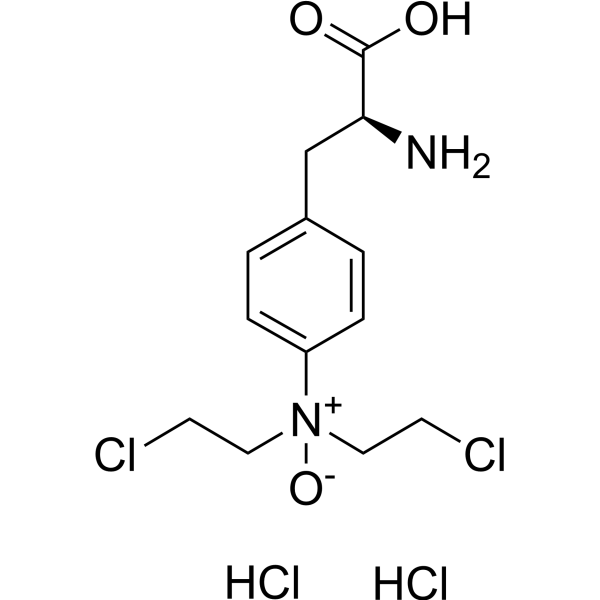
PX-478 is a multifunctional HIF-1α inhibitor with properties including radiosensitization, autophagy activation, and lipid accumulation inhibition. PX-478 also blocks hypoxia-induced VEGF production and regulates β-cell phenotypes under hypoxic conditions. PX-478 induces cell cycle arrest and DNA damage, restores autophagic function, reduces foam cell formation, and maintains glucose homeostasis. PX-478 is widely used in research on related diseases such as human tumors (e.g., prostate cancer), type 2 diabetes, and atherosclerosis .
loading...
    loading...
31
31 Cited Publications
Cat. No.: HY-B0332
CAS No.: 58-27-5
Synonyms: Vitamin K3
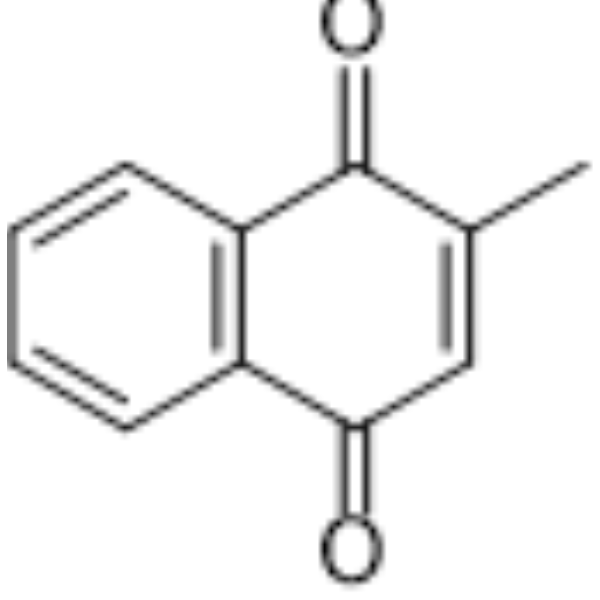
Menadione is a naphthoquinone that is converted into active vitamin K2 in the body. Menadione is a potential anticancer agent and radiosensitizer .
loading...
    loading...
23
23 Cited Publications
Cat. No.: HY-164388
CAS No.: 162852-62-2
Z-VAD is an irreversible, broad-spectrum pan-caspase inhibitor that can inhibit a variety of caspases including caspase-3, -6, -7, -8, -9, etc. (with a weaker inhibitory effect on caspase-2). Z-VAD can block apoptosis signaling pathways, induce autophagy and necrosis in tumor cells, and has anti-angiogenic activity. Z-VAD can enhance the sensitivity of breast cancer and lung cancer cells to radiotherapy in vitro and in vivo, and prolong the growth delay of tumor xenograft models. Z-VAD is well tolerated and is mainly used in research related to cancer radiosensitization and cell death pathway regulation .
loading...
    loading...
20
20 Cited Publications
Cat. No.: HY-N0305
CAS No.: 5451-09-2
Synonyms: 5-ALA hydrochloride; δ-Aminolevulinic acid hydrochloride; 5-Amino-4-oxopentanoic acid hydrochloride
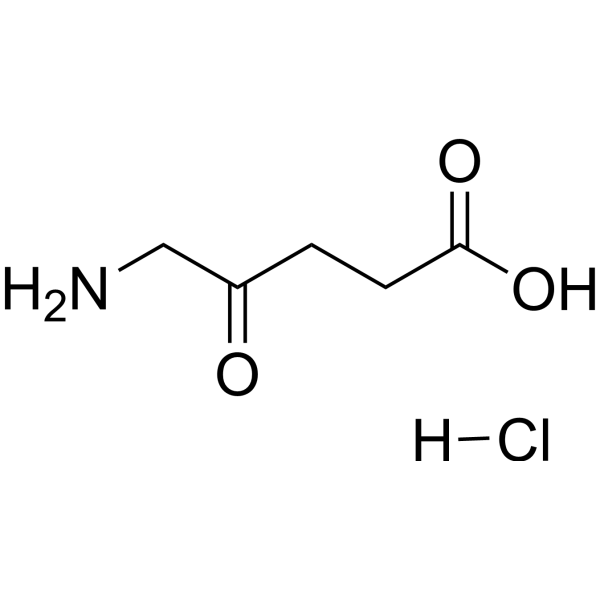
5-Aminolevulinic acid (5-ALA; δ-Aminolevulinic acid; 5-Amino-4-oxopentanoic acid) hydrochloride is an orally active heme precursor. 5-Aminolevulinic acid hydrochloride promotes aerobic energy metabolism and increases ATP levels by enhancing the activity of cytochrome c oxidase. 5-Aminolevulinic acid hydrochloride enhances LPS-induced proinflammatory cytokine production and gene activation, and restores the phagocytic activity and ROS generation capacity of neutrophils. 5-Aminolevulinic acid hydrochloride selectively accumulates protoporphyrin IX in tumor cells; as a photosensitizer and radiosensitizer, it induces ROS burst upon light or X-ray irradiation to inhibit tumor growth. 5-Aminolevulinic acid hydrochloride can be applied to the research of septic shock, melanoma, and cancer radiotherapy .
loading...
    loading...
20
20 Cited Publications
Cat. No.: HY-W000450
CAS No.: 106-60-5
Synonyms: 5-ALA; δ-Aminolevulinic acid; 5-Amino-4-oxopentanoic acid
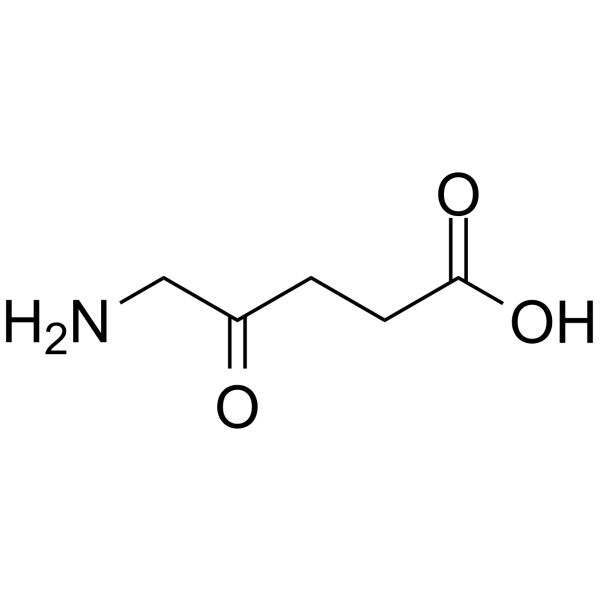
5-Aminolevulinic acid (5-ALA; δ-Aminolevulinic acid; 5-Amino-4-oxopentanoic acid) is an orally active heme precursor. 5-Aminolevulinic acid promotes aerobic energy metabolism and increases ATP levels by enhancing the activity of cytochrome c oxidase. 5-Aminolevulinic acid enhances LPS-induced proinflammatory cytokine production and gene activation, and restores the phagocytic activity and ROS generation capacity of neutrophils. 5-Aminolevulinic acid selectively accumulates protoporphyrin IX in tumor cells; as a photosensitizer and radiosensitizer, it induces ROS burst upon light or X-ray irradiation to inhibit tumor growth. 5-Aminolevulinic acid can be applied to the research of septic shock, melanoma, and cancer radiotherapy .
loading...
    loading...
11
11 Cited Publications
Cat. No.: HY-109566
CAS No.: 2089288-03-7
Purity:  99.22%
Synonyms: AZD1390
Research Areas:  

Cancer

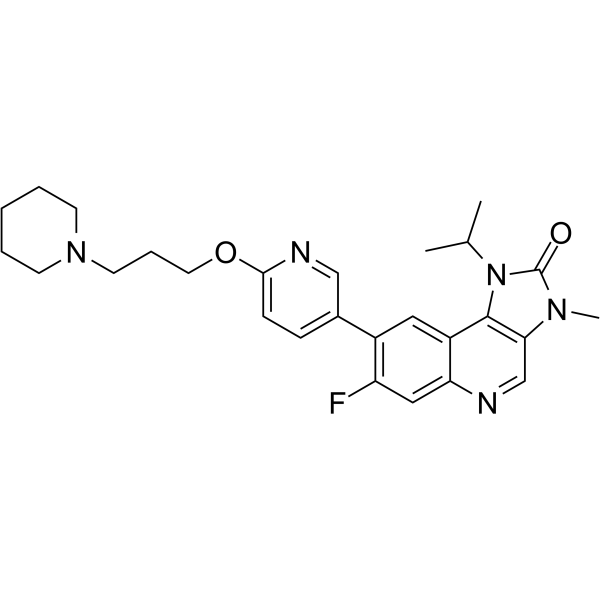
Elrelesertib (AZD1390) is an orally active, brain-penetrant ATM kinase inhibitor with IC50 values of 0.78 nM. Elrelesertib blocks ATM-dependent DNA damage response, inhibits ATM autophosphorylation and downstream Chk2, Rad50 phosphorylation, and accumulates at DNA breaks. Elrelesertib acts as a radiosensitizer, induces apoptosis, genomic instability, G2-M cell cycle arrest, ROS elevation, and mitochondrial membrane potential alteration. Elrelesertib has low efflux liability against P-gp and BCRP. Elrelesertib can be used for the research of central nervous system malignancies, glioblastoma multiforme, glioma, lung cancer brain metastases, and breast cancer .
loading...
    loading...
11
11 Cited Publications
Cat. No.: HY-10082
CAS No.: 143621-35-6
Purity:  99.78%
Synonyms: 3-AP; PAN-811; OCX191
Target:  

DNA/RNA Synthesis

Research Areas:  

Cancer

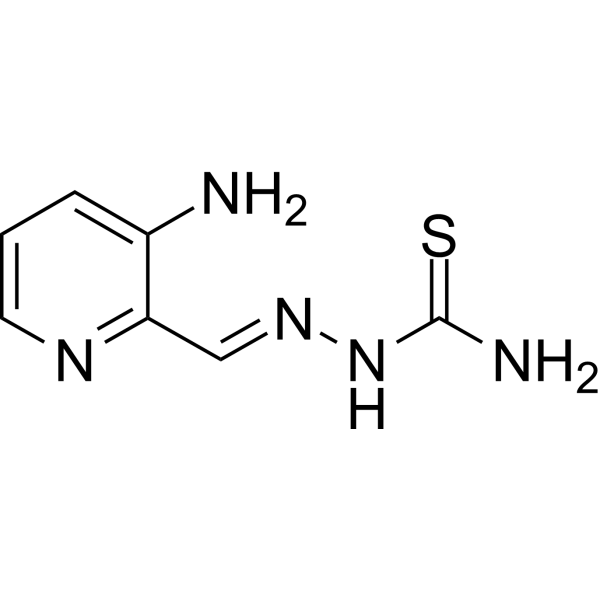
Triapine (3-AP; PAN-811) is a potent inhibitor of the M2 subunit of ribonucleotide reductase (RR), and is a potent radiosensitizer.
loading...
    loading...
11
11 Cited Publications
Cat. No.: HY-D0713
CAS No.: 1472624-85-3
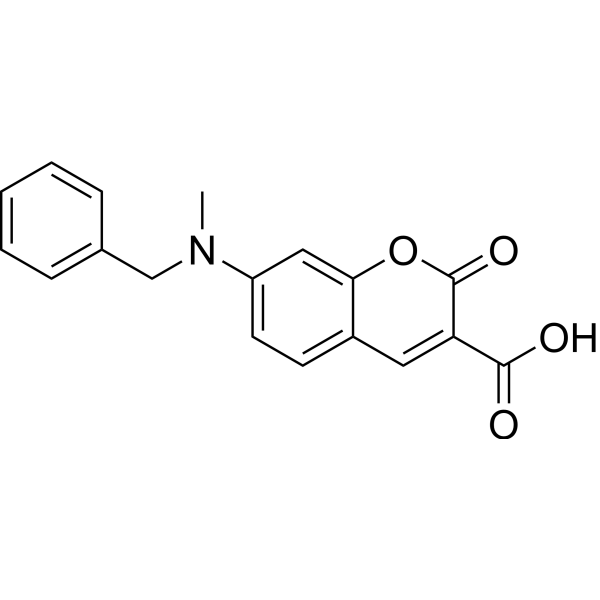
7ACC2 is a potent monocarboxylate transporter (MCT) inhibitor with an IC50 of 11 nM for inhibition of [ 14C]-lactate influx. 7ACC2 is also a potent inhibitor of mitochondrial pyruvate transport. 7ACC2 is an anticancer agent through inhibition of lactate flux .
loading...
    loading...
10
10 Cited Publications
Cat. No.: HY-B1640
CAS No.: 58-54-8
Synonyms: Etacrynic acid
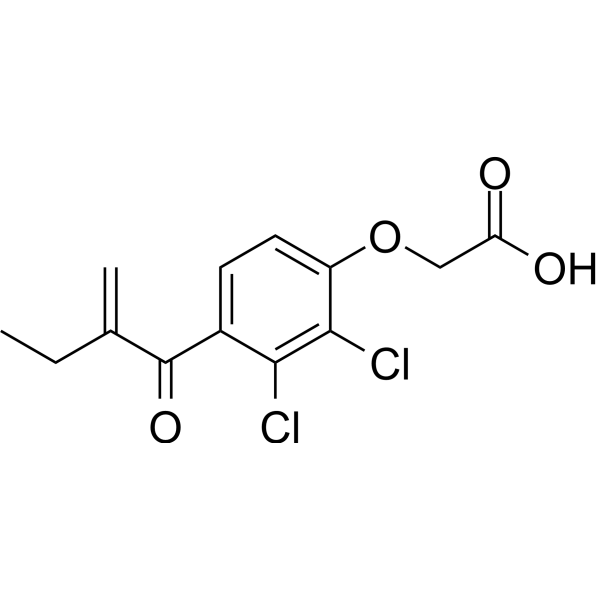
Ethacrynic acid has anti-inflammatory and anticancer activity. Ethacrynic acid is an orally active diuretic. Ethacrynic acid is an inhibitor of glutathione S-transferase (GSTs) and Wnt signaling pathways. Ethacrynic acid is a radiosensitizer. Ethacrynic acid can inhibit airway smooth muscle (ASM) contraction in mice. Ethacrynic acid can increase the outflow of aqueous humor from the eye for the study of glaucoma .
loading...
    loading...
5
5 Cited Publications
Cat. No.: HY-P3229
CAS No.: 1071173-56-2
Target:  

NF-κB

Research Areas:  

Cancer

SN52 is a potent, competitive, and cell-permeable inhibitor of NF-κB2. SN52 is a variant of the SN50 peptide and inhibits the nuclear translocation of p52-RelB heterodimers. SN52 has a strong radiosensitization effect on prostate cancer cells. SN52 can be used for cancer research .
loading...
    loading...
3
3 Cited Publications
Cat. No.: HY-12025
CAS No.: 881202-45-5
Purity:  99.56%
Synonyms: JNJ-26854165
Research Areas:  

Cancer

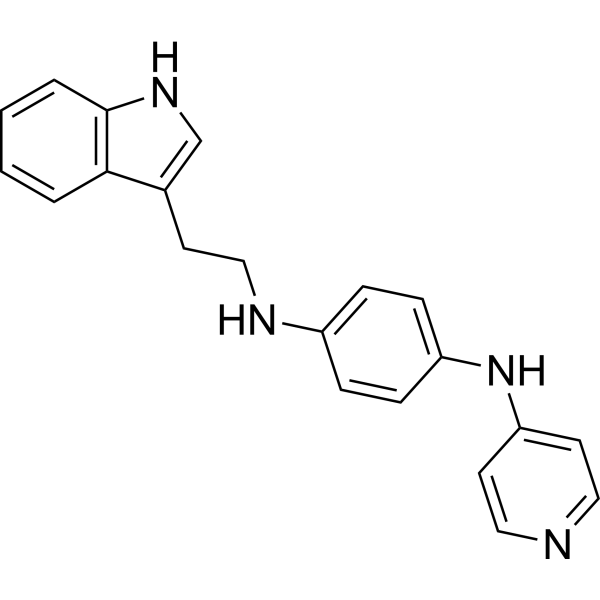
Serdemetan (JNJ-26854165) is a potent anticancer agent with radiosensitizing activity. Serdemetan exhibits antiproliferative activity in various p53 wild-type tumor cells. Serdemetan also antagonizes the Mdm2-HIF1α axis leading to decreased levels of glycolytic enzymes .
loading...
    loading...
3
3 Cited Publications
Cat. No.: HY-103241
CAS No.: 293762-45-5
Purity:  99.10%
Ro 90-7501 is an amyloid β42 (Aβ42) fibril assembly inhibitor that reduces 42-induced cytotoxicity (EC50 of 2 μM). Ro 90-7501 inhibits ATM phosphorylation and DNA repair. RO 90-7501 selectively enhances toll-like receptor 3 (TLR3) and RIG-I-like receptor (RLR) ligand-induced IFN-β gene expression and antiviral response . Ro 90-7501 also inhibits protein phosphatase 5 (PP5) in a TPR-dependent manner . Ro 90-7501 has significant radiosensitizing effects on cervical cancer cells .
loading...
    loading...
1
1 Cited Publications
Cat. No.: HY-160799
CAS No.: 2412367-83-8
Research Areas:  

Cancer

HA-9104 is a potent and selective inhibitor of cullin-5 neddylation via virtually targeting the V30 pocket of UBE2F. HA-9104 binds to UBE2F, reduces its protein levels, and consequently inhibits cullin-5 neddylation. HA-9104 has potent growth suppression and radiosensitizing activities via targeting the UBE2F-CRL5 axis and causing DNA damage, leading to induction of apoptosis and G2/M arrest in lung and pancreatic cancer cells .
loading...
    loading...
1
1 Cited Publications
Cat. No.: HY-137552
CAS No.: 1190277-80-5
Purity:  98.13%
Synonyms: MASTL Kinase Inhibitor-1
Target:  

MASTL

Research Areas:  

Cancer

MKI-1, an inhibitor of MASTL (microtubule-associated serine/threonine kinase-like) with an IC50 of 9.9 μM, exerts antitumor and radiosensitizer activities through PP2A activation in breast cancer .
loading...
    loading...
1
1 Cited Publications
Cat. No.: HY-134594
CAS No.: 2416910-69-3
Purity:  99.55%
Target:  

E1/E2/E3 Enzyme

Research Areas:  

Cancer

SENP1-IN-1 is a specific deSUMOylation protease 1 (SENP1) inhibitor extracted from patent CN110627860, Compound 29. SENP1-IN-1 is developed for tumor radiosensitivity enhancement .
loading...
    loading...
Cat. No.: HY-171135
Research Areas:  

Cancer

Cetuximab MMAE is an antibody-drug conjugate (ADC) targeting EGFR, formed by the random conjugation of the Cetuximab (HY-P9905) antibody and VcMMAE (HY-15575) via reduced interchain cysteines. Cetuximab MMAE binds to EGFR, blocks ligand interactions, inhibits downstream signal transduction, mediates receptor internalization, and delivers MMAE to induce G2/M phase cell cycle arrest, inhibit microtubule polymerization, interfere with mitosis, and exert radiosensitizing effects. Cetuximab MMAE limits the toxicity of free MMAE to EGFR-expressing cells and circumvents EGFR resistance mechanisms. Cetuximab MMAE is applicable to research related to EGFR + tumors .
loading...
    loading...
Cat. No.: HY-108692
CAS No.: 78473-71-9
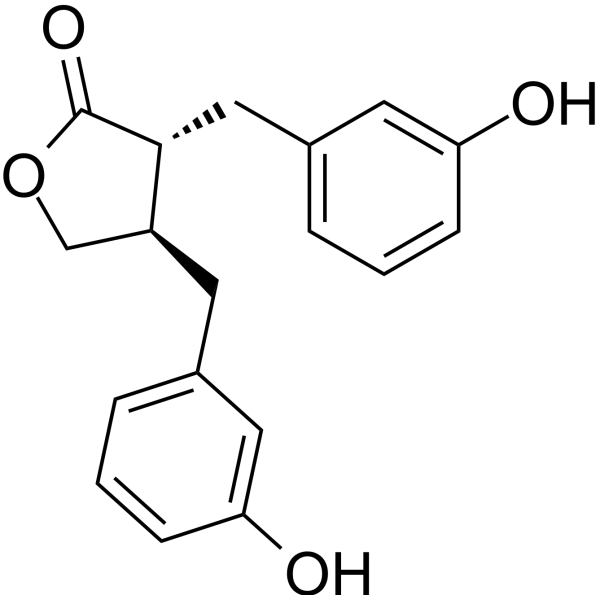
Enterolactone is a bioactive phenolic metabolite known as a mammalian lignan derived from dietary lignans. Enterolactone has estrogenic properties and anti-breast cancer activity . Enterolactone is a radiosensitizer for human breast cancer cell lines through impaired DNA repair and increased apoptosis .
loading...
    loading...
Cat. No.: HY-P99866
CAS No.: 1314238-96-4
Synonyms: MEHD-7945A; RG 7597

Target:  

EGFR Akt p38 MAPK Apoptosis

Research Areas:  

Cancer

Duligotuzumab (MEHD-7945A; RG 7597) is a humanized IgG-κ monoclonal antibody targeting EGFR. Duligotuzumab blocks the binding of ligands to these two receptors, inhibits downstream HER/ErbB, AKT and MAPK signaling pathways, induces antibody-dependent cellular cytotoxicity, reduces the proliferation and migration abilities of cancer cells, promotes apoptosis, exerts radiosensitizing effects, and reverses EGFR resistance in cancer cells. Duligotuzumab can be used in tumor-related research .
loading...
    loading...
Cat. No.: HY-112198
CAS No.: 2088113-98-6
Purity:  98.13%
Target:  

ATM/ATR

Research Areas:  

Cancer

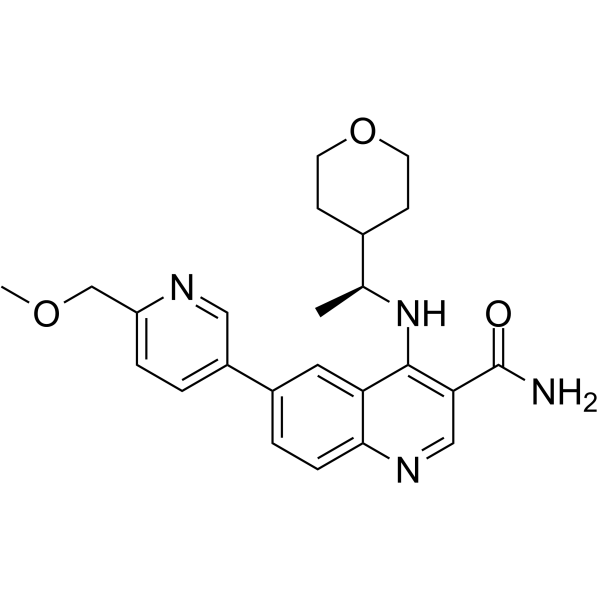
AZ31 is a a potent, highly selective, and orally active ATM inhibitor with an IC50 of <1.2 nM for ATM enzyme, and an IC50 of 46 nM for ATM in cell. AZ31 shows excellent selectivity over ATR (>500-fold) and excellent PIKK-family selectivity and pan-kinase selectivity. AZ31 is a potent radiosensitizer in vitro, it can be used for the research of cancer .
loading...
    loading...
Cat. No.: HY-162002
CAS No.: 2765448-96-0
Target:  

ATM/ATR

Research Areas:  

Cancer

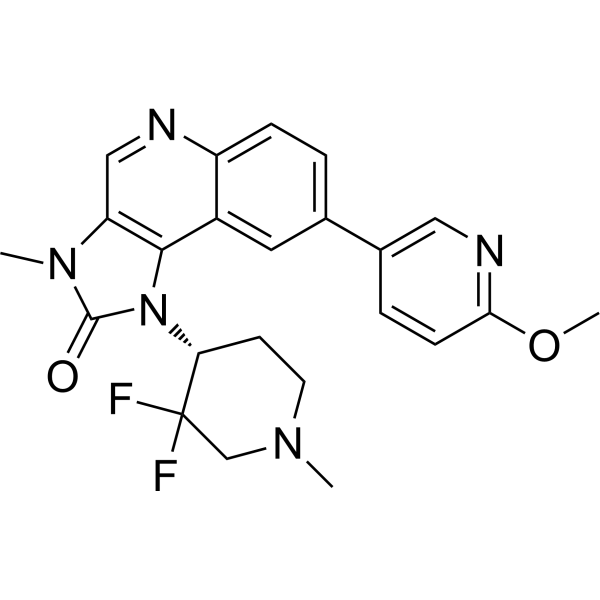
WSD0628 is a brain penetrant and potent ATM inhibitor with profound radiosensitizing effect .
loading...
    loading...

