Search Result
Results for "
real-time
" in MedChemExpress (MCE) Product Catalog:
19
Biochemical Assay Reagents
5
Isotope-Labeled Compounds
| Cat. No. |
Product Name |
Target |
Research Areas |
Chemical Structure |
-
- HY-116215
-
2-NBDG
Maximum Cited Publications
74 Publications Verification
|
Fluorescent Dye
|
Others
|
|
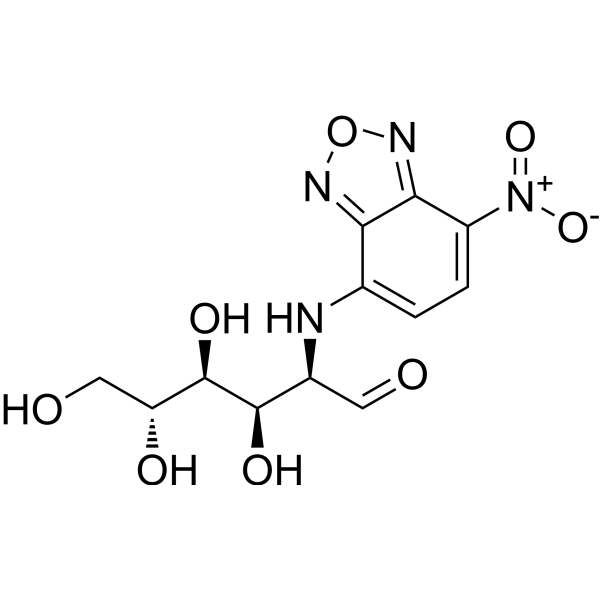
2-NBDG is a fluorescently-labeled deoxyglucose analog that is used primarily to directly monitor glucose uptake by living cells and tissues. It is also used as a topical contrast reagent for the detection of neoplasia. 2-NBDG can be used in real-time confocal, high-resolution, or wide-field fluorescence microscopy as well as in flow cytometry. The probe can be excited by the Argon laser at 488 nm to give the environment-sensitive fluorescence. It has lower photostability than the rhodamine-based fluorescent probes.
|
-
-
- HY-W074143
-
|
|
Fluorescent Dye
|
Others
|
|
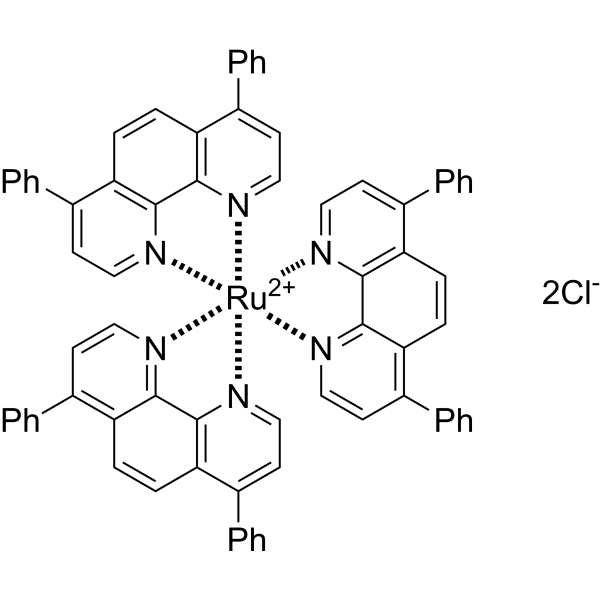
Tris(4,7-diphenyl-1,10-phenanthroline)ruthenium(II) dichloride ([Ru(dpp)3] 2+) is an electrochemiluminescent (ECL) probe and oxygen-sensitive sensor. Tris(4,7-diphenyl-1,10-phenanthroline)ruthenium(II) dichloride can be used to modify electrode surfaces for the detection of sulfates (S2O8 2-) and oxalates, based on electrochemical reactions that generate excited-state species, releasing photons through irreversible redox reactions. Tris(4,7-diphenyl-1,10-phenanthroline)ruthenium(II) dichloride utilizes the oxygen quenching of fluorescence mechanism, where fluorescence intensity reflects the metabolic rate of living microorganisms or oxygen levels within cells/tumors, allowing for real-time detection. Tris(4,7-diphenyl-1,10-phenanthroline)ruthenium(II) dichloride's main applications include microbial detection, antibacterial activity studies, and tumor microenvironment research .
|
-
-
- HY-P4931
-
|
|
MMP
|
Cancer
|
|
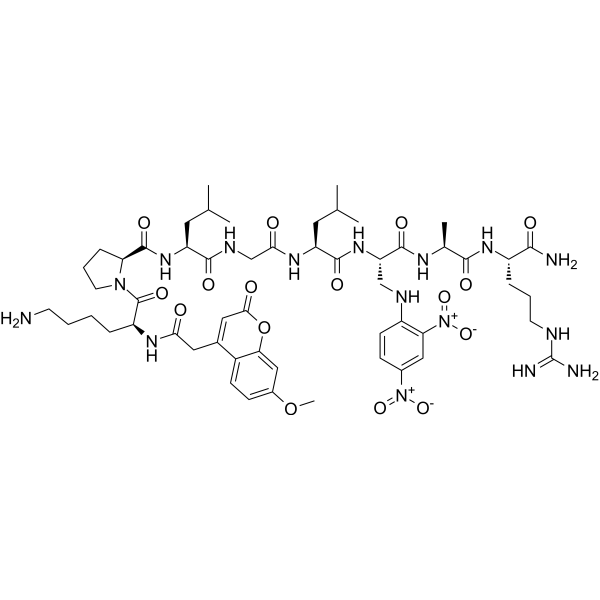
Mca-Lys-Pro-Leu-Gly-Leu-Dap(Dnp)-Ala-Arg-NH2 (FS-6) is a fluorescent peptide that is a quenched MMP peptide substrate. Mca-Lys-Pro-Leu-Gly-Leu-Dap(Dnp)-Ala-Arg-NH2 can be used for real-time quantification of MMP enzymatic activity. Mca-Lys-Pro-Leu-Gly-Leu-Dap(Dnp)-Ala-Arg-NH2 is an elongated peptide of MMP substrate (FS-1) and is active against collagenases (MMP-1, MMP-8, MMP-13 ) and MT1-MMP with higher specificity constants than FS-1 . (Ex/Em=325 nm/400 nm)
|
-
-
- HY-P4154
-
|
ALM-488
|
Fluorescent Dye
|
Neurological Disease
Cancer
|
|
Bevonescein (ALM-488) is a fluorescein-conjugated peptide that facilitates the targeted delivery of a fluorescent moiety (5-FAM (HY-66022)) to nerves after intravenous (IV) administration. Bevonescein binds nerve-associated connective tissue, labels peripheral nerves under real-time fluorescence imaging (FL) in living mice and human ex vivo nerve tissue. Bevonescein is a peptide-linked tracer which fluorescently labeled both intact and degenerated nerves (Ex/Em = 480/530 nm) .
|
-
-
- HY-W116606
-
|
|
Fluorescent Dye
|
Others
|
|
Coumarin boronic acid is a fluorescent probe. The excitation and emission wavelengths of coumarin boronic acid are set to 360 nm and 430 nm, respectively. Coumarin boronic acid can be used to monitor the formation of amino acid and protein hydroxyl peroxides in real time, which is beneficial for understanding the mechanisms of oxidative stress and protein post-translational modification .
|
-
-
- HY-D1244
-
|
|
Fluorescent Dye
|
Cardiovascular Disease
Inflammation/Immunology
|
|
CO probe 1 (probe 2) is a highly efficient fluorescent CO probe (Ex=493 nm) with an allyl ether reaction site. In the presence of PdCl₂, CO reduces Pd 2+ to Pd 0, triggering a Tsuji-Trost reaction that removes the allyl protecting group, releases fluorescein, and generates a significant fluorescence signal. CO probe 1 has high selectivity, rapid response (fluorescence enhancement of 150 times within 20 minutes), and low cytotoxicity, and can be used for real-time imaging of CO in living cells. CO probe 1 may be used to study pathological mechanisms involving CO signaling regulation, such as inflammation, vascular disease, or cancer .
|
-
-
- HY-108715A
-
|
|
Fluorescent Dye
|
Neurological Disease
|
|
RT-AM is a pro-agent real thiol. Real Thiol is a reversible reaction-based fluorescent probe which can quantitatively monitor the real-time glutathione dynamics in living cells.
|
-
-
- HY-D0043
-
|
5(6)-Carboxy-X-rhodamine
|
DNA Stain
|
Others
|
|
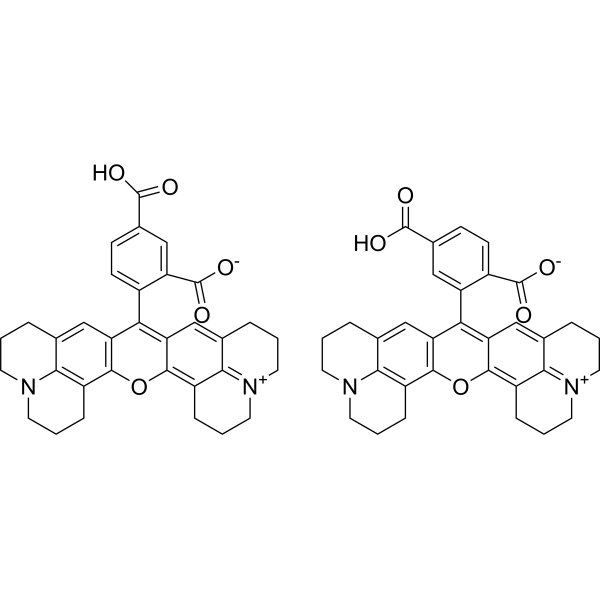
5(6)-ROX (5(6)-Carboxy-X-rhodamine) is a nucleic acid fluorescent label which can be used as a reference dye for real-time polymerase chain reaction (Em/Ex = 605/585 nm) .
|
-
-
- HY-101400A
-
|
dCTP trisodium solution (100 mM); 2′-Deoxycytidine-5′-triphosphate trisodium solution (100 mM)
|
DNA/RNA Synthesis
Nucleoside Antimetabolite/Analog
Endogenous Metabolite
|
Metabolic Disease
|
|
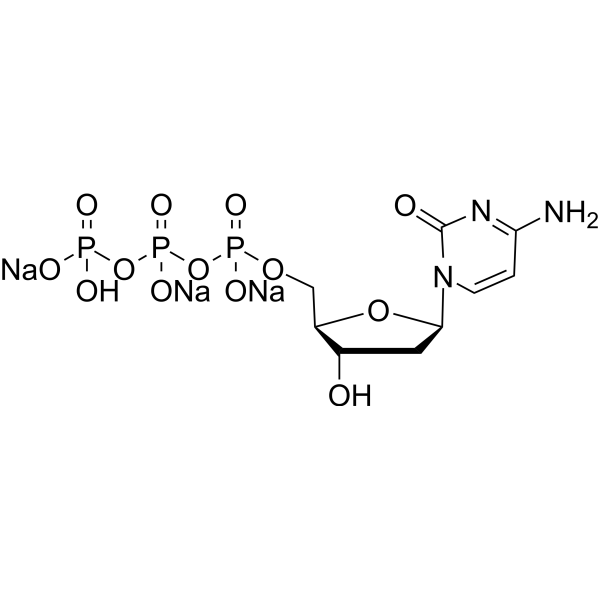
Deoxycytidine triphosphate trisodium (dCTP trisodium) solution (100 mM) is a nucleoside triphosphate that can be used for DNA synthesis. Deoxycytidine triphosphate trisodium salt has many applications, such as real-time PCR, cDNA synthesis, and DNA sequencing .
|
-
-
- HY-131924
-
|
Thio-NAD
|
Biochemical Assay Reagents
|
Others
|
|
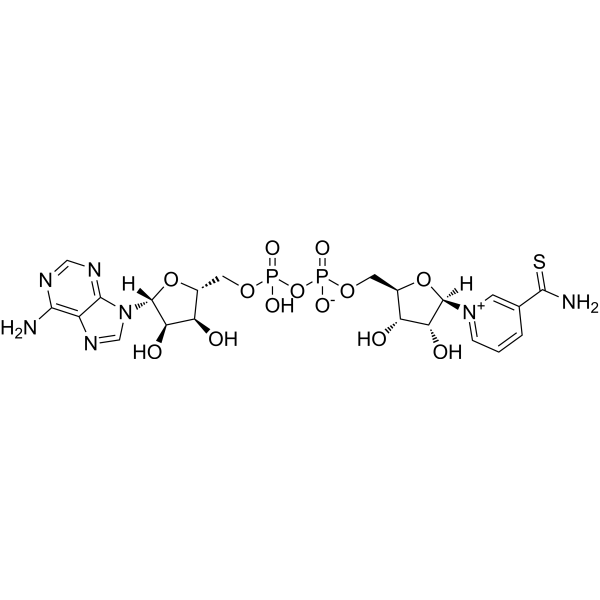
Thionicotinamide adenine dinucleotide (Thio-NAD) is a thione-modified analog of the coenzyme nicotinamide adenine dinucleotide (NAD +). Thionicotinamide adenine dinucleotide can replace NAD + in enzymatic reactions and shift the absorption peak to 405 nM, enabling sensitive, real-time kinetic detection of enzyme activity, which is particularly suitable for high-sensitivity diagnostic cyclic detection systems .
|
-
-
- HY-D2381
-
|
|
Fluorescent Dye
|
Others
|
|
AF 488 maleimide is a thiol-reactive dye used to label SH groups of proteins, which can attach the AF 488 fluorophore to cysteine residue-containing proteins and peptides as well as other thiolated molecules. AF 488 maleimide enables real-time visualization of dynamic pilus extension and retraction in live bacterial cells via epifluorescence microscopy (Ex/Em = 470/520 nm) .
|
-
-
- HY-DY1019
-
|
|
Fluorescent Dye
|
Others
|
2-NBDG (solution) is a fluorescently-labeled deoxyglucose analog that is used primarily to directly monitor glucose uptake by living cells and tissues. It is also used as a topical contrast reagent for the detection of neoplasia. 2-NBDG can be used in real-time confocal, high-resolution, or wide-field fluorescence microscopy as well as in flow cytometry. The probe can be excited by the Argon laser at 488 nm to give the environment-sensitive fluorescence. It has lower photostability than the rhodamine-based fluorescent probes. Solvent and Concentration: Sterile PBS: 5 mM
|
-
-
- HY-W115721
-
|
Sodium rhodizonate dibasic
|
Reactive Oxygen Species (ROS)
DNA/RNA Synthesis
|
Others
|
|
Rhodizonic acid disodium (Sodium rhodizonate dibasic) is a transition metal-dependent pro-oxidant and lead detection agent that induces reactive oxygen species generation, DNA damage, and inhibits Aconitase activity. Rhodizonic acid disodium generates superoxide anion radicals in an iron (II)-dependent manner, leading to aconitase inactivation. Rhodizonic acid disodium also triggers hydroxyl radical-mediated DNA strand breaks and 8-OHdG formation via copper ion reduction. Rhodizonic acid disodium reacts with lead to form a scarlet precipitate, with the color intensity proportional to lead content, enabling qualitative or quantitative analysis of lead. Rhodizonic acid disodium can also be used for real-time visualization of the dynamic process of lead sequestration in the plant rhizosphere and evaluation of the effects of environmental factors such as soil type on the stability of lead-sequestering structures .
|
-
-
- HY-108715
-
|
|
Fluorescent Dye
|
Neurological Disease
|
|
Real Thiol is a reversible reaction-based fluorescent probe which can quantitatively monitor the real-time glutathione dynamics in living cells.
|
-
-
- HY-D1191
-
|
|
Fluorescent Dye
DNA/RNA Synthesis
|
Others
|
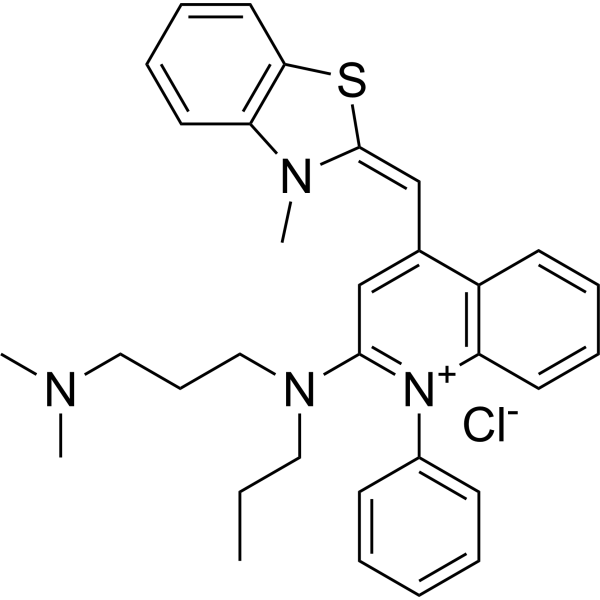
SYBR Green I chloride is a highly sensitive fluorescent nucleic acid dye that binds specifically to the minor groove of double-stranded DNA or intercalates between base pairs. SYBR Green I chloride exhibits weak fluorescence in the unbound state but emits bright fluorescence upon binding, and it preferentially binds to large-fragment DNA and DNA with high G+C content. SYBR Green I chloride is suitable for real-time PCR technology; its fluorescence intensity correlates with the amount and size of amplification products, enabling accurate quantification of gene expression and discrimination of amplicons via melting curve analysis without additional post-processing. SYBR Green I chloride is widely used in preclinical in vitro nucleic acid detection .
|
-
-
- HY-D1422
-
|
BDNCA-346
|
Fluorescent Dye
|
Others
|
|
ER Tracker Yellow is an endoplasmic reticulum-targeted temperature-visible fluorescent probe. ER Tracker Yellow has high temperature sensitivity (3.9%/°C) and is not affected by pH and Ca 2+ interference. ER Tracker Yellow can be used for real-time monitoring of local temperature changes in the ER area. ER Tracker Yellow maintains its function in fixed cells. ER Tracker Yellow is suitable for various cell lines and primary cells, such as HeLa cells, MEF cells, and other cells .
|
-
-
- HY-W010771
-
|
dCTP disodium; 2′-Deoxycytidine-5′-triphosphate disodium
|
DNA/RNA Synthesis
Nucleoside Antimetabolite/Analog
Endogenous Metabolite
|
Others
|
|
Deoxycytidine triphosphate (dCTP; 2′-Deoxycytidine-5′-triphosphate) disodium is a nucleoside triphosphate that can be used for DNA synthesis. Deoxycytidine triphosphate has many applications, such as real-time PCR, cDNA synthesis, and DNA sequencing .
|
-
-
- HY-P1853
-
-
-
- HY-W110898
-
|
|
Fluorescent Dye
|
Others
|
|
Nile blue chloride is a highly fluorescent and photostable organic dye. Nile blue chloride and fluorescein isothiocyanate (FITC) can be used to construct a ratiometric pH sensitive probe for tracking the pH of the extracellular fluid between cancer cells in realtime. Nile Blue chloride has the potential for the research of nonlinear optics .
|
-
-
- HY-D1707
-
|
|
Fluorescent Dye
|
Others
|
|
FDGlcU can be used as a fluorescent probe for non-invasively image with a high level of fluorescent activity. FDGlcU is non-fluorescent when the fluorescein is conjugated with two mono-glucuronides (Ex/Em=480/514 nm) .
|
-
-
- HY-118667
-
|
|
Liposome
|
Others
|
|
Dehydroergosterolis a naturally occurring fluorescent sterol analog (Ex/Em=325/375 nm), which mimics the properties of cholesterol in cell membranes. DehydroergosterolEasily conjugated by cholesterol-binding proteins for real-time imaging in live cells. DehydroergosterolThe sterol environment and intracellular sterol transport in vivo can be probed/elucidated in real time .
|
-
-
- HY-W001952
-
|
|
Fluorescent Dye
Drug Intermediate
|
Others
|
|
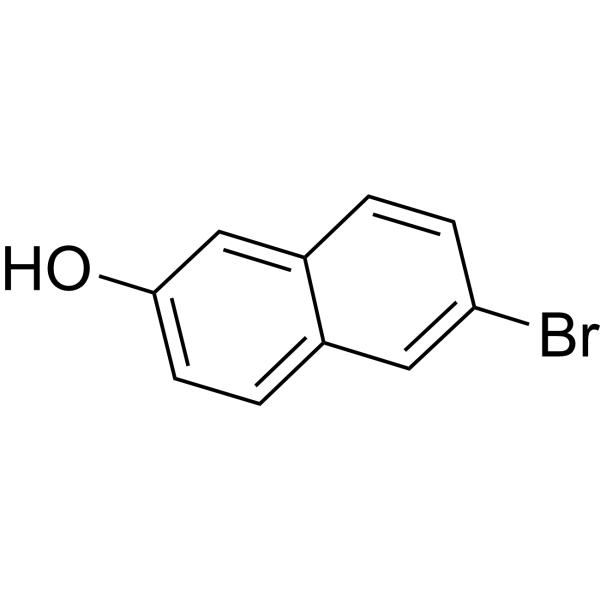
6-Bromo-2-naphthol is an RTP (real-time polymerase chain reaction) probe that forms a 1:1 or 2:1 complex with β-cyclodextrin (β-CD). 6-Bromo-2-naphthol is capable of real-time monitoring of PCR reactions and quantification of specific nucleic acid sequences. RTP probes are a class of small DNA or RNA sequences labeled with fluorescent dyes and quencher molecules, which can be widely used in gene expression analysis, SNP genotyping, and pathogen detection. 6-Bromo-2-naphthol embeds into the cyclodextrin cavity through hydrophobic interactions, inhibits the oxygen quenching effect, and emits a phosphorescent signal at room temperature. 6-Bromo-2-naphthol can also be used as an intermediate for the synthesis of antibacterial azo dyes, and its derivatives show antibacterial activity against Staphylococcus aureus, Escherichia coli and other bacteria .
|
-
-
- HY-158741
-
|
APG-2 Acetoxymethyl ester
|
Fluorescent Dye
Potassium Channel
|
Others
|
|
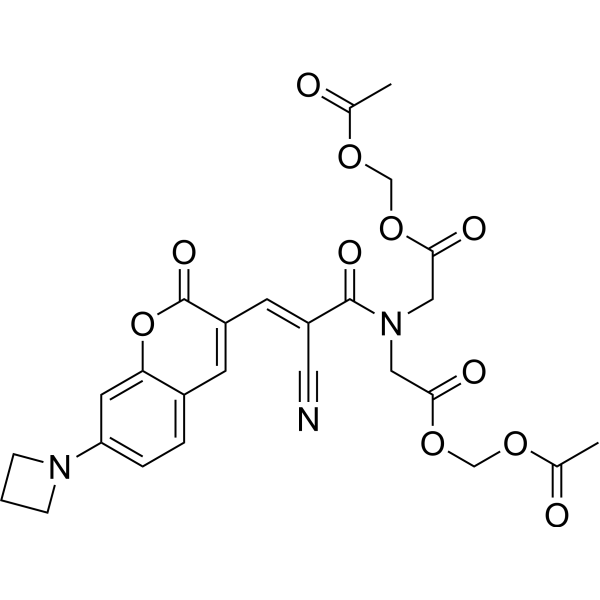
IPG-2 AM (APG-2 Acetoxymethyl ester) is a membrane-permeant acetoxymethyl ester derivative and selective fluorescent potassium ion indicator. IPG-2 AM exhibits fluorescence increases proportional to extracellular potassium ion concentrations. IPG-2 AM enables real-time monitoring of cytosolic free potassium ion fluxes in human platelets and macrophages. IPG-2 AM can be used for the research of intracellular potassium concentration dynamics .
|
-
-
- HY-W854659
-
|
Ce6 trisodium
|
Photosensitizer
|
Cancer
|
|
Chlorin e6 Ce6 (trisodium) is a water-soluble derivative of chlorophyll, belonging to the chlorin class of photosensitizers with an absorption wavelength range of 600-670 nm. Chlorin e6 trisodium emits characteristic red fluorescence upon light excitation, enabling real-time identification of tumor boundaries and progression. Chlorin e6 trisodium can be used for the study of photodynamic therapy (PDT) of cancers (bladder cancer) and fluorescence diagnosis of neoplastic lesions .
|
-
-
- HY-D2188
-
|
|
Deubiquitinase
|
Cancer
|
|
IMP-2373 is a low-toxicity activity-based probe targeting covalent pan-deubiquitinase (DUB), which modulates and monitors DUB activity via covalent binding to the catalytic cysteine and active site of DUB. IMP-2373 enables real-time tracking of dynamic intracellular DUB activity in physiologically relevant living cell systems, and quantitative analysis of activity changes induced by pharmacological inhibition or MYC dysregulation. IMP-2373 can be used for research on related diseases such as B-cell lymphoma .
|
-
-
- HY-D1556
-
|
1,2-dioleoyl-sn-glycero-3-phosphoethanolamine-N-(carboxyfluorescein) ammonium
|
Fluorescent Dye
|
Cancer
|
|
18:1 PE CF (1,2-dioleoyl-sn-glycero-3-phosphoethanolamine-N-(carboxyfluorescein) (ammonium)) is a pH-sensitive fluorescent indicator. 18:1 PE CF exhibits changes in fluorescence intensity in response to pH variations and reflects the electrostatic states of cationic liposomes and lipoplexes. 18:1 PE CF supports real-time visualization of pH distribution and membrane deformation in giant unilamellar vesicles and is suitable for steady-state fluorescence testing in large unilamellar vesicle membranes. 18:1 PE CF is capable of monitoring the surface electrical potential of cationic liposomes and lipoplexes and can effectively label lipid bilayers and nanomicelles. 18:1 PE CF can be used for the research of the investigation of lung cancer (Ex = 495 nm; Em = 520 nm) .
|
-
-
- HY-162422
-
|
|
Fluorescent Dye
Pyroptosis
|
Cancer
|
|
Mito-DK is a small-molecule fluorescent dye with the capability of crosstalk-free response to polarity and mtDNA as well as mitochondrial morphology. Mito-DK has high photostability, low cytotoxicity, and good mitochondria-targeting properties. Mito-DK can be used for real-time tracking and multidimensional assessing of mitochondria-related pyroptosis in cancer cells .
|
-
-
- HY-171995
-
|
Rotor NO.4 TFA
|
Fluorescent Dye
Bacterial
|
Infection
|
|
Rf470 (Rotor NO.4) TFA is a FMR-probe-D-lysine conjugate (Max Ex: 470 nM; Max Em: 640 nM) that can be covalently incorporated into peptidoglycan by bacteria. Rf470 TFA has extremely weak fluorescence in the free state, but its fluorescence is significantly enhanced when it is catalytically incorporated into peptidoglycan by transpeptidases. Through fluorescence changes, Rf470 TFA can be used for real-time monitoring of peptidoglycan biosynthesis, detection of transpeptidase activity, and screening of antibiotics, etc .
|
-
-
- HY-143618
-
|
|
Biochemical Assay Reagents
|
Cancer
|
|
photoCORM-2 (compound 3) is a single carbon monoxide releasing molecule (CORM). photoCORM-2 exhibits good cellular uptake and real-time monitoring ability of CO uncaging by a color change approach. photoCORM-2 has anti-tumor activity .
|
-
-
- HY-109071
-
|
MB-102
|
Fluorescent Dye
|
Others
|
|
Relmapirazin (MB-102) is a fluorescent tracer agent for real-time measurement of glomerular filtration rate .
|
-
-
- HY-W010771A
-
|
dCTP trisodium,100 mM Solution,PCR Grade; 2′-Deoxycytidine-5′-triphosphate trisodium,100 mM Solution,PCR Grade
|
DNA/RNA Synthesis
Nucleoside Antimetabolite/Analog
Endogenous Metabolite
|
Others
|
|
Deoxycytidine triphosphate (dCTP; 2′-Deoxycytidine-5′-triphosphate) trisodium,100 mM Solution,PCR Grade is a nucleoside triphosphate that can be used for DNA synthesis. Deoxycytidine triphosphate trisodium,100 mM Solution,PCR Grade has many applications, such as real-time PCR, cDNA synthesis, and DNA sequencing. This product is supplied as an aqueous solution .
|
-
-
- HY-178819
-
|
|
Integrin
Drug Intermediate
|
Cancer
|
|
NM-001 is a theranostic prodrug that targets ανβ3 integrin. NM-001 consists of cRGD and GFLG peptides, a DCM fluorophore and Chlorambucil (HY-13593). NM-001 internalizes into lysosomes of tumor cells via the cRGD peptide, and generates NM-002 (HY-178820) and Chlorambucil through intracellular cleavage at the GFLG peptide by overexpressed Cathepsin B (CTSB). NM-001 exhibits green fluorescence under physiological conditions, and converts to NIR fluorescence by CTSB activation. NM-001 has significant antitumor activity with low toxicity in HeLa cell xenografts mouse models. NM-001 can be used for real-time drug release monitoring research .
|
-
-
- HY-P3123A
-
|
|
Fluorescent Dye
|
Others
|
|
Dnp-RPLALWRS TFA is a fluorescent peptide substrate designed for human matrilysin (MMP-7). After enzymatic cleavage of Dnp-RPLALWRS TFA at the alanine-leucine bond, the release of the Dnp group alleviates fluorescence quenching, thereby enabling real-time quantitative analysis of MMP-7 activity by increasing tryptophan emission. Dnp-RPLALWRS TFA provides a sensitive and efficient detection method for kinetic studies and inhibitor screenin .
|
-
-
- HY-155395
-
|
|
Fluorescent Dye
|
Infection
|
|
DDAN-MT is an enzymatic activated near-infrared fluorescent probe. DDAN-MT can be used for rapid, highly selective, and real-time monitoring of endogenous MtMET-AP1 activity in M. tuberculosis .
|
-
-
- HY-147507
-
|
|
Fluorescent Dye
|
Others
|
|
SBP-1 is a sulfite bioluminescent probe (SBP). SBP-1 exhibits the excellent responsivity, selectivity and sensitivity towards sulfite. The recognition of SBP-1 towards sulfite is based on the mechanism of a sulfite-mediated intramolecular cleavage reaction. SBP-1 can be used for detection of exogenous and endogenous sulfite in living animal. SBP-1 also possesses a capability for quantitatively detecting sulfite within a certain concentration range in solution .
|
-
-
- HY-D2931
-
|
|
Fluorescent Dye
|
Others
|
|
SNAP-FAM is a FAM-labeled SNAP tag fluorescent probe, specifically designed for live-cell protein labeling and real-time imaging applications .
|
-
-
- HY-163618
-
|
|
Fluorescent Dye
Monoamine Oxidase
|
Cancer
|
|
DHMQ is a NIR fluorescent probe that binds to the propylamino group of monoamine oxidase A (MAO-A). DHMQ tracks MAO-A activity in real-time by using fluorescence imaging on mice and cells .
|
-
-
- HY-D1637
-
|
|
Fluorescent Dye
|
Others
|
|
5-Nitro BAPTA tetramethyl ester is a calcium chelator. 5-Nitro BAPTA tetramethyl ester involves in the two-photon probe synthesis, and is used for real-time imaging of intracellular calcium ions, calcium waves monitoring at a depth of 100-300 μm in liver tissues for 1100-4000 s. 5-Nitro BAPTA tetramethyl ester, together with fluorescent compound 2-Me-substituted TM, can be used to form a red fluorescent probe (CaTM-2 AM) .
|
-
-
- HY-151109
-
|
|
Fluorescent Dye
|
Others
|
|
IR-990 is an activatable NIR-II fluorescent probe with an acceptor-π-acceptor (A-π-A) skeleton for real-time detection of H2O2 in vivo. IR-990 is a powerful diagnosis of agent-induced liver injury (DILI) .
|
-
-
- HY-D2971
-
|
|
Fluorescent Dye
Autophagy
|
Neurological Disease
|
|
NCIC-VIS is a lysosome-targeted, viscosity-sensitive two-photon near-infrared fluorescent probe. NCIC-VIS has a rigid structure that can restrict molecular torsion, thereby increasing the fluorescence quantum yield and two-photon absorption cross-section. NCIC-VIS enables real-time imaging of the autophagy process in cells .
|
-
-
- HY-D2338
-
|
|
Fluorescent Dye
|
Others
|
|
PMBD is a lysosome (Lyso)-targeting fluorescent probe. PMBD selectively and sensitively detects endogenous N-acylethanolamine amidase (NAAA), allowing real-time visual monitoring of endogenous NAAA in living cells. PMBD has a maximum absorption peak at 350 nm. After the metabolism of NAAA, the maximum absorption peak of the product AMBD shifts red to 450 nm, and a significant fluorescence emission signal appears at 550 nm .
|
-
-
- HY-W112090
-
|
PdTFPP; 5,10,15,20-Tetrakis(pentafluorophenyl)-21H,23H-porphine palladium(II)
|
Fluorescent Dye
|
Others
|
|
Palladium meso-tetra(pentafluorophenyl)porphyrin (PdTFPP) derives from palladium(II), acting as a fluorescence-quenched optical probe and high-performance oxygen concentration sensor with outstanding photostability and antioxidant capacity. Palladium meso-tetra(pentafluorophenyl)porphyrin exhibits reduced luminescence intensity as dissolved oxygen concentration rises. Palladium meso-tetra(pentafluorophenyl)porphyrin can be applied for real-time monitoring of live-cell respiration, hypoxic tissue imaging, and nanofibrous organic semiconductors in photodetectors for ambient oxygen detection .
|
-
-
- HY-149837
-
|
|
Fluorescent Dye
|
Inflammation/Immunology
|
|
PRO-F is a photoactivable H2S donor with ROS scavenging ability. PRO-F can be activated by light to produce fluorescent signal, for real-time tracking of released H2S. PRO-F activation doesn’t consume endogenous substances. deliver H2S in an intracellular environment to protect cells from excessive reactive oxygen species (ROS) induced damage. PRO-F shows enhancement on chronic wound healing, researched in diabetic models as well .
|
-
-
- HY-145769
-
|
|
PD-1/PD-L1
|
Cancer
|
|
N2S2-CBMBC, an N2S2 bromo-benzyl ether derivative, acts as a ligand and use 99mTc-labelled complexes 99mTc-N2S2-CBMBC can be used as an imaging agent to be applied to the aspect of detecting PD-L1 expression, realize the real-time, comprehensive and convenient detection of the PD-L1 level of tumors, and overcome the defects of an immunohistochemical method .
|
-
-
- HY-D0152
-
|
|
Fluorescent Dye
|
Others
|
|
Tetramethylrhodamine-6-maleimide is a fluorescent dye with a reactive sulfhydryl-specific moiety is covalently coupled to this cysteine. Tetramethylrhodamine-6-maleimide can be used as labels to detect local protein motions of the fully active Na+/K+-ATPase in real time .
|
-
-
- HY-143617
-
|
|
Photosensitizer
|
Cancer
|
|
photoCORM-1 (compound 8) is a combinatorial carbon monoxide releasing molecule (CORM). photoCORM-1 exhibits good cellular uptake and real-time monitoring ability of CO uncaging by a color change approach. photoCORM-1 has anti-tumor antivity .
|
-
-
- HY-157765
-
|
|
PROTACs
Estrogen Receptor/ERR
|
Cancer
|
|
PROTAC ERα Degrader-6 (compound A2) is a potent PROTAC degrader of ERα, with IC50 of 0.11 μM in MCE-7 cells. PROTAC ERα Degrader-6 has anti-tumor effect. PROTAC ERα Degrader-6 is a fluorescent probes with Em of 582 nm that enable real-time visualization of ERα protein degradation .
|
-
-
- HY-D3005
-
|
|
Fluorescent Dye
Autophagy
|
Inflammation/Immunology
|
|
NpCy-4 is a reliable reporter for monitoring lysosomal pH and viscosity changes in real time during Autophagy (λex = 650 nm; λem = 660-740 nm). NpCy-4 demonstrates a superior signal-to-background ratio (SBR) for cellular imaging. NpCy-4 facilitates real-time, noninvasive diagnostic imaging of acute gastritis model with high contrast .
|
-
-
- HY-142955
-
|
|
Biochemical Assay Reagents
|
Cancer
|
|
Dual photoCORM 1 (compound 5) is metal-free, photochemically active dual CORM. Dual photoCORM 1 exhibits good cellular uptake and real-time monitoring ability of CO uncaging by a color change approach in cancerous B16F10 cells .
|
-
-
- HY-126749
-
|
|
Histamine Receptor
|
Others
|
|
VUF14738 (compound 28) is a bidirectional photoswitch antagonist that can rapidly and reversibly photoisomerize at the histamine H3 receptor, with binding affinity increased or decreased upon illumination, and can be used in real-time electrophysiological experiments to study the activity of dynamic light modulation of receptor activation.
|
-
- HY-145323
-
|
|
Biochemical Assay Reagents
|
Cancer
|
|
Mitochondria-Targeted Photoactivatable Proagent accumulates in the mitochondria and shows light-triggered temporally controlled cell death. Mitochondria-Targeted Photoactivatable Proagent can be used in a novel drug delivery platform that provides on-demand, real-time, organelle-specific agent release and monitoring upon photoactivation .
|
-
- HY-D2983
-
|
|
Fluorescent Dye
Histone Acetyltransferase
|
Infection
|
|
ARHB is a highly selective and sensitive NAT2 fluorescent probe suitable for real-time detection of NAT2 activity in various bacteria. ARHB can successfully penetrate the bacterial cells, and the fluorescence intensity is positively correlated with the expression level of NAT2. ARHB is used for high-throughput screening of natural inhibitors for tuberculosis .
|
-
- HY-161981
-
|
|
Apoptosis
|
Cancer
|
|
Antitumor agent-187 (compound I3) is a photosensitizer based on 5,15-diaryltetrabenzoporphyrin with a maximum absorption wavelength of ~668 nm and anticancer activity. Antitumor agent-187 can induce apoptosis and can be used in photodynamic therapy (PDP). Antitumor agent-187 selectively accumulates at tumor sites and has real-time fluorescence imaging capabilities .
|
-
- HY-101400S
-
-
- HY-101400S3
-
-
- HY-101400S4
-
-
- HY-P3123
-
|
|
Fluorescent Dye
|
Others
|
|
Dnp-RPLALWRS is a fluorescent peptide substrate designed for human matrilysin (MMP-7). After enzymatic cleavage of Dnp-RPLALWRS at the alanine-leucine bond, the release of the Dnp group alleviates fluorescence quenching, thereby enabling real-time quantitative analysis of MMP-7 activity by increasing tryptophan emission. Dnp-RPLALWRS provides a sensitive and efficient detection method for kinetic studies and inhibitor screenin .
|
-
- HY-101400S2
-
|
dCTP-13C9,15N3 dilithium; 2′-Deoxycytidine-5′-triphosphate-13C9,15N3 dilithium
|
Isotope-Labeled Compounds
Nucleoside Antimetabolite/Analog
DNA/RNA Synthesis
Endogenous Metabolite
|
Metabolic Disease
|
|
Deoxycytidine triphosphate- 13C9, 15N3 (dCTP- 13C9, 15N3 dilithium; 2′-Deoxycytidine-5′-triphosphate- 13C9, 15N3) dilithium is 13C and 15N-labeled Deoxycytidine triphosphate (HY-101400). Deoxycytidine triphosphate (dCTP) is a nucleoside triphosphate that can be used for DNA synthesis. Deoxycytidine triphosphate has many applications, such as real-time PCR, cDNA synthesis, and DNA sequencing.
|
-
- HY-D2968
-
|
|
Fluorescent Dye
|
Neurological Disease
|
|
DCM-ONOO is a near-infrared two-photon fluorescence probe specifically designed for real-time monitoring of the dynamic fluctuations of peroxynitrite (ONOO⁻) in epilepsy models. DCM-ONOO exhibits excellent optical properties, with a single photon excitation (Ex) of 520 nm; a single photon emission (Em) of 685 nm; a two-photon excitation of 820 nm; and a Stokes shift of 165 nm. When DCM-ONOO is combined with ONOO⁻, it shifts from 460 nm to 512 nm, and only generates a significant fluorescence response to ONOO⁻. DCM-ONOO has been successfully applied to rat epilepsy models .
|
-
- HY-101400S1
-
|
dCTP-15N3,d14 dilithium; 2′-Deoxycytidine-5′-triphosphate-15N3,d14 dilithium
|
Isotope-Labeled Compounds
Nucleoside Antimetabolite/Analog
DNA/RNA Synthesis
Endogenous Metabolite
|
Metabolic Disease
|
|
Deoxycytidine triphosphate- 15N3,d14 (dCTP- 15N3,d14 dilithium; 2′-Deoxycytidine-5′-triphosphate- 15N3,d14) dilithium is deuterium and 15N labeled Deoxycytidine triphosphate (HY-101400). Deoxycytidine triphosphate (dCTP) is a nucleoside triphosphate that can be used for DNA synthesis. Deoxycytidine triphosphate has many applications, such as real-time PCR, cDNA synthesis, and DNA sequencing.
|
-
- HY-D2266
-
|
|
Fluorescent Dye
|
Neurological Disease
|
|
FluoBar1 is an imaging fluorescence probe modified by a barbiturate ligand with fluorescent coumarin. FluoBar1 can monitor L-type voltage-gated calcium channels (LTCC) in living cells in real time for the study of neurological diseases .
|
-
- HY-147508
-
|
|
Fluorescent Dye
|
Others
|
|
SBP-2 is a sulfite bioluminescent probe (SBP). The recognition of SBP-2 towards sulfite is based on the mechanism of a sulfite-mediated intramolecular cleavage reaction .
|
-
- HY-147509
-
|
|
Fluorescent Dye
|
Others
|
|
SBP-3 is a sulfite bioluminescent probe (SBP). The recognition of SBP-3 towards sulfite is based on the mechanism of a sulfite-mediated intramolecular cleavage reaction .
|
-
- HY-178820
-
|
|
Drug Metabolite
|
Cancer
|
|
NM-002 is a metabolite of prodrug NM-001 (HY-178819), with NIR emission. NM-002 generates through activates the prodrug NM-001 by overexpressed Cathepsin B (CTSB) within tumor cells. NM-002 has no toxicity towards tumor cells and can escape from the lysosomes into the cytoplasm. NM-002 can be used for real-time drug release monitoring research .
|
-
- HY-108715R
-
|
|
Fluorescent Dye
Reference Standards
|
Neurological Disease
|
|
Real Thiol (Standard) is the analytical standard of Real Thiol (HY-108715). This product is intended for research and analytical applications. Real Thiol is a reversible reaction-based fluorescent probe which can quantitatively monitor the real-time glutathione dynamics in living cells.
|
-
- HY-167485
-
|
|
Biochemical Assay Reagents
|
Others
|
|
PLLA1000-PEG5000-RhB is a terminal rhodamine-labeled polylactic acid derivative. PLLA1000-PEG5000-RhB can be used to label nanomicelles for real-time monitoring of drug release in vivo .
|
-
- HY-167492
-
|
|
Biochemical Assay Reagents
|
Others
|
|
PLLA10000-PEG1000-RhB is a terminal rhodamine-labeled polylactic acid derivative. PLLA10000-PEG1000-RhB can be used to label nanomicelles for real-time monitoring of drug release in vivo .
|
-
- HY-167482
-
|
|
Biochemical Assay Reagents
|
Others
|
|
PLLA2000-PEG3000-RhB is a terminal rhodamine-labeled polylactic acid derivative. PLLA2000-PEG3000-RhB can be used to label nanomicelles for real-time monitoring of drug release in vivo .
|
-
- HY-167480
-
|
|
Biochemical Assay Reagents
|
Others
|
|
PLLA3000-PEG1000-RhB is a terminal rhodamine-labeled polylactic acid derivative. PLLA3000-PEG1000-RhB can be used to label nanomicelles for real-time monitoring of drug release in vivo .
|
-
- HY-167491
-
|
|
Biochemical Assay Reagents
|
Others
|
|
PLLA10000-PEG2000-RhB is a terminal rhodamine-labeled polylactic acid derivative. PLLA10000-PEG2000-RhB can be used to label nanomicelles for real-time monitoring of drug release in vivo .
|
-
- HY-167488
-
|
|
Biochemical Assay Reagents
|
Others
|
|
PLLA1000-PEG1000-RhB is a terminal rhodamine-labeled polylactic acid derivative. PLLA1000-PEG1000-RhB can be used to label nanomicelles for real-time monitoring of drug release in vivo .
|
-
- HY-167486
-
|
|
Biochemical Assay Reagents
|
Others
|
|
PLLA1000-PEG3000-RhB is a terminal rhodamine-labeled polylactic acid derivative. PLLA1000-PEG3000-RhB can be used to label nanomicelles for real-time monitoring of drug release in vivo .
|
-
- HY-167490
-
|
|
Biochemical Assay Reagents
|
Others
|
|
PLLA10000-PEG3000-RhB is a terminal rhodamine-labeled polylactic acid derivative. PLLA10000-PEG3000-RhB can be used to label nanomicelles for real-time monitoring of drug release in vivo .
|
-
- HY-167484
-
|
|
Biochemical Assay Reagents
|
Others
|
|
PLLA2000-PEG1000-RhB is a terminal rhodamine-labeled polylactic acid derivative. PLLA2000-PEG1000-RhB can be used to label nanomicelles for real-time monitoring of drug release in vivo .
|
-
- HY-167487
-
|
|
Biochemical Assay Reagents
|
Others
|
|
PLLA1000-PEG2000-RhB is a terminal rhodamine-labeled polylactic acid derivative. PLLA1000-PEG2000-RhB can be used to label nanomicelles for real-time monitoring of drug release in vivo .
|
-
- HY-167483
-
|
|
Biochemical Assay Reagents
|
Others
|
|
PLLA2000-PEG2000-RhB is a terminal rhodamine-labeled polylactic acid derivative. PLLA2000-PEG2000-RhB can be used to label nanomicelles for real-time monitoring of drug release in vivo .
|
-
- HY-167489
-
|
|
Biochemical Assay Reagents
|
Others
|
|
PLLA10000-PEG5000-RhB is a terminal rhodamine-labeled polylactic acid derivative. PLLA10000-PEG5000-RhB can be used to label nanomicelles for real-time monitoring of drug release in vivo .
|
-
- HY-167481
-
|
|
Biochemical Assay Reagents
|
Others
|
|
PLLA2000-PEG5000-RhB is a terminal rhodamine-labeled polylactic acid derivative. PLLA2000-PEG5000-RhB can be used to label nanomicelles for real-time monitoring of drug release in vivo .
|
-
- HY-172577
-
|
Ion potassium green-4 (TMA)
|
Fluorescent Dye
Potassium Channel
|
Others
|
|
IPG-4 (Ion potassium green-4) TMA is an extracellular potassium ion fluorescence indicator with an Ex/Em ratio of 525/545 nm. IPG-4 TMA can be used for real-time monitoring and quantitative analysis of the transport of the biological electrochemical ion pump K⁺ .
|
-
- HY-D3208
-
|
|
Fluorescent Dye
|
Inflammation/Immunology
|
|
oLOX is a fluorescent activity reporter. oLOX can be activated by lysyl oxidase family (LOXF) enzymes, which in turn releases a luciferin fluorescent product that reports LOXF enzyme activity. After oLOX is activated in in vitro fibrotic lung tissues, the fluorescence intensity increases, enabling real-time detection of fibrotic activity. oLOX can be used in studies related to pulmonary fibrosis .
|
-
- HY-D2939
-
|
|
Fluorescent Dye
|
Others
|
BGSBD is a SNAP-tag-based fluorescent probe (Ex/Em: 435 nm/516 nm) based on the environmentally sensitive fluorescent group SBD, specifically designed for protein labeling of live cells without washing. BGSBD achieves a 280-fold fluorescence enhancement after labeling by ingeniously utilizing the hydrophobic binding pocket of the SNAP-tag protein, providing an ideal tool for real-time monitoring of protein dynamics within cells .
|
-
- HY-D3224
-
|
|
Fluorescent Dye
|
Neurological Disease
|
|
HCP is a two-photon fluorescent probe capable of crossing the blood-brain barrier, which is specifically designed for real-time detection of hypochlorous acid (HClO/ClO -) produced by myeloperoxidase (MPO). Chlorination of the quinoline skeleton of HCP generates HCP-Cl, which eliminates intramolecular charge transfer (ICT) quenching and thereby produces fluorescence. HCP is suitable for in vivo dynamic imaging of HClO in the brains of epileptic mice and high-throughput screening of antiepileptic drugs (HCP-Cl: Ex/Em = 800 nm/495 nm) .
|
-
- HY-D3269
-
|
|
Fluorescent Dye
|
Others
|
|
Mito-Cu (II) is a mitochondria-targeted fluorescent probe (Ex/Em = 370/450 nM). Mito-Cu (II) specifically accumulates in mitochondria of living cells and enables real-time detection of exogenous Cu 2+ within mitochondria of living cells. Mito-Cu (II) achieves "on-off-on" fluorescence switching through sequential exposure to Cu 2+ and ethylenediaminetetraacetic acid (EDTA) (HY-Y0682). Its fluorescence is quenched after forming a 1:1 complex with Cu 2+, and the fluorescence recovers when Cu 2+ is chelated by EDTA .
|
-
- HY-180983
-
|
|
PROTACs
Bcr-Abl
|
Cancer
|
|
Azo-PROTAC-4C-trans is a BCR-ABL PROTAC degrader that can efficiently degrade the BCR-ABL fusion protein and ABL protein. Azo-PROTAC-4C-trans exhibits potent selective anti-proliferative activity against K562 cells. Azo-PROTAC-4C-trans allows real-time, reversible regulation of its activity via UV (to inactivate it) /visible light (to activate it) irradiation. Azo-PROTAC-4C-trans can be used for the study of myeloid leukemia .
|
-
- HY-D3195
-
|
|
Fluorescent Dye
Bacterial
|
Infection
|
|
CDr15 is a deep-red fluorescent probe (Ex=733 nm) that can selectively intercalate into and label bacterial extracellular DNA (eDNA). CDr15 exhibits extremely high specificity for biofilm imaging and cannot effectively bind to mammalian nuclear DNA. CDr15 enables real-time visualization of the microcolony structure and developmental process of three-dimensional *Pseudomonas aeruginosa* biofilms, and accurately localizes biofilm-forming regions of microorganisms in a mouse corneal infection model. With low background interference signals, CDr15 serves as an ideal diagnostic tool for research fields including bacterial biofilms and corneal infections .
|
-
- HY-D3311
-
|
|
Fluorescent Dye
|
Cancer
|
|
M1219 is a GSH/ATP dual near-infrared activated fluorescent probe that enables independent real-time monitoring of dynamic changes in intracellular GSH and ATP without spectral crosstalk (GSH: Ex=640 nm, Em=740~800 nm; ATP: Ex=594 nm/610 nm, Em=650~700 nm). M1219 not only visualizes the metabolic regulatory mechanism of TNBC under single/dual-target inhibition of SLC7A11/GLUT1 and accurately evaluates its in vivo efficacy, but also achieves precise localization of the TNBC tumor invasion boundary. M1219 can be used for the research of triple-negative breast cancer .
|
-
- HY-D2991
-
|
|
Bacterial
Fluorescent Dye
|
Infection
|
|
CDG-DNB3 is a selective fluorescent probe for Mycobacterium tuberculosis. CDG-DNB3 provides rapid and specific labeling of live Mycobacterium tuberculosis. CDG-DNB3 can image Bacillus Calmette-Guérin phagocytosis in real time .
|
-
- HY-D3198
-
|
|
Fluorescent Dye
Endogenous Metabolite
|
Cancer
|
|
NIR-fluorescent ceramide is a neutral near-infrared (NIF) fluorescent probe (λem=650 nm) based on the C-bridged nitrobenzoxadiazole SCOTfluor core, which enables visualization of lipid metabolic processes such as sphingolipid trafficking. The emission signal of NIR-fluorescent ceramide increases significantly in liposomal environments. NIR-fluorescent ceramide acts as an intracellular trafficking tracer, localizing to regions surrounding the endoplasmic reticulum and Golgi apparatus within a short period, and then translocating to recycling lysosomes over a longer period, thus enabling real-time visualization of sphingolipid trafficking and biological lipid functions in living cells. NIR-fluorescent ceramide also generates metabolic uptake profiles and provides multiple metabolic readouts in human cancer cell lines .
|
-
- HY-D3181
-
|
|
Fluorescent Dye
Caspase
|
Cancer
|
|
CyGbPF is a granzyme B-specific near-infrared fluorescent probe. CyGbPF can be cleaved by granzyme B to remove the peptide cage group, restoring near-infrared fluorescence. CyGbPF passively accumulates in mouse tumors, and its activated fluorescence correlates with granzyme B expression, CD8 + cytotoxic T lymphocyte populations, and CD4 + helper T lymphocyte populations in tumor tissues. CyGbPF is efficiently cleared by the kidneys, enabling the assessment of immune activation via optical urine analysis. CyGbPF allows real-time non-invasive evaluation of cancer immunotherapeutic efficacy in living animals. CyGbPF can be used in research on cancers such as breast cancer. Excitation wavelength/emission wavelength: approximately 658 nm/approximately 717 nm .
|
-
- HY-D2972
-
|
|
Fluorescent Dye
Apoptosis
Tim3
|
Cancer
|
|
Apotracker Red is a fluorogenic peptide (excitation/emission: 561/610 nm). Apotracker Red binds to PtdSer on the surface of cells. Apotracker Red rapidly and selectively stains Apoptotic cells but not viable cells. Apotracker Red can be used to detect cancer cell death in real time .
|
-
- HY-D3186
-
|
|
Fluorescent Dye
Glycosidase
|
Cancer
|
|
HMRef-βGal is a fluorescent probe and a substrate responsive to β-galactosidase (β-galactosidase) (Ex/Em=498 nm/505-600 nm). After being cleaved by β-galactosidase, HMRef-βGal triggers significant fluorescence enhancement via intramolecular spirocyclic function regulation. HMRef-βGal generates bright fluorescence in cancer cells with elevated β-galactosidase activity, enabling visualization of tiny peritoneal metastases in mouse models. HMRef-βGal exhibits low in vitro cytotoxicity and low acute in vivo toxicity in mice. HMRef-βGal can be used for preclinical fluorescence-guided diagnosis and cytoreductive surgery of peritoneal metastases, including compatibility with real-time naked-eye detection and endoscopic imaging, as well as for studies related to peritoneal metastases of ovarian cancer .
|
-
| Cat. No. |
Product Name |
Type |
-
- HY-116215
-
2-NBDG
Maximum Cited Publications
74 Publications Verification
|
Fluorescent Dye
|
|
2-NBDG is a fluorescently-labeled deoxyglucose analog that is used primarily to directly monitor glucose uptake by living cells and tissues. It is also used as a topical contrast reagent for the detection of neoplasia. 2-NBDG can be used in real-time confocal, high-resolution, or wide-field fluorescence microscopy as well as in flow cytometry. The probe can be excited by the Argon laser at 488 nm to give the environment-sensitive fluorescence. It has lower photostability than the rhodamine-based fluorescent probes.
|
-
- HY-W074143
-
|
|
Fluorescent Dye
|
|
Tris(4,7-diphenyl-1,10-phenanthroline)ruthenium(II) dichloride ([Ru(dpp)3] 2+) is an electrochemiluminescent (ECL) probe and oxygen-sensitive sensor. Tris(4,7-diphenyl-1,10-phenanthroline)ruthenium(II) dichloride can be used to modify electrode surfaces for the detection of sulfates (S2O8 2-) and oxalates, based on electrochemical reactions that generate excited-state species, releasing photons through irreversible redox reactions. Tris(4,7-diphenyl-1,10-phenanthroline)ruthenium(II) dichloride utilizes the oxygen quenching of fluorescence mechanism, where fluorescence intensity reflects the metabolic rate of living microorganisms or oxygen levels within cells/tumors, allowing for real-time detection. Tris(4,7-diphenyl-1,10-phenanthroline)ruthenium(II) dichloride's main applications include microbial detection, antibacterial activity studies, and tumor microenvironment research .
|
-
- HY-D1244
-
|
|
Fluorescent Dye
|
|
CO probe 1 (probe 2) is a highly efficient fluorescent CO probe (Ex=493 nm) with an allyl ether reaction site. In the presence of PdCl₂, CO reduces Pd 2+ to Pd 0, triggering a Tsuji-Trost reaction that removes the allyl protecting group, releases fluorescein, and generates a significant fluorescence signal. CO probe 1 has high selectivity, rapid response (fluorescence enhancement of 150 times within 20 minutes), and low cytotoxicity, and can be used for real-time imaging of CO in living cells. CO probe 1 may be used to study pathological mechanisms involving CO signaling regulation, such as inflammation, vascular disease, or cancer .
|
-
- HY-D0043
-
|
5(6)-Carboxy-X-rhodamine
|
Fluorescent Dye
|
|
5(6)-ROX (5(6)-Carboxy-X-rhodamine) is a nucleic acid fluorescent label which can be used as a reference dye for real-time polymerase chain reaction (Em/Ex = 605/585 nm) .
|
-
- HY-D2381
-
|
|
Fluorescent Dye
|
|
AF 488 maleimide is a thiol-reactive dye used to label SH groups of proteins, which can attach the AF 488 fluorophore to cysteine residue-containing proteins and peptides as well as other thiolated molecules. AF 488 maleimide enables real-time visualization of dynamic pilus extension and retraction in live bacterial cells via epifluorescence microscopy (Ex/Em = 470/520 nm) .
|
-
- HY-DY1019
-
|
|
Fluorescent Dye
|
2-NBDG (solution) is a fluorescently-labeled deoxyglucose analog that is used primarily to directly monitor glucose uptake by living cells and tissues. It is also used as a topical contrast reagent for the detection of neoplasia. 2-NBDG can be used in real-time confocal, high-resolution, or wide-field fluorescence microscopy as well as in flow cytometry. The probe can be excited by the Argon laser at 488 nm to give the environment-sensitive fluorescence. It has lower photostability than the rhodamine-based fluorescent probes. Solvent and Concentration: Sterile PBS: 5 mM
|
-
- HY-108715
-
|
|
Fluorescent Dye
|
|
Real Thiol is a reversible reaction-based fluorescent probe which can quantitatively monitor the real-time glutathione dynamics in living cells.
|
-
- HY-D1191
-
|
|
Fluorescent Dye
|
SYBR Green I chloride is a highly sensitive fluorescent nucleic acid dye that binds specifically to the minor groove of double-stranded DNA or intercalates between base pairs. SYBR Green I chloride exhibits weak fluorescence in the unbound state but emits bright fluorescence upon binding, and it preferentially binds to large-fragment DNA and DNA with high G+C content. SYBR Green I chloride is suitable for real-time PCR technology; its fluorescence intensity correlates with the amount and size of amplification products, enabling accurate quantification of gene expression and discrimination of amplicons via melting curve analysis without additional post-processing. SYBR Green I chloride is widely used in preclinical in vitro nucleic acid detection .
|
-
- HY-D1422
-
|
BDNCA-346
|
Fluorescent Dye
|
|
ER Tracker Yellow is an endoplasmic reticulum-targeted temperature-visible fluorescent probe. ER Tracker Yellow has high temperature sensitivity (3.9%/°C) and is not affected by pH and Ca 2+ interference. ER Tracker Yellow can be used for real-time monitoring of local temperature changes in the ER area. ER Tracker Yellow maintains its function in fixed cells. ER Tracker Yellow is suitable for various cell lines and primary cells, such as HeLa cells, MEF cells, and other cells .
|
-
- HY-D1707
-
|
|
Fluorescent Dye
|
|
FDGlcU can be used as a fluorescent probe for non-invasively image with a high level of fluorescent activity. FDGlcU is non-fluorescent when the fluorescein is conjugated with two mono-glucuronides (Ex/Em=480/514 nm) .
|
-
- HY-158741
-
|
APG-2 Acetoxymethyl ester
|
Fluorescent Dye
|
|
IPG-2 AM (APG-2 Acetoxymethyl ester) is a membrane-permeant acetoxymethyl ester derivative and selective fluorescent potassium ion indicator. IPG-2 AM exhibits fluorescence increases proportional to extracellular potassium ion concentrations. IPG-2 AM enables real-time monitoring of cytosolic free potassium ion fluxes in human platelets and macrophages. IPG-2 AM can be used for the research of intracellular potassium concentration dynamics .
|
-
- HY-D2188
-
|
|
Fluorescent Dye
|
|
IMP-2373 is a low-toxicity activity-based probe targeting covalent pan-deubiquitinase (DUB), which modulates and monitors DUB activity via covalent binding to the catalytic cysteine and active site of DUB. IMP-2373 enables real-time tracking of dynamic intracellular DUB activity in physiologically relevant living cell systems, and quantitative analysis of activity changes induced by pharmacological inhibition or MYC dysregulation. IMP-2373 can be used for research on related diseases such as B-cell lymphoma .
|
-
- HY-D1556
-
|
1,2-dioleoyl-sn-glycero-3-phosphoethanolamine-N-(carboxyfluorescein) ammonium
|
Fluorescent Dye
|
|
18:1 PE CF (1,2-dioleoyl-sn-glycero-3-phosphoethanolamine-N-(carboxyfluorescein) (ammonium)) is a pH-sensitive fluorescent indicator. 18:1 PE CF exhibits changes in fluorescence intensity in response to pH variations and reflects the electrostatic states of cationic liposomes and lipoplexes. 18:1 PE CF supports real-time visualization of pH distribution and membrane deformation in giant unilamellar vesicles and is suitable for steady-state fluorescence testing in large unilamellar vesicle membranes. 18:1 PE CF is capable of monitoring the surface electrical potential of cationic liposomes and lipoplexes and can effectively label lipid bilayers and nanomicelles. 18:1 PE CF can be used for the research of the investigation of lung cancer (Ex = 495 nm; Em = 520 nm) .
|
-
- HY-D2931
-
|
|
Fluorescent Dye
|
|
SNAP-FAM is a FAM-labeled SNAP tag fluorescent probe, specifically designed for live-cell protein labeling and real-time imaging applications .
|
-
- HY-D2971
-
|
|
Fluorescent Dye
|
|
NCIC-VIS is a lysosome-targeted, viscosity-sensitive two-photon near-infrared fluorescent probe. NCIC-VIS has a rigid structure that can restrict molecular torsion, thereby increasing the fluorescence quantum yield and two-photon absorption cross-section. NCIC-VIS enables real-time imaging of the autophagy process in cells .
|
-
- HY-D2338
-
|
|
Fluorescent Dye
|
|
PMBD is a lysosome (Lyso)-targeting fluorescent probe. PMBD selectively and sensitively detects endogenous N-acylethanolamine amidase (NAAA), allowing real-time visual monitoring of endogenous NAAA in living cells. PMBD has a maximum absorption peak at 350 nm. After the metabolism of NAAA, the maximum absorption peak of the product AMBD shifts red to 450 nm, and a significant fluorescence emission signal appears at 550 nm .
|
-
- HY-D0152
-
|
|
Fluorescent Dye
|
|
Tetramethylrhodamine-6-maleimide is a fluorescent dye with a reactive sulfhydryl-specific moiety is covalently coupled to this cysteine. Tetramethylrhodamine-6-maleimide can be used as labels to detect local protein motions of the fully active Na+/K+-ATPase in real time .
|
-
- HY-D3005
-
|
|
Fluorescent Dye
|
|
NpCy-4 is a reliable reporter for monitoring lysosomal pH and viscosity changes in real time during Autophagy (λex = 650 nm; λem = 660-740 nm). NpCy-4 demonstrates a superior signal-to-background ratio (SBR) for cellular imaging. NpCy-4 facilitates real-time, noninvasive diagnostic imaging of acute gastritis model with high contrast .
|
-
- HY-D2983
-
|
|
Fluorescent Dye
|
|
ARHB is a highly selective and sensitive NAT2 fluorescent probe suitable for real-time detection of NAT2 activity in various bacteria. ARHB can successfully penetrate the bacterial cells, and the fluorescence intensity is positively correlated with the expression level of NAT2. ARHB is used for high-throughput screening of natural inhibitors for tuberculosis .
|
-
- HY-D2968
-
|
|
Fluorescent Dye
|
|
DCM-ONOO is a near-infrared two-photon fluorescence probe specifically designed for real-time monitoring of the dynamic fluctuations of peroxynitrite (ONOO⁻) in epilepsy models. DCM-ONOO exhibits excellent optical properties, with a single photon excitation (Ex) of 520 nm; a single photon emission (Em) of 685 nm; a two-photon excitation of 820 nm; and a Stokes shift of 165 nm. When DCM-ONOO is combined with ONOO⁻, it shifts from 460 nm to 512 nm, and only generates a significant fluorescence response to ONOO⁻. DCM-ONOO has been successfully applied to rat epilepsy models .
|
-
- HY-D2266
-
|
|
Fluorescent Dye
|
|
FluoBar1 is an imaging fluorescence probe modified by a barbiturate ligand with fluorescent coumarin. FluoBar1 can monitor L-type voltage-gated calcium channels (LTCC) in living cells in real time for the study of neurological diseases .
|
-
- HY-108715R
-
|
|
Fluorescent Dye
|
|
Real Thiol (Standard) is the analytical standard of Real Thiol (HY-108715). This product is intended for research and analytical applications. Real Thiol is a reversible reaction-based fluorescent probe which can quantitatively monitor the real-time glutathione dynamics in living cells.
|
-
- HY-D3208
-
|
|
Fluorescent Dye
|
|
oLOX is a fluorescent activity reporter. oLOX can be activated by lysyl oxidase family (LOXF) enzymes, which in turn releases a luciferin fluorescent product that reports LOXF enzyme activity. After oLOX is activated in in vitro fibrotic lung tissues, the fluorescence intensity increases, enabling real-time detection of fibrotic activity. oLOX can be used in studies related to pulmonary fibrosis .
|
-
- HY-D2939
-
|
|
Fluorescent Dye
|
BGSBD is a SNAP-tag-based fluorescent probe (Ex/Em: 435 nm/516 nm) based on the environmentally sensitive fluorescent group SBD, specifically designed for protein labeling of live cells without washing. BGSBD achieves a 280-fold fluorescence enhancement after labeling by ingeniously utilizing the hydrophobic binding pocket of the SNAP-tag protein, providing an ideal tool for real-time monitoring of protein dynamics within cells .
|
-
- HY-D3224
-
|
|
Fluorescent Dye
|
|
HCP is a two-photon fluorescent probe capable of crossing the blood-brain barrier, which is specifically designed for real-time detection of hypochlorous acid (HClO/ClO -) produced by myeloperoxidase (MPO). Chlorination of the quinoline skeleton of HCP generates HCP-Cl, which eliminates intramolecular charge transfer (ICT) quenching and thereby produces fluorescence. HCP is suitable for in vivo dynamic imaging of HClO in the brains of epileptic mice and high-throughput screening of antiepileptic drugs (HCP-Cl: Ex/Em = 800 nm/495 nm) .
|
-
- HY-D3269
-
|
|
Fluorescent Dye
|
|
Mito-Cu (II) is a mitochondria-targeted fluorescent probe (Ex/Em = 370/450 nM). Mito-Cu (II) specifically accumulates in mitochondria of living cells and enables real-time detection of exogenous Cu 2+ within mitochondria of living cells. Mito-Cu (II) achieves "on-off-on" fluorescence switching through sequential exposure to Cu 2+ and ethylenediaminetetraacetic acid (EDTA) (HY-Y0682). Its fluorescence is quenched after forming a 1:1 complex with Cu 2+, and the fluorescence recovers when Cu 2+ is chelated by EDTA .
|
-
- HY-D3195
-
|
|
Fluorescent Dye
|
|
CDr15 is a deep-red fluorescent probe (Ex=733 nm) that can selectively intercalate into and label bacterial extracellular DNA (eDNA). CDr15 exhibits extremely high specificity for biofilm imaging and cannot effectively bind to mammalian nuclear DNA. CDr15 enables real-time visualization of the microcolony structure and developmental process of three-dimensional *Pseudomonas aeruginosa* biofilms, and accurately localizes biofilm-forming regions of microorganisms in a mouse corneal infection model. With low background interference signals, CDr15 serves as an ideal diagnostic tool for research fields including bacterial biofilms and corneal infections .
|
-
- HY-D3311
-
|
|
Fluorescent Dye
|
|
M1219 is a GSH/ATP dual near-infrared activated fluorescent probe that enables independent real-time monitoring of dynamic changes in intracellular GSH and ATP without spectral crosstalk (GSH: Ex=640 nm, Em=740~800 nm; ATP: Ex=594 nm/610 nm, Em=650~700 nm). M1219 not only visualizes the metabolic regulatory mechanism of TNBC under single/dual-target inhibition of SLC7A11/GLUT1 and accurately evaluates its in vivo efficacy, but also achieves precise localization of the TNBC tumor invasion boundary. M1219 can be used for the research of triple-negative breast cancer .
|
-
- HY-D2991
-
|
|
Fluorescent Dye
|
|
CDG-DNB3 is a selective fluorescent probe for Mycobacterium tuberculosis. CDG-DNB3 provides rapid and specific labeling of live Mycobacterium tuberculosis. CDG-DNB3 can image Bacillus Calmette-Guérin phagocytosis in real time .
|
-
- HY-D3198
-
|
|
Fluorescent Dye
|
|
NIR-fluorescent ceramide is a neutral near-infrared (NIF) fluorescent probe (λem=650 nm) based on the C-bridged nitrobenzoxadiazole SCOTfluor core, which enables visualization of lipid metabolic processes such as sphingolipid trafficking. The emission signal of NIR-fluorescent ceramide increases significantly in liposomal environments. NIR-fluorescent ceramide acts as an intracellular trafficking tracer, localizing to regions surrounding the endoplasmic reticulum and Golgi apparatus within a short period, and then translocating to recycling lysosomes over a longer period, thus enabling real-time visualization of sphingolipid trafficking and biological lipid functions in living cells. NIR-fluorescent ceramide also generates metabolic uptake profiles and provides multiple metabolic readouts in human cancer cell lines .
|
-
- HY-D3181
-
|
|
Fluorescent Dye
|
|
CyGbPF is a granzyme B-specific near-infrared fluorescent probe. CyGbPF can be cleaved by granzyme B to remove the peptide cage group, restoring near-infrared fluorescence. CyGbPF passively accumulates in mouse tumors, and its activated fluorescence correlates with granzyme B expression, CD8 + cytotoxic T lymphocyte populations, and CD4 + helper T lymphocyte populations in tumor tissues. CyGbPF is efficiently cleared by the kidneys, enabling the assessment of immune activation via optical urine analysis. CyGbPF allows real-time non-invasive evaluation of cancer immunotherapeutic efficacy in living animals. CyGbPF can be used in research on cancers such as breast cancer. Excitation wavelength/emission wavelength: approximately 658 nm/approximately 717 nm .
|
-
- HY-D2972
-
|
|
Fluorescent Dye
|
|
Apotracker Red is a fluorogenic peptide (excitation/emission: 561/610 nm). Apotracker Red binds to PtdSer on the surface of cells. Apotracker Red rapidly and selectively stains Apoptotic cells but not viable cells. Apotracker Red can be used to detect cancer cell death in real time .
|
-
- HY-D3186
-
|
|
Fluorescent Dye
|
|
HMRef-βGal is a fluorescent probe and a substrate responsive to β-galactosidase (β-galactosidase) (Ex/Em=498 nm/505-600 nm). After being cleaved by β-galactosidase, HMRef-βGal triggers significant fluorescence enhancement via intramolecular spirocyclic function regulation. HMRef-βGal generates bright fluorescence in cancer cells with elevated β-galactosidase activity, enabling visualization of tiny peritoneal metastases in mouse models. HMRef-βGal exhibits low in vitro cytotoxicity and low acute in vivo toxicity in mice. HMRef-βGal can be used for preclinical fluorescence-guided diagnosis and cytoreductive surgery of peritoneal metastases, including compatibility with real-time naked-eye detection and endoscopic imaging, as well as for studies related to peritoneal metastases of ovarian cancer .
|
| Cat. No. |
Product Name |
Type |
-
- HY-101400A
-
|
dCTP trisodium solution (100 mM); 2′-Deoxycytidine-5′-triphosphate trisodium solution (100 mM)
|
Biochemical Assay Reagents
|
|
Deoxycytidine triphosphate trisodium (dCTP trisodium) solution (100 mM) is a nucleoside triphosphate that can be used for DNA synthesis. Deoxycytidine triphosphate trisodium salt has many applications, such as real-time PCR, cDNA synthesis, and DNA sequencing .
|
-
- HY-W115721
-
|
Sodium rhodizonate dibasic
|
Biochemical Assay Reagents
|
|
Rhodizonic acid disodium (Sodium rhodizonate dibasic) is a transition metal-dependent pro-oxidant and lead detection agent that induces reactive oxygen species generation, DNA damage, and inhibits Aconitase activity. Rhodizonic acid disodium generates superoxide anion radicals in an iron (II)-dependent manner, leading to aconitase inactivation. Rhodizonic acid disodium also triggers hydroxyl radical-mediated DNA strand breaks and 8-OHdG formation via copper ion reduction. Rhodizonic acid disodium reacts with lead to form a scarlet precipitate, with the color intensity proportional to lead content, enabling qualitative or quantitative analysis of lead. Rhodizonic acid disodium can also be used for real-time visualization of the dynamic process of lead sequestration in the plant rhizosphere and evaluation of the effects of environmental factors such as soil type on the stability of lead-sequestering structures .
|
-
- HY-W010771
-
|
dCTP disodium; 2′-Deoxycytidine-5′-triphosphate disodium
|
Biochemical Assay Reagents
|
|
Deoxycytidine triphosphate (dCTP; 2′-Deoxycytidine-5′-triphosphate) disodium is a nucleoside triphosphate that can be used for DNA synthesis. Deoxycytidine triphosphate has many applications, such as real-time PCR, cDNA synthesis, and DNA sequencing .
|
-
- HY-W001952
-
|
|
Biochemical Assay Reagents
|
|
6-Bromo-2-naphthol is an RTP (real-time polymerase chain reaction) probe that forms a 1:1 or 2:1 complex with β-cyclodextrin (β-CD). 6-Bromo-2-naphthol is capable of real-time monitoring of PCR reactions and quantification of specific nucleic acid sequences. RTP probes are a class of small DNA or RNA sequences labeled with fluorescent dyes and quencher molecules, which can be widely used in gene expression analysis, SNP genotyping, and pathogen detection. 6-Bromo-2-naphthol embeds into the cyclodextrin cavity through hydrophobic interactions, inhibits the oxygen quenching effect, and emits a phosphorescent signal at room temperature. 6-Bromo-2-naphthol can also be used as an intermediate for the synthesis of antibacterial azo dyes, and its derivatives show antibacterial activity against Staphylococcus aureus, Escherichia coli and other bacteria .
|
-
- HY-W854659
-
|
Ce6 trisodium
|
Biochemical Assay Reagents
|
|
Chlorin e6 Ce6 (trisodium) is a water-soluble derivative of chlorophyll, belonging to the chlorin class of photosensitizers with an absorption wavelength range of 600-670 nm. Chlorin e6 trisodium emits characteristic red fluorescence upon light excitation, enabling real-time identification of tumor boundaries and progression. Chlorin e6 trisodium can be used for the study of photodynamic therapy (PDT) of cancers (bladder cancer) and fluorescence diagnosis of neoplastic lesions .
|
-
- HY-W010771A
-
|
dCTP trisodium,100 mM Solution,PCR Grade; 2′-Deoxycytidine-5′-triphosphate trisodium,100 mM Solution,PCR Grade
|
Biochemical Assay Reagents
|
|
Deoxycytidine triphosphate (dCTP; 2′-Deoxycytidine-5′-triphosphate) trisodium,100 mM Solution,PCR Grade is a nucleoside triphosphate that can be used for DNA synthesis. Deoxycytidine triphosphate trisodium,100 mM Solution,PCR Grade has many applications, such as real-time PCR, cDNA synthesis, and DNA sequencing. This product is supplied as an aqueous solution .
|
-
- HY-167485
-
|
|
Biochemical Assay Reagents
|
|
PLLA1000-PEG5000-RhB is a terminal rhodamine-labeled polylactic acid derivative. PLLA1000-PEG5000-RhB can be used to label nanomicelles for real-time monitoring of drug release in vivo .
|
-
- HY-167492
-
|
|
Biochemical Assay Reagents
|
|
PLLA10000-PEG1000-RhB is a terminal rhodamine-labeled polylactic acid derivative. PLLA10000-PEG1000-RhB can be used to label nanomicelles for real-time monitoring of drug release in vivo .
|
-
- HY-167482
-
|
|
Biochemical Assay Reagents
|
|
PLLA2000-PEG3000-RhB is a terminal rhodamine-labeled polylactic acid derivative. PLLA2000-PEG3000-RhB can be used to label nanomicelles for real-time monitoring of drug release in vivo .
|
-
- HY-167480
-
|
|
Biochemical Assay Reagents
|
|
PLLA3000-PEG1000-RhB is a terminal rhodamine-labeled polylactic acid derivative. PLLA3000-PEG1000-RhB can be used to label nanomicelles for real-time monitoring of drug release in vivo .
|
-
- HY-167491
-
|
|
Biochemical Assay Reagents
|
|
PLLA10000-PEG2000-RhB is a terminal rhodamine-labeled polylactic acid derivative. PLLA10000-PEG2000-RhB can be used to label nanomicelles for real-time monitoring of drug release in vivo .
|
-
- HY-167488
-
|
|
Biochemical Assay Reagents
|
|
PLLA1000-PEG1000-RhB is a terminal rhodamine-labeled polylactic acid derivative. PLLA1000-PEG1000-RhB can be used to label nanomicelles for real-time monitoring of drug release in vivo .
|
-
- HY-167486
-
|
|
Biochemical Assay Reagents
|
|
PLLA1000-PEG3000-RhB is a terminal rhodamine-labeled polylactic acid derivative. PLLA1000-PEG3000-RhB can be used to label nanomicelles for real-time monitoring of drug release in vivo .
|
-
- HY-167490
-
|
|
Biochemical Assay Reagents
|
|
PLLA10000-PEG3000-RhB is a terminal rhodamine-labeled polylactic acid derivative. PLLA10000-PEG3000-RhB can be used to label nanomicelles for real-time monitoring of drug release in vivo .
|
-
- HY-167484
-
|
|
Biochemical Assay Reagents
|
|
PLLA2000-PEG1000-RhB is a terminal rhodamine-labeled polylactic acid derivative. PLLA2000-PEG1000-RhB can be used to label nanomicelles for real-time monitoring of drug release in vivo .
|
-
- HY-167487
-
|
|
Biochemical Assay Reagents
|
|
PLLA1000-PEG2000-RhB is a terminal rhodamine-labeled polylactic acid derivative. PLLA1000-PEG2000-RhB can be used to label nanomicelles for real-time monitoring of drug release in vivo .
|
-
- HY-167483
-
|
|
Biochemical Assay Reagents
|
|
PLLA2000-PEG2000-RhB is a terminal rhodamine-labeled polylactic acid derivative. PLLA2000-PEG2000-RhB can be used to label nanomicelles for real-time monitoring of drug release in vivo .
|
-
- HY-167489
-
|
|
Biochemical Assay Reagents
|
|
PLLA10000-PEG5000-RhB is a terminal rhodamine-labeled polylactic acid derivative. PLLA10000-PEG5000-RhB can be used to label nanomicelles for real-time monitoring of drug release in vivo .
|
-
- HY-167481
-
|
|
Biochemical Assay Reagents
|
|
PLLA2000-PEG5000-RhB is a terminal rhodamine-labeled polylactic acid derivative. PLLA2000-PEG5000-RhB can be used to label nanomicelles for real-time monitoring of drug release in vivo .
|
| Cat. No. |
Product Name |
Target |
Research Area |
-
- HY-P4931
-
|
|
MMP
|
Cancer
|
|
Mca-Lys-Pro-Leu-Gly-Leu-Dap(Dnp)-Ala-Arg-NH2 (FS-6) is a fluorescent peptide that is a quenched MMP peptide substrate. Mca-Lys-Pro-Leu-Gly-Leu-Dap(Dnp)-Ala-Arg-NH2 can be used for real-time quantification of MMP enzymatic activity. Mca-Lys-Pro-Leu-Gly-Leu-Dap(Dnp)-Ala-Arg-NH2 is an elongated peptide of MMP substrate (FS-1) and is active against collagenases (MMP-1, MMP-8, MMP-13 ) and MT1-MMP with higher specificity constants than FS-1 . (Ex/Em=325 nm/400 nm)
|
-
- HY-P4154
-
|
ALM-488
|
Fluorescent Dye
|
Neurological Disease
Cancer
|
|
Bevonescein (ALM-488) is a fluorescein-conjugated peptide that facilitates the targeted delivery of a fluorescent moiety (5-FAM (HY-66022)) to nerves after intravenous (IV) administration. Bevonescein binds nerve-associated connective tissue, labels peripheral nerves under real-time fluorescence imaging (FL) in living mice and human ex vivo nerve tissue. Bevonescein is a peptide-linked tracer which fluorescently labeled both intact and degenerated nerves (Ex/Em = 480/530 nm) .
|
-
- HY-P1853
-
-
- HY-P3123A
-
|
|
Fluorescent Dye
|
Others
|
|
Dnp-RPLALWRS TFA is a fluorescent peptide substrate designed for human matrilysin (MMP-7). After enzymatic cleavage of Dnp-RPLALWRS TFA at the alanine-leucine bond, the release of the Dnp group alleviates fluorescence quenching, thereby enabling real-time quantitative analysis of MMP-7 activity by increasing tryptophan emission. Dnp-RPLALWRS TFA provides a sensitive and efficient detection method for kinetic studies and inhibitor screenin .
|
-
- HY-P3123
-
|
|
Fluorescent Dye
|
Others
|
|
Dnp-RPLALWRS is a fluorescent peptide substrate designed for human matrilysin (MMP-7). After enzymatic cleavage of Dnp-RPLALWRS at the alanine-leucine bond, the release of the Dnp group alleviates fluorescence quenching, thereby enabling real-time quantitative analysis of MMP-7 activity by increasing tryptophan emission. Dnp-RPLALWRS provides a sensitive and efficient detection method for kinetic studies and inhibitor screenin .
|
-
- HY-K0553
-
|
|
|
MCE Mycoplasma Detection Kit (qPCR) is a diagnostic kit that utilizes the real-time quantitative PCR (qPCR) method to detect mycoplasma contamination in biological materials such as cultured cells.
|
-
- HY-K0511
-
|
|
|
MCE RT Master Mix for qPCR (gDNA digester plus) is a convenient, ready-to-use formulation for reverse transcription and can eliminate genomic DNA (gDNA) contaminations in RNA samples. The cDNA product can be directly applied as a template in a standard PCR and real time quantitative PCR (qPCR). The 100 rxns is defined as the base specification. All larger sizes correspond to incremental volumes of this base.
|
| Cat. No. |
Product Name |
Category |
Target |
Chemical Structure |
| Cat. No. |
Product Name |
Chemical Structure |
-
- HY-101400S
-
|
|
|
Deoxycytidine triphosphate-d14 (dCTP-d14 dilithium; 2′-Deoxycytidine-5′-triphosphate-d14) dilithium is deuterium labeled Deoxycytidine triphosphate (HY-101400). Deoxycytidine triphosphate (dCTP) is a nucleoside triphosphate that can be used for DNA synthesis. Deoxycytidine triphosphate has many applications, such as real-time PCR, cDNA synthesis, and DNA sequencing.
|
-
-
- HY-101400S3
-
|
|
|
Deoxycytidine triphosphate- 15N3 (dCTP- 15N3 dilithium; 2′-Deoxycytidine-5′-triphosphate- 15N3) dilithium is 15N labeled Deoxycytidine triphosphate (HY-101400). Deoxycytidine triphosphate (dCTP) is a nucleoside triphosphate that can be used for DNA synthesis. Deoxycytidine triphosphate has many applications, such as real-time PCR, cDNA synthesis, and DNA sequencing.
|
-
-
- HY-101400S4
-
|
|
|
Deoxycytidine triphosphate- 13C9 (dCTP- 13C9 dilithium; 2′-Deoxycytidine-5′-triphosphate- 13C9) dilithium is 13C-labeled Deoxycytidine triphosphate (HY-101400). Deoxycytidine triphosphate (dCTP) is a nucleoside triphosphate that can be used for DNA synthesis. Deoxycytidine triphosphate has many applications, such as real-time PCR, cDNA synthesis, and DNA sequencing.
|
-
-
- HY-101400S2
-
|
|
|
Deoxycytidine triphosphate- 13C9, 15N3 (dCTP- 13C9, 15N3 dilithium; 2′-Deoxycytidine-5′-triphosphate- 13C9, 15N3) dilithium is 13C and 15N-labeled Deoxycytidine triphosphate (HY-101400). Deoxycytidine triphosphate (dCTP) is a nucleoside triphosphate that can be used for DNA synthesis. Deoxycytidine triphosphate has many applications, such as real-time PCR, cDNA synthesis, and DNA sequencing.
|
-
-
- HY-101400S1
-
|
|
|
Deoxycytidine triphosphate- 15N3,d14 (dCTP- 15N3,d14 dilithium; 2′-Deoxycytidine-5′-triphosphate- 15N3,d14) dilithium is deuterium and 15N labeled Deoxycytidine triphosphate (HY-101400). Deoxycytidine triphosphate (dCTP) is a nucleoside triphosphate that can be used for DNA synthesis. Deoxycytidine triphosphate has many applications, such as real-time PCR, cDNA synthesis, and DNA sequencing.
|
-
| Cat. No. |
Product Name |
|
Classification |
-
- HY-101400A
-
|
dCTP trisodium solution (100 mM); 2′-Deoxycytidine-5′-triphosphate trisodium solution (100 mM)
|
|
Nucleotide Analogs
|
|
Deoxycytidine triphosphate trisodium (dCTP trisodium) solution (100 mM) is a nucleoside triphosphate that can be used for DNA synthesis. Deoxycytidine triphosphate trisodium salt has many applications, such as real-time PCR, cDNA synthesis, and DNA sequencing .
|
-
- HY-W010771
-
|
dCTP disodium; 2′-Deoxycytidine-5′-triphosphate disodium
|
|
Nucleotide Analogs
Cytidine Nucleotide
|
|
Deoxycytidine triphosphate (dCTP; 2′-Deoxycytidine-5′-triphosphate) disodium is a nucleoside triphosphate that can be used for DNA synthesis. Deoxycytidine triphosphate has many applications, such as real-time PCR, cDNA synthesis, and DNA sequencing .
|
-
- HY-118667
-
|
|
|
Cholesterol
|
|
Dehydroergosterolis a naturally occurring fluorescent sterol analog (Ex/Em=325/375 nm), which mimics the properties of cholesterol in cell membranes. DehydroergosterolEasily conjugated by cholesterol-binding proteins for real-time imaging in live cells. DehydroergosterolThe sterol environment and intracellular sterol transport in vivo can be probed/elucidated in real time .
|
Your information is safe with us. * Required Fields.
Inquiry Information
- Product Name:
- Cat. No.:
- Quantity:
- MCE Japan Authorized Agent:

