



1. Search Result
Search Result
Results for "

receptor internalization

" in MedChemExpress (MCE) Product Catalog:

74

Inhibitors & Agonists

13

Fluorescent Dyes

6

Biochemical Assay Reagents

18

Peptides

9

Inhibitory Antibodies

1

Natural
Products

6

Oligonucleotides

Cat. No. Product Name Target Research Areas Chemical Structure
  • HY-139413
    β-D-Glucan
    1 Publications Verification

    Toll-like Receptor (TLR) Cancer
    β-D-glucan is a natural non-digestible polysaccharide and high biocompatibility that can be selectively recognized by recognition receptors such as Dectin-1 and Toll-like receptors as well as being easily internalized by murine or human macrophages, which is likely to attribute to a target delivery . β-d-glucan is an enteric delivery vehicle for probiotics .
    β-D-Glucan
  • HY-W008947
    SEW​2871
    Maximum Cited Publications
    9 Publications Verification

    LPL Receptor ERK Akt Neurological Disease Metabolic Disease Inflammation/Immunology
    SEW2871 is an orally active, potent, highly selective S1P1 (sphingosine-1-phosphate type 1 receptor) agonist, with an EC50 of 13.8 nM. SEW2871 activates ERK, Akt, and Rac signaling pathways and induces S1P1 internalization and recycling. SEW2871 reduces lymphocyte numbers in blood. SEW2871 can be used for the research of diabetes, Alzheimer’s disease, liver fibrosis, and inflammatory responses .
    SEW​2871
  • HY-175701

    RO7795081; RG6652

    Arrestin GLP Receptor Metabolic Disease
    CT-996 is an orally active GLP-1RA agonist with an EC50 of 0.49 nM. CT-996 reduces the recruitment of β-arrestin and the internalization of GLP-1R. CT-996 suppresses postprandial blood glucose in mice expressing human GLP-1 receptors and enhances glucose-stimulated insulin secretion (GSIS) in obese monkeys during intravenous glucose challenge. CT-996 can be used for the research of type 2 diabetes (T2D) and obesity .
    CT-996
  • HY-111793
    NUCC-390
    5+ Cited Publications

    CXCR Neurological Disease
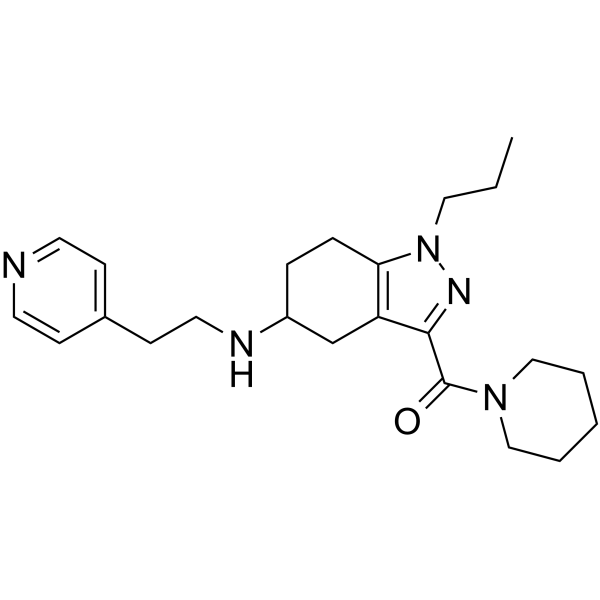
    NUCC-390 is a novel and selective small-molecule CXCR4 receptor agonist. NUCC-390 induces internalization of CXCR4 receptors and acts in an opposite way of AMD3100 (HY-10046) . NUCC-390 promotes nerve recovery of function after neurodegeneration in vivo .
    NUCC-390
  • HY-D2836

    FITC-Hyaluronate (MW 1000000)

    Fluorescent Dye Others
    FITC-HA (MW 1000000) is hyaluronic acid (HA) (HY-B0633A) labeled with FITC (HY-66019). FITC-HA retains the ability of HA to bind to receptors (such as CD44) and form extracellular matrices, while it can be detected by fluorescence microscopy or flow cytometry for tracing the localization, binding, internalization and metabolic pathways of HA in cells, tissues or living organisms (Ex/Em ≈ 490/520 nM) .
    FITC-HA (MW 1000000)
  • HY-P99189

    IMC-A12; NSC742460

    IGF-1R Cancer
    Cixutumumab (IMC-A12) is a human anti-IGF-1R monoclonal antibody with high affinity that inhibits ligand-dependent receptor activation and downstream signaling. Cixutumumab also mediates the internalization and degradation of IGF-IR. Cixutumumab shows broad-spectrum anti-tumour activity and can be used in studies of cancers such as lung cancer, malignancies, leukaemia, non-small cell lung cancer and prostate cancer .
    Cixutumumab
  • HY-124071

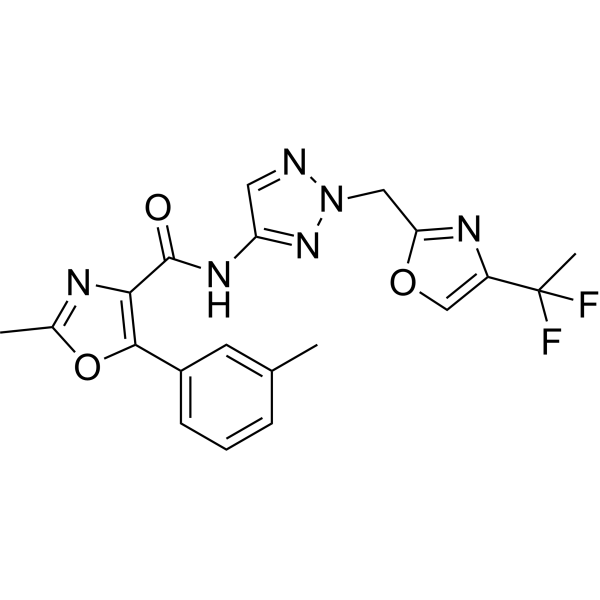
    Formyl Peptide Receptor (FPR) Inflammation/Immunology
    ACT-389949 is a first-in-class, potent and selective and agonist of formyl peptide receptor type 2 (FPR2)/Lipoxin A4 receptor (ALX), with an EC50 of 3 nM for FPR2/ALX internalization into monocytes. ACT-389949 has potential for the treatment of inflammatory disorders .
    ACT-389949
  • HY-P2106
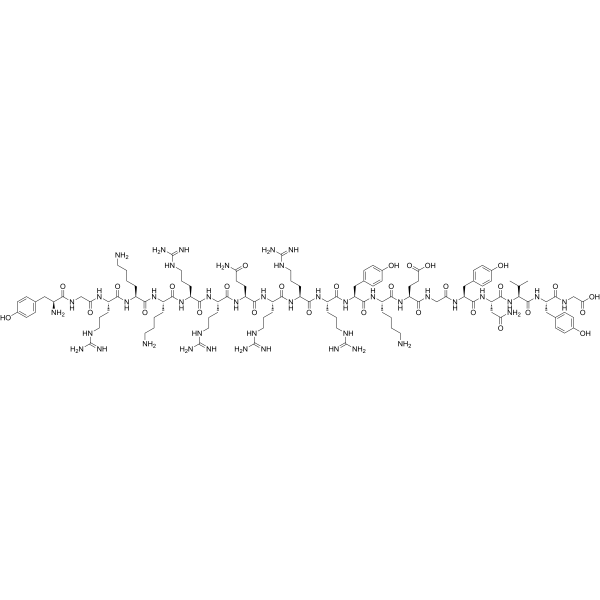
    Elabela(19-32)
    Maximum Cited Publications
    6 Publications Verification

    Arrestin Apelin Receptor (APJ) Cardiovascular Disease
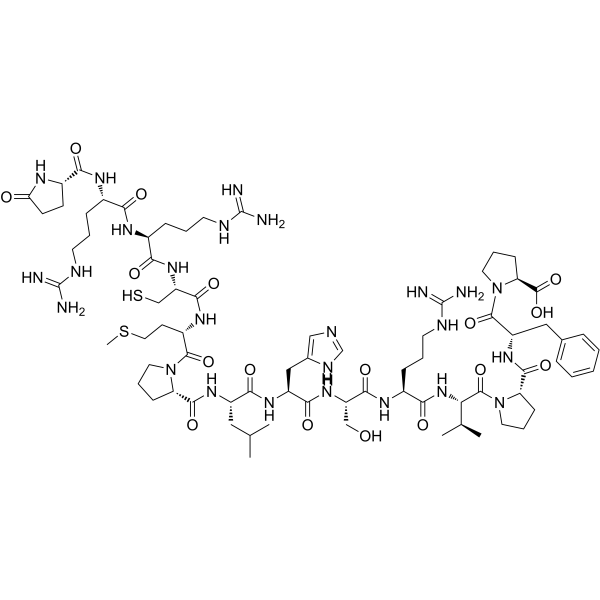
    Elabela(19-32) is an active fragment of ELABELA (ELA) that binds to apelin receptor (APJ). Elabela(19-32) activates the Gαi1 and β-arrestin-2 signaling pathways with EC50s of 8.6 nM and 166 nM. Elabela(19-32) induces receptor internalization and reduces arterial pressure, exerts positive inotropic effects on the heart .
    Elabela(19-32)
  • HY-P5362

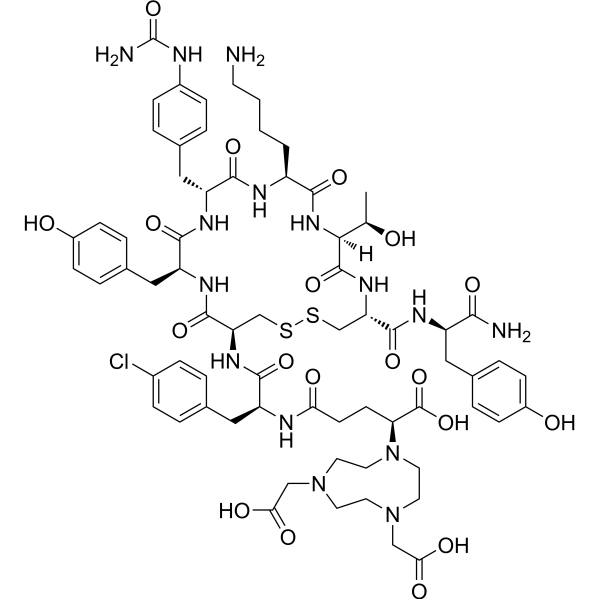
    Radionuclide-Drug Conjugates (RDCs) Somatostatin Receptor Neurological Disease Cancer
    NODAGA-LM3 is a ligand that can cross the blood-brain barrier and targets somatostatin receptor SSTR2 with high affinity (IC50 = 1.3 nM). NODAGA-LM3 does not trigger the internalization of SSTR2 and can inhibit agonist-induced internalization processes. NODAGA-LM3 shows low uptake in normal tissues such as the liver and spleen, but high uptake in the lungs and blood pool. 68Ga-labeled NODAGA-LM3 can serve as a PET imaging agent for well-differentiated neuroendocrine tumors, and is applied in studies related to small cell lung cancer and well-differentiated neuroendocrine tumors .
    NODAGA-LM3
  • HY-111793A
    NUCC-390 dihydrochloride
    5+ Cited Publications

    CXCR Neurological Disease
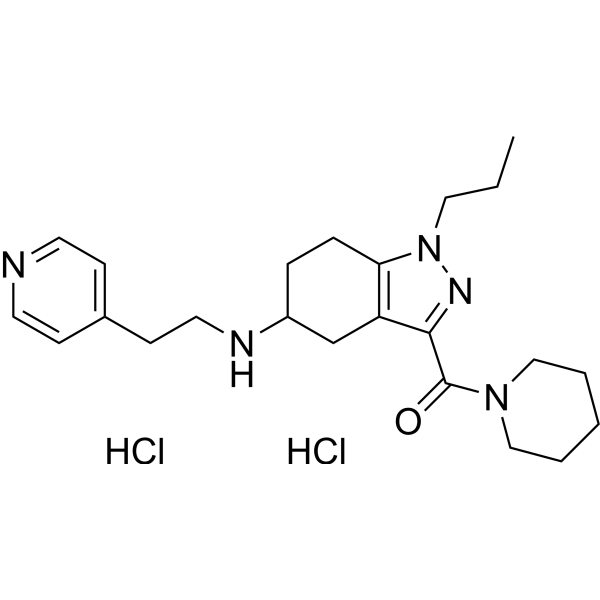
    NUCC-390 dihydrochloride is a novel and selective small-molecule CXCR4 receptor agonist. NUCC-390 dihydrochloride induces internalization of CXCR4 receptors and acts in an opposite way of AMD3100 (HY-10046) . NUCC-390 dihydrochloride promotes nerve recovery of function after neurodegeneration in vivo .
    NUCC-390 dihydrochloride
  • HY-101265

    S1p receptor agonist 1

    LPL Receptor Inflammation/Immunology
    Icanbelimod (S1p receptor agonist 1) is a potent and orally active S1P receptor agonist, exhibits an activity of inducing S1P1 internalization (EC50=9.83 nM). Icanbelimod has the potential for the study of arthritis and EAE (experimental autoimmune encephalitis). Icanbelimod is extracted from patent WO2015039587A1, Compound 2.
    Icanbelimod
  • HY-P3717

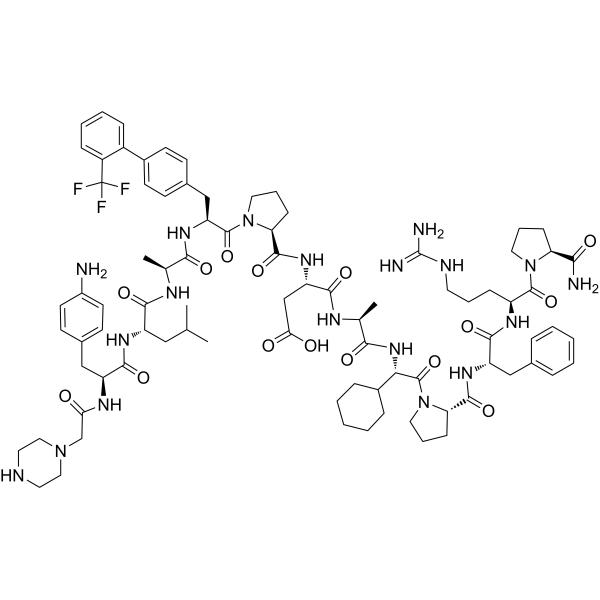
    Ephrin Receptor Cancer
    Targefrin is a potent EphA2-targeting agent, acts as an antagonist. Targefrin binds EphA2-LBD with 21 nM dissociation constant and an IC50 value of 10.8 nM. Targefrin induces cellular receptor internalization and degradation in several pancreatic cancer cell lines .
    Targefrin
  • HY-P2336A
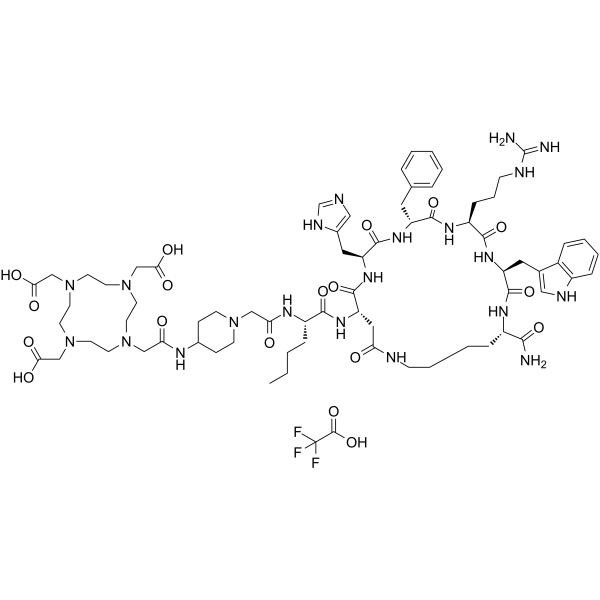
    CCZ01048 TFA
    3 Publications Verification

    Melanocortin Receptor Cancer
    CCZ01048 TFA, a α-MSH analogue, exhibits high binding affinity to melanocortin 1 receptor (MC1R) with a Ki of 0.31 nM. CCZ01048 TFA shows rapid internalization into B16F10 melanoma cells and high in vivo stability. CCZ01048 TFA is a promising candidate for PET imaging of malignant melanoma .
    CCZ01048 TFA
  • HY-P2259
    TAT-GluA2 3Y
    2 Publications Verification

    iGluR HIV Integrase Adenosine Receptor Cardiovascular Disease Neurological Disease
    TAT-GluA2 3Y is a blood-brain barrier-permeable AMPA receptor inhibitory peptide that crosses cell membranes via the HIV-1 TAT protein domain. TAT-GluA2 3Y blocks the endocytosis of AMPA receptors, including the internalization of GluA1/GluA2 subunits, by disrupting interactions with the AP2, Brag2 and Syt3-GluA2 complexes, while also inhibiting long-term depression. TAT-GluA2 3Y blocks hypoxia-mediated AMPAR internalization, alleviates A1R-induced persistent synaptic inhibition, and reduces cerebral ischemic volume, neurological deficits and spatial memory deficits. TAT-GluA2 3Y blocks the effect of NLRP3 deficiency on fear generalization, inhibits amphetamine-induced behavioral/neurochemical sensitization, weakens the unconditioned stimulus-conditioned stimulus association of morphine, and promotes the extinction of morphine CPP. TAT-GluA2 3Y can be used in studies related to fear generalization, ischemic stroke, hypoxia, drug addiction and opioid addiction .
    TAT-GluA2 3Y
  • HY-116819

    GCGR Neurological Disease Metabolic Disease
    VU0453379 is a blood-brain barrier permeable GLP-1R positive allosteric modulator (PAM) with an EC50 value of 1.3 μM. VU0453379 potentiates the actions of endogenous GLP-1 and synthetic peptide agonists, and promotes GLP-1 receptor internalization. VU0453379 stimulates insulin secretion from primary mouse islets. VU0453379 enhances the function of endogenous GLP-1R and reverses catalepsy in animal models. VU0453379 is useful for research on Parkinson's disease and type 2 diabetes .
    VU0453379
  • HY-177204

    Ferroptosis Apoptosis Glutathione Peroxidase Cardiovascular Disease
    DSPE-PEG2000-WLSEAGPVVTVRALRGTGSW is a polypeptide targeting tenascin-X (Tenascin-X) that can be conjugated with liposomes and exosomes. DSPE-PEG2000-WLSEAGPVVTVRALRGTGSW specifically binds to Tenascin-X on the surface of cardiomyocytes, mediates receptor-dependent uptake of nanocarriers, enhances targeted drug delivery of cargo to cardiomyocytes, and increases drug accumulation in cardiac tissue. DSPE-PEG2000-WLSEAGPVVTVRALRGTGSW protects cardiomyocytes treated with LPS, alleviates oxidative stress, repairs mitochondrial function, inhibits ferroptosis and apoptosis, and downregulates the secretion of pro-inflammatory cytokines at the same time. DSPE-PEG2000-WLSEAGPVVTVRALRGTGSW improves cardiac injury and pathological morphology in mice with sepsis-induced cardiomyopathy, restores GPX4 expression, and promotes the internalization of cardiomyocyte-derived exosomes, making it suitable for related research on sepsis-induced cardiomyopathy, myocardial ischemia-reperfusion injury, and other conditions .
    DSPE-PEG2000-WLSEAGPVVTVRALRGTGSW
  • HY-174140

    Chemerin Receptor Metabolic Disease Inflammation/Immunology
    VU0514009 is a competitive chemokine-like receptor 1 (CMKLR1) antagonist (EC50=2 nM). VU0514009 prevents chemerin-9-induced arrestin recruitment and receptor internalization, significantly reducing Ca 2+ flux response in HEK293 cells. VU0514009 is promising for research of inflammatory diseases and metabolic syndrome .
    VU0514009
  • HY-139690
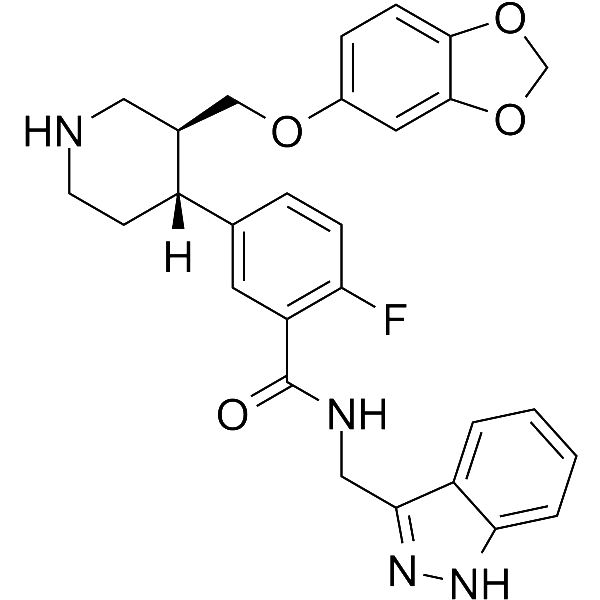
    CCG258747
    1 Publications Verification

    Opioid Receptor G Protein-coupled Receptor Kinase (GRK) Mas-related G-protein-coupled Receptor (MRGPR) Cardiovascular Disease Inflammation/Immunology
    CCG258747 is a selective GRK2 inhibitor (IC50 = 18 nM) with high selectivity over GRK1, GRK5, PKA, and ROCK1 (518, 83, > 5500, and > 550-fold, respectively). CCG258747 also blocks the internalization of the µ-opioid receptor (MOR). CCG258747 attenuates IgE mediated anaphylaxis by inhibiting GRK2 and FcεRI signaling pathway but activates mast cells via MRGPRX2 and MRGPRB2. CCG258747 can be used to study diseases related to overexpression of GRK2 (such as heart failure, opioid tolerance) .
    CCG258747
  • HY-P2106A
    Elabela(19-32) TFA
    Maximum Cited Publications
    6 Publications Verification

    Apelin Receptor (APJ) Arrestin Cardiovascular Disease
    Elabela(19-32) TFA is an active fragment of ELABELA (ELA) that binds to apelin receptor (APJ). Elabela(19-32) TFA activates the Gαi1 and β-arrestin-2 signaling pathways with EC50s of 8.6 nM and 166 nM. Elabela(19-32) TFA induces receptor internalization and reduces arterial pressure, exerts positive inotropic effects on the heart .
    Elabela(19-32) TFA
  • HY-P991381

    PPMX-T003

    Transferrin Receptor Reactive Oxygen Species (ROS) Ferroptosis Cancer
    JST‑TfR09 (PPMX‑T003) is a human monoclonal antibody (mAb) targeting transferrin receptor 1 (TfR1/CD71). JST‑TfR09 blocks the binding of transferrin to TfR1, inhibits TfR1 internalization, and suppresses cellular iron uptake. JST‑TfR09 triggers ferritin degradation via activating the autolysosomal system, promotes ROS production and lipid peroxidation, and ultimately induces ferroptosis. JST‑TfR09 exhibits cytotoxicity toward human erythroblasts differentiated from hematopoietic stem cells. JST-TfR09 can be used in leukemia research. Recommended isotype control: Human IgG1 lambda, Isotype Control (HY-P99992) .
    JST-TfR09
  • HY-D2004

    Fluorescent Dye Inflammation/Immunology
    ATTO 488 streptavidin is a fluorescent reagent that specifically targets and binds to biotin (biotin), formed by the conjugation of ATTO 488 with streptavidin (HY-P3152). ATTO 488 streptavidin enables visualization of the activity of streptavidin immobilized on the surface of polymeric nanoparticles, or acts as a fluorescent probe to detect the selective binding and internalization process of anti-HB-EGF/NA with cells expressing HB-EGF (with no such effect on cells that do not express this receptor). ATTO 488 streptavidin effectively verifies the function of streptavidin conjugated to the surface of nanoparticles and is suitable for research related to atherosclerotic cardiovascular diseases .
    ATTO 488 streptavidin
  • HY-172691

    Liposome Cancer
    DSPE-PEG5000-THRPPMWSPVWP is a PEG compound which composed of DSPE and a transferrin receptor (TfR) peptide (THRPPMWSPVWP). THRPPMWSPVWP binds to the TfR and is subsequently internalized into TfR-expressing cells .
    DSPE-PEG5000-THRPPMWSPVWP
  • HY-172690

    Liposome Cancer
    DSPE-PEG2000-THRPPMWSPVWP is a PEG compound which composed of DSPE and a transferrin receptor (TfR) peptide (THRPPMWSPVWP). THRPPMWSPVWP binds to the TfR and is subsequently internalized into TfR-expressing cells .
    DSPE-PEG2000-THRPPMWSPVWP
  • HY-P3852

    SPR393-407

    Neurokinin Receptor Neurological Disease Inflammation/Immunology
    Neurokinin Receptor (393-407), rat (SPR393–407) is a rat neurokinin 1 receptor (NK1R) fragment. NK1R is rapidly internalized by endocytosis and recycled to the plasma membrane when binding to substance P (SP). Neurokinin Receptor (393-407), rat can be used in the research of neurogenic inflammation .
    Neurokinin Receptor (393-407), rat
  • HY-132847

    SCD-044

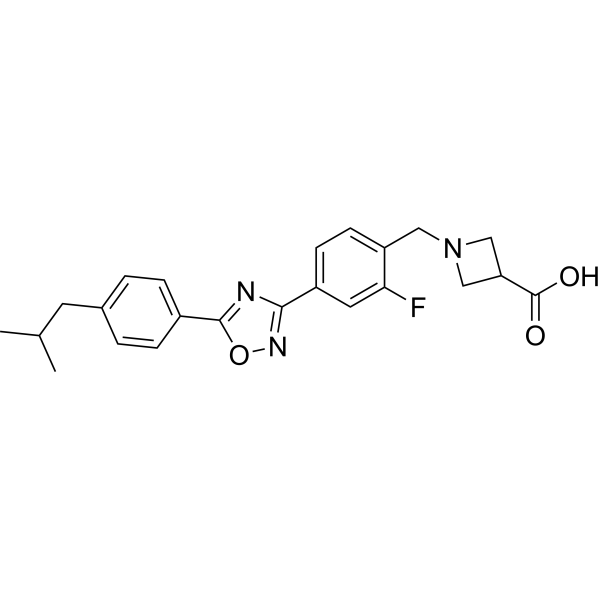
    LPL Receptor Inflammation/Immunology
    Vibozilimod (SCD-044) is an oral S1P1/EDG1 receptor-selective agonist with an EC50 of <1 nM. Vibozilimod promotes S1P1/EDG1 receptor internalization, inhibits lymphocyte migration, induces lymphopenia and reduces lymphocyte counts. Vibozilimod is used for the research of inflammatory diseases such as psoriasis and atopic dermatitis .
    Vibozilimod
  • HY-P2336

    Melanocortin Receptor Cancer
    CCZ01048, a α-melanocyte-stimulating hormone (α-MSH) analogue, exhibits high binding affinity to melanocortin 1 receptor (MC1R) with a Ki of 0.31 nM. CCZ01048 shows rapid internalization into B16F10 melanoma cells and high in vivo stability. CCZ01048 is a promising candidate for PET imaging of malignant melanoma .
    CCZ01048
  • HY-D2836I

    FITC-Hyaluronate (MW 5000)

    Fluorescent Dye Others
    FITC-HA (MW 5000) is hyaluronic acid (HA) (HY-B0633A) labeled with FITC (HY-66019). FITC-HA retains the ability of HA to bind to receptors (such as CD44) and form extracellular matrices, while it can be detected by fluorescence microscopy or flow cytometry for tracing the localization, binding, internalization and metabolic pathways of HA in cells, tissues or living organisms (Ex/Em ≈ 490/520 nM) .
    FITC-HA (MW 5000)
  • HY-167862

    Endogenous Metabolite Neurological Disease
    UCM-05194 is a selective LPA1 receptor agonist with activity to improve neuropathic pain. UCM-05194 is a LPA1 agonist that exhibits potent and selective properties in its pharmacologically similar properties. UCM-05194 triggers LPA1-mediated cellular effects and leads to internalization of the receptor, resulting in functional inactivation in primary sensory neurons. UCM-05194 effectively reduces pain perception in in vivo models. UCM-05194 can be used to conduct research on progressive systemic diseases .
    UCM-05194
  • HY-N1166
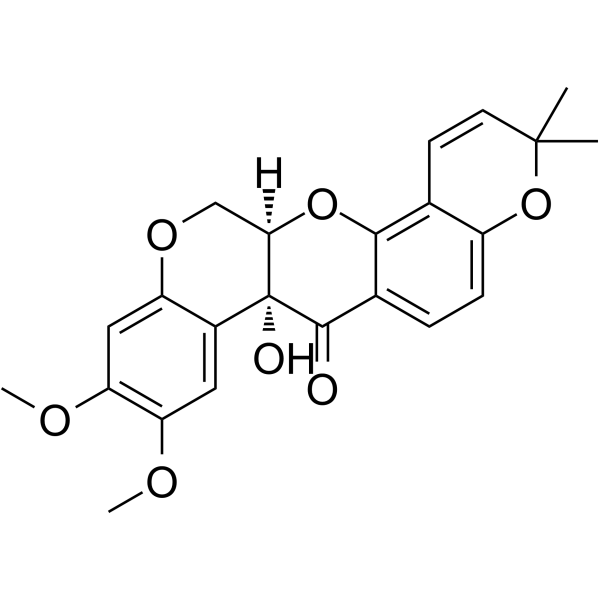
    Tephrosin
    3 Publications Verification

    Deguelinol I; Hydroxydeguelin

    EGFR Cancer
    Tephrosin is a natural rotenoid which has potent antitumor activities. Tephrosin induces degradation of of EGFR and ErbB2 by inducing internalization of the receptors .
    Tephrosin
  • HY-P991508

    EGFR Cancer
    Sym004 is a 1:1 mixture of two recombinant, human-mouse chimeric mAbs directed against nonoverlapping EGFR epitopes (mAb992 and mAb1024). Sym004 is ability to mediate rapid EGFR internalization and subsequent degradation of internalized receptors via EGFR cross-linking. Sym004 can be used for the study of metastatic colorectal cancer, head and neck (H&N) and lung cancer .
    Sym004
  • HY-160045

    Cholecystokinin Receptor Cancer
    AP1153 aptamer sodium is a DNA aptamer that specifically binds to the cholecystokinin receptor CCKBR (Kd: ~15 pM), but does not activate CCKBR-related signaling pathways. AP1153 aptamer sodium is internalized by pancreatic ductal adenocarcinoma (PDAC) cells in a receptor-mediated manner. AP1153 aptamer sodium can bioconjugate to the surface of fluorescent nanoparticles to facilitate nanoparticle delivery to PDAC tumors in vivo .
    AP1153 aptamer sodium
  • HY-W565924

    mGluR ERK Neurological Disease
    STX107 is a metabotropic glutamate 5 (mGlu5) receptor negative allosteric modulator (NAM) with a pKi of 8.32. STX107 inhibits glutamate-induced Ca 2+ mobilization, IP1 accumulation, and ERK1/2 phosphorylation. STX107 also inhibits glutamate-induced mGlu5 internalization .
    STX107
  • HY-P5362A

    Radionuclide-Drug Conjugates (RDCs) Somatostatin Receptor Cancer
    NODAGA-LM3 TFA is a ligand that can cross the blood-brain barrier and targets somatostatin receptor SSTR2 with high affinity (IC50 = 1.3 nM). NODAGA-LM3 TFA does not trigger the internalization of SSTR2 and can inhibit agonist-induced internalization processes. NODAGA-LM3 TFA shows low uptake in normal tissues such as the liver and spleen, but high uptake in the lungs and blood pool. 68Ga-labeled NODAGA-LM3 TFA can serve as a PET imaging agent for well-differentiated neuroendocrine tumors, and is applied in studies related to small cell lung cancer and well-differentiated neuroendocrine tumors .
    NODAGA-LM3 TFA
  • HY-P11015

    Ephrin Receptor Cancer
    (123B9)2-Motif is a selective EphA2 receptor agonist (Kd=4.9 μM) that does not bind to EphA4. (123B9)2-Motif works by inducing EphA2 receptor phosphorylation and oligomerization, thereby promoting receptor activation and internalization. (123B9)2-Motif is primarily used in targeted drug delivery studies for cancers that overexpress EphA2, such as breast cancer, to reduce circulating tumor cells and inhibit metastasis .
    (123B9)2-Motif
  • HY-D2836B

    FITC-Hyaluronate (MW 200000)

    Fluorescent Dye Others
    FITC-HA (MW 200000) is hyaluronic acid (HA) (HY-B0633A) labeled with FITC (HY-66019). FITC-HA retains the ability of HA to bind to receptors (such as CD44) and form extracellular matrices, while it can be detected by fluorescence microscopy or flow cytometry for tracing the localization, binding, internalization and metabolic pathways of HA in cells, tissues or living organisms (Ex/Em ≈ 490/520 nM) .
    FITC-HA (MW 200000)
  • HY-D2836D

    FITC-Hyaluronate (MW 50000)

    Fluorescent Dye Others
    FITC-HA (MW 50000) is hyaluronic acid (HA) (HY-B0633A) labeled with FITC (HY-66019). FITC-HA retains the ability of HA to bind to receptors (such as CD44) and form extracellular matrices, while it can be detected by fluorescence microscopy or flow cytometry for tracing the localization, binding, internalization and metabolic pathways of HA in cells, tissues or living organisms (Ex/Em ≈ 490/520 nM) .
    FITC-HA (MW 50000)
  • HY-D2836C

    FITC-Hyaluronate (MW 100000)

    Fluorescent Dye Others
    FITC-HA (MW 100000) is hyaluronic acid (HA) (HY-B0633A) labeled with FITC (HY-66019). FITC-HA retains the ability of HA to bind to receptors (such as CD44) and form extracellular matrices, while it can be detected by fluorescence microscopy or flow cytometry for tracing the localization, binding, internalization and metabolic pathways of HA in cells, tissues or living organisms (Ex/Em ≈ 490/520 nM) .
    FITC-HA (MW 100000)
  • HY-W008947R

    Reference Standards LPL Receptor ERK Akt Neurological Disease Metabolic Disease Inflammation/Immunology
    SEW2871 is an orally active, potent, highly selective S1P1 (sphingosine-1-phosphate type 1 receptor) agonist, with an EC50 of 13.8 nM. SEW2871 activates ERK, Akt, and Rac signaling pathways and induces S1P1 internalization and recycling. SEW2871 reduces lymphocyte numbers in blood. SEW2871 can be used for the research of diabetes, Alzheimer’s disease, liver fibrosis, and inflammatory responses .
    SEW​2871 (Standard)
  • HY-12005R

    FTY720 (Standard)

    Reference Standards LPL Receptor PAK Inflammation/Immunology Cancer
    Fingolimod (hydrochloride) (Standard) is the analytical standard of Fingolimod (hydrochloride). This product is intended for research and analytical applications. Fingolimod hydrochloride (FTY720), an analog of sphingosine, is a potent sphingosine 1-phosphate (S1P) receptors modulator. Fingolimod hydrochloride is phosphorylated by sphingosine kinases, particularly by SK2, and then binds S1PR1, 3, 4, and 5. Fingolimod hydrochloride induces the internalization of S1P1, and consequently, inhibits S1P activity. Fingolimod hydrochloride also is a pak1 activator .
    Fingolimod hydrochloride (Standard)
  • HY-175001

    Dopamine Receptor Arrestin Neurological Disease
    D1/D5 Receptor agonist-1 is a highly brain-penetrant and orally active D1/D5 receptor agonist. D1/D5 Receptor agonist-1 maintains considerable efficacy in the cAMP pathway and in β-arrestin recruitment, with EC50s of 3.7 nM (D1R cAMP), 91 nM (D1R β-arrestin), 129 nM (D1R internalization) and a Ki of 111 nM (D1R binding affinity). D1/D5 Receptor agonist-1 inhibits β-arrestin signaling in a rat with L-DOPA (HY-N0304) induced dyskinesias. D1/D5 Receptor agonist-1 can be used for the study of Parkinson’s disease .
    D1/D5 Receptor agonist-1
  • HY-116088

    LPL Receptor Inflammation/Immunology
    W123, a FTY720 analog, is a competitive sphingosine 1-phosphate type 1 (S1P1) receptor antagonist. W123 is measured by GTPγS activation, MAPK recruitment, cell migration, and ligand-induced receptor internalization .
    W123
  • HY-164290

    Dynamin Infection Neurological Disease
    Rhodady C10 (Compound C10) is a dynamin I GTPase inhibitor. Rhodady C10 blocks receptor-mediated endocytosis (IC50: 7 μM). Dynamin is involved in clathrin-independent endocytosis, phagocytosis, and caveolae internalization .
    Rhodady C10
  • HY-174637

    mRNA Inflammation/Immunology
    Human IL13RA2 mRNA encodes the human interleukin 13 receptor subunit alpha 2 (IL13RA2) protein, a subuint of the interleukin 13 receptor complex. IL13RA2 binds IL13 with high affinity, but lacks cytoplasmic domain, and does not appear to function as a signal mediator. It is reported to play a role in the internalization of IL13.
    Human IL13RA2 mRNA
  • HY-P10429

    CXCR Infection
    RCP168 is a highly selective and affinity CXCR4 receptor antagonist (IC50=5 nM). RCP168 has a stronger ability than natural chemical factors to inhibit the entry of HIV-1 (human immunodeficiency virus type 1) into host cells via CXCR4 receptors. RCP168 inhibits HIV-1 infection by blocking viral binding sites or inducing receptor internalization. RCP168 can be used to analyze the interaction between CXCR4 receptor and other chemical factor receptors .
    RCP168
  • HY-P990708

    MDNA55; NBI-3001; PRX-321

    Interleukin Related Apoptosis Inflammation/Immunology Cancer
    Bizaxofusp (MDNA55) is a fusion protein formed by the linkage of IL-4 and a truncated Pseudomonas exotoxin. Bizaxofusp can bind to IL-4 receptors on the surface of tumor cells and be internalized, and its exotoxin moiety can inhibit protein synthesis and induce tumor cell apoptosis. Bizaxofusp can be used in the study of cancer .
    Bizaxofusp
  • HY-D2836E

    FITC-Hyaluronate (MW 10000)

    Fluorescent Dye Others
    FITC-HA (MW 10000) is hyaluronic acid (HA) (HY-B0633A) labeled with FITC (HY-66019). FITC-HA retains the ability of HA to bind to receptors (such as CD44) and form extracellular matrices, while it can be detected by fluorescence microscopy or flow cytometry for tracing the localization, binding, internalization and metabolic pathways of HA in cells, tissues or living organisms (Ex/Em ≈ 490/520 nM) .
    FITC-HA (MW 10000)
  • HY-D2836J

    FITC-Hyaluronate (MW 3000)

    Fluorescent Dye Others
    FITC-HA (MW 3000) is hyaluronic acid (HA) (HY-B0633A) labeled with FITC (HY-66019). FITC-HA retains the ability of HA to bind to receptors (such as CD44) and form extracellular matrices, while it can be detected by fluorescence microscopy or flow cytometry for tracing the localization, binding, internalization and metabolic pathways of HA in cells, tissues or living organisms (Ex/Em ≈ 490/520 nM) .
    FITC-HA (MW 3000)
  • HY-D2836A

    FITC-Hyaluronate (MW 500000)

    Fluorescent Dye Others
    FITC-HA (MW 500000) is hyaluronic acid (HA) (HY-B0633A) labeled with FITC (HY-66019). FITC-HA retains the ability of HA to bind to receptors (such as CD44) and form extracellular matrices, while it can be detected by fluorescence microscopy or flow cytometry for tracing the localization, binding, internalization and metabolic pathways of HA in cells, tissues or living organisms (Ex/Em ≈ 490/520 nM) .
    FITC-HA (MW 500000)
  • HY-D2943

    SNAP-SS-SulfoCy3

    Fluorescent Dye Others
    BG-SS-SulfoCy3 is a SulfoCy3-labeled SNAP tag fluorescent probe, which is linked by a disulfide bond to achieve selective labeling and controllable cleavage. BG-SS-SulfoCy3 can be used to study the endocytosis and trafficking of membrane proteins such as GPCRs .
    BG-SS-SulfoCy3
  • HY-120421

    Sigma Receptor Cancer
    SW116 free base is a selective fluorescent ligand for sigma-2 receptor with a Ki of 14 nM. SW116 free base exhibits in methanol a maximal excitation wavelength of 333 nM, and a maximal emission wavelength of 506 nM. SW116 free base can be internalized into MDA-MB-435 cells, and reach 50% maximum fluorescent intensity in 24 minutes. SW116 free base can be as a fluorescent probe used in cancer research .
    SW116 free base

Inquiry Online

Your information is safe with us. * Required Fields.

Salutation


Country or Region *

Applicant Name *


Organization Name *

Department *


Email Address *


Product Name *

Cat. No.


Requested quantity *

Phone Number *


Remarks

Inquiry Online

Inquiry Information

Product Name:
Cat. No.:
Quantity:
MCE Japan Authorized Agent:

