1. Search Result
Search Result
Results for "

reducing pain

" in MedChemExpress (MCE) Product Catalog:

204

Inhibitors & Agonists

1

Screening Libraries

1

Biochemical Assay Reagents

19

Peptides

1

Inhibitory Antibodies

30

Natural
Products

12

Isotope-Labeled Compounds

4

Oligonucleotides

Cat. No. Product Name Target Research Areas Chemical Structure
  • HY-B0561
    Spironolactone
    5+ Cited Publications

    SC9420

    Mineralocorticoid Receptor Androgen Receptor Autophagy Calcium Channel Cardiovascular Disease Metabolic Disease Endocrinology Cancer
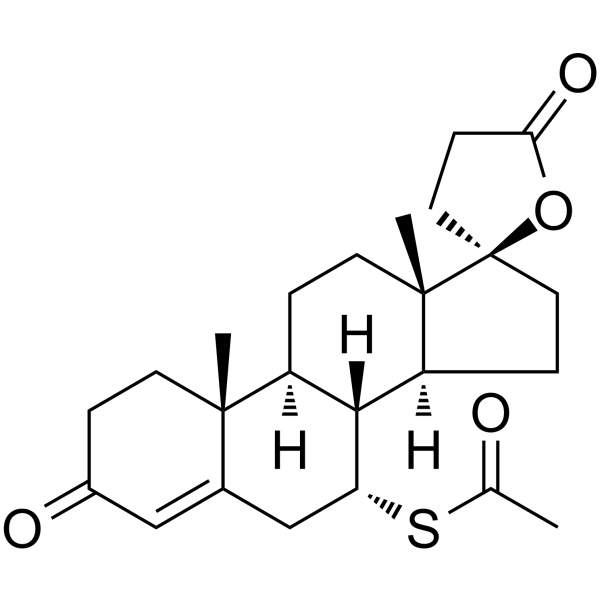
    Spironolactone is an aldosterone antagonist that acts on the aldosterone mineralocorticoid receptor (IC50=24 nM) and androgen receptor (IC50=77 nM), promotes podocyte autophagy and regulates pain. Spironolactone improves hypertension-related vascular hypertrophy and remodeling by reducing angiotensin II (Ang II)-induced inflammation, reduces aldosterone-induced vascular and soft tissue calcification through PIT1-dependent signaling, and alleviates vascular dysfunction in type II diabetic mice by reducing oxidative stress and restoring NO/GC signaling; at low concentrations, it and its metabolites can interfere with aldosterone biosynthesis in the adrenal cortex and inhibit voltage-dependent Ca 2+ channels to exert antihypertensive effects .
    Spironolactone
  • HY-N0131
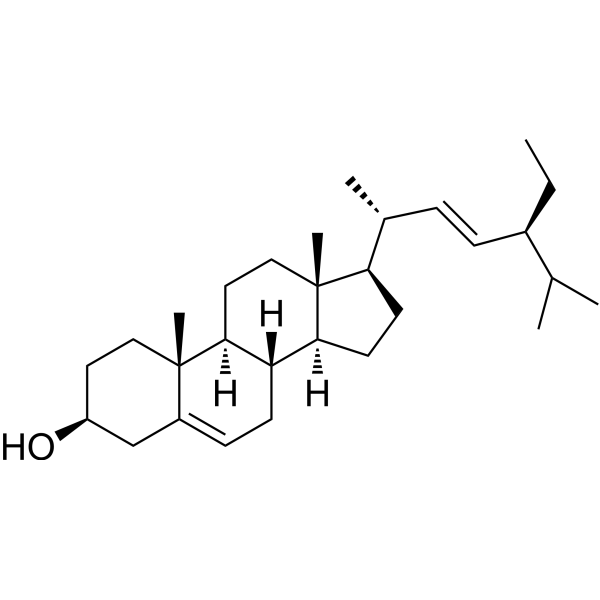
    Stigmasterol
    10+ Cited Publications

    MMP Endogenous Metabolite Neurological Disease Inflammation/Immunology
    Stigmasterol is an orally acitve, immunomodulatory agent with anti-inflammatory and neuroprotective effect, as well as able to cross the blood-brain barrier. Stigmasterol activates AMPK, which in turn inhibits NF-κB and NLRP3 signaling pathways, reduces microglia-mediated neuroinflammation, and alleviates cognitive impairment and Alzheimer's disease. Stigmasterol regulates M1/M2 polarization of microglia through the TLR4/ NF-κB pathway, thereby reducing neuropathic pain. Stigmasterol can be used for neurodegenerative diseases, inflammatory diseases, and pain management, among others .
    Stigmasterol
  • HY-B0464
    Hydralazine hydrochloride
    3 Publications Verification

    PGE synthase NO Synthase Reactive Oxygen Species (ROS) DNA Methyltransferase COX Cardiovascular Disease Inflammation/Immunology Cancer
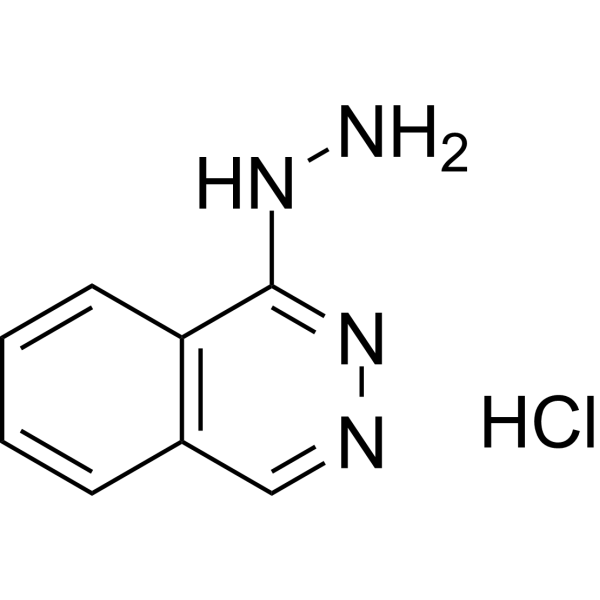
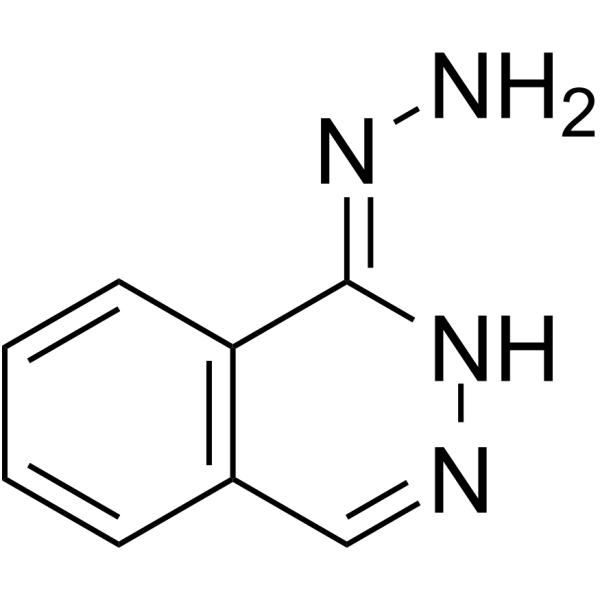
    Hydralazine hydrochloride is an orally active, blood-brain barrier-permeable DNA methyltransferase inhibitor with vasodilatory, arterial smooth muscle relaxant and hypotensive activities. Hydralazine hydrochloride reactivates silenced tumor suppressor genes via mediating DNA demethylation, while exerting neuroprotective and anti-inflammatory properties. Hydralazine hydrochloride inhibits NOS-2 (iNOS) and COX-2, and reduces the production of NO and PGEE2; meanwhile, Hydralazine hydrochloride scavenges reactive oxygen species and inhibits macrophage activation. Hydralazine hydrochloride alleviates motor dysfunction, neuropathic inflammatory pain, and formalin-induced somatic and emotional pain responses. In addition, Hydralazine hydrochloride directly induces DNA strand breaks and sister chromatid exchange, exhibiting certain mutagenic characteristics. Hydralazine hydrochloride has been widely used in studies on hypertension, various cancers (such as cervical cancer, leukemia), spinal cord injury and the mechanisms of inflammatory pain .
    Hydralazine hydrochloride
  • HY-B0193
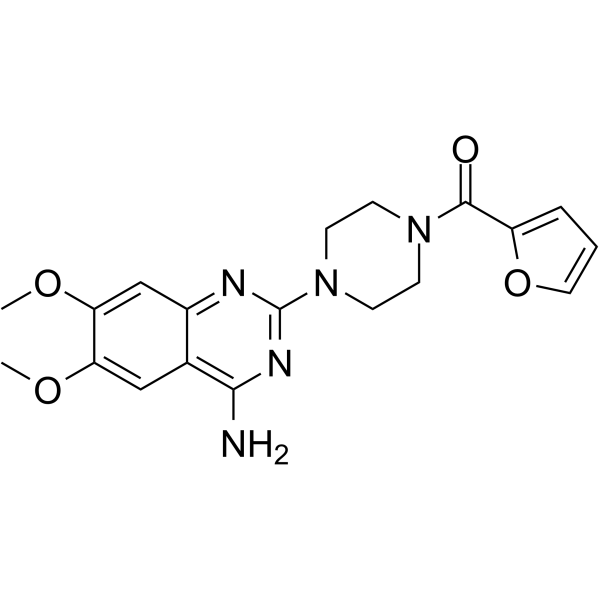
    Prazosin
    Maximum Cited Publications
    17 Publications Verification

    Adrenergic Receptor Cardiovascular Disease Endocrinology
    Prazosin is an α-adrenergic receptor antagonist. Prazosin can reduce inflammation, relieve anxiety, alleviate panic, prevent memory decline, and modulate the pain-relieving effects of opioids. Prazosin can be used in the study of hypertension and Alzheimer’s disease .
    Prazosin
  • HY-110252

    Opioid Receptor Neurological Disease Inflammation/Immunology
    Salvinorin B is a selective and brain-penetrant kappa opioid receptor (KOPr) agonist with an EC50 of 248 nM and Ki of 2.95 μM. Salvinorin B activates downstream signaling pathways by binding to KOPr, inhibits pain transmission and reduces inflammatory response. Salvinorin B can be used for the researches of inflammation, immunology and neurological disease, such as neuropathic pain, multiple sclerosis and anxiety .
    Salvinorin B
  • HY-B1183
    Hydrocortisone acetate
    1 Publications Verification

    Hydrocortisone 21-acetate; Cortisol 21-acetate

    Glucocorticoid Receptor Endogenous Metabolite Cardiovascular Disease Inflammation/Immunology Endocrinology
    Hydrocortisone acetate (Hydrocortisone 21-acetate) is a corticosteroid used to reduce swelling, itching and pain caused by minor skin irritations or hemorrhoids .
    Hydrocortisone acetate
  • HY-P0062B
    Ziconotide acetate
    2 Publications Verification

    SNX-111 acetate

    Calcium Channel Cardiovascular Disease Inflammation/Immunology Cancer
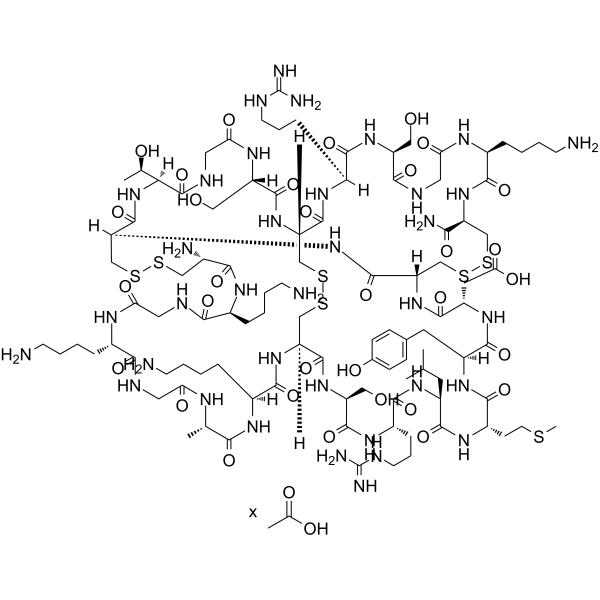
    Ziconotide acetate (SNX-111 acetate), a peptide, is a potent and selective block of N-type calcium channels antagonist. Ziconotide acetate reduces synaptic transmission, and can be used for chronic pain research .
    Ziconotide acetate
  • HY-18732A
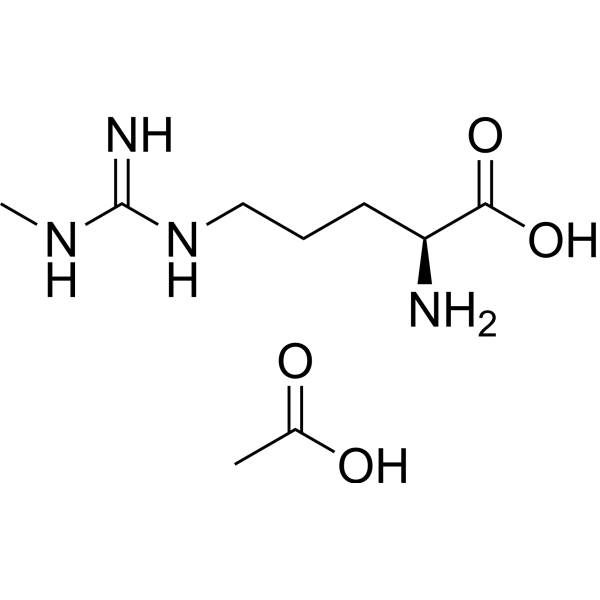
    L-NMMA acetate
    10+ Cited Publications

    Tilarginine acetate; Methylarginine acetate

    NO Synthase Neurological Disease Inflammation/Immunology Cancer
    L-NMMA (Tilarginine) acetate is a non-selective and competitive inhibitor of nitric oxide synthase. L-NMMA acetate inhibits three subtypes, namely nNOS, eNOS, and iNOS, and reduces NO production . L-NMMA acetate alleviates mechanical allodynia, thermal hyperalgesia, and choroidal fibrosis. L-NMMA acetate is applicable to research related to nociception, bone cancer pain, and myopia .
    L-NMMA acetate
  • HY-142240

    HSK16149

    Calcium Channel Neurological Disease
    Crisugabalin is an orally active, selective ligand for the α2δ subunit of voltage-gated calcium channels, with a target IC50 of 3.96 nM in rats. Crisugabalin inhibits the binding of [ 3H]gabapentin to the α2δ subunit, reduces calcium influx, decreases neuronal excitability, and impairs nociceptive transmission. Crisugabalin alleviates mechanical allodynia, neuropathic pain and inflammatory pain in rats, and reduces phase II pain behaviors. Crisugabalin can be used in research related to chronic pain, neuropathic pain, diabetic neuropathy, fibromyalgia, inflammatory pain, diabetic peripheral neuropathy and postherpetic neuralgia.
    Crisugabalin
  • HY-156815

    Orphan GPCR Neurological Disease Inflammation/Immunology
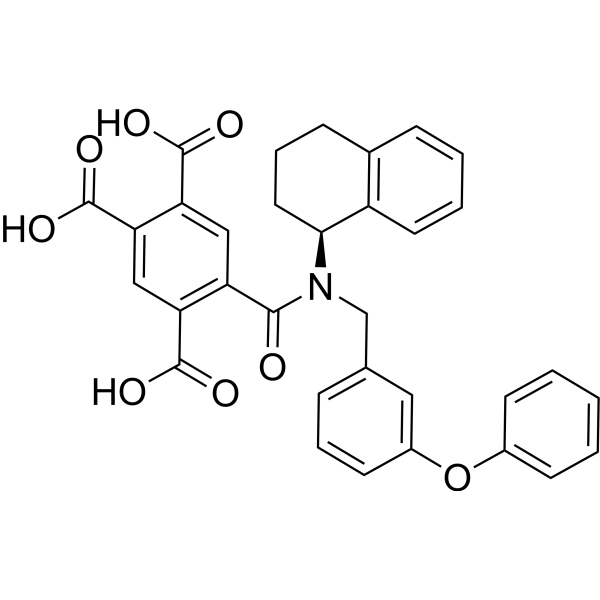
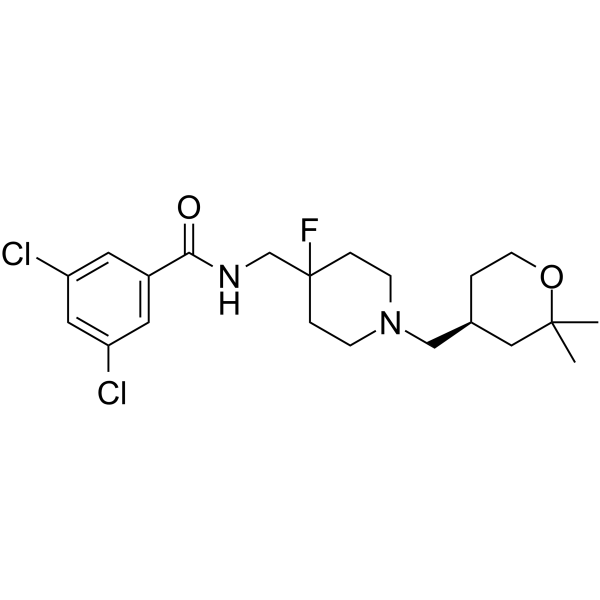
    YL-365 is a potent and selective GPR34 antagonist with an IC50 of 17 nM. YL-365 binds to a portion of the orthosteric binding pocket of GPR34 and induces allosteric changes that stabilize the receptor in an inactive conformation. YL-365 down-regulates expression of the proinflammatory gene iNOS in M1 microglia and suppresses proinflammatory responses. YL-365 reduces mechanical allodynia in a dose-dependent manner in a mouse model of neuropathic pain. YL-365 can be used for the research of neuropathic pain .
    YL-365
  • HY-B0740

    MK130 hydrochloride

    5-HT Receptor Parasite Infection Neurological Disease
    Cyclobenzaprine (MK130) hydrochloride is an orally active 5-HT2 receptor antagonist. Cyclobenzaprine hydrochloride acts centrally, providing skeletal muscle relaxation, alleviating muscle spasms, and reducing pain. Cyclobenzaprine hydrochloride also possesses antiparasitic activity. Cyclobenzaprine hydrochloride holds promise for research in the fields of acute, painful skeletal muscle disorders and infectious diseases .
    Cyclobenzaprine hydrochloride
  • HY-120546
    Ulixacaltamide
    1 Publications Verification

    Z944; PRAX-944

    Calcium Channel Neurological Disease Inflammation/Immunology
    Ulixacaltamide (Z944) is an orally available T-type calcium channel antagonist that can slow the progression of epilepsy. Ulixacaltamide effectively reduces tremor in a normal alkaline tremor animal model. Ulixacaltamide reverses thermal hyperalgesia and mediates pain relief .
    Ulixacaltamide
  • HY-103175
    PSB36
    1 Publications Verification

    Adenosine Receptor Cardiovascular Disease Neurological Disease Inflammation/Immunology
    PSB36 is a highly selective A1 adenosine receptor antagonist, with a Ki of 0.12 nM and a Kd of 0.7 nM. Systemic administration of PSB36 reduces formalin- and Carrageenan (HY-125474)-induced edema in mice and decreases pain-related behaviors, with no local paw activity. PSB36 prolongs the APD90 of rat and human atria, produces a frequency-dependent prolongation of rat atrial ERP, increases the diastolic threshold of rat atria, and shortens the duration of atrial fibrillation episodes. PSB36 can be used in research related to inflammatory pain, inflammatory hyperalgesia, edema and atrial fibrillation .
    PSB36
  • HY-14380
    PF-3845
    2 Publications Verification

    FAAH Autophagy Inflammation/Immunology Cancer
    PF-3845 is a potent, selective, irreversible and orally active inhibitor of fatty acid amide hydrolase (FAAH), with a Ki of 0.23 μM. PF-3845 is a covalent inhibitor that carbamylates FAAH's serine nucleophile. PF-3845 can reduce pain sensation, inflammation, and anxiety/depression without substantial effects on motility or cognition .
    PF-3845
  • HY-107794
    Clodronate disodium tetrahydrate
    4 Publications Verification

    Disodium clodronate tetrahydrate

    Apoptosis Neurological Disease Inflammation/Immunology Cancer
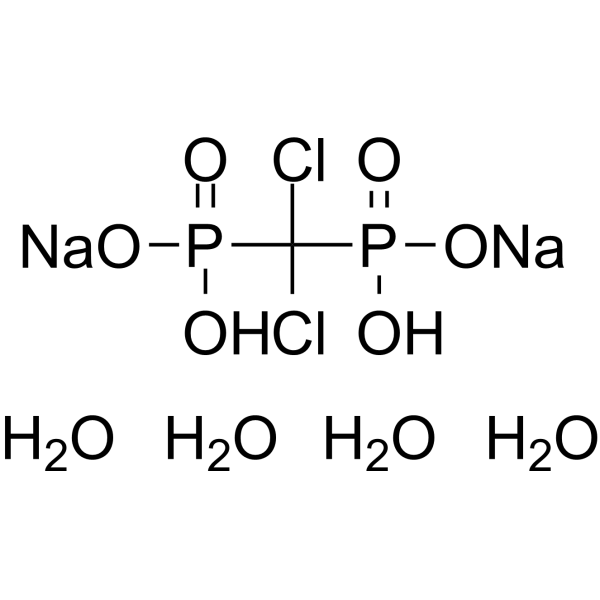
    Clodronate disodium tetrahydrate (Disodium clodronate tetrahydrate) is first-generation bisphosphonate, with anti-osteoporotic, anti-inflammatory and analgesic effects. Clodronate disodium tetrahydrate is a selective, potent, reversible and Cl - competitive vesicular nucleotide transporter (VNUT) inhibitor, with an IC50 of 15.6 nM. Clodronate disodium tetrahydrate inhibits vesicular ATP release from neurons and reduces chronic neuropathic and inflammatory pain .
    Clodronate disodium tetrahydrate
  • HY-B0641

    4-Biphenylacetic acid

    COX Inflammation/Immunology
    Felbinac is a metabolite of fenbufen, an orally active nonsteroidal anti-inflammatory agent and a cyclooxygenase (COX) inhibitor with an IC50 of 865.68 nM for COX1 and 976 nM for COX2. Felbinac reduces the production of prostaglandins by inhibiting COX to relieve pain, reduce inflammation and reduce fever. Felbinac can inhibit CHIKV viral activity .
    Felbinac
  • HY-N2258
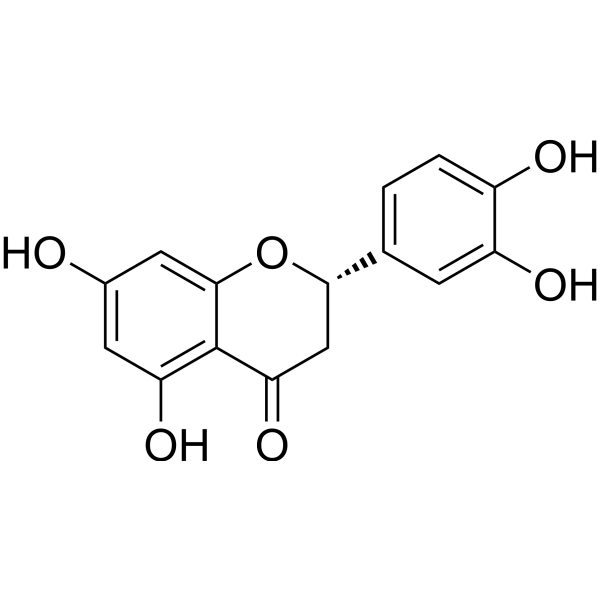
    Poncirin
    4 Publications Verification

    Apoptosis Inflammation/Immunology
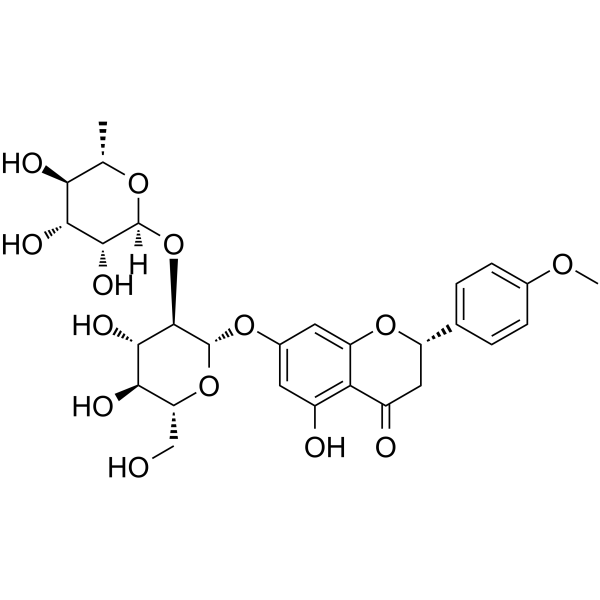
    Poncirin is isolated from Poncirus trifoliata with anti-inflammory activites. Poncirin significantly reduces mechanical hyperalgesia and allodynia in Complete Freund’s Adjuvant (CFA)-induced inflammatory pain models .
    Poncirin
  • HY-P1248

    NPFF

    Neuropeptide FF Receptor Cardiovascular Disease Neurological Disease
    Neuropeptide FF (NPFF), an octapeptide belonging to the RF-amide family of peptides, is a NPFF1 and NPFF2 receptors agonist with Ki values of 2.82 nM and 0.21 nM, respectively. Neuropeptide FF induces abstinence syndrome, exerts antiopioid and analgesic effects, releases via calcium-dependent mechanisms from rat spinal cord, regulates memory, autonomic function, and neuroendocrine function, modulates pain and opioid antinociception, reduces food intake, stimulates water intake, alters cardiovascular parameters, and shows differential activity in hypothalamic paraventricular nucleus neurons. Neuropeptide FF is present in mammalian central nervous system and periphery, with NPFF-immunoreactivity increases in rat cerebrospinal fluid during opiate tolerance, and its NPFF gene and NPFF-R2 gene are up-regulated in rat spinal cord and dorsal root ganglia during peripheral inflammation. Neuropeptide FF can be used for the research of opioid tolerance, morphine-induced analgesia, abstinence syndrome, pain, hypertension, nociception, inflammatory pain, and neuropathic pain .
    Neuropeptide FF
  • HY-10035
    TTA-P2
    2 Publications Verification

    T-Type calcium channel inhibitor

    Calcium Channel Neurological Disease
    TTA-P2 (T-Type calcium channel inhibitor) is a selective, orally active, and BBB-penetrant T-type calcium channel blocker (IC50 = 22 nM). TTA-P2 reduces mechanical hypersensitivity and alleviates acute as well as chronic pain. TTA-P2 significantly reduces firing rates in temporal lobe epilepsy (TLE) neurons to control levels and suppresses synaptically evoked burst firing. TTA-P2 can be studied in research for neurological diseases such as tremor and absence epilepsy < sup>[4] .
    TTA-P2
  • HY-P1137
    10Panx
    1 Publications Verification

    Gap Junction Protein Others
    10Panx is a competitive inhibitor of selective Pannexin 1 (PANX1) channels. 10Panx blocks the opening of PANX1 channels, inhibits ATP release and downstream P2X7 receptor-mediated signaling pathways, thereby reducing cell death and inflammatory responses. 10Panx can be used in the study of diseases such as neuropathic pain, inflammatory bowel disease, and Clostridioides difficile infection. 10Panx can effectively reduce mechanical hyperalgesia and enhanced C-reflexes, and inhibit the expression of pro-inflammatory factors such as IL-6[1][2][3].
    10Panx
  • HY-W013331
    Deoxyartemisinin
    1 Publications Verification

    2-Deoxyartemisinin

    TNF Receptor Neurological Disease Inflammation/Immunology
    Deoxyartemisinin (2-Deoxyartemisinin) is an orally active anti-inflammatory and analgesic agent. Deoxyartemisinin selectively reduces the level of the pro-inflammatory cytokine TNF-α. Deoxyartemisinin alleviates neuropathic pain, inflammatory pain, and croton oil-induced ear edema.\nDeoxyartemisinin exerts an analgesic effect against thermal stimulation. Deoxyartemisinin has anti-ulcer activity. Deoxyartemisinin can be used in research related to inflammatory diseases, pain, and gastric ulcers .
    Deoxyartemisinin
  • HY-P0062

    SNX-111

    Calcium Channel Neurological Disease Inflammation/Immunology Cancer
    Ziconotide (SNX-111), a peptide, is a potent and selective block of N-type calcium channels antagonist. Ziconotide reduces synaptic transmission, and can be used for chronic pain research .
    Ziconotide
  • HY-130118

    Mas-related G-protein-coupled Receptor (MRGPR) Neurological Disease
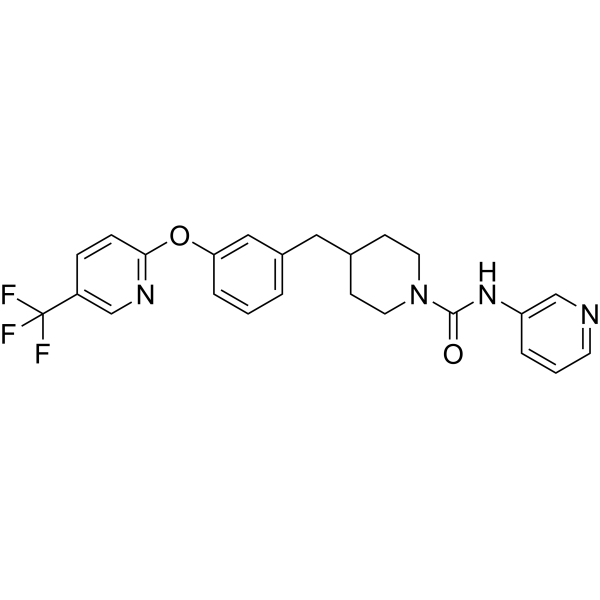
    MRGPRX1 agonist 1 is a highly potent MRGPRX1 agonist (EC50=50 nM) with greater than 50-fold selectivity for δ, μ, and κ opioid receptors. MRGPRX1 agonist 1 is inactive against MRGPRC11. MRGPRC11 inhibits high voltage-activated (HVA) Ca 2+ currents, reduces neurotransmitter release, and mitigates nociceptive transmission in the spinal cord. MRGPRX1 agonist 1 is useful for the study of chronic pain, especially neuropathic pain .
    MRGPRX1 agonist 1
  • HY-115510
    SPR inhibitor 3
    1 Publications Verification

    SPRi3

    Carbonyl Reductase Inflammation/Immunology
    SPR inhibitor 3 (SPRi3) is a potent sepiapterin reductase (SPR) inhibitor. SPR inhibitor 3 (SPRi3) displays high binding affinity to human SPR in a cell-free assay (IC50=74 nM) and efficiently reduces biopterin levels in a cell-based assay (IC50=5.2 μM). SPR inhibitor 3 (SPRi3) reduces neuropathic and inflammatory pain through a reduction of BH4 levels .
    SPR inhibitor 3
  • HY-18732
    L-NMMA
    10+ Cited Publications

    Tilarginine; Methylarginine

    NO Synthase Neurological Disease Inflammation/Immunology Cancer
    L-NMMA (Tilarginine) is a non-selective and competitive inhibitor of nitric oxide synthase. L-NMMA inhibits three subtypes, namely nNOS, eNOS, and iNOS, and reduces NO production . L-NMMA alleviates mechanical allodynia, thermal hyperalgesia, and choroidal fibrosis. L-NMMA is applicable to research related to nociception, bone cancer pain, and myopia .
    L-NMMA
  • HY-B0464A
    Hydralazine
    3 Publications Verification

    DNA Methyltransferase Reactive Oxygen Species (ROS) COX NO Synthase PGE synthase Cardiovascular Disease Neurological Disease Inflammation/Immunology Cancer
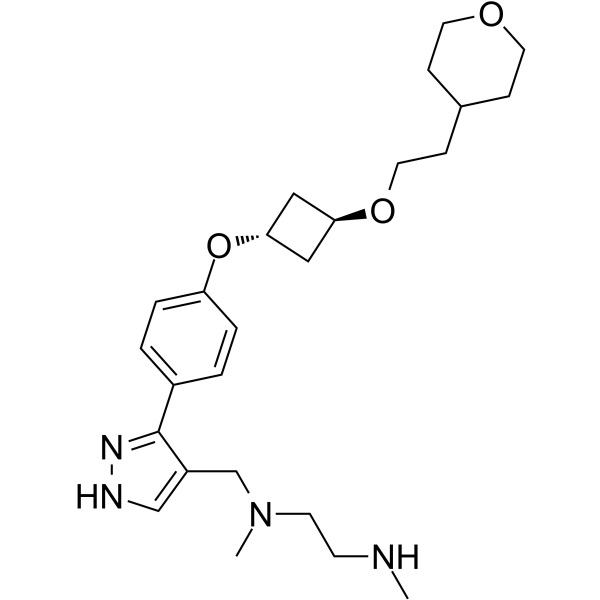
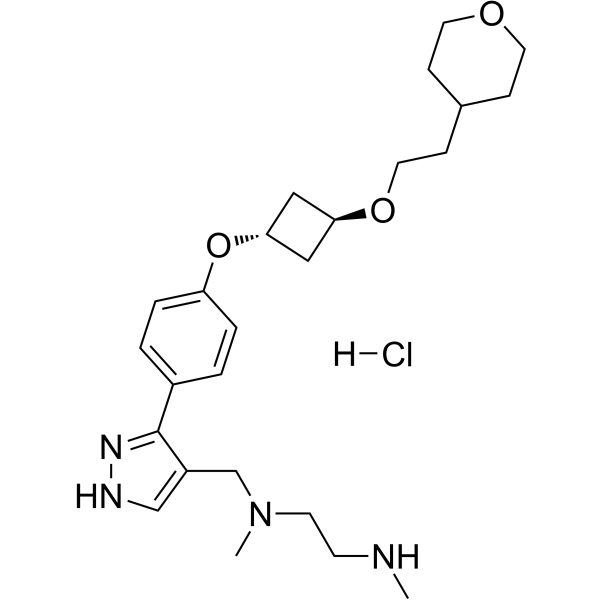
    Hydralazine is an orally active, blood-brain barrier-permeable DNA methyltransferase inhibitor with vasodilatory, arterial smooth muscle relaxant and hypotensive activities. Hydralazine reactivates silenced tumor suppressor genes via mediating DNA demethylation, while exerting neuroprotective and anti-inflammatory properties. Hydralazine inhibits NOS-2 (iNOS) and COX-2, and reduces the production of NO and PGEE2; meanwhile, Hydralazine scavenges reactive oxygen species and inhibits macrophage activation. Hydralazine alleviates motor dysfunction, neuropathic inflammatory pain, and formalin-induced somatic and emotional pain responses. In addition, Hydralazine directly induces DNA strand breaks and sister chromatid exchange, exhibiting certain mutagenic characteristics. Hydralazine has been widely used in studies on hypertension, various cancers (such as cervical cancer, leukemia), spinal cord injury and the mechanisms of inflammatory pain .
    Hydralazine
  • HY-109087

    MT-8554

    TRP Channel Cardiovascular Disease Neurological Disease
    Elismetrep (MT-8554) is a TRPM8 antagonist. Elismetrep reduces the frequency of vasomotor symptoms. Elismetrep can be used for study of pain .
    Elismetrep
  • HY-106199
    Adenosine A1 receptor activator T62
    1 Publications Verification

    Adenosine Receptor Neurological Disease Inflammation/Immunology
    Adenosine A1 receptor activator T62 is an allosteric enhancer of adenosine A1 receptor. Adenosine A1 receptor activator T62 produces antinociception in animal models of acute pain and also reduces hypersensitivity in models of inflammatory and nerve-injury pain .
    Adenosine A1 receptor activator T62
  • HY-13283
    MF63
    1 Publications Verification

    PGE synthase Inflammation/Immunology
    MF63 is a selective and orally active inhibitor of mPGES-1. MF63 reduces the accumulation of PGE2, relieves pyresis, hyperalgesia, and inflammatory pain by inhibiting mPGES-1 .
    MF63
  • HY-W044764
    2-Benzylsuccinic acid
    1 Publications Verification

    DL-Benzylsuccinic acid

    Carboxypeptidase Neurological Disease Metabolic Disease
    2-Benzylsuccinic acid (DL-Benzylsuccinic acid) is an orally active carboxypeptidase A and Nna1 inhibitor. 2-Benzylsuccinic acid reduces cold hyperalgesia. 2-Benzylsuccinic acid can be used for the researches of neuropathic pain, non-alcoholic steatohepatitis .
    2-Benzylsuccinic acid
  • HY-W067716

    (S)-Spinacine

    GABA Receptor Neurological Disease
    Spinacine ((S)-Spinacine) is a GABA uptake inhibitor. Spinacine enhances synaptic GABA effects via inhibition of gamma-aminobutyric acid uptake in cerebral cortex slices. Spinacine inhibits reflex responses of ventral roots in isolated spinal cord. Spinacine inhibits motor activity and reduces approaches to water dispensers in conflict situations. Spinacine raises pain sensitivity threshold via subarachnoidal injection .
    Spinacine
  • HY-13954
    A 839977
    1 Publications Verification

    P2X Receptor Neurological Disease Inflammation/Immunology
    A 839977 is a P2X7 selective antagonist; it blocks BzATP-evoked calcium influx at recombinant human, rat and mouse P2X7 receptors (IC50 values are 20 nM, 42 nM and 150 nM respectively) and reduces inflammatory and neuropathic pain in animal models; the antihyperalgesic effects of P2X7 receptor blockade are mediated by blocking the release of IL-1beta .
    A 839977
  • HY-W357818

    GX

    Sodium Channel ERK MEK NF-κB Drug Metabolite Cancer
    Glycinexylidide (GX) is the active metabolite of Lidocaine. Lidocaine is a local agent that can suppress or relieve pain, that inhibits sodium channels involving complex voltage and dependence. Lidocaine also reduces the growth, migration and invasion of gastric cancer cells. Glycinexylidide has research potential for use in anesthesia, cancer, and cardiovascular disease .
    Glycinexylidide
  • HY-A0273

    4-Isopropylantipyrine; Isopropylphenazone

    COX Inflammation/Immunology
    Propyphenazone (4-Isopropylantipyrine) is an orally active nonacidic pyrazole nonsteroidal anti-inflammatory drug (NSAID). Propyphenazone is a weak nonselective COX inhibitor. Propyphenazone has the effect of reducing pain and antipyretic activity with minimal anti-inflammatory activity .
    Propyphenazone
  • HY-101546A

    (+)-Cavidine

    p38 MAPK ERK Interleukin Related Neurological Disease Inflammation/Immunology
    Cavidine ((+)-Cavidine) is an analgesic and anti-inflammatory agent. Cavidine can be isolated from Corydalis ternata f. yanhusuo (Y.H.Chou & Chun C.Hsu) Y.C.Zhu. Cavidine reduces the expression of inflammatory factors IL-1β, IL-6 and TNF-α, and inhibits calcium ion influx. Cavidine inhibits the phosphorylation of p38 and ERK1/2. Cavidine increases mechanical and thermal pain thresholds in chronic pain models. Cavidine can be used for the research of chronic pain .
    Cavidine
  • HY-157549A

    AYX1 sodium

    Nucleoside Antimetabolite/Analog Neurological Disease
    Brivoligide (AYX1) sodium is a double-stranded, unprotected, 23 base-pair oligonucleotide. Brivoligide sodium can reduce acute post-surgical pain. Brivoligide sodium mimics the DNA sequence normally bound by EGR1 on chromosomes .
    Brivoligide sodium
  • HY-164803

    Calcium Channel Inflammation/Immunology
    CBD3063 is a selective modulator of collapsin response mediator protein 2 (CRMP2). CBD3063 uncouples Cav2.2 from CRMP2. CBD3063 reverses neuropathic and inflammatory pain by reducing membrane expression of CaV2.2 .
    CBD3063
  • HY-12761

    Cannabinoid Receptor Cardiovascular Disease Others Neurological Disease Metabolic Disease Inflammation/Immunology Cancer
    A-836339 is a selective CB2 receptor agonist, with Ki values of 0.4 nM and 0.8 nM in humans and rats, respectively. A-836339 exhibits multiple effects such as analgesia, gastric protection, anti-inflammation, and antioxidant activity. A-836339 produces antinociceptive and analgesic activities by activating CB2 receptors in the dorsal root ganglia and spinal cord. A-836339 can also exert gastric protective effects through anti-inflammatory mechanisms (reducing TNF-α and IL-1β) and antioxidant mechanisms (enhancing the activities of CAT and SOD, and reducing H2O2). Radioactively labeled A-836339 can serve as a CB2-specific radioligand for autoradiography and PET imaging. A-836339 can be used in research on inflammatory pain, neuropathic pain, gastric ulcers, cerebral ischemia, etc .
    A-836339
  • HY-110099

    CXCR Inflammation/Immunology
    (±)-NBI-74330 is a potent and selective CXCR3 antagonist. (±)-NBI-74330 not only reduces tactile and thermal hypersensitivity but also enhances the analgesic properties of morphine. (±)-NBI-74330 can reduce microglial cell activation, increase astroglial cell activation, and downregulate the expression of some CXCR3 ligands in a rat neuropathic pain model .
    (±)-NBI-74330
  • HY-175231

    5-HT Receptor Neurological Disease
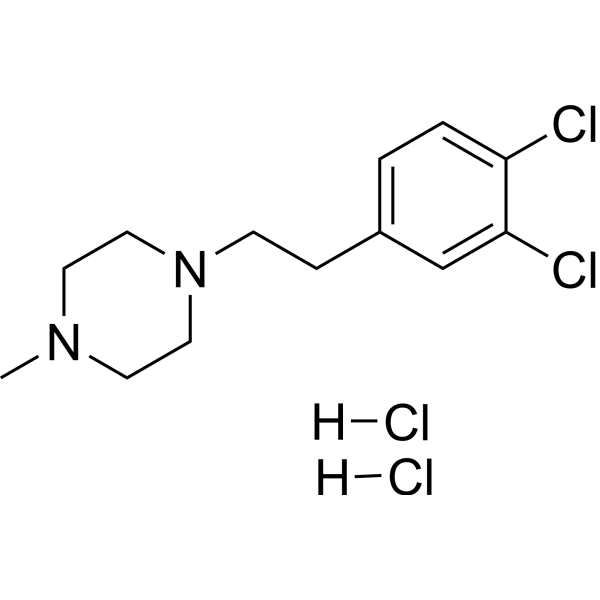
    ST171 is a bitopic 5-HT1AR agonist with an Ki of 0.41  nM. ST171 selectively activates Gi/o signaling pathway and inhibits 5-HT1AR-mediated cAMP accumulation without Gs activation and marginal β-arrestin recruitment. T171 reduces hypersensitivity in chronic neuropathic and inflammatory pain mice model. ST171 can be used for pain research .
    ST171
  • HY-B0464S1

    Isotope-Labeled Compounds PGE synthase NO Synthase Reactive Oxygen Species (ROS) DNA Methyltransferase COX Cancer
    Hydralazine-d5 (hydrochloride) is deuterium-labeled Hydralazine (hydrochloride) (HY-B0464). Hydralazine hydrochloride is an orally active, blood-brain barrier-permeable DNA methyltransferase inhibitor with vasodilatory, arterial smooth muscle relaxant and hypotensive activities. Hydralazine hydrochloride reactivates silenced tumor suppressor genes via mediating DNA demethylation, while exerting neuroprotective and anti-inflammatory properties. Hydralazine hydrochloride inhibits NOS-2 (iNOS) and COX-2, and reduces the production of NO and PGEE2; meanwhile, Hydralazine hydrochloride scavenges reactive oxygen species and inhibits macrophage activation. Hydralazine hydrochloride alleviates motor dysfunction, neuropathic inflammatory pain, and formalin-induced somatic and emotional pain responses. In addition, Hydralazine hydrochloride directly induces DNA strand breaks and sister chromatid exchange, exhibiting certain mutagenic characteristics. Hydralazine hydrochloride has been widely used in studies on hypertension, various cancers (such as cervical cancer, leukemia), spinal cord injury and the mechanisms of inflammatory pain .
    Hydralazine-d5 hydrochloride
  • HY-17509
    Deracoxib
    1 Publications Verification

    SC 046; SC 46; SC 59046

    COX Apoptosis Neurological Disease Inflammation/Immunology Cancer
    Deracoxib (SC 046; SC 59046), an orally active COX-2 inhibitor, is a veterinary nonsteroidal anti-inflammatory agent used exclusively in dogs. Deracoxib inhibits the COX-2 enzyme to reduce the production of prostaglandins, effectively controlling pain and inflammation after canine soft tissue surgery. Deracoxib reduces the inhibition of COX-1 and lowers the risk of gastrointestinal side effects. Deracoxib induces tumor cell cycle arrest and apoptosis, and shows anti-tumor activity in canine osteosarcoma, breast tumors and bladder transitional cell carcinomas .
    Deracoxib
  • HY-116005

    Adenosine Kinase Neurological Disease Inflammation/Immunology
    A-286501 is an orally active and potent carbocyclic nucleoside adenosine kinase inhibitor with an IC50 value of 0.47 nM, which shows analgesic and anti-inflammatory effects. A-286501 reduces nociception in animal models of acute (thermal), inflammatory (formalin and carrageenan) and neuropathic (L5/L6 nerve ligation and streptozotocin-induced diabetic) pain. A-286501 also reduces Carrageenan (HY-125474)-induced paw edema and myeloperoxidase activity in the injured paw. A-286501 is promising for research of analgesic and anti-inflammatory agents .
    A-286501
  • HY-10635

    TRP Channel Inflammation/Immunology Cancer
    ABT-102 is a potent and highly selective Vanilloid Receptor (TRPV1) receptor antagonist. ABT-102 potently and reversibly increases heat pain thresholds and reduced painfulness of suprathreshold oral/cutaneous heat. ABT-102 reduces nociceptive responses of animals in models of inflammatory, bone cancer, postoperative, and osteoarthritic pain .
    ABT-102
  • HY-124277

    TRP Channel Neurological Disease
    ADM 12 is a highly selective transient receptor potential ankyrin 1 (TRPA1) channel antagonist. ADM 12 blocks nitroglycerin (NTG)-induced trigeminal hyperalgesia in animal models, reducing expression of pain-related genes (c-Fos, TRPA1) and neuropeptides (CGRP, SP). ADM_12 is promising for research of migraine and neuropathic pain .
    ADM 12
  • HY-157549

    AYX1

    Nucleoside Antimetabolite/Analog Neurological Disease
    Brivoligide (AYX1) is a double-stranded, unprotected, 23 base-pair oligonucleotide. Brivoligide can reduce acute post-surgical pain. Brivoligide mimics the DNA sequence normally bound by EGR1 on chromosomes .
    Brivoligide
  • HY-120496

    ASP3662

    11β-HSD Neurological Disease Metabolic Disease
    Clofutriben (ASP3662) is a selective, orally active and brain-penetrant 11β-hydroxysteroid dehydrogenase type 1 (11β-HSD1) inhibitor with Ki values of 5.3 nM (human), 2.6 nM (mouse), and 23 nM (rat). Clofutriben inhibits conversion of inactive glucocorticoids to active glucocorticoids, reducing intracellular glucocorticoid exposure. Clofutriben ameliorates neuropathic pain, and restores muscle pressure thresholds in rodent models, while lacking effects in inflammatory pain .
    Clofutriben
  • HY-167862

    Endogenous Metabolite Neurological Disease
    UCM-05194 is a selective LPA1 receptor agonist with activity to improve neuropathic pain. UCM-05194 is a LPA1 agonist that exhibits potent and selective properties in its pharmacologically similar properties. UCM-05194 triggers LPA1-mediated cellular effects and leads to internalization of the receptor, resulting in functional inactivation in primary sensory neurons. UCM-05194 effectively reduces pain perception in in vivo models. UCM-05194 can be used to conduct research on progressive systemic diseases .
    UCM-05194
  • HY-B0464S

    Isotope-Labeled Compounds PGE synthase NO Synthase Reactive Oxygen Species (ROS) DNA Methyltransferase COX Cardiovascular Disease
    Hydralazine-d4 hydrochloride is the deuterium labeled Hydralazine hydrochloride. Hydralazine hydrochloride is an orally active, blood-brain barrier-permeable DNA methyltransferase inhibitor with vasodilatory, arterial smooth muscle relaxant and hypotensive activities. Hydralazine hydrochloride reactivates silenced tumor suppressor genes via mediating DNA demethylation, while exerting neuroprotective and anti-inflammatory properties. Hydralazine hydrochloride inhibits NOS-2 (iNOS) and COX-2, and reduces the production of NO and PGEE2; meanwhile, Hydralazine hydrochloride scavenges reactive oxygen species and inhibits macrophage activation. Hydralazine hydrochloride alleviates motor dysfunction, neuropathic inflammatory pain, and formalin-induced somatic and emotional pain responses. In addition, Hydralazine hydrochloride directly induces DNA strand breaks and sister chromatid exchange, exhibiting certain mutagenic characteristics. Hydralazine hydrochloride has been widely used in studies on hypertension, various cancers (such as cervical cancer, leukemia), spinal cord injury and the mechanisms of inflammatory pain .
    Hydralazine-d4 hydrochloride
  • HY-120484

    Calcium Channel Neurological Disease
    A-1048400 is an orally active and selective calcium channel inhibitor with an IC50 value of 1.4 μM for N-type channels, 1.2 μM for T-type channel. A-1048400 inhibits neurotransmitter release and reduces membrane hyperexcitability, exerting potent analgesic activity. A-1048400 is promising for research of neuropathic pain (e.g., pain induced by spinal nerve ligation and chronic constriction injury) .
    A-1048400

Inquiry Online

Your information is safe with us. * Required Fields.

Salutation


Country or Region *

Applicant Name *


Organization Name *

Department *


Email Address *


Product Name *

Cat. No.


Requested quantity *

Phone Number *


Remarks

Inquiry Online

Inquiry Information

Product Name:
Cat. No.:
Quantity:
MCE Japan Authorized Agent:

