1. Search Result
Search Result
Results for "

reproductive

" in MedChemExpress (MCE) Product Catalog:

214

Inhibitors & Agonists

3

Screening Libraries

4

Fluorescent Dyes

6

Biochemical Assay Reagents

20

Peptides

38

Natural
Products

41

Isotope-Labeled Compounds

1

Antibodies

1

Click Chemistry

2

Oligonucleotides

Cat. No. Product Name Target Research Areas Chemical Structure
  • HY-N6771
    Cyclopiazonic acid
    5+ Cited Publications

    Calcium Channel 5-HT Receptor MDM-2/p53 Apoptosis RSV Infection
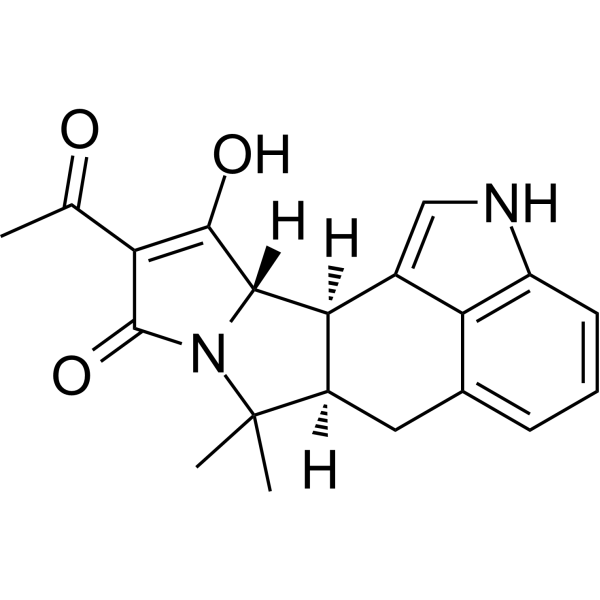
    Cyclopiazonic acid is an endoplasmic reticulum calcium ATPase (ECAs) inhibitor and human respiratory syncytial virus (RSV) inhibitor (EC50 value of 4.13 μ M), which can reduce the antagonistic effect of 5-HT receptors in rat thoracic aorta, induce p53 dependent cell apoptosis and reproductive toxicity in mouse testes, and inhibit the biological activation of aflatoxin B [1][4][5].
    Cyclopiazonic acid
  • HY-B1945
    DEHP
    5+ Cited Publications

    Bis(2-ethylhexyl) phthalate; Ergoplast FDO; ESBO-D 82

    Environmental Pollutants Endogenous Metabolite Metabolic Disease
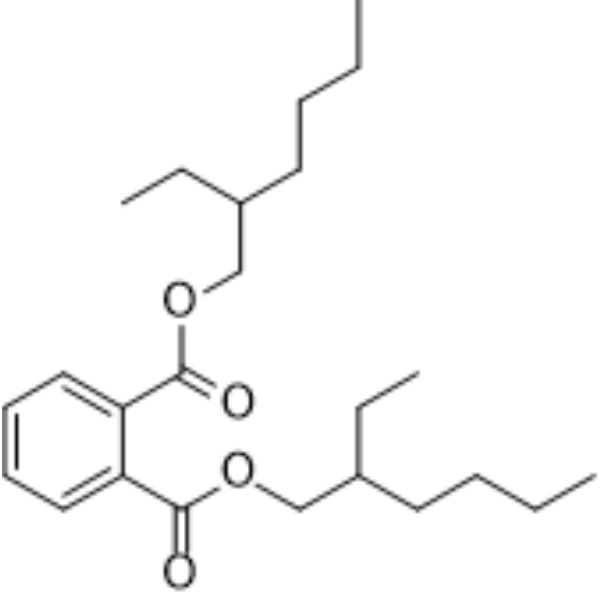
    DEHP (Bis(2-ethylhexyl) phthalate) is a widely used plasticizer, which has orally active. DEHP can produce a wide spectrum of toxic effects on organisms including neurotoxicity, liver toxicity, immunotoxicity, and reproductive toxicity .
    DEHP
  • HY-106591A

    Vinylcyclohexene diepoxide

    Environmental Pollutants Akt Apoptosis mTOR Reactive Oxygen Species (ROS) PI3K Endocrinology
    4-Vinylcyclohexene dioxide (4-Vinylcyclohexene diepoxide) is an orally active metabolite of 4-vinylcyclohexene. 4-Vinylcyclohexene dioxide induces Apoptosis, increases intracellular ROS, and activates the PI3K/Akt/mTOR pathway. 4-Vinylcyclohexene dioxide selectively damages small ovarian follicles, inhibits granulosa cell function, and disrupts the male reproductive system. 4-Vinylcyclohexene dioxide can be used in the study of premature ovarian insufficiency, reproductive toxicity, and related fertility disorders .
    4-Vinylcyclohexene dioxide
  • HY-B1066
    Butylhydroxyanisole
    5 Publications Verification

    Butylated hydroxyanisole; E320

    Environmental Pollutants Reactive Oxygen Species (ROS) Ferroptosis Neurological Disease Inflammation/Immunology
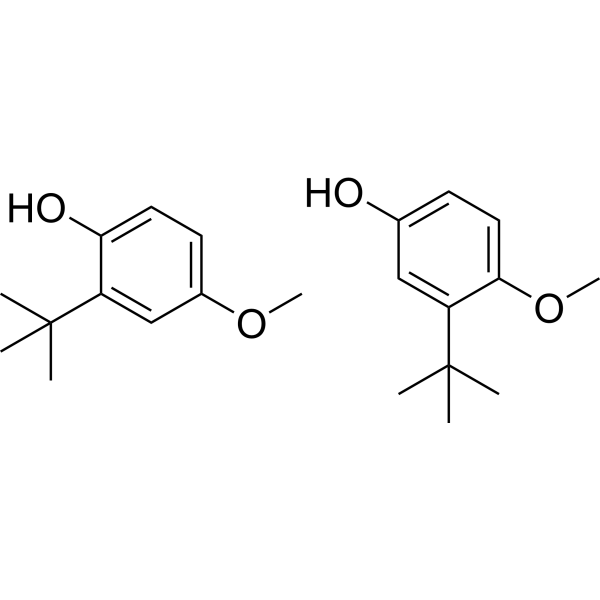
    Butylhydroxyanisole (Butylated hydroxyanisole) is an antioxidant used as a food additive preservative. Butylhydroxyanisole mediates liver toxicity, retardation in reproductive organ development and learning, and sleep deficit. Butylhydroxyanisole exerts neurotoxic effects and leads to disruption of the brain and nerve development . Butylhydroxyanisole is a ferroptosis inducer .
    Butylhydroxyanisole
  • HY-N12634

    PMSG

    Endogenous Metabolite Endocrinology
    Pregnant mare serum gonadotropin (PMSG) is a gonadotropin used to promote follicular development and ovulation in animals. PMSG exerts its regulatory effects by stimulating changes in blood hormones, gonadotropins, and cytoplasmic estradiol receptors in the anterior pituitary and hypothalamus. PMSG is commonly used in livestock to improve reproductive efficiency and can also be utilized for research on estrous cycle regulation .
    Pregnant mare serum gonadotropin
  • HY-133668

    Drug Metabolite Cytochrome P450 PPAR Endocrinology Cancer
    Monoethyl phthalate is an orally active PDX-1 activator and the major hydrolytic metabolite of Diethyl phthalate (HY-Y0284) in vivo, with reproductive toxicity. Monoethyl phthalate targets aromatase (aromatase/CYP19A1) and PPAR to induce cell proliferation. The plasma protein binding rate of Monoethyl phthalate in rats and humans is lower than that of Diethyl phthalate. It exhibits significant enterohepatic circulation in rats and mainly accumulates in liver tissues. Monoethyl phthalate shows no estrogenic activity in estrogen-dependent human breast cancer cells. Monoethyl phthalate can be used in studies of reproductive toxicity and related environmental endocrine disruption mechanisms .
    Monoethyl phthalate
  • HY-W583749
    6:2 Cl-PFAES
    2 Publications Verification

    Biochemical Assay Reagents Endocrinology
    6:2 Cl-PFAES is an orally effective alternative to Perfluorooctane sulfonate. 6:2 Cl-PFAES significantly inhibits the growth of zebrafish and induces reproductive toxicity. 6:2 Cl-PFAES reduces the relative weights of epididymis and testis in male BALB/c mice. 6:2 Cl-PFAES can be used in the chrome plating industry .
    6:2 Cl-PFAES
  • HY-B0823
    Acetamiprid
    2 Publications Verification

    Environmental Pollutants nAChR Neurological Disease
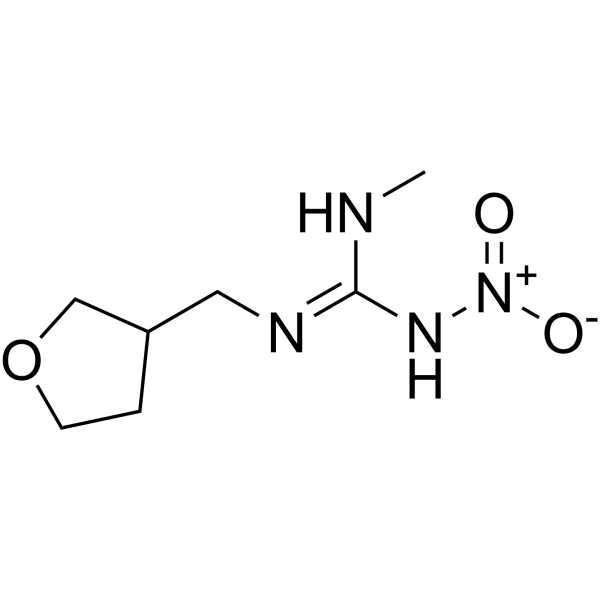
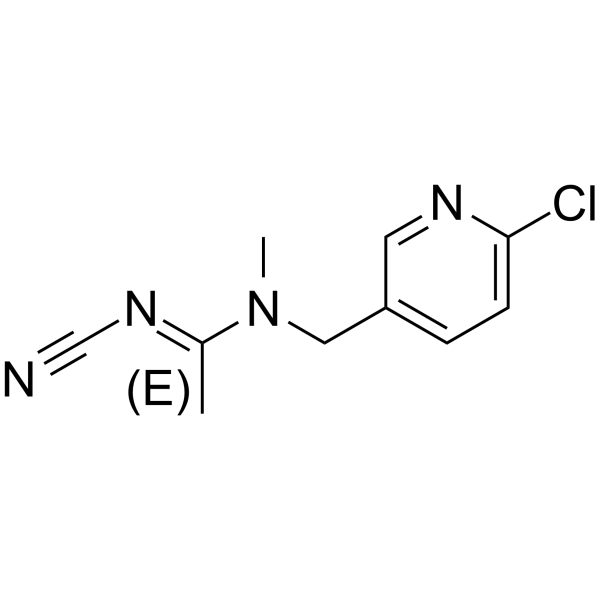
    Acetamiprid is a neonicotinoid insecticide used worldwide. Acetamiprid is a nicotinic acetylcholine receptor (nAChR) agonist, and is shown to be associated with neuromuscular and reproductive disorders .
    Acetamiprid
  • HY-Y1117
    Melamine
    1 Publications Verification

    Environmental Pollutants Drug Metabolite Apoptosis COX NADPH Oxidase NF-κB ROS Kinase TGF-β Receptor Neurological Disease Inflammation/Immunology Cancer
    Melamine is an orally active inducer of Apoptosis. Melamine induces animal disease models. Melamine affects the activity of Sertoli cell and can be used for research on male reproductive function. Melamine also has neurotoxicity and nephrotoxicity. Melamine induces cognitive impairment and acute kidney injury models. Melamine can also be used to induce bladder cancer and urinary stone models .
    Melamine
  • HY-W011848

    2-((Benzyloxy)carbonyl)benzoic acid

    Drug Metabolite Metabolic Disease
    Monobenzyl phthalate is a phthalate metabolite (aromatic alkyl chain monophthalate) with oral activity, which acts as a male reproductive development inhibitor and antiandrogen in rat fetuses .
    Monobenzyl phthalate
  • HY-B1978

    Environmental Pollutants Fungal Reactive Oxygen Species (ROS) Androgen Receptor Infection
    Iprodione is an orally active diformimide fungicide. Iprodione can specifically cause oxidative damage by producing free radicals (ROS). Iprodione is also an antiandrogen agent that delays adolescent development in rats and reduces sexual behavior and reproductive ability in rats .
    Iprodione
  • HY-W013272

    HFT

    Androgen Receptor Drug Metabolite Akt PI3K Gap Junction Protein Integrin Cancer
    Hydroxyflutamide (HFT) is the active metabolite of Flutamide (HY-B0022) and exhibits oral activity. Hydroxyflutamide is a potent androgen receptor antagonist with an IC50 of 700 nM. Hydroxyflutamide can affect embryonic development and reproductive tract development in mice. Additionally, Hydroxyflutamide can enhance the efficacy of Bacillus Calmette-Guérin (BCG) to better inhibit the progression of bladder cancer. Hydroxyflutamide can be used in research related to tumors and reproductive diseases .
    Hydroxyflutamide
  • HY-B0847
    Propiconazole
    2 Publications Verification

    Environmental Pollutants Reactive Oxygen Species (ROS) Fungal Infection
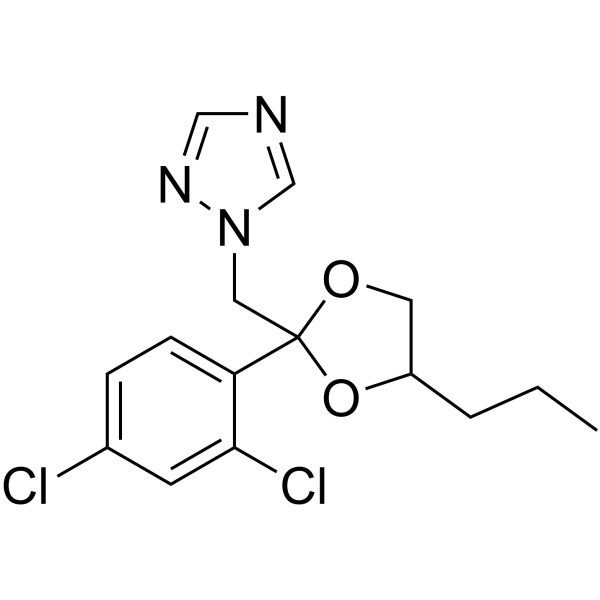
    Propiconazole is an orally active N-substituted triazole used as a fungicide. Propiconazole is a mouse liver hepatotoxicant and a hepatocarcinogen that has adverse reproductive and developmental toxicities in experimental animals .
    Propiconazole
  • HY-B0806
    Proguanil
    3 Publications Verification

    Parasite Antifolate Infection
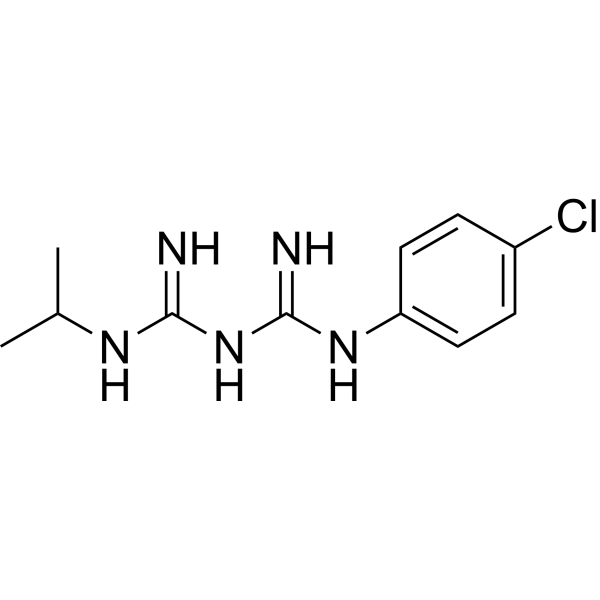
    Proguanil, an antimalarial proagent, is metabolized to the active metabolite Cycloguanil (HY-12784). Proguanil is a dihydrofolate reductase (DHFR) inhibitor .
    Proguanil
  • HY-D0342

    Fluorescent Dye Others
    Disperse Red 1, an azobenzene derivative, is an azo textile dye extensively used for dyeing polyester fabrics in textile industry .
    Disperse Red 1
  • HY-148163
    Polystyrene sulfonic acid (30% in water)
    1 Publications Verification

    Biochemical Assay Reagents Others
    Polystyrene sulfonic acid (30% in water) is a potentially toxic hazardous substance. Polystyrene-derived microplastics (PS-MPs) are harmful to zebrafish hearts and induce male reproductive toxicity in mice. MCE offers Polystyrene products in solution packaging .
    Polystyrene sulfonic acid (30% in water)
  • HY-115584

    Environmental Pollutants Parasite Infection
    Lufenuron is an orally active lipophilic benzoylurea insecticide and a chitin synthesis inhibitor that can used for flea and fish lice control. Lufenuron inhibits moulting of arthropods. Lufenuron induces reproductive toxicity, genotoxic effects and oxidative stresses in pregnant albino rats and their fetuses .
    Lufenuron
  • HY-113735

    Antibiotic Bacterial Infection
    Cephapirin hemibenzathine is an intrauterine-administered, long-acting cephalosporin antibiotic suitable for the anaerobic environment of the postpartum uterus. Cephapirin hemibenzathine effectively improves the recovery of postpartum buffaloes with subclinical endometritis (SCE) and enhances their reproductive performance. Cephapirin hemibenzathine can be used for the study of subclinical endometritis in postpartum buffaloes .
    Cephapirin hemibenzathine
  • HY-76547
    p-Toluic acid
    1 Publications Verification

    4-Methylbenzoic acid

    Endogenous Metabolite Metabolic Disease
    p-Toluic acid (4-Methylbenzoic acid), coumarin, is a substituted benzoic acid. p-Toluic acidis synthetic p-aminomethylbenzoic acid (PAMBA), intermediates such as p-toluonitrile. p-Toluic acidMay have potential reproductive toxicity, press 1g/kgRepeated administration of doses can produce a variety of adverse effects on the epididymis .
    p-Toluic acid
  • HY-21197

    Perfluoroheptanoic acid; Tridecafluoroheptanoic acid; PFHpA

    PPAR Neurological Disease Metabolic Disease Inflammation/Immunology
    Perfluoroenanthic acid (Perfluoroheptanoic acid) is a kind of perfluoroalkyl carboxylic acid organic pollutant. Perfluoroenanthic acid has environmental persistence and bioaccumulation, and exposure can occur via oral, dermal and other routes. Perfluoroenanthic acid exhibits reproductive toxicity, neurotoxicity, hepatotoxicity, immunotoxicity and endocrine-disrupting effects. Perfluoroenanthic acid exerts definite adverse effects on development, spermatogenesis, neuronal activity and liver tissue .
    Perfluoroenanthic acid
  • HY-14959

    CDB-3236; Deacetyl CDB-2914

    Progesterone Receptor Endocrinology Cancer
    Ulipristal (CDB 3236) is a selective progesterone receptor modulator (SPRM). Ulipristal binds to the progesteron receptor, thereby inhibiting PR-mediated gene expression, and interfering with progesterone activity in the reproductive system .
    Ulipristal
  • HY-B2042

    Environmental Pollutants Herbicide Others
    Butachlor is defined as a commonly used acetanilide herbicide that exhibits varying levels of chronic toxicity to microalgae and acute toxicity to aquatic organisms. Butachlor butachlor adversely affected the normal reproductive success of zebrafish .
    Butachlor
  • HY-B0806A
    Proguanil hydrochloride
    3 Publications Verification

    Parasite Antifolate Infection
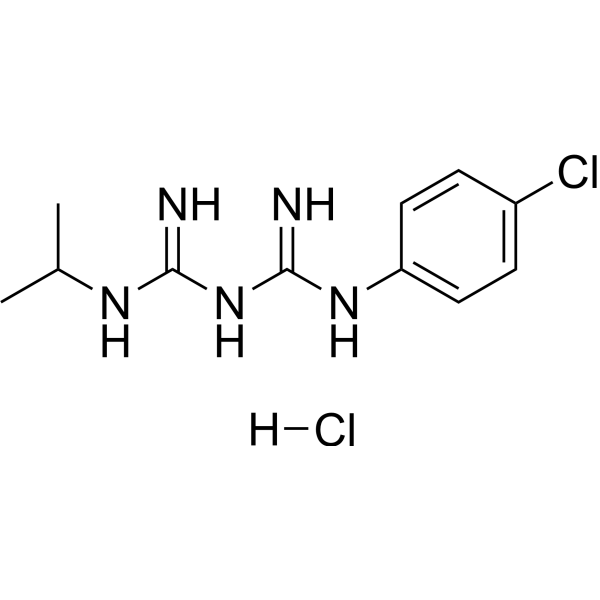
    Proguanil hydrochloride, an antimalarial proagent, is metabolized to the active metabolite Cycloguanil (HY-12784). Proguanil hydrochloride is a dihydrofolate reductase (DHFR) inhibitor .
    Proguanil hydrochloride
  • HY-127170

    Lipoxygenase Tyrosinase Metabolic Disease Inflammation/Immunology
    3-Hydroxycoumarin is an inhibitor of tyrosinase and lipoxygenase with an IC50 for recombinant human tyrosinase (rHT) of 26 μM, and a Ki of 3.39 μM; its IC50 for LOX is 9.5 μM. 3-Hydroxycoumarin has DPPH free radical scavenging activity (IC50 = 31.2 μM). 3-Hydroxycoumarin has photoprotective effects on sea urchin zygotes and embryos .
    3-Hydroxycoumarin
  • HY-N1581

    Nigakilactone D

    Parasite Infection Endocrinology
    Quassin (Nigakilactone D) is a bioactive triterpenoid from stem bark extract of Quassia amara. Quassin inhibits P. falciparum with an IC50 of 0.15 μM. Quassin possesses reversible antifertility, anti-estrogenic and anti-plasmodial activity .
    Quassin
  • HY-147089

    Bacterial Endogenous Metabolite Infection Inflammation/Immunology
    PRRSV/CD163-IN-1 is a PRRSV/CD163 inhibitor. PRRSV/CD163-IN-1 can inhibit the interaction between the PRRSV glycoprotein (GP2a or GP4) and the CD163-SRCR5 domain. PRRSV/CD163-IN-1 can be used for the research of porcine reproductive and respiratory syndrome (PRRS) .
    PRRSV/CD163-IN-1
  • HY-P0243

    Salmon GnRH; Salmon gonadotropin-releasing hormone; sGnRH

    GnRH Receptor Metabolic Disease
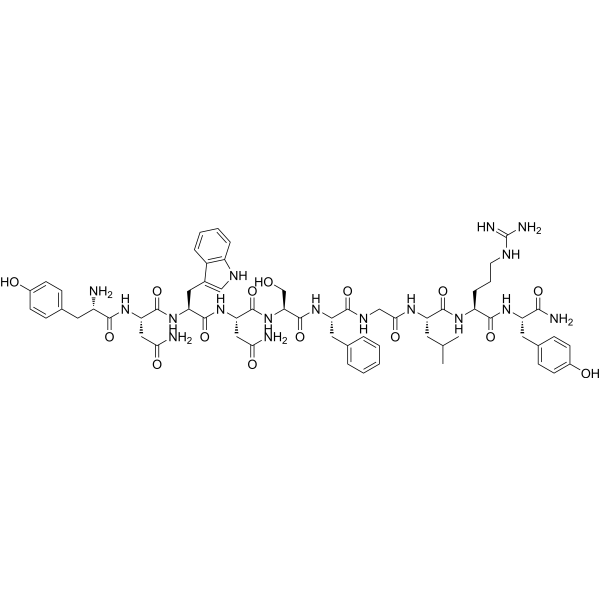
    Luteinizing Hormone Releasing Hormone (LH-RH), salmon (Salmon GnRH) is the hypophysiotropic decapeptide synthesized in the hypothalamus that plays a crucial role in the control of reproductive functions.
    Luteinizing Hormone Releasing Hormone (LH-RH), salmon
  • HY-N6710

    Estrogen Receptor/ERR Inflammation/Immunology
    α-Zearalenol is a Mycotoxin with high affinity for the estrogen receptors (ER), α-Zearalenol is the derivative of zearalenone (ZEN), causes reproductive disorders in animals, due to its xenoestrogenic effects .
    α-Zearalenol
  • HY-B1012

    W-3566

    Estrogen Receptor/ERR Cytochrome P450 GnRH Receptor Metabolic Disease Endocrinology
    Quinestrol (W-3566) is an orally effective synthetic estrogen compound that acts on CYP3A4, CYP1A2, and GnRH. Quinestrol interferes with GnRH release and disrupts the hypothalamic-pituitary-ovarian axis. Quinestrol downregulates the gene expression of follicle-stimulating hormone β and luteinizing hormone β, induces oxidative stress, damages reproductive organs, reduces sperm density and motility, increases sperm malformation rate, and alters the levels of sex hormones such as testosterone, luteinizing hormone, estradiol, and progesterone. Quinestrol can be used in studies related to reproductive function regulation .
    Quinestrol
  • HY-P2315

    HβD-1

    Antibiotic Bacterial Infection
    Human β-defensin-1 (HβD-1) is a cysteine-rich cationic skin-antimicrobial peptide (SAP) produced by all epithelial surfaces, but also by circulatory cells and cells of the reproductive tract. Human β-defensin-1 has antimicrobial activities against a broad-sperm bacteria .
    Human β-defensin-1
  • HY-W013058

    DBDPE; 1,2-Bis(perbromophenyl)ethane

    Biochemical Assay Reagents Neurological Disease Metabolic Disease
    Decabromodiphenyl ethane (DBDPE; 1,2-Bis(perbromophenyl)ethane) is a brominated flame retardant. Decabromodiphenyl ethane can exhibit neurotoxicity, thyroid toxicity, reproductive developmental toxicity, hepatotoxicity, and oxidative stress in living organisms .
    Decabromodiphenyl ethane
  • HY-P10489

    Kisspeptin Receptor Cancer
    Kisspeptin-14 human is a peptide hormone encoded by the KiSS-1 gene. Kisspeptin-14 human, along with several other similar peptide hormones, is produced from a common precursor protein by cleavage by different proteases. Kisspeptin-14 human is an endogenous ligand of KISS1R. Kisspeptin-14 human has the same receptor binding efficiency and potency as full-length kisspeptin. Kisspeptin-14 human binds to its receptor GPR54 and is able to activate this G protein-coupled receptor and activate multiple intracellular signaling pathways. Kisspeptin-14 human can be used to study reproductive development and tumor metastasis .
    Kisspeptin-14 human
  • HY-B2015

    Environmental Pollutants Insecticide Parasite Cholinesterase (ChE) Infection
    Carbosulfan is an orally active AChE inhibitor that hydrolyzes to Carbofuran in organisms to exert insecticidal effects. Carbosulfan exhibits broad-spectrum insecticidal activity, and it also induces severe oxidative stress by enhancing lipid peroxidation and impairing the antioxidant defense system. Carbosulfan causes reproductive toxicity in male rats and developmental disorders in their offspring. Carbosulfan shows persistence in paddy field environments and potential hazards to non-target organisms, and it is commonly used in studies related to reproductive toxicity and environmental risk assessment .
    Carbosulfan
  • HY-W011787

    N,N′-Diphenyl-p-phenylenediamine

    Reactive Oxygen Species (ROS) Metabolic Disease
    DPPD (N,N′-Diphenyl-p-phenylenediamine) is an orally active polymerization inhibitor and antioxidant with antioxidative activity. DPPD causes reproductive/developmental toxicity in rats. DPPD is widely used in rubber, oils, and feedstuffs, especially for tires in the rubber industry .
    DPPD
  • HY-B1945R
    DEHP (Standard)
    1 Publications Verification

    Bis(2-ethylhexyl) phthalate (Standard); Ergoplast FDO (Standard); ESBO-D 82 (Standard)

    Reference Standards Endogenous Metabolite Metabolic Disease
    DEHP (Standard) is the analytical standard of DEHP. This product is intended for research and analytical applications. DEHP (Bis(2-ethylhexyl) phthalate) is a widely used plasticizer, which has orally active. DEHP can produce a wide spectrum of toxic effects on organisms including neurotoxicity, liver toxicity, immunotoxicity, and reproductive toxicity .
    DEHP (Standard)
  • HY-W042337

    Environmental Pollutants Apoptosis Others
    3-Methyl-4-nitrophenol, an environmental contaminant, is a well-known constituent of diesel exhaust particles and degradation products of insecticide fenitrothion. 3-Methyl-4-nitrophenol can induce nasal epithelial cell apoptosis and increase the permeability of the nasal epithelial barrier. 3-Methyl-4-nitrophenol is also toxic to the female reproductive system.
    3-Methyl-4-nitrophenol
  • HY-114558

    Benzofuroline; Isathrine; Resmethrin(mixture of isomers)

    Environmental Pollutants Insecticide Others
    Resmethrin (Benzofuroline) is a reproductively toxic compound that inhibits spermatogenesis and induces apoptosis of germ cells in mouse testis culture in vitro, but has no significant toxicity to supporting cells and interstitial cells.
    Resmethrin
  • HY-P10419

    Kisspeptin Receptor GnRH Receptor Endocrinology
    Zebrafish Kisspeptin-1 is the core sequence of the neuropeptide kisspeptin-1, which participate in the regulation of gonadotropin-releasing hormone (GnRH) release, and regulates the reproductive system .
    Zebrafish Kisspeptin-1
  • HY-P1197
    Kisspeptin-10 (mouse, rat)
    2 Publications Verification

    Kisspeptin Receptor Cardiovascular Disease Inflammation/Immunology
    Kisspeptin-10 (mouse, rat) is a potent vasoconstrictor and inhibitor of angiogenesis. Kisspeptin-10 (mouse, rat) is a ligand for the rodent kisspeptin receptor (KISS1, GPR54). Kisspeptin-10 reduces Methotrexate-induced reproductive toxicity as a potential antioxidant compound .
    Kisspeptin-10 (mouse, rat)
  • HY-W687022A

    Polyvinyl chloride

    Environmental Pollutants Biochemical Assay Reagents Endocrinology
    Chloroethene polymer (Polyvinyl chloride) is an orally active vinyl chloride polymer. Chloroethene polymer is cytotoxic, reproductively toxic, and an endocrine disruptor. Chloroethene polymer can be used in the research of packaging inner surfaces, food wrapping paper, agricultural crop coverings, and plastic bottles .
    Chloroethene (polymer)
  • HY-N6740S

    Isotope-Labeled Compounds Apoptosis Metabolic Disease
    β-Zearalanol-d4 is a deuterium labeled Beta-Zearalanol (HY-N6740) . Beta-Zearalenol is an mycotoxin produced by Fusarium spp, which causes apoptosis and oxidative stress in mammalian reproductive cells . Beta-Zearalenol is the derivative of zearalenone (ZEA) which can conjugate with glucuronic acid .
    β-Zearalanol-d4
  • HY-N6740

    Apoptosis Metabolic Disease
    Beta-Zearalenol is an mycotoxin produced by Fusarium spp, which causes apoptosis and oxidative stress in mammalian reproductive cells . Beta-Zearalenol is the derivative of zearalenone (ZEA) which can conjugate with glucuronic acid .
    Beta-Zearalanol
  • HY-B0847R

    Reference Standards Fungal Reactive Oxygen Species (ROS) Infection
    Propiconazole (Standard) is the analytical standard of Propiconazole. This product is intended for research and analytical applications. Propiconazole is an orally active N-substituted triazole used as a fungicide. Propiconazole is a mouse liver hepatotoxicant and a hepatocarcinogen that has adverse reproductive and developmental toxicities in experimental animals .
    Propiconazole (Standard)
  • HY-P3069

    Neurokinin Receptor Neurological Disease Endocrinology
    γ-Neuropeptide (rabbit) can be isolated from rabbit intestine. γ-Neuropeptide is an endogenous neurokinin peptide that acts as a neurokinin 2 (NK2) receptor agonist. γ-Neuropeptide mediates hypothalamic-pituitary-adrenal (HPA) axis, as well as reproductive hormone release .
    γ-Neuropeptide (rabbit)
  • HY-P1197A
    Kisspeptin-10 (mouse, rat) TFA
    2 Publications Verification

    Kisspeptin Receptor Cardiovascular Disease Inflammation/Immunology
    Kisspeptin-10 (mouse, rat) TFA is a potent vasoconstrictor and inhibitor of angiogenesis. Kisspeptin-10 (mouse, rat) TFA is a ligand for the rodent kisspeptin receptor (KISS1, GPR54). Kisspeptin-10 (mouse, rat) TFA reduces Methotrexate-induced reproductive toxicity as a potential antioxidant compound .
    Kisspeptin-10 (mouse, rat) TFA
  • HY-B1066R

    Butylated hydroxyanisole (Standard); E320 (Standard)

    Reference Standards Reactive Oxygen Species (ROS) Ferroptosis Neurological Disease Inflammation/Immunology
    Butylhydroxyanisole (Standard) is the analytical standard of Butylhydroxyanisole. This product is intended for research and analytical applications. Butylhydroxyanisole (Butylated hydroxyanisole) is an antioxidant used as a food additive preservative. Butylhydroxyanisole mediates liver toxicity, retardation in reproductive organ development and learning, and sleep deficit. Butylhydroxyanisole exerts neurotoxic effects and leads to disruption of the brain and nerve development . Butylhydroxyanisole is a ferroptosis inducer .
    Butylhydroxyanisole (Standard)
  • HY-W753602

    Isotope-Labeled Compounds Neurological Disease
    Acetamiprid-N-desmethyl- 13C,d3 is the 13C and deuterium labeled isotope of Acetamiprid-N-desmethyl( 13C,d3)(HY-B0823).Acetamiprid is a nAChR agonist that has been implicated in neuromuscular and reproductive disorders.
    Acetamiprid-N-desmethyl-13C,d3
  • HY-127170R

    Lipoxygenase Reference Standards Others
    3-Hydroxycoumarin (Standard) is the analytical standard of 3-Hydroxycoumarin. This product is intended for research and analytical applications. 3-hydroxycoumarin is a potent and redox inhibitor of human 15-LOX-1. 3-hydroxycoumarin is recently demonstrated to protect sea urchin reproductive cells against ultraviolet B damage .
    3-Hydroxycoumarin (Standard)
  • HY-B1866R

    Reference Standards Androgen Receptor Endocrinology
    Linuron (Standard) is the analytical standard of Linuron. This product is intended for research and analytical applications. Linuron is a phenylurea herbicide that is widely used to control the growth of grass and weeds in various agriculture crops and in orchards. Linuron is a photosystem II inhibitor. Linuron is also a competitive androgen receptor (AR) antagonist with a Ki of 100 μM. Linuron shows reproductive toxicity in animals that acts as an endocrine disruptor .
    Linuron (Standard)
  • HY-B1978R

    Reference Standards Fungal Reactive Oxygen Species (ROS) Androgen Receptor Infection
    Iprodione (Standard) is the analytical standard of Iprodione. This product is intended for research and analytical applications. Iprodione is an orally active diformimide fungicide. Iprodione can specifically cause oxidative damage by producing free radicals (ROS). Iprodione is also an antiandrogen agent that delays adolescent development in rats and reduces sexual behavior and reproductive ability in rats .
    Iprodione (Standard)

Inquiry Online

Your information is safe with us. * Required Fields.

Salutation


Country or Region *

Applicant Name *


Organization Name *

Department *


Email Address *


Product Name *

Cat. No.


Requested quantity *

Phone Number *


Remarks

Inquiry Online

Inquiry Information

Product Name:
Cat. No.:
Quantity:
MCE Japan Authorized Agent:

