1. Search Result
Search Result
Results for "

ribosomal subunit

" in MedChemExpress (MCE) Product Catalog:

85

Inhibitors & Agonists

1

Biochemical Assay Reagents

4

Peptides

1

Inhibitory Antibodies

19

Natural
Products

2

Recombinant Proteins

8

Isotope-Labeled Compounds

2

Antibodies

1

Oligonucleotides

Cat. No. Product Name Target Research Areas Chemical Structure
  • HY-B0470
    Neomycin sulfate
    Maximum Cited Publications
    68 Publications Verification

    Environmental Pollutants Antibiotic Phospholipase Bacterial Infection Metabolic Disease Cancer
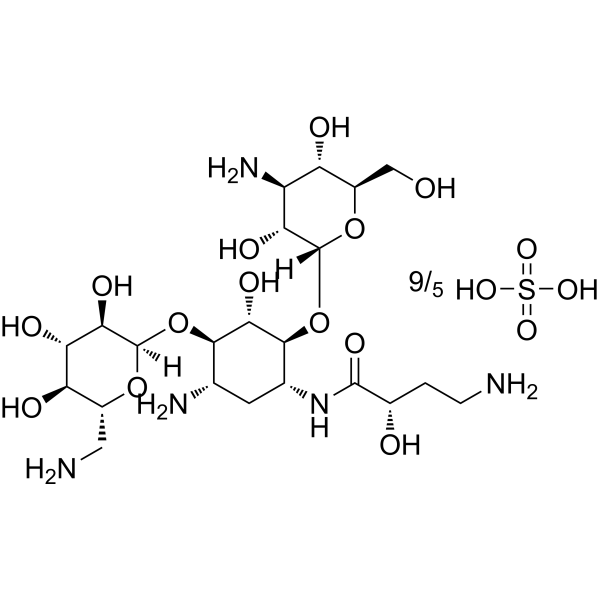
    Neomycin sulfate, an aminoglycoside antibiotic, exerts antibacterial activity through irreversible binding of the nuclear 30S ribosomal subunit, thereby blocking bacterial protein synthesis. Neomycin sulfate is a known phospholipase C (PLC) inhibitor. Neomycin sulfate potently inhibits both the nuclear translocation of angiogenin and angiogenin-induced cell proliferation and angiogenesis. Neomycin sulfate inhibits IP3-mediated Ca 2+ release, MgATP-dependent Ca 2+ uptake, and electrical excitation-evoked skeletal muscle Ca 2+ transients. Neomycin sulfate depletes gut microbiota in specific mouse models, causes hearing impairment, and kidney damage with prolonged exposure. Neomycin sulfate can be used for the research of cancer .
    Neomycin sulfate
  • HY-16566A
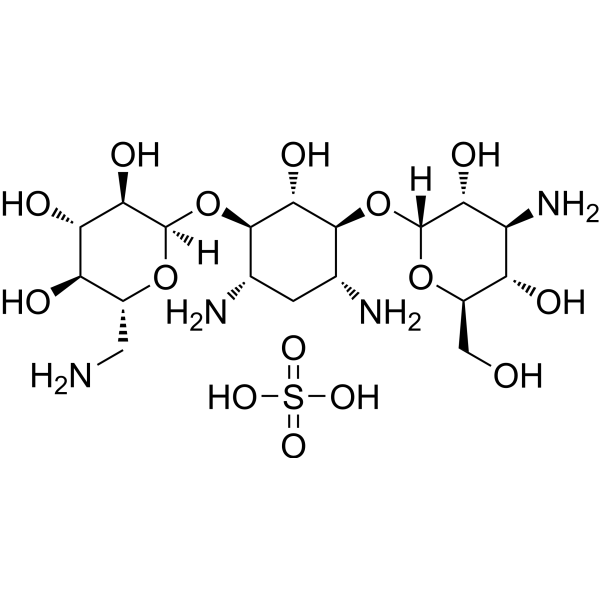
    Kanamycin sulfate
    25+ Cited Publications

    Kanamycin A sulfate

    Bacterial Antibiotic Infection
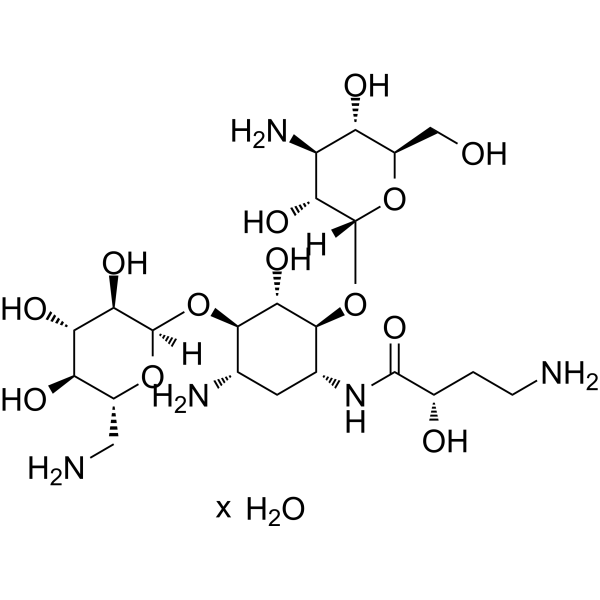
    Kanamycin (Kanamycin A) sulfate is an orally active antibacterial (gram-negative/positive bacteria) agent, inhibits translocation and causes misencoding by binding to the 70 S ribosomal subunit. Kanamycin sulfate shows good inhibitory activity to both M. tuberculosis (sensitive and drug-resistant ) and K. pneumonia, which can be used in studies of tuberculosis and pneumonia .
    Kanamycin sulfate
  • HY-B0220
    Erythromycin
    20+ Cited Publications

    Bacterial Antibiotic DNA/RNA Synthesis Infection Cancer
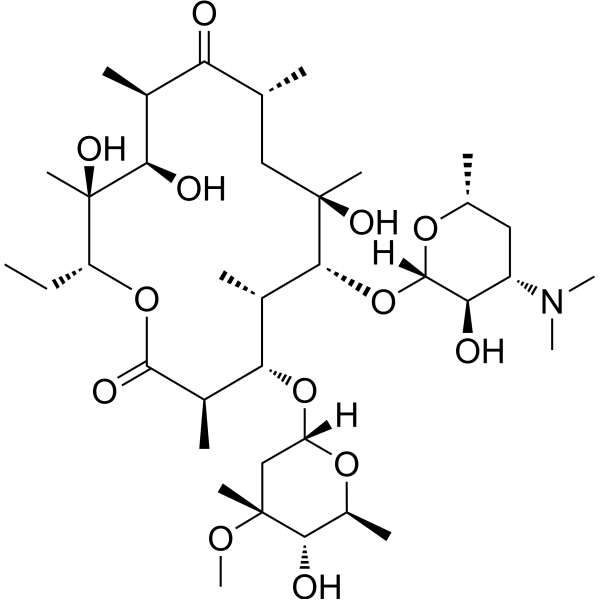
    Erythromycin is a macrolide antibiotic produced by actinomycete?Streptomyces erythreus?with a broad spectrum of antimicrobial activity. Erythromycin binds to bacterial 50S ribosomal subunits and inhibits?RNA-dependent protein synthesis?by blockage of transpeptidation and/or translocation reactions, without affecting synthesis of nucleic acid [1][2]. Erythromycin also exhibits antitumor and neuroprotective effect in different fields of research [3][4].
    Erythromycin
  • HY-16566
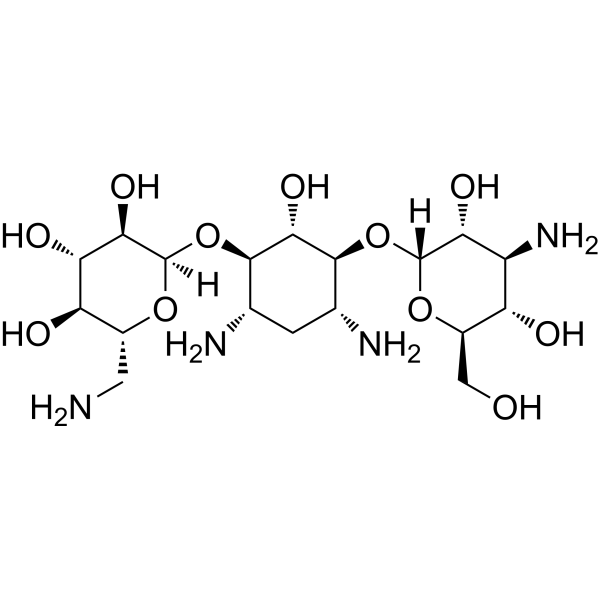
    Kanamycin
    25+ Cited Publications

    Kanamycin A

    Antibiotic Bacterial Infection Inflammation/Immunology
    Kanamycin (Kanamycin A) is an orally active antibacterial (gram-negative/positive bacteria) agent, inhibits translocation and causes misencoding by binding to the 70 S ribosomal subunit. Kanamycin shows good inhibitory activity to both M. tuberculosis (sensitive and drug-resistant ) and K. pneumonia, which can be used in studies of tuberculosis and pneumonia .
    Kanamycin
  • HY-B1455
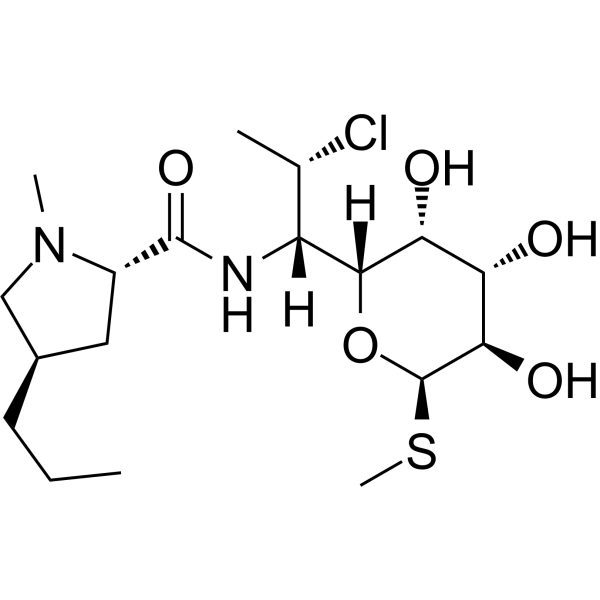
    Clindamycin
    10+ Cited Publications

    Bacterial Antibiotic Parasite Infection Cancer
    Clindamycin is an orally active and broad-spectrum bacteriostatic lincosamide antibiotic. Clindamycin can inhibit bacterial protein synthesis, possessing the ability to suppress the expression of virulence factors in Staphylococcus aureus at sub-inhibitory concentrations (sub-MICs). Clindamycin resistance results from enzymatic methylation of the antibiotic binding site in the 50S ribosomal subunit (23S rRNA). Clindamycin decreases the production of Panton-Valentine leucocidin (PVL), toxic-shock-staphylococcal toxin (TSST-1) or alpha-haemolysin (Hla). Clindamycin also can be used for researching malaria .
    Clindamycin
  • HY-B0479

    Thiophenicol; Dextrosulphenidol

    Beta-lactamase Bacterial Antibiotic Infection
    Thiamphenicol (Thiophenicol), a methyl-sulfonyl derivative of Chloramphenicol, is a broad-spectrum antimicrobial antibiotic. Thiamphenicol acts by binding to the 50S ribosomal subunit, leading to inhibition of protein synthesis and bacteriostatic effect (against Gram-negative, Gram-positive aerobic and anaerobic bacteria) .
    Thiamphenicol
  • HY-14855
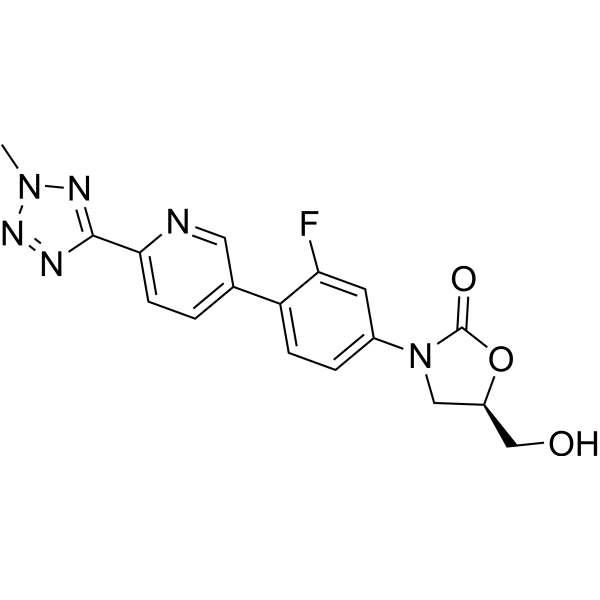
    Tedizolid
    15+ Cited Publications

    TR 700; Torezolid; DA-7157

    Bacterial Antibiotic Infection
    Tedizolid (TR 700; Torezolid; DA-7157) is a novel oxazolidinone, acting through inhibition of bacterial protein synthesis by binding to 23S ribosomal RNA (rRNA) of the 50S subunit of the ribosome.
    Tedizolid
  • HY-B0509B
    Amikacin disulfate
    25+ Cited Publications

    BAY 41-6551 disulfate

    Bacterial Antibiotic Infection Cancer
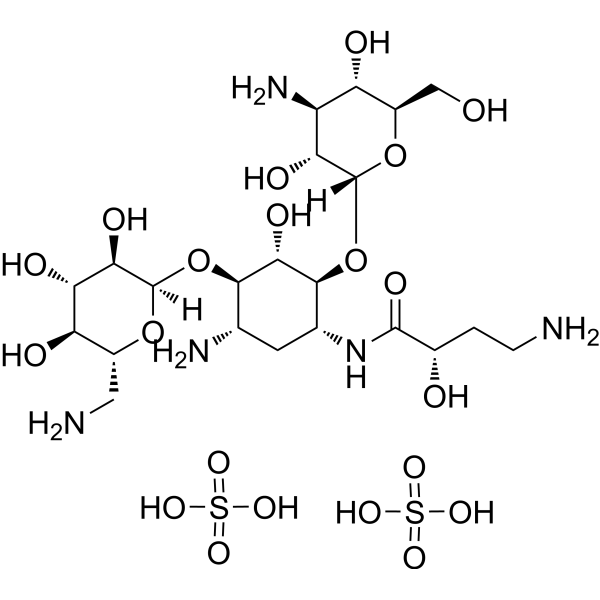
    Amikacin disulfate (BAY 41-6551 dissulfate) is an aminoglycoside antibiotic and a semisynthetic analog of kanamycin. Amikacin disulfate is bactericidal, acting directly on the 30S and 50S bacerial ribosomal subunits to inhibit protein synthesis. Amikacin disulfate is very active against most Gram-negative bacteria including gentamicin- and tobramycin-resistant strains. Amikacin disulfate also inhibits the infections caused by susceptible Nocardia and nontuberculous mycobacteria .
    Amikacin disulfate
  • HY-17466

    Bonomycin; 6-Demethyl-6-deoxytetracycline

    Bacterial Antibiotic Metabolic Disease Inflammation/Immunology
    Sancycline (6-Demethyl-6-deoxytetracycline) acts by reversibly binding to the 30 S ribosomal subunit and inhibiting protein translation by blocking entry of aminoacyl-tRNA into the ribosome a site similar to tetracycline (HY-A0107). Sancycline, four linearly fused six-membered rings with four stereocenters, is a rare semi-synthetic tetracycline (HY-A0107) prepared by hydrogenolysis of the chloro and benzylic hydroxy moieties of Declomycin .
    Sancycline
  • HY-A0162
    Quinupristin
    1 Publications Verification

    Bacterial Infection
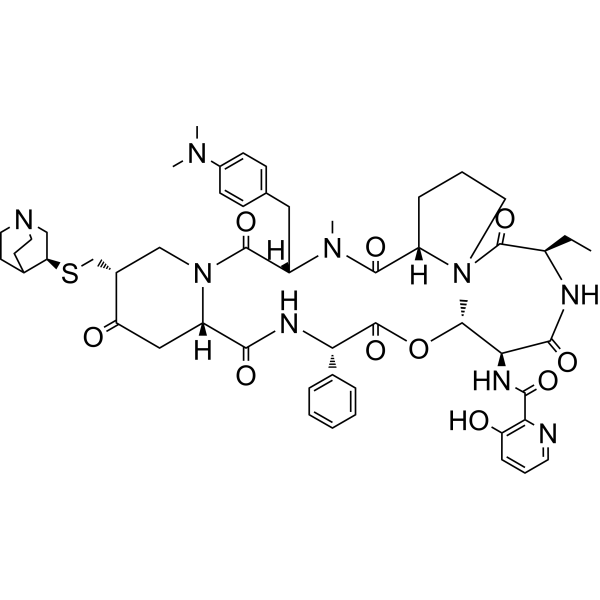
    Quinupristin is a streptogramin antibiotic. Quinupristin blocks peptide bond synthesis to prevent the extension of polypeptide chains and promote the detachment of incomplete protein chains in the bacterial ribosomal subunits .
    Quinupristin
  • HY-17560
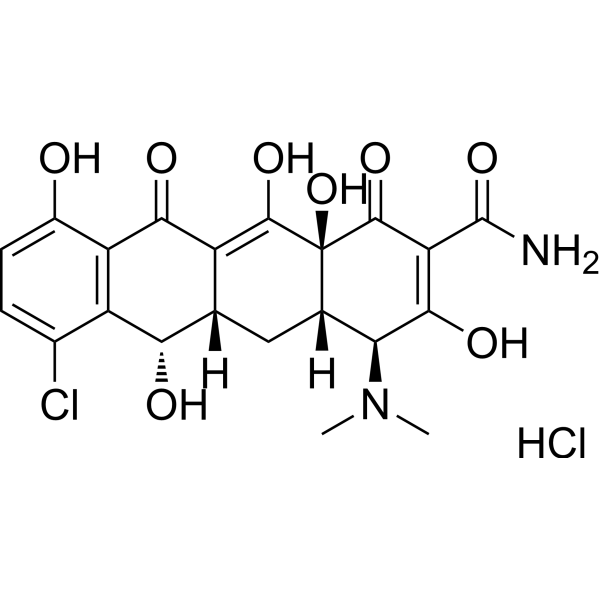
    Demeclocycline hydrochloride
    5 Publications Verification

    Antibiotic Bacterial Infection Inflammation/Immunology Cancer
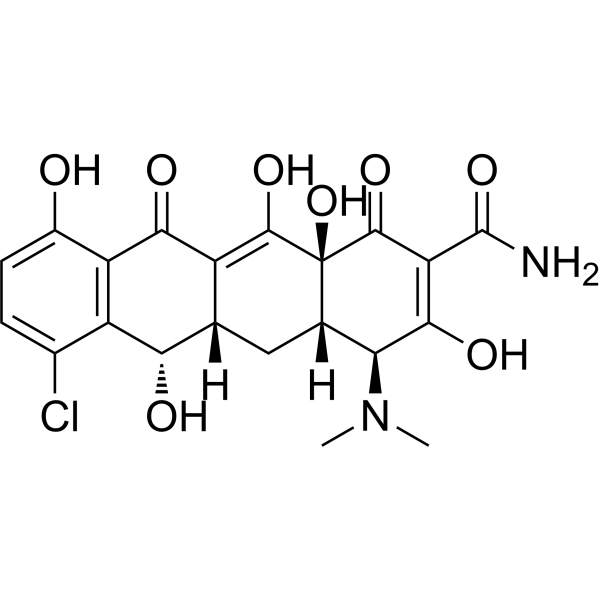
    Demeclocycline hydrochloride is an orally active tetracycline antibiotic that inhibits the binding of aminoacyl tRNA by binding to the 30S ribosomal subunit, thereby affecting protein synthesis. Demeclocycline hydrochloride exhibits antibacterial activity against a broad spectrum of bacterial infections .
    Demeclocycline hydrochloride
  • HY-B1228
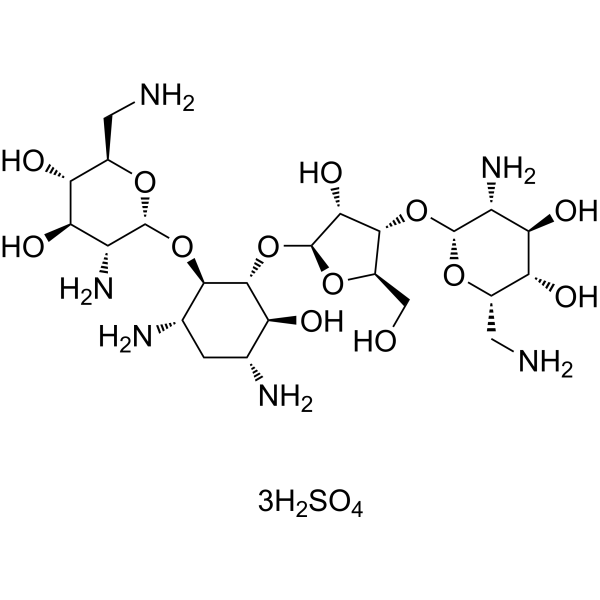
    Ribostamycin sulfate
    1 Publications Verification

    Vistamycin sulfate

    Bacterial Antibiotic PDI Infection
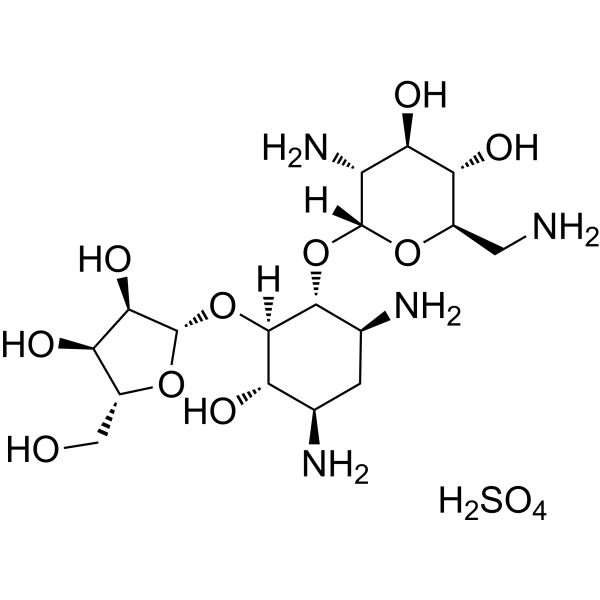
    Ribostamycin sulfate (Vistamycin sulfate) is a broad-spectrum antimicrobial, inhibits bacterial protein synthesis at the level of 30S and 50S ribosomal subunit binding, also inhibits the chaperone activity of protein disulfide isomerase (PDI), used in pharmacokinetic and nephrotoxicity studies
    Ribostamycin sulfate
  • HY-B0220A
    Erythromycin lactobionate
    20+ Cited Publications

    Antibiotic Bacterial DNA/RNA Synthesis Infection Cancer
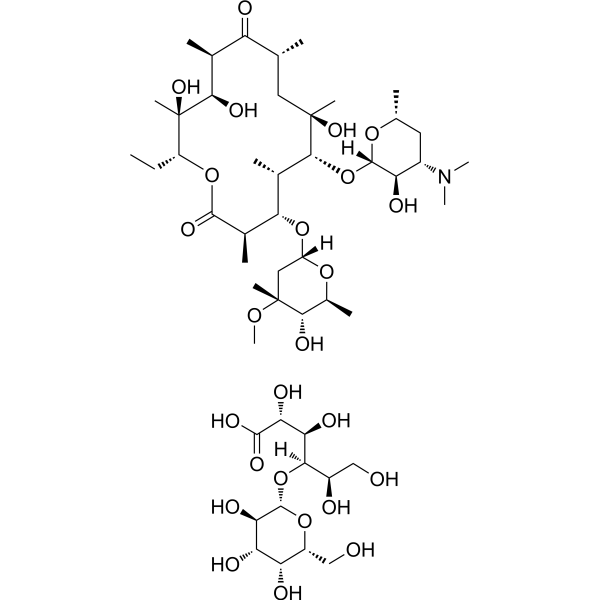
    Erythromycin lactobionate is a macrolide antibiotic produced by actinomycete Streptomyces erythreus with a broad spectrum of antimicrobial activity. Erythromycin lactobionate binds to bacterial 50S ribosomal subunits and inhibits RNA-dependent protein synthesis by blockage of transpeptidation and/or translocation reactions, without affecting synthesis of nucleic acid [1][2]. Erythromycin lactobionate also exhibits antitumor and neuroprotective effect in different fields of research [3][4].
    Erythromycin lactobionate
  • HY-B0220D
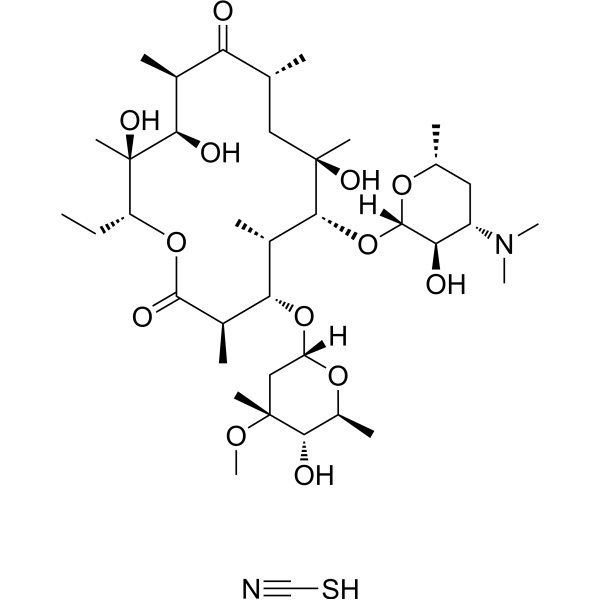
    Erythromycin thiocyanate
    20+ Cited Publications

    Bacterial Antibiotic DNA/RNA Synthesis Infection Cancer
    Erythromycin thiocyanate is a macrolide antibiotic produced by actinomycete Streptomyces erythreus with a broad spectrum of antimicrobial activity. Erythromycin thiocyanate binds to bacterial 50S ribosomal subunits and inhibits RNA-dependent protein synthesis by blockage of transpeptidation and/or translocation reactions, without affecting synthesis of nucleic acid [1][2]. Erythromycin thiocyanate also exhibits antitumor and neuroprotective effect in different fields of research [3][4].
    Erythromycin thiocyanate
  • HY-107813
    Amikacin sulfate
    25+ Cited Publications

    BAY 41-6551 sulfate

    Bacterial Antibiotic Infection Cancer
    Amikacin sulfate (BAY 41-6551 sulfate) is an aminoglycoside antibiotic and a semisynthetic analog of kanamycin. Amikacin sulfate is bactericidal, acting directly on the 30S and 50S bacerial ribosomal subunits to inhibit protein synthesis. Amikacin sulfate is very active against most Gram-negative bacteria including gentamicin- and tobramycin-resistant strains. Amikacin sulfate also inhibits the infections caused by susceptible Nocardia and nontuberculous mycobacteria .
    Amikacin sulfate
  • HY-14865
    Omadacycline
    30+ Cited Publications

    PTK 0796; Amadacycline

    Bacterial Antibiotic Infection
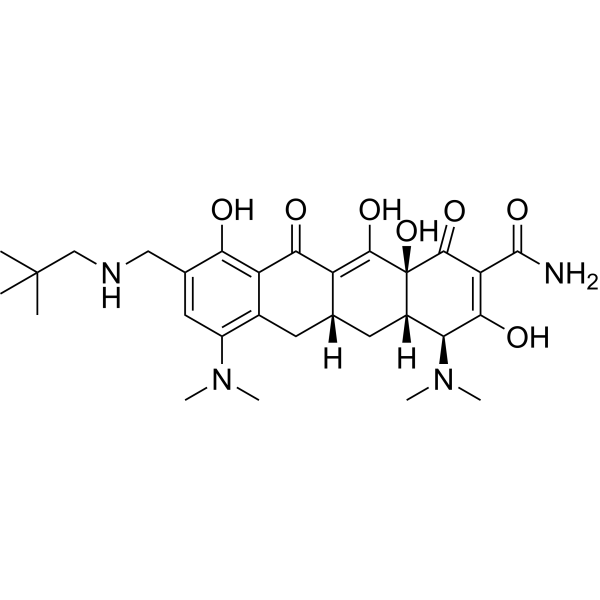
    Omadacycline (PTK 0796), a first-in-class orally active aminomethylcycline antibacterial, is a member of the tetracycline class of antibiotics. Omadacycline acts through the inhibition of bacterial protein synthesis by binding to the 30S ribosomal subunit. Omadacycline possesses broad-spectrum antibacterial activity against aerobic and anaerobic Gram-positive and Gram-negative bacteria, as well as atypical bacteria. Omadacycline can be used for the research of acute bacterial skin and skin-structure infections, community-acquired pneumonia, and urinary tract infections .
    Omadacycline
  • HY-E70529

    DNA/RNA Synthesis Bacterial Infection
    Ribonucleoside vanadyl complexes are a class of potent RNase and Taq polymerase inhibitors. Ribonucleoside vanadyl complexes protect RNA during RNA isolation by inhibiting ribonucleases, and also reduce the viability of bacteria and eukaryotic cells by interfering with ribosomal subunit assembly. Ribonucleoside vanadyl complexes block PCR and reverse transcription reactions templated by viral nucleic acids and enhance the effects of antibiotics against Staphylococcus aureus, but do not directly inhibit protein synthesis. Ribonucleoside vanadyl complexes can be effectively removed by phenol-chloroform extraction, thus enabling subsequent PCR analysis. Ribonucleoside vanadyl complexes can be applied in research related to chronic hepatitis C (HCV) and Staphylococcus aureus infection .
    Ribonucleoside vanadyl complexes
  • HY-14865B
    Omadacycline tosylate
    30+ Cited Publications

    PTK 0796 tosylate; Amadacycline tosylate

    Bacterial Antibiotic Infection
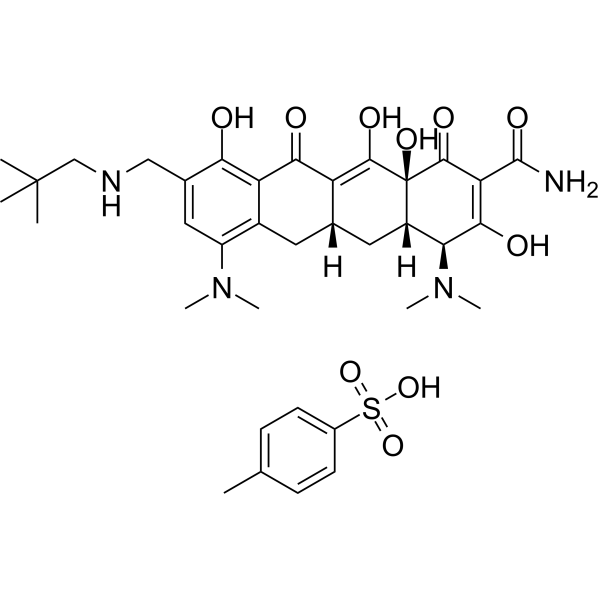
    Omadacycline (PTK 0796) tosylate, a first-in-class orally active aminomethylcycline antibacterial, is a member of the tetracycline class of antibiotics. Omadacycline tosylate acts through the inhibition of bacterial protein synthesis by binding to the 30S ribosomal subunit. Omadacycline tosylate possesses broad-spectrum antibacterial activity against aerobic and anaerobic Gram-positive and Gram-negative bacteria, as well as atypical bacteria. Omadacycline tosylate can be used for the research of acute bacterial skin and skin-structure infections, community-acquired pneumonia, and urinary tract infections .
    Omadacycline tosylate
  • HY-150520

    Antibiotic Phospholipase Infection Cancer
    Neomycin, an aminoglycoside antibiotic, exerts antibacterial activity through irreversible binding of the nuclear 30S ribosomal subunit, thereby blocking bacterial protein synthesis. Neomycin is a known phospholipase C (PLC) inhibitor. Neomycin potently inhibits both the nuclear translocation of angiogenin and angiogenin-induced cell proliferation and angiogenesis. Neomycin inhibits IP3-mediated Ca 2+ release, MgATP-dependent Ca 2+ uptake, and electrical excitation-evoked skeletal muscle Ca 2+ transients. Neomycin depletes gut microbiota in specific mouse models, causes hearing impairment, and kidney damage with prolonged exposure. Neomycin can be used for the research of cancer .
    Neomycin
  • HY-121268
    Demeclocycline
    5 Publications Verification

    Antibiotic Bacterial Infection Inflammation/Immunology Cancer
    Demeclocycline is an orally active tetracycline antibiotic. Demeclocycline impairs protein synthesis by binding to the 30S ribosomal subunit to inhibit binding of aminoacyl tRNA. Demeclocycline shows anti-bacterial activitise to a wide variety of bacterial infections .
    Demeclocycline
  • HY-10393

    PNU-100592

    Bacterial Antibiotic Infection
    Eperezolid (PNU-100592) is an orally active protein synthesis inhibitor that targets the bacterial 50S ribosomal subunit. Eperezolid competitively binds to a specific site on the ribosomal 50S subunit (overlapping with the binding sites of chloramphenicol (HY-B0239) and lincomycin (HY-117660)) to inhibit the translation initiation stage and exert antibacterial activity. Eperezolid can induce host cell autophagy to enhance the clearance of intracellular mycobacteria, and its MIC90 for Staphylococcus aureus and Enterococcus is 1-4 μg/mL. Eperezolid is mainly used for antibacterial research on infections with Gram-positive bacteria such as methicillin-resistant (HY-121544) Staphylococci and vancomycin-resistant (HY-B0671) Enterococci, as well as infections with intracellular bacteria such as Mycobacterium tuberculosis .
    Eperezolid
  • HY-B0509
    Amikacin hydrate
    25+ Cited Publications

    BAY 41-6551 hydrate

    Bacterial Antibiotic Infection Cancer
    Amikacin hydrate (BAY 41-6551 hydrate) is an aminoglycoside antibiotic and a semisynthetic analog of kanamycin. Amikacin hydrate is bactericidal, acting directly on the 30S and 50S bacerial ribosomal subunits to inhibit protein synthesis. Amikacin hydrate is very active against most Gram-negative bacteria including gentamicin- and tobramycin-resistant strains. Amikacin hydrate also inhibits the infections caused by susceptible Nocardia and nontuberculous mycobacteria .
    Amikacin hydrate
  • HY-113138
    3-Methyluridine
    1 Publications Verification

    N3-Methyluridine

    Endogenous Metabolite Metabolic Disease
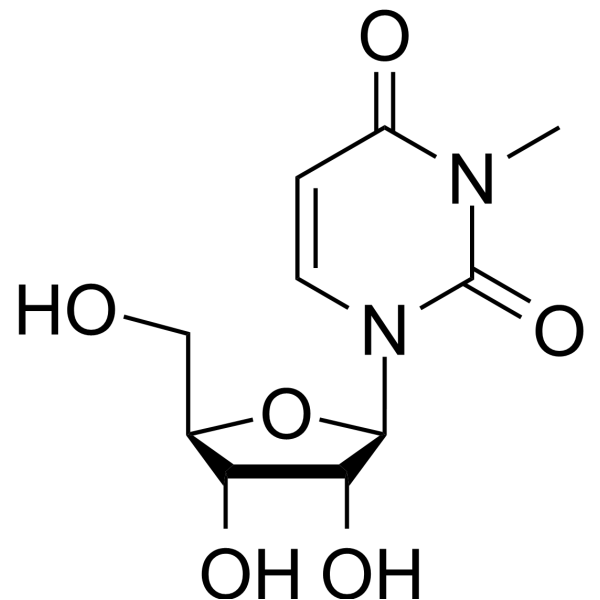
    3-Methyluridine (m 3U; N3-Methyluridine) is a methylated nucleotide present in ribosomal RNA (rRNA), mainly targeting specific base sites of RNA molecules such as 23S rRNA. 3-Methyluridine can introduce a methyl group at the N3 position of uracil, affecting the secondary structure stability and base pairing ability of RNA, and regulating ribosome function. For example, it affects ribosomal subunit binding and tRNA interaction. 3-Methyluridine is often used as a key raw material for the synthesis of modified nucleotides, and is used to construct RNA oligonucleotides containing methylation modifications to study the effects of RNA methylation on gene expression and drug resistance .
    3-Methyluridine
  • HY-14865C
    Omadacycline hydrochloride
    30+ Cited Publications

    PTK0796 hydrochloride; Amadacycline hydrochloride

    Bacterial Antibiotic Infection
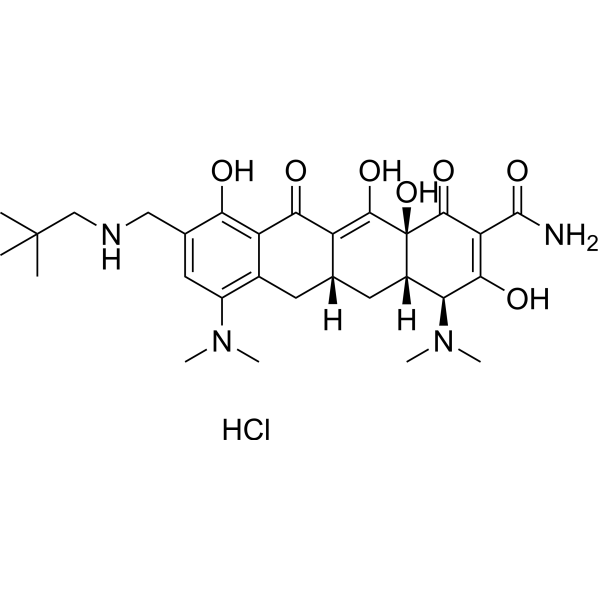
    Omadacycline (PTK 0796) hydrochloride, a first-in-class orally active aminomethylcycline antibacterial, is a member of the tetracycline class of antibiotics. Omadacycline hydrochloride acts through the inhibition of bacterial protein synthesis by binding to the 30S ribosomal subunit. Omadacycline hydrochloride possesses broad-spectrum antibacterial activity against aerobic and anaerobic Gram-positive and Gram-negative bacteria, as well as atypical bacteria. Omadacycline hydrochloride can be used for the research of acute bacterial skin and skin-structure infections, community-acquired pneumonia, and urinary tract infections .
    Omadacycline hydrochloride
  • HY-18398

    N6-(N-Threonylcarbonyl)adenosine

    Nucleoside Antimetabolite/Analog Others
    N6-Threonylcarbamoyladenosine (N6-(N-Threonylcarbonyl) adenosine) is a ubiquitous nucleoside that modifies tRNA .
    N6-Threonylcarbamoyladenosine
  • HY-P99650

    WT1

    Transmembrane Glycoprotein Cancer
    Grisnilimab (WT1) is an IgG2a monoclonal antibody targeting CD7. Grisnilimab only binds to lymphoid tissues and T lymphocytes, with no off-target binding to normal tissues. Grisnilimab can be used to synthesize the immunotoxin WT1-SMPT-dgRTA, which exerts cytotoxic effects on T-lymphoblastic leukemia cells. Grisnilimab is applicable to relevant research on leukemia .
    Grisnilimab
  • HY-B0479S

    Thiophenicol-d3; Dextrosulphenidol-d3

    Isotope-Labeled Compounds Bacterial Antibiotic Infection
    Thiamphenicol-d3 is a deuterium labeled Thiamphenicol. Thiamphenicol, a methyl-sulfonyl derivative of Chloramphenicol, is a broad-spectrum antimicrobial antibiotic. Thiamphenicol acts by binding to the 50S ribosomal subunit, leading to inhibition of protein synthesis and bacteriostatic effect (against Gram-negative, Gram-positive aerobic and anaerobic bacteria) .
    Thiamphenicol-d3
  • HY-B0220S1

    Isotope-Labeled Compounds Bacterial Antibiotic Infection
    Erythromycin- 13C,d3 is the 13C- and deuterium labeled Erythromycin. Erythromycin is a macrolide antibiotic produced by actinomycete?Streptomyces erythreus?with a broad spectrum of antimicrobial activity. Erythromycin acts by binding to bacterial 50S ribosomal subunits and inhibits?RNA-dependent protein synthesis?by blockage of transpeptidation and/or translocation reactions, without affecting synthesis of nucleic acid .
    Erythromycin-13C,d3
  • HY-175783

    Apoptosis Cancer
    MM927 is a potent NVL inhibitor, with an IC50 of 0.053 μM. MM927 blocks 60S ribosomal subunit biogenesis in the nucleolus. MM927 induces half-mer polysomes, cell cycle arrest at G1/S and G2/M and apoptosis in cells. MM927 demonstrates antitumor efficacy in MOLM-13 AML and HCT116 CRC xenograft models. MM927 can be used for the study of cancers such as acute myeloid leukemia (AML) and colorectal cancer (CRC) .
    MM927
  • HY-B0220S2

    Bacterial DNA/RNA Synthesis Antibiotic Infection
    Erythromycin-d3 is the deuterium labeled Erythromycin . Erythromycin is a macrolide antibiotic produced by actinomycete Streptomyces erythreus with a broad spectrum of antimicrobial activity. Erythromycin binds to bacterial 50S ribosomal subunits and inhibits RNA-dependent protein synthesis by blockage of transpeptidation and/or translocation reactions, without affecting synthesis of nucleic acid. Erythromycin also exhibits antitumor and neuroprotective effect in different fields of research .
    Erythromycin-d3
  • HY-B0470R

    Reference Standards Bacterial Antibiotic Phospholipase Infection Cancer
    Neomycin (sulfate) (Standard) is the analytical standard of Neomycin (sulfate). This product is intended for research and analytical applications. Neomycin sulfate, an aminoglycoside antibiotic, exerts antibacterial activity through irreversible binding of the nuclear 30S ribosomal subunit, thereby blocking bacterial protein synthesis. Neomycin sulfate is a known phospholipase C (PLC) inhibitor. Neomycin sulfate potently inhibits both nuclear translocation of angiogenin and angiogenin-induced cell proliferation and angiogenesis .
    Neomycin sulfate (Standard)
  • HY-B0956A

    Aminosidine

    Bacterial Parasite Endogenous Metabolite Infection
    Paromomycin (Aminosidine) is an orally active broad-spectrum aminoglycoside aminocyclitol. Paromomycin is produced by Streptomyces riomosus var. Paromomycinus. Paromomycin binding induces local conformational changes in the 16S rRNA A-site. Paromomycin exhibits inhibitory activity against C. parvum. Paromomycin can be used in research related to leishmaniasis, amoebiasis and cryptosporidiosis .
    Paromomycin
  • HY-135748A

    RIG-I-like receptor (RLR) Toll-like Receptor (TLR) Apoptosis Infection Cancer
    Poly (I:C):Kanamycin (1:1) sodium is an isometric complex of Poly (I:C) (HY-135748) and Kanamycin (HY-16566). Poly(I:C) sodium, a synthetic analog of double-stranded RNA, is a TLR3 and retinoic acid-inducible gene I receptor (RIG-I and b>MDA5) agonist. Poly(I:C) sodium can be used as a vaccine adjuvant to enhance innate and adaptive immune responses and induce apoptosis in cancer cells . Kanamycin is an orally active antibacterial agent (Gram-negative/positive bacteria) that inhibits translocation and causes miscoding by binding to the 70S ribosomal subunit. Kanamycin shows good inhibitory activity against Mycobacterium tuberculosis (susceptible and drug-resistant) and Klebsiella pneumoniae, and can be used in the research of tuberculosis and pneumonia .
    Poly (I:C):Kanamycin (1:1) sodium
  • HY-B0479R

    Thiophenicol (Standard); Dextrosulphenidol (Standard)

    Beta-lactamase Reference Standards Bacterial Antibiotic Infection
    Thiamphenicol (Standard) is the analytical standard of Thiamphenicol. This product is intended for research and analytical applications. Thiamphenicol (Thiophenicol), a methyl-sulfonyl derivative of Chloramphenicol, is a broad-spectrum antimicrobial antibiotic. Thiamphenicol acts by binding to the 50S ribosomal subunit, leading to inhibition of protein synthesis and bacteriostatic effect (against Gram-negative, Gram-positive aerobic and anaerobic bacteria) .
    Thiamphenicol (Standard)
  • HY-N7118

    Bacterial Antibiotic Infection Cancer
    Clindamycin hydrochloride monohydrate is an oral protein synthesis inhibitory agent that has the ability to suppress the expression of virulence factors in Staphylococcus aureus at sub-inhibitory concentrations (sub-MICs). Clindamycin hydrochloride monohydrate resistance results from enzymatic methylation of the antibiotic binding site in the 50S ribosomal subunit (23S rRNA). Clindamycin hydrochloride monohydrate decreases the production of Panton-Valentine leucocidin (PVL), toxic-shock-staphylococcal toxin (TSST-1) or alpha-haemolysin (Hla) .
    Clindamycin hydrochloride monohydrate
  • HY-B1455S1

    Isotope-Labeled Compounds Bacterial Antibiotic Parasite Infection
    Clindamycin- 13C,d3 is the 13C- and deuterium labeled Clindamycin. Clindamycin is an orally active and broad-spectrum bacteriostatic lincosamide antibiotic. Clindamycin can inhibit bacterial protein synthesis, possessing the ability to suppress the expression of virulence factors in Staphylococcus aureus at sub-inhibitory concentrations (sub-MICs). Clindamycin resistance results from enzymatic methylation of the antibiotic binding site in the 50S ribosomal subunit (23S rRNA). Clindamycin decreases the production of Panton-Valentine leucocidin (PVL), toxic-shock-staphylococcal toxin (TSST-1) or alpha-haemolysin (Hla). Clindamycin also can be used for researching malaria .
    Clindamycin-13C,d3
  • HY-122588

    Bacterial Others
    Negamycin is a compound with antibacterial activity that inhibits protein synthesis by binding to the head domain of the bacterial ribosomal small subunit, leading to cell death, and also promotes misreading of near-cognate codons.
    Negamycin
  • HY-B0220B

    Antibiotic Bacterial Infection Cancer
    Erythromycin gluceptate is a macrolide antibiotic produced by actinomycete Streptomyces erythreus with a broad spectrum of antimicrobial activity. Erythromycin gluceptate binds to bacterial 50S ribosomal subunits and inhibits RNA-dependent protein synthesis by blockage of transpeptidation and/or translocation reactions, without affecting synthesis of nucleic acid [1][2]. Erythromycin gluceptate also exhibits antitumor and neuroprotective effect in different fields of research [3][4].
    Erythromycin (gluceptate)
  • HY-16566R

    Kanamycin A (Standard)

    Reference Standards Antibiotic Bacterial Infection Inflammation/Immunology
    Kanamycin (Standard) is the analytical standard of Kanamycin. This product is intended for research and analytical applications. Kanamycin (Kanamycin A) is an orally active antibacterial (gram-negative/positive bacteria) agent, inhibits translocation and causes misencoding by binding to the 70 S ribosomal subunit. Kanamycin shows good inhibitory activity to both M. tuberculosis (sensitive and drug-resistant ) and K. pneumonia, which can be used in studies of tuberculosis and pneumonia[1][2][3][4].
    Kanamycin (Standard)
  • HY-17466A

    Bonomycin hydrochloride; 6-Demethyl-6-deoxytetracycline hydrochloride

    Antibiotic Bacterial Metabolic Disease Inflammation/Immunology
    Sancycline (6-Demethyl-6-deoxytetracycline) hydrochloride acts by reversibly binding to the 30 S ribosomal subunit and inhibiting protein translation by blocking entry of aminoacyl-tRNA into the ribosome a site similar to tetracycline (HY-A0107). Sancycline hydrochloride, four linearly fused six-membered rings with four stereocenters, is a rare semi-synthetic tetracycline (HY-A0107) prepared by hydrogenolysis of the chloro and benzylic hydroxy moieties of Declomycin .
    Sancycline hydrochloride
  • HY-B0220E

    Bacterial Antibiotic DNA/RNA Synthesis Infection Cancer
    Erythromycin A dihydrate is a macrolide antibiotic produced by actinomycete Streptomyces erythreus with a broad spectrum of antimicrobial activity. Erythromycin A dihydrate binds to bacterial 50S ribosomal subunits and inhibits RNA-dependent protein synthesis by blockage of transpeptidation and/or translocation reactions, without affecting synthesis of nucleic acid [1][2]. Erythromycin A dihydrate also exhibits antitumor and neuroprotective effect in different fields of research [3][4].
    Erythromycin A dihydrate
  • HY-108875

    Antibiotic Bacterial DNA/RNA Synthesis Infection Cancer
    Erythromycin stearate is a macrolide antibiotic produced by actinomycete Streptomyces erythreus with a broad spectrum of antimicrobial activity. Erythromycin stearate binds to bacterial 50S ribosomal subunits and inhibits RNA-dependent protein synthesis by blockage of transpeptidation and/or translocation reactions, without affecting synthesis of nucleic acid [1][2]. Erythromycin stearate also exhibits antitumor and neuroprotective effect in different fields of research [3][4].
    Erythromycin stearate
  • HY-B0220R
    Erythromycin (Standard)
    20+ Cited Publications

    Reference Standards Bacterial Antibiotic DNA/RNA Synthesis Infection Cancer
    Erythromycin (Standard) is the analytical standard of Erythromycin. This product is intended for research and analytical applications. Erythromycin is a macrolide antibiotic produced by actinomycete?Streptomyces erythreus?with a broad spectrum of antimicrobial activity. Erythromycin binds to bacterial 50S ribosomal subunits and inhibits?RNA-dependent protein synthesis?by blockage of transpeptidation and/or translocation reactions, without affecting synthesis of nucleic acid . Erythromycin also exhibits antitumor and neuroprotective effect in different fields of research .
    Erythromycin (Standard)
  • HY-19428A

    RBx-7644

    Antibiotic Bacterial Infection Cardiovascular Disease
    Ranbezolid (RBx7644 free base) is an orally active, oxazolidinone antibiotic against Gram-positive and Gram-negative anaerobes including Staphylococcus aureus, Staphylococcus epidermidis and Bacteroides fragilis. Ranbezolid can inhibit the 50s ribosomal subunit with an IC50 of 17 μM for bacterial ribosomes. Ranbezolid interferes cell wall and lipid synthesis. Ranbezolid can rapidly kill bacteria, significantly reduce bacterial load, and has better cardiovascular safety. Ranbezolid can be used for the study of antibiotics for anaerobic bacteria .
    Ranbezolid hydrochloride
  • HY-19428

    RBx7644 free base

    Antibiotic Bacterial Infection Cardiovascular Disease
    Ranbezolid (RBx7644 free base) is an orally active, oxazolidinone antibiotic against Gram-positive and Gram-negative anaerobes including Staphylococcus aureus, Staphylococcus epidermidis and Bacteroides fragilis. Ranbezolid can inhibit the 50s ribosomal subunit with an IC50 of 17 μM for bacterial ribosomes. Ranbezolid interferes cell wall and lipid synthesis. Ranbezolid can rapidly kill bacteria, significantly reduce bacterial load, and has better cardiovascular safety. Ranbezolid can be used for the study of antibiotics for anaerobic bacteria .
    Ranbezolid
  • HY-178717

    Fungal Infection
    WML-01 is a fungicide with EC50s of 0.079, 0.72 and 2.02 μg/mL against F. graminearum, F. fujikuroi and S. sclerotiorum. WML-01 disrupts the cell membrane of F. graminearum and induces deposition of lipid droplets. WML-01 inhibits Deoxynivalenol (DON) (HY-N6684) biosynthesis with no cross-resistance and strongly suppresses ribosomal subunit assembly, impairing protein synthesis. WML-01 effectively controls the fusarium head blight (FHB) epidemic .
    WML-01
  • HY-14865BR

    PTK 0796 tosylate (Standard); Amadacycline tosylate (Standard)

    Reference Standards Bacterial Antibiotic Infection
    Omadacycline (tosylate) (Standard) is the analytical standard of Omadacycline (tosylate). This product is intended for research and analytical applications. Omadacycline (PTK 0796) tosylate, a first-in-class orally active aminomethylcycline antibacterial, is a member of the tetracycline class of antibiotics. Omadacycline tosylate acts through the inhibition of bacterial protein synthesis by binding to the 30S ribosomal subunit. Omadacycline tosylate possesses broad-spectrum antibacterial activity against aerobic and anaerobic Gram-positive and Gram-negative bacteria, as well as atypical bacteria. Omadacycline tosylate can be used for the research of acute bacterial skin and skin-structure infections, community-acquired pneumonia, and urinary tract infections .
    Omadacycline tosylate (Standard)
  • HY-B1455S

    Bacterial Antibiotic Parasite Infection
    Clindamycin-d3 (hydrochloride) is the deuterium labeled Clindamycin. Clindamycin is an orally active and broad-spectrum bacteriostatic lincosamide antibiotic. Clindamycin can inhibit bacterial protein synthesis, possessing the ability to suppress the expression of virulence factors in Staphylococcus aureus at sub-inhibitory concentrations (sub-MICs). Clindamycin resistance results from enzymatic methylation of the antibiotic binding site in the 50S ribosomal subunit (23S rRNA). Clindamycin decreases the production of Panton-Valentine leucocidin (PVL), toxic-shock-staphylococcal toxin (TSST-1) or alpha-haemolysin (Hla). Clindamycin also can be used for researching malaria .
    Clindamycin-d3 hydrochloride
  • HY-122350

    SF-2052 sulfate

    Antibiotic Infection
    Dactimicin sulfate (SF-2052 sulfate) is an antibiotic produced by Dactylosporangium matsuzakiense and belongs to the fortimicin antibiotic family. Dactimicin sulfate is an aminoglycoside antibiotic containing a carboximido group and inhibits protein synthesis by binding to the 30S ribosomal subunit of bacteria. Dactimicin sulfate can be used in research on infections caused by sensitive bacteria .
    Dactimicin sulfate
  • HY-17466R

    Bonomycin (Standard); 6-Demethyl-6-deoxytetracycline (Standard)

    Reference Standards Bacterial Antibiotic Metabolic Disease Inflammation/Immunology
    Sancycline (Standard) is the analytical standard of Sancycline. This product is intended for research and analytical applications. Sancycline (6-Demethyl-6-deoxytetracycline) acts by reversibly binding to the 30 S ribosomal subunit and inhibiting protein translation by blocking entry of aminoacyl-tRNA into the ribosome a site similar to tetracycline (HY-A0107). Sancycline, four linearly fused six-membered rings with four stereocenters, is a rare semi-synthetic tetracycline (HY-A0107) prepared by hydrogenolysis of the chloro and benzylic hydroxy moieties of Declomycin[1][2][3].
    Sancycline (Standard)

Inquiry Online

Your information is safe with us. * Required Fields.

Salutation


Country or Region *

Applicant Name *


Organization Name *

Department *


Email Address *


Product Name *

Cat. No.


Requested quantity *

Phone Number *


Remarks

Inquiry Online

Inquiry Information

Product Name:
Cat. No.:
Quantity:
MCE Japan Authorized Agent:

