1. Search Result
Search Result
Results for "

sedation

" in MedChemExpress (MCE) Product Catalog:

61

Inhibitors & Agonists

10

Natural
Products

9

Isotope-Labeled Compounds

Cat. No. Product Name Target Research Areas Chemical Structure
  • HY-B0649
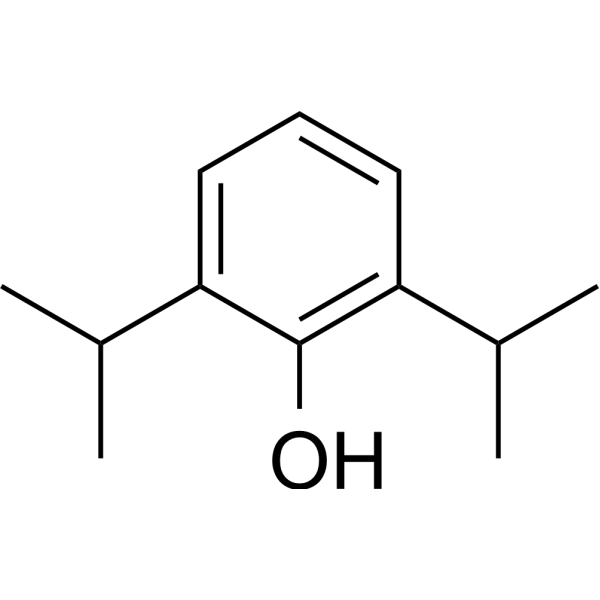
    Propofol
    Maximum Cited Publications
    22 Publications Verification

    2,6-Diisopropylphenol

    Environmental Pollutants Endogenous Metabolite GABA Receptor Neurological Disease Cancer
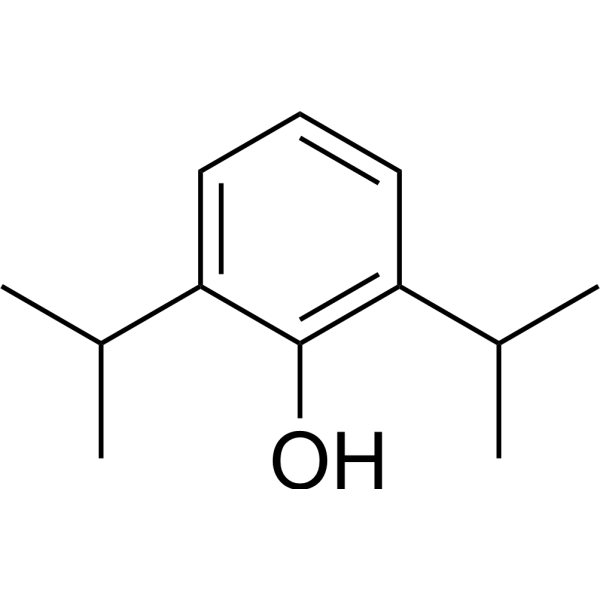
    Propofol potently and directly activates GABAA receptor and inhibits glutamate receptor mediated excitatory synaptic transmission. Propofol has antinociceptive properties and is used for sedation and hypnotic .
    Propofol
  • HY-17034A
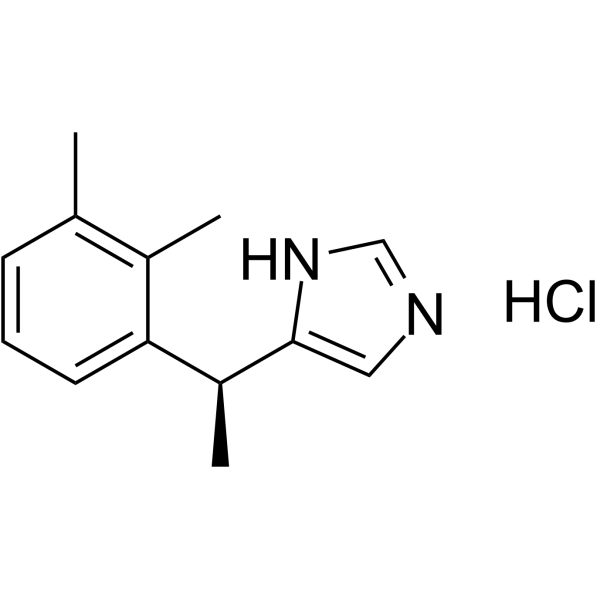
    Dexmedetomidine hydrochloride
    Maximum Cited Publications
    26 Publications Verification

    (+)-Medetomidine hydrochloride; (S)-Medetomidine hydrochloride

    Adrenergic Receptor Infection Cancer
    Dexmedetomidine hydrochloride ((+)-Medetomidine hydrochloride) is a potent, selective and orally active agonist of α2-adrenoceptor, with a Ki of 1.08 nM. Dexmedetomidine hydrochloride shows 1620-fold selectivity against α1-adrenoceptor. Dexmedetomidine hydrochloride exhibits anxiolysis, sedation, and modest analgesia effects .
    Dexmedetomidine hydrochloride
  • HY-12719
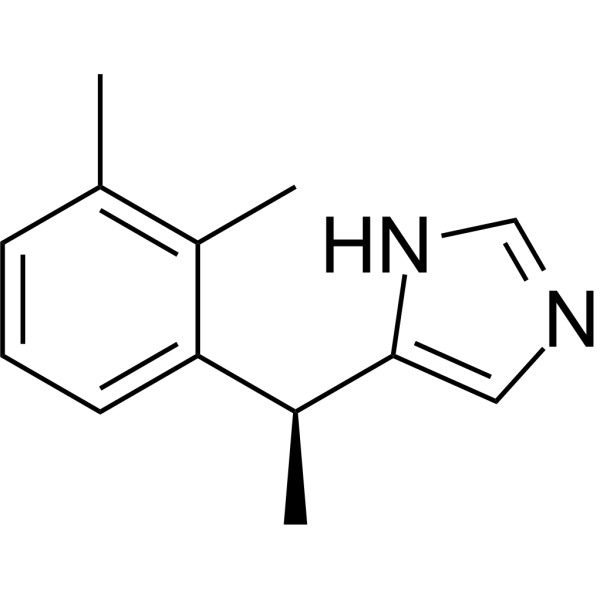
    Dexmedetomidine
    Maximum Cited Publications
    26 Publications Verification

    (+)-Medetomidine; (S)-Medetomidine

    Adrenergic Receptor Neurological Disease Cancer
    Dexmedetomidine ((+)-Medetomidine) is a potent, selective and orally active agonist of α2-adrenoceptor, with a Ki of 1.08 nM. Dexmedetomidine shows 1620-fold selectivity against α1-adrenoceptor. Dexmedetomidine exhibits anxiolysis, sedation, and modest analgesia effects .
    Dexmedetomidine
  • HY-N0528
    Linarin
    4 Publications Verification

    Buddleoside; Linarine

    TNF Receptor Cholinesterase (ChE) PKA Apoptosis Bacterial HIV Influenza Virus Infection Neurological Disease Inflammation/Immunology Cancer
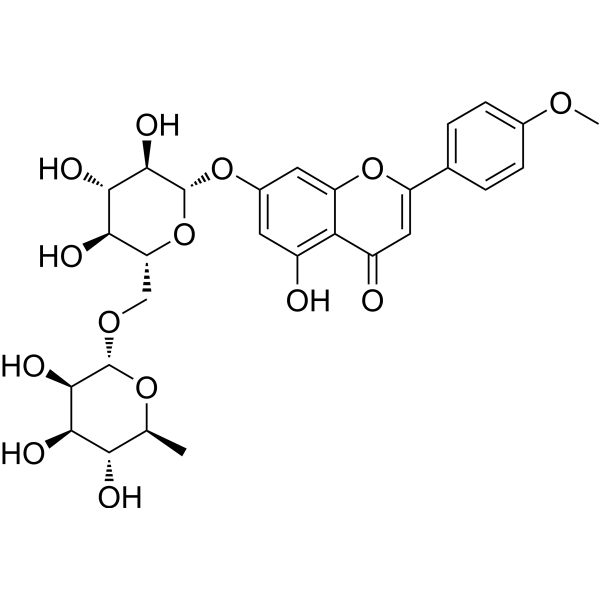
    Linarin (Buddleoside) is an orally active and selective inhibitor of acetylcholinesterase (AChE). Linarin has many activities, such as anti-inflammatory, antioxidant, sleep aid and sedation, bone differentiation, anti-tumor, antibacterial and antiviral. Linarin can be used to study diseases such as the nervous system, osteoporosis and cancer .
    Linarin
  • HY-17416
    Guanfacine hydrochloride
    3 Publications Verification

    Adrenergic Receptor Cardiovascular Disease Infection Neurological Disease Metabolic Disease
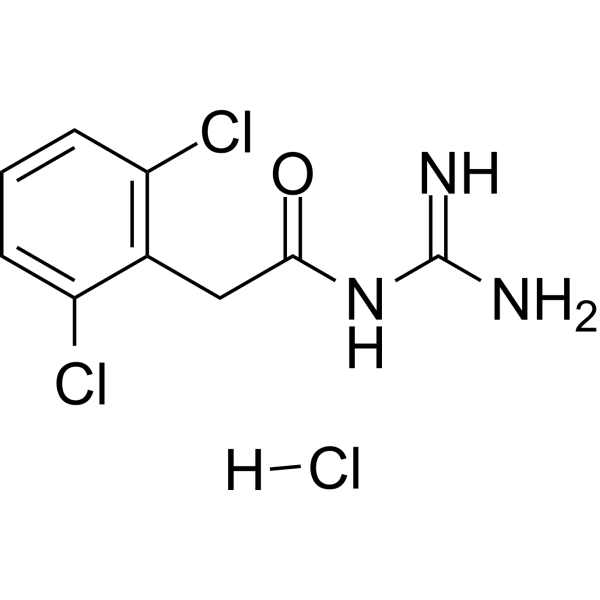
    Guanfacine hydrochloride is an orally active and blood-brain barrier permeability noradrenergic α2A agonist and has high selective for the α2A receptor subtype. Guanfacine has effects in producing hypotension and sedation. Guanfacine can be used for the research of a variety of prefrontal cortex (PFC) cognitive disorders, including tourette's syndrome and attention deficit hyperactivity disorder (ADHD) .
    Guanfacine hydrochloride
  • HY-B1240
    Droperidol
    5 Publications Verification

    Dehydrobenzperidol

    Dopamine Receptor GABA Receptor nAChR Neurological Disease
    Droperidol (Dehydrobenzperidol) is a butyrophenone pamine-2 receptor antagonist that inhibits the activation of GABA(A) and neuronal nicotinic receptors (nAChR), with IC50 values of 12.6 nM and 5.8 μM. Droperidol has anesthetic and sedative properties .
    Droperidol
  • HY-17416A
    Guanfacine
    3 Publications Verification

    Adrenergic Receptor Cardiovascular Disease Neurological Disease Endocrinology
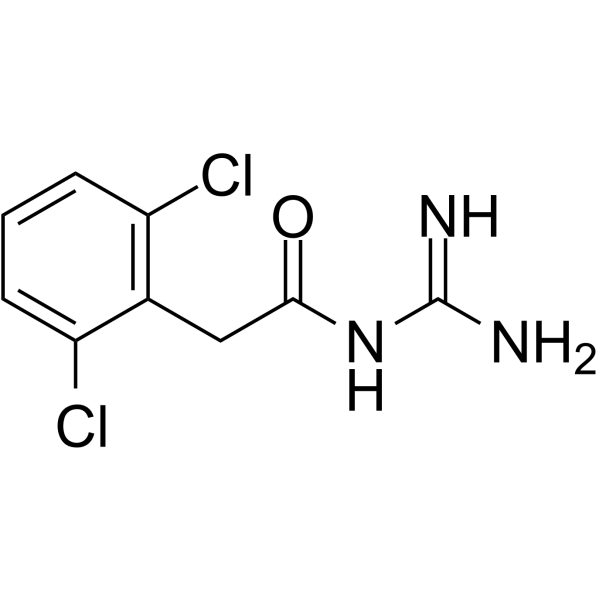
    Guanfacine is an orally active noradrenergic α2A agonist and has high selective for the α2A receptor subtype. Guanfacine has effects in producing hypotension and sedation. Guanfacine can be used for the research of a variety of prefrontal cortex (PFC) cognitive disorders, including tourette's syndrome and attention deficit hyperactivity disorder (ADHD) .
    Guanfacine
  • HY-13575
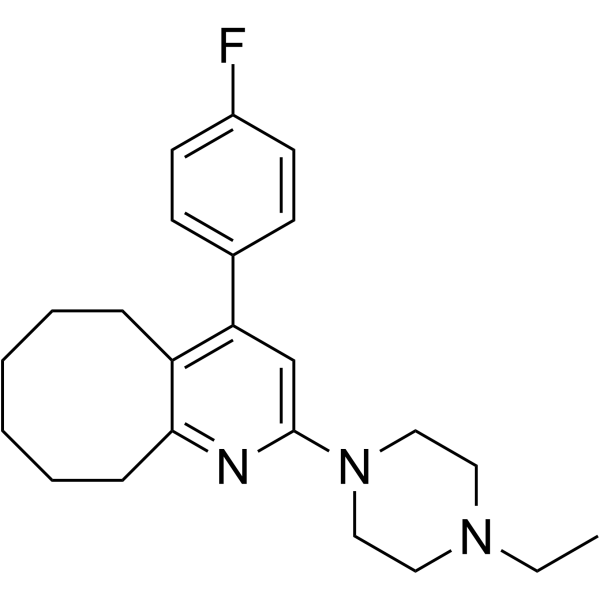
    Blonanserin
    1 Publications Verification

    AD-5423

    5-HT Receptor Dopamine Receptor Adrenergic Receptor Sigma Receptor Cardiovascular Disease Neurological Disease
    Blonanserin (AD-5423) is a potent and orally active 5-HT2A (Ki=0.812 nM) and dopamine D2 receptor (Ki =0.142 nM) antagonist. Blonanserin is usually acts as an atypical antipsychotic agent and can be used for the research of extrapyramidal symptoms, excessive sedation, or hypotension .
    Blonanserin
  • HY-12752A

    Trimeprazine hemitartrate

    Histamine Receptor Influenza Virus Neurological Disease Inflammation/Immunology Cancer
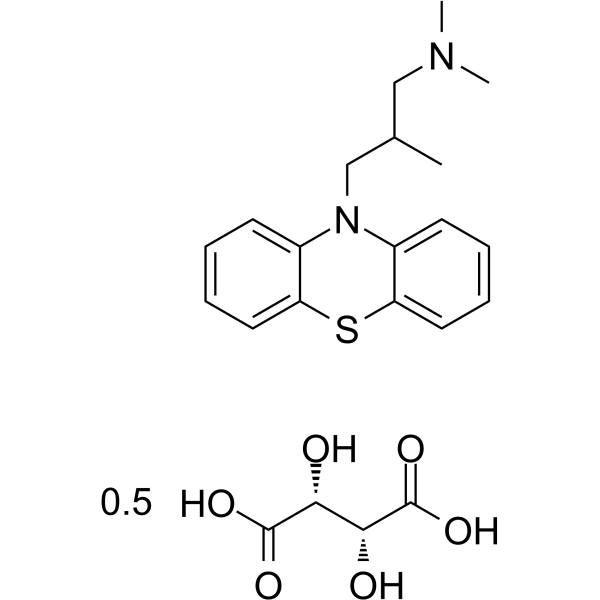
    Alimemazine hemitartrate (Trimeprazine hemitartrate) is an antagonist of the histamine (HA) receptor that can be taken orally and also acts as a partial agonist at other GPCR receptors. Alimemazine hemitartrate has effects that include anti-serotonin, antispasmodic, antihistamine, sedation, hypnotic, antiviral, and anti-nausea properties. Alimemazine hemitartrate promotes the growth of pancreatic β-cells in mice and improves diabetes in mice .
    Alimemazine hemitartrate
  • HY-113413
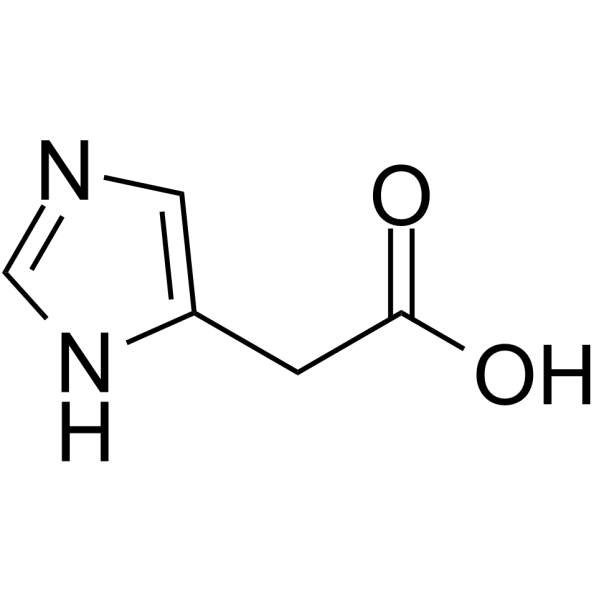
    Imidazoleacetic acid
    2 Publications Verification

    Imidazolyl-4-acetic acid

    Endogenous Metabolite GABA Receptor Cardiovascular Disease Neurological Disease Metabolic Disease
    Imidazoleacetic acid (Imidazolyl-4-acetic acid) is a blood-brain barrier-permeable full agonist of the GABAA receptor. Imidazoleacetic acid forms via histamine oxidation in the mouse brain. Imidazoleacetic acid exerts multiple neurochemical and behavioral effects. Imidazoleacetic acid induces a range of centrally mediated effects, including analgesia, sedation, hypnosis, as well as reductions in blood pressure, body temperature, isolation-induced aggression and motor activity .
    Imidazoleacetic acid
  • HY-B1470

    R-1929

    Dopamine Receptor Adrenergic Receptor Neurological Disease
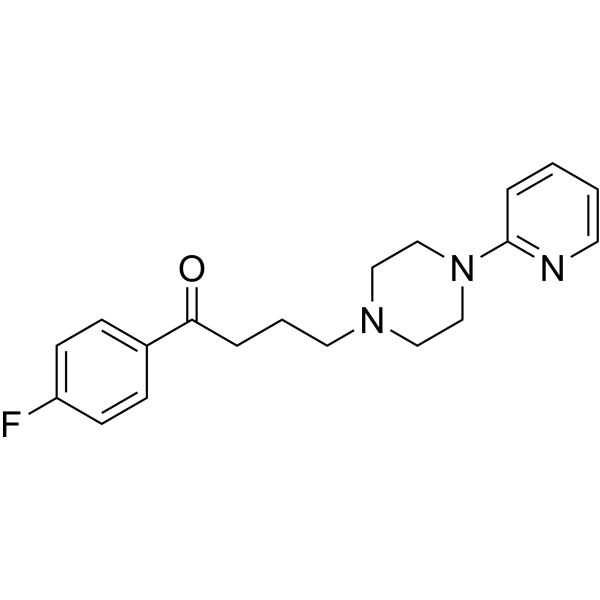
    Azaperone is an antagonist of dopamine D2 receptor (Dopamine D2 Receptor) and α-adrenergic receptor (AR). Azaperone reduces vasomotor tone, mean arterial pressure, hematocrit, hemoglobin concentration, and etorphine-induced duration; induces transient tachycardia followed by bradycardia, splenic uptake of red blood cells, and sedation; alters animal behaviors; and produces sedation with distinct onset and duration in foals. Azaperone is used for sedation and tranquilization in various animals to reduce stress and aggressive behaviors, and serves as a preanesthetic agent .
    Azaperone
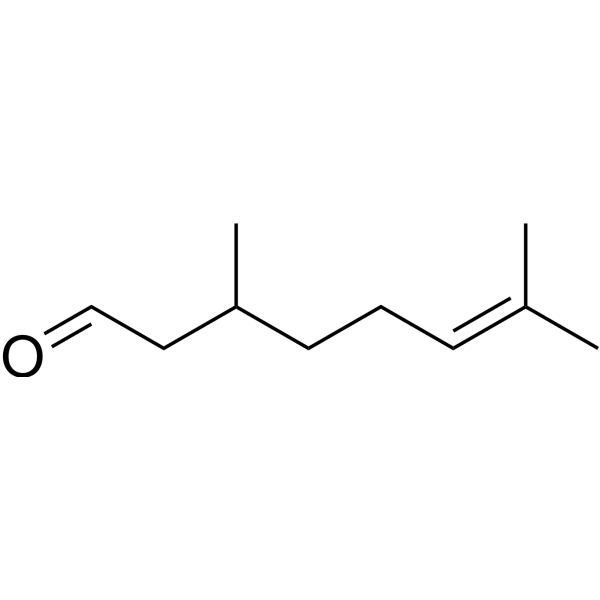
  • HY-N7126

    Environmental Pollutants Potassium Channel Neurological Disease
    Citronellal is a monoterpene that can be found in the essential oils in various aromatic species of plants, with antiinflammatory and antinociceptive properties. Citronellal attenuates mechanical nociception, mediated in part by the NO-cGMP-ATP-sensitive K+ channel pathway. Citronellal induces reduction of spontaneuous activity, ataxia, analgesia, and sedation in vivo. Citronellal can attenuate mechanical nociception response in mouse model .
    Citronellal
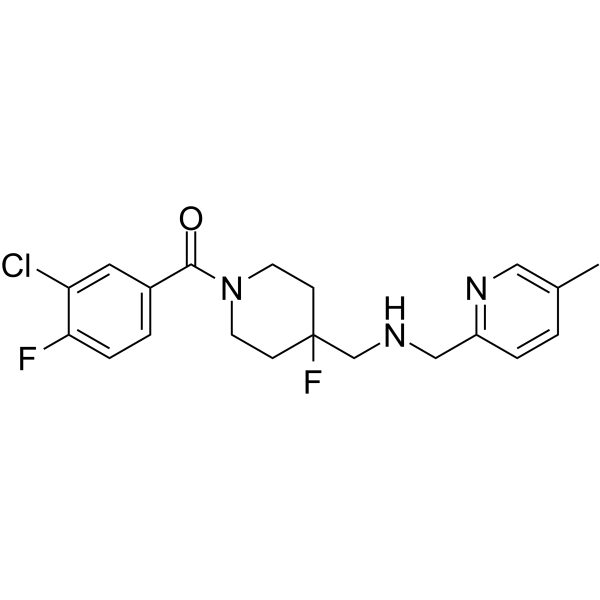
  • HY-14785

    NLX-112; F13640

    5-HT Receptor Neurological Disease
    Befiradol (NLX-112) is a highly selective 5-HT1A receptor agonist that acts on both presynaptic and postsynaptic sites. Befiradol attenuates fentanyl-induced respiratory depression in neonatal and adult rats. Befiradol reduces the duration of fentanyl-induced analgesia and sedation in adult rats. Befiradol can be used in studies related to opioid-induced respiratory depression .
    Befiradol
  • HY-16728
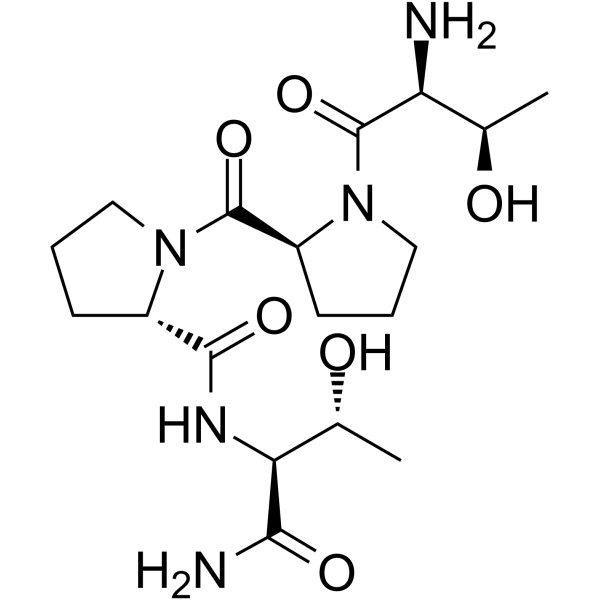
    Rapastinel
    1 Publications Verification

    GLYX-13

    iGluR ERK mTOR Neurological Disease Cancer
    Rapastinel (GLYX-13) is a potent NMDAR modulator capable of crossing the blood-brain barrier, and it exhibits extremely high affinity for human NMDAR (EC50=0.0017-9.9 nM). Rapastinel enhances ERK signaling and activates the mTOR pathway, thereby upregulating the expression of BDNF and VGF, and inducing significant neuroplastic changes such as enhanced LTP and increased mature dendritic spine density in the hippocampus. Rapastinel moderately elevates the efflux of dopamine, norepinephrine and 5-HT in the prefrontal cortex, and uniquely avoids side effects of traditional antidepressants such as dissociation, addiction or sedation. Rapastinel is applicable to the research of major depressive disorder and hepatocellular carcinoma .
    Rapastinel
  • HY-113346

    Tetrahydro-11-deoxycorticosterone

    GABA Receptor Endogenous Metabolite Neurological Disease
    Tetrahydrodeoxycorticosterone, an neurosteroid, is a potent positive allosteric modulator (PAM) of GABAA receptor. Tetrahydrodeoxycorticosterone has potent neuroinhibitory properties .
    Tetrahydrodeoxycorticosterone
  • HY-U00051

    Histamine Receptor Dopamine Receptor Neurological Disease
    Propiomazine is an orally active antihistamine agent. Propiomazine is a potent prolactin (PRL) release stimulant, whose effect depends on the antagonism of the dopaminergic system and can inhibit the secretion of luteinizing hormone (LH). Propiomazine is mainly used for anesthesia assistance, mental disorders and anxiety-induced sedation, and can also be used in research related to insomnia .
    Propiomazine
  • HY-16728B
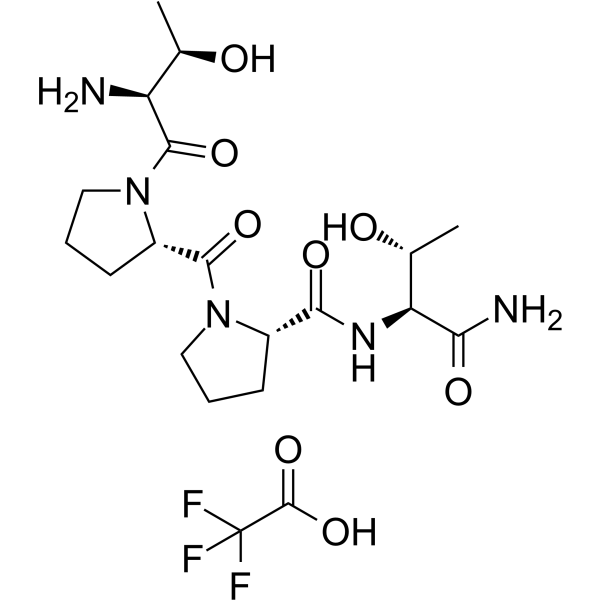
    Rapastinel Trifluoroacetate
    1 Publications Verification

    GLYX-13 Trifluoroacetate

    iGluR mTOR ERK Neurological Disease
    Rapastinel (GLYX-13) Trifluoroacetate is a potent NMDAR modulator capable of crossing the blood-brain barrier, and it exhibits extremely high affinity for human NMDAR (EC50=0.0017-9.9 nM). Rapastinel Trifluoroacetate enhances ERK signaling and activates the mTOR pathway, thereby upregulating the expression of BDNF and VGF, and inducing significant neuroplastic changes such as enhanced LTP and increased mature dendritic spine density in the hippocampus. Rapastinel Trifluoroacetate moderately elevates the efflux of dopamine, norepinephrine and 5-HT in the prefrontal cortex, and uniquely avoids side effects of traditional antidepressants such as dissociation, addiction or sedation. Rapastinel Trifluoroacetate is applicable to the research of major depressive disorder and hepatocellular carcinoma .
    Rapastinel Trifluoroacetate
  • HY-12719R

    (+)-Medetomidine (Standard); (S)-Medetomidine (Standard)

    Reference Standards Adrenergic Receptor Neurological Disease Cancer
    Dexmedetomidine (Standard) is the analytical standard of Dexmedetomidine. This product is intended for research and analytical applications. Dexmedetomidine ((+)-Medetomidine) is a potent, selective and orally active agonist of α2-adrenoceptor, with a Ki of 1.08 nM. Dexmedetomidine shows 1620-fold selectivity against α1-adrenoceptor. Dexmedetomidine exhibits anxiolysis, sedation, and modest analgesia effects .
    Dexmedetomidine (Standard)
  • HY-N15001

    GABA Receptor Neurological Disease
    Gabaculine is an amino acid neurotoxin and blood-brain barrier-permeable GABA transaminase inhibitor, with an IC50 of 1 μM in beef and Pseudomonas ovalis. Gabaculine elevates endogenous synaptic and brain GABA levels and enhances GABA activity. Gabaculine induces sedation, hypothermia, loss of righting reflex, and prevents convulsions in mice. Gabaculine is applicable to research related to neurological disorders .
    Gabaculine
  • HY-17034AR

    (+)-Medetomidine hydrochloride (Standard); (S)-Medetomidine hydrochloride (Standard)

    Reference Standards Adrenergic Receptor Neurological Disease Endocrinology Cancer
    Dexmedetomidine (hydrochloride) (Standard) is the analytical standard of Dexmedetomidine (hydrochloride). This product is intended for research and analytical applications. Dexmedetomidine hydrochloride ((+)-Medetomidine hydrochloride) is a potent, selective and orally active agonist of α2-adrenoceptor, with a Ki of 1.08 nM. Dexmedetomidine hydrochloride shows 1620-fold selectivity against α1-adrenoceptor. Dexmedetomidine hydrochloride exhibits anxiolysis, sedation, and modest analgesia effects .
    Dexmedetomidine hydrochloride (Standard)
  • HY-14196
    Toloxatone
    1 Publications Verification

    MD 69276

    Monoamine Oxidase Neurological Disease
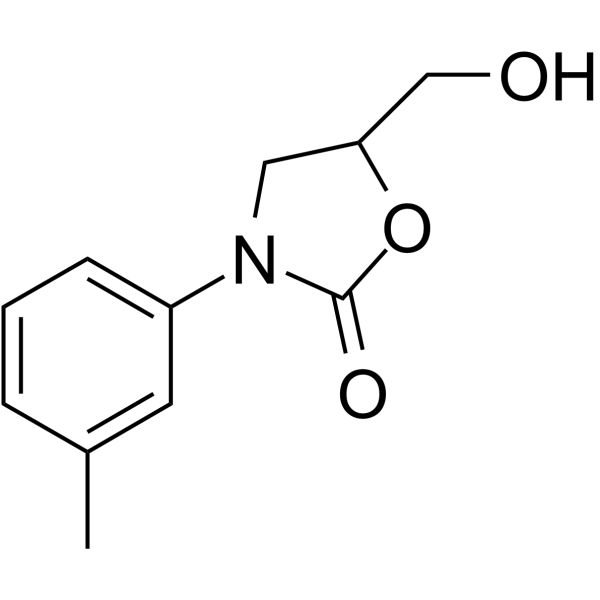
    Toloxatone (MD 69276) is a reversible, selective MAO-A inhibitor that can cross the blood-brain barrier. Toloxatone increases the levels of serotonin (5-HT) and norepinephrine in the brain. Toloxatone reduces the immobility time in the forced swimming test in mice, inhibits killing behavior in rats without causing sedation, and shows a correlation between its free plasma concentration and cerebrospinal fluid concentration. Toloxatone is widely used in research related to depression, depressive disorders and Parkinson's disease .
    Toloxatone
  • HY-119456A

    Adrenergic Receptor Neurological Disease
    Romifidine hydrochloride is an α2 adrenergic receptor agonist. Romifidine hydrochloride shows sedation effects in vivo .
    Romifidine hydrochloride
  • HY-19057
    Vatinoxan
    2 Publications Verification

    MK-467; L-659066

    Adrenergic Receptor Cardiovascular Disease Neurological Disease
    Vatinoxan (MK-467) is an alpha 2-adrenergic receptor antagonist. The peripheral selectivity of Vatinoxan determines that it has limited penetration across the blood-brain barrier and therefore has low concentrations in the central nervous system. Vatinoxan antagonizes alpha 2-adrenergic receptor receptors by binding to them, thereby reducing or preventing cardiovascular effects caused by α2-adrenergic agonists. Vatinoxan can be used in studies of cardiovascular effects, sedation and analgesia .
    Vatinoxan
  • HY-148146

    Monoamine Oxidase Neurological Disease
    Phenoxypropazine is a potent monoamine oxidase (MAO) inhibitor. Phenoxypropazine can be used in research of depression .
    Phenoxypropazine
  • HY-B0649R

    2,6-Diisopropylphenol (Standard)

    Reference Standards GABA Receptor Endogenous Metabolite Neurological Disease Cancer
    Propofol (Standard) is the analytical standard of Propofol. This product is intended for research and analytical applications. Propofol potently and directly activates GABAA receptor and inhibits glutamate receptor mediated excitatory synaptic transmission. Propofol has antinociceptive properties and is used for sedation and hypnotic .
    Propofol (Standard)
  • HY-119456

    Adrenergic Receptor Neurological Disease
    Romifidine is an α2 adrenergic receptor agonist. Romifidine shows sedation effects in vivo .
    Romifidine
  • HY-W749797

    GABA Receptor Neurological Disease
    Nitrazolam is a benzodiazepine compound, that may exhibit CNS depressant properties as traditional benzodiazepines, including sedation, hypnosis, anxiolysis, and anticonvulsant effects, by acting on GABA receptors .
    Nitrazolam
  • HY-17416R

    Reference Standards Adrenergic Receptor Cardiovascular Disease Endocrinology
    Guanfacine (hydrochloride) (Standard) is the analytical standard of Guanfacine (hydrochloride). This product is intended for research and analytical applications. Guanfacine hydrochloride is an orally active noradrenergic α2A agonist and has high selective for the α2A receptor subtype. Guanfacine has effects in producing hypotension and sedation. Guanfacine can be used for the research of a variety of prefrontal cortex (PFC) cognitive disorders, including tourette's syndrome and attention deficit hyperactivity disorder (ADHD) .
    Guanfacine hydrochloride (Standard)
  • HY-B1470S

    R-1929-d4

    Isotope-Labeled Compounds Dopamine Receptor Adrenergic Receptor Neurological Disease
    Azaperone-d4 (R-1929-d4) is the deuterium labeled Azaperone (HY-B1470). Azaperone is an antagonist of dopamine D2 receptor (Dopamine D2 Receptor) and α-adrenergic receptor (AR). Azaperone reduces vasomotor tone, mean arterial pressure, hematocrit, hemoglobin concentration, and etorphine-induced duration; induces transient tachycardia followed by bradycardia, splenic uptake of red blood cells, and sedation; alters animal behaviors; and produces sedation with distinct onset and duration in foals. Azaperone is used for sedation and tranquilization in various animals to reduce stress and aggressive behaviors, and serves as a preanesthetic agent.
    Azaperone-d4
  • HY-16505

    Endogenous Metabolite Neurological Disease
    Triclofos sodium is a drug used to suppress insomnia and for sedation and has sedative activity. Triclofos sodium is used in children for sedation during painless medical procedures, particularly in children with neurocognitive disorders. Triclofos sodium has similar physiological and pharmacological properties to chloral and therefore can be used as a substitute when necessary. The safety and efficacy of Triclofos sodium have been demonstrated in pediatric populations with high rates of neurocognitive disorders .
    Triclofos sodium
  • HY-N0528R

    Buddleoside (Standard); Linarine (Standard)

    TNF Receptor Reference Standards Cholinesterase (ChE) PKA Apoptosis Bacterial HIV Influenza Virus Infection Neurological Disease Inflammation/Immunology Cancer
    Linarin (Standard) is the analytical standard of Linarin. This product is intended for research and analytical applications. Linarin (Buddleoside) is an orally active and selective inhibitor of acetylcholinesterase (AChE). Linarin has many activities, such as anti-inflammatory, antioxidant, sleep aid and sedation, bone differentiation, anti-tumor, antibacterial and antiviral. Linarin can be used to study diseases such as the nervous system, osteoporosis and cancer.
    Linarin (Standard)
  • HY-14785A

    NLX-112 hydrochloride; F 13640 hydrochloride

    5-HT Receptor Neurological Disease Metabolic Disease
    Befiradol (NLX-112) hydrochloride is a highly selective 5-HT1A receptor agonist that acts on both presynaptic and postsynaptic sites. Befiradol hydrochloride attenuates fentanyl-induced respiratory depression in neonatal and adult rats. Befiradol reduces the duration of fentanyl-induced analgesia and sedation in adult rats. Befiradol hydrochloride can be used in studies related to opioid-induced respiratory depression .
    Befiradol hydrochloride
  • HY-17034AS

    (+)-Medetomidine-13C,d3 hydrochloride; (S)-Medetomidine-13C,d3 hydrochloride

    Isotope-Labeled Compounds Adrenergic Receptor Neurological Disease Endocrinology Cancer
    Dexmedetomidine- 13C,d3 (hydrochloride) is the 13C- and deuterium labeled Dexmedetomidine (hydrochloride). Dexmedetomidine hydrochloride ((+)-Medetomidine hydrochloride) is a potent, selective and orally active agonist of α2-adrenoceptor, with a Ki of 1.08 nM. Dexmedetomidine hydrochloride shows 1620-fold selectivity against α1-adrenoceptor. Dexmedetomidine hydrochloride exhibits anxiolysis, sedation, and modest analgesia effects .
    Dexmedetomidine-13C,d3 hydrochloride
  • HY-17416AS

    Adrenergic Receptor Neurological Disease
    Guanfacine- 13C, 15N3 is the 13C and 15N labeled Guanfacine . Guanfacine is an orally active noradrenergic α2A agonist and has high selective for the α2A receptor subtype. Guanfacine has effects in producing hypotension and sedation. Guanfacine can be used for the research of a variety of prefrontal cortex (PFC) cognitive disorders, including tourette's syndrome and attention deficit hyperactivity disorder (ADHD) .
    Guanfacine-13C,15N3
  • HY-19266

    GABA Receptor Neurological Disease
    RO-488684 is a benzodiazepine receptor agonist. RO-488684 can be used for research on sleep and conscious sedation .
    RO-488684
  • HY-13575R

    AD-5423 (Standard)

    Reference Standards 5-HT Receptor Dopamine Receptor Adrenergic Receptor Sigma Receptor Neurological Disease
    Blonanserin (Standard) is the analytical standard of Blonanserin. This product is intended for research and analytical applications. Blonanserin (AD-5423) is a potent and orally active 5-HT2A (Ki=0.812 nM) and dopamine D2 receptor (Ki =0.142 nM) antagonist. Blonanserin is usually acts as an atypical antipsychotic agent and can be used for the research of extrapyramidal symptoms, excessive sedation, or hypotension .
    Blonanserin (Standard)
  • HY-103496

    GABA Receptor Neurological Disease
    U-90042 is a gamma-aminobutyric acidA receptor agonist of α1, α3 and α6 subtypes with Ki values of 7.8 nM, 9.5 nM and 11.0 nM, respectively. U-90042 suppresses locomotor activity and impairs rotarod performance in mice. U-90042 produces sedation and ataxia and prolongs sleeping time in mice, rats and monkeys. U-90042 can be used as a sedative and hypnotic agent .
    U-90042
  • HY-17416S2

    Adrenergic Receptor Isotope-Labeled Compounds Cardiovascular Disease Endocrinology
    Guanfacine- 13C,d5 hydrochloride is the deuterium and 13C labeled Guanfacine hydrochloride (HY-17416). Guanfacine hydrochloride is an orally active noradrenergic α2A agonist and has high selective for the α2A receptor subtype. Guanfacine has effects in producing hypotension and sedation. Guanfacine can be used for the research of a variety of prefrontal cortex (PFC) cognitive disorders, including tourette's syndrome and attention deficit hyperactivity disorder (ADHD) .
    Guanfacine-13C,d5 hydrochloride
  • HY-17416AS1

    Adrenergic Receptor Isotope-Labeled Compounds Neurological Disease Endocrinology
    Guanfacine- 15N3, 13C2 is 15N and 13C labeled Guanfacine (HY-17416A). Guanfacine is an orally active noradrenergic α2A agonist and has high selective for the α2A receptor subtype. Guanfacine has effects in producing hypotension and sedation. Guanfacine can be used for the research of a variety of prefrontal cortex (PFC) cognitive disorders, including tourette's syndrome and attention deficit hyperactivity disorder (ADHD) .
    Guanfacine-15N3,13C2
  • HY-117257

    GABA Receptor Cancer
    PF 0713 is a GABAA receptor agonist. .
    PF-0713
  • HY-B1470R

    R-1929 (Standard)

    Reference Standards Dopamine Receptor Adrenergic Receptor Neurological Disease
    Azaperone (R-1929) (Standard) is the analytical standard of Azaperone (HY-B1470). This product is intended for research and analytical applications. Azaperone is an antagonist of dopamine D2 receptor (Dopamine D2 Receptor) and α-adrenergic receptor (AR). Azaperone reduces vasomotor tone, mean arterial pressure, hematocrit, hemoglobin concentration, and etorphine-induced duration; induces transient tachycardia followed by bradycardia, splenic uptake of red blood cells, and sedation; alters animal behaviors; and produces sedation with distinct onset and duration in foals. Azaperone is used for sedation and tranquilization in various animals to reduce stress and aggressive behaviors, and serves as a preanesthetic agent.
    Azaperone (Standard)
  • HY-19006

    GABA Receptor Neurological Disease
    ZK-91296 is a GABA receptor agonist with anxiolytic activity. ZK-91296 can reduce anxiety in animals without causing sedation. ZK-91296 may have pharmacological selectivity for interaction with specific types of benzodiazepine receptors .
    ZK-91296
  • HY-106820

    Dopamine Receptor Neurological Disease
    BRL 34778 is a potent, selective and orally active dopamine D2 receptor antagonist with a Ki of 2.14 nM. BRL 34778 exhibits antipsychotic activity with low activity for extrapyramidal effects and sedation. BRL 34778 can be used for the research of neurological disease, such as schizophrenia .
    BRL 34778
  • HY-167865

    Cannabinoid Receptor Neurological Disease
    O-1269 is a partial agonist of cannabinoid receptor 1 (CB1R) with a Ki of 32 nM. O-1269 shows analgesic effects .
    O-1269
  • HY-13575A

    AD-5423 dihydrochloride

    5-HT Receptor Dopamine Receptor Adrenergic Receptor Sigma Receptor Cardiovascular Disease Neurological Disease
    Blonanserin dihydrochloride is a potent and orally active 5-HT2A and dopamine D2 receptor antagonist, with Ki values of 0.812 and 0.142 nM, respectively. Blonanserin dihydrochloride is usually acts as an atypical antipsychotic agent, and can be used for the research of extrapyramidal symptoms, excessive sedation, or hypotension .
    Blonanserin dihydrochloride
  • HY-W707528

    2,6-Diisopropylphenol-d14

    Isotope-Labeled Compounds GABA Receptor Endogenous Metabolite Neurological Disease
    Propofol-d14 (2,6-Diisopropylphenol-d14) is the deuterium labeled Propofol (HY-B0649). Propofol potently and directly activates GABAA receptor and inhibits glutamate receptor mediated excitatory synaptic transmission. Propofol has antinociceptive properties and is used for sedation and hypnotic .
    Propofol-d14
  • HY-U00051A

    Histamine Receptor Neurological Disease
    Propiomazine hydrochloride is an orally active antihistamine agent. Propiomazine hydrochloride is a potent prolactin (PRL) release stimulant, whose effect depends on the antagonism of the dopaminergic system and can inhibit the secretion of luteinizing hormone (LH). Propiomazine hydrochloride is mainly used for anesthesia assistance, mental disorders and anxiety-induced sedation, and can also be used in research related to insomnia .
    Propiomazine hydrochloride
  • HY-U00051AS1

    Isotope-Labeled Compounds Neurological Disease
    (R)-Propiomazine-d6 hydrochloride is deuterium labeled Propiomazine hydrochloride. Propiomazine hydrochloride is an orally active antihistamine agent. Propiomazine hydrochloride is a potent prolactin (PRL) release stimulant, whose effect depends on the antagonism of the dopaminergic system and can inhibit the secretion of luteinizing hormone (LH). Propiomazine hydrochloride is mainly used for anesthesia assistance, mental disorders and anxiety-induced sedation, and can also be used in research related to insomnia.
    (R)-Propiomazine-d6 hydrochloride
  • HY-U00051AS

    Isotope-Labeled Compounds Histamine Receptor Neurological Disease
    Propiomazine-d6 hydrochloride is deuterium labeled Propiomazine hydrochloride. Propiomazine hydrochloride is an orally active antihistamine agent. Propiomazine hydrochloride is a potent prolactin (PRL) release stimulant, whose effect depends on the antagonism of the dopaminergic system and can inhibit the secretion of luteinizing hormone (LH). Propiomazine hydrochloride is mainly used for anesthesia assistance, mental disorders and anxiety-induced sedation, and can also be used in research related to insomnia.
    Propiomazine-d6 hydrochloride
  • HY-U00051AS2

    Isotope-Labeled Compounds Neurological Disease
    (S)-Propiomazine-d6 hydrochloride is deuterium labeled Propiomazine hydrochloride. Propiomazine hydrochloride is an orally active antihistamine agent. Propiomazine hydrochloride is a potent prolactin (PRL) release stimulant, whose effect depends on the antagonism of the dopaminergic system and can inhibit the secretion of luteinizing hormone (LH). Propiomazine hydrochloride is mainly used for anesthesia assistance, mental disorders and anxiety-induced sedation, and can also be used in research related to insomnia.
    (S)-Propiomazine-d6 hydrochloride

Inquiry Online

Your information is safe with us. * Required Fields.

Salutation


Country or Region *

Applicant Name *


Organization Name *

Department *


Email Address *


Product Name *

Cat. No.


Requested quantity *

Phone Number *


Remarks

Inquiry Online

Inquiry Information

Product Name:
Cat. No.:
Quantity:
MCE Japan Authorized Agent:

