


1. Search Result
Search Result
Results for "

sialic

" in MedChemExpress (MCE) Product Catalog:

55

Inhibitors & Agonists

3

Fluorescent Dyes

12

Biochemical Assay Reagents

1

MCE Kits

4

Inhibitory Antibodies

8

Natural
Products

33

Recombinant Proteins

11

Antibodies

1

Click Chemistry

1

Oligonucleotides

Cat. No. Product Name Target Research Areas Chemical Structure
  • HY-110288
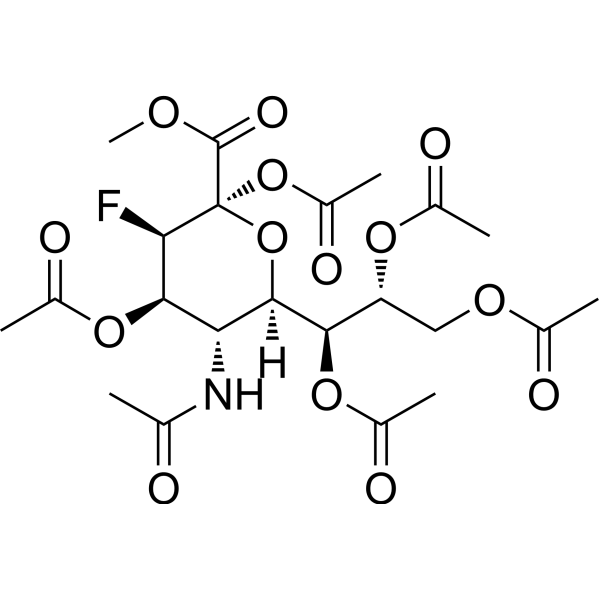
    3FAx-Neu5Ac
    3 Publications Verification

    Sialyltransferase Metabolic Disease
    3FAx-Neu5Ac (Compound 8), a Sialic acid peracetylated analog, is a sialyltransferase inhibitor. 3FAx-Neu5Ac substantially reduces expression of the sialylated ligand sialyl Lewis X .
    3FAx-Neu5Ac
  • HY-112942A
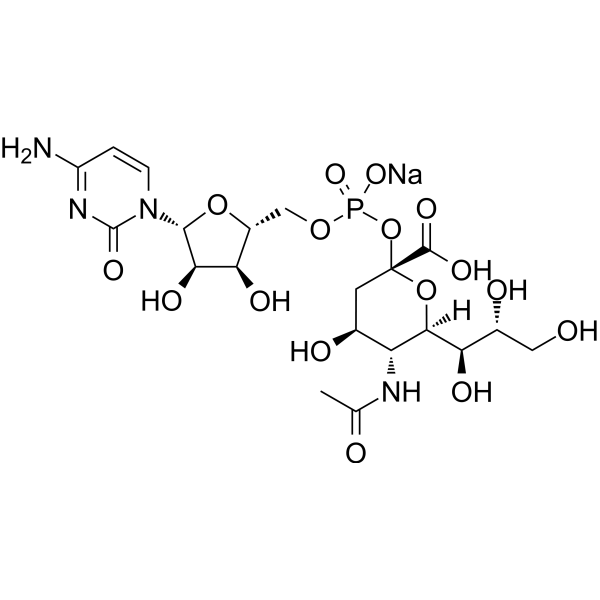
    CMP-Sialic acid sodium salt
    4 Publications Verification

    CMP-Neu5Ac sodium salt

    Endogenous Metabolite Metabolic Disease
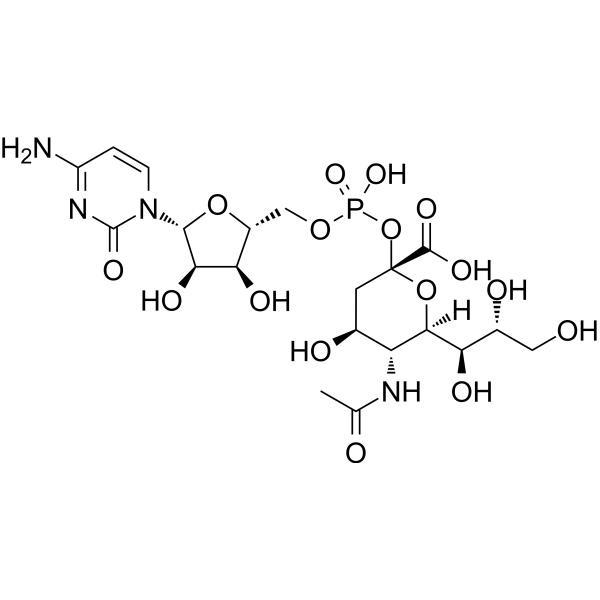
    CMP-Sialic acid (CMP-Neu5Ac) sodium salt is an allosteric inhibitor of UDP-GlcNAc 2-epimerase. CMP-Sialic acid sodium salt provides a substrate for Golgi sialyltransferases. CMP-Sialic acid sodium salt is an important sugar nucleotide for biosynthesis of sialic acid and its conjugates .
    CMP-Sialic acid sodium salt
  • HY-I0400
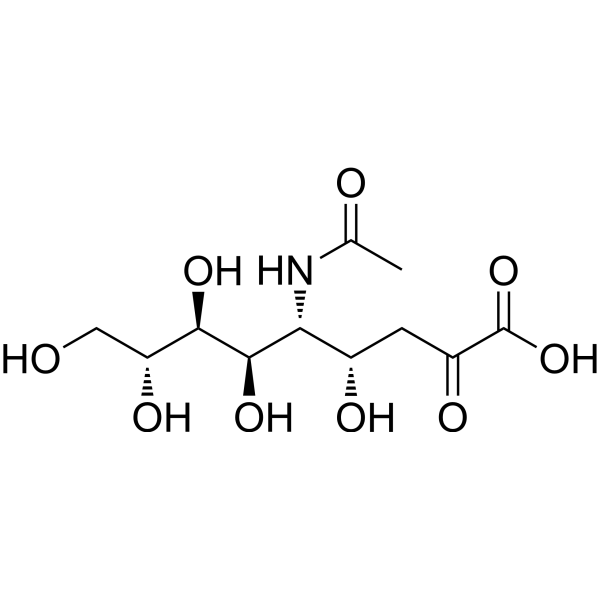
    N-Acetylneuraminic acid
    5 Publications Verification

    NANA; Lactaminic acid

    Tyrosinase Ras Influenza Virus Endogenous Metabolite Cardiovascular Disease Inflammation/Immunology Cancer
    N-Acetylneuraminic acid (NANA; Lactaminic acid), a nonphenolic structure, is the predominant form of sialic from Collocalia esculenta. N-Acetylneuraminic acid plays a biological role in myocardial injury, melanoma and viral or bacterial infection. N-Acetylneuraminic acid inhibits melanogenesis by reducing tyrosinase activity and triggers myocardial injury in vitro and in vivo by activation of the Rho/Rho-associated signaling pathway through binding to RhoA and Cdc42. N-Acetylneuraminic acid may prevent high fat diet (HFD)-induced inflammation and oxidative stress, thereby prevents hyperlipidemia-associated inflammation and oxidative stress. N-Acetylneuraminic acid is promising for research in the field of melanoma, coronary artery, obesity-related diseases and hyperlipidemia .
    N-Acetylneuraminic acid
  • HY-128850

    N-Acetylmannosamine; ManNAc

    Endogenous Metabolite Cardiovascular Disease Neurological Disease
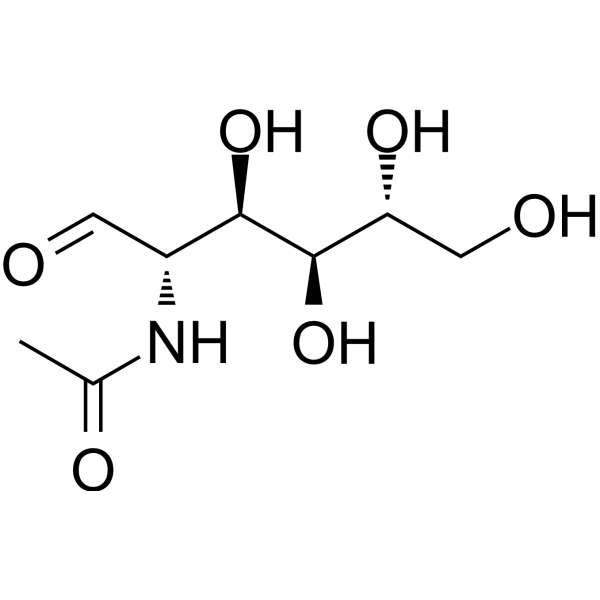
    N-Acetyl-D-mannosamine (ManNAc) is an oral active sialic acid precursor that can prevent hypertension by increasing sialylation of IgG, making it a promising candidate for cardiovascular disease research. Additionally, N-Acetyl-D-mannosamine can activate hypocretin (HCRT) gene expression in orexin neurons and improve neurodegeneration caused by aging, offering potential avenues for research in neurological disorders .
    N-Acetyl-D-mannosamine
  • HY-148476

    LYTACs Metabolic Disease
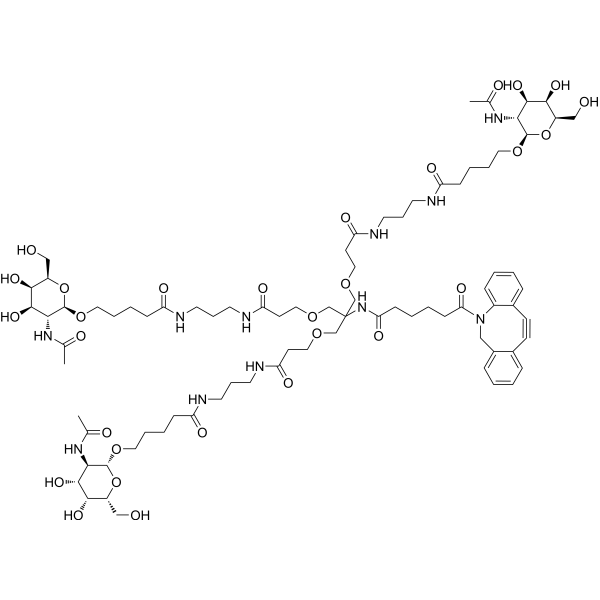
    Tri-GalNAc-DBCO is a synthetic ligand composed of three GalNAc units connected to DBCO. Tri-GalNAc-DBCO can act as a ligand for the sialic acid-degrading protein receptor (ASGPR), and can be coupled with targeting proteins or small molecules to form GalNAc-LYTACs. Tri-GalNAc-DBCO specifically binds to ASGPR and, through receptor-mediated endocytosis, guides the coupled molecules to lysosomes for degradation .
    Tri-GalNAc-DBCO
  • HY-128965

    NeuGc; GcNeu

    Influenza Virus Endogenous Metabolite Infection Cancer
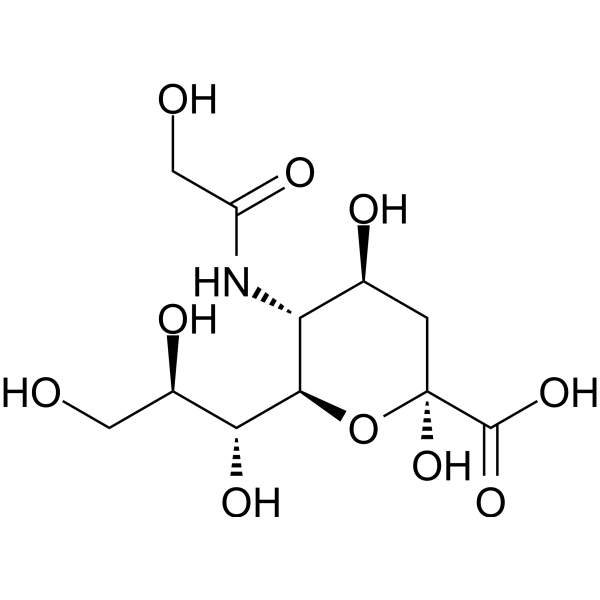
    N-Glycolylneuraminic acid is a nonhuman sialic acid molecule synthesized in pigs but not in humans. N-Glycolylneuraminic acid works as a decoy receptor of N-Glycolylneuraminic acid-binding influenza A viruses (IAVs) .
    N-Glycolylneuraminic acid
  • HY-E70024

    Sialyltransferase Others
    CMP-sialic acid synthetase (NmCSS) is an essential enzyme involved in the biosynthesis of carbohydrates and glycoconjugates containing sialic acids. CMP-sialic acid synthetase (NmCSS) activates free Sia, converting it to CMP-Sia, which is the only donor substrate for all sialyltransferases .
    CMP-sialic acid synthetase (NmCSS)
  • HY-P2988
    Neuraminidase, Microorganism
    1 Publications Verification

    Exo-α-sialidase

    Endogenous Metabolite Infection
    Neuraminidase, Microorganism (Exo-α-sialidase) is an exosialidase, is often used in biochemical studies. Neuraminidase cleaves α-ketosidic linkage between the sialic (N-acetylneuraminic) acid and an adjacent sugar residue. Neuraminidase, derived from mucosal pathogens, is a virulence factor that modifies the host's response to infection .
    Neuraminidase, Microorganism
  • HY-E70097

    Endogenous Metabolite Others
    Sialidase (α2-3-6-8-9) is a broadly specific sialidase that cuts linear and branched non-reducing terminal sialic acid residues from glycoproteins, glycopeptides, and oligosaccharides. Sialidase (α2-3-6-8-9) can be used for in vitro and in vivo polysaccharide analysis and characterization as well as complete glycoprotein remodeling .
    Sialidase (α2-3-6-8-9)
  • HY-P991636

    Transmembrane Glycoprotein Inflammation/Immunology
    AK006 is a humanized IgG1 monoclonal antibody agonist targeting Sialic acid-binding immunoglobulin-like lectin6 (Siglec-6). AK006 potently inhibits IgE-mediated human mast cell activation. AK006 can be used for inflammatory diseases like chronic urticaria (CU) and asthma research .
    AK006
  • HY-112942

    CMP-Neu5Ac

    Endogenous Metabolite Metabolic Disease
    CMP-Sialic acid (CMP-Neu5Ac) is an allosteric inhibitor of UDP-GlcNAc 2-epimerase. CMP-Sialic acid provides a substrate for Golgi sialyltransferases. CMP-Sialic acid is an important sugar nucleotide for biosynthesis of sialic acid and its conjugates .
    CMP-Sialic acid
  • HY-P99371

    AK002; Antolimab

    Apoptosis Inflammation/Immunology
    Lirentelimab (AK002) is a humanized IgG1 monoclonal antibody that targets sialic acid-binding Ig-like lectin 8 (SIGLEC8). Lirentelimab induces cell apoptosis of IL-5-activated eosinophils and inhibits IgE-mediated mast cell activation. Lirentelimab can be used for the research of eosinophilic gastritis and duodenitis .
    Lirentelimab
  • HY-75279

    N-Acetyl-Neuraminic acid (sialic acid)

    Drug Derivative Others
    N-Acetyl-β-neuraminic acid methyl ester (N-Acetyl-Neuraminic acid (Sialic acid)) is an ester compound .
    N-Acetyl-β-neuraminic acid methyl ester
  • HY-NP0149

    SNA (Biotinylated)

    Biochemical Assay Reagents Others
    Sambucus Nigra Lectin (SNA) (Biotinylated) is a terminal sialic acid (SA) residue-binding lectin with biotinylation modification. Sambucus Nigra Lectin (Biotinylated) binds specifically to terminal sialic acid residues on captured IgG and its subclasses .
    Sambucus Nigra Lectin (Biotinylated)
  • HY-147168

    Biochemical Assay Reagents Others
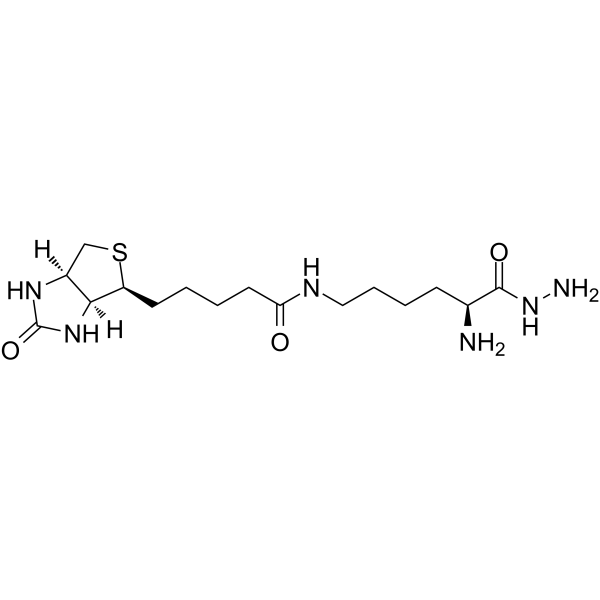
    Biocytin hydrazide is a long-chain biotin-containing hydrazide, serving as a biotin-derived active coupling reagent, selective labeling agent and biotinylating reagent. Biocytin hydrazide targets aldehyde, carboxyl, amino and guanidino groups to biotinylate glycoconjugates, K99 lectin, peptides and proteins through its hydrazide moiety, and achieves nonradioactive detection of sialic acid- and galactose-containing glycoconjugates via the avidin–biotin system .
    Biocytin hydrazide
  • HY-P2988B

    Bacterial HIV Infection
    Neuraminidase, arthrobacter ureafaciens is a neuraminidase derived from Arthrobacter ureafaciens. Neuraminidase, arthrobacter ureafaciens catalyzes the removal of sialic acid residues from cell surfaces and viral glycoconjugates. Neuraminidase, arthrobacter ureafaciens enhances HIV-1-mediated syncytium formation and promotes the viral binding and entry steps in the HIV-1 replication cycle .
    Neuraminidase, arthrobacter ureafaciens
  • HY-N12931F

    Fluorescent Dye Others Cancer
    Maackia amurensis Lectin (MAA/MAL II)-Biotinylated is a plant lectin modified by biotin. Maackia amurensis Lectin (MAA/MAL II)-Biotinylated has the activity to recognize specific sugar structures, specifically the alpha-2, 3-linked sialic acid (HY-I0400). Maackia amurensis Lectin (MAA/MAL II)-Biotinylated has a very high affinity with avidin or streptavidin and this interaction can be used to fix it to solid surfaces or bind it to other molecules. Maackia amurensis Lectin (MAA/MAL II)-Biotinylated can be used to isolate and purify proteins or other molecules with specific sugar chain structures in affinity chromatography as well as for disease marker discovery and cancer research .
    Maackia amurensis Lectin (MAA/MAL II)-Biotinylated
  • HY-NP0147
    Wheat Germ Agglutinin (Fluorescein)
    1 Publications Verification

    WGA (Fluorescein)

    Fluorescent Dye Infection Neurological Disease
    Wheat Germ Agglutinin (WGA) Fluorescein is a classic fluorescent label that specifically binds to sugar residues such as N-acetylglucosamine, N-acetylneuraminic acid and sialic acid. Wheat Germ Agglutinin Fluorescein performs regionally differential fluorescent staining of the ocular surface epithelial glycocalyx to assess its integrity, and causes no damage to the eye at safe concentrations. Wheat Germ Agglutinin Fluorescein is also used for staining structures including red blood cells, cultured cells, bacteria and pine wood nematodes, and facilitates the isolation of wheat-associated plant-growth-promoting rhizobacterial strains. Wheat Germ Agglutinin Fluorescein can be applied to the detection of ocular glycocalyx integrity and the research of related diseases such as pine wilt disease .
    Wheat Germ Agglutinin (Fluorescein)
  • HY-147266

    VIR-2218 sodium

    Small Interfering RNA (siRNA) HBV Infection
    Elebsiran (VIR-2218) sodium is a siRNA that targets and degrades hepatitis B virus (HBV) and hepatitis D virus (HDV) RNA transcripts. Elebsiran sodium leads to a significant decrease in HBV surface antigen (HBsAg) and a reduction in viral load. Elebsiran sodium binds to the sialic acid-depleted glycoprotein receptor (ASGPR) on the surface of liver cells through the GalNAc ligand, achieving liver-targeted delivery and demonstrating improved liver safety. Elebsiran sodium can be used for the study of chronic HBV/HDV infections .
    Elebsiran sodium
  • HY-160821A

    ManNAc-6P sodium salt

    Endogenous Metabolite Others
    N-Acetylmannosamine 6-phosphate sodium salt is a NanR modulator and an intermediate in the sialic acid pathway. N-Acetylmannosamine 6-phosphate sodium salt disrupts the binding of NanR to the promoter regions of nanAT and nanE, and prevents NanR-mediated transcriptional repression of these loci. N-Acetylmannosamine 6-phosphate sodium salt acts as a key precursor for sialic acid biosynthesis, participating in this process via Neu5Ac-9-P synthase. N-Acetylmannosamine 6-phosphate sodium salt can be used in research related to GNE myopathy .
    N-Acetylmannosamine 6-phosphate sodium salt
  • HY-D0871

    N-Cyclohexyltaurine

    Biochemical Assay Reagents Influenza Virus Infection
    CHES (N-Cyclohexyltaurine) is a biological buffer reagent that binds to influenza virus hemagglutinin (HA). CHES mimics the binding mode of sialic acid to the HA receptor-binding site .
    CHES
  • HY-145533

    KDN

    Biochemical Assay Reagents Others
    3-Deoxy-D-glycero-D-galacto-2-nonulosonic acid (KDN) is a type of sialic acid. 3-Deoxy-D-glycero-D-galacto-2-nonulosonic acid can be hydrolyzed by sialidase from the loach (Misgurnus fossilis) .
    3-Deoxy-D-glycero-D-galacto-2-nonulosonic acid
  • HY-D1991

    Fluorescent Dye Others
    ATTO 647 is a carborhodamine fluorophore and imaging tracer with photostable properties. ATTO 647 serves as a fluorescent probe to investigate cell membrane structure and diffusion characteristics. When conjugated with wheat germ agglutinin, ATTO 647 specifically binds to N-acetyl-β-D-glucosamine and sialic acid residues on membrane glycoproteins, enabling single-molecule tracing of glycoprotein diffusion. ATTO 647 exhibits highly stable fluorescence properties with significantly reduced blinking in mounting media such as ROXS (AA/MV) and ROXS (TX/TQ), whereas its brightness properties vary in Ibidi-MM and Vectashield. ATTO 647 can also be used to label histone H2B-GFP in fixed cells for confocal microscopy photobleaching experiments .
    ATTO 647
  • HY-164390

    Neu5Acα2-6Galβ1-4GlcNAc

    Endogenous Metabolite Infection Cancer
    6′SLN is a cancer-related extracellular vesicle (EVs) surface glycan that serves as a key form of protein glycosylation in EVs. 6′SLN is also a sialic acid derivative that can interact with hemagglutinins (HAs) from human and avian influenza virus strains, making it useful for research into anti-influenza drugs .
    6′SLN
  • HY-W747597

    Disialoganglioside GD1b; Ganglioside C1; Ganglioside G2

    Endogenous Metabolite Cancer
    Ganglioside GD1b Disodium Salt (Bovine Brain) (Disialoganglioside GD1b; Ganglioside C1) is an acidic glycosphingolipid containing two sialic acid residues linked to an internal galactose unit. Ganglioside GD1b Disodium Salt tightly packs with cholesterol to form lipid microdomains that modulate intracellular and intercellular signaling events. Concentrations of Ganglioside GD1b Disodium Salt (Bovine Brain) in the human brain increase with age and are positively correlated with pilocytic astrocytoma tumor grade. Ganglioside GD1b Disodium Salt has been detected in various other gliomas, including primitive neuroectodermal tumors, glioblastomas, and anaplastic astrocytomas.
    Ganglioside GD1b Disodium Salt (Bovine Brain)
  • HY-P2988A

    Influenza Virus Metabolic Disease
    α2-3,6 Neuraminidase, Bifidobacterium infantis is a highly specific exoglycosidase that catalyzes the hydrolysis of non-reducing terminal α2-3 and α2-6 unbranched sialic acid residues from complex carbohydrates and glycoproteins. α2-3,6 Neuraminidase does not exhibit activity on α2-8 or branched sialic acids .
    α2-3,6 Neuraminidase, Bifidobacterium infantis
  • HY-I0400R

    NANA (Standard); Lactaminic acid (Standard)

    Reference Standards Tyrosinase Ras Influenza Virus Endogenous Metabolite Cardiovascular Disease Inflammation/Immunology Cancer
    N-Acetylneuraminic acid (Standard) is the analytical standard of N-Acetylneuraminic acid. This product is intended for research and analytical applications. N-Acetylneuraminic acid (NANA; Lactaminic acid), a nonphenolic structure, is the predominant form of sialic from Collocalia esculenta. N-Acetylneuraminic acid plays a biological role in myocardial injury, melanoma and viral or bacterial infection. N-Acetylneuraminic acid inhibits melanogenesis by reducing tyrosinase activity and triggers myocardial injury in vitro and in vivo by activation of the Rho/Rho-associated signaling pathway through binding to RhoA and Cdc42. N-Acetylneuraminic acid may prevent high fat diet (HFD)-induced inflammation and oxidative stress, thereby prevents hyperlipidemia-associated inflammation and oxidative stress. N-Acetylneuraminic acid is promising for research in the field of melanoma, coronary artery, obesity-related diseases and hyperlipidemia .
    N-Acetylneuraminic acid (Standard)
  • HY-154790

    Neu5Aca2-6GalNAc-a-Ser/Thr

    Ser/Thr Protease Cancer
    STn/sialyl-Tn is a sialic acid associated with breast cancer and its expression is closely related to HER2-pos. STn/sialyl-Tn can be used as a marker to count cells in malignant nipple discharge (PND) .
    STn/sialyl-Tn
  • HY-75102

    Biochemical Assay Reagents Cancer
    4-Boronobenzoic acid is an organic compound. 4-Boronobenzoic acid forms reversible cyclic boronate esters with molecules containing cis-vicinal diol structures (such as sialic acid) through the boron atom, achieving molecular recognition and binding. 4-Boronobenzoic acid can be used in research of breast cancer .
    4-Boronobenzoic acid
  • HY-E70132

    Endo D

    Glycosidase Metabolic Disease
    Endo-β-N-acetylglucosaminidase D (Endo D), isolated from Streptococcus pneumoniae. Endo-β-N-acetylglucosaminidase D hydrolyzes Fc N-glycan of intact IgG antibodies after sequential removal of the sialic acid, galactose, and internal GlcNAc residues in the N-glycan. Endo-β-N-acetylglucosaminidase D possesses transglycosylation activity with sugar oxazoline as the donor substrate .
    Endo-β-N-acetylglucosaminidase D
  • HY-P2977

    sialic acid aldolase (CgNal)

    Fructose-1,6-bisphosphate aldolase Endogenous Metabolite Others
    N-Acetylneuraminate lyase (CgNal) (Sialic acid aldolase (CgNal)) is a class I aldolase, is often used in biochemical studies. N-Acetylneuraminate lyase (CgNal) catalyzes the reversible condensation of pyruvate with N-acetyl-d-mannosamine (ManNAc) to yield the sialic acid N-acetylneuraminic acid (Neu5Ac) .
    N-Acetylneuraminate lyase (CgNal)
  • HY-E70039

    Others Others
    alpha-2-3,6,8-Sialidosidase (SpNanA) catalyses hydrolysis of alpha-(2->3)-, alpha-(2->6)-, alpha-(2->8)- glycosidic linkages of terminal sialic acid residues in oligosaccharides, glycoproteins, glycolipids, colominic acid and synthetic substrates .
    alpha-2-3,6,8-Sialidosidase (SpNanA)
  • HY-147266A

    VIR-2218

    HBV Small Interfering RNA (siRNA) Infection
    Elebsiran (VIR-2218) is a siRNA that targets and degrades hepatitis B virus (HBV) and hepatitis D virus (HDV) RNA transcripts. Elebsiran leads to a significant decrease in HBV surface antigen (HBsAg) and a reduction in viral load. Elebsiran binds to the sialic acid-depleted glycoprotein receptor (ASGPR) on the surface of liver cells through the GalNAc ligand, achieving liver-targeted delivery and demonstrating improved liver safety. Elebsiran can be used for the study of chronic HBV/HDV infections .
    Elebsiran
  • HY-E70073

    Sialidase isoenzyme M2; AuSialidase M2

    Biochemical Assay Reagents Others
    Ganglioside sialidase (AuSialidase M2) from Arthrobacter ureafaciens. Ganglioside sialidase is a highly specific N-acetylneuraminidase. Ganglioside sialidase can hydrolyze the internal sialic acid of GM1 under optimal condition with sodium cholate .
    Ganglioside sialidase (AuSialidase M2)
  • HY-E70062

    Fh8-PmST3

    Endogenous Metabolite Metabolic Disease
    alpha-2,3-Sialyltransferase (PmST3) (EC 2.4.99.4) is a beta-galactoside. alpha-2,3-Sialyltransferase (PmST3) catalyzes the transfer of sialic acid to carbohydrate groups of glycoproteins and glycolipids .
    α-2,3-Sialyltransferase, pasteurella multocida
  • HY-E70063

    Endogenous Metabolite Metabolic Disease
    alpha-2,3-Sialyltransferase (Phα2,3SiaT) is a beta-galactoside. alpha-2,3-Sialyltransferase (Phα2,3SiaT) catalyzes the transfer of sialic acid to carbohydrate groups of glycoproteins and glycolipids .
    alpha-2,3-Sialyltransferase (Phα2,3SiaT)
  • HY-P990163

    Transmembrane Glycoprotein Inflammation/Immunology
    Anti-Mouse Siglec-H Antibody (440c) is a rat-derived IgG2b type antibody inhibitor, targeting to mouse Siglec-H. Anti-Mouse Siglec-H Antibody (440c) recognizes sialic acid-binding immunoglobulin (Ig)-like lectin family (Siglec-H) selectively expressing on plasmacytoid DCs and interferon–producing cells. Anti-Mouse Siglec-H Antibody (440c) can be used for the researches of inflammation and immunology, such as colitis .
    Anti-Mouse Siglec-H Antibody (440c)
  • HY-112944A

    CMP-NeuNAz sodium

    Sialyltransferase Infection
    CMP-SiaNAz (CMP-NeuNAz) sodium is a sialic acid nucleotide sugar derivative. CMP-SiaNAz sodium is integrated into the glycosidic chain through the action of STs in the Golgi apparatus, forming SiaNAz substances. CMP-SiaNAz sodium can serve as a substrate for bacterial-derived sialic acid transferases and is used for chemical enzymatic labeling and imaging of cell surface glycosides .
    CMP-SiaNAz sodium
  • HY-E70287

    ST6GALNAC5

    Glycosyltransferase Metabolic Disease
    ST6 Sialyltransferase 5 (EC:2.4.3.3, ST6GALNAC5, SIAT7E, ST6 N-acetylgalactosaminide alpha-2,6-sialyltransferase 5) transfers a sialic acid to N-acetylgalactosamine (GalNAc) residues. ST6 Sialyltransferase 5 is a bio-marker in cervical screening samples .
    ST6 Sialyltransferase 5
  • HY-E70150

    EC:2.4.3.3; Alpha-N-Acetylgalactosaminide alpha-2,6-sialyltransferase 1

    Sialyltransferase Cancer
    ST6 Sialyltransferase 1 (EC:2.4.3.3, ST6GALNAC1, SIAT7A, Alpha-N-acetylgalactosaminide alpha-2,6-sialyltransferase 1)? transfers a sialic acid, N-acetylneuraminic acid (NeuAc), in an alpha-2,6 linkage to O-linked GalNAc residues. ST6 Sialyltransferase 1 plays an important role in cancer .
    ST6 Sialyltransferase 1
  • HY-E70621

    Biochemical Assay Reagents Fructose-1,6-bisphosphate aldolase Metabolic Disease
    Sialic acid aldolase (Pm NaNa) (EC 4.1.3.3) is a type I aldolase that catalyze the reversible aldol cleavage of N-acetylneuraminic acid (Neu5Ac) to form pyruvate and N-acetyl-D-mannosamine (ManNAc) with the equilibrium favoring the Neu5Ac cleavage .
    Sialic acid aldolase (Pm NaNa)
  • HY-161160

    Fluorescent Dye Others
    Ac4ManNDAz is a cell-permeable photocross-linking probe. Ac4ManNDAz can effectively compete with endogenous sialic acid for incorporation into cell surface glycoproteins and form cross-links with glycoprotein ligands under UV light irradiation. Ac4ManNDAz can be used to study interactions between glycoproteins .
    Ac4ManNDAz
  • HY-128850R

    N-Acetylmannosamine (Standard); ManNAc (Standard)

    Reference Standards Endogenous Metabolite Cardiovascular Disease Neurological Disease
    N-Acetyl-D-mannosamine (Standard) is an analytical standard for N-Acetyl-D-mannosamine. This product is intended for research and analytical applications. N-Acetyl-D-mannosamine (ManNAc) is an orally active sialic acid (Sialic Acid) precursor that can prevent hypertension by increasing sialylation of IgG and has potential for use in cardiovascular disease research. N-Acetyl-D-mannosamine activates hypocretin (HCRT) gene expression and alters
    N-Acetyl-D-mannosamine (Standard)
  • HY-E70152

    EC:2.4.3.7; ST6GALNAC4; SIAT3-C

    Biochemical Assay Reagents Cancer
    ST6 Sialyltransferase 4 (EC:2.4.3.7; ST6GALNAC4; SIAT3-C; SIAT3C; SIAT7-D; SIAT7D) catalyzes the transfer of sialic acid from CMP-sialic acid to galactose-containing substrates. ST6 Sialyltransferase 4 promotes hepatocellular carcinogenesis by inducing abnormal glycosylation. .
    ST6 Sialyltransferase 4
  • HY-E70298

    ST3GAL1

    Endogenous Metabolite Cancer
    ST3 β-Gal α-2,3-Sialyltransferase 1 (ST3GAL1) is a sialyltransferase whose overexpression in ovarian cancer cell lines enhances cell growth, migration, and invasion capabilities, as well as increases tumorigenicity and resistance to paclitaxel in vivo. ST3 β-Gal α-2,3-Sialyltransferase 1 catalyzes the transfer of sialic acid from cytidine monophosphate-sialic acid to galactose-containing substrates and can be utilized in studies of cancer progression and chemotherapy resistance .
    ST3 β-Gal α-2,3-Sialyltransferase 1
  • HY-128965R

    NeuGc (Standard); GcNeu (Standard)

    Reference Standards Influenza Virus Endogenous Metabolite Infection Cancer
    N-Glycolylneuraminic acid (Standard) is the analytical standard of N-Glycolylneuraminic acid. This product is intended for research and analytical applications. N-Glycolylneuraminic acid is a nonhuman sialic acid molecule synthesized in pigs but not in humans. N-Glycolylneuraminic acid works as a decoy receptor of N-Glycolylneuraminic acid-binding influenza A viruses (IAVs) .
    N-Glycolylneuraminic acid (Standard)
  • HY-145533A

    KDN sodium

    Endogenous Metabolite Others
    3-Deoxy-D-glycero-D-galacto-2-nonulosonic acid (KDN) sodium is a sialic acid. 3-Deoxy-D-glycero-D-galacto-2-nonulosonic acid sodium protects the oligo/(poly)sialyl chains from exosialidases at nonreducing terminal, and plays a role in egg activation of salmonid fish. 3-Deoxy-D-glycero-D-galacto-2-nonulosonic acid sodium is abundant in fetal cord red blood cells and malignant human ovarian cancer cells .
    3-Deoxy-D-glycero-D-galacto-2-nonulosonic acid sodium
  • HY-W127461

    Gangliotriosylceramide

    Biochemical Assay Reagents Others
    Ganglioside GM2 asialo (asialo-GM2) is a glycosphingolipid containing three monosaccharide residues and one fatty acid of variable chain length, but lacks the sialic acid residue present on ganglioside M2. Asialo-GM2 is found at low or undetectable levels in normal human brains, but it accumulates in the brains of patients with Tay-Sachs disease and Sandhoff disease, which are expressed as lysosomal β- A neurodegenerative disorder characterized by hexosaminidase A and B deficiency. It also binds to various bacteria, including Pseudomonas isolated from cystic fibrosis patients. The Asialo-GM2 mixture contains ganglioside GM2 asialo molecular species with fatty acyl chains of variable length.
    Ganglioside GM2, Asialo
  • HY-105284R

    CP-70429 (Standard)

    Beta-lactamase Reference Standards Bacterial Antibiotic Infection
    N-Acetylneuraminic acid (Standard) is the analytical standard of N-Acetylneuraminic acid. This product is intended for research and analytical applications. N-Acetylneuraminic acid (NANA; Lactaminic acid), a nonphenolic structure, is the predominant form of sialic from Collocalia esculenta. N-Acetylneuraminic acid plays a biological role in myocardial injury, melanoma and viral or bacterial infection. N-Acetylneuraminic acid inhibits melanogenesis by reducing tyrosinase activity and triggers myocardial injury in vitro and in vivo by activation of the Rho/Rho-associated signaling pathway through binding to RhoA and Cdc42. N-Acetylneuraminic acid may prevent high fat diet (HFD)-induced inflammation and oxidative stress, thereby prevents hyperlipidemia-associated inflammation and oxidative stress. N-Acetylneuraminic acid is promising for research in the field of melanoma, coronary artery, obesity-related diseases and hyperlipidemia .
    Sulopenem (Standard)
  • HY-171936

    GM1 (d18:1/C18:0) ammonium; C18 Ganglioside GM1 (d18:1/18:0) ammonium

    Endogenous Metabolite Neurological Disease
    Ganglioside GM1 (ammonium) is a monosialylated ganglioside and the prototypic ganglioside for those containing one sialic acid residue. Ganglioside GM1 (ammonium) is one of the most abundant gangliosides in the brain which provides neuroprotection. Ganglioside GM1 (ammonium) exhibits anti-inflammatory property. Ganglioside GM1 (ammonium) has a well-balanced amphiphilic behavior. Ganglioside GM1 (ammonium) can reduce the fluidity of the plasma membrane that implies a retention and enrichment of the ganglioside in specific membrane domains that are called lipid rafts. Ganglioside GM1 (ammonium) can modify the process of differentiation, amplifies responses to neurotrophic factors, protects against excitatory amino acid-related neurotoxicity. Ganglioside GM1 (ammonium) can alleviate acute nerve cell damage through blocking cytotoxicity and potentiating neurotophic factors. Ganglioside GM1 (ammonium) can be studied in neurodegenerative diseases such as Alzheimer’s disease .
    Ganglioside GM1 ammonium

Inquiry Online

Your information is safe with us. * Required Fields.

Salutation


Country or Region *

Applicant Name *


Organization Name *

Department *


Email Address *


Product Name *

Cat. No.


Requested quantity *

Phone Number *


Remarks

Inquiry Online

Inquiry Information

Product Name:
Cat. No.:
Quantity:
MCE Japan Authorized Agent:

