1. Search Result
Search Result
Results for "

similar compound

" in MedChemExpress (MCE) Product Catalog:

74

Inhibitors & Agonists

3

Screening Libraries

1

Fluorescent Dyes

1

Biochemical Assay Reagents

15

Natural
Products

3

Isotope-Labeled Compounds

1

Click Chemistry

Cat. No. Product Name Target Research Areas Chemical Structure
  • HY-133122
    UCB-9260
    3 Publications Verification

    TNF Receptor Inflammation/Immunology Cancer
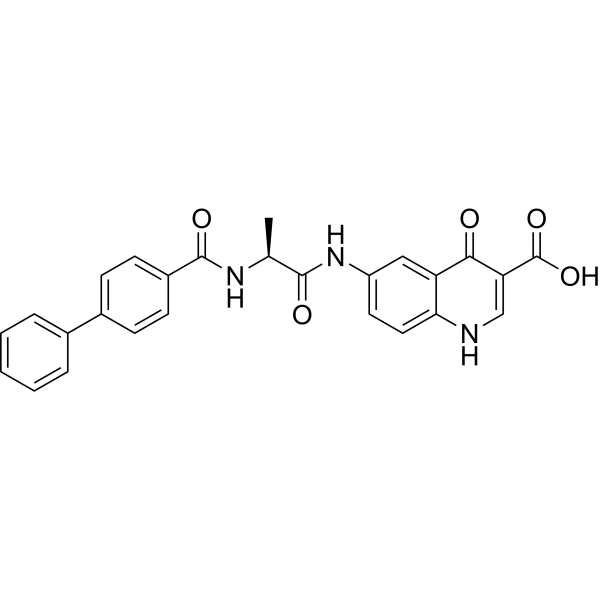
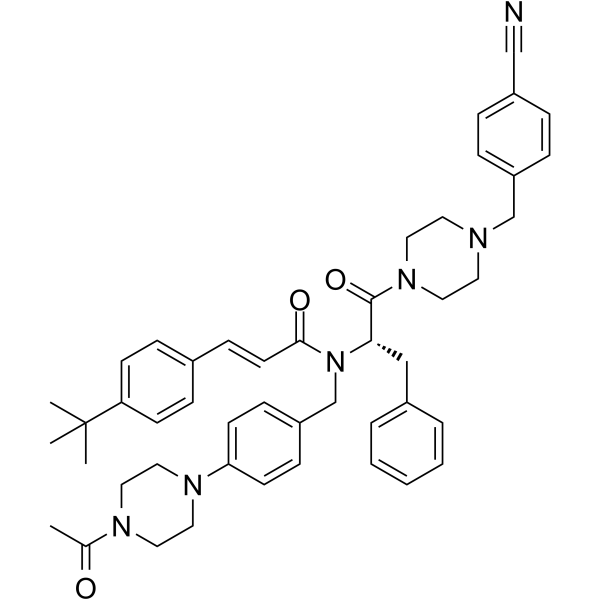
    UCB-9260, an orally active compound, inhibits TNF signaling by stabilising an asymmetric form of the trimer. UCB-9260 is selective for TNF over other superfamily members, and binds TNF with a similar Kd of 13 nM .
    UCB-9260
  • HY-148087
    AZD5462
    1 Publications Verification

    RXFP Receptor Cardiovascular Disease
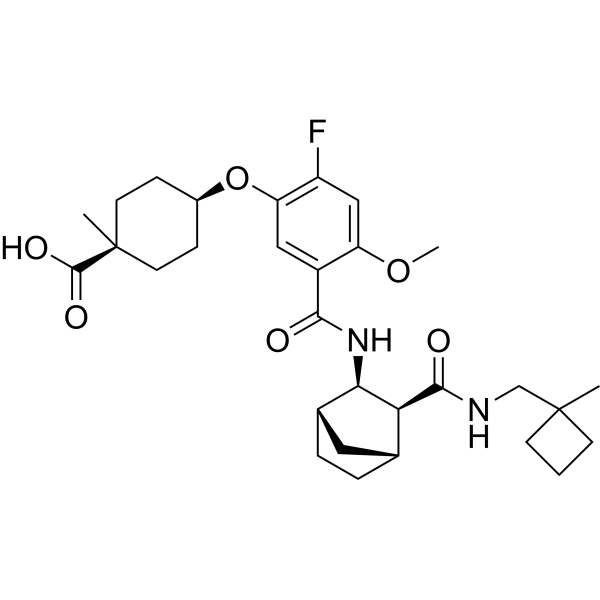
    AZD5462 is a RXFP1 modulator, can be used for heart failure research. RXFP1 is the cognate receptor for human relaxin, belongs to GPCR family 1c number with anti-fibrotic and anti-inflammatory properties .
    AZD5462
  • HY-Y1644
    (E)-Crotonic acid
    1 Publications Verification

    (E)-2-Butenoic acid; trans-2-Butenoic acid; trans-Crotonic acid

    Endogenous Metabolite Metabolic Disease
    NSC 8751 (trans-2-Butenoic acid; trans-Crotonic acid) is an unsaturated carboxylic acid compound containing α,β-unsaturated carboxylic acid groups. NSC 8751 is one of the important analogs for evaluating the safety of fragrance ingredients and is used to evaluate the toxicological properties of compounds with similar structures. When NSC 8751 is applied to local lymph nodes, a 50% concentration does not cause skin sensitization. Structural analogs of NSC 8751 have been shown to be non-genotoxic. trans-Crotonic acid can be used in the preparation of cosmetics and food additives .
    (E)-Crotonic acid
  • HY-139693
    PTPN22-IN-1
    5 Publications Verification

    Phosphatase Inflammation/Immunology Cancer
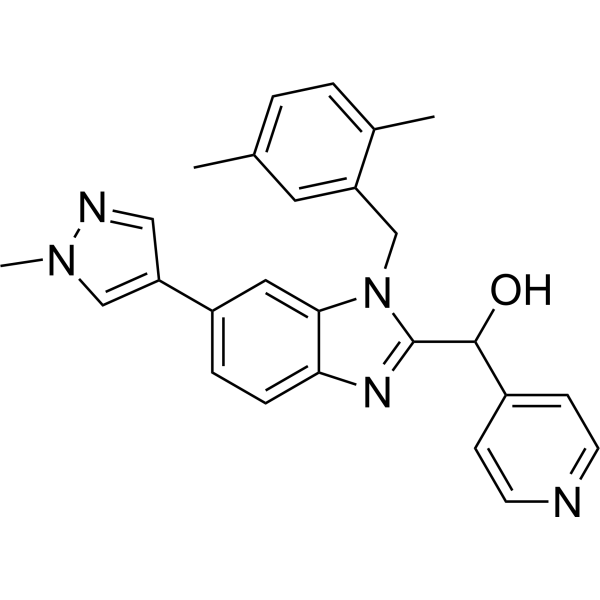
    PTPN22-IN-1 is a potent PTPN22 inhibitor (IC50=1.4 µM; Ki=0.50 µM). PTPN22-IN-1 exhibits >7-10 fold selectivity for PTPN22 over similar phosphatases. PTPN22-IN-1 augments antitumor immune responses . From WO2021007491A1 compound L-1.
    PTPN22-IN-1
  • HY-16762
    Artefenomel
    2 Publications Verification

    OZ439

    Parasite Ferroptosis SARS-CoV Infection
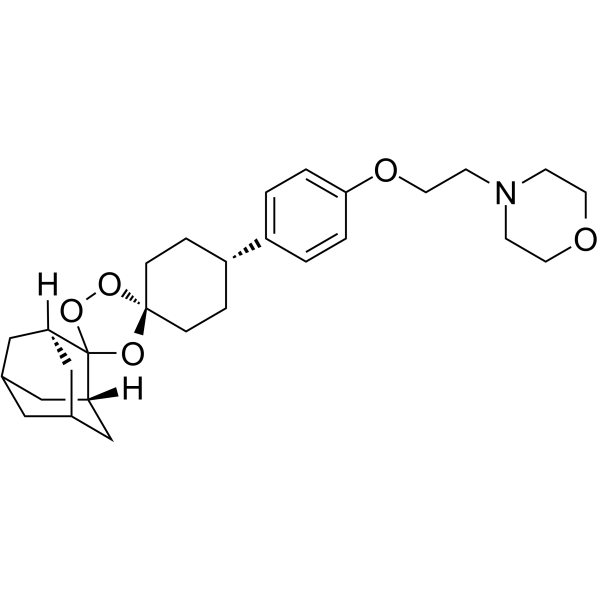
    Artefenomel (OZ439) is an orally active, synthetic anti-malarial compound containing an artemisinin pharmacophore with a mechanism of action similar to that of artemisinin. Artefenomel has antiviral activity against SARS-CoV-2 .
    Artefenomel
  • HY-113206

    Endogenous Metabolite Metabolic Disease
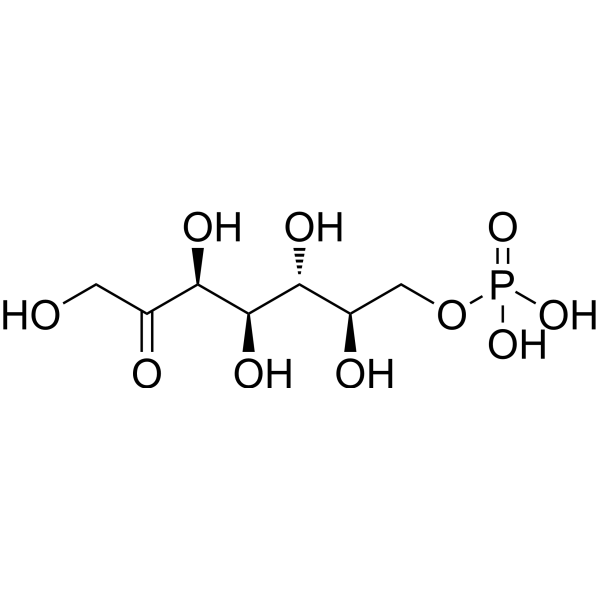
    D-Sedoheptulose 7-phosphate is a common precursor for the heptoses of septacidin (group III) and hygromycin B (group IV). D-Sedoheptulose 7-phosphate can be converted to NDP-heptoses through similar biosynthetic pathways in those compounds .
    D-Sedoheptulose 7-phosphate
  • HY-113206A
    D-Sedoheptulose-7-phosphate barium
    1 Publications Verification

    Endogenous Metabolite Metabolic Disease
    D-Sedoheptulose-7-phosphate barium is a common precursor for the heptoses of septacidin (group III) and hygromycin B (group IV). D-Sedoheptulose-7-phosphate barium can be converted to NDP-heptoses through similar biosynthetic pathways in those compounds .
    D-Sedoheptulose-7-phosphate barium
  • HY-152899

    Endogenous Metabolite Cardiovascular Disease
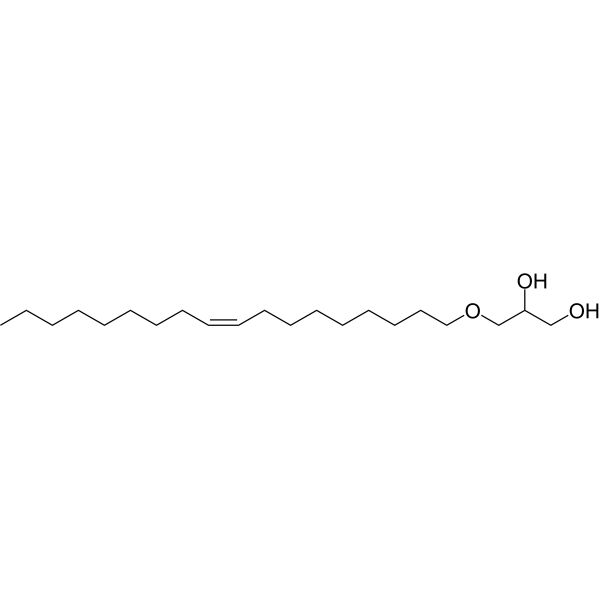
    Selachyl alcohol is an orally active antihypertensive agent. Selachyl alcohol has similar activities with antihypertensive neutral renomedullary lipid (ANRL). Selachyl alcohol is an alkylglycerol compound in shark liver oil mixture with properties that reduce lung metastasis. Selachyl alcohol can be used for cardiovascular disease research .
    Selachyl alcohol
  • HY-121263

    Insecticide Cancer
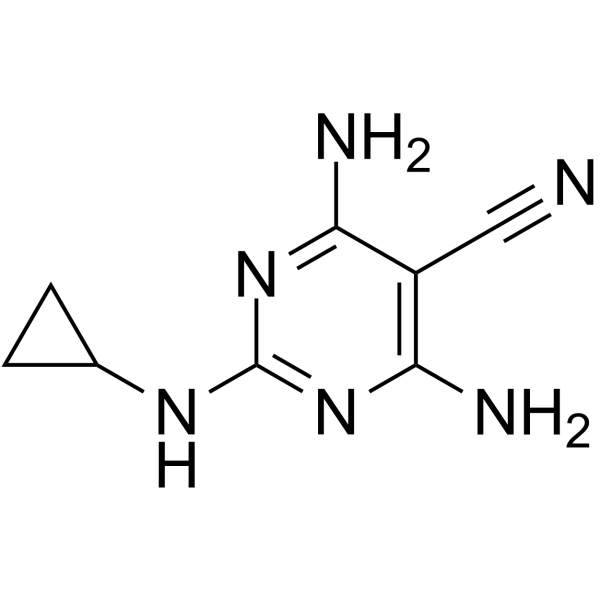
    Dicyclanil is an insect growth regulator compound with a similar chemical structure to cyromazine .
    Dicyclanil
  • HY-W001663

    Bacterial Infection
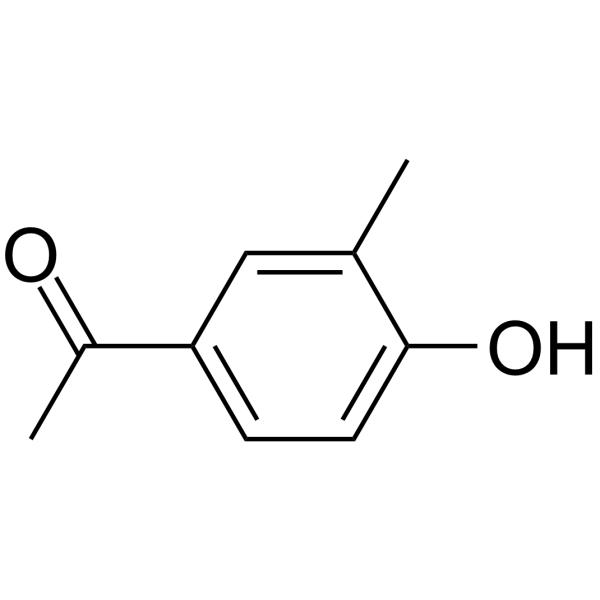
    4'-Hydroxy-3'-methylacetophenone is a phenolic volatile compound. 4'-Hydroxy-3'-methylacetophenone can be isolated from Hawaiian green coffee beans (Coffea Arabica L.). 4'-Hydroxy-3'-methylacetophenone is believed to possess potent antioxidant activity similar to that of other phenolic volatile compounds, Thymol (HY-N6810) and Eugenol (HY-N0337). 4'-Hydroxy-3'-methylacetophenone also can be used to synthesize heterocyclic compounds which have antimycobacterial activity .
    4'-Hydroxy-3'-methylacetophenone
  • HY-161828A

    PROTACs CDK Cancer
    (S)-JWZ-5-13 (compound 17-Neg), a PROTAC CDK7 degrader, is a negative control compound of JWZ-5-13 (HY-161828). (S)-JWZ-5-13 displays similar in vitro CDK7 inhibition (IC50 = 21.1 nM) to JWZ-5-13, but fails to induce CDK7 degradation in cells .
    (S)-JWZ-5-13
  • HY-111817

    Parasite Infection
    ACT-451840 is an orally active, potent and low-toxicity compound, showing activity against sensitive and resistant plasmodium falciparum strains. ACT-451840 targets all asexual blood stages of the parasite, has a rapid onset of action. ACT-451840 behaves in a way similar to artemisinin derivatives, with very rapid onset of action and elimination of parasite. ACT-451840 can be used for the research of malarial .
    ACT-451840
  • HY-W015229R

    Indole-3-propionic acid (Standard); 3-IPA (Standard)

    Reference Standards Endogenous Metabolite Reactive Oxygen Species (ROS) Neurological Disease Metabolic Disease
    3-Indolepropionic acid (Standard) is the analytical standard of 3-Indolepropionic acid. This product is intended for research and analytical applications. 3-Indolepropionic acid is shown to be a powerful antioxidant and has potential in the treatment for Alzheimer’s disease. In Vitro: 3-Indolepropionic acid is shown to be a powerful antioxidant and has potential in the treatment for Alzheimer’s disease . 3-Indolepropionic acid is a more potent scavenger of hydroxyl radicals than melatonin. Similar to melatonin but unlike other antioxidants, 3-Indolepropionic acid scavenges radicals without subsequently generating reactive and pro-oxidant intermediate compounds . It is also suggested that indolepropionic acid, a gut microbiota-produced metabolite, is a potential biomarker for the development of type 2 diabetes (T2D) that may mediate its protective effect by preservation of β-cell function .
    3-Indolepropionic acid (Standard)
  • HY-12883A

    Sodium Channel Neurological Disease
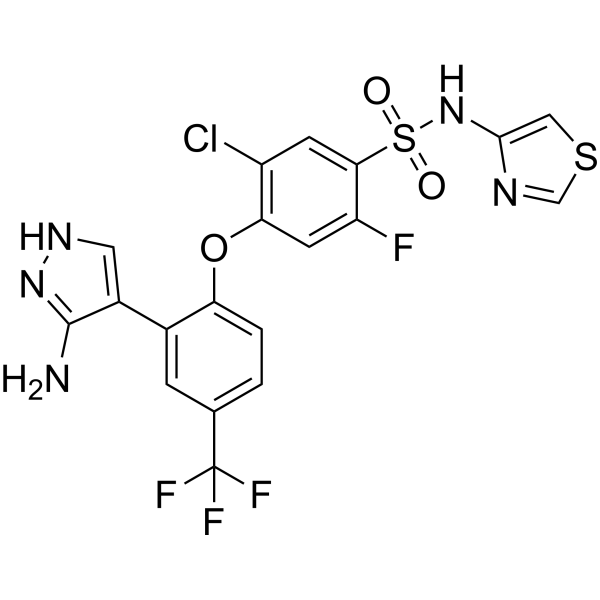
    PF-05198007 is a potent, orally active and selective arylsulfonamide Nav1.7 inhibitor. PF-05198007 is a compound with a similar pharmacodynamic profile to PF-05089771 .
    PF-05198007
  • HY-A0163A

    Dopamine Receptor Neurological Disease
    Clopenthixol is a thiaquinoline compound with inhibitory effects similar to those of phenothiazine antipsychotics. Clopenthixol is an antagonist of D1 and D2 dopamine receptors. Clopenthixol is mainly used to suppress schizophrenia and other mental disorders .
    Clopenthixol
  • HY-D2575

    Biochemical Assay Reagents Inflammation/Immunology
    WYneN (compound 10) is a functionalized Wittig-alkyne probe. WYneN exhibits strong reactivity with sulfinic acid dipeptide models, similar to the parent Wittig reagent. WYneN can be used to reveal the function of oxidative modifications on a proteome-wide scale .
    WYneN
  • HY-131515

    Drug Derivative Cardiovascular Disease Metabolic Disease Inflammation/Immunology
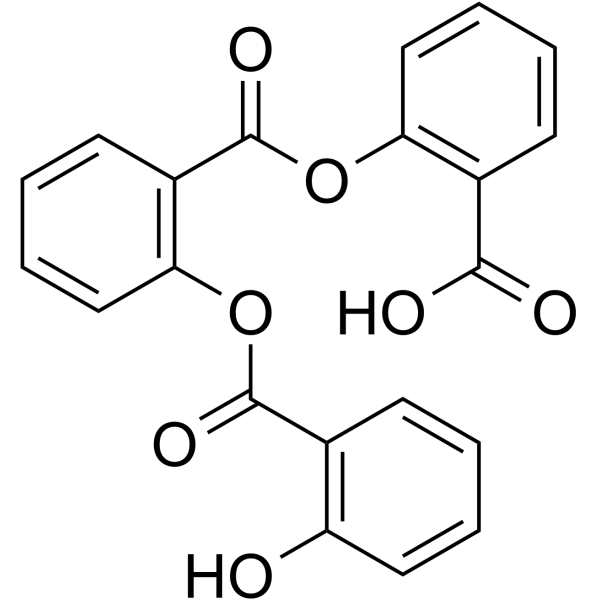
    Tri-Salicylic acid (Compound III) is a compound with similar properties to salicylic acid. Tri-Salicylic acid can be used in the research of inflammation, obesity, diabetes, and cardiovascular disease .
    Tri-Salicylic acid
  • HY-120979

    Angiotensin Receptor Cardiovascular Disease
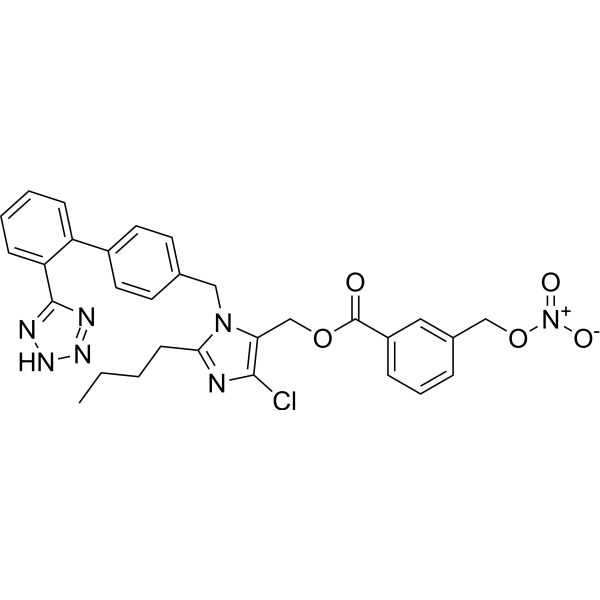
    NO-Losartan A (compound 2a) displays vasorelaxing effects, due to the release of NO, and antagonized the vasocontractile effects of Angiotensin II (HY-13948), with potency values similar to that of Losartan (HY-17512) .
    NO-Losartan A
  • HY-W017562

    Environmental Pollutants Biochemical Assay Reagents Others
    γ-Octalactone is an aromatic lactone compound. γ-Octalactone has a strong fruity (similar to coconut) aroma and a sweet taste, and is commonly used in food, cosmetics and fragrances. γ-Octalactone is highly safe .
    γ-Octalactone
  • HY-135212S

    Isotope-Labeled Compounds Endogenous Metabolite Metabolic Disease
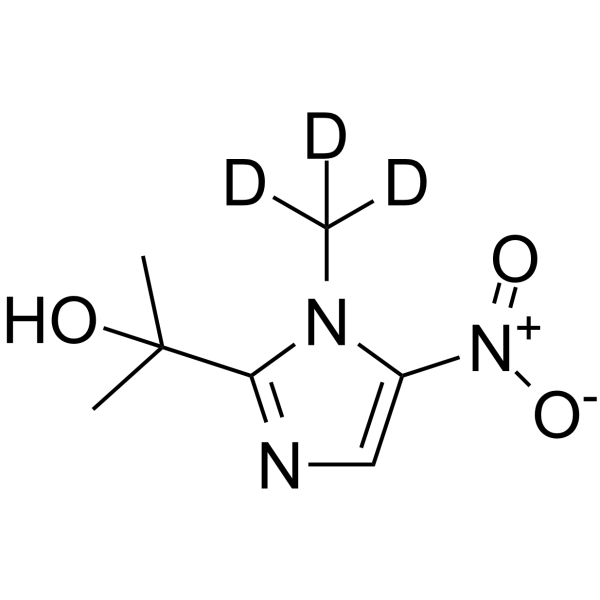
    Hydroxy ipronidazole-d3 is the deuterium labeled Hydroxy ipronidazole. Hydroxy ipronidazole (Ipronidazole-OH) is a metabolite of nitroimidazole antibiotics, such as ipronidazole (IPZ). Hydroxy ipronidazole may has similar mutagenic potential as the parent compound .
    Hydroxy ipronidazole-d3
  • HY-121111

    HIV Protease Cancer
    Agaritine is a compound isolated from the commonly cultivated commercial mushroom Agaricus bisporus. Agaritine is hydrolyzed by an enzyme system present in the mushroom into 4-(hydroxymethyl)benzenediazonium ion, which is a carcinogen in mice. Agaritine is structurally similar to some known carcinogens and can be used for research in cancer and food safety .
    Agaritine
  • HY-103329

    MM22; Biotinylated N-arachidonoylethanolamine

    Cannabinoid Receptor Others
    b-AEA (MM22) is a biotinylated endocannabinoid analog with probe activity. b-AEA is able to accumulate intracellularly in a similar manner to the parent compound AEA. b-AEA does not interact with other components of the endocannabinoid system and therefore does not interfere with their function. b-AEA can be used to visualize the accumulation and intracellular distribution of endocannabinoids .
    b-AEA
  • HY-W004782

    Bacterial Inflammation/Immunology
    3-Methylthiophene-2-carboxylic acid (compound 3) is a potent Pseudomonas quinolone signal system protein E (PqsE) inhibitor with a Kd of 19.6 µM and an IC50 of 40 µM. 3-Methylthiophene-2-carboxylic acid binds to the active center of PqsE and shows inhibition of the thioesterase activity. Methylthiophene-2-carboxylic acid can permeate into P. aeruginosa and affect 2,4-dihydroxyquinoline (DHQ) levels to a similar extent as deletion of the PqsE gene. 3-Methylthiophene-2-carboxylic acid can be used for cystic fibrosis research .
    3-Methylthiophene-2-carboxylic acid
  • HY-135212

    Endogenous Metabolite Metabolic Disease
    Hydroxy ipronidazole (Ipronidazole-OH) is a metabolite of nitroimidazole antibiotics, such as ipronidazole (IPZ). Hydroxy ipronidazole may has similar mutagenic potential as the parent compound .
    Hydroxy ipronidazole
  • HY-168358

    Drug Derivative Others
    4'-Fluoro diazepam is a 1,4-benzodiazepine compound. 4'-Fluoro diazepam is structurally similar to Diazepam, but its has only minimal biological activity .
    4'-Fluoro diazepam
  • HY-W127809

    Biochemical Assay Reagents Others
    Chlorin e4 is an organic compound belonging to the family of chlorins, which are macrocyclic compounds with a similar structure to porphyrins. It is commonly used to improve photodynamic therapy for cancer and other diseases. Chlorin e4 has multiple applications in medical research, including as a photosensitizer for localized tumor destruction. In addition, its antimicrobial properties and potential use in disinfection applications were investigated.
    Chlorin e4
  • HY-153435

    RIP kinase Necroptosis Cancer
    RIP1 kinase inhibitor 5 (example 1) is a potent inhibitor of RIP1, which is used as a checkpoint kinase to control tumor immunity . RIP1 kinase inhibitor 5 is similar with SIR1-365 (compound 13), which inhibits necrosis and iron death activity .
    RIP1 kinase inhibitor 5
  • HY-117953

    Prostaglandin Receptor Endocrinology
    RU 59063 is an N-substituted arylthiohydantoin compound with antiandrogenic activity and high relative binding affinity for the rat androgen receptor. RU 59063 is a nonsteroidal androgen receptor that functions as a radioactive AR radioprobe (Ki: 0.71 nM, rAR) when its trifluoromethyl group is replaced by a similar hydrophobic iodine atom .
    RU 59063
  • HY-146351

    HDAC Neurological Disease
    HDAC-IN-38 (compound 13) is a potent HDAC inhibitor. HDAC-IN-38 shows similar micro-molar inhibitory activity toward HDAC1, 2, 3, 5, 6, and 8. HDAC-IN-38 increases cerebral blood flow (CBF), attenuates cognitive impairment, and improves hippocampal atrophy. HDAC-IN-38 also increases the level of histone acetylation (H3K14 or H4K5) .
    HDAC-IN-38
  • HY-179252

    p38 MAPK Others
    PMK1-IN-1 (compound H17) is a potent PMK1 inhibitor. PMK1-IN-1 shows superior inhibitory effects against M. oryzae by targeting the pathogenicity MAPK MoPMk1, with an IC50 of 0.42 μM. PMK1-IN-1 exhibits effects in vivo similar to those of Carbendazim (HY-13582). PMK1-IN-1 can be used for rice blast disease research .
    PMK1-IN-1
  • HY-136634

    mAChR Others
    BTM-1042 is a newly synthesized compound with antispasmodic effects. It can inhibit the twitch reaction of the guinea pig ileum under electrical stimulation and is not affected by naloxone. It has similar effects to atropine and can block muscarinic receptors, but has less effect on other types of receptors. BTM-1042 also has an inhibitory effect on the ileal reaction caused by nicotine and 5-hydroxytryptamine. BTM-1042 showed a dose-dependent inhibitory effect on the spontaneous movement of the rabbit stomach. In general, BTM-1042 is a agent with a strong antispasmodic effect.
    BTM-1042
  • HY-119530

    BW 57-323

    Nucleoside Antimetabolite/Analog Others
    Thiamiprine (BW 57-323) is a compound related to azathioprine. Its nucleoside forms are similar to the parent compound in terms of cytotoxicity in vitro (except for the arabinoside). In the rat adjuvant arthritis model in vivo, its riboside and 2'-deoxyriboside are less active than the parent compound. The arabinoside is inactive and nontoxic. It has similar potency to the other parent compounds tested, but has a different safety profile.
    Thiamiprine
  • HY-119821R

    Reference Standards Glycosidase Infection
    Thiamiprine (Standard) is the analytical standard of Thiamiprine. This product is intended for research and analytical applications. Thiamiprine (BW 57-323) is a compound related to azathioprine. Its nucleoside forms are similar to the parent compound in terms of cytotoxicity in vitro (except for the arabinoside). In the rat adjuvant arthritis model in vivo, its riboside and 2'-deoxyriboside are less active than the parent compound. The arabinoside is inactive and nontoxic. It has similar potency to the other parent compounds tested, but has a different safety profile.
    Terphenyllin (Standard)
  • HY-119530R

    BW 57-323 (Standard)

    Nucleoside Antimetabolite/Analog Reference Standards Others
    Thiamiprine (Standard) is the analytical standard of Thiamiprine. This product is intended for research and analytical applications. Thiamiprine (BW 57-323) is a compound related to azathioprine. Its nucleoside forms are similar to the parent compound in terms of cytotoxicity in vitro (except for the arabinoside). In the rat adjuvant arthritis model in vivo, its riboside and 2'-deoxyriboside are less active than the parent compound. The arabinoside is inactive and nontoxic. It has similar potency to the other parent compounds tested, but has a different safety profile.
    Thiamiprine (Standard)
  • HY-126129

    Bacterial Infection
    Desacetylcefotaxime, the in vivo metabolite of Cefotaxime (CTX), possesses significant in vitro antimicrobial activity similar to the parent compound against a variety of aerobic and anaerobic bacteria .
    Desacetylcefotaxime
  • HY-121263R

    Insecticide Reference Standards Cancer
    Dicyclanil (Standard) is the analytical standard of Dicyclanil. This product is intended for research and analytical applications. Dicyclanil is an insect growth regulator compound with a similar chemical structure to cyromazine .
    Dicyclanil (Standard)
  • HY-123175

    Bacterial Others
    Chinfloxacin is a compound with antibacterial activity. It is active against a variety of clinical isolates in vitro. Its antibacterial activity is similar to that of moxifloxacin, and it has a bactericidal effect in a concentration-dependent manner.
    Chinfloxacin
  • HY-W018677S

    Antibiotic Infection
    Quinoxaline-d4 is the deuterium labeled Quinoxaline . Quinoxaline is a chemical compound that acts as an intermediate for anti-tuberculosis agent Pyrazinamide. Quinoxaline presents a structure that is similar to quinolone antibiotics .
    Quinoxaline-d4
  • HY-167993

    Biochemical Assay Reagents Others
    (R)-GNA-T phosphoramiditec (compound 7a) is a monophosphate nucleoside similar to DNA or RNA but differing in the composition of its sugar-phosphodiester backbone, using propylene glycol in place of ribose or deoxyribose .
    (R)-GNA-T phosphoramidite
  • HY-161734

    Microtubule/Tubulin Cancer
    Microtubule inhibitor 11 (compound 33) is a microtubule inhibitor with a mechanism of action similar to colchicine (HY-N0282). Microtubule inhibitor 11 can be used in cancer-related research .
    Microtubule inhibitor 11
  • HY-I0516

    GS-566500

    Endogenous Metabolite Infection
    PSI 352707 (GS-566500) is a sofosbuvir metabolite with activity similar to other antiviral compounds. PSI 352707 showed good safety and tolerability in inhibiting chronic hepatitis C virus infection .
    PSI 352707
  • HY-131515R

    Drug Derivative Reference Standards Cardiovascular Disease Metabolic Disease Inflammation/Immunology
    Tri-Salicylic acid (Standard) is the analytical standard of Tri-Salicylic acid (HY-131515). This product is intended for research and analytical applications. Tri-Salicylic acid (Compound III) is a compound with similar properties to salicylic acid. Tri-Salicylic acid can be used in the research of inflammation, obesity, diabetes, and cardiovascular disease .
    Tri-Salicylic acid (Standard)
  • HY-129788

    Antibiotic Others
    Deltamycin A1 is a compound with antibacterial activity. Its structure belongs to the basic macrolide antibiotic family and is different from several other antibiotics of similar structure. Its structure was determined by spectroscopic properties and verified by chemical synthesis.
    Deltamycin A1
  • HY-126129R

    Drug Metabolite Reference Standards Bacterial Infection
    Desacetylcefotaxime (Standard) is the analytical standard of Desacetylcefotaxime. This product is intended for research and analytical applications. Desacetylcefotaxime, the in vivo metabolite of Cefotaxime (CTX), possesses significant in vitro antimicrobial activity similar to the parent compound against a variety of aerobic and anaerobic bacteria .
    Desacetylcefotaxime (Standard)
  • HY-118914

    GCGR
    Glucagon receptor antagonist inactive control (Compound 2) is a compound structurally similar to the glucagon receptor (GCGR) antagonist Glucagon receptor antagonist (Compound 1) but lacks antagonistic activity against glucagon receptor (GCGR). Glucagon receptor antagonist inactive control can be used as a negative control to study mechanisms related to glucagon receptor-mediated signaling pathways .
    Glucagon receptor antagonist inactive control
  • HY-135212R

    Reference Standards Endogenous Metabolite Metabolic Disease
    Hydroxy ipronidazole (Standard) is the analytical standard of Hydroxy ipronidazole. This product is intended for research and analytical applications. Hydroxy ipronidazole (Ipronidazole-OH) is a metabolite of nitroimidazole antibiotics, such as ipronidazole (IPZ). Hydroxy ipronidazole may has similar mutagenic potential as the parent compound .
    Hydroxy ipronidazole (Standard)
  • HY-147821

    Cannabinoid Receptor Metabolic Disease
    CB1-IN-2 (Compound 4g) is a selective CB1 inhibitor with an IC50 of 0.644 μM. CB1-IN-2 can penetrates BBB and might cause CNS side effect similar with Rimonabant .
    CB1-IN-2
  • HY-N11975

    Others Others
    Glycyrrhizin-6′,6′′-dimethylester (compound 23) is a licorice saponin isolated from licorice root. Glycyrrhizin-6′,6′′-dimethylester can participate as an aglycone in the generation of methyl glucuronate, producing similar threshold sweetness, licorice, and bitterness .
    Glycyrrhizin-6′,6′′-dimethylester
  • HY-161517

    PARP Cancer
    PARP1-IN-20 (compound 19A10) is a potent inhibitor of PARP1, with the IC50 of 4.62 nM and has similar low PARP-Trapping effect compared with Veliparib (HY-10129), IC50 (MDA-MB-436) >100 μM .
    PARP1-IN-20
  • HY-16762R

    OZ439 (Standard)

    Parasite Ferroptosis SARS-CoV Reference Standards Infection
    Artefenomel (Standard) is the analytical standard of Artefenomel. This product is intended for research and analytical applications. Artefenomel (OZ439) is an orally active, synthetic anti-malarial compound containing an artemisinin pharmacophore with a mechanism of action similar to that of artemisinin. Artefenomel has antiviral activity against SARS-CoV-2 .
    Artefenomel (Standard)

Inquiry Online

Your information is safe with us. * Required Fields.

Salutation


Country or Region *

Applicant Name *


Organization Name *

Department *


Email Address *


Product Name *

Cat. No.


Requested quantity *

Phone Number *


Remarks

Inquiry Online

Inquiry Information

Product Name:
Cat. No.:
Quantity:
MCE Japan Authorized Agent:

