Search Result
Results for "
smoke
" in MedChemExpress (MCE) Product Catalog:
4
Isotope-Labeled Compounds
| Cat. No. |
Product Name |
Target |
Research Areas |
Chemical Structure |
-
- HY-17386
-
-
-
- HY-N7434
-
|
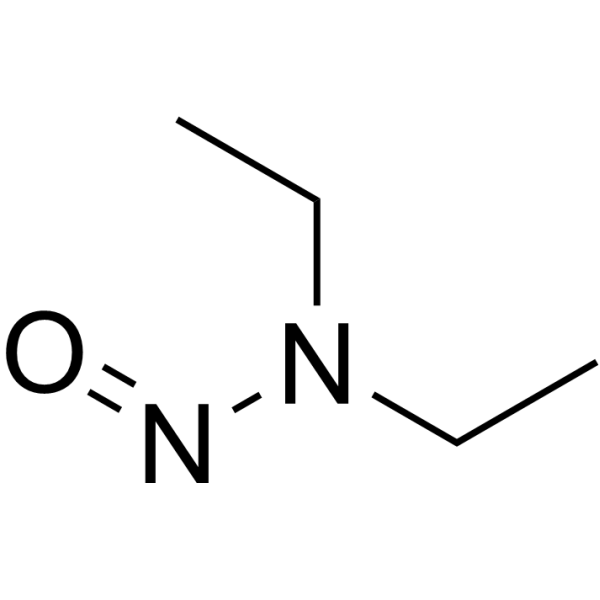
Diethylnitrosamine; DEN; DENA
|
DNA/RNA Synthesis
|
Cancer
|
|
N-Nitrosodiethylamine (Diethylnitrosamine) is a potent hepatocarcinogenic dialkylnitrosoamine. N-Nitrosodiethylamine is mainly present in tobacco smoke, water, cheddar cheese, cured, fried meals and many alcoholic beverages. N-Nitrosodiethylamine is responsible for the changes in the nuclear enzymes associated with DNA repair/replication. N-Nitrosodiethylamine results in various tumors in all animal species. The main target organs are the nasal cavity, trachea, lung, esophagus and liver.
|
-
-
- HY-B2209
-
|
Vitamin B12a
|
Endogenous Metabolite
|
Neurological Disease
Metabolic Disease
|
|
Hydroxocobalamin (Vitamin B12a) is a cyanide antidote. Hydroxocobalamin can decrease the cell and plasma cyanide concentrations and increase survival rate in acute cyanide poisoning. Hydroxocobalamin can improve newborn Cbl-C defect-induced metabolic profile and neurocognitive outcome. Hydroxocobalamin can normalize Vitamin B12 deficiency. Hydroxocobalamin can induce acute kidney injury. Hydroxocobalamin can be used for the researches of metabolic and neurological disease .
|
-
-
- HY-N7434S1
-
|
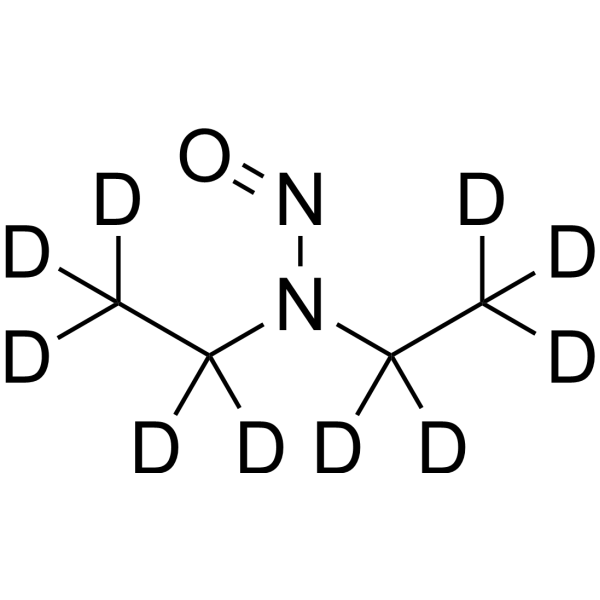
Diethylnitrosamine-d10; DEN-d10; DENA-d10
|
DNA/RNA Synthesis
|
Cancer
|
|
N-Nitrosodiethylamine-d10 is the deuterium labeled N-Nitrosodiethylamine . N-Nitrosodiethylamine (Diethylnitrosamine) is a potent hepatocarcinogenic dialkylnitrosoamine. N-Nitrosodiethylamine is mainly present in tobacco smoke, water, cheddar cheese, cured, fried meals and many alcoholic beverages. N-Nitrosodiethylamine is responsible for the changes in the nuclear enzymes associated with DNA repair/replication. N-Nitrosodiethylamine results in various tumors in all animal species. The main target organs are the nasal cavity, trachea, lung, esophagus and liver.
|
-
-
- HY-B1178
-
|
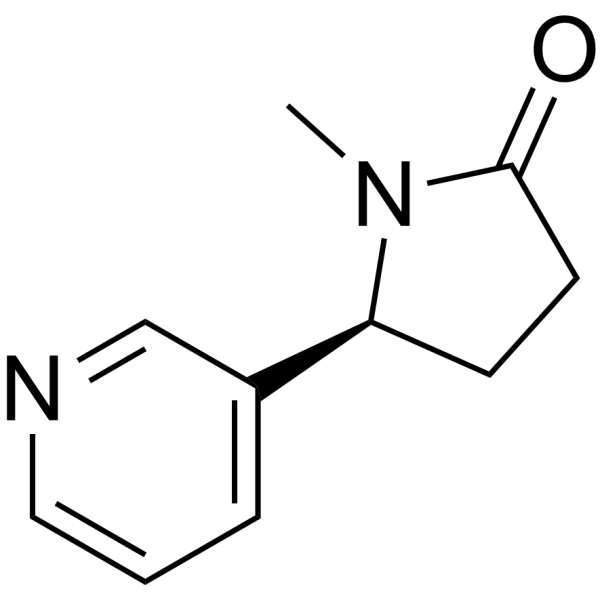
(-)-Cotinine; (S)-Cotinine; NIH-10498
|
Endogenous Metabolite
nAChR
|
Cardiovascular Disease
Inflammation/Immunology
|
|
Cotinine ((-)-Cotinine) is an orally active alkaloid found in tobacco and is the primary metabolite of nicotine. Cotinine is metabolized by CYP2A13 into trans-3'-hydroxycotinine. Cotinine is used as a biomarker to measure exposure to tobacco smoke components. Cotinine has vasodepressor activity. The mixture of cotinine and nicotine (Nicotine) has antiproliferative activity against pterygium. (S)-(-)-Cotinine activates nicotinic acetylcholine receptors (nAChR) in a calcium-dependent manner, leading to the release of dopamine (Dopamine, HY-B0451). Cotinine ((-)-Cotinine) is used in research related to cardiovascular and inflammatory diseases .
|
-
-
- HY-17386A
-
-
-
- HY-136302
-
|
|
Phytohormone
|
Others
|
|
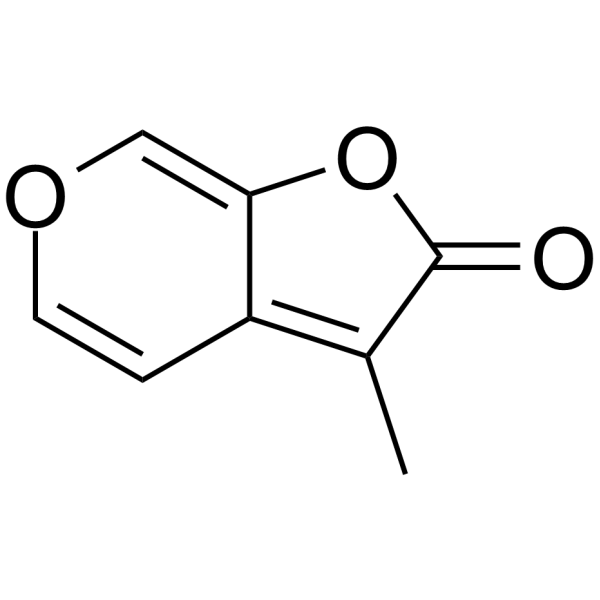
Karrikinolide is a plant-active compound. Karrikinolide can be extracted from smoke water (SW). Karrikinolide promotes total Cytokinin production. Plants treated with Karrikinolide exhibit superior growth in terms of rooting, leaf and bulb size, and fresh weight .
|
-
-
- HY-W187279
-
|
|
Phytohormone
|
Others
|
|
Karrikin 2 is a seed germination stimulant identified in smoke produced by plant combustion. Karrikins induce seed germination in Arabidopsis thaliana, lettuce, E. penduliflora and S. orbiculatum. Karrikin 2 upregulates the expression of gibberellin (GA) biosynthesis genes GA3ox1, GA3ox2 and the gibberellin GA4-responsive gene CP1 in Arabidopsis thaliana seeds .
|
-
-
- HY-14180
-
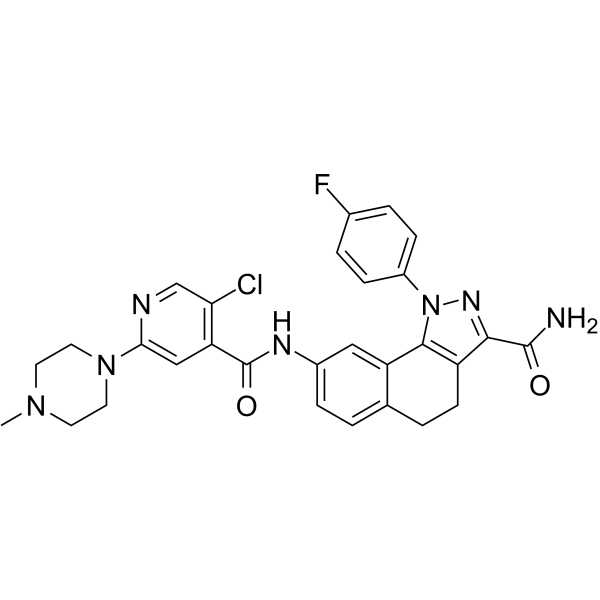
PHA 408
1 Publications Verification
|
IKK
|
Inflammation/Immunology
|
|
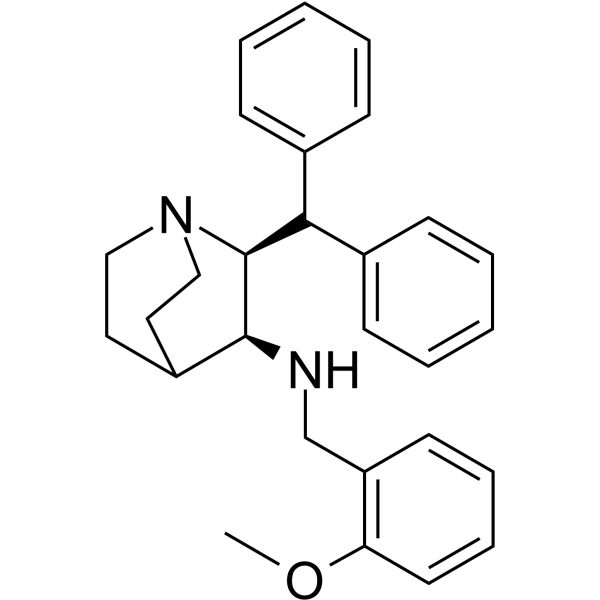
PHA 408 (PHA-408) is a potent, selective and orally active IκB kinase-2 (IKK-2) inhibitor. PHA 408 is a powerful anti-inflammatory agent against lipopolysaccharide (LPS)- and cigarette smoke (CS)-mediated lung inflammation .
|
-
-
- HY-W089538
-
|
|
Bacterial
|
Infection
|
|
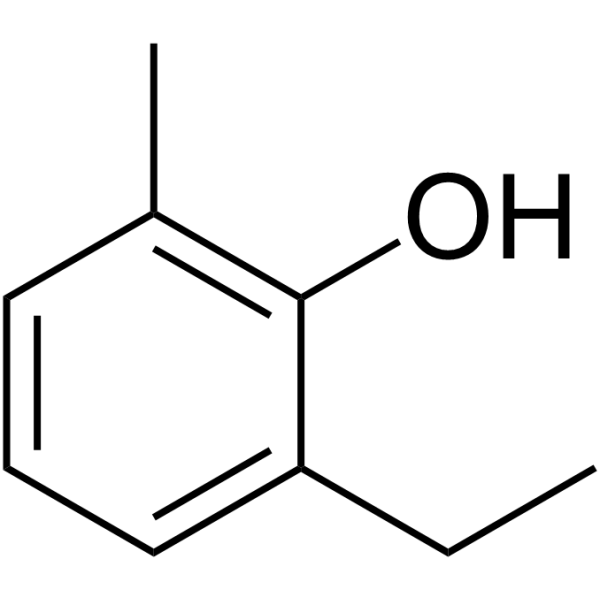
2-Ethyl-6-methylphenol, an alkylphenol, is isolated form the tumorigenic neutral subfraction of cigarette smoke condensate. 2-Ethyl-6-methylphenol exhibits insecticidal and bactericidal activities .
|
-
-
- HY-17386R
-
-
-
- HY-118614
-
|
|
Drug Metabolite
|
Neurological Disease
|
|
β-Nicotyrine is a metabolite of Nicotine.β-Nicotyrine, isolated from the leaves of Nicotiana tabacum plants and from cigarette smoke condensate, is a minor tobacco alkaloid .
|
-
-
- HY-W011085
-
|
|
MMP
|
Inflammation/Immunology
|
|
CP-471474 is an orally active and pan MMP inhibitor, with IC50 values of 1170 nM (MMP-1), 0.7 nM (MMP-2), 16 nM (MMP-3), 13 nM (MMP-9) and 0.9 nM (MMP-13), respectively .
|
-
-
- HY-135560
-
|
Nicotellin
|
Cytochrome P450
|
Neurological Disease
|
|
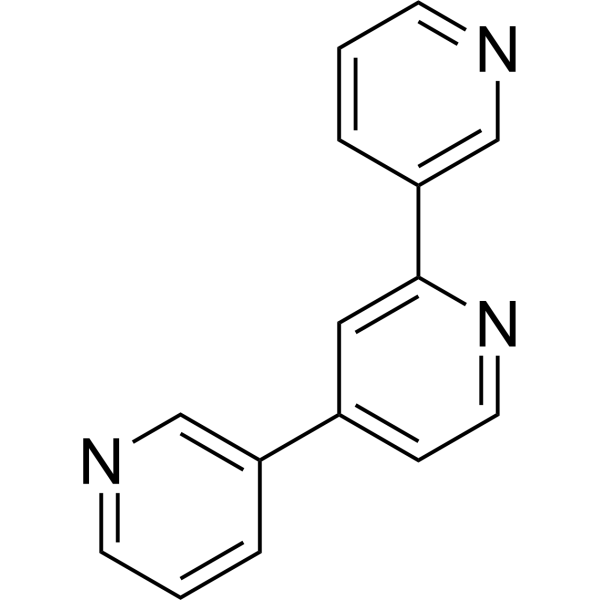
Nicotelline (Nicotellin) is a nicotine-related alkaloid, as well as a weak inhibitor of human cDNA-expressed cytochrome P-450 2A6 (CYP2A6). CYP2A6 mediates coumarin 7-hydroxylation, while Nicotelline fails to exhibit inhibition at 300 μM. Nicotelline can be used as a tracer and biomarker of particulate matter (PM) derived from tobacco smoke .
|
-
-
- HY-W008030
-
|
|
Bacterial
|
Infection
|
|
3-Aminobiphenyl is a chemical isomer of 4-ABP. 3-Aminobiphenyl can inhibit the growth of human intestinal bacteria Bifidobacterium infantis ATCC 15697, B. bifidium ATCC 11863, Clostridium perfringens ATCC 13124, Escherichia coli ATCC 25922, E. coli ATCC 35218, Enterobacter cloacae ATCC 13047 and Salmonella typhimurium TA98, TA100, YG1041. 3-Aminobiphenyl can be used as a biomarker of exposure to aromatic amines from cigarette smoke .
|
-
-
- HY-17386S1
-
-
-
- HY-114652
-
|
2-Amino-α-carboline; AαC
|
Endogenous Metabolite
|
Cancer
|
|
AalphaC (AαC) is a potential carcinogen with carcinogenic activity. AalphaC is an important biomarker in tobacco smoke and is associated with tobacco smoke exposure. Urinary concentrations of AalphaC are significantly higher in dedicated smokers than in non-smokers, indicating its importance in monitoring tobacco exposure. AalphaC levels increase significantly with increasing serum nicotine levels, indicating its close relationship with tobacco use. In addition, consuming high-temperature cooked beef significantly increases the amount of AalphaC in urine, while consuming vegetables is associated with a decrease in AalphaC concentrations. Smoking half a pack of cigarettes is associated with a significant increase in the amount of AalphaC, which further confirms the biological activity of AalphaC and its association with dietary habits .
|
-
-
- HY-N7434S
-
|
Diethylnitrosamine-d4; DEN-d4; DENA-d4
|
DNA/RNA Synthesis
|
Cancer
|
|
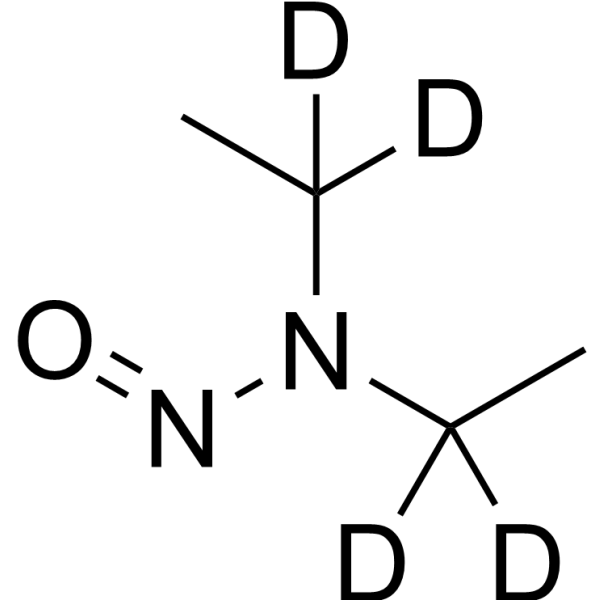
N-Nitrosodiethylamine-d4 is the deuterium labeled N-Nitrosodiethylamine . N-Nitrosodiethylamine (Diethylnitrosamine) is a potent hepatocarcinogenic dialkylnitrosoamine. N-Nitrosodiethylamine is mainly present in tobacco smoke, water, cheddar cheese, cured, fried meals and many alcoholic beverages. N-Nitrosodiethylamine is responsible for the changes in the nuclear enzymes associated with DNA repair/replication. N-Nitrosodiethylamine results in various tumors in all animal species. The main target organs are the nasal cavity, trachea, lung, esophagus and liver.
|
-
-
- HY-W709825
-
|
|
Others
|
Infection
|
|
(-)-Cyperene is a sesquiterpene hydrocarbon. (-)-Cyperene can be obtained from the n-hexane fraction of the smoke condensate of Goniothalamus andersonii. (-)-Cyperene can be used in the study of mosquitoes .
|
-
-
- HY-W587741
-
|
Dihydroxybutyl mercapturic acid; DHBMA
|
Drug Metabolite
|
Others
|
|
N-Acetyl-S-(3,4-dihydroxybutyl)-L-cysteine (Dihydroxybutyl mercapturic acid) is a biomarkersof 1,3-butadiene exposure. 1,3-Butadiene is a known human carcinogen present in cigarette smoke and in automobile exhaust.
|
-
-
- HY-113086
-
|
16:1(9Z) CE; 16:1(9Z) Cholesterol ester; Cholesterol Palmitoleate
|
Endogenous Metabolite
|
Cardiovascular Disease
|
|
CE(16:1(9Z)) (16:1(9Z) CE) is a cholesterol ester. Plasma levels of cholesteryl palmitoleate are increased in ApoE -/- mice exposed to cigarette smoke and in pediatric patients with biliary atresia. Cholesteryl palmitoleate has been used as a standard for the identification of cholesterol esters in human meibomian gland secretions.
|
-
-
- HY-W004681
-
|
6-Methyl-3-pyridinol
|
Drug Intermediate
|
Inflammation/Immunology
|
|
6-Methyl-3-pyridinol (5-hydroxy-2-methylpyridine) is a starting compound for the synthesis of L-azatyrosine (HY-W048303). 6-Methyl-3-pyridinol can be isolated from cigarette smoke condensate. 6-Methyl-3-pyridinol aggravates Collagen-induced arthritis in mice .
|
-
-
- HY-N7434R
-
|
Diethylnitrosamine (Standard); DEN (Standard); DENA (Standard)
|
Reference Standards
DNA/RNA Synthesis
|
Cancer
|
|
N-Nitrosodiethylamine (Standard) is the analytical standard of N-Nitrosodiethylamine. This product is intended for research and analytical applications. N-Nitrosodiethylamine (Diethylnitrosamine) is a potent hepatocarcinogenic dialkylnitrosoamine. N-Nitrosodiethylamine is mainly present in tobacco smoke, water, cheddar cheese, cured, fried meals and many alcoholic beverages. N-Nitrosodiethylamine is responsible for the changes in the nuclear enzymes associated with DNA repair/replication. N-Nitrosodiethylamine results in various tumors in all animal species. The main target organs are the nasal cavity, trachea, lung, esophagus and liver.
|
-
-
- HY-17386B
-
-
-
- HY-W089538R
-
|
|
Reference Standards
Bacterial
|
Infection
|
|
2-Ethyl-6-methylphenol, an alkylphenol, is isolated form the tumorigenic neutral subfraction of cigarette smoke condensate. 2-Ethyl-6-methylphenol exhibits insecticidal and bactericidal activities .
|
-
-
- HY-167891
-
|
|
Phosphodiesterase (PDE)
Apoptosis
|
Inflammation/Immunology
|
|
GPD-1116 is an orally active Phosphodiesterase (PDE) 4 and PDE1 inhibitor. GPD-1116 can reduce smoke-induced apoptosis of lung cells. GPD-1116 is effective in several disease models in animals, including emphysema, acute lung injury, chronic obstructive pulmonary disease (COPD), asthma and pulmonary hypertension .
|
-
-
- HY-W010143
-
|
(Rac)-Norcotinine
|
Drug Metabolite
|
Cardiovascular Disease
|
|
(R,S)-Norcotinine ((Rac)-Norcotinine) is the racemic mixture of Norcotinine. (R,S)-Norcotinine is a biomarker of secondhand smoke exposure and is associated with the toxic mechanisms of secondhand smoke on cardiovascular development .
|
-
-
- HY-P4201
-
|
|
Vasopressin Receptor
|
Cardiovascular Disease
|
|
JKC 301 is a selective Endothelin A receptor antagonist. JKC 301 attenuates the pressor effects of nicotine in rats. JKC 301 can be used to study cardiovascular disease caused by smoking .
|
-
-
- HY-B1178R
-
|
(-)-Cotinine (Standard); (S)-Cotinine (Standard); NIH-10498 (Standard)
|
Reference Standards
Endogenous Metabolite
nAChR
|
Cardiovascular Disease
Inflammation/Immunology
|
|
Cotinine (Standard) is the analytical standard of Cotinine. This product is intended for research and analytical applications. Cotinine ((-)-Cotinine), an alkaloid in tobacco and a major metabolite of nicotine, is used as a biological indicator to measure the composition of tobacco smoke
|
-
-
- HY-100702
-
|
|
Akt
Apoptosis
|
Cancer
|
|
SH-5 is a potent AKT inhibitor. SH-5 potentiates the apoptosis induced by tumor necrosis factor. SH-5 blocks NF-kB activation induced by TNF-a, lipopolysaccharide (HY-D1056), phorbol ester (HY-18739), and cigarette smoke .
|
-
-
- HY-W700491
-
|
2-Amino-α-carboline-15N3; AαC-15N3
|
Isotope-Labeled Compounds
Endogenous Metabolite
|
Cancer
|
|
AalphaC- 15N3 (2-Amino-α-carboline- 15N3) is 15N labeled AalphaC. AalphaC (AαC) is a potential carcinogen with carcinogenic activity. AalphaC is an important biomarker in tobacco smoke and is associated with tobacco smoke exposure. Urinary concentrations of AalphaC are significantly higher in dedicated smokers than in non-smokers, indicating its importance in monitoring tobacco exposure. AalphaC levels increase significantly with increasing serum nicotine levels, indicating its close relationship with tobacco use. In addition, consuming high-temperature cooked beef significantly increases the amount of AalphaC in urine, while consuming vegetables is associated with a decrease in AalphaC concentrations. Smoking half a pack of cigarettes is associated with a significant increase in the amount of AalphaC, which further confirms the biological activity of AalphaC and its association with dietary habits .
|
-
-
- HY-N14135
-
|
|
Fungal
|
Infection
Cancer
|
|
Cystothiazole A has antifungal activity. Cystothiazole A can inhibit candida albicans, saccharomyces cerevisiae and aspergillus smoke with MIC values of 0.4 μg/mL, 0.1 μg/mL and 1.6 μg/mL, respectively. Cystothiazole A also inhibits human tumor cell, such as HPT-116 and K562 cells with MIC values of 130 ng/mL and 110 ng/mL, respectively. Cystothiazole A has no anti-bacterial effect .
|
-
-
- HY-17386AR
-
|
BRL 49653 hydrochloride (Standard)
|
PPAR
TRP Channel
Autophagy
Ferroptosis
Apoptosis
Reference Standards
|
Neurological Disease
Metabolic Disease
Inflammation/Immunology
Cancer
|
|
Rosiglitazone (hydrochloride) (Standard) is the analytical standard of Rosiglitazone (hydrochloride). This product is intended for research and analytical applications. Rosiglitazone (BRL 49653) hydrochloride is an orally active selective PPARγ agonist (EC50: 60 nM, Kd: 40 nM). Rosiglitazone hydrochloride is a TRPC5 activator (EC50: 30 μM) and TRPM3 inhibitor. Rosiglitazone hydrochloride can be used in the research of obesity and diabetes, senescence, ovarian cancer .
|
-
-
- HY-122010
-
|
|
VEGFR
|
Others
|
|
NVP-AAD777 is a specific inhibitor of VEGFR-2, demonstrated in vivo by its effective suppression of phospho-VEGFR-2 (Tyr1175) signaling in rat lung tissues. Unlike the nonspecific VEGFR inhibitor SUG-5416, NVP-AAD777 did not induce emphysematous changes in the lungs after three weeks of treatment, even when combined with exposure to cigarette smoke. Additionally, there were no alterations observed in vascular density compared to control animals. This indicates NVP-AAD777's targeted action in inhibiting VEGFR-2 without adverse pulmonary effects, highlighting its potential therapeutic utility in managing conditions associated with aberrant VEGFR-2 signaling .
|
-
-
- HY-133986
-
-
-
- HY-160844
-
|
|
Prostaglandin Receptor
TNF Receptor
Interleukin Related
|
Inflammation/Immunology
|
|
CT-133 is a selective and potent CRTH2 Receptor antagonist, with a Ki value of 2.2 nM. The Ki value for the DP1 receptor is greater than 3800 nM. CT-133 inhibits neutrophil migration induced by PGD2 (HY-101988). CT-133 significantly alleviates lung inflammation and improves lung function impairment in a mouse model of acute lung injury (ALI) induced by cigarette smoke. CT-133 effectively inhibits the excessive expression of pro-inflammatory cytokines (TNF-α, IL-1β, and IL-6) and chemokines (KC), and reverses the inhibition of the anti-inflammatory factor IL-10. CT-133 can be used for the study of ALI .
|
-
-
- HY-W014610
-
|
Ethyl methylphenylglycidate
|
Biochemical Assay Reagents
|
Inflammation/Immunology
|
|
Strawberry aldehyde is an orally active synthetic flavor compound widely used in the food and cosmetics industries. Its presence in small cigar smoke shows a significant positive correlation with free radical levels, thereby increasing the toxicity of the smoke. Strawberry aldehyde has demonstrated long-term safety in rats .
|
-
-
- HY-W697750
-
|
Tiglaldehyde
|
Biochemical Assay Reagents
|
Cancer
|
|
trans-2-Methyl-2-butenal (Tiglaldehyde) is an adduct former that can be found in cigarette smoke, and very weakly inhibits growth of cancer cells and normal mouse cells. trans-2-Methyl-2-butenal forms adducts with glutathione (GSH) via Michael addition.trans-2-Methyl-2-butenal is an α,β-unsaturated carbonyl compound .
|
-
-
- HY-W653722
-
|
(S)-N-NAT; (S)-N'-Nitrosoanatabine
|
Drug Isomer
|
Cancer
|
|
(S) -N-Nitrosoanatabine ( (S) -N-NAT) is a potent carcinogen and biomarker of exposure to cigarette smoke. It′s found in a variety of tobacco products and oral snuff.
|
-
-
- HY-118614R
-
|
|
Reference Standards
Drug Metabolite
|
Neurological Disease
|
|
β-Nicotyrine (Standard) is the analytical standard of β-Nicotyrine. This product is intended for research and analytical applications. β-Nicotyrine is a metabolite of Nicotine.β-Nicotyrine, isolated from the leaves of Nicotiana tabacum plants and from cigarette smoke condensate, is a minor tobacco alkaloid .
|
-
-
- HY-121621
-
|
|
Endogenous Metabolite
|
Inflammation/Immunology
|
|
RO5101576 is a potent LTB4 receptor antagonist with activity to inhibit LTB4-induced calcium mobilization and chemotaxis of human neutrophils. RO5101576 significantly attenuated LTB4-induced pulmonary eosinophilia in guinea pigs. RO5101576 inhibited allergen- and ozone-induced pulmonary neutrophilia in nonhuman primates with efficacy comparable to that of budesonide. RO5101576 had no effect on LPS-induced neutrophilia in guinea pigs and cigarette smoke-induced neutrophilia in mice and rats. RO5101576 performed well in toxicology studies and was well tolerated .
|
-
-
- HY-W585976
-
|
|
p38 MAPK
|
Cancer
|
|
Benzo[a]pyrene diol epoxide is a carcinogen present in tobacco smoke as well as in environmental pollution. Benzo[a]pyrene diol epoxide is a metabolite of benzo[a]pyrene (BaP) , which is polycyclic aromatic hydrocarbon (PAH) . Benzo[a]pyrene diol epoxide induces esophageal carcinogenesis. Benzo[a]pyrene diol epoxide may act to induce activation of ERKs and p38 MAPK marked by an increased level of phosphorylation of both the ERKs and p38 MAPK which corresponds with the increased activation of both kinases as evidenced by increased phsosphorylation of their substrates Elk-1 and ATF-2, respectively.
|
-
-
- HY-181646
-
|
|
Phosphodiesterase (PDE)
TNF Receptor
|
Inflammation/Immunology
|
|
PDE4-IN-34 is a phosphodiesterase 4 (PDE4) inhibitor, with IC50 values of 19 pM and 14 pM against PDE4B1 and PDE4D2, respectively. PDE4-IN-34 shows weak inhibitory activity against PDE8A1, with an IC50 value of 4.092 μM, and exhibits significant selectivity over other subtypes (IC50 > 10 μM). PDE4-IN-34 improves pulmonary function, reduces inflammatory responses and alleviates lung tissue damage in a rat model induced by cigarette smoke combined with LPS (HY-D1056). PDE4-IN-34 can be used for research related to chronic obstructive pulmonary disease .
|
-
-
- HY-135446
-
|
|
Endothelin Receptor
|
Cardiovascular Disease
Endocrinology
|
|
BQ-610 is a selective antagonist of the endothelin A receptor (ETA receptor). BQ-610 specifically blocks the ETA receptor, competitively inhibiting the binding of endothelin-1 (ET-1) (a vasoconstrictive peptide) to the receptor, thereby blocking the effects of ET-1 such as vascular smooth muscle contraction, cell mitosis, and inhibition of hormone secretion. BQ-610 significantly alleviates cerebral vasospasm in rabbits. BQ-610 blocks the bronchial epithelial and pulmonary vascular cell proliferation caused by cigarette smoke in rat models. BQ-610 can delay the natural luteal regression in the cow's uterus. BQ-610 can be used for research on vasospasm, abnormal cell proliferation, and reproductive endocrine disorders .
|
-
| Cat. No. |
Product Name |
Target |
Research Area |
| Cat. No. |
Product Name |
Category |
Target |
Chemical Structure |
-
- HY-N7434
-
-
-
- HY-B2209
-
-
-
- HY-B1178
-
-
-
- HY-W089538
-
-
-
- HY-W709825
-
-
-
- HY-N7434R
-
|
Diethylnitrosamine (Standard); DEN (Standard); DENA (Standard)
|
Natural Products
other families
Plants
Source Classification
|
Reference Standards
DNA/RNA Synthesis
|
|
N-Nitrosodiethylamine (Standard) is the analytical standard of N-Nitrosodiethylamine. This product is intended for research and analytical applications. N-Nitrosodiethylamine (Diethylnitrosamine) is a potent hepatocarcinogenic dialkylnitrosoamine. N-Nitrosodiethylamine is mainly present in tobacco smoke, water, cheddar cheese, cured, fried meals and many alcoholic beverages. N-Nitrosodiethylamine is responsible for the changes in the nuclear enzymes associated with DNA repair/replication. N-Nitrosodiethylamine results in various tumors in all animal species. The main target organs are the nasal cavity, trachea, lung, esophagus and liver.
|
-
-
- HY-W089538R
-
-
-
- HY-B1178R
-
-
-
- HY-N14135
-
|
|
Microorganisms
Antibiotics
Other Antibiotics
Source Classification
|
Fungal
|
|
Cystothiazole A has antifungal activity. Cystothiazole A can inhibit candida albicans, saccharomyces cerevisiae and aspergillus smoke with MIC values of 0.4 μg/mL, 0.1 μg/mL and 1.6 μg/mL, respectively. Cystothiazole A also inhibits human tumor cell, such as HPT-116 and K562 cells with MIC values of 130 ng/mL and 110 ng/mL, respectively. Cystothiazole A has no anti-bacterial effect .
|
-
-
- HY-W014610
-
-
-
- HY-W697750
-
-
| Cat. No. |
Product Name |
Chemical Structure |
-
- HY-N7434S1
-
|
|
|
N-Nitrosodiethylamine-d10 is the deuterium labeled N-Nitrosodiethylamine . N-Nitrosodiethylamine (Diethylnitrosamine) is a potent hepatocarcinogenic dialkylnitrosoamine. N-Nitrosodiethylamine is mainly present in tobacco smoke, water, cheddar cheese, cured, fried meals and many alcoholic beverages. N-Nitrosodiethylamine is responsible for the changes in the nuclear enzymes associated with DNA repair/replication. N-Nitrosodiethylamine results in various tumors in all animal species. The main target organs are the nasal cavity, trachea, lung, esophagus and liver.
|
-
-
- HY-17386S1
-
|
|
|
Rosiglitazone-d4 is deuterated labeled Rosiglitazone (HY-17386). Rosiglitazone (BRL 49653) is an orally active selective PPARγ agonist (EC50: 60 nM, Kd: 40 nM). Rosiglitazone is an TRPC5 activator (EC50: 30 μM) and TRPM3 inhibitor. Rosiglitazone can be used in the research of obesity and diabetes, senescence, ovarian cancer .
|
-
-
- HY-N7434S
-
|
|
|
N-Nitrosodiethylamine-d4 is the deuterium labeled N-Nitrosodiethylamine . N-Nitrosodiethylamine (Diethylnitrosamine) is a potent hepatocarcinogenic dialkylnitrosoamine. N-Nitrosodiethylamine is mainly present in tobacco smoke, water, cheddar cheese, cured, fried meals and many alcoholic beverages. N-Nitrosodiethylamine is responsible for the changes in the nuclear enzymes associated with DNA repair/replication. N-Nitrosodiethylamine results in various tumors in all animal species. The main target organs are the nasal cavity, trachea, lung, esophagus and liver.
|
-
-
- HY-W700491
-
|
|
|
AalphaC- 15N3 (2-Amino-α-carboline- 15N3) is 15N labeled AalphaC. AalphaC (AαC) is a potential carcinogen with carcinogenic activity. AalphaC is an important biomarker in tobacco smoke and is associated with tobacco smoke exposure. Urinary concentrations of AalphaC are significantly higher in dedicated smokers than in non-smokers, indicating its importance in monitoring tobacco exposure. AalphaC levels increase significantly with increasing serum nicotine levels, indicating its close relationship with tobacco use. In addition, consuming high-temperature cooked beef significantly increases the amount of AalphaC in urine, while consuming vegetables is associated with a decrease in AalphaC concentrations. Smoking half a pack of cigarettes is associated with a significant increase in the amount of AalphaC, which further confirms the biological activity of AalphaC and its association with dietary habits .
|
-
| Cat. No. |
Product Name |
|
Classification |
-
- HY-113086
-
|
16:1(9Z) CE; 16:1(9Z) Cholesterol ester; Cholesterol Palmitoleate
|
|
Cholesterol
|
|
CE(16:1(9Z)) (16:1(9Z) CE) is a cholesterol ester. Plasma levels of cholesteryl palmitoleate are increased in ApoE -/- mice exposed to cigarette smoke and in pediatric patients with biliary atresia. Cholesteryl palmitoleate has been used as a standard for the identification of cholesterol esters in human meibomian gland secretions.
|
Your information is safe with us. * Required Fields.
Inquiry Information
- Product Name:
- Cat. No.:
- Quantity:
- MCE Japan Authorized Agent:

