Delivery of temperature sensitive items including proteins and kits will be paused on 6/19 for the Juneteenth holiday. For urgent orders please contact customer service.
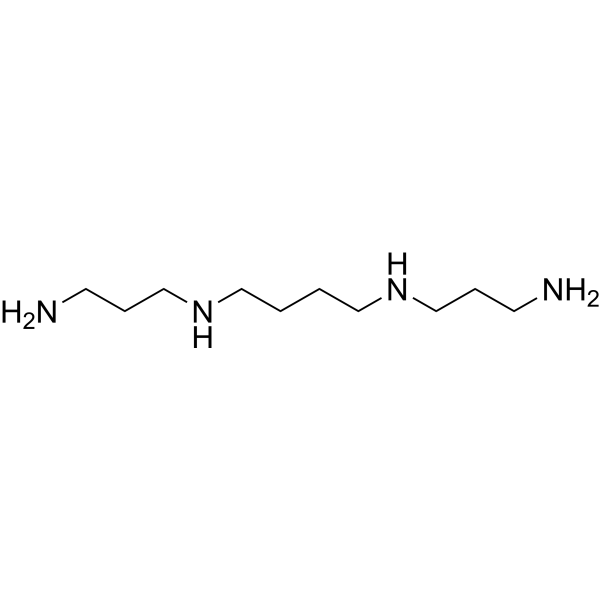
Spermine is a natural antioxidant and anti-inflammatory agent. Spermine is known to inhibit some bacterial cultures, especially strains of Staphylococcus aureus. Spermine induces neurotoxicity in the striarum dose-dependently. Spermine can reversibly inhibits DNA synthetic response, mixed lymphocyte response and the induction of cytolytic lymphocyte response in primary cultures of murine spleen cells. Spermine tetrahydrochloride is a polyamine nitric oxide donor that can provide nitric oxide to platelets and inhibit platelet activation to a certain extent concentration-dependently. Spermine tetrahydrochloride occurs in mammalian tissues, plants, bacteria, ribosomes and bacteriophage. Spermine tetrahydrochloride inhibits primary human embryo lung fibroblasts in vitro .
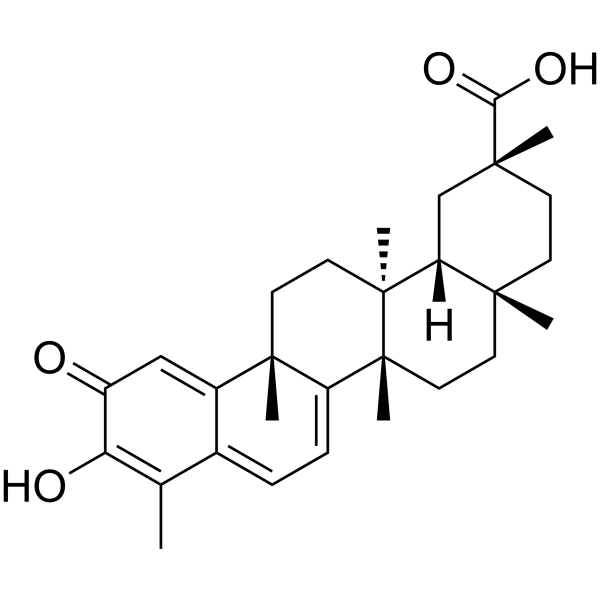
Celastrol (Tripterine;Tripterin) is a proteasome inhibitor which potently and preferentially inhibits the chymotrypsin-like activity of a purified 20S proteasome with IC50 of 2.5 μM. In addition, Celastrol is also an antibiotic with potent antimicrobial activity against standard and clinical methicillin-resistant Staphylococcus aureus (MRSA) strains, inducing oxidative stress and inhibiting DNA synthesis by binding to P5CDH .
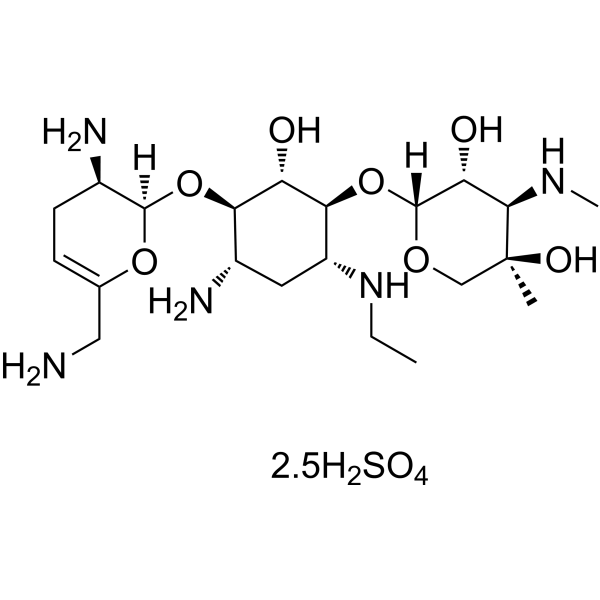
Netilmicin (Sch 20569) sulfate is a broad-spectrum semisynthetic aminoglycoside antibiotic. Netilmicin sulfate exhibits antibacterial activity against aminoglycoside-susceptible gram-negative strains and aminoglycoside-resistant strain, such as Escherichia coli, Pseudomonas aeruginosa, Proteus, Staphylococcus aureus, Streptococcus, Serratia, and Enterobacter, with MIC of 0.125-8 μg/mL .
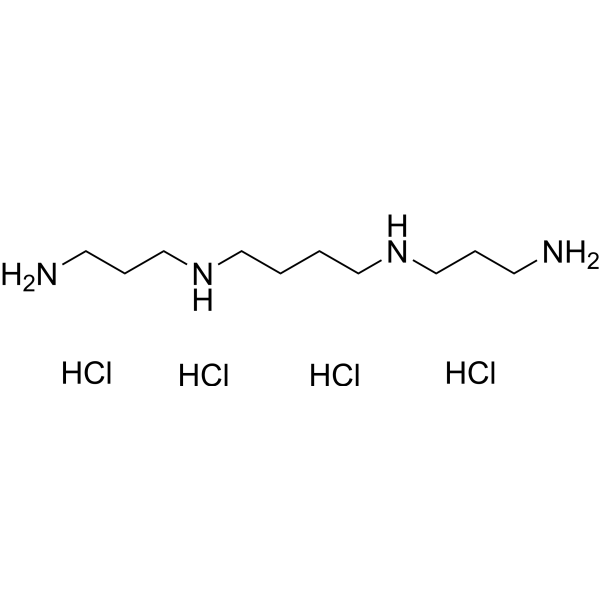
Spermine tetrahydrochloride is a polyamine nitric oxide donor that can provide nitric oxide to platelets and inhibit platelet activation to a certain extent concentration-dependently. Spermine tetrahydrochloride occurs in mammalian tissues, plants, bacteria, ribosomes and bacteriophage. Spermine tetrahydrochloride inhibits primary human embryo lung fibroblasts in vitro. Spermine is a natural antioxidant and anti-inflammatory agent. Spermine is known to inhibit some bacterial cultures, especially strains of Staphylococcus aureus. Spermine induces neurotoxicity in the striarum dose-dependently. Spermine can reversibly inhibits DNA synthetic response, mixed lymphocyte response and the induction of cytolytic lymphocyte response in primary cultures of murine spleen cells .
AIP-II is a cyclic peptide signaling molecule for quorum sensing, which is produced by Staphylococcus aureus. AIP-II potently inhibits AgrC-III in Methicillin (HY-121544)-resistant type III Staphylococcus aureusstrain AH1747, with an IC50 of 0.532 nM. AIP-II binds to the AgrC-II receptor and regulates virulence gene expression in Staphylococcus aureus .
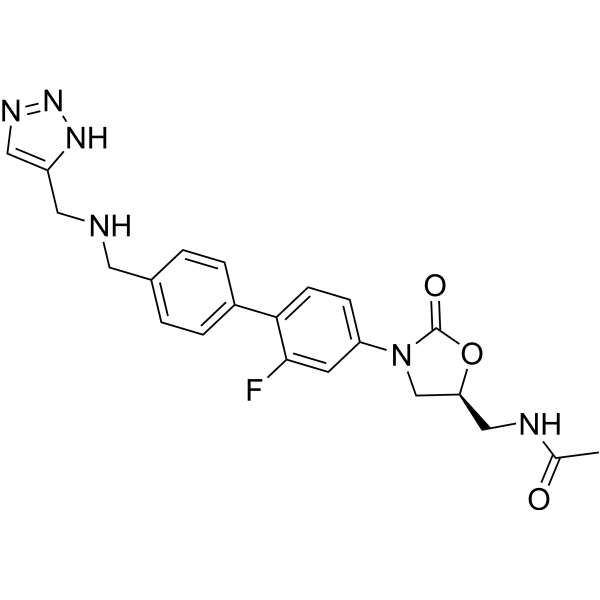
Radezolid (RX-1741) is a oxazolidinone antibiotic. Radezolid is active against Staphylococcus, Chlamydia, and Legionella species, and remains active against Linezolid-resistant strains .
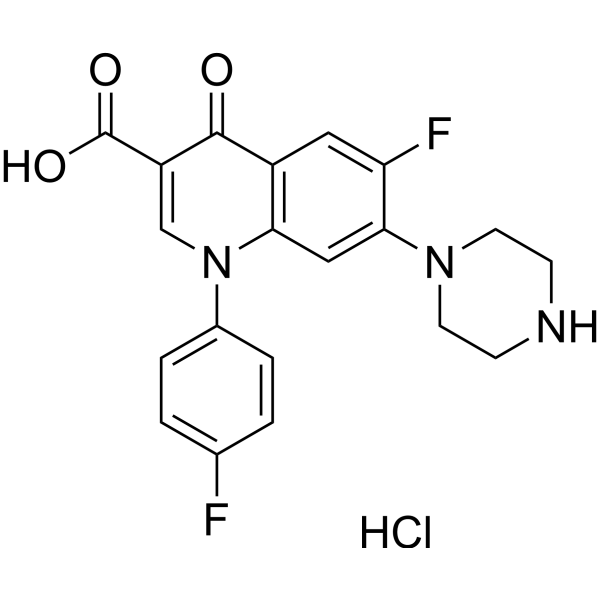
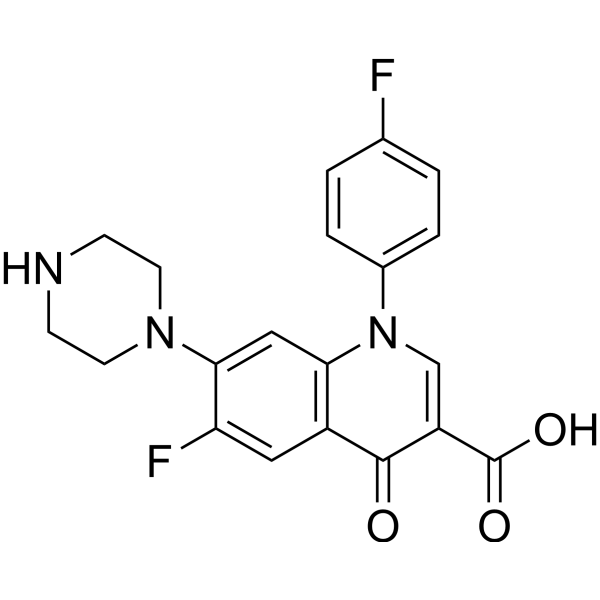
Sarafloxacin hydrochloride (A-56620 hydrochloride) is a fluoroquinolone Antibacterial agent. Sarafloxacin inhibits the growth of Staphylococcus aureus, Enterobacteriaceae, and both aminoglycoside-sensitive and aminoglycoside-resistant strains of Pseudomonas aeruginosa .
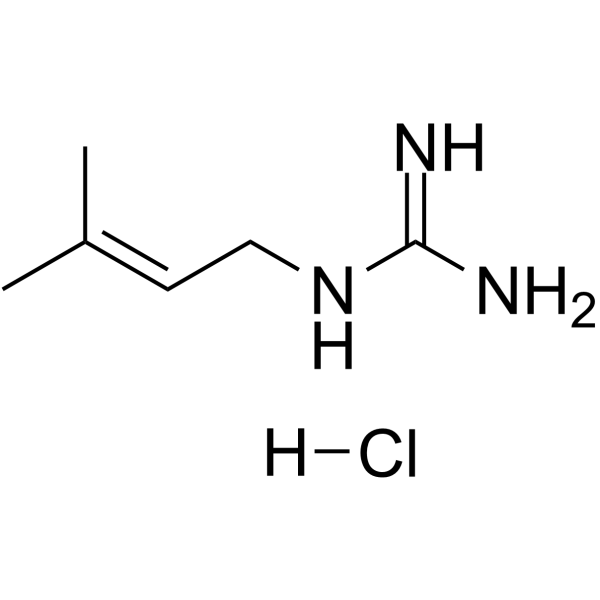
Galegine hydrochloride, a guanidine derivative, contributes to weight loss in mice. Guanidine hydrochloride is the compound derived from G. officinalis, which gave rise to the biguanides, metformin and phenformin. Galegine hydrochloride activates AMPK in 3T3-L1 adipocytes and L6 myotubes, as well as in the H4IIE rat hepatoma and HEK293 human kidney cell lines. Galegine hydrochloride has antibacterial activity, with minimum inhibitory concentration of 4 mg/L against Staphylococcus aureusstrains .
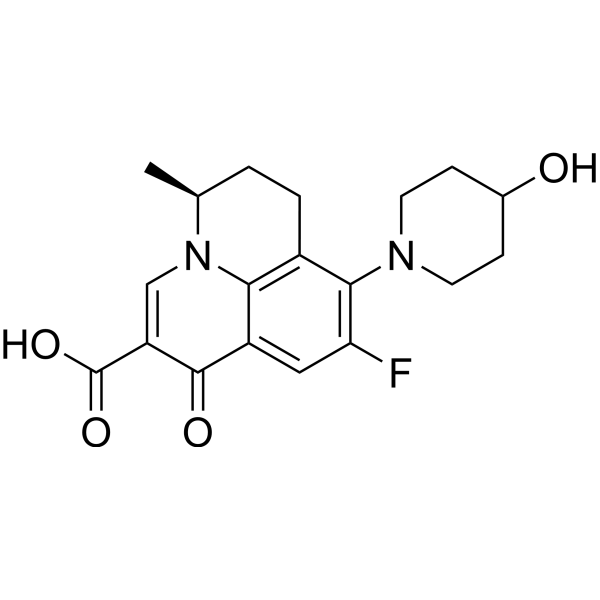
Levonadifloxacin ((S)-(-)-Nadifloxacin; WCK 771) is a broad-spectrum anti-staphylococcal agent. Levonadifloxacin shows antibacterial activity against Methicillin (HY-121544)-susceptible Staphylococcus aureus (MSSA) and Methicillin-resistant S. aureus (MRSA) strains, with a reduction of which phagocytized in THP-1 monocytes .
Galegine hemisulfate, a guanidine derivative, contributes to weight loss in mice. Galegine hemisulfate activates AMPK in 3T3-L1 adipocytes and L6 myotubes, as well as in the H4IIE rat hepatoma and HEK293 human kidney cell lines. Galegine hemisulfate has antibacterial activity, with minimum inhibitory concentration of 4 mg/L against Staphylococcus aureusstrains .
Anthraquinone-2-carboxylic acid is an orally active anthraquinone compound and Antibacterial agent. Anthraquinone-2-carboxylic acid can be isolated from Bajitian. Anthraquinone-2-carboxylic acid inhibits the activation of DPP-IV, COX-2, NF-κB and AP-1. Anthraquinone-2-carboxylic acid blocks IAV-induced activation of the RIG-I/STAT1 pathway, alleviates IAV-mediated weight loss, and protects against lethal IAV infection. Anthraquinone-2-carboxylic acid inhibits the growth of various Staphylococcusstrains. It possesses potent anti-inflammatory, immunomodulatory, analgesic and antibacterial activities .\n
Deoxytopsentin (compound 5) is a marine bisindole alkaloid and also a MRSA pyruvate kinase inhibitor. Deoxytopsentin exists in sponges. Deoxytopsentin exhibits antibacterial activity against methicillin-resistant Staphylococcus aureusstrains in vitro .
Ambuic acid exhibits antimicrobial activity against Staphylococcus aureus, with IC50 of 43.9 μM for strain ATCC 6538. Ambuic acid is an inhbitor for the biosynthesis of cyclic peptide quorum sensing molecules (quormones) in gram-positive bacteria. Ambuic acid exhibits anti-inflammatory activity through ERK/JNK/MAPK signaling pathway .
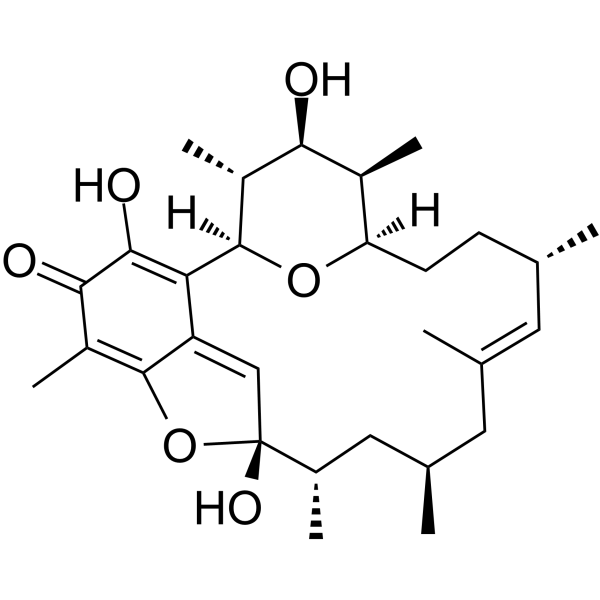
Kendomycin ((−)-TAN 2162) is a polyketide antibiotic with remarkable antibacterial and cancer cells cytotoxic activities. Kendomycin tends to be bacteriostatic rather than bactericidal and inhibits the growth of the methicillin-resistant Staphylococcus aureus (MRSA) strain COL at a low concentration (MIC of 5 μg/mL). Kendomycin is a potent antagonist of the endothelin receptor and a calcitonin receptor agonist which plays its role as an anti-osteoporotic agent .
Netilmicin (Sch 20569) is a broad-spectrum semisynthetic aminoglycoside antibiotic. Netilmicin exhibits antibacterial activity against aminoglycoside-susceptible gram-negative strains and aminoglycoside-resistant strain, such as Escherichia coli, Pseudomonas aeruginosa, Proteus, Staphylococcus aureus, Streptococcus, Serratia, and Enterobacter, with MIC of 0.125-8 μg/mL .
Nilofabicin is an enoyl-(acyl-carrier protein) reductase (FabI) inhibitor. Nilofabicin had an MIC(90) of 0.5 microg/ml for Staphylococcus aureus strains and was more potent than either linezolid or vancomycin .
Sarafloxacin (A-56620) is a fluoroquinolone Antibacterial agent. Sarafloxacin inhibits the growth of Staphylococcus aureus, Enterobacteriaceae, and both aminoglycoside-sensitive and aminoglycoside-resistant strains of Pseudomonas aeruginosa .
(E/Z)-MC4 is an enantiomer of the antibacterial agent MC4, which has antibacterial activity against a group of Staphylococcus aureus strains including MRSA, and has no significant toxicity to mammalian cells .
Chlothymol is a potent positive modulator of the GABAA receptor subunit LGC-37, anticonvulsant, and antibacterial agent. Chlothymol inhibits Pentylenetetrazol-induced c-fos expression. Chlothymol inhibits the growth of Methicillin (HY-121544)-resistant Staphylococcus aureus (MRSA) strains, including LAC, with an MIC of 32 μg/mL. Chlorothymol has protective effects against epileptic seizures in various mouse models .
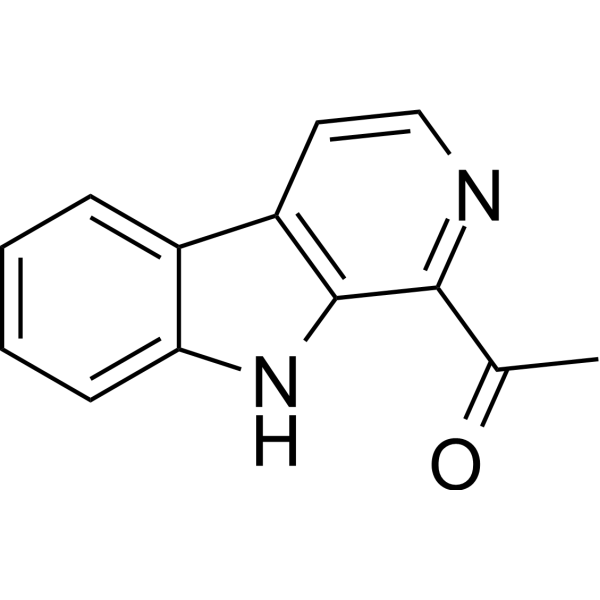
1-Acetyl-β-carboline is a metabolite of Streptomyces kasugaensis and antibacterial agent. 1-Acetyl-β-carboline increases tyrosinase activity, reduces ERK phosphorylation. 1-Acetyl-β-carboline exhibits antibacterial activity against methicillin-resistant Staphylococcus aureus (MRSA) strains with MICs ranging from 128 to 256 ug/mL. 1-Acetyl-β-carboline increases the melanin .
Antibacterial agent 303 (compound 3) is an antibacterial agent exhibiting potent antibacterial activity against MDR strains, with MICs of 10 and 100 µg/mL against Pseudomonas aeruginosa MDR1 and Staphylococcus aureus MDR strains, respectively. Antibacterial agent 303 displays strong binding affinities to E. coli DNA gyrase and Candida albicans lanosterol 14α-demethylase. Antibacterial agent 303 can be used for drug-resistant infections research .
Sperabillin C is an antibacterial antibiotic with activity against both Gram-negative and Gram-positive bacteria, including resistant strains of Pseudomonas aeruginosa and Staphylococcus aureus .
(-)-Corynoxidine is an acetylcholinesterase inhibitor with an IC50 value of 89.0 μM, isolated from the aerial parts of Corydalis speciosa .
(-)-Corynoxidine exhibits antibacterial activities against Staphylococcus aureus and methicillin-resistant S. aureus strains in different degrees .
Nidulin (Methylustin) is a depsidone isolated from a marine fungus Aspergillus unguis. Nidulin shows antifungal and antibacterial against pathogenetic strains, Pseudomonas aeruginosa, Methicillin-resistant Staphylococcus aureus and Candida albicans with inhibition zones of 9.5 mm, 9.0 mm and 9.0 mm, respectively. Nidulin exhibits potent larvicidality against brine shrimp .
Ficellomycin is a nitrogen-containing bicyclic antibiotic with strong activity against Gram-positive bacteria, including multidrug-resistant strains of Staphylococcus aureus. Ficellomycin works by inducing the formation of defective 34S DNA fragments, which interfere with the semi-conservative DNA replication process. These fragments lack the ability to integrate into larger DNA segments and eventually form a complete bacterial chromosome. Ficellomycin can be used in research for various bacterial diseases .
Celastrol (GMP) (Tripterine (GMP)) is Celastrol (HY-10227) produced by using GMP guidelines. GMP small molecules works appropriately as an auxiliary reagent for cell therapy manufacture. Celastrol (Tripterine;Tripterin) is a proteasome inhibitor which potently and preferentially inhibits the chymotrypsin-like activity of a purified 20S proteasome with IC50 of 2.5 μM. In addition, Celastrol is also an antibiotic with potent antimicrobial activity against standard and clinical methicillin-resistant Staphylococcus aureus (MRSA) strains, inducing oxidative stress and inhibiting DNA synthesis by binding to P5CDH .
Talaromycesone A is an oxaphenalenone dimer compound. Talaromycesone A exhibits potent antibacterial activities with an IC50 of 3.70 μM, against human pathogenic Staphylococcusstrains. Talaromycesone A displays potent acetylcholinesterase inhibitory activities with an IC50 of 7.49 μM .
4,4'-Dicyanostilbene (compound 43) is a potent antimalarial agent against the Dd2 strain, with an EC50 of 27 nM. 4,4'-Dicyanostilbene exhibits in vivo efficacy against methicillin-resistant Staphylococcus aureus (MRSA) .
(E/Z)-4,4'-Dicyanostilbene is the isomer of 4,4'-Dicyanostilbene (HY-W112166A), and can be used as an experimental control. 4,4'-Dicyanostilbene (compound 43) is a potent antimalarial agent against the Dd2 strain, with an EC50 of 27 nM. 4,4'-Dicyanostilbene exhibits in vivo efficacy against methicillin-resistant Staphylococcus aureus (MRSA) .
Austroside A is found in Evodia austrosinensis. Austroside A shows antibacterial activity against the Staphylococcus aureus antibiotic resistant strain .
Antibacterial agent 217 (Compound 24) is a non-cytotoxic, non-hemolytic, moderately active antibacterial agent that inhibits the growth of Staphylococcus aureusstrains with a minimum inhibitory concentration (MIC) of 32 μg/mL. Antibacterial agent 217 also moderately inhibits the growth of Staphylococcus epidermidis .
Levonadifloxacin ((S)-(-)-Nadifloxacin; WCK 771) arginine is a broad-spectrum antistaphylococcal agent. Levonadifloxacin arginine has antimicrobial activity against methicillin-susceptible Staphylococcus aureus (MSSA) and methicillin-resistant Staphylococcus aureus and reduces phagocytosis of MRSA and MSSA strains by monocytic THP-1.
Pacidamycin 5 has inhibitory effect on Pseudomonas aeruginosa. Pacidamycin 5 also has effect on a few strains of bacteria such as Suppurative staphylococcus and Escherichia coli .
Pacidamycin 2 has inhibitory effect on Pseudomonas aeruginosa. Pacidamycin 2 also has effect on a few strains of bacteria such as Suppurative staphylococcus and Escherichia coli .
Antibacterial agent 226 (Compound 7f) is an antibacterial agent, that inhibits Staphylococcus aureusstrains and methicillin-resistant S. aureusstrain with MIC of 2 μg/mL. Antibacterial agent 226 exhibits cytotoxicity to HEK293 with IC50 of 1.9 μM .
Radezolid (Standard) is the analytical standard of Radezolid. This product is intended for research and analytical applications. Radezolid (RX-1741) is a oxazolidinone antibiotic. Radezolid is active against Staphylococcus, Chlamydia, and Legionella species, and remains active against Linezolid-resistant strains[1][2].
Levonadifloxacin ((S)-(-)-Nadifloxacin; WCK 771) arginine is a broad-spectrum antistaphylococcal agent. Levonadifloxacin arginine has antimicrobial activity against methicillin-sensitive Staphylococcus aureus (MSSA) and methicillin-resistant Staphylococcus aureus and reduces phagocytosis of MRSA and MSSA strains by monocytic THP-1 cells .
Antibacterial agent 186 (compound 25) is a potent antibacterial agent. Antibacterial agent 186 shows antibiofilm-forming properties against clinical Staphylococcus epidermidisstrains and demonstrates the capacity to eliminate existing biofilm layers. Antibacterial agent 186 has the potential for the research of multidrug-resistant Staphylococcus epidermidis .
Kibdelin A is resistant to Gram-positive bacteria and has similar effects against Staphylococcus aureus (including methicillin-resistant strains) as Vancomycin (HY-B0671) .
Kibdelin B is resistant to Gram-positive bacteria and has similar effects against Staphylococcus aureus (including methicillin-resistant strains) as Vancomycin (HY-B0671) .
Kibdelin D is resistant to Gram-positive bacteria and has similar effects against Staphylococcus aureus (including methicillin-resistant strains) as Vancomycin (HY-B0671) .
Cefazaflur is a novel semi-synthetic cephalosporin derivative that exhibits significant antibacterial activity, effectively inhibiting various strains of Staphylococcus aureus, Escherichia coli, Klebsiella, and Proteus mirabilis at low concentrations.
Kibdelin C2 is resistant to Gram-positive bacteria and has similar effects against Staphylococcus aureus (including methicillin-resistant strains) as Vancomycin (HY-B0671) .
Kibdelin C1 is resistant to Gram-positive bacteria and has similar effects against Staphylococcus aureus (including methicillin-resistant strains) as Vancomycin (HY-B0671) .
Antibacterial agent 201 (Compound 3) is an antibacterial agent through disruption of membrane integrity. Antibacterial agent 201 inhibits proliferation of Staphylococcus aureusstrain RN4220, methacillin-resistane S. aureus, Pseudomonas aeruginosastrain PA01 and Escherichia colistrain ANS1 with MIC99s of 2.0, 1, 8.1 and 2.2 μg/mL, respectively .
Antibacterial agent 199 (Compound 2) is an activator for caseinolytic protease (ClpP) with a Kd of 0.7 μM. Antibacterial agent 199 exhibits antibacterial efficacy against Gram-positive strainsStaphylococcus aureus, Streptococcus pneumoniae and Gram-negative strainNeisseria meningitidis, with MICs of 16, 0.5 and 0.5 μg/mL, respectively .
Nor-Rubrofusarin gentiobioside is a phenolic glycoside de-rubrofusarin that can be isolated from the seeds of Cassia tora. The same series of extracts of Nor-Rubrofusarin gentiobioside have antibacterial effects on Staphylococcus aureus strains .
Majoranaquinone exhibits a high antibacterial effect against 4 Staphylococcus, 1 Moraxella, and 1 Enterococcusstrains. Majoranaquinone shows substantial efflux pump inhibitory activity in Escherichia coliATCC 25922 strain. Majoranaquinone is found to be an effective biofilm formation inhibitor on E.coli, ATCC 25922 and E. coli K-12 AG100 bacteria .
ZG297 is an agonist for Staphylococcus aureusClpP (SaClpP ) with an EC50 of 0.26 μM. ZG297 degrades SaFtsZ, inhibits the bacterial cell division, thereby exhibiting antistaphylococcal activity, that inhibits S. aureus 8325-4 strains and MRSA strains with MIC of 0.063-256 μg/mL. ZG297 exhibits anti-infectious efficacy in mouse models .
3-O-α-D-Forosaminyl-(+)-griseusin is a memberof naphthoquinone antibiotic. 3-O-α-D-Forosaminyl-(+)-griseusin is active against Gram-positive bacteria including methicillin-resistant strain of Staphylococcus aureus (MRSA) .
Hypercalin B is an antibacterial agent that can be isolated from the hexane and chloroform extracts of the plant Hypericum acmosepalum. Hypercalin B exhibits inhibitory activity against multidrug-resistant strains of Staphylococcus aureus, with a MIC range of 0.5-128 mg/L .
Pacidamycin 6 has inhibitory effect on Pseudomonas aeruginosa. Pacidamycin 6 also has effect on a few strains of bacteria such as suppurative staphylococcus and Escherichia coli. Serum can reduce its antibacterial activity, pH also affects its antibacterial activity .
Pacidamycin 4 has inhibitory effect on Pseudomonas aeruginosa. Pacidamycin 4 also has effect on a few strains of bacteria such as suppurative staphylococcus and Escherichia coli. Serum can reduce its antibacterial activity, pH also affects its antibacterial activity .
Pacidamycin 7 has inhibitory effect on Pseudomonas aeruginosa. Pacidamycin 7 also has effect on a few strains of bacteria such as suppurative staphylococcus and Escherichia coli. Serum can reduce its antibacterial activity, pH also affects its antibacterial activity .
Antibiotic A-338533, an antibiotic, can be isolated from Streptomycesstrain. Antibiotic A-338533 has anti-bacterial activity against Staphylococcus aureus, Mycoplasma gallisepticum with MIC values of 2 μg/mL and ≤1.56 μg/mL, respectively .
CUHK242 is a bacterial transcription inhibitor, with a MIC of 2 μg/mL for B. subtilis reporter strain BS2019. CUHK242 has antimicrobial activity against Staphylococcus aureus. CUHK242 can inhibit RNA synthesis in cells, thereby simultaneously reducing protein synthesis .
Netilmicin sulfate (Standard) is the analytical standard of Netilmicin sulfate (HY-A0086). This product is intended for research and analytical applications. Netilmicin (Sch 20569) sulfate is a broad-spectrum semisynthetic aminoglycoside antibiotic. Netilmicin sulfate exhibits antibacterial activity against aminoglycoside-susceptible gram-negative strains and aminoglycoside-resistant strain, such as Escherichia coli, Pseudomonas aeruginosa, Proteus, Staphylococcus aureus, Streptococcus, Serratia, and Enterobacter, with MIC of 0.125-8 μg/mL .
O,O-Dimethyl-cannabigerol is a natural product from Cannabis sativa. O,O-Dimethyl-cannabigerol has an antibacterial effect on drug-resistant strains of Staphylococcus aureus (MIC ranging from 1 to 2 μg/mL) . O,O-Dimethyl-cannabigerol is a nonpsychoactive constituent .
Levonadifloxacin (arginine) hydrate is a broad-spectrum anti-staphylococcal agent. Levonadifloxacin (arginine) hydrate shows antibacterial activity against Methicillin (HY-121544)-susceptible Staphylococcus aureus (MSSA) and Methicillin-resistant S. aureus (MRSA) strains, with a reduction of which phagocytized in THP-1 monocytes .
Viquidacin (NXL 101) is an antibiotic with inhibitory activity against topoisomerase IV and DNA gyrase. Viquidacin exhibits antibacterial activity against gram positive bacterial by inhibiting the supercoiling, decatenation and relaxation in strainsStaphylococcus aureus and Escherichia coli in micromolar levels. Viquidacin inhibits S. aureus wildtype and mutants with MIC of 2-128 mg/L .
6-C-Methylquercetin-3,4'-dimethyl etheris a flavonol derivative isolated from the leaves of Bauhinia thonningii Schum. 6-C-Methylquercetin-3,4'-dimethyl ether has antibacterial activity against Gram-negative multidrug-resistant bacteria and against methicillin-resistant Staphylococcus aureus (MRSA) strains .
Mal-Cz is a maltose-derived fluorescence-on imaging probe for the detection of E. coli and Staphylococcus aureus . It contains an Azide group and can undergo copper-catalyzed azide-alkyne cycloaddition reaction (CuAAc) with molecules containing Alkyne groups. It can also undergo strain-promoted alkyne-azide cycloaddition (SPAAC) reactions with molecules containing DBCO or BCN groups.
BO-1 is a benzoate ester with antibacterial activity. BO-1 inhibits multidrug-resistant Staphylococcus aureus, and acts function synergistically with antibiotic, such as Ciprofloxacin (HY-B0356). BO-1 can reverse the resistance of antibiotic-resistant S. aureus strains, and decreases the level of inflammatory factors IL-6 and C-reactive protein in vivo in mice .
Wychimicin A is a spirotetronate polyketide, can be isolated from the rare actinomycete Actinocrispum wychmicinistrain MI503-AF4. Wychimicin A shows strong antibacterial activity against methicillin-resistant Staphylococcus. aureus (IC50=0.125-0.5 μg/mL) and Enterococcus. faecalis/faecium (IC50=0.125-0.25 μg/mL) .
Levonadifloxacin (Standard) is the analytical standard of Levonadifloxacin. This product is intended for research and analytical applications. Levonadifloxacin ((S)-(-)-Nadifloxacin; WCK 771) is a broad-spectrum anti-staphylococcal agent. Levonadifloxacin shows antibacterial activity against Methicillin (HY-121544)-susceptible Staphylococcus aureus (MSSA) and Methicillin-resistant S. aureus (MRSA) strains, with a reduction of which phagocytized in THP-1 monocytes .
Wychimicin C is a spirotetronate polyketide, can be isolated from the rare actinomycete Actinocrispum wychmicinistrain MI503-AF4. Wychimicin C shows strong antibacterial activity against methicillin-resistant Staphylococcus. aureus (IC50=0.125-0.5 μg/mL) and Enterococcus. faecalis/faecium (IC50=0.125-0.25 μg/mL) .
Albocycline (Ingramycin) is a macrolide antibiotic, which exhibits antibacterial activities against methicillin-resistant Staphylococcus aureus (MRSA), Vancomycin (HY-B0671)-intermediate (VISA), and Vancomycin (HY-B0671)-resistant S. aureus (VRSA) strains with MICs ranging from 0.5 to 1.0 μg/mL. Albocycline exhibits no toxicity to human cells at concentration of ≤64 μg/mL .
PD 131628 is an antimicrobial agent and active PD 131112 metabolite. PD 131628 is two- to four-fold more active than Ciprofloxacin (HY-B0356), inhibiting all strains of Staphylococcus aureus and Streptococcus pneumoniae. PD 131628 is very active against Neisseria spp., Haemophilus influenzae and Moraxella catarrhalis, with MIC90s ranging from 0.004 to 0.008 mg/L .
Antibacterial agent 119 (Compound 21 g) is an antibacterial candidate against Methicillin (HY-121544)-resistant Staphylococcus aureus (MICs less than 1 μg/mL against tested strains). Antibacterial agent 119 induces ROS production. Antibacterial agent 119 also acts on the bacterial cell membrane to cause membrane breakage. Antibacterial agent 119 exhibits potent antibacterial activity with low cytotoxicity, rapid bactericidal ability, and good in vivo antibacterial activity .
Aspergillus niger-IN-1 (Compound 17), a derivative of thiazolidine-2,4-dione, acts as an antimicrobial agent. Aspergillus niger-IN-1 exhibited antimicrobial activity against various bacterial and fungal strains, including Bacillus subtilis, Staphylococcus aureus, Klebsiella pneumonia, Escherichia coli, Salmonella typhi, Candida albicans and Aspergillus niger, with MIC values of 11.3, 5.65, 11.3, 5.65, 5.65, 5.65, and 5.65 μM/mL, respectively .
Anti-MRSA agent 13 (Compound 9b) is an agent against methicillin-resistant Staphylococcus aureus (MRSA), exhibiting a minimum inhibitory concentration (MIC) of 0.5–2 μg/mL against clinically isolated MRSAstrains. Anti-MRSA agent 13 possesses favorable biosafety, plasma tolerance stability, and a low tendency to develop resistance. Anti-MRSA agent 13 disrupts cell walls and membranes, reduces metabolic activity, causes oxidative damage, affects DNA function, and ultimately leads to MRSA death through multi-target synergies .
PD117588 is a quinolone antibacterial agent with a broad range of antibacterial activity. PD117588 exhibits excellent activity against a variety of Gram-positive and Gram-negative bacteria from cancer patients, especially against all Gram-positive strains, including methicillin-resistant Staphylococcus aureus, coagulase-negative Staphylococci, and Enterococci. PD117588 is also very effective against most Gram-negative bacilli, although ciprofloxacin shows stronger activity against Pseudomonas aeruginosa. Compared with other quinolone antibiotics, the minimum inhibitory concentration of PD117588 outperforms most of the tested microorganisms, including imipenem and ceftazidime .
LY164846 is an orally active cephalosporin. LY164846 is highly sensitive to Haemophilus influenzae (including Ampicillin (HY-B0522)-resistant strains) and Moraxella catarrhalis (with MIC90 ≤ 4 μg/mL). LY164846 is generally sensitive to Methicillin (HY-121544)-resistant Staphylococcus aureus and Streptococcus (except Enterococcus) (with MIC90: 0.25 - 8 μg/mL), and moderately sensitive to anaerobic bacteria. LY164846 has MBC/MIC ratio to Haemophilus influenzae of ≤ 2, showing bactericidal activity. LY164846 can be used for research on respiratory and skin infections .
TXA497 is a potent local topical bactericide. TXA497 exerts its bactericidal effect by interfering with the polymerization kinetics of the bacterial cell division protein FtsZ, rather than inhibiting it. TXA497 shows strong activity against various Staphylococcus aureusstrains, including MRSA and MSSA, with an MIC value ranging from 1.0 to 2.0 μg/mL. TXA497 skin deposition is concentration-dependent in its formulation, consistent with Fick's first law. TXA497 has limited systemic permeability through the lipid pathway of the stratum corneum and is easily absorbed through this route. TXA497 can be used for research on topical bactericidal agents .
(1,5-Cyclooctadiene) dimethylplatinum (II) (Compound Pt3) is an Antibacterial agent. (1,5-Cyclooctadiene) dimethylplatinum (II) exhibits limited but selective activity against some Gram-positive Staphylococcus aureusstrains, including methicillin-resistant Staphylococcus aureus (MRSA) and Glycopeptide-intermediate Staphylococcus aureus (GISA). (1,5-Cyclooctadiene) dimethylplatinum (II) shows no hemolytic activity .
3,4-Seco-mansumbinoic acid (Compound 2) is an Antibacterial agent. 3,4-Seco-mansumbinoic acid can be isolated from the oleo-resin of Commiphora molmol. 3,4-Seco-mansumbinoic acid exhibits in vitro anti-staphylococcal activity, with the strongest activity against the multidrug-resistant Staphylococcus aureusstrain SA-1199B (MIC 4 μg/mL) 3,4-Seco-mansumbinoic acid displays weak potentiation of Ciprofloxacin (HY-B0356) and Tetracycline (HY-A0107) activity against strains of Salmonella enterica serovar Typhimurium SL1344 and L10. 3,4-Seco-mansumbinoic acid can be used for the research of multidrug-resistant bacterial infection (Staphylococcus aureus, Salmonella enterica serovar Typhimurium) .
Topoisomerase IV-IN-3 is a Staphylococcus aureusTopoisomerase IV inhibitor, DNA gyrase inhibitor and antibacterial agent. Topoisomerase IV-IN-3 has IC50 values of 1.32 μM and 0.48 μM against topoisomerase IV, and 0.88 μM and 0.54 μM against DNA gyrase. Topoisomerase IV-IN-3 inhibits decatenation, ATPase, and supercoiling activities of its target enzymes. Topoisomerase IV-IN-3 exerts antibacterial activity against Gram-positive and Gram-negative bacterial strains. Topoisomerase IV-IN-3 exhibits low cytotoxicity toward human fibroblast cells. Topoisomerase IV-IN-3 can be used for the research of bacterial infections .
Ambigol C is an ambigol, Antibacterial agent and Antimalarial agent. Ambigol C is isolated from Fischerella ambigua 108b. Ambigol C exhibits selective antibacterial activity against Gram-positive Staphylococcus aureusstrains (including MRSA) with MIC values of 0.98-3.91 μg/mL. Ambigol C also shows potent antibacterial activity against B. megaterium, and possesses weak antimalarial and trypanocidal effects. Ambigol C can be used in the research of bacterial infections, plasmodial infections and trypanosomal infections .
Mammea B/BA is a bacteriostatic agent found in the seeds of Mammea americana L. Mammea B/BA inhibits growth of Staphylococcus aureusstrains. Mammea B/BA can be used for the research of methicillin-resistant Staphylococcus aureus infection .
Pacidamycin 32 has inhibitory effect on Pseudomonas aeruginosa. Pacidamycin 3 also has effect on a few strains of bacteria such as Suppurative staphylococcus and Escherichia coli .
ZY39 is a SaClpP agonist. ZY39 promotes the enzymatic hydrolysis of SaClpP and HsClpP in vitro. ZY39 inhibits the growth of Staphylococcus aureus strains. ZY39 reduces the load of Staphylococcus aureus in organs and ascites in mouse peritonitis models and zebrafish infection models, and improves the survival rate of model animals. ZY39 can be used in studies related to Staphylococcus aureus infection, such as peritonitis .
Antibiotic adjuvant 4 (Compound 13) is an Antibiotic adjuvant and efflux pump inhibitor. Antibiotic adjuvant 4 exhibits potent efflux pump inhibitory activity. Antibiotic adjuvant 4 significantly downregulates virulence-related genes of Staphylococcus aureus when used alone or in combination with antibiotics. Antibiotic adjuvant 4 enhances the efficacy of Ciprofloxacin (HY-B0356) against multiagent-resistant Staphylococcus aureusstrains .
Citronellyl butyrate is a terpenoid ester with antibacterial, antifungal and other biological activities. Citronellyl butyrate has inhibitory effects on both Staphylococcus aureus and Escherichia coli. Citronellyl butyrate has inhibitory and bactericidal effects on various strains of Candida albicans (MIC: 156-1250 μg/mL). Citronellyl butyrate can be used in the research of infectious conditions .
Edultin (Libanotine; Cnidimine) is an angular furanocoumarin. Edultin potently inhibits TPA (HY-18739)-induced early signals associated with tumor promotion (phospholipid metabolism). Edultin exerts mild inhibitory effects on some clinically isolated strains of Pseudomonas aeruginosa and Staphylococcus aureus. Edultin can be used in studies related to tumor promotion and bacterial infections .
Antibacterial agent 327 (Compound 6f) is an Antibacterial agent. Antibacterial agent 327 potently inhibits the supercoiling activity of Staphylococcus aureus DNA gyrase with an IC50 of 0.28 μM. It also inhibits the ATPase activities of DNA gyrase and Topoisomerase IV, as well as the decatenation activity of Topoisomerase IV (IC50: 0.43 μM, 0.73 μM, and 2.31 μM, respectively). Antibacterial agent 327 potently inhibits Clostridioides difficile and methicillin-resistant Staphylococcus aureus (HY-121544), with an MIC of 0.78 μg/mL for both. Antibacterial agent 327 inhibits Escherichia coli with an MIC50 of 0.78 μg/mL .
Antibacterial agent 330 is an antibacterial agent. Antibacterial agent 330 triggers ROS accumulation, forms DNA supramolecular complex by intercalation to block DNA replication and inhibits LDH to disturb metabolism, and further prompts bacterial cell rupture to induce the leakage of intracellular content, ultimately causing bacterial death. Antibacterial agent 330 displays antibacterial activity and promotes wound healing in both G. Mellonella larval and murine wound infection models. Antibacterial agent 330 can be used for the research of bacterial infections .
Antibacterial agent 326 is a bactericide that inhibits the growth of various bacterialstrains. Antibacterial agent 326 inhibits biofilm formation in Escherichia coli, disrupts bacterial cell membranes, induces oxidative stress and lipid peroxidation in Escherichia coli, increases ROS levels, and reduces GSH activity. Antibacterial agent 326 can be used in studies of bacterial infections, including those caused by Escherichia coli, Staphylococcus aureus, Enterococcus faecalis, Listeria spp., Bacillus subtilis, Serratia marcescens, Salmonella enteritidis and Acinetobacter calcoaceticus .
(+)-trans-Limonene oxide is an antimicrobial essential oil component with activity against Staphylococcus aureus. (+)-trans-Limonene oxide acts as a selective agent for drug-resistant bacterial mutants without increasing the mutation frequency of Staphylococcus aureus USA300. (+)-trans-Limonene oxide can be used in studies of Staphylococcus aureus infection .
Xanthoangelol F is a prenylated (geranylated) chalcone and Antibacterial agent. Xanthoangelol F can be isolated from Angelica keiskei. Xanthoangelol F inhibits the growth of Gram-positive bacteria Bacillus subtilis, Staphylococcus epidermidis, and Micrococcus luteus, with an MIC of 64 μg/mL .
Antimycobacterial agent-12 (Compound Ec42), a derivative of Platensimycin (HY-127146), is a dual-functional inhibitor KasA and KasB. Antimycobacterial agent-12 has antibacterial activity with a MICs of 2, 2 and 4 μg/mL against Staphylococcus aureus ATCC 29213, Mycobacterium smegmatis and its Isoniazid (HY-B0329)-resistant strain, respectively. Antimycobacterial agent-12 has a superior antimycobacterial activity in M. smegmatis-infected mouse models. Antimycobacterial agent-12 can be used for tuberculosis research .
3-(2-Hydroxyethyl)quinazoline-2,4(1H,3H)-dione is an metal chelating agent and anti-bacterial agent. 3-(2-Hydroxyethyl)quinazoline-2,4(1H,3H)-dione shows inhibitory activity against gram-positive and gram-negative bacterial strains .
ZHO-197 is a dual bacterial peptide deformylase and methionine aminopeptidase inhibitor with antibacterial activity. ZHO-197 exhibits an Escherichia coli peptide deformylase IC50 of 0.021 μM and a human peptide deformylase IC50 of 3.289 μM. ZHO-197 displays broad-spectrum antibacterial activity against gram-positive and gram-negative bacterial strains. ZHO-197 can be used for the research of bacterial infection .
SA1103064 is a potent antibiotic with antibacterial activity against multiple resistant bacterial strains. SA1103064 binds to the bacterial ribosome's nascent peptide exit tunnel. SA1103064 can be used for the research of bacterial infections .
CDy11 is a fluorescent probe and amyloid-binding dye (λex=590 nm; λem=612 nm), with a Ka of 29 μM for Pseudomonas aeruginosaFap. CDy11 specifically recognizes amyloid fibrils in bacterial biofilms and exhibits significantly enhanced fluorescence upon binding to the target. CDy11 shows no staining effect on amyloid-deficient mutant strains, planktonic cells or protein monomers. CDy11 supports in vivo imaging of Pseudomonas aeruginosa biofilms in mouse implant and corneal infection models. CDy11 is widely used in studies of Staphylococcus aureus biofilm infections, dental caries, and Pseudomonas aeruginosa-associated implant and corneal infections .
8,9-Dehydro-7,9-diisobutyryloxythymol is a Thymol (HY-N6810) derivative, as well as an antibacterial agent. 8,9-Dehydro-7,9-diisobutyryloxythymol can be found in the aerial parts of Ageratina adenophora, with selective activity against Gram-positive bacterial strains including Bacillus cereus. 8,9-Dehydro-7,9-diisobutyryloxythymol does not exhibit detectable in vitro cytotoxic activity against human cancer cell lines. 8,9-Dehydro-7,9-diisobutyryloxythymol can be used for the research of bacterial infection .
Anti-MRSA agent 42 (Compound 6d) is an anti-methicillin-resistant Staphylococcus aureus (MRSA) agent. Anti-MRSA agent 42 shows strong inhibitory effects on MRSA standard strains and 11 clinical isolates with MIC values of 0.25-0.5 μg/mL. Anti-MRSA agent 42 has low hemolytic activity and minimal cytotoxicity toward mammalian cells. Anti-MRSA agent 42 can suppress biofilm formation, compromise the cell wall, and disrupt the cytoplasmic membrane, which are accompanied by membrane depolarization, enhanced permeability, and loss of membrane integrity. Anti-MRSA agent 42 can induce ROS production and bind to DNA grooves, interfering with nucleic acid function. Anti-MRSA agent 42 can be used for the research of MRSA infection .
A40926 is a glycopeptide antibiotic that targets the bacterial cell wall peptidoglycan precursor D-alanyl-D-alanine (D-Ala-D-Ala). A40926 irreversibly inhibits cell wall synthesis by competitively binding to this target, and has high bactericidal activity against Gram-positive bacteria (such as Staphylococcus, Streptococcus) and Neisseria gonorrhoeae, with MIC=0.06-2 μg/mL, and is also effective against penicillin-resistant strains. A40926 blocks peptidoglycan cross-linking, destroys cell wall integrity, and causes bacterial lysis and death. A40926 has a fat-soluble fatty acid structure, which can increase serum concentrations and prolong the duration of action (e.g., the terminal half-life in rats is 61.22 h) .
Spermine-d8 (tetrahydrochloride) is the deuterium labeled Spermine tetrahydrochloride. Spermine tetrahydrochloride is a polyamine nitric oxide donor that can provide nitric oxide to platelets and inhibit platelet activation to a certain extent concentration-dependently. Spermine tetrahydrochloride occurs in mammalian tissues, plants, bacteria, ribosomes and bacteriophage. Spermine tetrahydrochloride inhibits primary human embryo lung fibroblasts in vitro. Spermine is a natural antioxidant and anti-inflammatory agent. Spermine is known to inhibit some bacterial cultures, especially strains of Staphylococcus aureus. Spermine induces neurotoxicity in the striarum dose-dependently. Spermine can reversibly inhibits DNA synthetic response, mixed lymphocyte response and the induction of cytolytic lymphocyte response in primary cultures of murine spleen cells .
Spermine (tetrahydrochloride) (Standard) is the analytical standard of Spermine (tetrahydrochloride). This product is intended for research and analytical applications. Spermine tetrahydrochloride is a polyamine nitric oxide donor that can provide nitric oxide to platelets and inhibit platelet activation to a certain extent concentration-dependently. Spermine tetrahydrochloride occurs in mammalian tissues, plants, bacteria, ribosomes and bacteriophage. Spermine tetrahydrochloride inhibits primary human embryo lung fibroblasts in vitro. Spermine is a natural antioxidant and anti-inflammatory agent. Spermine is known to inhibit some bacterial cultures, especially strains of Staphylococcus aureus. Spermine induces neurotoxicity in the striarum dose-dependently. Spermine can reversibly inhibits DNA synthetic response, mixed lymphocyte response and the induction of cytolytic lymphocyte response in primary cultures of murine spleen cells .
GN-2 peptoid is a 9-mer cationic amphipathic peptoid and bactericidal agent with an overall net charge of +4, broad-spectrum antimicrobial activity, and low hemolytic and cytotoxic activity against mammalian cells. GN-2 peptoid exerts bactericidal action against Escherichia coli in a concentration-dependent manner. GN-2 peptoid exhibits antimicrobial activity against Gram-positive Staphylococcus aureus and Gram-negative Escherichia coli, Pseudomonas aeruginosastrains. GN-2 peptoid shows low toxicity against human red blood cells and HeLa cells. GN-2 peptoid maintains antimicrobial activity in the presence of 50% human blood plasma. GN-2 peptoid can be used for the research of bacterial infections .
Ampicillin sodium and Sulbactam sodium are formed by mixing HY-B0522A Ampicillin sodium with HY-B0334A Sulbactam sodium (each 1.5 g of this product contains 1 g amoxicillin sodium and 0.5 g sulbactam sodium). Ampicillin is a β-lactam antimicrobial, whereas sulbactam is a β-lactamase inhibitor. Ampicillin has a broad spectrum of bactericidal activity against many gram-positive and gram-negative aerobic and anaerobic bacteria. However, ampicillin is degraded by beta-lactamases. The combination of ampicillin and sulbactam demonstrates synergy in addressing bacterial strains resistant to ampicillin, thus providing broader coverage. Bacteria susceptible to ampicillin/sulbactam include Haemophilus influenzae, Escherichia coli, Acinetobacter, Klebsiella, Staphylococcus aureus, Enterobacter, and anaerobes.
Deoxymorellin is a caged xanthone found in resins and fruits of Garcinia hanburyi hook. f.. Deoxymorellin exhibits cytotoxicity. Deoxymorellin can be used for research of Methicillin (HY-121544)-resistant or Methicillin-susceptible Staphylococcus aureus .
Reutericyclin (Reutericycline) is an orally active antibacterial and anti-obesity agent that selectively inhibits Gram-positive bacteria. By selectively dissipating transmembrane potential, Reutericyclin exerts non-lytic bactericidal or bacteriostatic activity against pathogens such as Clostridium difficile and Staphylococcus aureus, and rapidly kills vegetative cells and spores of Clostridium difficile. Reutericyclin possesses favorable properties including resistance to enzymatic hydrolysis, iron-chelating function, and poor absorption by colonic epithelium. Reutericyclin not only eradicates staphylococcal biofilms and inhibits drug-resistant strains, but also counteracts Risperidone (HY-11018)-induced weight gain by inducing changes in gut microbiota composition and restoring energy utilization efficiency. Reutericyclin can be used in research related to Clostridium difficile infection, Risperidone-induced weight gain, and staphylococcal superficial skin infections .
MRSA antibiotic 3 (Compound C8) is a small-molecule antibiotic active against Methicillin (HY-121544)-resistant Staphylococcus aureus (MRSA), showing a MIC of 0.5 μg/mL against the standard S. aureusstrain (ATCC 29213). MRSA antibiotic 3 potently inhibits the ATPase activity of S. aureusDNA gyrase with an IC50 of 0.32 μM. MRSA antibiotic 3 exhibits strong inhibitory activity against five clinical MRSA isolates, with MIC values ranging from 0.5 to 1 μg/mL. MRSA antibiotic 3 demonstrates negligible cytotoxicity at effective antibacterial concentrations and causes no hemolysis in erythrocytes even at extremely high concentrations. MRSA antibiotic 3 shows significant protective effects in both Galleria mellonella infection and murine sepsis models .
Anti-infective agent 12 (Compound A09) is a competitive inhibitor of type I signal peptidease (SPase I), with an IC50 of 4.475 μM and a Kd of 16.3 μM. Anti-infective agent 12 has the ability to disrupt bacterial membranes and remove biofilms. Anti-infective agent 12 exhibits potent bactericidal activity against Gram-positive bacteria, with MIC values of 4, 4, 8, and 8 μg/mL for Staphylococcus aureus, Enterococcus faecalis, Enterococcus faecium, and Streptococcus suis, respectively. Anti-infective agent 12 remains effective against multi-drug resistant strains, but has weaker activity against Gram-negative bacteria (such as Escherichia coli and Salmonella), with MIC values > 64 μg/mL. Anti-infective agent 12 has low hemolytic activity and shows significant efficacy in mouse skin infection models .
Spermine- 15N2 (NSC 268508- 15N2) is the 15N-labeled Spermine (HY-B1777). Spermine is a natural antioxidant and anti-inflammatory agent. Spermine is known to inhibit some bacterial cultures, especially strains of Staphylococcus aureus. Spermine induces neurotoxicity in the striarum dose-dependently. Spermine can reversibly inhibits DNA synthetic response, mixed lymphocyte response and the induction of cytolytic lymphocyte response in primary cultures of murine spleen cells. Spermine tetrahydrochloride is a polyamine nitric oxide donor that can provide nitric oxide to platelets and inhibit platelet activation to a certain extent concentration-dependently. Spermine tetrahydrochloride occurs in mammalian tissues, plants, bacteria, ribosomes and bacteriophage. Spermine tetrahydrochloride inhibits primary human embryo lung fibroblasts in vitro .
Sulfamethoxypyridazine is an orally active and brain-penetrant sulfonamide antibiotic. Sulfamethoxypyridazine exhibits antibacterial activity and inhibits growth of susceptible bacterial strains. Sulfamethoxypyridazine can be used for the research of pyelonephritis, urinary tract infections, and dermatitis herpetiformis .
Zederone is a sesquiterpene. Zederone inhibits ovarian cancer cell proliferation through mTOR/p70s6K signalling pathway. Zederone inhibits CYP activities with IC50s of 2.9 μM (CYP2B6), 9.2 μM (CYP2C9), 11,2 μM (CYP2C19) and >30 μM (CYP1A2 and CYP2D6). Zederone is hepatotoxic with LD50 value at 24 hours in mice of approximately 223 mg/kg and cytotoxic against the KG1a cell line. Zederone shows antibacterial activity against a number of multi-drug resistant and Methicillin (HY-121544)-resistant Staphylococcus aureus strain. Zederone shows cognition improving capacity and assists in the modulation of gut bacterial dysbiosis .
Temporin-Sha is an antibacterial peptide with extensive biological activity. Temporin-Sha exhibits broad-spectrum antibacterial activity (e.g., against L. ivanovii, MIC = 6.25 μM), and is effective against Gram-negative bacteria (such as Escherichia coli, MIC = 10 μM), including drug-resistant strains (such as Methicillin (HY-121544)-resistant Staphylococcus aureus). Temporin-Sha also has inhibitory effects on Candida albicans (MIC = 25 μM), Saccharomyces cerevisiae (MIC = 12 μM), the pre-flagellated and non-flagellated forms of Leishmania infantum (IC50 = 5-20 μM), and Trypanosoma cruzi (IC50 = 17 μM). Temporin-Sha exhibits antiviral activity against HSV-1 and has anti-cancer effects (cytotoxicity against breast cancer cells MCF-7 and lung cancer cells H460, etc.) .
(S)-(-)-Citronellal ((-)-Citronellal) is an oxygenated monoterpenoid found in Citrus limon (L.) Burm. F. essential oils. (S)-(-)-Citronellal is a chiral isomers of (R)-(+)-Citronellal (HY-111664) and does not possess microtubule-disrupting activity. (S)-(-)-Citronellal can be used for cancer research .
DHFR-IN-26 is an Escherichia coli dihydrofolate reductase (ecDHFR) inhibitor with an IC50 of 0.75 nM. DHFR-IN-26 exerts broad-spectrum antibacterial activity. DHFR-IN-26 disrupts folate metabolism, nucleotide synthesis, and bacterial amino acid metabolic pathways. DHFR-IN-26 disrupts bacterial inner membranes, inhibited biofilm formation, and attenuated phage-related processes. DHFR-IN-26 shows lower toxicity to non-cancerous cells. DHFR-IN-26 can be used for the research of bacterial infections (including infections caused by methicillin-resistant Staphylococcus aureus, multidrug-resistant Escherichia coli, multidrug-resistant Pseudomonas aeruginosa, and lysogenic bacteria) .
GKL003 is a bacterial transcription inhibitor that targets the RNAP-σ interaction interface, with a Ki of 5.79 nM. GKL003 specifically binds to the RNAP β' clamp helix region at the σ A factor binding site, blocks the formation of RNAP holoenzyme, and inhibits the formation of bacterial transcription initiation complexes. GKL003 inhibits the growth of both Gram-positive and Gram-negative bacterial cells, and also exhibits activity against drug-resistant strains .
Leotiomycene C is an isoprenylated bisresorcinol natural product present in the freshwater fungus Helotiales sp. Leotiomycene C inhibits the quorum sensing system of methicillin (HY-121544)-resistant Staphylococcus aureus (MRSA), with an IC₅₀ of 6.3-12.5 μM. Leotiomycene C is applicable to research related to MRSA infections .
Celastrol (GMP) (Tripterine (GMP)) is Celastrol (HY-10227) produced by using GMP guidelines. GMP small molecules works appropriately as an auxiliary reagent for cell therapy manufacture. Celastrol (Tripterine;Tripterin) is a proteasome inhibitor which potently and preferentially inhibits the chymotrypsin-like activity of a purified 20S proteasome with IC50 of 2.5 μM. In addition, Celastrol is also an antibiotic with potent antimicrobial activity against standard and clinical methicillin-resistant Staphylococcus aureus (MRSA) strains, inducing oxidative stress and inhibiting DNA synthesis by binding to P5CDH .
Mal-Cz is a maltose-derived fluorescence-on imaging probe for the detection of E. coli and Staphylococcus aureus . It contains an Azide group and can undergo copper-catalyzed azide-alkyne cycloaddition reaction (CuAAc) with molecules containing Alkyne groups. It can also undergo strain-promoted alkyne-azide cycloaddition (SPAAC) reactions with molecules containing DBCO or BCN groups.
CDy11 is a fluorescent probe and amyloid-binding dye (λex=590 nm; λem=612 nm), with a Ka of 29 μM for Pseudomonas aeruginosaFap. CDy11 specifically recognizes amyloid fibrils in bacterial biofilms and exhibits significantly enhanced fluorescence upon binding to the target. CDy11 shows no staining effect on amyloid-deficient mutant strains, planktonic cells or protein monomers. CDy11 supports in vivo imaging of Pseudomonas aeruginosa biofilms in mouse implant and corneal infection models. CDy11 is widely used in studies of Staphylococcus aureus biofilm infections, dental caries, and Pseudomonas aeruginosa-associated implant and corneal infections .
Celastrol (GMP) (Tripterine (GMP)) is Celastrol (HY-10227) produced by using GMP guidelines. GMP small molecules works appropriately as an auxiliary reagent for cell therapy manufacture. Celastrol (Tripterine;Tripterin) is a proteasome inhibitor which potently and preferentially inhibits the chymotrypsin-like activity of a purified 20S proteasome with IC50 of 2.5 μM. In addition, Celastrol is also an antibiotic with potent antimicrobial activity against standard and clinical methicillin-resistant Staphylococcus aureus (MRSA) strains, inducing oxidative stress and inhibiting DNA synthesis by binding to P5CDH .
AIP-II is a cyclic peptide signaling molecule for quorum sensing, which is produced by Staphylococcus aureus. AIP-II potently inhibits AgrC-III in Methicillin (HY-121544)-resistant type III Staphylococcus aureusstrain AH1747, with an IC50 of 0.532 nM. AIP-II binds to the AgrC-II receptor and regulates virulence gene expression in Staphylococcus aureus .
Temporin-Sha is an antibacterial peptide with extensive biological activity. Temporin-Sha exhibits broad-spectrum antibacterial activity (e.g., against L. ivanovii, MIC = 6.25 μM), and is effective against Gram-negative bacteria (such as Escherichia coli, MIC = 10 μM), including drug-resistant strains (such as Methicillin (HY-121544)-resistant Staphylococcus aureus). Temporin-Sha also has inhibitory effects on Candida albicans (MIC = 25 μM), Saccharomyces cerevisiae (MIC = 12 μM), the pre-flagellated and non-flagellated forms of Leishmania infantum (IC50 = 5-20 μM), and Trypanosoma cruzi (IC50 = 17 μM). Temporin-Sha exhibits antiviral activity against HSV-1 and has anti-cancer effects (cytotoxicity against breast cancer cells MCF-7 and lung cancer cells H460, etc.) .
GN-2 peptoid is a 9-mer cationic amphipathic peptoid and bactericidal agent with an overall net charge of +4, broad-spectrum antimicrobial activity, and low hemolytic and cytotoxic activity against mammalian cells. GN-2 peptoid exerts bactericidal action against Escherichia coli in a concentration-dependent manner. GN-2 peptoid exhibits antimicrobial activity against Gram-positive Staphylococcus aureus and Gram-negative Escherichia coli, Pseudomonas aeruginosastrains. GN-2 peptoid shows low toxicity against human red blood cells and HeLa cells. GN-2 peptoid maintains antimicrobial activity in the presence of 50% human blood plasma. GN-2 peptoid can be used for the research of bacterial infections .
Spermine is a natural antioxidant and anti-inflammatory agent. Spermine is known to inhibit some bacterial cultures, especially strains of Staphylococcus aureus. Spermine induces neurotoxicity in the striarum dose-dependently. Spermine can reversibly inhibits DNA synthetic response, mixed lymphocyte response and the induction of cytolytic lymphocyte response in primary cultures of murine spleen cells. Spermine tetrahydrochloride is a polyamine nitric oxide donor that can provide nitric oxide to platelets and inhibit platelet activation to a certain extent concentration-dependently. Spermine tetrahydrochloride occurs in mammalian tissues, plants, bacteria, ribosomes and bacteriophage. Spermine tetrahydrochloride inhibits primary human embryo lung fibroblasts in vitro .
Celastrol (Tripterine;Tripterin) is a proteasome inhibitor which potently and preferentially inhibits the chymotrypsin-like activity of a purified 20S proteasome with IC50 of 2.5 μM. In addition, Celastrol is also an antibiotic with potent antimicrobial activity against standard and clinical methicillin-resistant Staphylococcus aureus (MRSA) strains, inducing oxidative stress and inhibiting DNA synthesis by binding to P5CDH .
Spermine tetrahydrochloride is a polyamine nitric oxide donor that can provide nitric oxide to platelets and inhibit platelet activation to a certain extent concentration-dependently. Spermine tetrahydrochloride occurs in mammalian tissues, plants, bacteria, ribosomes and bacteriophage. Spermine tetrahydrochloride inhibits primary human embryo lung fibroblasts in vitro. Spermine is a natural antioxidant and anti-inflammatory agent. Spermine is known to inhibit some bacterial cultures, especially strains of Staphylococcus aureus. Spermine induces neurotoxicity in the striarum dose-dependently. Spermine can reversibly inhibits DNA synthetic response, mixed lymphocyte response and the induction of cytolytic lymphocyte response in primary cultures of murine spleen cells .
Galegine hydrochloride, a guanidine derivative, contributes to weight loss in mice. Guanidine hydrochloride is the compound derived from G. officinalis, which gave rise to the biguanides, metformin and phenformin. Galegine hydrochloride activates AMPK in 3T3-L1 adipocytes and L6 myotubes, as well as in the H4IIE rat hepatoma and HEK293 human kidney cell lines. Galegine hydrochloride has antibacterial activity, with minimum inhibitory concentration of 4 mg/L against Staphylococcus aureusstrains .
(S)-(-)-Citronellal ((-)-Citronellal) is an oxygenated monoterpenoid found in Citrus limon (L.) Burm. F. essential oils. (S)-(-)-Citronellal is a chiral isomers of (R)-(+)-Citronellal (HY-111664) and does not possess microtubule-disrupting activity. (S)-(-)-Citronellal can be used for cancer research .
Anthraquinone-2-carboxylic acid is an orally active anthraquinone compound and Antibacterial agent. Anthraquinone-2-carboxylic acid can be isolated from Bajitian. Anthraquinone-2-carboxylic acid inhibits the activation of DPP-IV, COX-2, NF-κB and AP-1. Anthraquinone-2-carboxylic acid blocks IAV-induced activation of the RIG-I/STAT1 pathway, alleviates IAV-mediated weight loss, and protects against lethal IAV infection. Anthraquinone-2-carboxylic acid inhibits the growth of various Staphylococcusstrains. It possesses potent anti-inflammatory, immunomodulatory, analgesic and antibacterial activities .\n
Reutericyclin (Reutericycline) is an orally active antibacterial and anti-obesity agent that selectively inhibits Gram-positive bacteria. By selectively dissipating transmembrane potential, Reutericyclin exerts non-lytic bactericidal or bacteriostatic activity against pathogens such as Clostridium difficile and Staphylococcus aureus, and rapidly kills vegetative cells and spores of Clostridium difficile. Reutericyclin possesses favorable properties including resistance to enzymatic hydrolysis, iron-chelating function, and poor absorption by colonic epithelium. Reutericyclin not only eradicates staphylococcal biofilms and inhibits drug-resistant strains, but also counteracts Risperidone (HY-11018)-induced weight gain by inducing changes in gut microbiota composition and restoring energy utilization efficiency. Reutericyclin can be used in research related to Clostridium difficile infection, Risperidone-induced weight gain, and staphylococcal superficial skin infections .
Zederone is a sesquiterpene. Zederone inhibits ovarian cancer cell proliferation through mTOR/p70s6K signalling pathway. Zederone inhibits CYP activities with IC50s of 2.9 μM (CYP2B6), 9.2 μM (CYP2C9), 11,2 μM (CYP2C19) and >30 μM (CYP1A2 and CYP2D6). Zederone is hepatotoxic with LD50 value at 24 hours in mice of approximately 223 mg/kg and cytotoxic against the KG1a cell line. Zederone shows antibacterial activity against a number of multi-drug resistant and Methicillin (HY-121544)-resistant Staphylococcus aureus strain. Zederone shows cognition improving capacity and assists in the modulation of gut bacterial dysbiosis .
Deoxytopsentin (compound 5) is a marine bisindole alkaloid and also a MRSA pyruvate kinase inhibitor. Deoxytopsentin exists in sponges. Deoxytopsentin exhibits antibacterial activity against methicillin-resistant Staphylococcus aureusstrains in vitro .
Ambuic acid exhibits antimicrobial activity against Staphylococcus aureus, with IC50 of 43.9 μM for strain ATCC 6538. Ambuic acid is an inhbitor for the biosynthesis of cyclic peptide quorum sensing molecules (quormones) in gram-positive bacteria. Ambuic acid exhibits anti-inflammatory activity through ERK/JNK/MAPK signaling pathway .
1-Acetyl-β-carboline is a metabolite of Streptomyces kasugaensis and antibacterial agent. 1-Acetyl-β-carboline increases tyrosinase activity, reduces ERK phosphorylation. 1-Acetyl-β-carboline exhibits antibacterial activity against methicillin-resistant Staphylococcus aureus (MRSA) strains with MICs ranging from 128 to 256 ug/mL. 1-Acetyl-β-carboline increases the melanin .
Sperabillin C is an antibacterial antibiotic with activity against both Gram-negative and Gram-positive bacteria, including resistant strains of Pseudomonas aeruginosa and Staphylococcus aureus .
(-)-Corynoxidine is an acetylcholinesterase inhibitor with an IC50 value of 89.0 μM, isolated from the aerial parts of Corydalis speciosa .
(-)-Corynoxidine exhibits antibacterial activities against Staphylococcus aureus and methicillin-resistant S. aureus strains in different degrees .
Nidulin (Methylustin) is a depsidone isolated from a marine fungus Aspergillus unguis. Nidulin shows antifungal and antibacterial against pathogenetic strains, Pseudomonas aeruginosa, Methicillin-resistant Staphylococcus aureus and Candida albicans with inhibition zones of 9.5 mm, 9.0 mm and 9.0 mm, respectively. Nidulin exhibits potent larvicidality against brine shrimp .
Ficellomycin is a nitrogen-containing bicyclic antibiotic with strong activity against Gram-positive bacteria, including multidrug-resistant strains of Staphylococcus aureus. Ficellomycin works by inducing the formation of defective 34S DNA fragments, which interfere with the semi-conservative DNA replication process. These fragments lack the ability to integrate into larger DNA segments and eventually form a complete bacterial chromosome. Ficellomycin can be used in research for various bacterial diseases .
Talaromycesone A is an oxaphenalenone dimer compound. Talaromycesone A exhibits potent antibacterial activities with an IC50 of 3.70 μM, against human pathogenic Staphylococcusstrains. Talaromycesone A displays potent acetylcholinesterase inhibitory activities with an IC50 of 7.49 μM .
Austroside A is found in Evodia austrosinensis. Austroside A shows antibacterial activity against the Staphylococcus aureus antibiotic resistant strain .
Pacidamycin 5 has inhibitory effect on Pseudomonas aeruginosa. Pacidamycin 5 also has effect on a few strains of bacteria such as Suppurative staphylococcus and Escherichia coli .
Pacidamycin 2 has inhibitory effect on Pseudomonas aeruginosa. Pacidamycin 2 also has effect on a few strains of bacteria such as Suppurative staphylococcus and Escherichia coli .
Kibdelin A is resistant to Gram-positive bacteria and has similar effects against Staphylococcus aureus (including methicillin-resistant strains) as Vancomycin (HY-B0671) .
Kibdelin B is resistant to Gram-positive bacteria and has similar effects against Staphylococcus aureus (including methicillin-resistant strains) as Vancomycin (HY-B0671) .
Kibdelin D is resistant to Gram-positive bacteria and has similar effects against Staphylococcus aureus (including methicillin-resistant strains) as Vancomycin (HY-B0671) .
Kibdelin C2 is resistant to Gram-positive bacteria and has similar effects against Staphylococcus aureus (including methicillin-resistant strains) as Vancomycin (HY-B0671) .
Kibdelin C1 is resistant to Gram-positive bacteria and has similar effects against Staphylococcus aureus (including methicillin-resistant strains) as Vancomycin (HY-B0671) .
Antibacterial agent 199 (Compound 2) is an activator for caseinolytic protease (ClpP) with a Kd of 0.7 μM. Antibacterial agent 199 exhibits antibacterial efficacy against Gram-positive strainsStaphylococcus aureus, Streptococcus pneumoniae and Gram-negative strainNeisseria meningitidis, with MICs of 16, 0.5 and 0.5 μg/mL, respectively .
Nor-Rubrofusarin gentiobioside is a phenolic glycoside de-rubrofusarin that can be isolated from the seeds of Cassia tora. The same series of extracts of Nor-Rubrofusarin gentiobioside have antibacterial effects on Staphylococcus aureus strains .
Majoranaquinone exhibits a high antibacterial effect against 4 Staphylococcus, 1 Moraxella, and 1 Enterococcusstrains. Majoranaquinone shows substantial efflux pump inhibitory activity in Escherichia coliATCC 25922 strain. Majoranaquinone is found to be an effective biofilm formation inhibitor on E.coli, ATCC 25922 and E. coli K-12 AG100 bacteria .
3-O-α-D-Forosaminyl-(+)-griseusin is a memberof naphthoquinone antibiotic. 3-O-α-D-Forosaminyl-(+)-griseusin is active against Gram-positive bacteria including methicillin-resistant strain of Staphylococcus aureus (MRSA) .
Hypercalin B is an antibacterial agent that can be isolated from the hexane and chloroform extracts of the plant Hypericum acmosepalum. Hypercalin B exhibits inhibitory activity against multidrug-resistant strains of Staphylococcus aureus, with a MIC range of 0.5-128 mg/L .
Pacidamycin 6 has inhibitory effect on Pseudomonas aeruginosa. Pacidamycin 6 also has effect on a few strains of bacteria such as suppurative staphylococcus and Escherichia coli. Serum can reduce its antibacterial activity, pH also affects its antibacterial activity .
Pacidamycin 4 has inhibitory effect on Pseudomonas aeruginosa. Pacidamycin 4 also has effect on a few strains of bacteria such as suppurative staphylococcus and Escherichia coli. Serum can reduce its antibacterial activity, pH also affects its antibacterial activity .
Pacidamycin 7 has inhibitory effect on Pseudomonas aeruginosa. Pacidamycin 7 also has effect on a few strains of bacteria such as suppurative staphylococcus and Escherichia coli. Serum can reduce its antibacterial activity, pH also affects its antibacterial activity .
6-C-Methylquercetin-3,4'-dimethyl etheris a flavonol derivative isolated from the leaves of Bauhinia thonningii Schum. 6-C-Methylquercetin-3,4'-dimethyl ether has antibacterial activity against Gram-negative multidrug-resistant bacteria and against methicillin-resistant Staphylococcus aureus (MRSA) strains .
Wychimicin A is a spirotetronate polyketide, can be isolated from the rare actinomycete Actinocrispum wychmicinistrain MI503-AF4. Wychimicin A shows strong antibacterial activity against methicillin-resistant Staphylococcus. aureus (IC50=0.125-0.5 μg/mL) and Enterococcus. faecalis/faecium (IC50=0.125-0.25 μg/mL) .
Wychimicin C is a spirotetronate polyketide, can be isolated from the rare actinomycete Actinocrispum wychmicinistrain MI503-AF4. Wychimicin C shows strong antibacterial activity against methicillin-resistant Staphylococcus. aureus (IC50=0.125-0.5 μg/mL) and Enterococcus. faecalis/faecium (IC50=0.125-0.25 μg/mL) .
Albocycline (Ingramycin) is a macrolide antibiotic, which exhibits antibacterial activities against methicillin-resistant Staphylococcus aureus (MRSA), Vancomycin (HY-B0671)-intermediate (VISA), and Vancomycin (HY-B0671)-resistant S. aureus (VRSA) strains with MICs ranging from 0.5 to 1.0 μg/mL. Albocycline exhibits no toxicity to human cells at concentration of ≤64 μg/mL .
Spermine (tetrahydrochloride) (Standard) is the analytical standard of Spermine (tetrahydrochloride). This product is intended for research and analytical applications. Spermine tetrahydrochloride is a polyamine nitric oxide donor that can provide nitric oxide to platelets and inhibit platelet activation to a certain extent concentration-dependently. Spermine tetrahydrochloride occurs in mammalian tissues, plants, bacteria, ribosomes and bacteriophage. Spermine tetrahydrochloride inhibits primary human embryo lung fibroblasts in vitro. Spermine is a natural antioxidant and anti-inflammatory agent. Spermine is known to inhibit some bacterial cultures, especially strains of Staphylococcus aureus. Spermine induces neurotoxicity in the striarum dose-dependently. Spermine can reversibly inhibits DNA synthetic response, mixed lymphocyte response and the induction of cytolytic lymphocyte response in primary cultures of murine spleen cells .
3,4-Seco-mansumbinoic acid (Compound 2) is an Antibacterial agent. 3,4-Seco-mansumbinoic acid can be isolated from the oleo-resin of Commiphora molmol. 3,4-Seco-mansumbinoic acid exhibits in vitro anti-staphylococcal activity, with the strongest activity against the multidrug-resistant Staphylococcus aureusstrain SA-1199B (MIC 4 μg/mL) 3,4-Seco-mansumbinoic acid displays weak potentiation of Ciprofloxacin (HY-B0356) and Tetracycline (HY-A0107) activity against strains of Salmonella enterica serovar Typhimurium SL1344 and L10. 3,4-Seco-mansumbinoic acid can be used for the research of multidrug-resistant bacterial infection (Staphylococcus aureus, Salmonella enterica serovar Typhimurium) .
Ambigol C is an ambigol, Antibacterial agent and Antimalarial agent. Ambigol C is isolated from Fischerella ambigua 108b. Ambigol C exhibits selective antibacterial activity against Gram-positive Staphylococcus aureusstrains (including MRSA) with MIC values of 0.98-3.91 μg/mL. Ambigol C also shows potent antibacterial activity against B. megaterium, and possesses weak antimalarial and trypanocidal effects. Ambigol C can be used in the research of bacterial infections, plasmodial infections and trypanosomal infections .
Mammea B/BA is a bacteriostatic agent found in the seeds of Mammea americana L. Mammea B/BA inhibits growth of Staphylococcus aureusstrains. Mammea B/BA can be used for the research of methicillin-resistant Staphylococcus aureus infection .
Pacidamycin 32 has inhibitory effect on Pseudomonas aeruginosa. Pacidamycin 3 also has effect on a few strains of bacteria such as Suppurative staphylococcus and Escherichia coli .
Citronellyl butyrate is a terpenoid ester with antibacterial, antifungal and other biological activities. Citronellyl butyrate has inhibitory effects on both Staphylococcus aureus and Escherichia coli. Citronellyl butyrate has inhibitory and bactericidal effects on various strains of Candida albicans (MIC: 156-1250 μg/mL). Citronellyl butyrate can be used in the research of infectious conditions .
Edultin (Libanotine; Cnidimine) is an angular furanocoumarin. Edultin potently inhibits TPA (HY-18739)-induced early signals associated with tumor promotion (phospholipid metabolism). Edultin exerts mild inhibitory effects on some clinically isolated strains of Pseudomonas aeruginosa and Staphylococcus aureus. Edultin can be used in studies related to tumor promotion and bacterial infections .
Xanthoangelol F is a prenylated (geranylated) chalcone and Antibacterial agent. Xanthoangelol F can be isolated from Angelica keiskei. Xanthoangelol F inhibits the growth of Gram-positive bacteria Bacillus subtilis, Staphylococcus epidermidis, and Micrococcus luteus, with an MIC of 64 μg/mL .
8,9-Dehydro-7,9-diisobutyryloxythymol is a Thymol (HY-N6810) derivative, as well as an antibacterial agent. 8,9-Dehydro-7,9-diisobutyryloxythymol can be found in the aerial parts of Ageratina adenophora, with selective activity against Gram-positive bacterial strains including Bacillus cereus. 8,9-Dehydro-7,9-diisobutyryloxythymol does not exhibit detectable in vitro cytotoxic activity against human cancer cell lines. 8,9-Dehydro-7,9-diisobutyryloxythymol can be used for the research of bacterial infection .
Deoxymorellin is a caged xanthone found in resins and fruits of Garcinia hanburyi hook. f.. Deoxymorellin exhibits cytotoxicity. Deoxymorellin can be used for research of Methicillin (HY-121544)-resistant or Methicillin-susceptible Staphylococcus aureus .
Leotiomycene C is an isoprenylated bisresorcinol natural product present in the freshwater fungus Helotiales sp. Leotiomycene C inhibits the quorum sensing system of methicillin (HY-121544)-resistant Staphylococcus aureus (MRSA), with an IC₅₀ of 6.3-12.5 μM. Leotiomycene C is applicable to research related to MRSA infections .
Spermine-d8 (tetrahydrochloride) is the deuterium labeled Spermine tetrahydrochloride. Spermine tetrahydrochloride is a polyamine nitric oxide donor that can provide nitric oxide to platelets and inhibit platelet activation to a certain extent concentration-dependently. Spermine tetrahydrochloride occurs in mammalian tissues, plants, bacteria, ribosomes and bacteriophage. Spermine tetrahydrochloride inhibits primary human embryo lung fibroblasts in vitro. Spermine is a natural antioxidant and anti-inflammatory agent. Spermine is known to inhibit some bacterial cultures, especially strains of Staphylococcus aureus. Spermine induces neurotoxicity in the striarum dose-dependently. Spermine can reversibly inhibits DNA synthetic response, mixed lymphocyte response and the induction of cytolytic lymphocyte response in primary cultures of murine spleen cells .
Spermine- 15N2 (NSC 268508- 15N2) is the 15N-labeled Spermine (HY-B1777). Spermine is a natural antioxidant and anti-inflammatory agent. Spermine is known to inhibit some bacterial cultures, especially strains of Staphylococcus aureus. Spermine induces neurotoxicity in the striarum dose-dependently. Spermine can reversibly inhibits DNA synthetic response, mixed lymphocyte response and the induction of cytolytic lymphocyte response in primary cultures of murine spleen cells. Spermine tetrahydrochloride is a polyamine nitric oxide donor that can provide nitric oxide to platelets and inhibit platelet activation to a certain extent concentration-dependently. Spermine tetrahydrochloride occurs in mammalian tissues, plants, bacteria, ribosomes and bacteriophage. Spermine tetrahydrochloride inhibits primary human embryo lung fibroblasts in vitro .
Mal-Cz is a maltose-derived fluorescence-on imaging probe for the detection of E. coli and Staphylococcus aureus . It contains an Azide group and can undergo copper-catalyzed azide-alkyne cycloaddition reaction (CuAAc) with molecules containing Alkyne groups. It can also undergo strain-promoted alkyne-azide cycloaddition (SPAAC) reactions with molecules containing DBCO or BCN groups.
Celastrol (GMP) (Tripterine (GMP)) is Celastrol (HY-10227) produced by using GMP guidelines. GMP small molecules works appropriately as an auxiliary reagent for cell therapy manufacture. Celastrol (Tripterine;Tripterin) is a proteasome inhibitor which potently and preferentially inhibits the chymotrypsin-like activity of a purified 20S proteasome with IC50 of 2.5 μM. In addition, Celastrol is also an antibiotic with potent antimicrobial activity against standard and clinical methicillin-resistant Staphylococcus aureus (MRSA) strains, inducing oxidative stress and inhibiting DNA synthesis by binding to P5CDH .
Inquiry Online
Your information is safe with us. * Required Fields.
Western blot analysis of extracts from THP-1(lane 2(20μg), Jurkat (lane 3(20μg) and NIH3T3(lane 4(20μg) using FOXO1A (HY-P80132) Rabbit mAb. Proteins were transferred
to a PVDF membrane and blocked with 5% non-fat milk in TBST for 2 hour at room temperature. The primary antibody (1/1000) and Loading control antibody (Beta Actin, HY-P80438, 1/10000) was
used in 5% non-fat milk in TBST at 4°C overnight. Goat Anti-Mouse/Rabbit IgG-HRP Secondary Antibody (1/10000) was used for 1 hour at room temperature.
Western blot analysis of extracts from THP-1(lane 2(20μg), Jurkat (lane 3(20μg) and NIH3T3(lane 4(20μg) using FOXO1A (HY-P80132) Rabbit mAb. Proteins were transferred
to a PVDF membrane and blocked with 5% non-fat milk in TBST for 2 hour at room temperature. The primary antibody (1/1000) and Loading control antibody (Beta Actin, HY-P80438, 1/10000) was
used in 5% non-fat milk in TBST at 4°C overnight. Goat Anti-Mouse/Rabbit IgG-HRP Secondary Antibody (1/10000) was used for 1 hour at room temperature.
Western blot analysis of extracts from THP-1(lane 2(20μg), Jurkat (lane 3(20μg) and NIH3T3(lane 4(20μg) using FOXO1A (HY-P80132) Rabbit mAb. Proteins were transferred
to a PVDF membrane and blocked with 5% non-fat milk in TBST for 2 hour at room temperature. The primary antibody (1/1000) and Loading control antibody (Beta Actin, HY-P80438, 1/10000) was
used in 5% non-fat milk in TBST at 4°C overnight. Goat Anti-Mouse/Rabbit IgG-HRP Secondary Antibody (1/10000) was used for 1 hour at room temperature.
Western blot analysis of extracts from THP-1(lane 2(20μg), Jurkat (lane 3(20μg) and NIH3T3(lane 4(20μg) using FOXO1A (HY-P80132) Rabbit mAb. Proteins were transferred
to a PVDF membrane and blocked with 5% non-fat milk in TBST for 2 hour at room temperature. The primary antibody (1/1000) and Loading control antibody (Beta Actin, HY-P80438, 1/10000) was
MedchemExpress Validation 03
Western blot analysis of extracts from THP-1(lane 2(20μg), Jurkat (lane 3(20μg) and NIH3T3(lane 4(20μg) using FOXO1A (HY-P80132) Rabbit mAb. Proteins were transferred
MedchemExpress Validation 04
Western blot analysis of extracts from THP-1(lane 2(20μg), Jurkat (lane 3(20μg) and NIH3T3(lane 4(20μg) using FOXO1A (HY-P80132) Rabbit mAb. Proteins were transferred
to a PVDF membrane and blocked with 5% non-fat milk in TBST for 2 hour at room temperature. The primary antibody (1/1000) and Loading control antibody (Beta Actin, HY-P80438, 1/10000) was
used in 5% non-fat milk in TBST at 4°C overnight. Goat Anti-Mouse/Rabbit IgG-HRP Secondary Antibody (1/10000) was used for 1 hour at room temperature.
MedchemExpress Validation
Western blot analysis of extracts from THP-1(lane 2(20μg), Jurkat (lane 3(20μg) and NIH3T3(lane 4(20μg) using FOXO1A (HY-P80132) Rabbit mAb. Proteins were transferred
to a PVDF membrane and blocked with 5% non-fat milk in TBST for 2 hour at room temperature. The primary antibody (1/1000) and Loading control antibody (Beta Actin, HY-P80438, 1/10000) was
used in 5% non-fat milk in TBST at 4°C overnight. Goat Anti-Mouse/Rabbit IgG-HRP Secondary Antibody (1/10000) was used for 1 hour at room temperature.
Western blot analysis of extracts from THP-1(lane 2(20μg), Jurkat (lane 3(20μg) and NIH3T3(lane 4(20μg) using FOXO1A (HY-P80132) Rabbit mAb. Proteins were transferred
to a PVDF membrane and blocked with 5% non-fat milk in TBST for 2 hour at room temperature. The primary antibody (1/1000) and Loading control antibody (Beta Actin, HY-P80438, 1/10000) was
used in 5% non-fat milk in TBST at 4°C overnight. Goat Anti-Mouse/Rabbit IgG-HRP Secondary Antibody (1/10000) was used for 1 hour at room temperature.
MedchemExpress Validation
Western blot analysis of extracts from THP-1(lane 2(20μg), Jurkat (lane 3(20μg) and NIH3T3(lane 4(20μg) using FOXO1A (HY-P80132) Rabbit mAb. Proteins were transferred
to a PVDF membrane and blocked with 5% non-fat milk in TBST for 2 hour at room temperature. The primary antibody (1/1000) and Loading control antibody (Beta Actin, HY-P80438, 1/10000) was
used in 5% non-fat milk in TBST at 4°C overnight. Goat Anti-Mouse/Rabbit IgG-HRP Secondary Antibody (1/10000) was used for 1 hour at room temperature.
MedchemExpress Validation
Western blot analysis of extracts from THP-1(lane 2(20μg), Jurkat (lane 3(20μg) and NIH3T3(lane 4(20μg) using FOXO1A (HY-P80132) Rabbit mAb. Proteins were transferred
to a PVDF membrane and blocked with 5% non-fat milk in TBST for 2 hour at room temperature. The primary antibody (1/1000) and Loading control antibody (Beta Actin, HY-P80438, 1/10000) was
used in 5% non-fat milk in TBST at 4°C overnight. Goat Anti-Mouse/Rabbit IgG-HRP Secondary Antibody (1/10000) was used for 1 hour at room temperature.
MedchemExpress Validation
Western blot analysis of extracts from THP-1(lane 2(20μg), Jurkat (lane 3(20μg) and NIH3T3(lane 4(20μg) using FOXO1A (HY-P80132) Rabbit mAb. Proteins were transferred
to a PVDF membrane and blocked with 5% non-fat milk in TBST for 2 hour at room temperature. The primary antibody (1/1000) and Loading control antibody (Beta Actin, HY-P80438, 1/10000) was
used in 5% non-fat milk in TBST at 4°C overnight. Goat Anti-Mouse/Rabbit IgG-HRP Secondary Antibody (1/10000) was used for 1 hour at room temperature.
MedchemExpress Validation
Western blot analysis of extracts from THP-1(lane 2(20μg), Jurkat (lane 3(20μg) and NIH3T3(lane 4(20μg) using FOXO1A (HY-P80132) Rabbit mAb. Proteins were transferred
to a PVDF membrane and blocked with 5% non-fat milk in TBST for 2 hour at room temperature. The primary antibody (1/1000) and Loading control antibody (Beta Actin, HY-P80438, 1/10000) was
used in 5% non-fat milk in TBST at 4°C overnight. Goat Anti-Mouse/Rabbit IgG-HRP Secondary Antibody (1/10000) was used for 1 hour at room temperature.
MedchemExpress Validation
Western blot analysis of extracts from THP-1(lane 2(20μg), Jurkat (lane 3(20μg) and NIH3T3(lane 4(20μg) using FOXO1A (HY-P80132) Rabbit mAb. Proteins were transferred
to a PVDF membrane and blocked with 5% non-fat milk in TBST for 2 hour at room temperature. The primary antibody (1/1000) and Loading control antibody (Beta Actin, HY-P80438, 1/10000) was
used in 5% non-fat milk in TBST at 4°C overnight. Goat Anti-Mouse/Rabbit IgG-HRP Secondary Antibody (1/10000) was used for 1 hour at room temperature.
MedchemExpress Validation
Western blot analysis of extracts from THP-1(lane 2(20μg), Jurkat (lane 3(20μg) and NIH3T3(lane 4(20μg) using FOXO1A (HY-P80132) Rabbit mAb. Proteins were transferred
to a PVDF membrane and blocked with 5% non-fat milk in TBST for 2 hour at room temperature. The primary antibody (1/1000) and Loading control antibody (Beta Actin, HY-P80438, 1/10000) was
used in 5% non-fat milk in TBST at 4°C overnight. Goat Anti-Mouse/Rabbit IgG-HRP Secondary Antibody (1/10000) was used for 1 hour at room temperature.
MedChemExpress values your privacy and your trust is important to us. We use cookies to enhance your website experience. Some cookies are necessary to run the website.
Privacy and Cookie Policy

