1. Search Result
Search Result
Results for "

stereoselectivity

" in MedChemExpress (MCE) Product Catalog:

54

Inhibitors & Agonists

3

Biochemical Assay Reagents

12

Natural
Products

2

Isotope-Labeled Compounds

Cat. No. Product Name Target Research Areas Chemical Structure
  • HY-158301
    MY-1B
    1 Publications Verification

    DNA Methyltransferase RNA MTase Others
    MY-1B is a covalent inhibitor of the RNA Methyltransferase NSUN2 (IC50: 1.3 μM). MY-1B stereoselectively ligands active-site cysteine residues (C271) of NSUN2. MY-1B can stereoselectively and covalently bind to PSME1, disrupting the proteasome regulatory complex and downregulating the presentation of specific MHC-I subtypes .
    MY-1B
  • HY-N0548
    α-Angelica lactone
    2 Publications Verification

    Glutathione S-transferase Cancer
    α-Angelica lactone is a naturally occurring anticarcinogen and an vinylogous nucleophile. α-Angelica lactone can give the chiral δ-amino γ,γ-disubstituted butenolide carbonyl derivatives and exhibitselectrophilic trapping at the γ-carbon. α-Angelica lactone exerts strong chemoprotective effects by selective enhancement of glutathione-S-thansferase (GST) and UDP-glucononosyltransferase (UGT) detoxification enzymes .
    α-Angelica lactone
  • HY-12316
    20(S)-Hydroxycholesterol
    3 Publications Verification

    20α-Hydroxycholesterol

    Smo Endogenous Metabolite Cardiovascular Disease Metabolic Disease Cancer
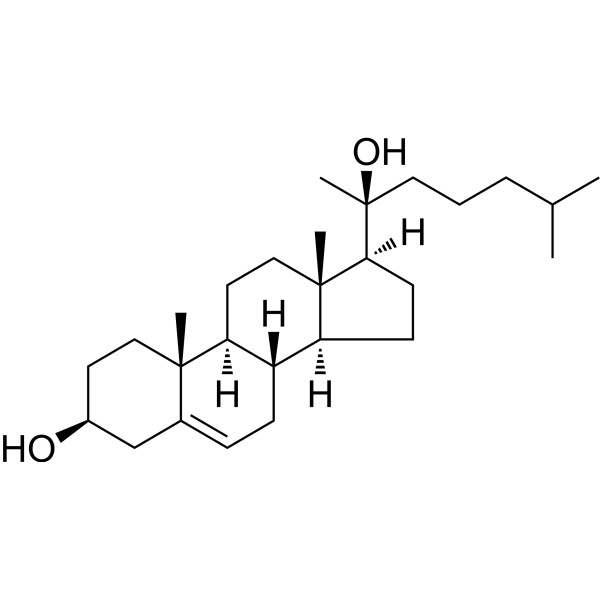
    20(S)-Hydroxycholesterol (20α-Hydroxycholesterol) is an allosteric activator that selectively targets the Smoothened (Smo) of the Hedgehog pathway with an EC50 of ~30 μM (Hedgehog). 20(S)-Hydroxycholesterol binds to the extracellular cysteine-rich domain (CRD) of Smo in a stereoselective manner, activating downstream Gli transcription factors (without inducing transcription of receptor genes in the Wnt pathway). 20(S)-Hydroxycholesterol enhances osteogenic differentiation of bone marrow stromal cells and synergistically activates the Raf/MEK/ERK pathway with Simvastatin (HY-17502) to promote bone regeneration. 20(S)-Hydroxycholesterol can be used to study the mechanisms of developmental biology, oncology, bone, and angiogenesis .
    20(S)-Hydroxycholesterol
  • HY-40228

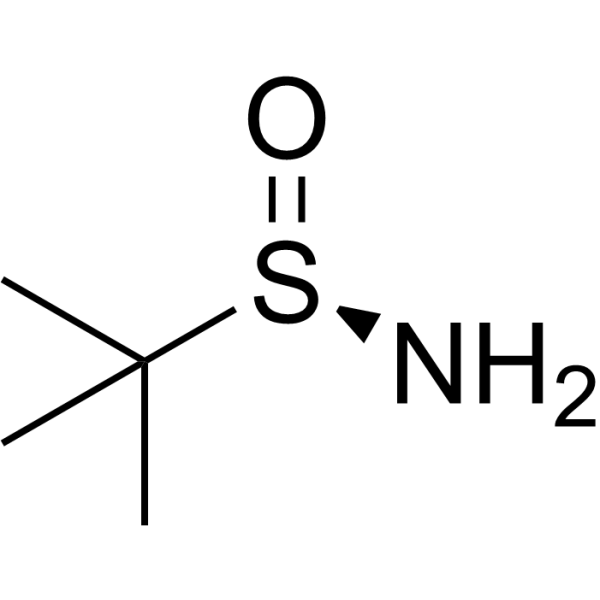
    (R)-2-Methylpropane-2-sulfinamide

    Biochemical Assay Reagents Others
    (R)-(+)-tert-Butylsulfinamide ((R)-2-Methylpropane-2-sulfinamide) is a chiral reagent commonly used in the asymmetric synthesis of compounds such as amines, amino acids, and amino alcohols. (R)-(+)-tert-Butylsulfinamide achieves stereoselective reactions by condensing with carbonyl groups to form sulfinyl imine intermediates, and after the reaction, this group can be removed under acidic conditions to obtain the target product .
    (R)-(+)-tert-Butylsulfinamide
  • HY-168534

    SF3B1 Apoptosis Cancer
    WX-02-23 is a small-molecule probe that stereoselectively and site-specifically binds to C258 of FOXA1 and C1111 of SF3B1. WX-02-23 remodels FOXA1's chromatin binding and pioneer activity in a DNA-dependent manner, disrupts spliceosome assembly, and enhances the thermal stability of SF3B1. WX-02-23 inhibits tumor cell proliferation and induces apoptosis. WX-02-23 can be used for research on cancers such as prostate cancer .
    WX-02-23
  • HY-106840
    L-365260
    2 Publications Verification

    Cholecystokinin Receptor Neurological Disease Metabolic Disease
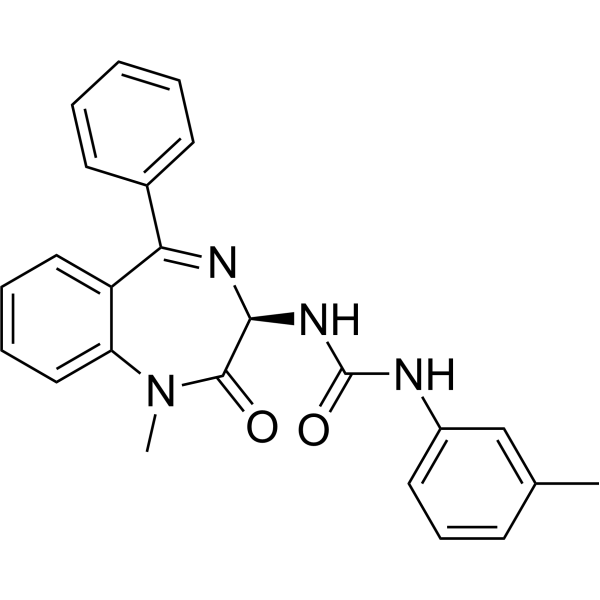
    L-365260 is an orally active and selective antagonist of non-peptide gastrin and brain cholecystokinin receptor (CCK-B), with Kis of 1.9 nM and 2.0 nM, respectively. L-365260 interacts in a stereoselective and competitive manner with guinea pig stomach gastrin and brain CCK receptors. L-365260 can enhance Morphine analgesia and prevents Morphine tolerance .
    L-365260
  • HY-22385
    Salsolidine
    2 Publications Verification

    Monoamine Oxidase Neurological Disease
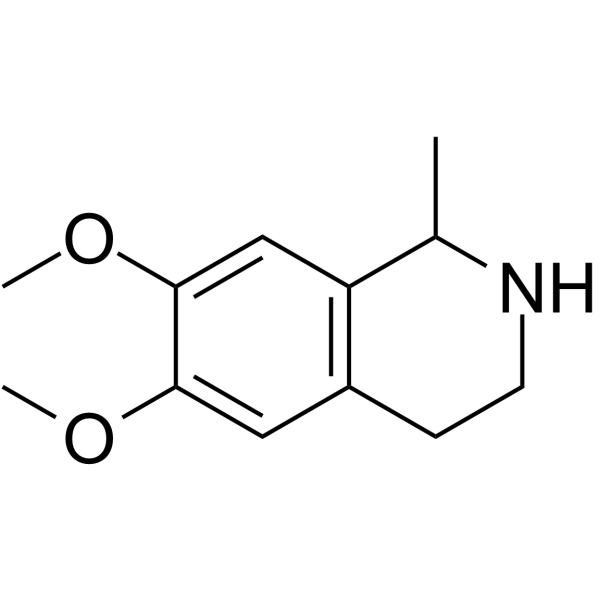
    Salsolidine is a tetrahydroisoquinoline alkaloid, acts as a stereoselective competitive MAO A inhibitor.
    Salsolidine
  • HY-N1356A

    Cytochrome P450 Inflammation/Immunology
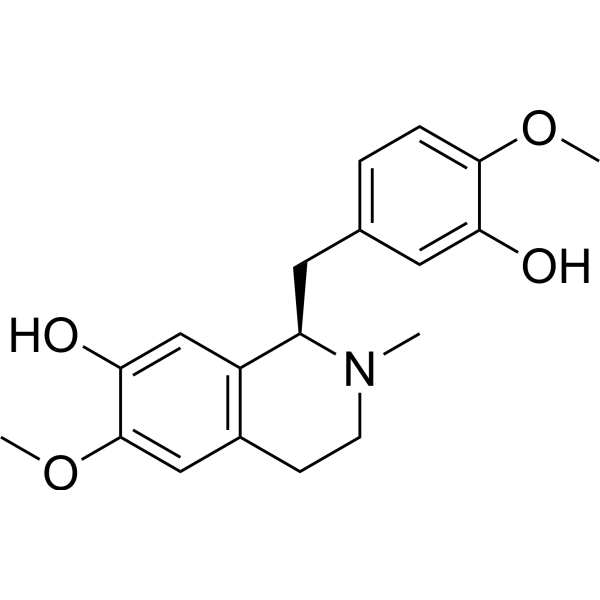
    (R)-Reticuline is a key intermediate and precursor in the biosynthetic pathway of morphinan alkaloids. (R)-Reticuline plays a central role in the metabolism of opium poppy (Papaver somniferum). (R)-Reticuline can either undergo O-methylation catalyzed by PSOMT1, or be converted to (+)-Salutaridine via regioselective and stereoselective oxidative coupling under the action of salutaridine synthase (CYP719B1). (R)-Reticuline serves as a direct precursor for the synthesis of important alkaloids such as morphine, codeine and thebaine .
    (R)-Reticuline
  • HY-W010507

    Methyl (R)-(-)-3-hydroxybutyrate

    Biochemical Assay Reagents Others
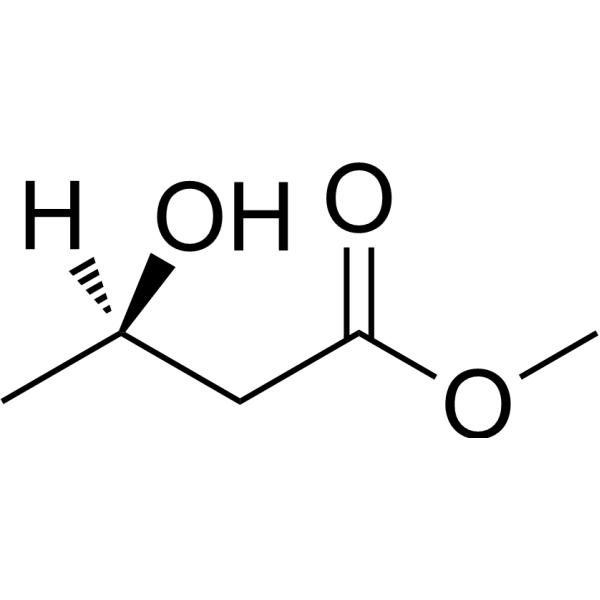
    (R)-Methyl 3-hydroxybutanoate, (R)-Methyl 3-hydroxybutanoate is an enantiomer, from the perspective of the methyl (-CH3) group, the hydroxyl (-OH) group on the third carbon atom The group faces to the right, a colorless transparent liquid, soluble in organic solvents such as ethanol and ether, insoluble in water, (R)-Methyl 3-hydroxybutanoate is usually used to synthesize various organic compounds (including drugs, agricultural chemicals and flavoring agents) It can also be used as a chiral auxiliary in asymmetric synthetic reactions involving the formation of chemical bonds in a stereoselective manner.
    (R)-Methyl 3-hydroxybutanoate
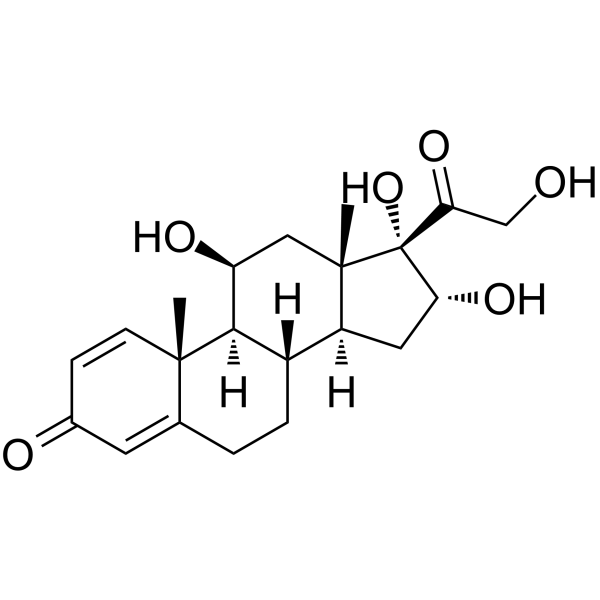
  • HY-117580

    OH-PRED

    Drug Metabolite Inflammation/Immunology
    16α-Hydroxyprednisolone (OH-PRED) is a stereoselective metabolite of the 22(R) epimer of the glucocorticoid Budesonide (HY-13580). 16α-Hydroxyprednisolone formation is catalyzed by isoenzymes within the cytochrome P450 3A (CYP3A) subfamily. 16α-Hydroxyprednisolone formation can be inhibited by antibodies targeting the CYP3A subfamily .
    16α-Hydroxyprednisolone
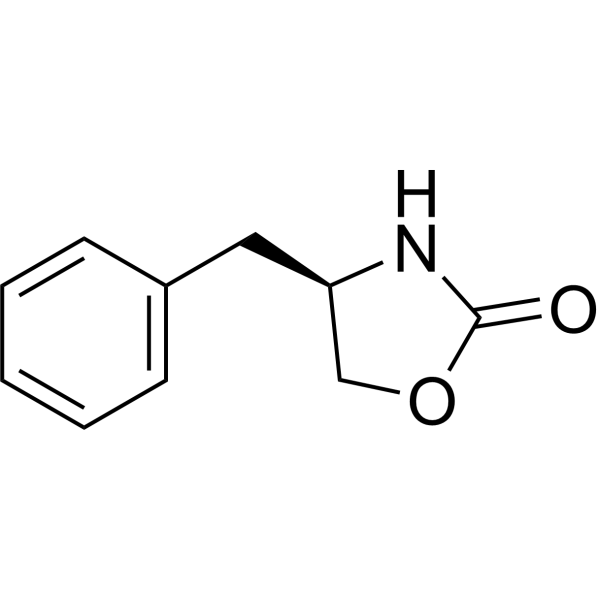
  • HY-W007664

    Drug Intermediate Cytochrome P450 Cancer
    (R)-4-Benzyl-2-oxazolidinone is an oxazolidinone-type auxiliary that enables highly stereoselective asymmetric alkylation reactions. (R)-4-Benzyl-2-oxazolidinone is applied in the total synthesis of natural products and pharmaceutical preparations. Especially in pharmaceutical research and development, (R)-4-Benzyl-2-oxazolidinone not only serves as a key precursor for the synthesis of aromatase inhibitors, but also can be used in studies related to estrogen-dependent breast cancer .
    (R)-4-Benzyl-2-oxazolidinone
  • HY-135811A
    Desethyl chloroquine diphosphate
    2 Publications Verification

    Parasite Toll-like Receptor (TLR) Autophagy Infection
    Desethyl chloroquine diphosphate is a major desethyl metabolite of Chloroquine. Chloroquine diphosphate is an inhibitor of autophagy and toll-like receptors (TLRs). Desethyl chloroquine diphosphate possesses antiplasmodic activity .
    Desethyl chloroquine diphosphate
  • HY-W021016

    (S,S)-Ph-BPE

    Biochemical Assay Reagents Others
    (+)-1,2-Bis ((2S,5S)-2,5-diphenylphospholano)ethane ((S,S)-Ph-BPE) is a chiral bisphosphine ligand and catalyst. (+)-1,2-Bis ((2S,5S)-2,5-diphenylphospholano)ethane acts as a chiral ligand in rhodium-catalyzed reductive hydroformylation of alkenyl boronic esters, enabling enantiodivergent synthesis of chiral γ-boryl alcohols. (+)-1,2-Bis ((2S,5S)-2,5-diphenylphospholano)ethane forms chiral nickel-phosphine complexes to mediate asymmetric hydrogenation of aliphatic γ- and δ-keto acids; protons promote substrate C=O bond activation and stereoselectivity control via hydrogen bonding. (+)-1,2-Bis ((2S,5S)-2,5-diphenylphospholano)ethane forms a monodentate nickel complex, which serves as the active species for asymmetric hydrogenation of aliphatic keto acids .
    (+)-1,2-Bis((2S,5S)-2,5-diphenylphospholano)ethane
  • HY-138793
    2-(2,6-Dioxopiperidin-3-yl)phthalimidine
    1 Publications Verification

    EM-12

    TNF Receptor Ligands for E3 Ligase Cancer
    2-(2,6-Dioxopiperidin-3-yl)phthalimidine (EM-12), a teratogenic Thalidomide analogue, is more active than Thalidomide and is much more stable for hydrolysis. 2-(2,6-Dioxopiperidin-3-yl)phthalimidine enhances 1,2-dimethylhydrazine-induction of rat colon adenocarcinomas .
    2-(2,6-Dioxopiperidin-3-yl)phthalimidine
  • HY-B0352A

    (S)-Org3770; (S)-6-Azamianserin

    5-HT Receptor Neurological Disease
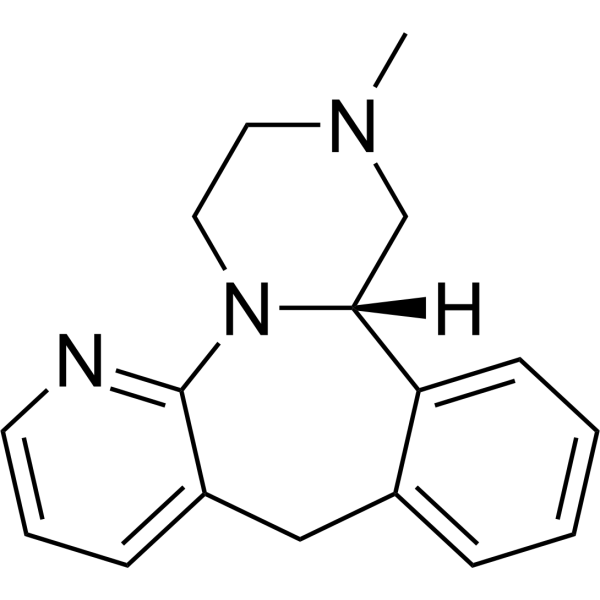
    (S)-Mirtazapine ((S)-Org3770) is a S(+)-enantiomer of Mirtazapine with pronociceptive properties in an animal model of acute thermal nociception. (S)-Mirtazapine is a stereoselective 5-HT2 receptor antagonist. (S)-Mirtazapine is metabolized by CYP2D6 and CYP1A2 .
    (S)-Mirtazapine
  • HY-106840A
    L-365260 hemihydrate
    2 Publications Verification

    Cholecystokinin Receptor Neurological Disease Metabolic Disease
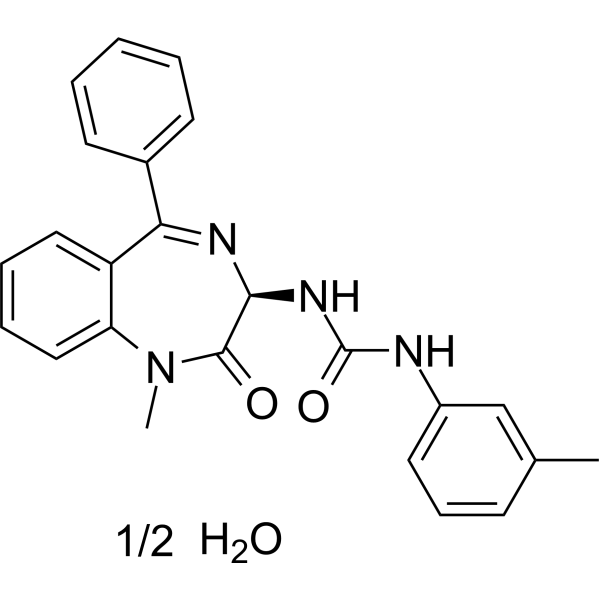
    L-365260 hemihydrate is an orally active and selective antagonist of non-peptide gastrin and brain cholecystokinin receptor (CCK-B), with Kis of 1.9 nM and 2.0 nM, respectively. L-365260 hemihydrate interacts in a stereoselective and competitive manner with guinea pig stomach gastrin and brain CCK receptors .
    L-365260 hemihydrate
  • HY-135811
    Desethyl chloroquine
    2 Publications Verification

    Parasite Toll-like Receptor (TLR) Autophagy Infection
    Desethyl chloroquine is a major desethyl metabolite of Chloroquine. Chloroquine diphosphate is an inhibitor of autophagy and toll-like receptors (TLRs). Desethyl chloroquine possesses antiplasmodic activity .
    Desethyl chloroquine
  • HY-N0548R

    Glutathione S-transferase Reference Standards Cancer
    α-Angelica lactone (Standard) is the analytical standard of α-Angelica lactone. This product is intended for research and analytical applications. α-Angelica lactone is a naturally occurring anticarcinogen and an vinylogous nucleophile. α-Angelica lactone can give the chiral δ-amino γ,γ-disubstituted butenolide carbonyl derivatives and exhibitselectrophilic trapping at the γ-carbon. α-Angelica lactone exerts strong chemoprotective effects by selective enhancement of glutathione-S-thansferase (GST) and UDP-glucononosyltransferase (UGT) detoxification enzymes .
    α-Angelica lactone (Standard)
  • HY-10572A

    (R)-DMP 266; (R)-EFV; (R)-L-743726

    Reverse Transcriptase Infection
    (R)-Efavirenz ((R)-DMP 266) is a non-nucleoside reverse transcriptase inhibitor that acts by non-competitive inhibition of the viral enzyme. (R)-Efavirenz can be metabolized by CYP2B6 to 8-hydroxyefavirenz in a highly stereoselective manner. (R)-Efavirenz is promising to be a useful probe for the CYP2B6 active site and catalytic mechanisms .
    (R)-Efavirenz
  • HY-117734

    iGluR Neurological Disease
    PYD-106 is a stereoselective pyrrolidinone (PYD) positive allosteric modulator for GluN2C-containing NMDA receptors. PYD-106 increases opening frequency and open time of single channel currents activated by maximally effective concentrations of agonist but only has modest effects on glutamate and glycine EC50. PYD-106 selectively enhances the responses of diheteromeric GluN1/GluN2C receptors but not triheteromeric GluN1/GluN2A/GluN2C receptors .
    PYD-106
  • HY-B0204B

    (-)-UD-CG115

    Phosphodiesterase (PDE) Cardiovascular Disease
    (-)-Pimobedan is an isomer of pimobedan. It has the property of stereoselective partitioning or distribution into erythrocytes. The clearance of (-)-pimobedan from erythrocytes is significantly lower than that of (+)-pimobedan, which is entirely due to its stereoselective distribution into erythrocytes. This stereoselective property of (-)-pimobedan may explain the phenomenon previously reported that it produces a 1.5-fold greater contractile force than the (+)-isomer in detergent-treated myocardial specimens of guinea pigs and dogs. These properties suggest that (-)-pimobedan may have unique advantages in terms of in vivo distribution and pharmacological action, which may have important implications for its clinical use.
    (-)-Pimobendan
  • HY-W076971

    Drug Derivative Others
    Ethyl pivaloylacetate is a β-ketoester. Ethyl pivaloylacetate can be uesd as the substrate to evaluate the activity and stereoselectivity of the ketoreductase tool-box .
    Ethyl pivaloylacetate
  • HY-176431

    Endogenous Metabolite Metabolic Disease
    TLCD1-IN-1 (compound MB-4A) is a covalent TLCD1 inhibitor. TLCD1-IN-1 stereoselectively engages and inhibits TLCD1 in HepG2 cells .
    TLCD1-IN-1
  • HY-W011024

    Biochemical Assay Reagents Others
    (2R,3S)-N-Cbz-6-oxo-2,3-diphenylmorpholine is a chiral building block, which can be used in the stereoselective synthesis of fluorescent and non-fluorescent amino acids .
    (2R,3S)-N-Cbz-6-oxo-2,3-diphenylmorpholine
  • HY-N9022

    Others Others
    (S)-1-(4-Hydroxy-2,2-dimethylchroman-6-yl)ethanone is an enantiopure chiral alcohol. Stereoselective reduction of prochiral ketones is studied by using both cell cultures and wild tissues of various endemic plant species .
    (S)-1-(4-Hydroxy-2,2-dimethylchroman-6-yl)ethanone
  • HY-22385A

    Monoamine Oxidase Neurological Disease
    Salsolidine hydrochloride, a tetrahydroisoquinoline alkaloid, acts as a stereoselective competitive MAO A (monoamine oxidase A) inhibitor.
    Salsolidine hydrochloride
  • HY-105545A

    mAChR Neurological Disease
    Levetimide is a potent and stereoselective inhibitor of [ 3H](+)pentazocine binding, with a Ki of 2.2 nM .
    Levetimide
  • HY-167662

    Histamine Receptor Drug Isomer Others
    Sopromidine is a potent and stereoselective isomer of the achiral H2-agonist Impromidine (HY-116777) .
    Sopromidine
  • HY-105236

    (Rac)-CI-977 free base

    Opioid Receptor Neurological Disease
    (Rac)-Enadoline ((Rac)-CI-977 free base) is a selective K-opioid receptor agonist that stereoselectively antagonizes clonic seizures induced by slow intravenous injection of N-methyl-DL-aspartate in mice .
    (Rac)-Enadoline
  • HY-B1127R

    N-Benzoyl-β-alanine (Standard)

    Reference Standards Bacterial Antibiotic Others
    16α-Hydroxyprednisolone (Standard) is the analytical standard of 16α-Hydroxyprednisolone. This product is intended for research and analytical applications. 16α-Hydroxyprednisolone is a stereoselective metabolite of the 22(R) epimer of the glucocorticoid budesonide via cytochrome P450 3A (CYP3A) enzymes .
    Betamipron (Standard)
  • HY-135811R

    Reference Standards Parasite Toll-like Receptor (TLR) Autophagy Infection
    Desethyl chloroquine (Standard) is the analytical standard of Desethyl chloroquine. This product is intended for research and analytical applications. Desethyl chloroquine is a major desethyl metabolite of Chloroquine. Chloroquine diphosphate is an inhibitor of autophagy and toll-like receptors (TLRs). Desethyl chloroquine possesses antiplasmodic activity .
    Desethyl chloroquine (Standard)
  • HY-135811AR

    Parasite Toll-like Receptor (TLR) Autophagy Infection
    Desethyl chloroquine (diphosphate) (Standard) is the analytical standard of Desethyl chloroquine (diphosphate). This product is intended for research and analytical applications. Desethyl chloroquine diphosphate is a major desethyl metabolite of Chloroquine. Chloroquine diphosphate is an inhibitor of autophagy and toll-like receptors (TLRs). Desethyl chloroquine diphosphate possesses antiplasmodic activity .
    Desethyl chloroquine diphosphate (Standard)
  • HY-B0352AS

    (S)-Org3770 d3; (S)-6-Azamianserin d3

    5-HT Receptor Neurological Disease
    (S)-Mirtazapine-d3 is a deuterium labeled (S)-Mirtazapine. (S)-Mirtazapine is a S(+)-enantiomer of Mirtazapine with pronociceptive properties in an animal model of acute thermal nociception.(S)-Mirtazapine is a stereoselective 5-HT2 receptor antagonist. (S)-Mirtazapine is metabolized by CYP2D6 and CYP1A2[1].
    (S)-Mirtazapine-d3
  • HY-N13080

    Others Cancer
    3-Oxo-bufalin is an active compound that can be isolated from cultured toad liver tissue. 3-Oxo-bufalin can be produced through a metabolic pathway, and it is a metabolite of Bufalin (HY-N0877) catalyzed by the stereoselective 3β-dehydrogenase. Bufalin is a Na+/K+-ATPase inhibitor and has anti-tumor activity .
    3-Oxo-bufalin
  • HY-W022362

    Serotonin Transporter Neurological Disease
    2-Aminotetralin is a potent and selective serotonin 5-HT1 agonist. 2-Aminotetralin exhibits high affinity (Ki≤25 nM) and at least 50-fold stereoselective preference at 5-HT1A, 5-HT1B, and 5-HT1D receptors .
    2-Aminotetralin
  • HY-117580S

    OH-PRED-d3

    Isotope-Labeled Compounds Drug Metabolite Inflammation/Immunology
    16α-Hydroxyprednisolone-d3 is the deuterium labeled 16α-Hydroxyprednisolone. 16α-Hydroxyprednisolone is a stereoselective metabolite of the 22(R) epimer of the glucocorticoid Budesonide (HY-13580). 16α-Hydroxyprednisolone formation is catalyzed by isoenzymes within the cytochrome P450 3A (CYP3A) subfamily. 16α-Hydroxyprednisolone formation can be inhibited by antibodies targeting the CYP3A subfamily .
    16α-Hydroxyprednisolone-d3
  • HY-169803

    Prostaglandin Receptor Cardiovascular Disease
    L-657926 is a stereoselective antagonist of the thromboxane A2 (TxA2) receptor, composed of (-)-9-chlorobenzyl-6-fluoro-1,2,3,4-tetrahydrocarbazol-1-yl acetic acid and (+)-9-chlorobenzyl-6-fluoro-1,2,3,4-tetrahydrocarbazol-l-yl acetic acid. The IC50s of (-) and (+) configurations for TxA2 are 0.27 nM and 124 nM, respectively.
    L-657926
  • HY-117580R

    OH-PRED (Standard)

    Reference Standards Drug Metabolite Inflammation/Immunology
    16α-Hydroxyprednisolone (OH-PRED) (Standard) is the analytical standard of 16α-Hydroxyprednisolone. This product is intended for research and analytical applications. 16α-Hydroxyprednisolone is a stereoselective metabolite of the 22(R) epimer of the glucocorticoid Budesonide (HY-13580). 16α-Hydroxyprednisolone formation is catalyzed by isoenzymes within the cytochrome P450 3A (CYP3A) subfamily. 16α-Hydroxyprednisolone formation can be inhibited by antibodies targeting the CYP3A subfamily .
    16α-Hydroxyprednisolone (Standard)
  • HY-118096

    GABA Receptor Others
    AHN 070 is an irreversible peripheral benzodiazepine receptor (PBR) ligand. AHN 070 can bind to PBR with nanomolar affinity and is pH-dependent. AHN 070 can be used for studying the structure and function of PBR .
    AHN 070
  • HY-168382

    Prostaglandin Receptor Endogenous Metabolite Others
    5R(6S)-EET is the metabolite of Arachidonic acid (HY-109590). 5R(6S)-EET activates the synthesis of endogenous prostaglandin (PGE2), which inhibits the Na + absorption, increases the intracellular Ca 2+, and promotes the depolarization of transmembrane voltage. 5R(6S)-EET exhibits stereoselectivity with less effectness than 5S(6R)-EET (HY-168382A) .
    5R(6S)-EET
  • HY-E71100

    Biochemical Assay Reagents Others
    (R)-Limonene 6-monooxygenase (EC 1.14.13.80) exhibits stereoselectivity and can selectively generate (R)-Limonene.
    (R)-Limonene 6-monooxygenase
  • HY-121665

    Others Others
    Rosaprostol is a compound with antiulcer activity, and its enantiomers can be synthesized from the corresponding building blocks via a specific synthetic route involving multistep reactions and stereoselective transformations.
    Rosaprostol
  • HY-W587570

    Drug Metabolite Metabolic Disease
    (S) -4-Hydroxy mephenytoin is a metabolite derived from the stereoselective metabolism of mephenytoin. Mephenytoin, an anticonvulsant, is the CYP2C19 and CYP2B6 substrate.
    (S)-4-Hydroxymephenytoin
  • HY-138793R

    EM-12 (Standard)

    TNF Receptor Reference Standards Cancer
    2-(2,6-Dioxopiperidin-3-yl)phthalimidine (Standard) is the analytical standard of 2-(2,6-Dioxopiperidin-3-yl)phthalimidine. This product is intended for research and analytical applications. 2-(2,6-Dioxopiperidin-3-yl)phthalimidine (EM-12), a teratogenic Thalidomide analogue, is more active than Thalidomide and is much more stable for hydrolysis. 2-(2,6-Dioxopiperidin-3-yl)phthalimidine enhances 1,2-dimethylhydrazine-induction of rat colon adenocarcinomas .
    2-(2,6-Dioxopiperidin-3-yl)phthalimidine (Standard)
  • HY-182500

    Toll-like Receptor (TLR) Neurological Disease
    SARM1-IN-9 (Compound MY-13B) is a stereoselective SARM1 inhibitor. SARM1-IN-9 is applicable to research related to axon degeneration-dependent neurological diseases .
    SARM1-IN-9
  • HY-N12970

    Others Others
    14S(15R)-EET is an endogenous epoxytrienoic acid derivative that mainly exists in rat organs. By studying its metabolic process, it was found that its stereoselective hydration and formation of chiral diols were significantly affected by epoxidase. Different 14,15-EET enantiomers showed different regions and stereochemistry of hydration reactions, among which 14(R),15(S)-EET showed specific hydration for C15. These findings reveal the important role of epoxidase in the metabolism of endogenous EETs, and the differences in enzyme affinity and reaction rate for individual EET enantiomers may lead to their stereoselective metabolism .
    14S(15R)-EET
  • HY-W076971R

    Others Reference Standards Others
    Ethyl pivaloylacetate (Standard) is the analytical standard of Ethyl pivaloylacetate (HY-W076971). This product is intended for research and analytical applications. Ethyl pivaloylacetate is a β-ketoester. Ethyl pivaloylacetate can be uesd as the substrate to evaluate the activity and stereoselectivity of the ketoreductase tool-box .
    Ethyl pivaloylacetate (Standard)
  • HY-180668

    Nucleoside Antimetabolite/Analog Metabolic Disease
    2-Oxo-4-hydroxy-4-carboxy-5-ureidoimidazoline is a product of the hydrolysis of 5-hydroxyisourate. 2-Oxo-4-hydroxy-4-carboxy-5-ureidoimidazoline undergoes stereoselective decarboxylation by the action of 2-Oxo-4-hydroxy-4-carboxy-5-ureidoimidazoline decarboxylase to give CO2 and (S)-allantoin .
    2-Oxo-4-hydroxy-4-carboxy-5-ureidoimidazoline
  • HY-106840R

    Reference Standards Cholecystokinin Receptor Neurological Disease Metabolic Disease
    L-365260 (Standard) is the analytical standard of L-365260 (HY-106840). This product is intended for research and analytical applications. L-365260 is an orally active and selective antagonist of non-peptide gastrin and brain cholecystoKinin receptor (CCK-B), with Kis of 1.9 nM and 2.0 nM, respectively. L-365260 interacts in a stereoselective and competitive manner with guinea pig stomach gastrin and brain CCK receptors. L-365260 can enhance Morphine analgesia and prevents Morphine tolerance .
    L-365260 (Standard)
  • HY-186146

    Pim c-Myc Apoptosis Cancer
    SGI-1776-VHL-02 is a stereoselective PIM PROTAC degrader. SGI-1776-VHL-02 promotes the ubiquitination and degradation of PIM1, PIM2 and PIM3. SGI-1776-VHL-02 downregulates c-myc protein levels, induces Apoptosis. SGI-1776-VHL-02 has anti-cancer activity against prostate cancer. SGI-1776-VHL-02 can be used in studies related to prostate cancer .
    SGI-1776-VHL-02

Inquiry Online

Your information is safe with us. * Required Fields.

Salutation


Country or Region *

Applicant Name *


Organization Name *

Department *


Email Address *


Product Name *

Cat. No.


Requested quantity *

Phone Number *


Remarks

Inquiry Online

Inquiry Information

Product Name:
Cat. No.:
Quantity:
MCE Japan Authorized Agent:

