Search Result
Results for "
tau phosphorylation
" in MedChemExpress (MCE) Product Catalog:
1
Biochemical Assay Reagents
2
Isotope-Labeled Compounds
| Cat. No. |
Product Name |
Target |
Research Areas |
Chemical Structure |
-
- HY-N6785
-
Okadaic acid
Maximum Cited Publications
23 Publications Verification
|
Phosphatase
Apoptosis
|
Neurological Disease
Cancer
|
|
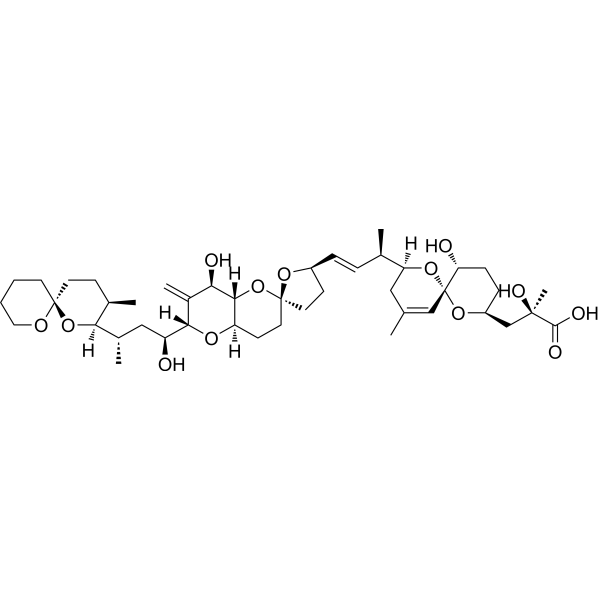
Okadaic acid, a marine toxin, is an inhibitor of protein phosphatases (PP). Okadaic acid has a significantly higher affinity for PP2A (IC50=0.1-0.3 nM), and inhibits PP1 (IC50=15-50 nM), PP3 (IC50=3.7-4 nM), PP4 (IC50=0.1 nM), PP5 (IC50=3.5 nM), but does not inhibit PP2C. Okadaic acid increases of phosphorylation of a number of proteins by inhibiting PP, and acts a tumor promoter. Okadaic acid induces tau phosphorylation .
|
-
-
- HY-12723
-
|
(-)-Apomorphine
|
Dopamine Receptor
Monoamine Oxidase
Reactive Oxygen Species (ROS)
JNK
ERK
Amyloid-β
Tau Protein
MMP
|
Neurological Disease
Inflammation/Immunology
Endocrinology
Cancer
|
|
Apomorphine ((-)-Apomorphine) is a potent dopamine receptor agonist. Apomorphine also inhibit MAO-A and MAO-B. Apomorphine exerts neuroprotective effect and can relax rat corpus cavernosum. Apomorphine can inhibit ROS production, DNA fragmentation and inibit JNK and ERK1/2 phosphorylation. Apomorphine can enhance degradation of intracellular Aβ40 and Aβ42, reduces tau protein levels and inhibit MMP-9 expression. Apomorphine is a highly potent radical scavenger and iron chelator. Apomorphine can be used for the researches of dementia, parkinson's disease, alzheimer disease, breast carcinoma, and erectile dysfunction .
|
-
-
- HY-B1203
-
|
9α-Fludrocortisone; 9α-Fluorcortisol
|
Mineralocorticoid Receptor
Glucocorticoid Receptor
Apoptosis
|
Neurological Disease
Metabolic Disease
Inflammation/Immunology
Cancer
|
|
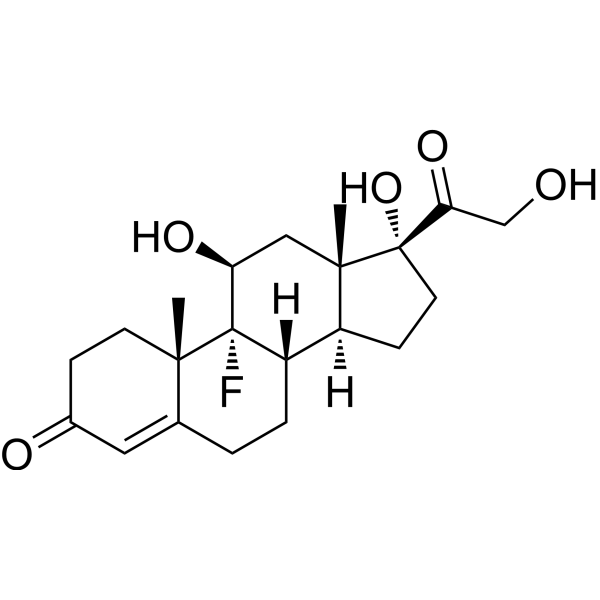
Fludrocortisone (9α-Fludrocortisone) is an orally active mineralocorticoid and glucocorticoid receptor agonist. Fludrocortisone suppresses pro-inflammatory cytokine expression, reduces CCL2, IL-6, IL-8 levels, upregulates mineralocorticoid receptor (MR) expression, induces PI3K/Akt, GSK-3β, CREB, ERK1/2, mTOR phosphorylation, blocks Tau hyperphosphorylation, prevents apoptosis, promotes survival and proliferation, enhances renal sodium and water transport, increases plasma volume and blood pressure, reduces plasma potassium and renin activity, stimulates erythropoietin expression, modulates uterine receptivity genes, and reverses PP242-induced MUC1 upregulation. Fludrocortisone can be used for the research of congenital adrenal hyperplasia, postural hypotension, and adrenal insufficiency .
|
-
-
- HY-N6785A
-
|
|
Phosphatase
Apoptosis
|
Neurological Disease
Cancer
|
|
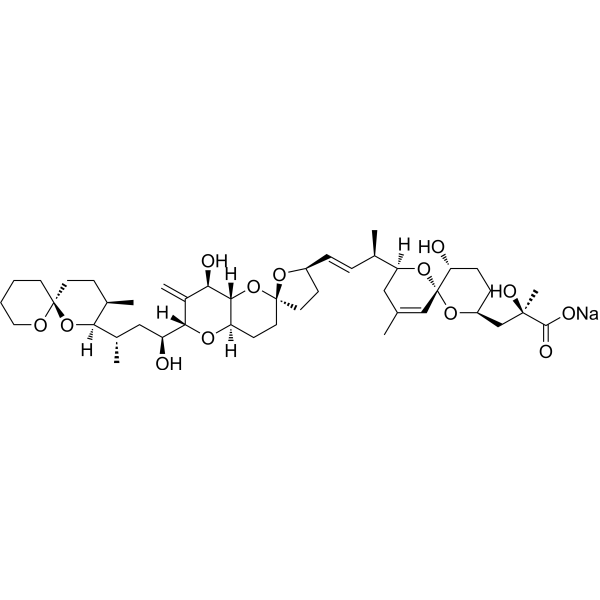
Okadaic acid sodium, a marine toxin, is an inhibitor of protein phosphatases (PP). Okadaic acid (sodium) has a significantly higher affinity for PP2A (IC50=0.1-0.3 nM), and inhibits PP1 (IC50=15-50 nM), PP3 (IC50=3.7-4 nM), PP4 (IC50=0.1 nM), PP5 (IC50=3.5 nM), but does not inhibit PP2C. Okadaic acid sodium increases of phosphorylation of a number of proteins by inhibiting PP, and acts a tumor promoter. Okadaic acid sodium induces tau phosphorylation .
|
-
-
- HY-NP0204
-
|
|
ELOVL
Apoptosis
NOD-like Receptor (NLR)
Caspase
Tau Protein
|
Neurological Disease
Inflammation/Immunology
|
|
Mouse Serum Albumin is most abundant protein in plasma, which leaks into the brain parenchyma when the blood-brain barrier (BBB) is impaired. Mouse Serum Albumin induces astrocytes to A1 phenotype to remarkably increase levels of Elovl1. Mouse Serum Albumin promotes VLSFAs secretion and causes neuronal lippoapoptosis through endoplasmic reticulum stress response pathway. MSA-activated microglia triggeres remarkable tau phosphorylation at multiple sites (Ser202/Thr205) through NLRP3 inflammasome pathway. Mouse Serum Albumin decreases the spatial learning and memory abilities in mice. Mouse Serum Albumin can be used for the study of neurodegenerative diseases like Alzheimer’s disease (AD) and frontotemporal dementia (FTD) .
|
-
-
- HY-153166
-
|
|
PROTACs
GSK-3
Tau Protein
|
Neurological Disease
|
|
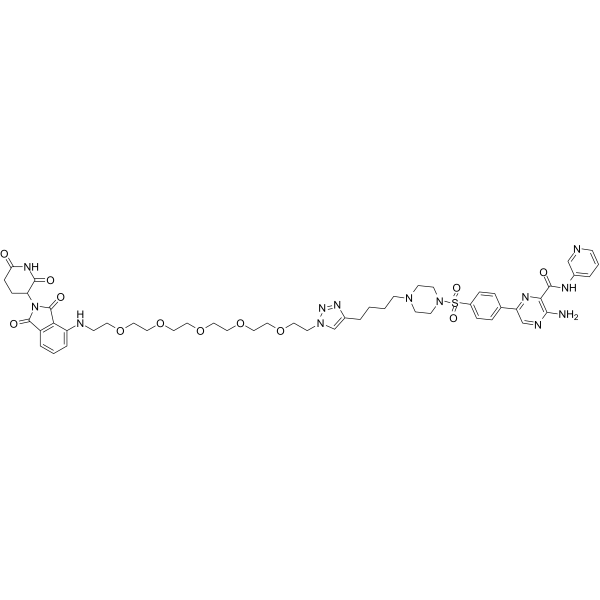
PT-65 is a GSK3α and GSK3β PROTAC degrader with DC50 values of 28.3 nM and 34.2 nM, respectively. PT-65 inhibits excessive tau phosphorylation mediated by GSK3β, Aβ and Okadaic acid (HY-N6785). PT-65 is applicable for the research of Alzheimer's disease .
|
-
-
- HY-N2877
-
|
|
Potassium Channel
Sodium Channel
Na+/K+ ATPase
Calcium Channel
Apoptosis
|
Neurological Disease
Cancer
|
|
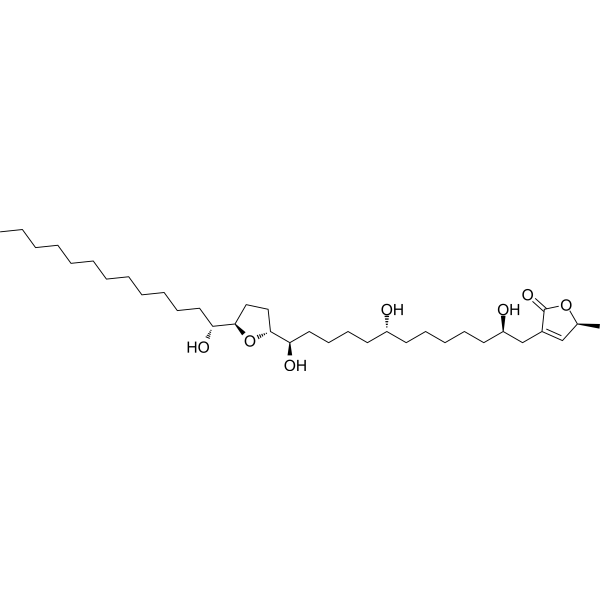
Annonacin is an acetylgenin that is toxic by inhibiting the pathway of the mitochondrial complex. Annonacin increases tau phosphorylation in R406W +/+ mice. Annonacin acts as an inhibitor of the sodium/potassium and sarcoplasmic reticulum (SERCA) ATPase pumps. Annonacin has significant killing effect on ovarian cancer cell, cervical cancer cell, breast cancer cell, bladder cancer cell and skin cancer cell. Annonacin induces apoptosis through Bax and Caspase-3-related pathways .
|
-
-
- HY-145232
-
|
OGTAC-3
|
PhosTACs
Phosphatase
Tau Protein
|
Neurological Disease
Cancer
|
|
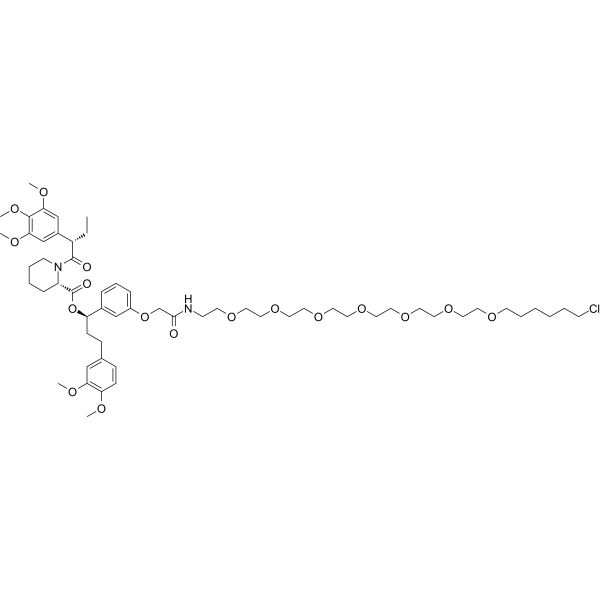
PhosTAC7 is a heterobifunctional molecule named as a Phosphorylation Targeting Chimera (PhosTAC). PhosTAC7 can dephosphorylate the PDCD4 protein, FOXO3a protein, and tau protein by recruiting serine/threonine protein phosphatase 2A (PP2A). PhosTAC7 offers the advantage of selectively modulating the phosphorylation state of individual target proteins, making it a promising tool for research in cancer and tau protein-related neurodegenerative diseases (Alzheimer's disease) .
|
-
-
- HY-N1472
-
|
|
Apoptosis
Reactive Oxygen Species (ROS)
PPAR
GSK-3
Tau Protein
Ras
TGF-β Receptor
|
Infection
Neurological Disease
Inflammation/Immunology
|
|
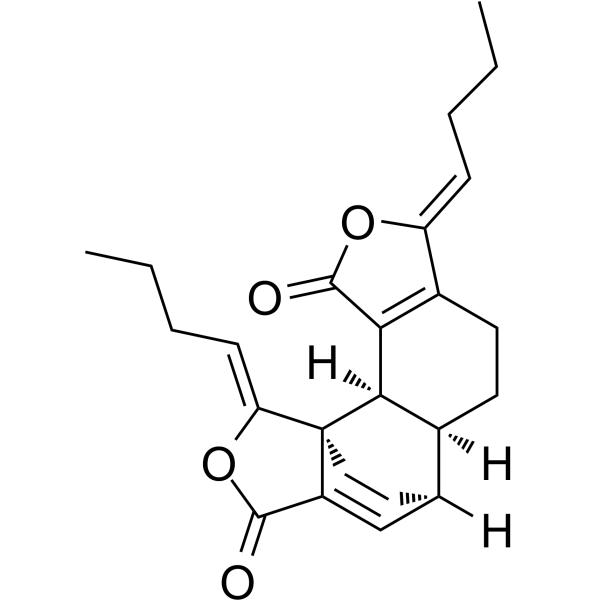
Levistolide A is an apoptosis inducer and a PEDV virus inhibitor. Levistolide A can induce apoptosis in colon cancer cells and suppress the replication of porcine epidemic diarrhea virus (PEDV) by promoting ROS generation. Levistolide A activates peroxisome proliferator-activated receptor γ (PPARγ) in N2a/APP695swe cells and reduces excessive phosphorylation of tau through the GSK3α/β pathway, improving symptoms in Alzheimer’s mice. Levistolide A improves kidney damage in 5/6 nephrectomy (Nx) mice by inhibiting the RAS,TGF-β1/Smad, and MAPK pathways .
|
-
-
- HY-128879A
-
|
|
Phosphodiesterase (PDE)
GSK-3
Tau Protein
|
Cardiovascular Disease
Neurological Disease
Inflammation/Immunology
|
|
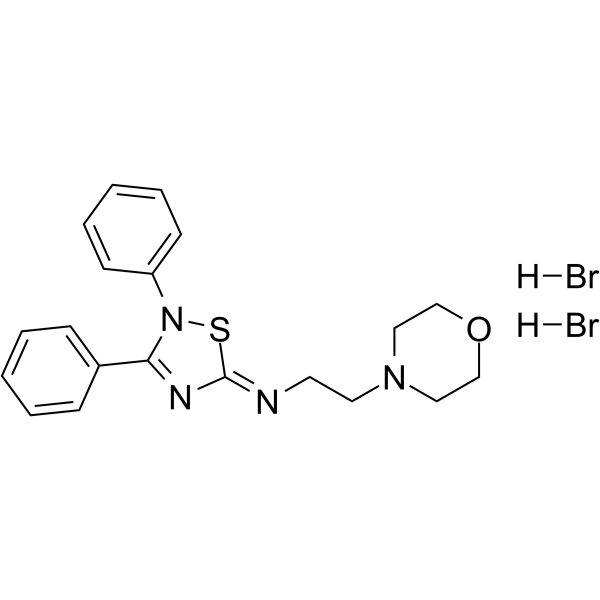
VP3.15 dihydrobromide is a highly potent, orally bioavailable, and CNS-penetrant PDE7-GSK3 dual inhibitor, with IC50 values of 1.59 μM and 0.88 μM against PDE7 and GSK3, respectively . VP3.15 dihydrobromide elevates intracellular cAMP levels, suppresses immune responses, enhances remyelination, limits excessive tau phosphorylation, and alleviates neuroinflammation and neuronal loss. VP3.15 dihydrobromide promotes oligodendrocyte precursor cell differentiation, improves in vivo remyelination, inhibits autoimmune encephalomyelitis, and mitigates germinal matrix-intraventricular hemorrhage-related brain injury, cerebral atrophy, ventricular enlargement, and cognitive impairment. VP3.15 dihydrobromide can be used in research related to multiple sclerosis and germinal matrix-intraventricular hemorrhage .
|
-
-
- HY-123976
-
|
|
HDAC
|
Neurological Disease
Cancer
|
|
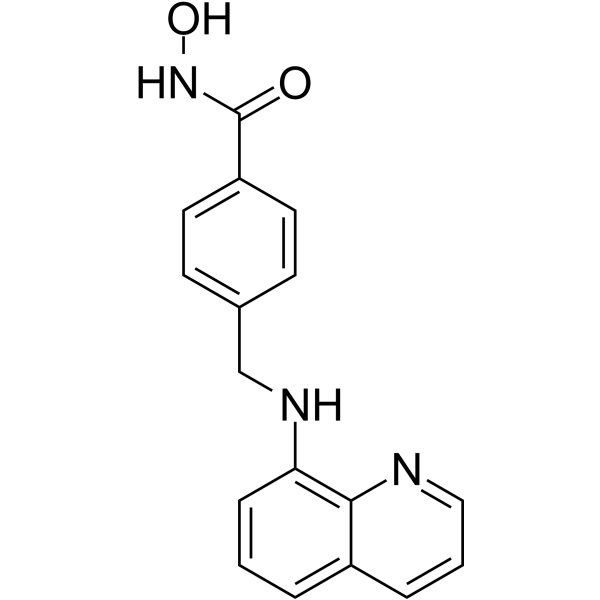
MPT0G211 is a potent, orally active and selective HDAC6 inhibitor (IC50=0.291 nM). MPT0G211 displays >1000-fold selective for HDAC6 over other HDAC isoforms. MPT0G211 can penetrate the blood-brain barrier. MPT0G211 ameliorates tau phosphorylation and cognitive deficits in an Alzheimer’s disease model. MPT0G211 has anti-metastatic and neuroprotective effects. Anticancer activities .
|
-
-
- HY-139324
-
|
|
GSK-3
Amyloid-β
|
Neurological Disease
Cancer
|
|
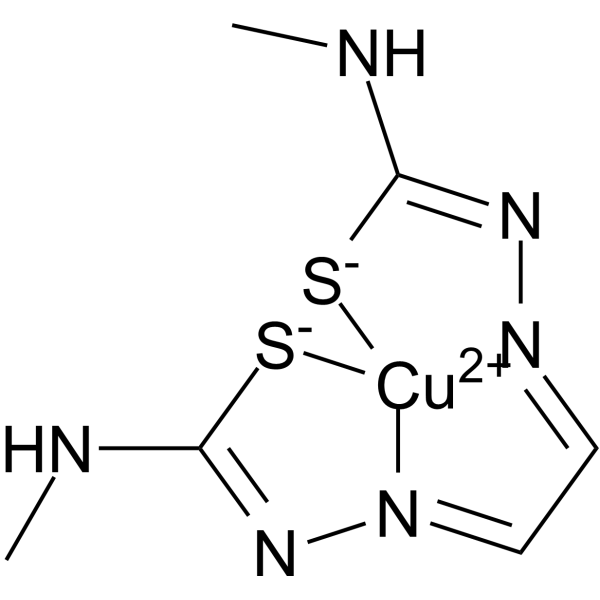
Cu(II)GTSM, a cell-permeable Cu-complex, significantly inhibits GSK3β. Cu(II)GTSM inhibits Amyloid-β oligomers (AβOs) and decreases tau phosphorylation. Cu(II)GTSM also decreases the abundance of Amyloid-β trimers. Cu(II)GTSM is a potential anticancer and antimicrobial agent .
|
-
-
- HY-122026
-
|
PF-367
|
GSK-3
|
Neurological Disease
|
|
PF-04802367 (PF-367) is a highly selective GSK-3 inhibitor with an IC50 of 2.1 nM based on a recombinant human GSK-3β enzyme assay and 1.1 nM based on ADP-Glo assay. PF-04802367 shows desirable central nervous system (CNS) properties and potency. PF-04802367 is equally effective at inhibition of the two known GSK-3 isoforms (GSK-3α and GSK-3β) with IC50 values of 10.0 and 9.0 nM in mobility shift assays, respectively .
|
-
-
- HY-115760
-
|
|
Phosphatase
|
Neurological Disease
Cancer
|
|
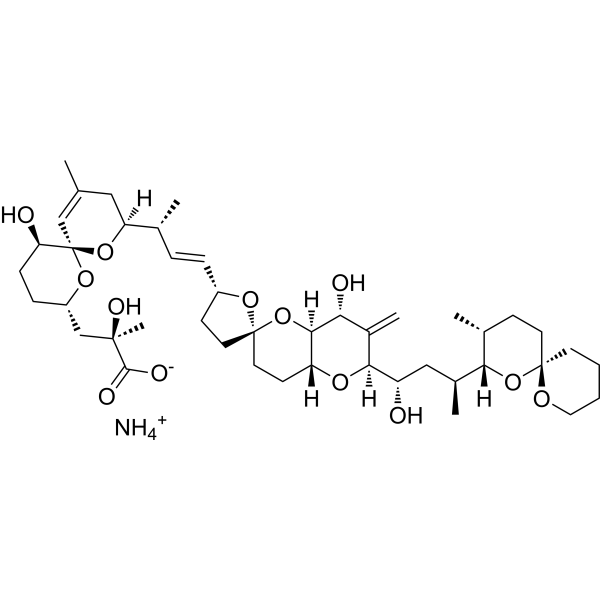
Okadaic acid ammonium salt, a marine toxin, is an inhibitor of protein phosphatases (PP). Okadaic acid ammonium salt has a significantly higher affinity for PP2A (IC50=0.1-0.3 nM), and inhibits PP1 (IC50=15-50 nM), PP3 (IC50=3.7-4 nM), PP4 (IC50=0.1 nM), PP5 (IC50=3.5 nM), but does not inhibit PP2C. Okadaic acid ammonium salt increases of phosphorylation of a number of proteins by inhibiting PP, and acts as a tumor promoter. Okadaic acid ammonium salt induces tau phosphorylation .
|
-
-
- HY-154851
-
|
|
GSK-3
CDK
Tau Protein
|
Neurological Disease
|
|
GSK-3 inhibitor 3 is a selective, orally active and brain-penetrant inhibitor of GSK-3, with IC50s of 0.35 nM and 0.25 nM for GSK-3α and GSK-3β, respectively. GSK-3 inhibitor 3 lowers levels of tau protein phosphorylation at S396 in a triple-transgenic mouse Alzheimer’s disease model, with IC50 of 10 nM. GSK-3 inhibitor 3 can be used for neurological disease research .
|
-
-
- HY-121035
-
|
7-Bromoindirubin-3-Oxime
|
CDK
GSK-3
|
Neurological Disease
|
|
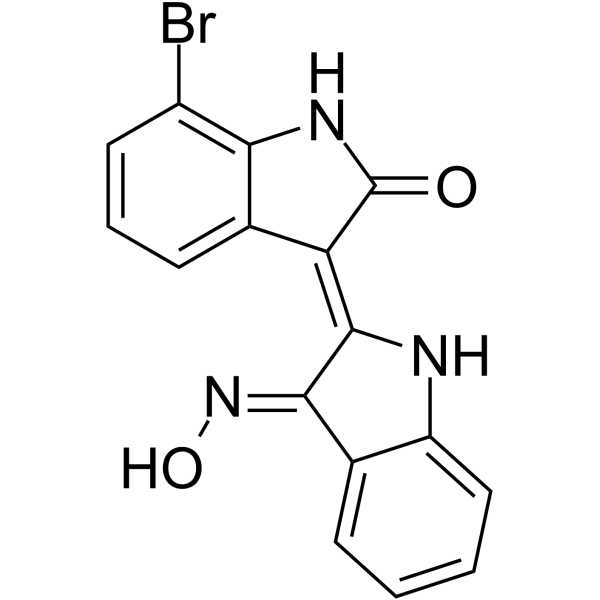
7BIO (7-Bromoindirubin-3-Oxime) is the derivate of indirubin. 7BIO (7-Bromoindirubin-3-Oxime) has inhibitory effects against cyclin-dependent kinase-5 (CDK5) and glycogen synthase kinase-3β (GSK3β). 7BIO (7-Bromoindirubin-3-Oxime) inhibits Aβ oligomer-induced neuroinflammation, synaptic impairments, tau hyper-phosphorylation, activation of astrocytes and microglia, and attenuates Aβ oligomer-induced cognitive impairments in mice [1].
|
-
-
- HY-145313
-
|
|
Tau Protein
|
Neurological Disease
|
|
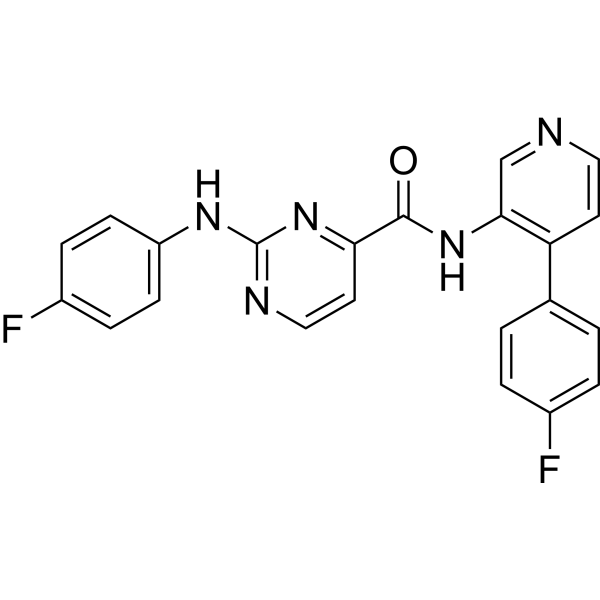
TTBK1-IN-2 (compound 29) is a potent Tau-Tubulin kinase (TTBK1) inhibitor with IC50s of 0.24 and 4.22 µM, respectively. TTBK1-IN-2 reveals good brain penetration in vivo and is able to reduce TDP-43 phosphorylation not only in cell cultures but also in the spinal cord of transgenic TDP-43 mice .
|
-
-
- HY-116753
-
|
|
Amyloid-β
Tau Protein
|
Neurological Disease
|
|
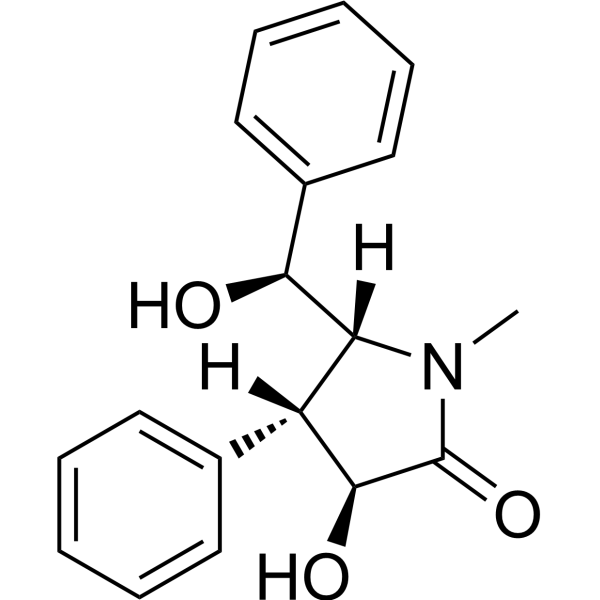
(-)Clausenamide is an active alkaloid isolated from the leaves of Clausena lansium (Lour.) Skeels, and improves cognitive function in both normal physiological and pathological conditions. (-)Clausenamide inhibits β-amyloid (Aβ) toxicity, blocking neurofibrillary tangle formation by inhibiting the phosphorylation of tau protein. (-)Clausenamide exerts a significant neuroprotective activity against Aβ25-35. (-)Clausenamide can be used for researching Alzheimer's disease (AD) .
|
-
-
- HY-154852
-
|
|
GSK-3
CDK
|
Neurological Disease
|
|
GSK-3 inhibitor 4 is an orally active and brain-penetrant inhibitor of GSK-3, CDK2, and CDK5, with IC50 values of 0.56 nM (GSK-3β), 0.45 nM (GSK-3α), 0.47 μM, and 0.68 μM, respectively. GSK-3 inhibitor 4 effectively reduces the phosphorylation level of Tau protein. GSK-3 inhibitor 4 can be used in Alzheimer's disease (AD) studies .
|
-
-
- HY-149054
-
|
|
GSK-3
Tau Protein
AAK1
Pim
PKC
|
Neurological Disease
|
|
GSK-3β inhibitor 13 (compound 47) is an orally active and potent GSK-3β inhibitor with blood-brain permeability. GSK-3β inhibitor 13 inhibits GSK-3β and GSK-3α with IC50s of 0.73 nM and 0.35 nM, respectively. GSK-3β inhibitor 13 significantly decreases the phosphorylation of tau (IC50=58 nM), which leads the formation of the neurofibrillary tangles associated with Alzheimer's disease .
|
-
-
- HY-121811
-
|
Lanceolatin C
|
Glycosidase
Phosphatase
Interleukin Related
TNF Receptor
COX
Beclin1
GLUT
FAK
Akt
mTOR
p38 MAPK
Keap1-Nrf2
Apoptosis
Amyloid-β
Tau Protein
Autophagy
|
Neurological Disease
Inflammation/Immunology
Cancer
|
|
Pongamol is an orally active flavonoid with an IC50 of 75 μM and a Ki of 58 μM against PTPase-1B, and an IC50 of 103.5 μM against intestinal α-Glycosidase. Pongamol reduces the release of IL‑1β, TNF‑α, COX‑2 and iNOS in cells, reverses the nuclear translocation of NF‑κB, and upregulates the levels of Beclin 1 and LC3 Ⅱ/LC3 Ⅰ. Pongamol promotes glucose uptake by increasing the level of GLUT4 on the surface of skeletal muscle cells. Pongamol inhibits epithelial-mesenchymal transition by suppressing the FAK/Akt-mTOR signaling pathway. Pongamol inhibits neuronal cytotoxicity, suppresses cell apoptosis and extends the lifespan of Caenorhabditis elegans by activating the MAPKs/Nrf2 signaling pathway. Pongamol exerts hypoglycemic effects in diabetic mouse models. Pongamol alleviates oxidative stress, neuroinflammation, Aβ deposition and excessive phosphorylation of Tau Protein, and restores autophagy function in Alzheimer's disease mouse models by inhibiting the Akt/mTOR signaling pathway. Pongamol is applicable to research related to Alzheimer's disease, type 2 diabetes, non-small cell lung cancer and postprandial hyperglycemia .
|
-
-
- HY-151873
-
|
|
RIP kinase
|
Inflammation/Immunology
Cancer
|
|
SZM679 is a potent, orally active and selective RIPK1 inhibitor with Kd values of 8.6 nM and >5000 nM for RIPK1 and RIPK3, respectively. SZM679 reverses the tumor necrosis factor-induced systemic inflammatory response. SZM679 decreases the Tau hyperphosphorylation, neuroinflammation, and the RIPK1 phosphorylation level in the hippocampus and cortex. SZM679 can be used in research of Alzheimer's disease (AD) .
|
-
-
- HY-116586
-
|
|
Sigma Receptor
mAChR
ERK
Amyloid-β
Tau Protein
|
Neurological Disease
|
|
AF710B is an orally effective allosteric agonist for the M1 muscarinic receptor and σ1 receptor. AF710B activates the downstream phosphorylated ERK1/2 and phosphorylated CREB signaling pathways. AF710B simultaneously improves cognitive function and alleviates the core pathological features of Alzheimer's disease, including Aβ deposition, excessive Tau phosphorylation and neuroinflammation. AF710B is applicable to the research of Alzheimer's disease .
|
-
-
- HY-162750
-
|
|
DYRK
Tau Protein
|
Neurological Disease
|
|
ZJCK-6-46 (32) is a potential and orally activeDYRK1A inhibitor (IC50 = 0.68 nM) with high BBB permeability (CNS+). ZJCK-6-46 (32) reduces tau phosphorylation. ZJCK-6-46 (32) ameliorates cognitive dysfunction by obviously reducing the expression of phosphorylated tau and neuronal loss in vivo .
|
-
-
- HY-179177
-
|
|
DYRK
CDK
Tau Protein
Amyloid-β
|
Neurological Disease
|
|
AO-365/43472821 is a selective, brain-penetrant Dual-specificity tyrosine phosphorylation-regulated kinase 1A (DYRK1A) inhibitor (IC50 = 0.29 μM) and shows a significant inhibitory effect on (CDC-like kinase 1) CLK1 (IC50 = 0.08 μM). AO-365/43472821 could protect the human neuroblastoma cell line SH-SY5Y from Okadaic acid (HY-N6785) (OA)-induced injury. AO-365/43472821 decreased tau (pSer396)/tau and Aβ1-42 protein expression. AO-365/43472821 can be used for the study of Alzheimer's disease .
|
-
-
- HY-172545
-
|
|
Tau Protein
|
Neurological Disease
|
|
AMG28 is an ATP-competitive inhibitor targeting TTBK1 and TTBK2, with IC50 values of 805 nM and 988 nM, respectively. AMG28 inhibits the phosphorylation of tau protein at the Ser422 site .
|
-
-
- HY-176271
-
|
|
Ferroptosis
Monoamine Oxidase
Glutathione Peroxidase
Reactive Oxygen Species (ROS)
Tau Protein
Amyloid-β
|
Neurological Disease
|
|
MAO-B-IN-45 is a dual inhibitor of ferroptosis and MAO-B. MAO-B-IN-45 shows selectivity towards MAO-B with an IC50 of 87.47 nM and selectivity exceeding 229-fold for MAO-B over MAO-A. MAO-B-IN-45 has excellent antiferroptosis activity through modulation of the iron metabolic pathway and GSH-GPX4 axis in vitro. MAO-B-IN-45 improves cognitive and behavioral impairments in 3×Tg (APP/Tau/Ps1) AD mouse and significantly reduced the levels of ferritin heavy chain 1 (FTH1), APP, and Tau phosphorylation (p-Tau) proteins in the brain.
|
-
-
- HY-175841
-
|
|
Tau Protein
p38 MAPK
NF-κB
Apoptosis
Bcl-2 Family
ERK
JNK
|
Neurological Disease
|
|
Tau Protein Phosphorylation-IN-1 is a tau protein phosphorylation inhibitor that potently protects PC12 cells against Aβ25–35-induced cytotoxicity (EC50 = 1.93 μM), and can penetrate the blood-brain barrier (BBB).Tau Protein Phosphorylation-IN-1 reverses the hyperphosphorylation of tau, significantly inhibits the expression of certain immune-related cytotoxic factors, suppresses the MAPK and NF-κB signaling pathways, and significantly inhibits the expression of RAGE and the apoptosis factors Bax/Bcl-2, both in vitro and in vivo. Tau Protein Phosphorylation-IN-1 relieves nerve damage, and improves learning and memory in an Alzheimer’s disease (AD) mouse model. Tau Protein Phosphorylation-IN-1 can be used for AD research .
|
-
-
- HY-120917
-
|
ML320
|
GSK-3
β-catenin
|
Cardiovascular Disease
Neurological Disease
Cancer
|
|
BRD1172 (ML320) is a selectivity GSK3β inhibitor with an IC50 of 24 nM for GSK3β over CDK5. BRD1172 significantly inhibits GSK3β-mediated Tau phosphorylation in SH-SY5Y cells, and relieves negative regulation by GSK3β on β-catenin degradation and TCF/LEF promoter activities. BRD1172 can be used for Alzheimer’s disease, cardiac hypertrophy and cancers research .
|
-
-
- HY-141541
-
|
|
HDAC
Tau Protein
|
Neurological Disease
|
|
MPT0G413 (Compound 6) is a potent, selective, orally active and brain-penetrant HDAC6 inhibitor with an IC50 of 3.92 nM. MPT0G413 decreases not only the level of phosphorylation of tau proteins but also the aggregation of tau proteins. MPT0G413 can ameliorate the impaired learning and memory. MPT0G413 can be used for the research of neurological disease, such as Alzheimer's disease .
|
-
-
- HY-168265
-
|
|
DYRK
|
Neurological Disease
Cancer
|
|
Dyrk1A-IN-11 (compound 166) is a potent dual-specificity tyrosine phosphorylation- regulated 1A (DYRK1A) inhibitor with an EC50 value of 0.0021 µM. Dyrk1A-IN-11 inhibits the Phospho-Tau (Thr212) with an EC50 value of 0.0361 µM .
|
-
-
- HY-172544
-
|
|
Tau Protein
|
Neurological Disease
|
|
TTBK1/2-IN-3 (Compound 10) is a potent inhibitor of tau tubulin kinase 1 (TTBK1) and TTBK2, with IC50 values of 579 nM and 258 nM, respectively. TTBK1/2-IN-3 inhibits the phosphorylation of TDP-43. TTBK1/2-IN-3 reduces the expression of primary cilia on the surface of iPSCs .
|
-
-
- HY-W098905
-
|
|
GSK-3
Cytochrome P450
Amyloid-β
Tau Protein
|
Neurological Disease
|
|
GSK3β-IN-3 is an ATP-competitive GSK-3β inhibitor (IC50 = 0.90 μM). GSK3β-IN-3 can reduce the phosphorylation level of tau protein in the BR5706 strain and reduce the deposition of Aβ aggregates in the CL2006 strain, and can be used to research Alzheimer's disease (AD) .
|
-
-
- HY-165341
-
-
-
- HY-168857
-
|
|
GSK-3
Tau Protein
β-catenin
|
Neurological Disease
|
|
GSK-3β inhibitor 24 (Compound 41) is a potent GSK-3β inhibitor with an IC50 of 0.22 nM. GSK-3β inhibitor 24 increases GSK-3β phosphorylation at Ser9 site dose-dependently. GSK-3β inhibitor 24 inhibits the hyperphosphorylation of tau protein by decreasing the p-tau-Ser396 abundance. GSK-3β inhibitor 24 up-regulates β-catenin and neurogenesis-related markers (GAP43 and MAP-2). GSK-3β inhibitor 24 demonstrates remarkable anti-Alzheimer's disease (AD) effects .
|
-
-
- HY-149542
-
|
|
Tau Protein
Apoptosis
GSK-3
|
Neurological Disease
|
|
GSK-3β inhibitor 15 (Compound 54) is a GSK-3β inhibitor (IC50: 3.4 nM). GSK-3β inhibitor 15 inhibits Aβ1-42-induced GSK-3β and tau protein phosphorylation. GSK-3β inhibitor 15 inhibits LPS-induced iNOS expression. GSK-3β inhibitor 15 has neuroprotective effects on Aβ1-42-induced neurotoxicity. GSK-3β inhibitor 15 can be used for research of Alzheimer’s disease (AD) .
|
-
-
- HY-144775
-
|
|
Cholinesterase (ChE)
|
Neurological Disease
|
|
AChE-IN-10 (Compound 24r) is a potent inhibitor of AChE (IC50 = 2.4 nM). AChE-IN-10 potently inhibits AChE, reduces tau phosphorylation at S396 residue, provides neuroprotection by rescuing neuronal morphology and increasing cell viability. AChE-IN-10 is also found to reduce amyloid aggregation in the presence of AChE .
|
-
-
- HY-123976A
-
|
|
HDAC
|
Neurological Disease
Cancer
|
|
MPT0G211 mesylate is a potent, orally active and selective HDAC6 inhibitor (IC50=0.291 nM). MPT0G211 mesylate displays >1000-fold selective for HDAC6 over other HDAC isoforms. MPT0G211 mesylate can penetrate the blood-brain barrier. MPT0G211 mesylate ameliorates tau phosphorylation and cognitive deficits in an Alzheimer’s disease model. MPT0G211 mesylate has anti-metastatic and neuroprotective effects. Anticancer activities .
|
-
-
- HY-120744
-
|
|
Tau Protein
|
Others
|
|
LDN-193665 is a Tau kinase inhibitor with tauopathy-modifying activity. LDN-193665 inhibits Tau phosphorylation, improves tauopathy in animal models, reduces Sarkosyl-insoluble Tau, and restores memory. It may be necessary to simultaneously target multiple kinases to effectively inhibit tauopathies.
|
-
-
- HY-P4610
-
|
|
GLP Receptor
|
Metabolic Disease
|
|
H-Trp-Tyr-OH is an orally active tryptophan-tyrosine dipeptide with blood-brain barrier permeability. H-Trp-Tyr-OH exerts physiological regulatory effects by stimulating enteroendocrine cells to secrete glucagon-like peptide GLP-1. In mouse models of tauopathies, H-Trp-Tyr-OH inhibits tau phosphorylation, reduces the level of neurofibrillary tangles, increases dopamine turnover, upregulates synapsin expression, and elevates cecal short-chain fatty acid levels, thereby improving behavioral deficits and extending lifespan. H-Trp-Tyr-OH can be used in research related to impaired glucose tolerance and tauopathies .
|
-
-
- HY-N0249R
-
|
|
Reference Standards
Amyloid-β
|
Neurological Disease
|
|
Saikosaponin C (Standard) is the analytical standard of Saikosaponin C. This product is intended for research and analytical applications. Saikosaponin C is a bioactive component found in radix bupleuri, targets amyloid beta and tau in Alzheimer's disease. Saikosaponin C inhibits the secretion of both Aβ1-40 and Aβ1-42, and suppresses abnormal tau phosphorylation, but shows no effect on BACE1 activity and expression .
|
-
-
- HY-162597
-
|
|
DYRK
|
Neurological Disease
|
|
Dyrk1A-IN-9 (Compound L9) is a moderately active DYRK1A inhibitor (IC50: 1.67 μM). L9 shows neuroprotective activity by regulating the expression of Aβ and phosphorylation of Tau protein. Dyrk1A-IN-9 can be used for research of Alzheimer's disease .
|
-
-
- HY-168079
-
|
|
GSK-3
Tau Protein
|
Neurological Disease
Inflammation/Immunology
|
|
GSK-3β inhibitor 21 (compound 44) is an ATP-competitive GSK-3β inhibitor (IC50=6.06 μM) with anti-amyloid aggregation and tau phosphorylation inhibitory activities. GSK-3β inhibitor 21 can be used in the study of Alzheimer's disease .
|
-
-
- HY-168859
-
|
|
JNK
GSK-3
Amyloid-β
|
Neurological Disease
|
|
JNK3 inhibitor-9 (Compound 24a) is a potent, selective and BBB-permeable JNK3 inhibitor with an IC50 value of 12 nM. JNK3 inhibitor-9 also potently inhibits GSK3α/β (IC50s: 14 and 35 nM, respectively) involved in Tau phosphorylation. JNK3 inhibitor-9 reduces c-Jun and APP phosphorylation. JNK3 inhibitor-9 protects neurons from Aβ1-42 toxicity .
|
-
-
- HY-149418
-
|
|
HDAC
Cholinesterase (ChE)
Tau Protein
|
Neurological Disease
|
|
BChE/HDAC6-IN-2 (compound 29a) is a dual inhibitor of BChE and HDAC6 with IC50s of 1.8 nM and 71.0 nM, respectively. BChE/HDAC6-IN-2 has prominently neuroprotective effects and reactive oxygen species (ROS) scavenging activity. BChE/HDAC6-IN-2 is also an effective chelator of metal ion (Fe 2+ and Cu 2+). BChE/HDAC6-IN-2 inhibits phosphorylation of tau, and exhibits moderate immunomodulatory effect.
|
-
-
- HY-161953
-
|
|
OGA
|
Neurological Disease
|
|
O-GlcNAcase-IN-2 (compound 81) is an orally effective, blood-brain barrier-permeable OGA inhibitor (IC50=4.93 nM). O-GlcNAcase-IN-2 can increase the O-GlcNAcylation level of proteins and phosphorylation of tau (p-Ser199, p-Thr205 and p-Ser396) in the OA-damaged SH-SY5Y cell model. O-GlcNAcase-IN-2 can also improve cognitive impairment in APP/PS1 mice and has potential anti-Alzheimer's disease (AD) effects .
|
-
-
- HY-B1203S
-
|
9α-Fludrocortisone-d5; 9α-Fluorcortisol-d5
|
Isotope-Labeled Compounds
Mineralocorticoid Receptor
Glucocorticoid Receptor
Apoptosis
|
Metabolic Disease
Inflammation/Immunology
Cancer
|
|
Fludrocortisone-d5 (9α-Fludrocortisone-d5) is the deuterium labeled Fludrocortisone (HY-B1203). Fludrocortisone is an orally active mineralocorticoid and glucocorticoid receptor agonist. Fludrocortisone suppresses pro-inflammatory cytokine expression, reduces CCL2, IL-6, IL-8 levels, upregulates mineralocorticoid receptor (MR) expression, induces PI3K/Akt, GSK-3β, CREB, ERK1/2, mTOR phosphorylation, blocks Tau hyperphosphorylation, prevents apoptosis, promotes survival and proliferation, enhances renal sodium and water transport, increases plasma volume and blood pressure, reduces plasma potassium and renin activity, stimulates erythropoietin expression, modulates uterine receptivity genes, and reverses PP242-induced MUC1 upregulation. Fludrocortisone can be used for the research of congenital adrenal hyperplasia, postural hypotension, and adrenal insufficiency.
|
-
-
- HY-B1203R
-
|
9α-Fludrocortisone (Standard); 9α-Fluorcortisol (Standard)
|
Reference Standards
Mineralocorticoid Receptor
Glucocorticoid Receptor
Apoptosis
|
Metabolic Disease
Inflammation/Immunology
Cancer
|
|
Fludrocortisone (Standard) (9α-Fludrocortisone (Standard)) is the analytical standard of Fludrocortisone (HY-B1203). This product is intended for research and analytical applications. Fludrocortisone is an orally active mineralocorticoid and glucocorticoid receptor agonist. Fludrocortisone suppresses pro-inflammatory cytokine expression, reduces CCL2, IL-6, IL-8 levels, upregulates mineralocorticoid receptor (MR) expression, induces PI3K/Akt, GSK-3β, CREB, ERK1/2, mTOR phosphorylation, blocks Tau hyperphosphorylation, prevents apoptosis, promotes survival and proliferation, enhances renal sodium and water transport, increases plasma volume and blood pressure, reduces plasma potassium and renin activity, stimulates erythropoietin expression, modulates uterine receptivity genes, and reverses PP242-induced MUC1 upregulation. Fludrocortisone can be used for the research of congenital adrenal hyperplasia, postural hypotension, and adrenal insufficiency.
|
-
-
- HY-B1203S1
-
|
9α-Fludrocortisone-d2; 9α-Fluorcortisol-d2
|
Isotope-Labeled Compounds
Mineralocorticoid Receptor
Glucocorticoid Receptor
Apoptosis
|
Metabolic Disease
Inflammation/Immunology
Cancer
|
|
Fludrocortisone-d2 (9α-Fludrocortisone-d2) is the deuterium labeled Fludrocortisone (HY-B1203). Fludrocortisone is an orally active mineralocorticoid and glucocorticoid receptor agonist. Fludrocortisone suppresses pro-inflammatory cytokine expression, reduces CCL2, IL-6, IL-8 levels, upregulates mineralocorticoid receptor (MR) expression, induces PI3K/Akt, GSK-3β, CREB, ERK1/2, mTOR phosphorylation, blocks Tau hyperphosphorylation, prevents apoptosis, promotes survival and proliferation, enhances renal sodium and water transport, increases plasma volume and blood pressure, reduces plasma potassium and renin activity, stimulates erythropoietin expression, modulates uterine receptivity genes, and reverses PP242-induced MUC1 upregulation. Fludrocortisone can be used for the research of congenital adrenal hyperplasia, postural hypotension, and adrenal insufficiency.
|
-
-
- HY-B1681
-
|
Salicylic acid lithium; 2-Hydroxybenzoic acid lithium
|
Tau Protein
|
Neurological Disease
|
|
Lithium salicylate (Salicylic acid lithium) is an orally active lithium salt. Lithium salicylate (Salicylic acid lithium) attenuates tau phosphorylation, mitigates associated pathologies in Alzheimer’s mice. Lithium salicylate (Salicylic acid lithium) can be used for Alzheimer’s research .
|
-
- HY-119316
-
|
|
HDAC
Phosphodiesterase (PDE)
Amyloid-β
Tau Protein
|
Neurological Disease
|
|
CM-414 is a brain-penetrant phosphodiesterase 5 (PDE5) and HDAC inhibitor with IC50s of 60 nM, 91 nM, 310 nM, 322 nM and 490 nM for PDE5, HDAC6, HDAC1, HDAC3 and HDAC2, respectively. CM-414 diminishes brain Aβ and tau phosphorylation (pTau) level in Tg2576 mice. CM-414 can be used for the study of Alzheimer's disease (AD) .
|
-
- HY-179723
-
|
|
GSK-3
Tau Protein
|
Neurological Disease
|
|
GSK3β-IN-4 is a selective, potent, orally active and brain-penetrant ATP-competitive GSK3β inhibitor with an IC50 of 0.37 nM. GSK3β-IN-4 shows an IC50 of 2.75 nM and SI of 7.4 for GSK3α. GSK3β-IN-4 reduces tau phosphorylation at Ser396 by inhibiting GSK3β and imoroves cognitive deficits in Alzheimer's disease models. GSK3β-IN-4 can be used for the research of Alzheimer's disease .
|
-
- HY-185146
-
|
|
OGA
Tau Protein
|
Neurological Disease
|
|
O-GlcNAcase-IN-5 (Compound 1) is a selective O-GlcNAcase inhibitor. O-GlcNAcase-IN-5 can prevent the enzyme from removing the O-GlcNAc modification on tau protein, thus avoiding excessive phosphorylation of tau protein. O-GlcNAcase-IN-5 can be used for the research of Alzheimer's disease .
|
-
- HY-179538
-
|
|
Biochemical Assay Reagents
Pim
DYRK
|
Cancer
|
|
CSH-4044 can be isolated from fermented wheat germ extract. CSH-4044 is a unique benzothiazole compound. CSH-4044 can inhibit PIM3-driven BAD phosphorylation in pancreatic cancer cell lines as well as reducing DYRK1A-induced Tau phosphorylation in neuronal cells .
|
-
- HY-180881
-
|
|
HSV
Tau Protein
Akt
GSK-3
|
Neurological Disease
|
|
PAV-174 is a potent antiviral agent that targets a host protein. PAV-174 prevents Herpes simplex virus (HSV-1) infection in cells (IC50 of 0.02 μM in Vero cells) and human brain organoids. PAV-174 inhibits oxidized macrophage migration inhibitory factor (oxMIF)-induced tau phosphorylation in vitro and in vivo independent of infection. PAV-174 reduces HSV-1-induced tau phosphorylation via the Akt/GSK3β signaling pathway. PAV-174 can be used for Alzheimer’s disease research .
|
-
- HY-119492
-
|
|
Calcium Channel
Cholinesterase (ChE)
Amyloid-β
Tau Protein
|
Neurological Disease
|
|
Phenchlobenpyrrone is a highly selective neuronal calcium antagonist that crosses the blood-brain barrier. Phenchlobenpyrrone mildly inhibits AChE activity. Phenchlobenpyrrone inhibits Aβ aggregation and promotes the clearance of Aβ oligomers. Phenchlobenpyrrone reduces abnormal phosphorylation of Tau protein. Phenchlobenpyrrone may be used in research on Alzheimer's disease .
|
-
- HY-184078
-
|
|
Drug Derivative
Indoleamine 2,3-Dioxygenase (IDO)
Tau Protein
iGluR
|
Neurological Disease
|
|
8-F-2-(Me-Pip-Me)-Tryptanthrin is a tryptanthrin derivative with blood-brain barrier penetration. 8-F-2-(Me-Pip-Me)-Tryptanthrin protects neurons from Aβ-induced apoptosis, inhibits Aβ-induced Tau protein hyperphosphorylation and neuronal synaptic damage, and improves learning and memory abilities in Alzheimer's disease mice. 8-F-2-(Me-Pip-Me)-Tryptanthrin can be used for the research of nervous system diseases, including diseases related to abnormal Tau protein phosphorylation and abnormal PSD-95 function .
|
-
- HY-182323
-
|
|
SGK
Tau Protein
|
Neurological Disease
|
|
SGK1-IN-7 is a blood-brain barrier-permeable SGK1 inhibitor with an IC50 of 0.72 μM. SGK1-IN-7 reduces the phosphorylation level of TAU protein at the Ser396 and Ser214 epitopes. SGK1-IN-7 antagonizes the toxicity induced by Okadaic acid (HY-N6785). SGK1-IN-7 can be used in the research of Alzheimer's disease .
|
-
- HY-182342
-
|
|
SGK
|
Neurological Disease
|
|
SGK1-IN-8 (compound 55) is a SGK1 and GSK3β inhibitor, with an IC50 of 0.11 μM against human SGK1 and an IC50 of 3.39 μM against human GSK3β. SGK1-IN-8 inhibits the catalytic activities of SGK1 and GSK3β, and reduces the phosphorylation level of TAU protein at the Ser214 site. SGK1-IN-8 is available for the research of Alzheimer's disease .
|
-
- HY-185634
-
|
|
PROTACs
GSK-3
Tau Protein
|
Neurological Disease
|
|
PROTAC GSK3 degrader-1 is a potent, blood-brain barrier-permeable GSK3 PROTAC degrader, with a DC50 of 1.4 nM against GSK3β. PROTAC GSK3 degrader-1 exerts equally potent degradation activity against both GSK3α and GSK3β. It inhibits the phosphorylation of CRMP2, PRKAA1 and Tau, and stabilizes β-catenin. PROTAC GSK3 degrader-1 can be used in the research of Alzheimer's disease and Parkinson's disease .
|
-
- HY-157307
-
|
|
Tau Protein
|
Neurological Disease
|
|
TTBK1-IN-4 (Compound 19) is a potent inhibitor of TTBK1, with a biochemical IC₅₀ of 2.3 nM and a cellular IC₅₀ of 42 nM. TTBK1-IN-4 can be used for research on Alzheimer's disease .
|
-
- HY-179342
-
|
|
Tau Protein
|
Neurological Disease
|
|
TTBK1-IN-5 (Compound 32) is a potent TTBK1 inhibitor with an IC₅₀ of 239 nM. TTBK1-IN-5 can be used for research on Alzheimer's disease .
|
-
- HY-402805
-
|
|
DYRK
CDK
Tau Protein
|
Cancer
|
|
DYRK2-IN-2 (Compound C17) is a selective inhibitor of DYRK2, with its IC50 value being 40.3 nM. The inhibitory activity of DYRK2-IN-2 on DYRK1A (IC50 = 1842 nM), DYRK1B (IC50 = 1335 nM), DYRK4 (IC50 = 1931 nM), DYRK3 (IC50 = 112 nM), and CLKs (IC50 = 540-6496 NM) is relatively low. DYRK2-IN-2 inhibits the phosphorylation of Tau protein at Thr212 and shows moderate cytotoxicity in HT22 cells. DYRK2-IN-2 can be used in cancer research .
|
-
- HY-157310
-
|
|
Tau Protein
|
Neurological Disease
|
|
TTBK1-IN-3 (Compound 18) is a potent inhibitor of TTBK1, with a biochemical IC₅₀ of 18 nM and a cellular IC₅₀ of 259 nM. TTBK1-IN-3 can be used for research on Alzheimer's disease .
|
-
- HY-183280
-
|
|
17β-HSD
CDK
Amyloid-β
Tau Protein
Reactive Oxygen Species (ROS)
|
Neurological Disease
|
|
17β-HSD10/CDK5-IN-1 is a poent dual 17β-HSD10 and CDK5 inhibitor with IC50s of 2.44 and 0.26 μM for 17β-HSD10 and CDK5, respectively. 17β-HSD10/CDK5-IN-1 reduces ROS accumulation, attenuates pathological Tau phosphorylation, reduces Aβ plaque deposition, and ameliorates cognitive deficits in Alzheimer's mice. 17β-HSD10/CDK5-IN-1 can be used for the research of Alzheimer's disease .
|
-
- HY-12723R
-
|
(-)-Apomorphine (Standard)
|
Reference Standards
Dopamine Receptor
Monoamine Oxidase
Reactive Oxygen Species (ROS)
JNK
ERK
Amyloid-β
Tau Protein
MMP
|
Neurological Disease
Inflammation/Immunology
Endocrinology
Cancer
|
|
Apomorphine ((-)-Apomorphine) (Standard) is the analytical standard of Apomorphine (HY-12723). This product is intended for research and analytical applications. Apomorphine is a potent dopamine receptor agonist. Apomorphine also inhibit MAO-A and MAO-B. Apomorphine exerts neuroprotective effect and can relax rat corpus cavernosum. Apomorphine can inhibit ROS production, DNA fragmentation and inibit JNK and ERK1/2 phosphorylation. Apomorphine can enhance degradation of intracellular Aβ40 and Aβ42, reduces tau protein levels and inhibit MMP-9 expression. Apomorphine is a highly potent radical scavenger and iron chelator. Apomorphine can be used for the researches of dementia, parkinson's disease, alzheimer disease, breast carcinoma, and erectile dysfunction .
|
-
- HY-182788
-
|
|
GSK-3
Tau Protein
Amyloid-β
β-catenin
|
Neurological Disease
|
|
Multitarget AD-IN-7 is an orally active multi-target anti-AD compound. Multitarget AD-IN-7 exhibits inhibitory activity against GSK-3β and GSK-3α (IC50 = 0.66, 0.83 nM). Multitarget AD-IN-7 upregulates the expression of p-GSK-3β-Ser9, inhibits the phosphorylation of tau-Ser396, targets Aβ1-42, chelates pathogenic metal ions, scavenges ABTS•+, upregulates the expression of β-catenin and neurogenesis biomarkers, and promotes neurite outgrowth. Multitarget AD-IN-7 improves motor ability in Alzheimer's disease zebrafish. Multitarget AD-IN-7 is applicable to research related to Alzheimer's disease .
|
-
- HY-181926
-
|
|
COX
HDAC
Microtubule/Tubulin
Interleukin Related
Amyloid-β
Tau Protein
|
Neurological Disease
|
|
COX-2/HDAC6-IN-1 (Compound 11e) is a dual COX-2 and HDAC6 inhibitor, with an IC50 of 0.12 μM against HDAC6 and an IC50 of 0.66 μM against COX-2. COX-2/HDAC6-IN-1 enhances the acetylation level of α-tubulin, regulates epigenetic gene expression, and inhibits the expression of pro-inflammatory mediators (COX-2, IL-1β, IL-6 and TNF-α). COX-2/HDAC6-IN-1 promotes Amyloid-β clearance and reduces excessive phosphorylation of Tau protein. COX-2/HDAC6-IN-1 maintains neuronal morphology by stabilizing MAP2, protects synaptic integrity by regulating synapsin, and restores the expression of memory-related genes. COX-2/HDAC6-IN-1 possesses neuroprotective activity and improves learning and memory abilities in Scopolamine (HY-N0296)-induced Alzheimer's disease mouse models. COX-2/HDAC6-IN-1 is applicable to research related to Alzheimer's disease .
|
-
- HY-W657887
-
|
|
Histone Methyltransferase
GSK-3
Tau Protein
Amyloid-β
Glucocorticoid Receptor
Androgen Receptor
Adrenergic Receptor
|
Neurological Disease
|
|
GSK-3β/G9a-IN-1 (Compound T2) is an orally active, selective, blood-brain-barrier permeable, competitive G9a (substrate-competitive, IC50: 1.1 μM) and GSK-3β (ATP competitive, IC50: 0.8 μM) inhibitor. GSK-3β/G9a-IN-1 is a potent H3K9me2 inhibitor that reshapes chromatin landscape. GSK-3β/G9a-IN-1 lowers tau phosphorylation, reduces Aβ aggregation. GSK-3β/G9a-IN-1 displays inhibition toward glucocorticoid receptor, androgen receptor, and alpha-2A adrenergic receptor. GSK-3β/G9a-IN-1 also upregulates SAGA complex members such as Eny2 and Sgf29. GSK-3β/G9a-IN-1 markedly improves memory, restores social behaviors, and increases synaptic complexity in late-onset Alzheimer’s disease .
|
-
| Cat. No. |
Product Name |
Type |
-
- HY-NP0204
-
|
|
Biochemical Assay Reagents
|
|
Mouse Serum Albumin is most abundant protein in plasma, which leaks into the brain parenchyma when the blood-brain barrier (BBB) is impaired. Mouse Serum Albumin induces astrocytes to A1 phenotype to remarkably increase levels of Elovl1. Mouse Serum Albumin promotes VLSFAs secretion and causes neuronal lippoapoptosis through endoplasmic reticulum stress response pathway. MSA-activated microglia triggeres remarkable tau phosphorylation at multiple sites (Ser202/Thr205) through NLRP3 inflammasome pathway. Mouse Serum Albumin decreases the spatial learning and memory abilities in mice. Mouse Serum Albumin can be used for the study of neurodegenerative diseases like Alzheimer’s disease (AD) and frontotemporal dementia (FTD) .
|
| Cat. No. |
Product Name |
Target |
Research Area |
-
- HY-P4610
-
|
|
GLP Receptor
|
Metabolic Disease
|
|
H-Trp-Tyr-OH is an orally active tryptophan-tyrosine dipeptide with blood-brain barrier permeability. H-Trp-Tyr-OH exerts physiological regulatory effects by stimulating enteroendocrine cells to secrete glucagon-like peptide GLP-1. In mouse models of tauopathies, H-Trp-Tyr-OH inhibits tau phosphorylation, reduces the level of neurofibrillary tangles, increases dopamine turnover, upregulates synapsin expression, and elevates cecal short-chain fatty acid levels, thereby improving behavioral deficits and extending lifespan. H-Trp-Tyr-OH can be used in research related to impaired glucose tolerance and tauopathies .
|
| Cat. No. |
Product Name |
Category |
Target |
Chemical Structure |
-
- HY-N6785
-
Okadaic acid
Maximum Cited Publications
23 Publications Verification
|
Structural Classification
Animals
Ketones, Aldehydes, Acids
Marine natural products
Other marine organisms
Source Classification
|
Phosphatase
Apoptosis
|
|
Okadaic acid, a marine toxin, is an inhibitor of protein phosphatases (PP). Okadaic acid has a significantly higher affinity for PP2A (IC50=0.1-0.3 nM), and inhibits PP1 (IC50=15-50 nM), PP3 (IC50=3.7-4 nM), PP4 (IC50=0.1 nM), PP5 (IC50=3.5 nM), but does not inhibit PP2C. Okadaic acid increases of phosphorylation of a number of proteins by inhibiting PP, and acts a tumor promoter. Okadaic acid induces tau phosphorylation .
|
-
-
- HY-N2877
-
-
-
- HY-N1472
-
-
-
- HY-116753
-
|
|
Clausena lansium (Lour.) Skeels
Rutaceae
Plants
Source Classification
|
Amyloid-β
Tau Protein
|
|
(-)Clausenamide is an active alkaloid isolated from the leaves of Clausena lansium (Lour.) Skeels, and improves cognitive function in both normal physiological and pathological conditions. (-)Clausenamide inhibits β-amyloid (Aβ) toxicity, blocking neurofibrillary tangle formation by inhibiting the phosphorylation of tau protein. (-)Clausenamide exerts a significant neuroprotective activity against Aβ25-35. (-)Clausenamide can be used for researching Alzheimer's disease (AD) .
|
-
-
- HY-121811
-
|
Lanceolatin C
|
Structural Classification
Pongamia pinnata (L.) Pierre
Leguminosae
Ketones, Aldehydes, Acids
Derris trifoliata Lour.
Plants
Source Classification
|
Glycosidase
Phosphatase
Interleukin Related
TNF Receptor
COX
Beclin1
GLUT
FAK
Akt
mTOR
p38 MAPK
Keap1-Nrf2
Apoptosis
Amyloid-β
Tau Protein
Autophagy
|
|
Pongamol is an orally active flavonoid with an IC50 of 75 μM and a Ki of 58 μM against PTPase-1B, and an IC50 of 103.5 μM against intestinal α-Glycosidase. Pongamol reduces the release of IL‑1β, TNF‑α, COX‑2 and iNOS in cells, reverses the nuclear translocation of NF‑κB, and upregulates the levels of Beclin 1 and LC3 Ⅱ/LC3 Ⅰ. Pongamol promotes glucose uptake by increasing the level of GLUT4 on the surface of skeletal muscle cells. Pongamol inhibits epithelial-mesenchymal transition by suppressing the FAK/Akt-mTOR signaling pathway. Pongamol inhibits neuronal cytotoxicity, suppresses cell apoptosis and extends the lifespan of Caenorhabditis elegans by activating the MAPKs/Nrf2 signaling pathway. Pongamol exerts hypoglycemic effects in diabetic mouse models. Pongamol alleviates oxidative stress, neuroinflammation, Aβ deposition and excessive phosphorylation of Tau Protein, and restores autophagy function in Alzheimer's disease mouse models by inhibiting the Akt/mTOR signaling pathway. Pongamol is applicable to research related to Alzheimer's disease, type 2 diabetes, non-small cell lung cancer and postprandial hyperglycemia .
|
-
-
- HY-N0249R
-
-
| Cat. No. |
Product Name |
Chemical Structure |
-
- HY-B1203S
-
|
|
|
Fludrocortisone-d5 (9α-Fludrocortisone-d5) is the deuterium labeled Fludrocortisone (HY-B1203). Fludrocortisone is an orally active mineralocorticoid and glucocorticoid receptor agonist. Fludrocortisone suppresses pro-inflammatory cytokine expression, reduces CCL2, IL-6, IL-8 levels, upregulates mineralocorticoid receptor (MR) expression, induces PI3K/Akt, GSK-3β, CREB, ERK1/2, mTOR phosphorylation, blocks Tau hyperphosphorylation, prevents apoptosis, promotes survival and proliferation, enhances renal sodium and water transport, increases plasma volume and blood pressure, reduces plasma potassium and renin activity, stimulates erythropoietin expression, modulates uterine receptivity genes, and reverses PP242-induced MUC1 upregulation. Fludrocortisone can be used for the research of congenital adrenal hyperplasia, postural hypotension, and adrenal insufficiency.
|
-
-
- HY-B1203S1
-
|
|
|
Fludrocortisone-d2 (9α-Fludrocortisone-d2) is the deuterium labeled Fludrocortisone (HY-B1203). Fludrocortisone is an orally active mineralocorticoid and glucocorticoid receptor agonist. Fludrocortisone suppresses pro-inflammatory cytokine expression, reduces CCL2, IL-6, IL-8 levels, upregulates mineralocorticoid receptor (MR) expression, induces PI3K/Akt, GSK-3β, CREB, ERK1/2, mTOR phosphorylation, blocks Tau hyperphosphorylation, prevents apoptosis, promotes survival and proliferation, enhances renal sodium and water transport, increases plasma volume and blood pressure, reduces plasma potassium and renin activity, stimulates erythropoietin expression, modulates uterine receptivity genes, and reverses PP242-induced MUC1 upregulation. Fludrocortisone can be used for the research of congenital adrenal hyperplasia, postural hypotension, and adrenal insufficiency.
|
-
Your information is safe with us. * Required Fields.
Inquiry Information
- Product Name:
- Cat. No.:
- Quantity:
- MCE Japan Authorized Agent:

