1. Search Result
Search Result
Results for "

telangiectasias

" in MedChemExpress (MCE) Product Catalog:

23

Inhibitors & Agonists

2

Oligonucleotides

Cat. No. Product Name Target Research Areas Chemical Structure
  • HY-B2106

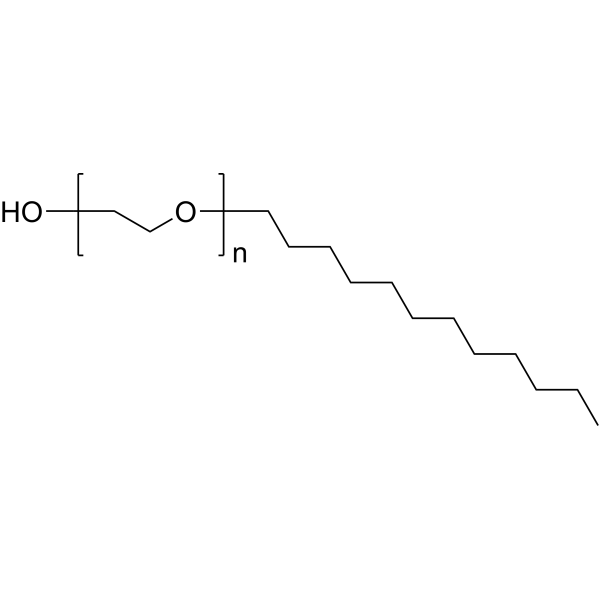
    Polyoxyethylene lauryl ether; Polyoxyethyleneglycol Dodecyl Ether

    Environmental Pollutants Biochemical Assay Reagents Cardiovascular Disease Cancer
    Polidocanol is a sclerosing agent used successfully to treat extremity and esophageal varices and telangiectasias.
    Polidocanol,Hydroxyl Value 40-60 mgKOH/g
  • HY-157941

    ATM/ATR Checkpoint Kinase (Chk) DNA/RNA Synthesis Cancer
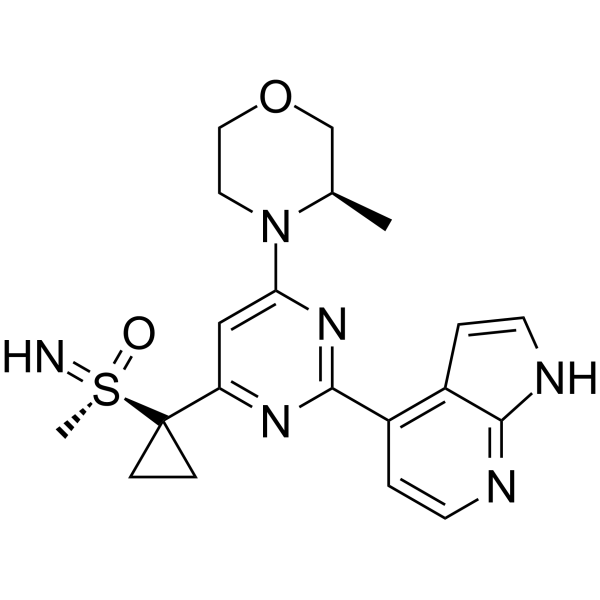
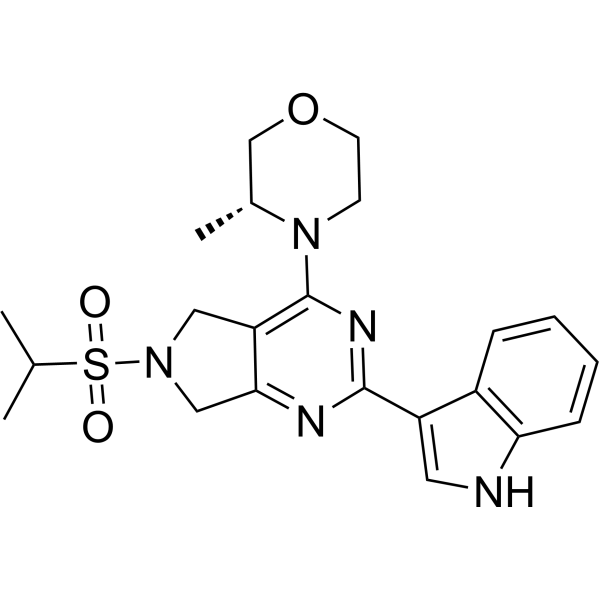
    ART0380 is a potent, selective and orally active ATR kinase inhibitor. ART0380 potently inhibits human ATR-ATRIP complex with an IC50 of 51.7 nM. ART0380 binds the ATP pocket of the ATR-ATRIP complex, blocks ATR-dependent Chk1 serine 345 phosphorylation, and induces cell cycle disorder and DNA damage. ART0380 demonstrates potent and selective antitumor activity in preclinical models with varying types of ataxia-telangiectasia mutated (ATM) gene aberrancy. ART0380 can be used for the research of cancer, such as colorectal cancer and prostate cancer .
    ART0380
  • HY-16705
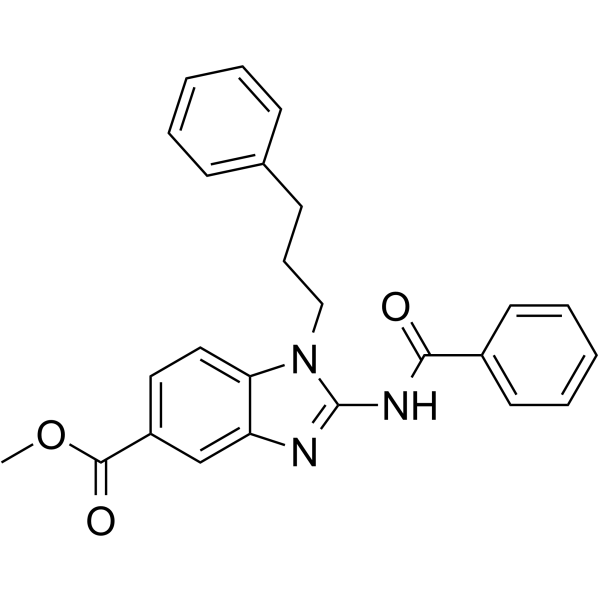
    BRD4770
    5 Publications Verification

    Histone Methyltransferase Cancer
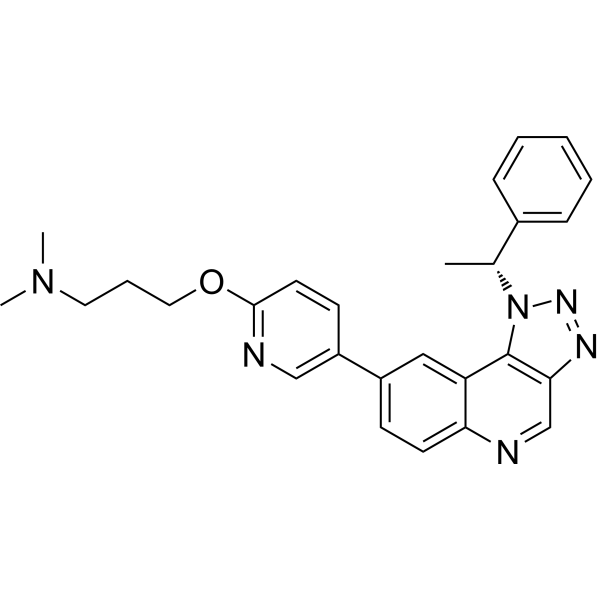
    BRD4770 is a histone methyltransferase G9a inhibitor. BRD4770 reduces di- and trimethylation of lysine 9 on histone H3 (H3K9) with an EC50 of 5 μM, and has less or little effect toward H3K27me3, H3K36me3, H3K4me3, and H3K79me3. BRD4770 can activate the ataxia telangiectasia mutated (ATM) pathway and induce cell senescence .
    BRD4770
  • HY-19323A
    (S)-Ceralasertib
    2 Publications Verification

    (S)-AZD6738

    ATM/ATR Cancer
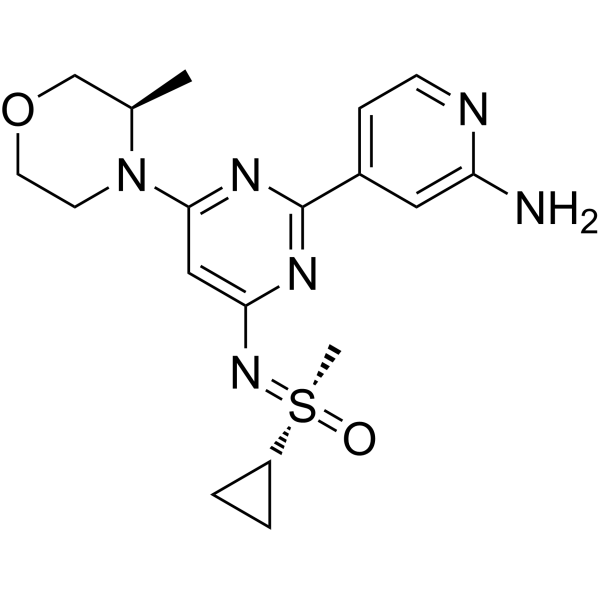
    (S)-Ceralasertib ((S)-AZD6738) is the S-enantiomer of Ceralasertib (HY-19323). (S)-Ceralasertib is the inhibitor for ataxia telangiectasia mutated and rad3 related (ATR) .
    (S)-Ceralasertib
  • HY-157764

    PROTACs ATM/ATR Cancer
    PROTAC ATR degrader-1 (compound ZS-7) is a potent PROTAC degrader of ataxia telangiectasia and Rad3-related (ATR), with DC50 of 0.53 μM. PROTAC ATR degrader-1 plays an importnt role in cancer research .
    PROTAC ATR degrader-1
  • HY-W195048

    Biochemical Assay Reagents Cancer
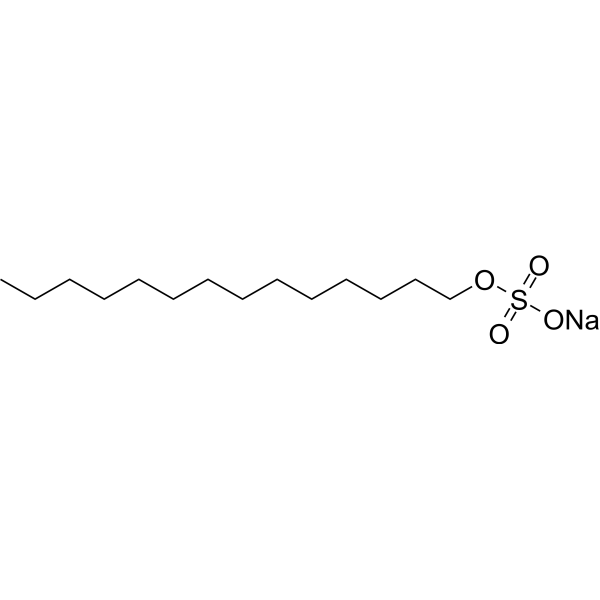
    Tetradecyl sulfate sodium is an anionic detergent sclerosant. Tetradecyl sulfate sodium disturbs phospholipid cell membranes, causing membrane solubilization and cell lysis at high concentrations, and creates endothelial cell membrane negative charge to induce coagulation, thrombotic occlusion, fibrosis, and vessel ablation at lower concentrations. Tetradecyl sulfate (sodium) can be used for the research of hemangioma, Kaposi sarcoma, lymphangioma circumscriptum .
    Tetradecyl sulfate sodium
  • HY-160928

    E1/E2/E3 Enzyme Cardiovascular Disease
    Smurf1 modulator-1 (Compound 20) is a selective inhibitor for Smad ubiquitination regulatory factor 1 (Smurf1), with IC50 of 180 nM .
    Smurf1 modulator-1
  • HY-145312

    ATM/ATR Cancer
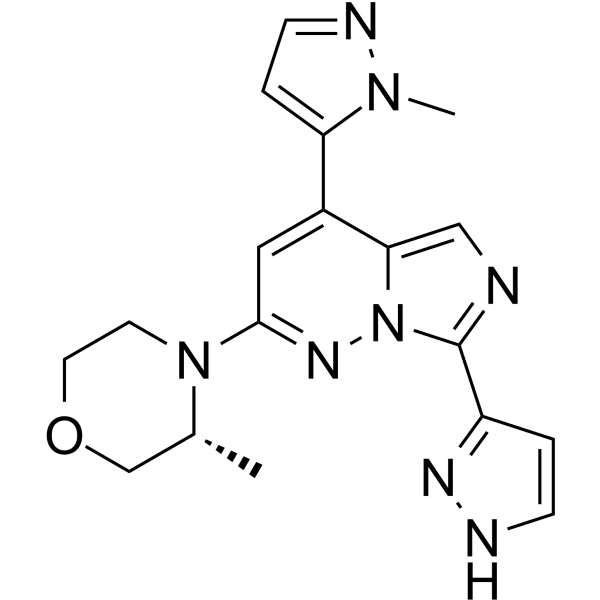
    ATR-IN-4 is a potent ATR (Ataxia telangiectasia mutated gene Rad 3-associated kinase) inhibitor. ATR-IN-4 inhibits growth of human prostate cancer cells DU145 and human lung cancer cells NCI-H460 with IC50s of 130.9 nM and 41 .33 nM, respectively. (Patent CN112142744A, compound 13) .
    ATR-IN-4
  • HY-145450

    ATM/ATR Cancer
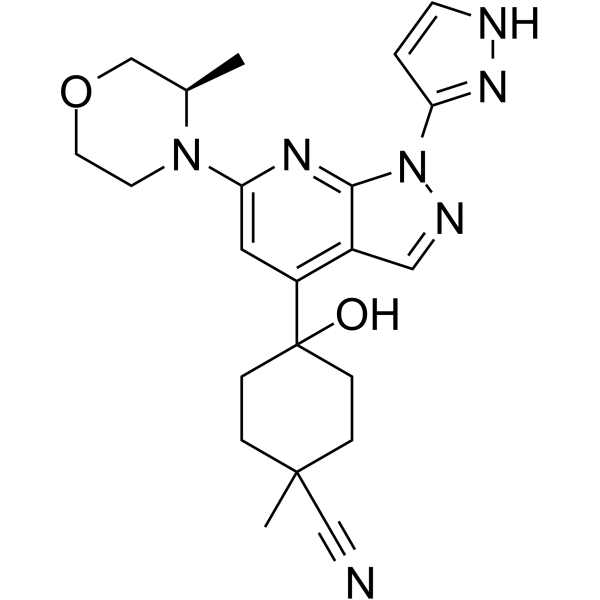
    ATR-IN-9 is a potent inhibitor of Ataxia-telangiectasia and RAD-3-related protein kinase (ATR) extracted from patent WO2020087170A1, compound 59, has an IC50 of 10 nM .
    ATR-IN-9
  • HY-W195048R

    Biochemical Assay Reagents Reference Standards Cardiovascular Disease
    Tetradecyl sulfate sodium (Standard) is an analytical standard of tetradecyl sulfate sodium. This product is intended for research and analytical applications. Tetradecyl sulfate sodium is an anionic detergent sclerosant. Tetradecyl sulfate sodium disturbs phospholipid cell membranes, causing membrane solubilization and cell lysis at high concentrations, and creates endothelial cell membrane negative charge to induce coagulation, thrombotic occlusion, fibrosis, and vessel ablation at lower concentrations. Tetradecyl sulfate (sodium) can be used for the research of hemangioma, Kaposi sarcoma, lymphangioma circumscriptum .
    Tetradecyl sulfate sodium (Standard)
  • HY-136835

    ATM/ATR Neurological Disease
    GJ071 oxalate induces ATM kinase activity in ataxia telangiectasia (A-T) cells carrying homozygous TGA or TAG stop codons .
    GJ071 oxalate
  • HY-112477

    Hymenialdisine analogue-1

    Checkpoint Kinase (Chk) Choline Kinase Cancer
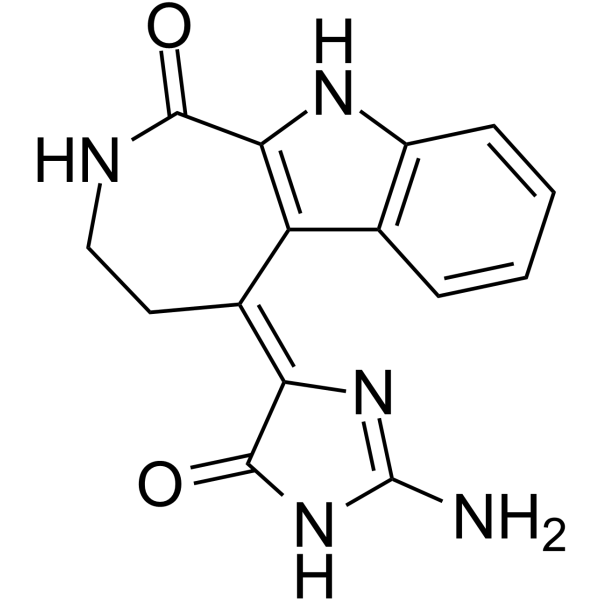
    Chk2-IN-1 (compound 1) is a potent and selective inhibitor of checkpoint kinase 2 (Chk2), with IC50s of 13.5 nM and 220.4 nM for Chk2 and Chk1, respectively. Chk2-IN-1 can elicit a strong ataxia telangiectasia mutated (ATM)-dependent Chk2-mediated radioprotection effect .
    Chk2-IN-1
  • HY-144214

    ATM/ATR Cancer
    ATR-IN-10 is a potent and highly selective inhibitor of ataxia telangiectasia mutated and Rad3-Related (ATR) kinase with an IC50 value of 2.978 μM.
    ATR-IN-10
  • HY-167635

    MDM-2/p53 Drug Derivative ATM/ATR Cancer
    Decarbamoylmitomycin C, an analog of Mitomycin C (MC), is an DNA-alkylating agent. Decarbamoylmitomycin C (DMC) activates p53-independent ataxia telangiectasia and rad3 related protein (ATR) chromatin eviction .
    Decarbamoylmitomycin C
  • HY-123359

    DNA/RNA Synthesis Dystrophin Others
    RTC14 is a read-through compound (RTC) that can induce ribosomes to bypass nonsense mutations in mRNA and allow the production of full-length functional proteins. RTC14 has the potential to be used in the research of various genetic disorders, such as nonsense mutations in the ataxia-telangiectasia mutated (ATM) gene and the dystrophin gene .
    RTC14
  • HY-150617A

    (Rac)-M4076; (Rac)-ATM Inhibitor-5

    ATM/ATR STING PD-1/PD-L1 Cardiovascular Disease Inflammation/Immunology Cancer
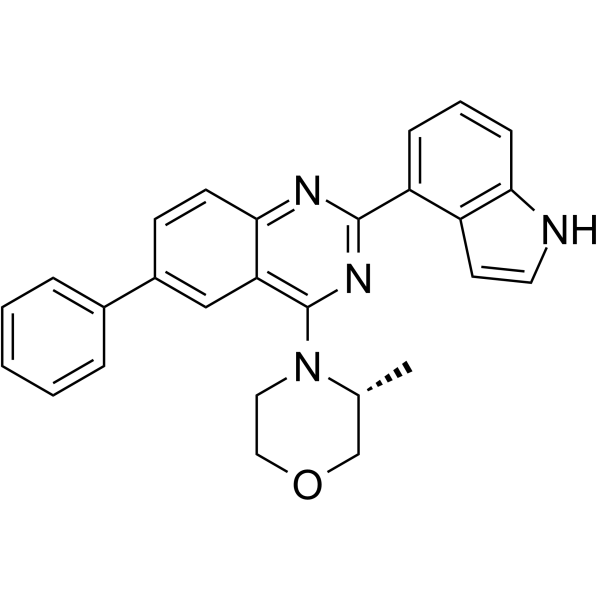
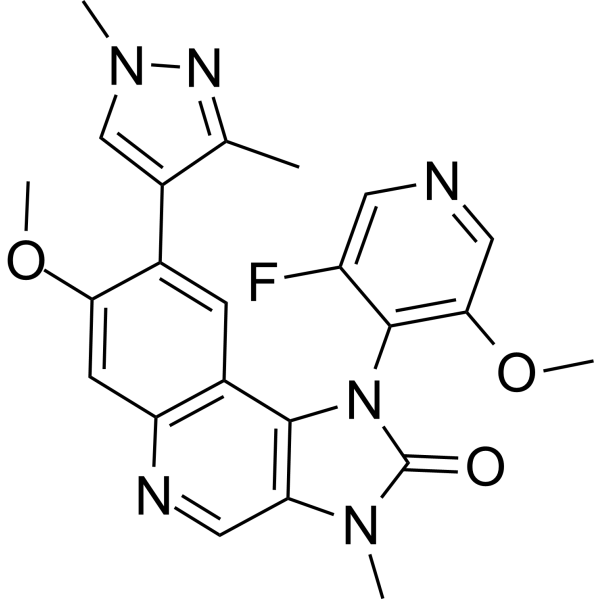
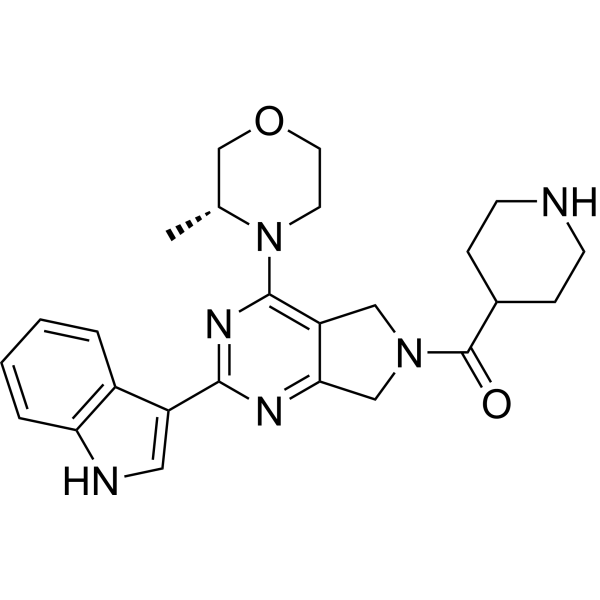
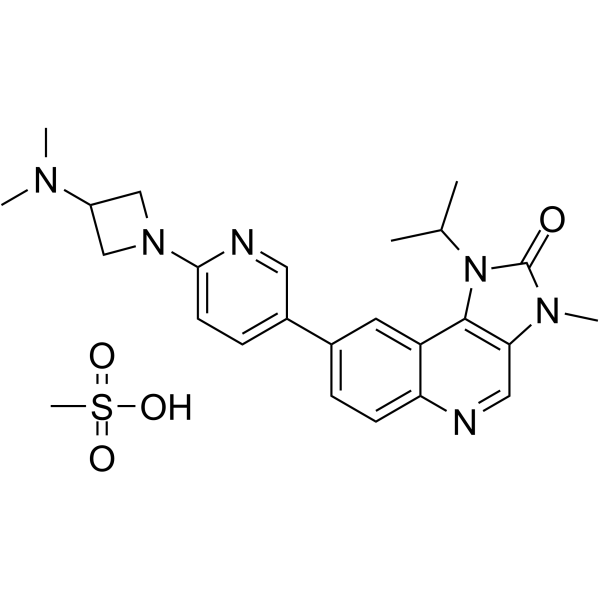
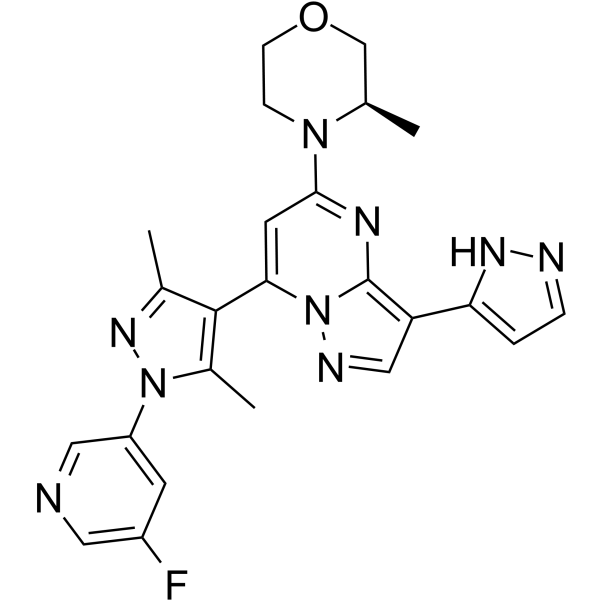
    (Rac)-Lartesertib ((Rac)-M4076) is an isoform of Lartesertib (HY-150617). Lartesertib (M4076) is an inhibitor of the serine/threonine protein kinase ATM with high potency. Lartesertib can inhibit the growth of multiple hematopoietic cell lines. Additionally, when combined with the ATR inhibitor Tuvusertib (HY-111451), Lartesertib can promote the death of tumor cells, activate the immune signaling pathway, and exhibit anti-tumor activity .
    (Rac)-Lartesertib
  • HY-144435

    ATM/ATR Cancer
    ATR-IN-11 (Compound Hit01) is a potent inhibitor of ataxia telangiectasia and Rad3-related (ATR) kinase. ATR kinase is a key regulating protein within the DNA damage response (DDR), responsible for sensing replication stress (RS). ATR-IN-11 is a promising lead compound for subsequent agent discovery targeting ATR kinase. ATR-IN-11 has the potential for the research of cancer disease .
    ATR-IN-11
  • HY-141478

    ATM/ATR Cancer
    Antitumor agent-28 selectively inhibits ataxia telangiectasia mutated (ATM) kinase. Antitumor agent-28 prevents ATM mediated disease and has potent anti-cancer activity .
    Antitumor agent-28
  • HY-149291

    ATM/ATR Apoptosis Cancer
    ATM Inhibitor-7 is a potent and selective ataxia-telangiectasia mutated (ATM) inhibitor with an IC50 value of 1.0 nM. ATM Inhibitor-7 induces Apoptosis and cell cycle arrest at G2/M phase when combinanted with CPT-11 (HY-16562). ATM Inhibitor-7 combines with CPT-11 shows antitumor activity .
    ATM Inhibitor-7
  • HY-144436

    ATM/ATR Cancer
    ATR-IN-12 (Compound 5g) is a potent inhibitor of ataxia telangiectasia and Rad3-related (ATR) kinase with an IC50 value of 0.007 μM. ATR-IN-12 displays good anti-tumor activity and significantly reduces the phosphorylation level of ATR and its downstream signaling protein. ATR-IN-12 is a promising lead compound for subsequent agent discovery targeting ATR kinase .
    ATR-IN-12
  • HY-147565

    ATM/ATR Cancer
    ATR-IN-13 (compound A9) is a potent ATR kinase inhibitor, with an IC50 of 2 nM. ATR-IN-13 can be used for ATR kinase mediated diseases research, such as proliferative diseases and cancer .
    ATR-IN-13
  • HY-185319

    Plasminogen/Plasmin Others
    Pexamsiran is a siRNA that inhibits plasminogen synthesis, and can be use for the study of hereditary haemorrhagic telangiectasia.
    Pexamsiran
  • HY-185319A

    Plasminogen/Plasmin Others
    Pexamsiran sodium is a siRNA that inhibits plasminogen synthesis reducer, and can be use for the study of hereditary haemorrhagic telangiectasia.
    Pexamsiran sodium

Inquiry Online

Your information is safe with us. * Required Fields.

Salutation


Country or Region *

Applicant Name *


Organization Name *

Department *


Email Address *


Product Name *

Cat. No.


Requested quantity *

Phone Number *


Remarks

Inquiry Online

Inquiry Information

Product Name:
Cat. No.:
Quantity:
MCE Japan Authorized Agent:

