1. Search Result
Search Result
Results for "

transport substrate

" in MedChemExpress (MCE) Product Catalog:

59

Inhibitors & Agonists

6

Fluorescent Dye

4

Biochemical Assay Reagents

6

Peptides

13

Natural
Products

1

Isotope-Labeled Compounds

1

Oligonucleotides

Targets Recommended:
Cat. No. Product Name Target Research Areas Chemical Structure
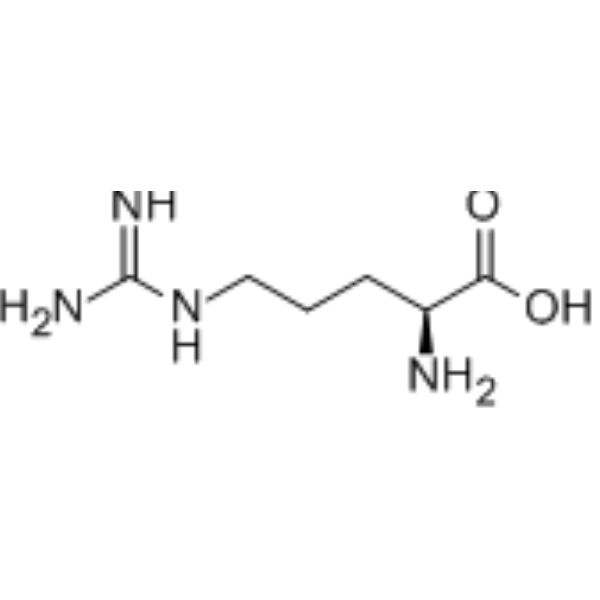
  • HY-N0455
    L-Arginine
    20+ Cited Publications

    Environmental Pollutants Endogenous Metabolite NO Synthase Cardiovascular Disease Inflammation/Immunology
    L-Arginine ((S)-(+)-Arginine) is the substrate for the endothelial nitric oxide synthase (eNOS) to generate NO. L-Arginine is transported into vascular smooth muscle cells by the cationic amino acid transporter family of proteins where it is metabolized to nitric oxide (NO), polyamines, or L-proline. L-Arginine is a potent vasodilator, and can be used to induce experimental acute pancreatitis .
    L-Arginine
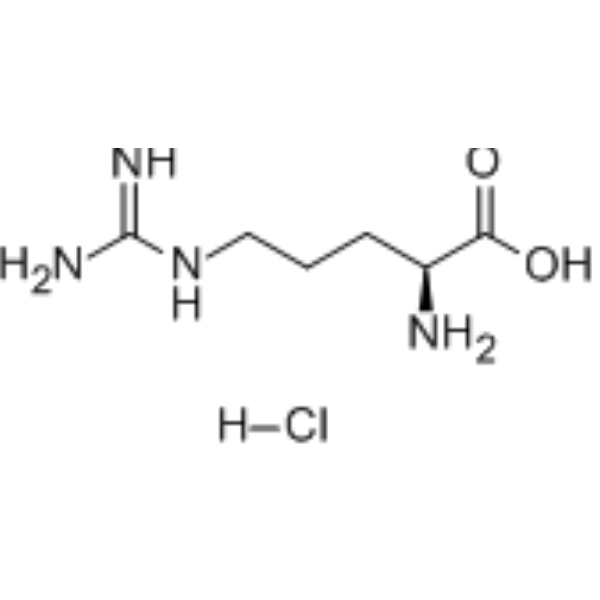
  • HY-N0455A
    L-Arginine hydrochloride
    Maximum Cited Publications
    23 Publications Verification

    (S)-(+)-Arginine hydrochloride

    NO Synthase Endogenous Metabolite Cardiovascular Disease Inflammation/Immunology
    L-Arginine ((S)-(+)-Arginine) is the substrate for the endothelial nitric oxide synthase (eNOS) to generate NO. L-Arginine is transported into vascular smooth muscle cells by the cationic amino acid transporter family of proteins where it is metabolized to nitric oxide (NO), polyamines, or L-proline. L-Arginine is a potent vasodilator, and can be used to induce experimental acute pancreatitis .
    L-Arginine hydrochloride
  • HY-134452
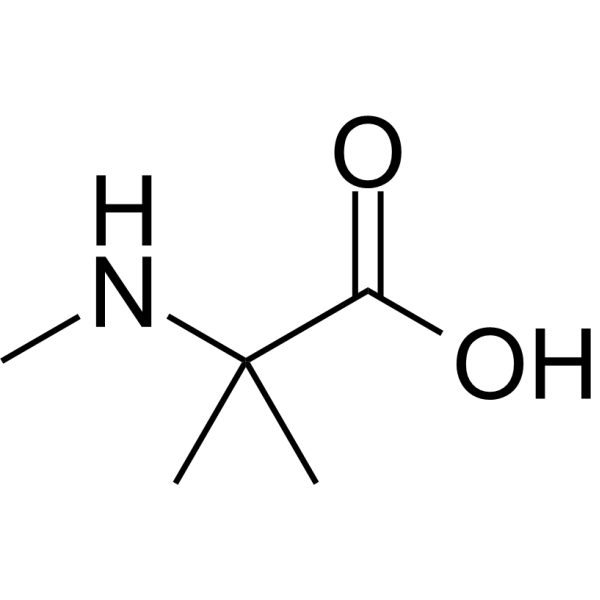
    MeAIB
    4 Publications Verification

    α-(Methylamino)isobutyric acid

    Amino acid Transporter Cancer
    MeAIB (α-(Methylamino)isobutyric acid) is a specific?substrate for amino acid transport system A (ATA1). ATA mediate the uptake of short-chain neutral amino acids in a Na +-dependent manner .
    MeAIB
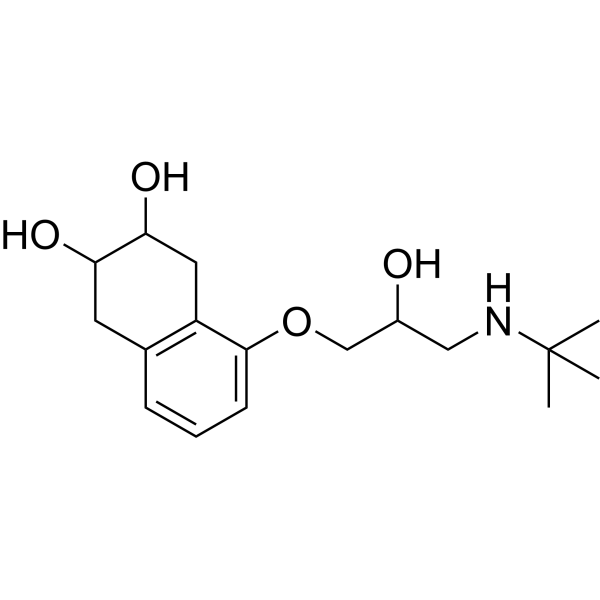
  • HY-B0804
    Nadolol
    5 Publications Verification

    SQ-11725

    Adrenergic Receptor Cardiovascular Disease
    Nadolol (SQ-11725) is a non-selective and orally active β-adrenergic receptors blocker and is a substrate of organic anion transporting polypeptide 1A2 (OATP1A2). Nadolol has the the potential for high blood pressure, angina pectoris and vascular headaches research .
    Nadolol
  • HY-134427
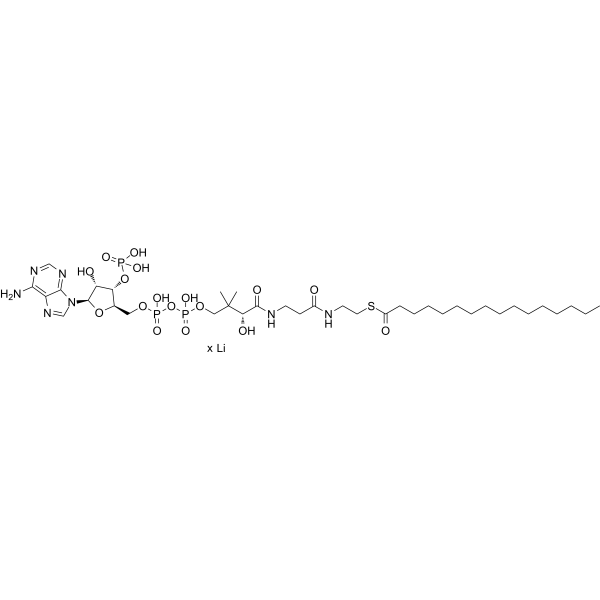
    Palmitoyl coenzyme A lithium
    2 Publications Verification

    Palmitoyl CoA lithium

    Endogenous Metabolite Metabolic Disease
    Palmitoyl coenzyme A lithium is an acyl-CoA thioester that can be transported into the mitochondrial matrix via the carnitine shuttle system and is involved in β-oxidation. Palmitoyl coenzyme A lithium can also be used as a substrate for sphingosine biosynthesis .
    Palmitoyl coenzyme A lithium
  • HY-A0080
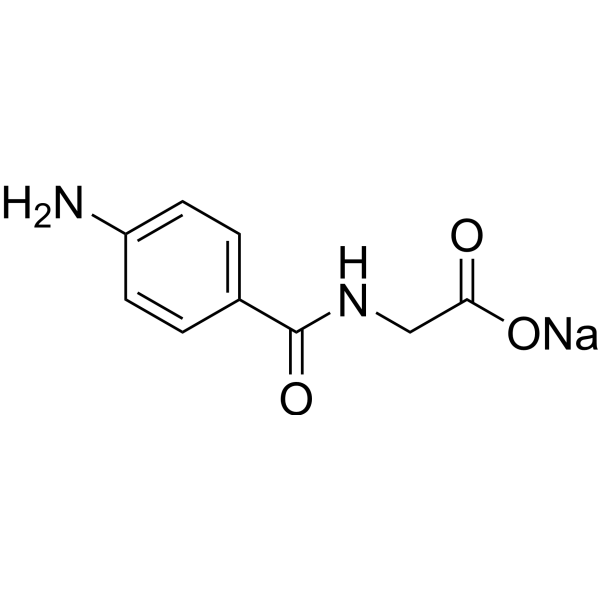
    Aminohippurate sodium
    4 Publications Verification

    Sodium p-aminohippurate; p-Aminohippuric acid sodium salt

    Biochemical Assay Reagents
    Aminohippurate sodium is a renal tubular transport inhibitor and a substrate for organic anion transporters. Aminohippurate sodium inhibits renal tubular reabsorption of phosphate and promotes increased urinary phosphate excretion. Aminohippurate sodium inhibits renal tubular reabsorption of vitamin C as well as the transport of glucose .
    Aminohippurate sodium
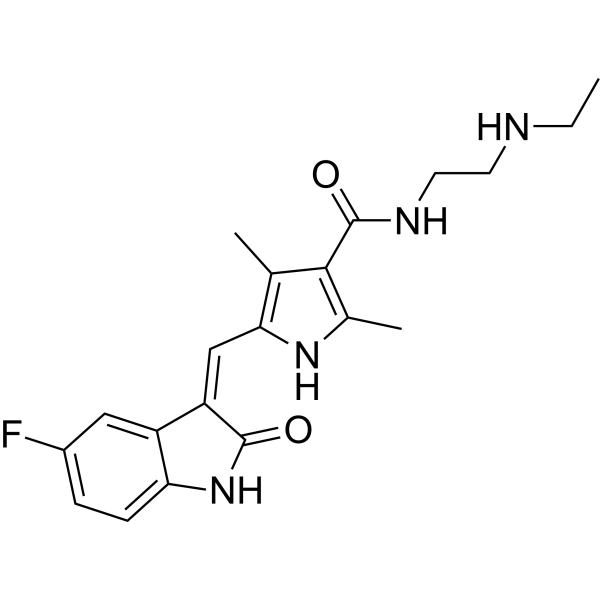
  • HY-10873
    N-Desethyl Sunitinib
    5+ Cited Publications

    SU-12662

    Drug Metabolite Cancer
    N-Desethyl Sunitinib (SU-12662) is a metabolite of Sunitinib (HY-10255A). N-Desethyl Sunitinib serves as a good transport substrate for human ABCB1, ABCG2 and murine ABCG2 .
    N-Desethyl Sunitinib
  • HY-170316

    Ras Cancer
    Ibetazol is a Importin β1 (KPNB1) inhibitor and nucleocytoplasmic transport disruptor. Ibetazol binds covalently to Cys585 of Importin β1, blocks both Importin β1-mediated direct transport and Importin α-dependent nuclear import processes, without affecting transport mediated by other nucleocytoplasmic transport proteins. Ibetazol induces cytoplasmic accumulation of Importin α1, and inhibits nuclear import of substrates carrying nuclear localization signals (NLS), including the NLS-cMyc reporter gene, RelA/p65 and SREBP1. Ibetazol triggers spindle malformation and chromosome misalignment by disrupting the mitotic function of Importin β1. Ibetazol inhibits the proliferation of cells expressing wild-type Importin β1. Ibetazol has a high activity-cytotoxicity window, lacks intrinsic fluorescence, and acts rapidly on nucleocytoplasmic transport processes. Ibetazol serves as a tool compound for investigating nuclear import processes specifically mediated by Importin β1 .
    Ibetazol
  • HY-D0180

    18C6; 1,4,7,10,13,16-Hexaoxacyclooctadecane

    Bacterial Infection
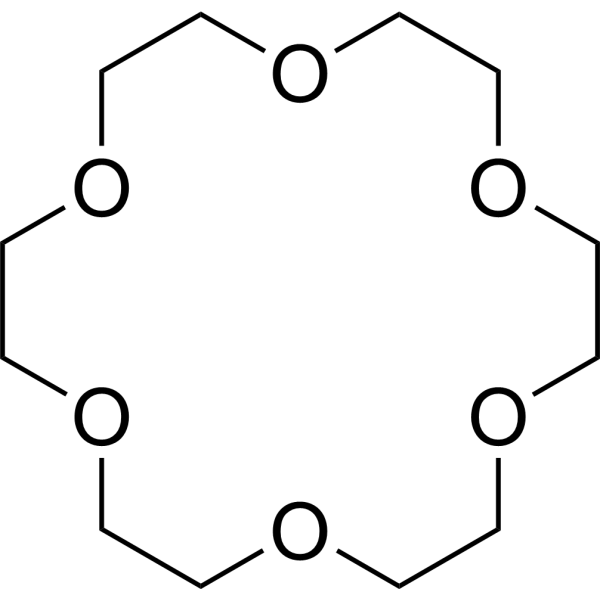
    18-Crown-6-ether is a type of crown ether compound and a specific structure dissociating agent. 18-Crown-6-ether can compete with K + for binding to G-quadruplexes, disrupting their stable structure to regulate the functions of related systems. 18-Crown-6-ether combines with K + and other metal ions to achieve precise ion transmembrane transport. 18-Crown-6-ether can act as an "susceptibility substrate" for the multi-drug efflux pump EmrE (a bacterial multidrug resistance transporter), ultimately inhibiting bacterial growth. 18-Crown-6-ether can be used in microcapsule controlled release and the research on developing antibacterial enhancers .
    18-Crown-6-ether
  • HY-N2453
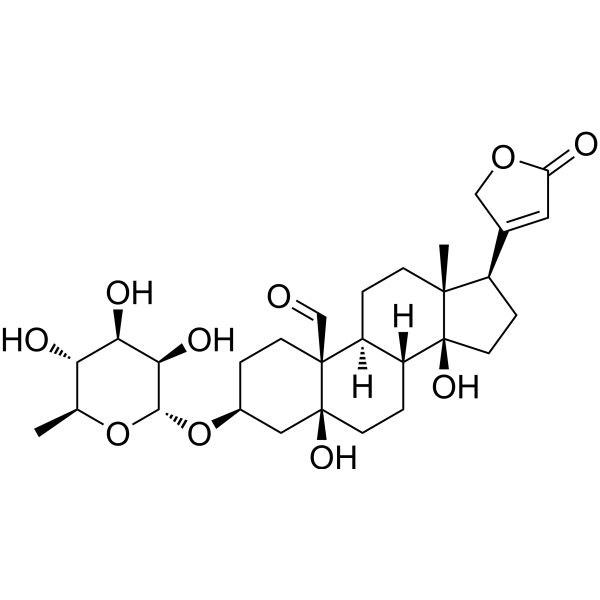
    Convallatoxin
    1 Publications Verification

    PPAR NF-κB P-glycoprotein Inflammation/Immunology Cancer
    Convallatoxin is a cardiac glycoside isolated from Adonis amurensis Regel et Radde. Convallatoxin ameliorates colitic inflammation via activation of PPARγ and suppression of NF-κB. Convallatoxin is a P-glycoprotein (P-gp) substrate and recognized Val982 as an important amino acid involved in its transport. Convallatoxin is an enhancer of ligand-induced MOR endocytosis with high potency and efficacy. Anti-inflammatory and anti-proliferative properties .
    Convallatoxin
  • HY-N0455R

    Reference Standards NO Synthase Endogenous Metabolite Cardiovascular Disease Cancer
    L-Arginine (Standard) is the analytical standard of L-Arginine. This product is intended for research and analytical applications. L-Arginine ((S)-(+)-Arginine) is the substrate for the endothelial nitric oxide synthase (eNOS) to generate NO. L-Arginine is transported into vascular smooth muscle cells by the cationic amino acid transporter family of proteins where it is metabolized to nitric oxide (NO), polyamines, or L-proline. L-Arginine is a potent vasodilator, and can be used to induce experimental acute pancreatitis .
    L-Arginine (Standard)
  • HY-113291
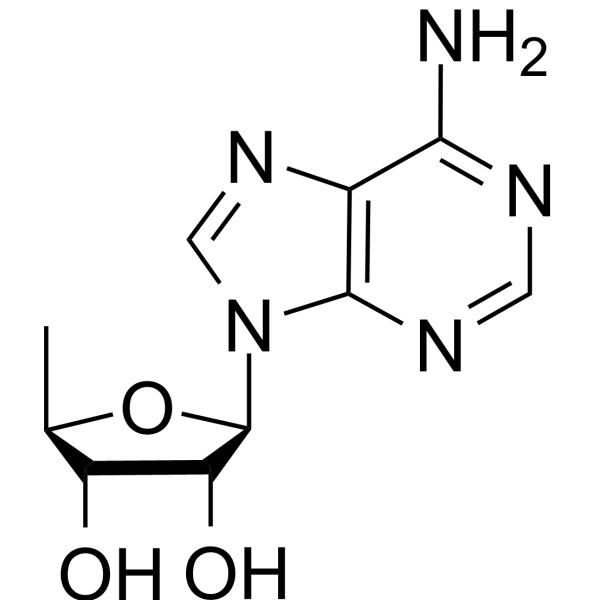
    5'-Deoxyadenosine
    2 Publications Verification

    Nucleoside Antimetabolite/Analog Phosphorylase Others
    5'-Deoxyadenosine is a 5'-methylthioadenosine phosphorylase substrate and deoxyadenosine. 5'-Deoxyadenosine serves as a non-metabolizable substrate for nucleoside transport assays only in cells lacking 5'-methylthioadenosine phosphorylase .
    5'-Deoxyadenosine
  • HY-P10856

    P-glycoprotein Cancer
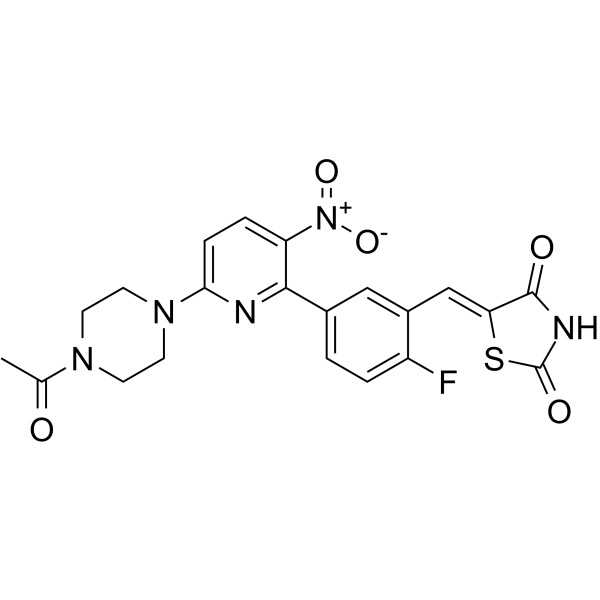
    CPI1 is a multidrug resistance protein 1 (MRP1) inhibitor with a Ki value of 100 nM. CPI1 binds to the same substrate-binding site as leukotriene C4, stabilizes MRP1 in an apo-like inward-facing conformation, blocks the conformational changes required for ATP hydrolysis and substrate transport, and inhibits the ATPase activity of human and bovine MRP1. CPI1 serves as a tool for investigating the substrate transport mechanism of MRP1. CPI1 is applicable to research related to cancer multidrug resistance .
    CPI1
  • HY-D1078

    Fluorescent Dye Reactive Oxygen Species (ROS) P-glycoprotein Others
    5 (6)-Carboxy-2',7'-dichlorofluorescein diacetate is a fluorescein-based reactive oxygen species (ROS) probe and also a MRP2 substrate. 5 (6)-Carboxy-2',7'-dichlorofluorescein diacetate serves as a substrate for intracellular esterases, which cleave its acetate groups to generate a fluorescent product capable of detecting intracellular ROS. 5 (6)-Carboxy-2',7'-dichlorofluorescein diacetate is ATP-dependent and is transported via a single MRP2 binding site; it competes with LTC4 for MRP2 binding sites and inhibits MRP2-mediated LTC4 transport (Ex/Em = 496/525 nm) .
    5(6)-Carboxy-2',7'-dichlorofluorescein diacetate
  • HY-101453

    P-glycoprotein Cancer
    Ceefourin 1 is a potent and highly selective multidrug resistance protein 4 (MRP4) inhibitor. Ceefourin 1 inhibits transport of a broad range of MRP4 substrates, yet is highly selective for MRP4 over other ABC transporters. Ceefourin 1 is a benzothiazol and primarily as a chemosensitizer for high-risk neuroblastoma .
    Ceefourin 1
  • HY-W353102

    Endogenous Metabolite P-glycoprotein Metabolic Disease
    Estradiol 17-(β-D-Glucuronide) is a D-ring glucuronide metabolite of natural estrogen formed in the liver. Estradiol 17-(β-D-Glucuronide) is a substrate of the organic anion-transporting polypeptide family (Oatp) and multidrug resistance-associated protein 2 (Mrp2). Estradiol 17-(β-D-Glucuronide) regulates MRP8-mediated transport processes and inhibits MRP8-mediated transport of dehydroepiandrosterone 3-sulfate and taurocholic acid. Estradiol 17-(β-D-Glucuronide) induces immediate, reversible reduction of bile flow and acute intrahepatic cholestasis in female rats without altering the bile acid composition in bile. Estradiol 17-(β-D-Glucuronide) can be used in studies related to intrahepatic cholestasis .
    Estradiol 17-(β-D-Glucuronide)
  • HY-129987

    Endogenous Metabolite P-glycoprotein Metabolic Disease
    Estradiol 17-(β-D-Glucuronide) sodium is a D-ring glucuronide metabolite of natural estrogen formed in the liver. Estradiol 17-(β-D-Glucuronide) sodium is a substrate of the organic anion-transporting polypeptide family (Oatp) and multidrug resistance-associated protein 2 (Mrp2). Estradiol 17-(β-D-Glucuronide) sodium regulates MRP8-mediated transport processes and inhibits MRP8-mediated transport of dehydroepiandrosterone 3-sulfate and taurocholic acid. Estradiol 17-(β-D-Glucuronide) sodium induces immediate, reversible reduction of bile flow and acute intrahepatic cholestasis in female rats without altering the bile acid composition in bile. Estradiol 17-(β-D-Glucuronide) sodium can be used in studies related to intrahepatic cholestasis .
    Estradiol 17-(β-D-Glucuronide) sodium
  • HY-101310

    iGluR EAAT Bcl-2 Family Caspase Cardiovascular Disease Neurological Disease Inflammation/Immunology
    SYM 2081 is a kainate receptor agonist. SYM 2081 is a substrate of EAAT1 (Km of 54 μM). SYM 2081 inhibits EAAT2-mediated glutamate transport (Kb is 3.4 μM in Xenopus oocytes), modulates Apoptotic signaling pathways (increases Bcl-2 and decreases Bax/caspase-3 expression). SYM 2081 exhibits neuroprotective activity. SYM 2081 can be used in the study of hypoxic-ischemic brain damage and inflammatory or neuropathic pain .
    SYM 2081
  • HY-148123

    Biochemical Assay Reagents Neurological Disease
    Glycerophospholipids and cephalins are a class of phospholipid compounds and important components of neural membranes. Glycerophospholipids and cephalins are hydrolysis substrates of phospholipase (such as PLA2, PLC, and PLD). After complete hydrolysis, they produce 1 mol of glycerol, phosphate, ethanolamine, and 2 mol of fatty acids, respectively. Glycerophospholipids and cephalins can maintain membrane structure, fluidity, and ion permeability, and serve as precursors of second messengers such as arachidonic acid and diacylglycerol. Glycerophospholipids and cephalins can regulate signal transduction, cell apoptosis, and membrane transport, and are used in the study of neurodegenerative diseases (such as Alzheimer's disease) .
    Glycerophospholipids, cephalins
  • HY-D0194
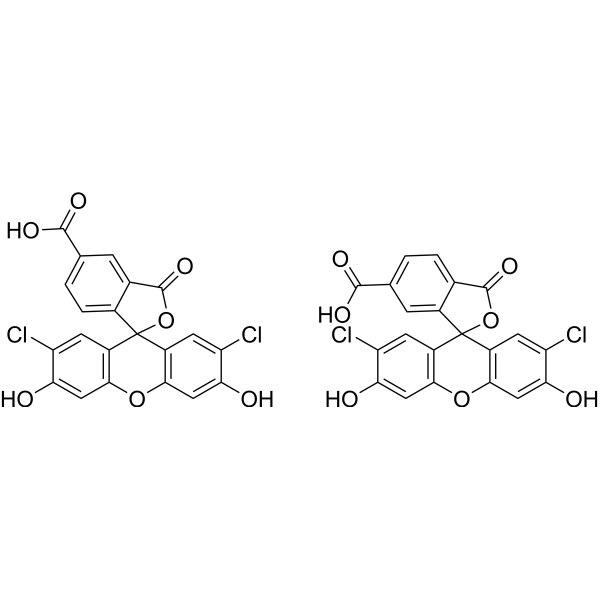
    5(6)-Carboxy-2',7'-dichlorofluorescein
    1 Publications Verification

    P-glycoprotein Fluorescent Dye Others
    5(6)-Carboxy-2',7'-dichlorofluorescein is an ideal substrate for MRP2 vesicular transport assay, with excellent detection and transport properties .
    5(6)-Carboxy-2',7'-dichlorofluorescein
  • HY-B0399S
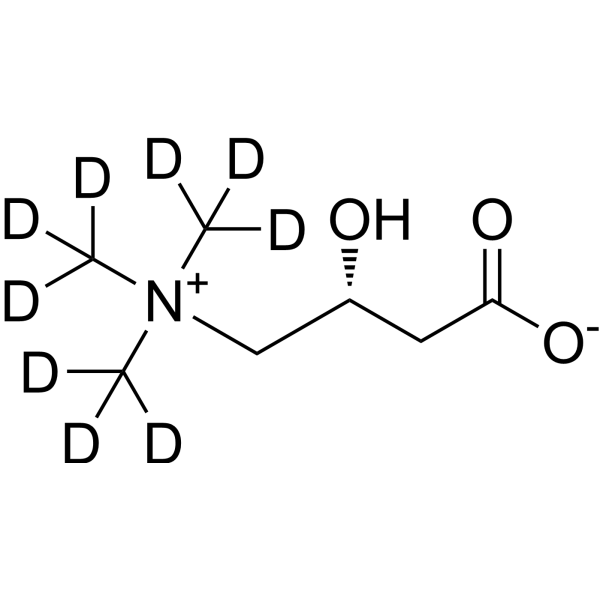
    L-Carnitine-d9
    1 Publications Verification

    (R)-Carnitine-d9; Levocarnitine-d9

    Isotope-Labeled Compounds Endogenous Metabolite Neurological Disease Metabolic Disease
    L-Carnitine-d9 is the deuterium labeled L-Carnitine. L-Carnitine (Levocarnitine) is an endogenous molecule involved in fatty acid metabolism, biosynthesized within the human body using amino acids: L-lysine and L-methionine, as substrates. L-Carnitine functions to transport long chain fatty acyl-CoAs into the mitochondria for degradation by β-oxidation. L-carnitine can ameliorate metabolic imbalances in many inborn errors of metabolism .
    L-Carnitine-d9
  • HY-N7755

    Endogenous Metabolite ATP-binding cassette (ABC) transporters OAT Others
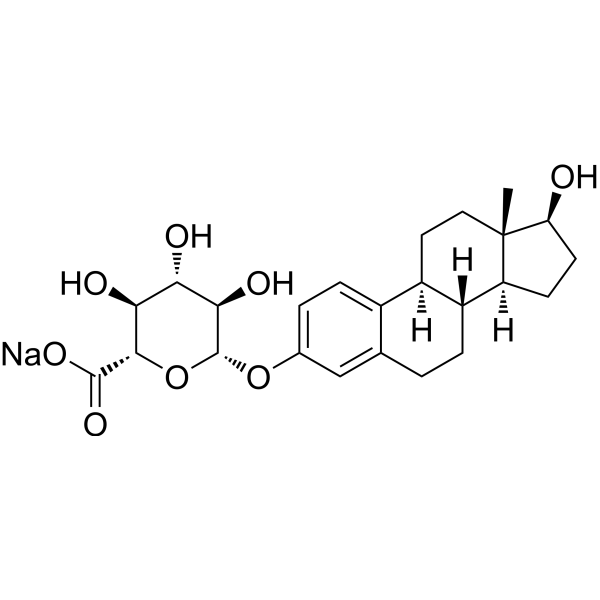
    Estradiol 3-glucuronide sodium is an estrogen metabolite, which is a glucuronide conjugate formed by the catalysis of uridine diphosphate glucuronosyltransferase in tissues such as the liver from Estradiol (HY-B0141). Estradiol 3-glucuronide sodium is a potent substrate of Mrp2, with an S50 of 55.7 μM. Estradiol 3-glucuronide sodium achieves hepatobiliary transport in hepatocytes through basolateral uptake via OATP1B1, OATP1B3 and OATP2B1, as well as apical efflux via MRP2 and BCRP .
    Estradiol 3-glucuronide sodium
  • HY-111956B
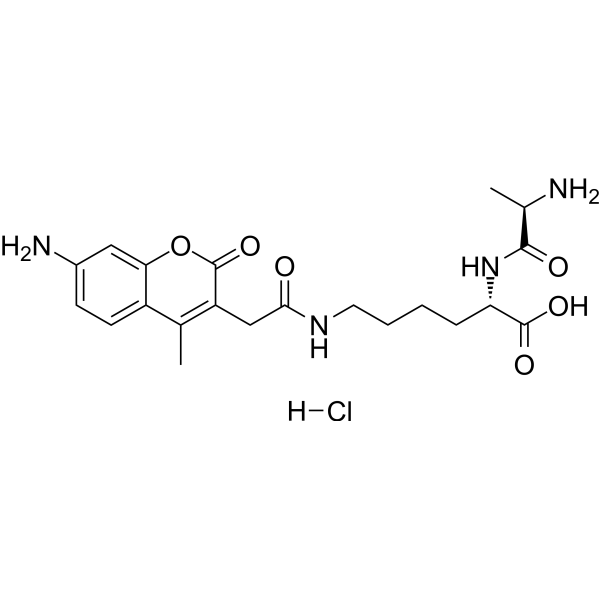
    D-Ala-Lys-AMCA hydrochloride
    1 Publications Verification

    Fluorescent Dye Cancer
    D-Ala-Lys-AMCA hydrochloride is a known proton-coupled oligopeptide transporter 1 (PEPT1) substrate that emits blue fluorescence. D-Ala-Lys-AMCA hydrochloride may be transported into liver cancer cells and Caco-2 cells based on fluorescence analysis. D-Ala-Lys-AMCA hydrochloride can be used for characterizing PEPT1-specific substrates or inhibitors (Ex/Em = 390/480 nm) .
    D-Ala-Lys-AMCA hydrochloride
  • HY-138559
    GW604714X
    1 Publications Verification

    Mitochondrial Metabolism Neurological Disease
    GW604714X is a potent inhibitor of mitochondrial respiration supported by pyruvate but not other substrates. GW604714X is a highly specific mitochondrial pyruvate carrier (MPC) inhibitor with a Ki <0.1 nM. GW604714X also inhibits L-lactate transport by the plasma membrane monocarboxylate transporter (MCT1), but at concentrations more than 4 orders of magnitude greater than the MPC .
    GW604714X
  • HY-126584

    Val-Val

    Drug Intermediate Oligopeptide Cotransporter Others
    H-Val-Val-OH (Val-Val) is a stereochemistry-dependent substrate and inhibitor of apical oligopeptide transporters. H-Val-Val-OH undergoes apical intracellular accumulation in human intestinal cells via carrier-mediated transport, and inhibits the uptake of Cephalexin (HY-B0200) through interaction with transporters. Substitution of L-valine with D-valine in H-Val-Val-OH abolishes its binding ability to apical oligopeptide transporters .
    H-Val-Val-OH
  • HY-W585842

    Endogenous Metabolite ATP-binding cassette (ABC) transporters OAT Others
    Estradiol 3-glucuronide is an estrogen metabolite, which is a glucuronide conjugate formed from Estradiol (HY-B0141) via catalysis by uridine diphosphate glucuronosyltransferases in tissues such as the liver. Estradiol 3-glucuronide is a potent substrate of Mrp2, with an S50 value of 55.7 μM. Estradiol 3-glucuronide achieves hepatobiliary transport in hepatocytes through basolateral uptake via OATP1B1, OATP1B3 and OATP2B1, as well as apical efflux via MRP2 and BCRP .
    Estradiol 3-glucuronide
  • HY-119101
    AZD-5672
    1 Publications Verification

    CCR Potassium Channel P-glycoprotein Inflammation/Immunology
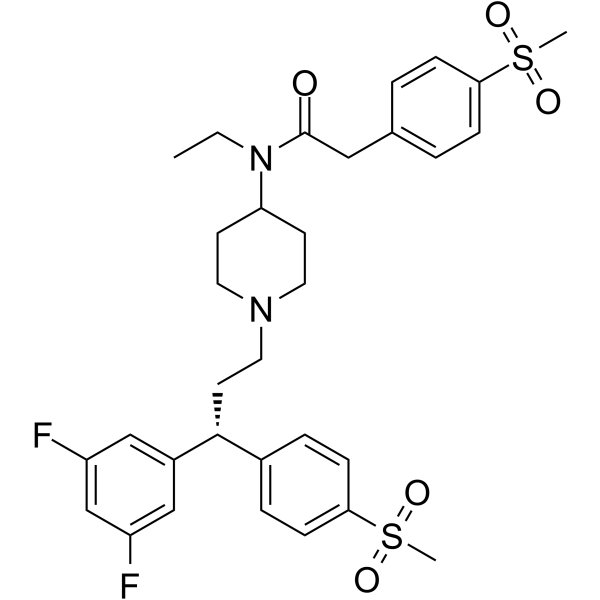
    AZD-5672 is an orally active, potent, and selective CCR5 antagonist (IC50=0.32 nM). AZD-5672 shows moderate activity against the hERG ion channel (binding IC50=7.3 μM). AZD5672 is a substrate of human P-gp, and inhibits P-gp-mediated digoxin transport (IC50=32 μM). AZD-5672 can be used for the research of rheumatoid arthritis .
    AZD-5672
  • HY-124009

    Endogenous Metabolite Metabolic Disease
    L-Cysteic acid is the oxidation product of L-cystine. L-Cysteic acid is a substrate of GADCase/CADCaseII. L-Cysteic acid has high affinity with CADCase I (Km = 0.22 mM). L-Cysteic acid is taken up by the synaptosome through a high affinity, Na +-dependent transport system .
    L-Cysteic acid
  • HY-D1584

    Phospholipase Others
    C12 NBD sphingomyelin is an active derivative of Sphingomyelin (HY-113498) that is tagged with fluorescent C12 nitrobenzoxadiazole (C12 NBD). C12 NBD sphingomyelin can be used as a sphingomyelinase substrate for studying the metabolism and transport of sphingomyelins (Ex=470 nm, Em=525 nm) .
    C12 NBD Sphingomyelin
  • HY-121088

    P-glycoprotein Cardiovascular Disease Others
    Ceefourin 2 is a potent and highly selective inhibitor of MRP4. Ceefourin 2 inhibits the transport of MRP4 substrates but is not selective for other ABC transporters. Ceefourin 2 shows lower cytotoxicity and higher microsomal and acid stability .
    Ceefourin 2
  • HY-111956

    Fluorescent Dye Cancer
    D-Ala-Lys-AMCA is a known proton-coupled oligopeptide transporter 1 (PEPT1) substrate that emits blue fluorescence. D-Ala-Lys-AMCA may be transported into liver cancer cells and Caco-2 cells based on fluorescence analysis. D-Ala-Lys-AMCA can be used for characterizing PEPT1-specific substrates or inhibitors (Ex/Em = 390/480 nm) .
    D-Ala-Lys-AMCA
  • HY-116055

    3-O-β-D-Galactopyranosyl-sn-glycerol

    Biochemical Assay Reagents Others
    (2R)-Glycerol-O-β-D-galactopyranoside (3-O-β-D-Galactopyranosyl-sn-glycerol) is a good substrate for all three components of the lac operon, i.e. β-galactosidase, the lactose transporter and thiogalactoside transacetylase .
    (2R)-Glycerol-O-β-D-galactopyranoside
  • HY-W854295

    PtdIns-(1,2-dioctanoyl) sodium

    P-glycoprotein Cancer
    Phosphatidylinositol-1,2-dioctanoyl sodium significantly inhibits transmembrane P-gp transport in a reproducible, cell line-independent, and substrate-independent manner. Phosphatidylinositol-1,2-dioctanoyl sodium plays an important role in signal transduction and cell movement .
    Phosphatidylinositol-1,2-dioctanoyl sodium
  • HY-N0455C

    NO Synthase Endogenous Metabolite Cardiovascular Disease Inflammation/Immunology
    L-Arginine arginine is the substrate for the endothelial nitric oxide synthase (eNOS) to generate NO. L-Arginine is transported into vascular smooth muscle cells by the cationic amino acid transporter family of proteins where it is metabolized to nitric oxide (NO), polyamines, or L-proline. L-Arginine is a potent vasodilator, and can be used to induce experimental acute pancreatitis .
    L-Arginine arginine
  • HY-B0804R

    SQ-11725 (Standard)

    Reference Standards Adrenergic Receptor Cardiovascular Disease
    Nadolol (Standard) is the analytical standard of Nadolol. This product is intended for research and analytical applications. Nadolol (SQ-11725) is a non-selective and orally active β-adrenergic receptors blocker and is a substrate of organic anion transporting polypeptide 1A2 (OATP1A2). Nadolol has the the potential for high blood pressure, angina pectoris and vascular headaches research .
    Nadolol (Standard)
  • HY-17648

    BCRP Cancer
    MBL-II-141 is potent ABCG2 inhibitor with an IC50 of 0.11 μM. MBL-II-141 inhibits the transport function of ABCG2 in a non-competitive manner, preventing ABCG2 from pumping substrates (such as Irinotecan (HY-16562)) out of the cells, thereby increasing the accumulation of drugs within the cells. MBL-II-141 has no effect on ABCB1 (P-gp) and ABCC1 (MRP1) and has extremely low cytotoxicity (IG50 > 100 μM). MBL-II-141 can be used for the study of multidrug resistance (MDR) cancers .
    MBL-II-141
  • HY-164401

    EAAT DNA/RNA Synthesis DNA Alkylator/Crosslinker Neurological Disease Cancer
    QBS10072S is a bifunctional chemotherapeutic agent that can cross the blood-brain barrier (BBB), comprising a LAT1-targeting domain and a cytotoxic domain. QBS10072S exhibits inhibitory potency against LAT1-mediated substrate uptake (IC50 = 21 μM) of approximately 50-fold higher than that against LAT2 (IC50 = 1100 μM). QBS10072S enters LAT1-expressing tumor cells via LAT1-mediated active transport, induces DNA interstrand crosslinking, and causes DNA damage and cell death. QBS10072S can be used for the research of glioblastoma and aggressive T-cell lymphoma .
    QBS10072S
  • HY-N15726

    Others Others
    Obtusichromoneside C is a chromone C-glycoside found in the seeds of Cassia obtusifolia. Obtusichromoneside C regulates substance transport by inhibiting substrate uptake of specific transporters (e.g., OAT3, OATP1B3). Obtusichromoneside C is promising for research of drug transport .
    Obtusichromoneside C
  • HY-120649

    Biochemical Assay Reagents Others
    SKM 4-45-1 is an analog of Anandamide (AEA)(HY-10863). SKM 4-45-1 is a fluorescent substrate, that can be used to study the transmembrane carrier-mediated transport of AEA across cell membranes .
    SKM 4-45-1
  • HY-134452R

    α-(Methylamino)isobutyric acid (Standard)

    Amino acid Transporter Reference Standards Cancer
    MeAIB (Standard) is the analytical standard of MeAIB. This product is intended for research and analytical applications. MeAIB (α-(Methylamino)isobutyric acid) is a specific substrate for amino acid transport system A (ATA1). ATA mediate the uptake of short-chain neutral amino acids in a Na+-dependent manner .
    MeAIB (Standard)
  • HY-111956A

    Fluorescent Dye Cancer
    D-Ala-Lys-AMCA TFA is a known proton-coupled oligopeptide transporter 1 (PEPT1) substrate that emits blue fluorescence. D-Ala-Lys-AMCA TFA may be transported into liver cancer cells and Caco-2 cells based on fluorescence analysis. D-Ala-Lys-AMCA TFA can be used for characterizing PEPT1-specific substrates or inhibitors (Ex/Em = 390/480 nm) .
    D-Ala-Lys-AMCA TFA
  • HY-100838

    L-CCG III

    EAAT Neurological Disease
    cis-α-(Carboxycyclopropyl)glycine (L-CCG III) is a potent, competitive glutamate uptake inhibitor. cis-α-(Carboxycyclopropyl)glycine is a substrate of glutamate transporters (GluT) (EC50: 13 μM, 2 μM for EAAT 1 and EAAT 2, respectively). cis-α-(Carboxycyclopropyl)glycine inhibits a Na +-dependent high-affinity L-glutamate uptake in glial plasmalemmal vesicles (GPV) and synaptosomes .
    cis-α-(Carboxycyclopropyl)glycine
  • HY-13646B

    HM30181 hydrochloride; HM30181A hydrochloride

    P-glycoprotein Others
    Encequidar hydrochloride (HM30181 hydrochloride) is an oral P-glycoprotein (P-gp) inhibitor with the activity of enhancing the oral bioavailability of P-gp substrate drugs. Encequidar shows the highest potency among various MDR1 inhibitors, with IC50=0.63nM. Encequidar effectively blocks the transepithelial transport of paclitaxel in MDCK monolayer cells, with IC50=35.4nM .
    Encequidar hydrochloride
  • HY-124009R

    Reference Standards Endogenous Metabolite Others
    L-Cysteic acid (Standard) is the analytical standard of L-Cysteic acid. This product is intended for research and analytical applications. L-Cysteic acid is the oxidation product of L-cystine. L-Cysteic acid is a substrate of GADCase/CADCaseII. L-Cysteic acid has high affinity with CADCase I (Km = 0.22 mM). L-Cysteic acid is taken up by the synaptosome through a high affinity, Na +-dependent transport system .
    L-Cysteic acid (Standard)
  • HY-N0455AR

    (S)-(+)-Arginine hydrochloride (Standard)

    Reference Standards NO Synthase Endogenous Metabolite Cancer
    L-Arginine (hydrochloride) (Standard) is the analytical standard of L-Arginine (hydrochloride). This product is intended for research and analytical applications. L-Arginine ((S)-(+)-Arginine) is the substrate for the endothelial nitric oxide synthase (eNOS) to generate NO. L-Arginine is transported into vascular smooth muscle cells by the cationic amino acid transporter family of proteins where it is metabolized to nitric oxide (NO), polyamines, or L-proline. L-Arginine is a potent vasodilator, and can be used to induce experimental acute pancreatitis .
    L-Arginine hydrochloride (Standard)
  • HY-N2453R

    Reference Standards PPAR NF-κB P-glycoprotein Inflammation/Immunology Cancer
    Convallatoxin (Standard) is the analytical standard of Convallatoxin. This product is intended for research and analytical applications. Convallatoxin is a cardiac glycoside isolated from Adonis amurensis Regel et Radde. Convallatoxin ameliorates colitic inflammation via activation of PPARγ and suppression of NF-κB. Convallatoxin is a P-glycoprotein (P-gp) substrate and recognized Val982 as an important amino acid involved in its transport. Convallatoxin is an enhancer of ligand-induced MOR endocytosis with high potency and efficacy. Anti-inflammatory and anti-proliferative properties .
    Convallatoxin (Standard)
  • HY-N9440

    Drug Metabolite Inflammation/Immunology Cancer
    7-Hydroxycoumarin glucuronide is a transport substrate and main human coumarin metabolite. 7-Hydroxycoumarin glucuronide undergoes ATP-dependent efflux transport via MRP3 and MRP4. 7-Hydroxycoumarin glucuronide undergoes active transport processes for urinary excretion and is primarily excreted into urine in humans.
    7-Hydroxycoumarin glucuronide
  • HY-W736050

    Drug Derivative Others
    D-Cysteic acid is a competitive inhibitor of the aspartate:alanine antiporter (AspT) from Tetragenococcus halophilus. For L-aspartate self-exchange, D-Cysteic acid has a Ki of 0.14 mM and an IC50 of 0.19 mM; for L-alanine self-exchange, it has a Ki of 5.0 mM and an IC50 of 9.0 mM . D-Cysteic acid occupies a distinct substrate-binding site within the substrate transport pathway of AspT, preventing the binding of natural substrates to the transporter . D-Cysteic acid can be used in studies related to substrate recognition and transport mechanisms of transporters .
    D-Cysteic acid
  • HY-181802

    BCRP Cancer
    MRS8431 is an ABCG2 inhibitor with a IC50 of 160 nM against human ABCG2. MRS8432 partially inhibits ABCG2-mediated substrate transport. MRS8432 is applicable to research related to cancer multidrug resistance .
    MRS8431
  • HY-181803

    BCRP Cancer
    MRS8432 is an ABCG2 modulator with an EC50 of 7.5 nM against human ABCG2. MRS8432 activates ABCG2 ATPase activity. MRS8432 partially inhibits ABCG2-mediated substrate transport. MRS8432 is applicable to research related to cancer multidrug resistance .
    MRS8432

Inquiry Online

Your information is safe with us. * Required Fields.

Salutation


Country or Region *

Applicant Name *


Organization Name *

Department *


Email Address *


Product Name *

Cat. No.


Requested quantity *

Phone Number *


Remarks

Inquiry Online

Inquiry Information

Product Name:
Cat. No.:
Quantity:
MCE Japan Authorized Agent:

