

Search Result
Results for "
tumor-infiltrating
" in MedChemExpress (MCE) Product Catalog:
| Cat. No. |
Product Name |
Target |
Research Areas |
Chemical Structure |
-
- HY-P99742
-
|
ADC-1013; JNJ-64457107; Vanalimab
|
TNF Receptor
|
Cancer
|
|
Mitazalimab (ADC-1013; JNJ-64457107) is FcγR-dependent CD40 agonist with tumor-directed activity. Mitazalimab activates antigen-presenting cells, e.g. dendritic cells (DC), to initiate tumor-reactive T cells. Therefore, Mitazalimab induces tumor-specific T cells to infiltrate and kill tumors. Mitazalimab remodels the tumor-infiltrating myeloid microenvironment .
|
-
-
- HY-15701B
-
ADH-503
2 Publications Verification
(Z)-Leukadherin-1 choline
|
Complement System
|
Cancer
|
|
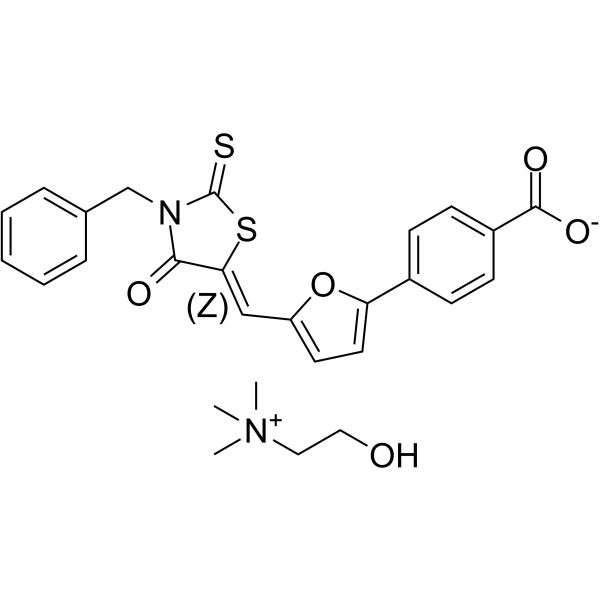
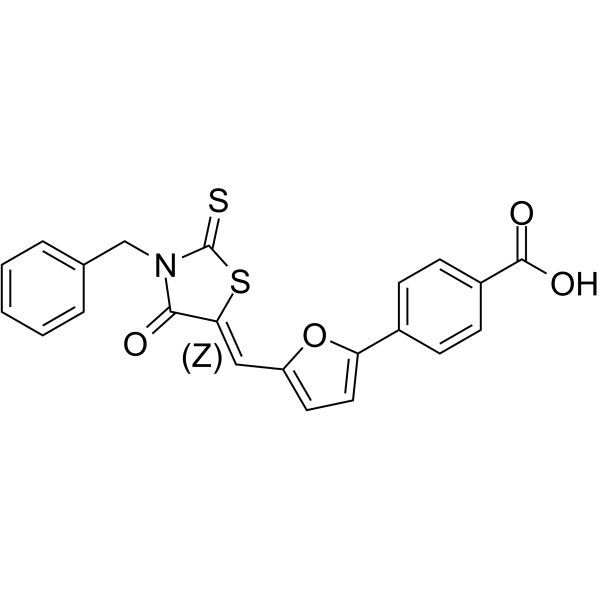
ADH-503 ((Z)-Leukadherin-1 choline) is an orally active and allosteric CD11b agonist. ADH-503 leads to the repolarization of tumor-associated macrophages, reduction in the number of tumor-infiltrating immunosuppressive myeloid cells, and enhances dendritic cell responses .
|
-
-
- HY-124700
-
|
|
Cyclic GMP-AMP Synthase
STING
PD-1/PD-L1
Epoxide Hydrolase
|
Metabolic Disease
|
|
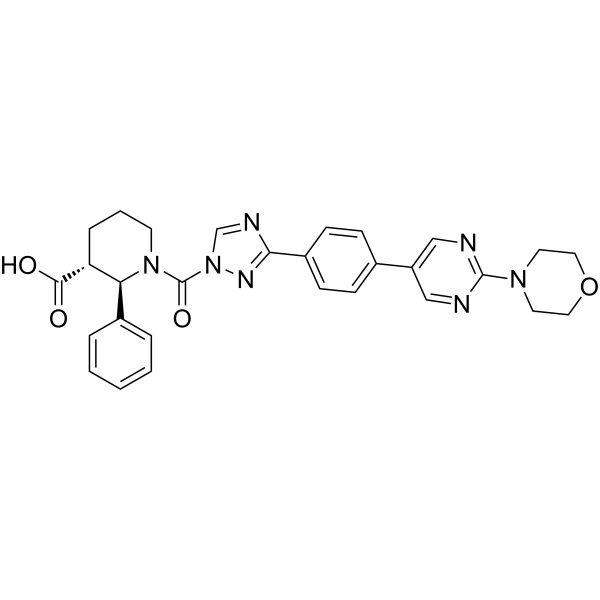
LYPLAL1-IN-1 (compound 11) is a selective, covalent, and irreversible inhibitor of the lysophospholipase-like enzyme LYPLAL1 (IC50 = 6 nM). LYPLAL1-IN-1 shows selectivity against other serine hydrolases such as carboxylesterase CES1 (IC50 > 50 μM for CES1). LYPLAL1-IN-1 inhibits the depalmitoylation function of LYPLAL1, blocking its depalmitoylation modification of cyclic GMP-AMP synthase (cGAS), thereby promoting cGAS dimerization and activation, and initiating the cGAS-STING pathway-mediated innate immune response. LYPLAL1-IN-1 can enhance DNA-induced type I interferon production, upregulate PD-L1 expression in tumor cells, and promote the accumulation of tumor-infiltrating CD8 + T cells, with the core function of strengthening the anti-tumor immune response. LYPLAL1-IN-1 is primarily used in tumor immunology research, especially in combination with PD-1/PD-L1 inhibitors .
|
-
-
- HY-P990690
-
|
MEDI-5752
|
PD-1/PD-L1
CTLA-4
|
Cancer
|
|
Volrustomig (MEDI-5752) is a human IgG1 κ monoclonal antibody targeting CTLA4/PD1. The isotype control for Volrustomig is Human IgG1 kappa, Isotype Control (HY-P99001). Volrustomig anchors to the surface of T cells by binding PD-1, induces PD-1 internalization and degradation, and preferentially inhibits CTLA-4 on activated PD-1 + T cells. Volrustomig binds to tumor-infiltrating lymphocytes and a subset of PD-1 + B cells, enhances T cell function and IFNγ secretion. Volrustomig reduces the activation of non-tumor-infiltrating lymphocytes and exhibits manageable toxicity. Volrustomig can be used in research on various cancers, such as non-small cell lung cancer, gastric cancer, hepatobiliary cancer, and cervical cancer .
|
-
-
- HY-159779
-
|
|
PROTACs
Nuclear Hormone Receptor 4A/NR4A
|
Inflammation/Immunology
Cancer
|
|
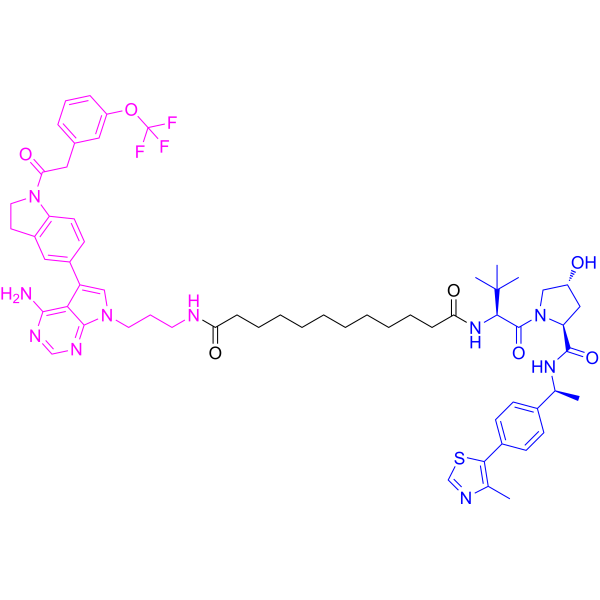
NR-V04 is a selective NR4A1 PROTAC degrader. NR-V04 forms a ternary complex with NR4A1 and the VHL E3 ligase, mediates proteasome-dependent degradation of NR4A1. NR-V04 induces tumor-infiltrating B cells and effector memory CD8 + T cells and reduces monocytic myeloid-derived suppressor cells in tumor microenvironments. NR-V04 can be used for the research of melanoma and colon cancer .
|
-
-
- HY-153598
-
|
|
PROTACs
RIP kinase
Apoptosis
|
Inflammation/Immunology
Cancer
|
|
LD4172 is a selective RIPK1 PROTAC degrader with a Ki of 4.8 nM. LD4172 induces RIPK1 protein degradation via ternary complex formation with RIPK1 and VHL E3 ligase, driving ubiquitination and proteasomal breakdown. LD4172 abrogates TNF-induced classical NF-κB signaling in TRAF2-deficient cells, impairing IκBα phosphorylation and degradation, and reducing IL-8 production. LD4172 induces apoptosis and immunogenic cell death in tumor cells, enhances tumor-infiltrating lymphocyte responses, and sensitizes tumors to anti-PD1 therapy. LD4172 acts as a chemical probe for investigating RIPK1 scaffolding functions. LD4172 can be used for the research of melanoma, colon cancer .
|
-
-
- HY-P990914
-
|
GS-1811; JTX-1811
|
CCR
|
Inflammation/Immunology
Cancer
|
|
Denikitug (GS-1811; JTX-1811) is a humanized monoclonal antibody against CCR8 receptor with a KD of 16.8 pM. Denikitug specifically binds to human CCR8, inhibits CCL1-induced downstream CCR8 signaling. Denikitug selectively depletes cells expressing CCR8 via antibody-dependent cellular cytotoxicity (ADCC). Denikitug promotes anti-tumor immunity and can be used for the research of cancer and immunology .
|
-
-
- HY-P991179
-
|
|
TNF Receptor
|
Cancer
|
|
MK-4166 is a humanized IgG1 agonist monoclonal antibody targeting GITR. MK-4166 enhances the proliferation of both naïve and tumor-infiltrating T lymphocytes .
|
-
-
- HY-P991481
-
|
|
CCR
|
Inflammation/Immunology
Cancer
|
|
S-531011 is a human IgG1 monoclonal antibody (mAb) targeting CCR8. S-531011 reduces tumor-infiltrating CCR8+ Tregs and has anti-tumor activity in CT26.WT and EMT6 tumor-bearing mouse tumor models. S-531011 can be used in the study of cancer immunity. Recommended isotype control: Human IgG1 kappa, Isotype Control (HY-P99001) .
|
-
-
- HY-P3813
-
|
|
Tyrosinase
|
Inflammation/Immunology
Cancer
|
|
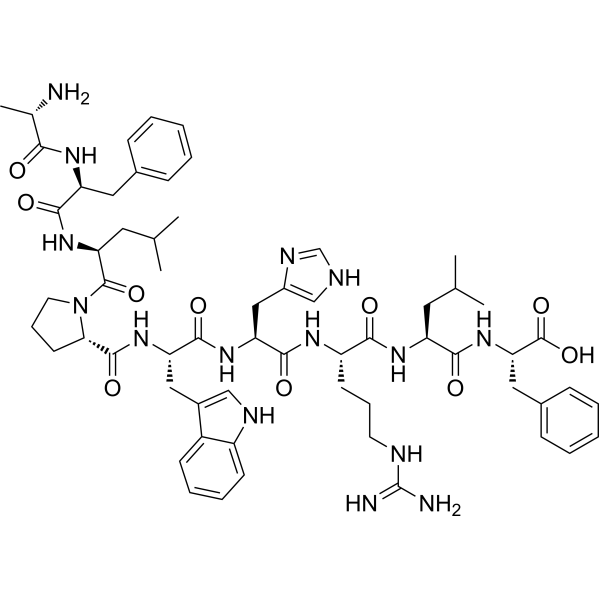
Tyrosinase (206-214), human (AFLPWHRLF), a 9-amino acid peptide, is a tyrosinase epitope. Tyrosinase (206-214), human can be recognized by HLA-A24 restricted, tumor-infiltrating lymphocytes (TIL) .
|
-
-
- HY-149830
-
|
|
PD-1/PD-L1
|
Cancer
|
|
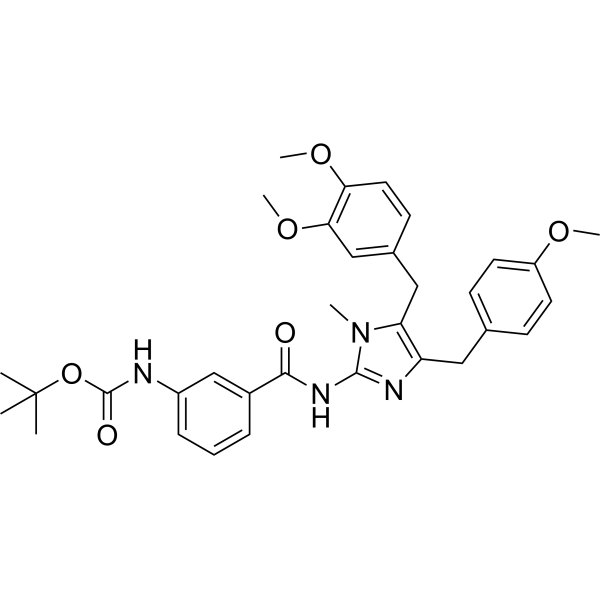
PD-L1-IN-2 is a potential tumor immunological agent by inhibiting PD-L1. PD-L1-IN-2 is a Naamidine J derivative and exerts antitumor effects in vivo by reducing PD-L1 expression and enhancing tumor-infiltrating T-cell immunity. PD-L1-IN-2 is used for colorectal cancer research .
|
-
-
- HY-P990004
-
|
|
Tim3
|
Inflammation/Immunology
Cancer
|
|
Anti-Mouse TIM-3 Antibody (B8.2C12) is an anti-mouse TIM-3 IgG1 monoclonal antibody. Anti-Mouse TIM-3 Antibody (B8.2C12) can block the binding of Tim-3 with Phosphatidylserine (PtdSer) and CEACAM1 without interfering with the binding to Galectin-9. Anti-Mouse TIM-3 Antibody (B8.2C12) can inhibit tumor growth and activate tumor infiltrating CD8 + T cells. Anti-Mouse TIM-3 Antibody (B8.2C12) can be used for studying cancer such as breast cancer and colon cancer and constructing experimental autoimmune encephalomyelitis (EAE) models .
|
-
-
- HY-155681
-
|
|
PD-1/PD-L1
Monoamine Oxidase
|
Cancer
|
|
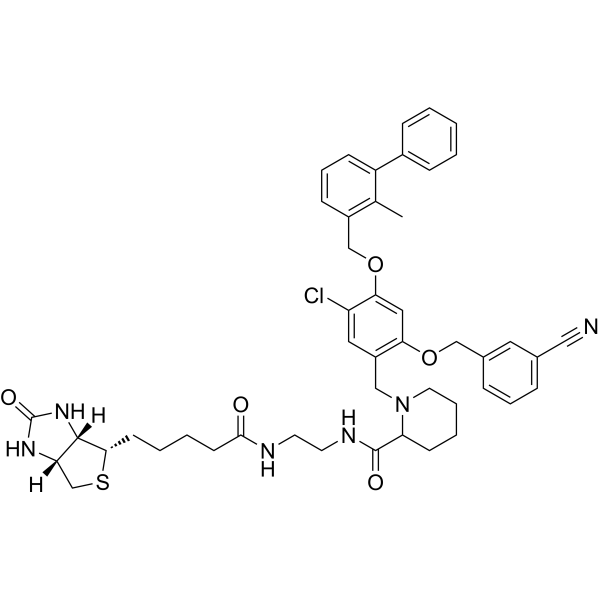
SWS1 is a d-(+)-biotin-conjugated PD-L1 inhibitor (IC50: 1.8 nM) with anticancer activity. SWS1 can increase the number of tumor-infiltrating lymphocytes and exhibit anti-tumor efficacy in the B16-F10 mouse model (TGI=66.1%) .
|
-
-
- HY-175369
-
|
|
PI3K
Akt
PD-1/PD-L1
Interleukin Related
CD3
|
Inflammation/Immunology
Cancer
|
|
PI3Kδ-IN-25 is an orally active selective PI3Kδ inhibitor (IC50 = 2.1 nM). PI3Kδ-IN-25 has IC50s of 272, 285, and 1171 nM for PI3Kα, PI3Kγ, and PI3Kβ, respectively. PI3Kδ-IN-25 inhibits AKT Ser473 phosphorylation, suppresses Treg cell proliferation, and downregulates PD-L1 expression in B16F10 cells. PI3Kδ-IN-25 exhibits anticancer effects in B16F10 melanoma and Lewis lung cancer mouse models by reducing tumor-infiltrating Treg cells and enhancing immune responses. PI3Kδ-IN-25 is potentially useful in the study of melanoma, lung cancer, and other cancers .
|
-
-
- HY-15701A
-
|
ADH-503 free base
|
Complement System
|
Cancer
|
|
(Z)-Leukadherin-1 (ADH-503 free base) is an orally active and allosteric CD11b agonist. (Z)-Leukadherin-1 leads to the repolarization of tumor-associated macrophages, reduction in the number of tumor-infiltrating immunosuppressive myeloid cells, and enhances dendritic cell responses .
|
-
-
- HY-P991406
-
|
|
TNF Receptor
|
Cancer
|
|
MK-1248 is a human IgG4 monoclonal antibody (mAb) targeting TNFSF18. MK-1248 enhances the proliferative response of tumor-infiltrating lymphocytes to anti-CD3 stimulation and promotes the production of anti-tumor-associated regulatory cytokines. MK-1248 can be used in solid tumors research .
|
-
-
- HY-152074
-
|
|
CD73
|
Cancer
|
|
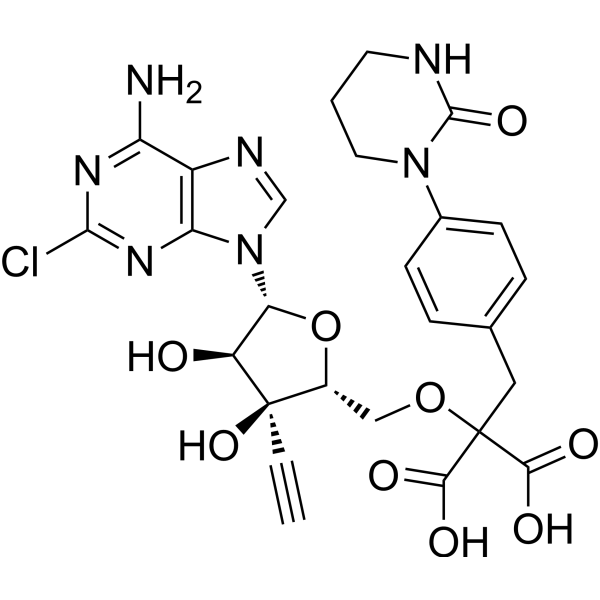
D73-IN-14 is a potent, selective and orally active CD73 inhibitor with an IC50 value of 0.17 nM. CD73-IN-14 increases the number of tumor-infiltrating CD8 + cells and shows anti-tumor activity . CD73-IN-14 is a click chemistry reagent, it contains an Alkyne group and can undergo copper-catalyzed azide-alkyne cycloaddition (CuAAc) with molecules containing Azide groups.
|
-
-
- HY-171331
-
|
|
PD-1/PD-L1
Integrin
|
Cancer
|
|
AB-3PRGD2 is a radiotherapeutic agent targeting integrin αvβ3. AB-3PRGD2 shows improved tumor uptake and prolonged tumor retention, leading to significantly enhanced tumor growth suppression. AB-3PRGD2 can remodel the tumor immune microenvironment by upregulating PD-L1 expression and increasing tumor-infiltrating CD8 + T cells .
|
-
-
- HY-106187B
-
|
|
|
Cancer
|
|
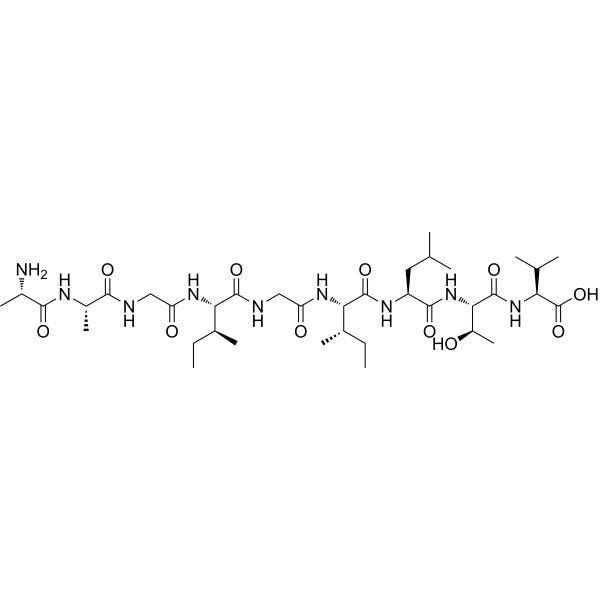
MART-1 (27-35) (human) (TFA) is the amino acid fragment spanning positions 27 to 35 of the MART-1 protein, and it represents an immunogenic epitope recognizable by HLA-A2-restricted melanoma-specific tumor-infiltrating lymphocytes (TILs). MART-1 (27-35) (human) (TFA) can be used in studies related to melanoma .
|
-
-
- HY-P992361
-
|
|
Transmembrane Glycoprotein
|
Cancer
|
|
HB0030 is a TIGIT inhibitor with antibody-dependent cellular cytotoxicity (ADCC) and complement-dependent cytotoxicity (CDC) activities. HB0030 enhances the expression of activation markers in natural killer (NK) cells, promotes the killing of regulatory T cells (Tregs), and reduces the proportion of FoxP3 + Treg in tumor-infiltrating lymphocytes. The combination of HB0030 with the anti-PD-L1/VEGF bispecific antibody HB0025 further enhances tumor suppression efficacy. HB0030 can be used in studies related to colorectal cancer, pancreatic adenocarcinoma, hepatocellular carcinoma, bladder cancer, breast cancer, non-small cell lung cancer, and advanced solid tumors .
|
-
-
- HY-182239
-
|
|
PD-1/PD-L1
|
Cancer
|
|
PDL1 degrader-3 (comppund e24) is a PD-L1 degrader. PDL1 degrader-3 inhibits CSN5 enzymatic activity, increases PD-L1 ubiquitination, and induces PD-L1 degradation via the ubiquitin-proteasome pathway, reducing PD-L1 expression on tumor cell membranes. PDL1 degrader-3 blocks PD-1/PD-L1 interaction, activates the tumor immune microenvironment, enhances tumor-infiltrating T-cell immunity, and inhibits activation of immunosuppressive MDSCs and Tregs. PDL1 degrader-3 exerts antitumor effects in mouse tumor models. PDL1 degrader-3 can be used for the research of colorectal cancer, lung cancer .
|
-
-
- HY-P992356
-
|
|
Topoisomerase
|
Cancer
|
|
GENA-104A16 is a humanized monoclonal antibody targeting CNTN4, with multiple functions including immunostimulation, cytotoxicity and immunoregulation. By binding to CNTN4, GENA-104A16 blocks its interaction with APP, thereby restoring T cell function, inducing tumor cell death and regulating tumor-infiltrating immune cell populations. GENA-104A16 also exerts topoisomerase I inhibitory activity via the payload Exatecan (HY-13631). GENA-104A16 can be used in research related to colon cancer liver metastasis and other CNTN4-expressing solid tumors .
|
-
-
- HY-181599
-
|
|
Mitochondrial Metabolism
DNA/RNA Synthesis
Reactive Oxygen Species (ROS)
Apoptosis
Autophagy
Caspase
Bcl-2 Family
Atg8/LC3
|
Cancer
|
|
XAN-5 is a mitochondrial DNA G-quadruplex (mtG4) ligand with a Kd of 3.8 μM. XAN-5 selectively binds and stabilizes mtG4 structures, disrupting mitochondrial gene transcription and DNA replication. XAN-5 triggers mitochondrial dysfunction, ROS overproduction, G0 phase arrest and caspase-dependent apoptosis. XAN-5 inhibits autophagy and induces immunogenic cell death. XAN-5 inhibits tumor growth in a mouse liver cancer model while enhancing tumor-infiltrating CD4 + and CD8 + T cells. XAN-5 targets two cancer resistance mechanisms simultaneously. XAN-5 can be used for the research of liver cancer .
|
-
-
- HY-P991911
-
|
|
Scavenger Receptor Class B type I (SR-BI)
|
Cancer
|
|
PLT012 is a humanized IgG4 antibody targeting CD36. PLT012 inhibits the lipid-binding domain of CD36. PLT012 blocks CD36-mediated metabolic adaptation in regulatory T cells (Tregs) and CD8 + tumor-infiltrating lymphocytes (TILs), thereby inhibiting tumor growth and shifting the tumor microenvironment from immunosuppressive to immunosupportive. PLT012 reduces intratumoral Tregs, enhances CD8 + T cell infiltration and cytotoxic function, and increases the abundance of progenitor-exhausted T cells. PLT012 exerts robust antitumor activity and synergizes with anti-PD-L1 or standard-of-care regimens (anti-VEGF + anti-PD-L1). PLT012 can be used for hepatocellular carcinoma, colorectal cancer and solid tumor research .
|
-
-
- HY-P992381
-
|
|
Drug Derivative
|
Cancer
|
|
IBI352g4a is a humanized IgG1 monoclonal antibody targeting PVRIG (Kd = 0.53 nM) and acts as a PVRIG/PVRL2 inhibitor. The anti-tumor effect of IBI352g4a depends on the binding of its Fc region to FcγR. IBI352g4a binds to the extracellular domains of human and cynomolgus monkey PVRIG, and blocks the PVRIG-PVRL2 interaction. IBI352g4a induces NK cell activation, promotes their degranulation and tumor killing. IBI352g4a can be used in the research of gastric cancer .
|
-
-
- HY-181992
-
|
|
Drug-Linker Conjugates for ADC
|
Inflammation/Immunology
Cancer
|
|
Mal-PEG4-Val-Cit-PAB-MSA-2 is a Drug-Linker Conjugates for ADC. Mal-PEG4-Val-Cit-PAB-MSA-2 consists of the ADC Cytotoxin MSA-2 (HY-136927) and a linker Mal-PEG4-Val-Cit-PAB-OH (HY-140143). Mal-PEG4-Val-Cit-PAB-MSA-2 can be used for synthesis of ADCs .
|
-
-
- HY-183844
-
|
|
|
Cancer
|
|
C5F2-HCB is a CYP-mediated inhibitor of the biosynthesis of arachidonic acid epoxygenase product (±) 14,15-EET (HY-150084), with an IC50 of 3.1 μM. C5F2-HCB inhibits EET-driven oxidative phosphorylation (OXPHOS) associated with tumor hypoxia, converting an immunologically "cold" tumor microenvironment into a "hot" one. C5F2-HCB reverses the immune-excluded tumor microenvironment in ER +HER2 − breast cancer allograft models. C5F2-HCB can be used in research related to ER +HER2 − breast cancer .
|
-
| Cat. No. |
Product Name |
Target |
Research Area |
-
- HY-P3813
-
|
|
Tyrosinase
|
Inflammation/Immunology
Cancer
|
|
Tyrosinase (206-214), human (AFLPWHRLF), a 9-amino acid peptide, is a tyrosinase epitope. Tyrosinase (206-214), human can be recognized by HLA-A24 restricted, tumor-infiltrating lymphocytes (TIL) .
|
-
- HY-106187
-
|
|
Peptides
|
Inflammation/Immunology
|
|
MART-1 (27-35) (human) is an immunogenic epitope recognized by HLA-A2-restricted melanoma-specific tumor-infiltrating lymphocytes (TIL) .
|
-
- HY-106187B
-
|
|
|
Cancer
|
|
MART-1 (27-35) (human) (TFA) is the amino acid fragment spanning positions 27 to 35 of the MART-1 protein, and it represents an immunogenic epitope recognizable by HLA-A2-restricted melanoma-specific tumor-infiltrating lymphocytes (TILs). MART-1 (27-35) (human) (TFA) can be used in studies related to melanoma .
|
| Cat. No. |
Product Name |
Target |
Research Area |
Image |
-
- HY-P99742
-
|
ADC-1013; JNJ-64457107; Vanalimab
|
TNF Receptor
|
Cancer
|
|
Mitazalimab (ADC-1013; JNJ-64457107) is FcγR-dependent CD40 agonist with tumor-directed activity. Mitazalimab activates antigen-presenting cells, e.g. dendritic cells (DC), to initiate tumor-reactive T cells. Therefore, Mitazalimab induces tumor-specific T cells to infiltrate and kill tumors. Mitazalimab remodels the tumor-infiltrating myeloid microenvironment .
|
-
(5)
-
- HY-P990690
-
|
MEDI-5752
|
PD-1/PD-L1
CTLA-4
|
Cancer
|
|
Volrustomig (MEDI-5752) is a human IgG1 κ monoclonal antibody targeting CTLA4/PD1. The isotype control for Volrustomig is Human IgG1 kappa, Isotype Control (HY-P99001). Volrustomig anchors to the surface of T cells by binding PD-1, induces PD-1 internalization and degradation, and preferentially inhibits CTLA-4 on activated PD-1 + T cells. Volrustomig binds to tumor-infiltrating lymphocytes and a subset of PD-1 + B cells, enhances T cell function and IFNγ secretion. Volrustomig reduces the activation of non-tumor-infiltrating lymphocytes and exhibits manageable toxicity. Volrustomig can be used in research on various cancers, such as non-small cell lung cancer, gastric cancer, hepatobiliary cancer, and cervical cancer .
|
-
(5)
-
- HY-P990914
-
|
GS-1811; JTX-1811
|
CCR
|
Inflammation/Immunology
Cancer
|
|
Denikitug (GS-1811; JTX-1811) is a humanized monoclonal antibody against CCR8 receptor with a KD of 16.8 pM. Denikitug specifically binds to human CCR8, inhibits CCL1-induced downstream CCR8 signaling. Denikitug selectively depletes cells expressing CCR8 via antibody-dependent cellular cytotoxicity (ADCC). Denikitug promotes anti-tumor immunity and can be used for the research of cancer and immunology .
|
-
(5)
-
- HY-P991179
-
|
|
TNF Receptor
|
Cancer
|
|
MK-4166 is a humanized IgG1 agonist monoclonal antibody targeting GITR. MK-4166 enhances the proliferation of both naïve and tumor-infiltrating T lymphocytes .
|
-
(5)
-
- HY-P991481
-
|
|
CCR
|
Inflammation/Immunology
Cancer
|
|
S-531011 is a human IgG1 monoclonal antibody (mAb) targeting CCR8. S-531011 reduces tumor-infiltrating CCR8+ Tregs and has anti-tumor activity in CT26.WT and EMT6 tumor-bearing mouse tumor models. S-531011 can be used in the study of cancer immunity. Recommended isotype control: Human IgG1 kappa, Isotype Control (HY-P99001) .
|
-
(5)
-
- HY-P990004
-
|
|
Tim3
|
Inflammation/Immunology
Cancer
|
|
Anti-Mouse TIM-3 Antibody (B8.2C12) is an anti-mouse TIM-3 IgG1 monoclonal antibody. Anti-Mouse TIM-3 Antibody (B8.2C12) can block the binding of Tim-3 with Phosphatidylserine (PtdSer) and CEACAM1 without interfering with the binding to Galectin-9. Anti-Mouse TIM-3 Antibody (B8.2C12) can inhibit tumor growth and activate tumor infiltrating CD8 + T cells. Anti-Mouse TIM-3 Antibody (B8.2C12) can be used for studying cancer such as breast cancer and colon cancer and constructing experimental autoimmune encephalomyelitis (EAE) models .
|
-
(5)
-
- HY-P991406
-
|
|
TNF Receptor
|
Cancer
|
|
MK-1248 is a human IgG4 monoclonal antibody (mAb) targeting TNFSF18. MK-1248 enhances the proliferative response of tumor-infiltrating lymphocytes to anti-CD3 stimulation and promotes the production of anti-tumor-associated regulatory cytokines. MK-1248 can be used in solid tumors research .
|
-
(5)
-
- HY-P992361
-
|
|
Transmembrane Glycoprotein
|
Cancer
|
|
HB0030 is a TIGIT inhibitor with antibody-dependent cellular cytotoxicity (ADCC) and complement-dependent cytotoxicity (CDC) activities. HB0030 enhances the expression of activation markers in natural killer (NK) cells, promotes the killing of regulatory T cells (Tregs), and reduces the proportion of FoxP3 + Treg in tumor-infiltrating lymphocytes. The combination of HB0030 with the anti-PD-L1/VEGF bispecific antibody HB0025 further enhances tumor suppression efficacy. HB0030 can be used in studies related to colorectal cancer, pancreatic adenocarcinoma, hepatocellular carcinoma, bladder cancer, breast cancer, non-small cell lung cancer, and advanced solid tumors .
|
-
(5)
-
- HY-P992356
-
|
|
Topoisomerase
|
Cancer
|
|
GENA-104A16 is a humanized monoclonal antibody targeting CNTN4, with multiple functions including immunostimulation, cytotoxicity and immunoregulation. By binding to CNTN4, GENA-104A16 blocks its interaction with APP, thereby restoring T cell function, inducing tumor cell death and regulating tumor-infiltrating immune cell populations. GENA-104A16 also exerts topoisomerase I inhibitory activity via the payload Exatecan (HY-13631). GENA-104A16 can be used in research related to colon cancer liver metastasis and other CNTN4-expressing solid tumors .
|
-
(5)
-
- HY-P991911
-
|
|
Scavenger Receptor Class B type I (SR-BI)
|
Cancer
|
|
PLT012 is a humanized IgG4 antibody targeting CD36. PLT012 inhibits the lipid-binding domain of CD36. PLT012 blocks CD36-mediated metabolic adaptation in regulatory T cells (Tregs) and CD8 + tumor-infiltrating lymphocytes (TILs), thereby inhibiting tumor growth and shifting the tumor microenvironment from immunosuppressive to immunosupportive. PLT012 reduces intratumoral Tregs, enhances CD8 + T cell infiltration and cytotoxic function, and increases the abundance of progenitor-exhausted T cells. PLT012 exerts robust antitumor activity and synergizes with anti-PD-L1 or standard-of-care regimens (anti-VEGF + anti-PD-L1). PLT012 can be used for hepatocellular carcinoma, colorectal cancer and solid tumor research .
|
-
(5)
-
- HY-P992381
-
|
|
Drug Derivative
|
Cancer
|
|
IBI352g4a is a humanized IgG1 monoclonal antibody targeting PVRIG (Kd = 0.53 nM) and acts as a PVRIG/PVRL2 inhibitor. The anti-tumor effect of IBI352g4a depends on the binding of its Fc region to FcγR. IBI352g4a binds to the extracellular domains of human and cynomolgus monkey PVRIG, and blocks the PVRIG-PVRL2 interaction. IBI352g4a induces NK cell activation, promotes their degranulation and tumor killing. IBI352g4a can be used in the research of gastric cancer .
|
-
(5)
| Cat. No. |
Product Name |
|
Classification |
-
- HY-152074
-
|
|
|
Alkynes
|
|
D73-IN-14 is a potent, selective and orally active CD73 inhibitor with an IC50 value of 0.17 nM. CD73-IN-14 increases the number of tumor-infiltrating CD8 + cells and shows anti-tumor activity . CD73-IN-14 is a click chemistry reagent, it contains an Alkyne group and can undergo copper-catalyzed azide-alkyne cycloaddition (CuAAc) with molecules containing Azide groups.
|
Your information is safe with us. * Required Fields.
Inquiry Information
- Product Name:
- Cat. No.:
- Quantity:
- MCE Japan Authorized Agent:

