1. Search Result
Search Result
Results for "

white adipocytes

" in MedChemExpress (MCE) Product Catalog:

13

Inhibitors & Agonists

1

Fluorescent Dyes

1

Peptides

2

Natural
Products

Cat. No. Product Name Target Research Areas Chemical Structure
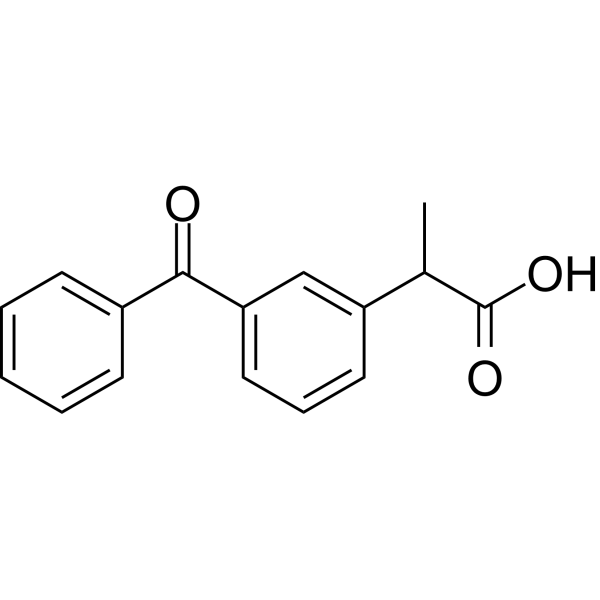
  • HY-B0227
    Ketoprofen
    Maximum Cited Publications
    8 Publications Verification

    RP-19583

    COX Metabolic Disease Inflammation/Immunology Cancer
    Ketoprofen (RP-19583) is a non-steroidal anti-inflammatory agent. Ketoprofen can inhibits the activity of cyclooxygenase with IC50 values of 2 nM (COX-1) and 26 nM (COX-2). which is potential in the research of inflammation, immunology, and metabolic disease such as obesity .
    Ketoprofen
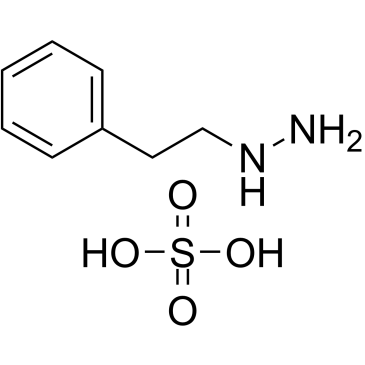
  • HY-B1018A
    Phenelzine sulfate
    5+ Cited Publications

    Monoamine Oxidase GABA Receptor Histone Demethylase Cardiovascular Disease Neurological Disease Metabolic Disease Inflammation/Immunology Cancer
    Phenelzine sulfate, an antidepressant agent, is an irreversible and orally active monoamine oxidase (MAO-A and MAO-B) inhibitor. Phenelzine sulfate inhibits GABA transaminase and primary amine oxidase (PrAO), and sequester reactive aldehydes. Phenelzine sulfate also inhibits LSD1 (Ki: 5.6 μM) and suppresses oxidative stress and lipogenesis. Phenelzine sulfate elevates neurotransmitters (serotonin, norepinephrine, dopamine). Phenelzine sulfate is studied in neurological, metabolic and cancer diseases for depression and anxiety disorders, stroke, spinal cord injury, traumatic brain injury, multiple sclerosis, Parkinson’s disease, Alzheimer’s disease, inflammatory pain, obesity and prostate cancer .
    Phenelzine sulfate
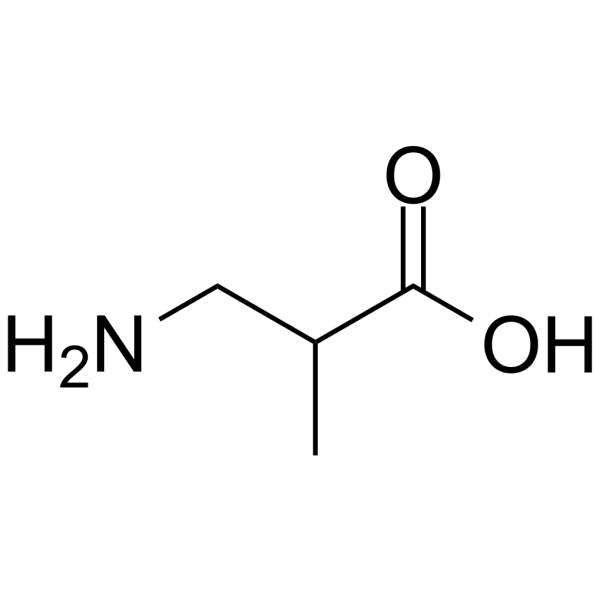
  • HY-W012974

    β-Aminoisobutyric acid; BAIBA

    Endogenous Metabolite Cardiovascular Disease Metabolic Disease
    3-Aminoisobutyric acid (β-Aminoisobutyric acid) has anti-inflammatory and antioxidant effects. 3-Aminoisobutyric acid increases the expression of brown adipocyte-specific genes in white adipose tissue and fatty acid β-oxidation in hepatocytes. 3-Aminoisobutyric acid attenuates insulin resistance and inflammation induced by palmitate or a high fat diet via an AMPK-PPARδ-dependent pathway in mice. 3-Aminoisobutyric acid is a catabolic metabolite of thymine and valine in skeletal muscle .
    3-Aminoisobutyric acid
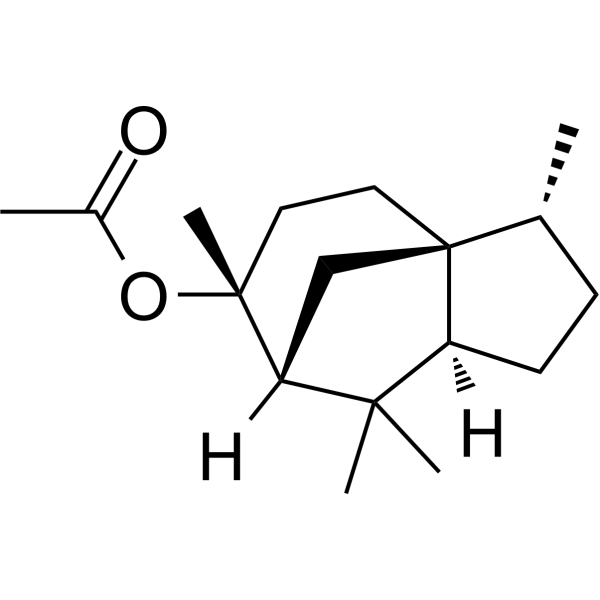
  • HY-W009417

    Environmental Pollutants Glycosidase Metabolic Disease
    Cedryl acetate is an orally active α-glucosidase inhibitor with an IC50 of 94 μM against yeast α-glucosidase. Cedryl acetate reduces high-fat diet-induced body weight gain, visceral fat pad weight, adipocyte hypertrophy, hepatic lipid accumulation, glucose intolerance, insulin resistance and gluconeogenesis. Cedryl acetate can be used in the research of obesity and obesity-related metabolic syndrome .
    Cedryl acetate
  • HY-W012865

    Carnitine Palmitoyltransferase (CPT) Endogenous Metabolite FABP PPAR Metabolic Disease
    Tartronic acid, a dicarboxylic acid derive, is an inhibitor of the transformation of carbohydrates into fat under fat-deficient diet conditions. Tartronic acid promotes 3T3-L1 adipocyte differentiation by increasing the protein expression of FABP-4, PPARγ and SREBP-1. Tartronic acid promotes de novo lipogenesis and inhibits CPT-1β by upregulating acetyl-CoA and malonyl-CoA. Tartronic acid promotes weight gain and induces adipocyte hypertrophy in epididymal white adipose tissue and lipid accumulation in the livers of high-fat diet induced obese mice. Tartronic acid can be used for lipid metabolic disease research .
    Tartronic acid
  • HY-P2712

    Chemerin148–156, mouse

    Chemerin Receptor Cardiovascular Disease Neurological Disease Inflammation/Immunology
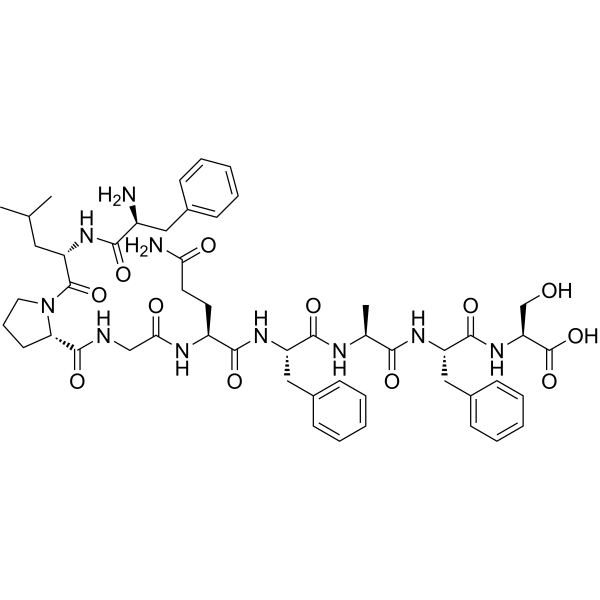
    Chemerin-9, mouse (Chemerin148-156, mouse) is a C-terminal nonapeptide of chemerin. Chemerin-9, mouse is a ligand for ChemR23 (EC50 = 42 nM). Chemerin-9, mouse reduces basal lipolysis in primary mouse white adipocytes(IC50 = 3.3 nM). Chemerin-9, mouse enhances memory and relieves Aβ1-42-induced memory impairment in AD mice. Chemerin-9, mouse also inhibits atherogenesis .
    Chemerin-9, mouse
  • HY-B0227A

    RP-19583 (lysinate)

    COX Metabolic Disease Inflammation/Immunology Cancer
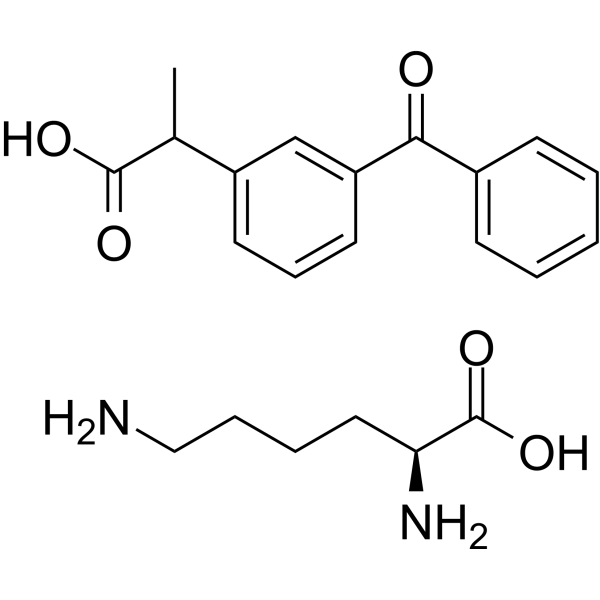
    Ketoprofen (RP-19583) lysinate is a non-steroidal anti-inflammatory agent. Ketoprofen lysinate can inhibit the activity of cyclooxygenase with IC50 values of 2 nM (COX-1) and 26 nM (COX-2). which is potential in the research of inflammation, immunology, and metabolic disease such as obesity .
    Ketoprofen (lysinate)
  • HY-B0227AR

    RP-19583 (lysinate) (Standard)

    Reference Standards COX Metabolic Disease Inflammation/Immunology Cancer
    Ketoprofen (lysinate) (Standard) is the analytical standard of Ketoprofen (lysinate). This product is intended for research and analytical applications. Ketoprofen (RP-19583) lysinate is a non-steroidal anti-inflammatory agent. Ketoprofen lysinate can inhibit the activity of cyclooxygenase with IC50 values of 2 nM (COX-1) and 26 nM (COX-2). which is potential in the research of inflammation, immunology, and metabolic disease such as obesity .
    Ketoprofen (lysinate) (Standard)
  • HY-178958

    PPAR Adenosine Receptor Fatty Acid Synthase (FASN) Endogenous Metabolite Metabolic Disease Inflammation/Immunology Endocrinology
    PPAR agonist 7 is an orally active pan-PPAR agonist, demonstrating potent activation of all three subtypes, PPARα (EC50 = 1.51 μM), PPARδ (EC50 = 1.11 μM), and PPARγ (EC50 = 3.14 μM). PPAR agonist 7 significantly enhances glucose uptake in adipocytes while exhibiting minimal adipogenic activity. PPAR agonist 7 can suppress PPARγ Ser273 phosphorylation in white adipose tissue and upregulate insulin-sensitizing genes. PPAR agonist 7 does not cause weight gain or fluid retention in high-fat diet (HFD)/ Streptozotocin (HY-13753) (STZ)-induced type 2 diabetes mellitus (T2DM) models. PPAR agonist 7 has selective modulation of PPAR signaling pathways without activation of adipogenic gene programs. PPAR agonist 7 can be used for the study of diabetes .
    PPAR agonist 7
  • HY-11032

    Others Metabolic Disease
    SM-350300 is a glucoprotein. SM-350300 stimulates lipolysis in white adipocytes by activating the cyclic AMP (cAMP) pathway, and upregulates the expression of lipolytic enzymes and uncoupling proteins (UCP1, UCP3) in brown adipose tissue (BAT) and white adipose tissue (WAT). SM-350300 reduces body weight by decreasing carcass fat while increasing lean muscle mass in metabolic disorder models. SM-350300 can be used for the study of metabolic disorders including obesity, type 2 diabetes, and cachexia .
    SM-350300
  • HY-165098

    β-Aminoisobutyric acid sodium salt; BAIBA sodium salt

    Endogenous Metabolite Cardiovascular Disease Metabolic Disease
    3-Aminoisobutyric acid (β-Aminoisobutyric acid) sodium salt has anti-inflammatory and antioxidant effects. 3-Aminoisobutyric acid sodium salt increases the expression of brown adipocyte-specific genes in white adipose tissue and fatty acid β-oxidation in hepatocytes. 3-Aminoisobutyric acid sodium salt attenuates insulin resistance and inflammation induced by palmitate or a high fat diet via an AMPK–PPARδ-dependent pathway in mice. 3-Aminoisobutyric acid sodium salt is a catabolic metabolite of thymine and valine in skeletal muscle .
    3-Aminoisobutyric acid sodium salt
  • HY-183094

    PGC-1α Metabolic Disease
    AM73 is a PGC-1α1 stabilizer. AM73 increases the expression levels of Ucp1 and Cidea in brown adipocytes, and enhances basal mitochondrial respiration and uncoupled respiration. AM73 regulates hypoxia, brown adipocyte differentiation, carbohydrate metabolism and insulin signaling pathways in brown adipocytes. AM73 alters the thermogenic process of white adipocytes. AM73 is applicable to the research of obesity and related metabolic disorders .
    AM73
  • HY-D3281

    Fluorescent Dye Others
    Ctrl-CSR1 is a non-responsive CSR1 control dye and a matched control dye with a photostable, hydrophilic silicon rhodol backbone. Ctrl-CSR1 lacks a copper-responsive receptor .
    Ctrl-CSR1

Inquiry Online

Your information is safe with us. * Required Fields.

Salutation


Country or Region *

Applicant Name *


Organization Name *

Department *


Email Address *


Product Name *

Cat. No.


Requested quantity *

Phone Number *


Remarks

Inquiry Online

Inquiry Information

Product Name:
Cat. No.:
Quantity:
MCE Japan Authorized Agent:

