1. Search Result
Search Result
Results for "

xenobiotic

" in MedChemExpress (MCE) Product Catalog:

22

Inhibitors & Agonists

1

Bibliotecas de Screening

6

Natural
Products

3

Recombinant Proteins

5

Isotope-Labeled Compounds

2

Antibodies

Cat. No. Nombre del producto Target Áreas de investigación Chemical Structure
  • HY-13690
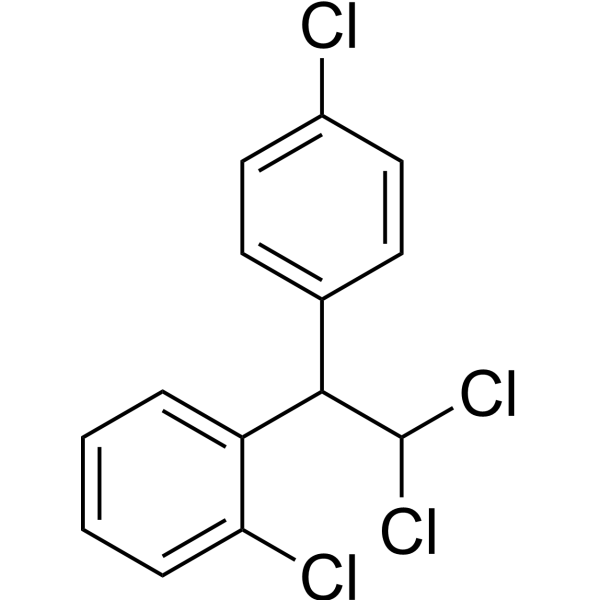
    Mitotane
    5 Publications Verification

    2,4′-DDD; o,p'-DDD

    Apoptosis Cancer
    Mitotane (2,4′-DDD), an isomer of DDD and derivative of dichlorodiphenyltrichloroethane (DDT), is an antineoplastic agent, can be used to research adrenocortical carcinoma. Mitotane exert its adrenocorticolytic effect at least in part through lipotoxicity induced by intracellular free cholesterol (FC) accumulation. Mitotane can have direct pituitary effects on corticotroph cells. Mitotane can induce CYP3A4 gene expression via steroid and xenobiotic receptor (SXR) activation, and has agent-agent interactions .
    Mitotane
  • HY-41494
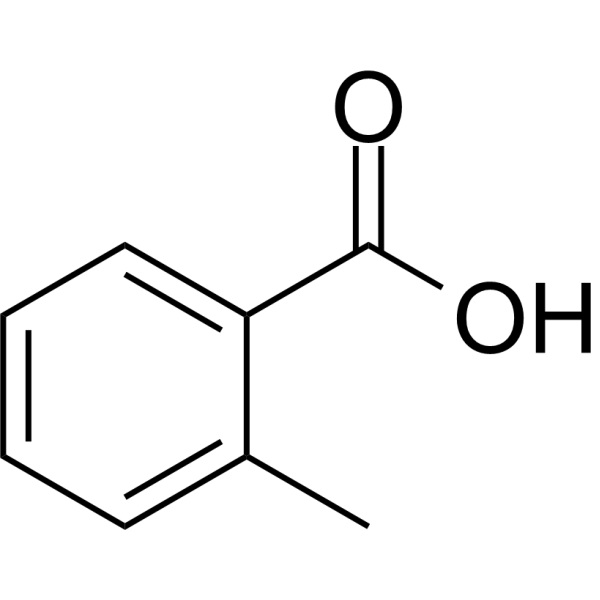
    o-Toluic acid
    1 Publications Verification

    2-Methylbenzoic acid

    Endogenous Metabolite Others
    O-toluic acid (2-Methylbenzoic acid) is an organic compound that is benzoic acid with a methyl group substituted at the 2-position. O-toluic acid can act as an exogenous metabolite and holds some chemical research value .
    o-Toluic acid
  • HY-N9348A

    Glutathione S-transferase Cytochrome P450 Metabolic Disease
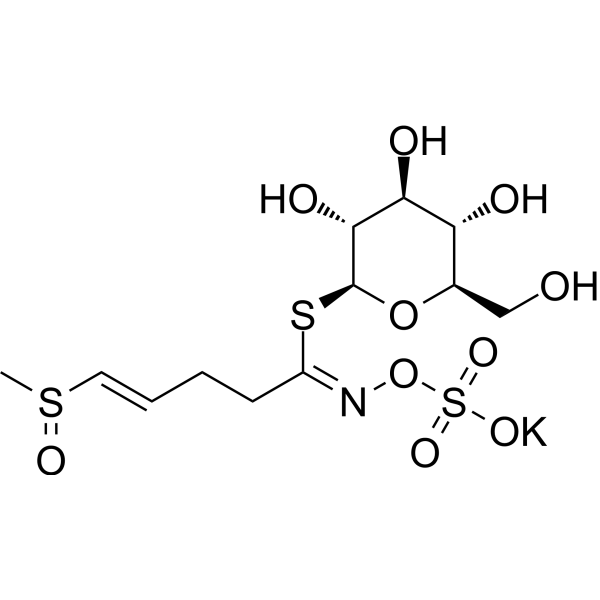
    Glucoraphenin potassium is an orally effective glucosinolate. Glucoraphenin potassium can be isolated from radish sprouts. Glucoraphenin potassium enhances the enzymatic activity of Glutathione S-transferase. Glucoraphenin potassium enhances the activity of cytochrome P450-related monooxygenase .
    Glucoraphenin potassium
  • HY-W674241A

    Endogenous Metabolite Apoptosis Bcl-2 Family Reactive Oxygen Species (ROS) Neurological Disease Cancer
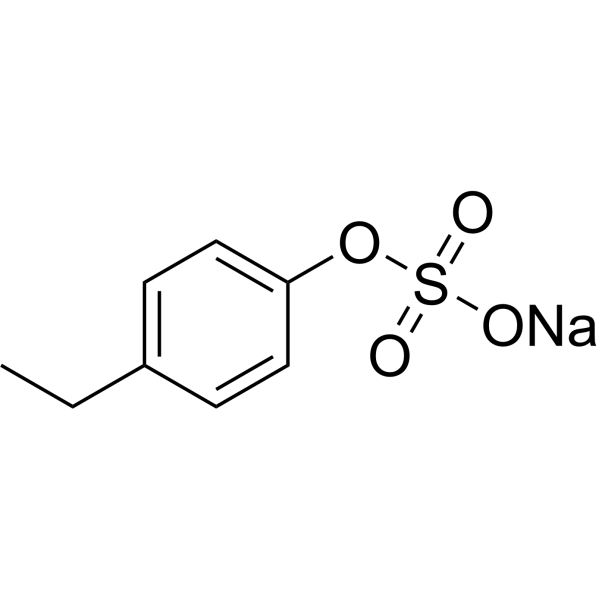
    4-Ethylphenyl sulfate sodium is an orally active and brain-penetrant gut microbial metabolite. 4-Ethylphenyl sulfate sodium downregulates Bcl2 expression, upregulates Bax expression, and induces cancer cell apoptosis via the endogenous apoptotic pathway. 4-Ethylphenyl sulfate sodium induces G2/M cell cycle arrest and reactive oxygen species (ROS) production. 4-Ethylphenyl sulfate sodium impairs oligodendrocyte maturation, reduces oligodendrocyte-neuron interactions, decreases axonal myelination levels, and shifts the oligodendrocyte population toward immature precursor cells. 4-Ethylphenyl sulfate sodium alters brain region-specific neural activity and functional connectivity in mice, and correlates with anxiety-like behaviors in mice .
    4-Ethylphenyl sulfate sodium
  • HY-W020788

    CGA 154281

    Environmental Pollutants Glutathione S-transferase Estrogen Receptor/ERR Pregnane X Receptor (PXR) FXR Metabolic Disease Cancer
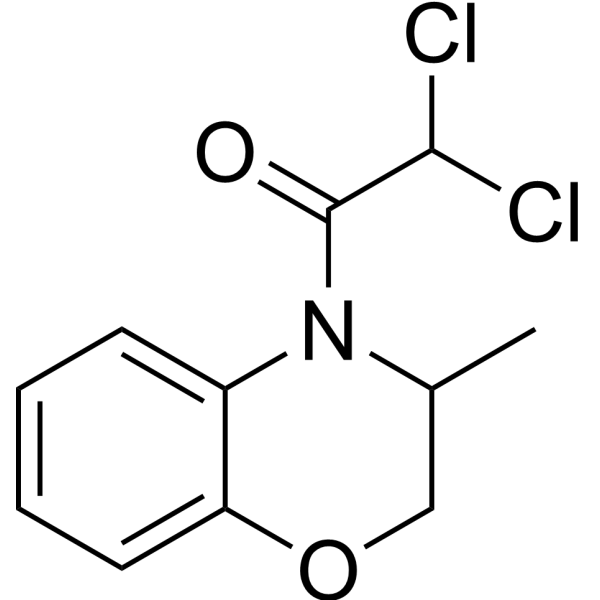
    Benoxacor (CGA 154281) is a herbicide safener and xenobiotic metabolism regulator. Benoxacor protects maize from the toxicity of metolachlor mainly by inducing detoxifying enzymes such as Glutathione S-transferase. Benoxacor also activates FXR, PXR and ERRα, and inhibits aromatase (aromatase). However, Benoxacor exhibits potential subacute oral toxicity and a high risk of hepatotoxicity in animal models. Benoxacor induces reactive oxygen species accumulation, interferes with embryonic heart development, and causes increased liver and kidney weights as well as alterations in gut microbiota in mice. Benoxacor can be used in studies related to hepatic steatosis, infertility, breast cancer and developmental toxicity .
    Benoxacor
  • HY-N9508

    Cytochrome P450 Inflammation/Immunology
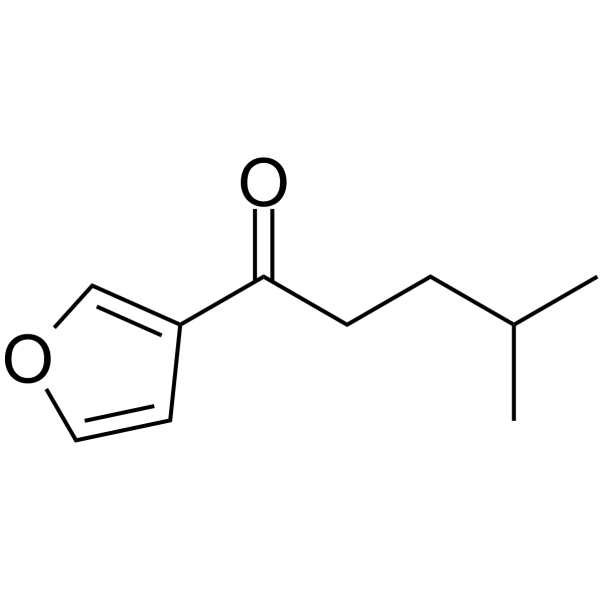
    Perilla ketone is a naturally occurring xenobiotic compound. Perilla ketone is activated by pulmonary P450 cytochrome enzymes in the lung, resulting in severe pulmonary damage and development of diffuse pulmonary edema .
    Perilla ketone
  • HY-41494S1

    Isotope-Labeled Compounds Endogenous Metabolite Others
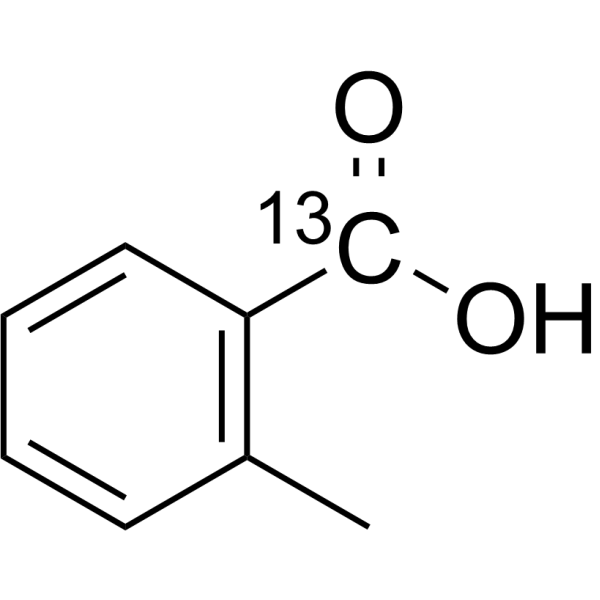
    o-Toluic acid- 13C is the 13C labeled o-Toluic acid . o-Toluic acid (2-Methylbenzoic acid) is a benzoic acid substituted by a methyl group at position 2. O-Toluic acid plays a role as a xenobiotic metabolite.
    o-Toluic acid-13C
  • HY-41494S

    2-Methylbenzoic acid-d7

    Isotope-Labeled Compounds Endogenous Metabolite Others
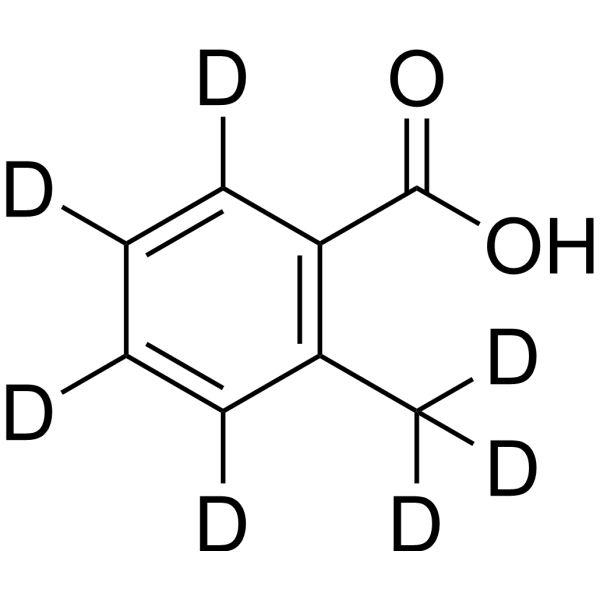
    O-Toluic acid-d7 is the deuterium labeled o-Toluic acid . o-Toluic acid (2-Methylbenzoic acid) is a benzoic acid substituted by a methyl group at position 2. O-Toluic acid plays a role as a xenobiotic metabolite.
    O-Toluic acid-d7
  • HY-139047

    GLUT Cancer
    SW157765 is a selective non-canonical glucose transporter GLUT8 (SLC2A8) inhibitor. KRAS/KEAP1 double mutant NSCLC cells are selectively sensitive to the SW157765, due to the convergent consequences of dual KRAS and NRF2 modulation of metabolic and xenobiotic gene regulatory programs .
    SW157765
  • HY-13690R

    2,4′-DDD (Standard); o,p'-DDD (Standard)

    Reference Standards Apoptosis Cancer
    Mitotane (Standard) is the analytical standard of Mitotane. This product is intended for research and analytical applications. Mitotane (2,4′-DDD), an isomer of DDD and derivative of dichlorodiphenyltrichloroethane (DDT), is an antineoplastic agent, can be used to research adrenocortical carcinoma. Mitotane exert its adrenocorticolytic effect at least in part through lipotoxicity induced by intracellular free cholesterol (FC) accumulation. Mitotane can have direct pituitary effects on corticotroph cells. Mitotane can induce CYP3A4 gene expression via steroid and xenobiotic receptor (SXR) activation, and has agent-agent interactions .
    Mitotane (Standard)
  • HY-W744923

    DD-70

    Constitutive Androstane Receptor Metabolic Disease
    Bis[2-(4-hydroxyphenylthio) ethoxy]methane (DD-70) is a Bisphenol A (BPA) replacement compound. Bis[2-(4-hydroxyphenylthio) ethoxy]methane is cytotoxic and changes the expression of genes related to xenobiotic metabolism, bile acid, and cholesterol regulation.
    Bis[2-(4-hydroxyphenylthio)ethoxy]methane
  • HY-13690S1

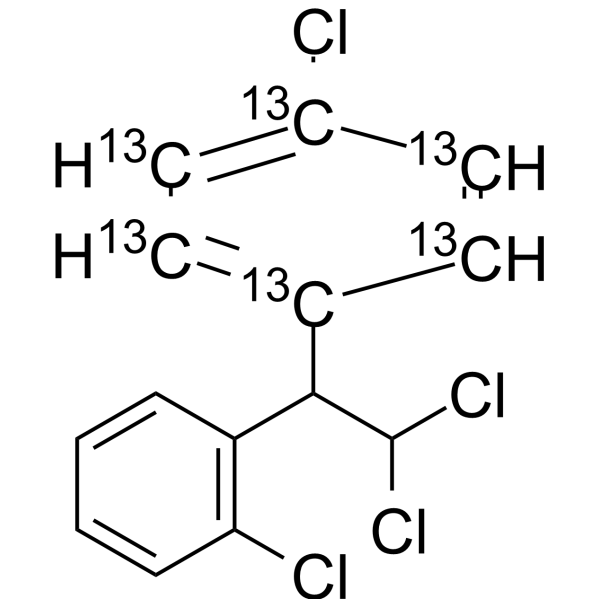
    2,4′-DDD-13C6; o,p'-DDD-13C6

    Apoptosis Cancer
    Mitotane- 13C6 is the 13C labeled Mitotane . Mitotane (2,4′-DDD), an isomer of DDD and derivative of dichlorodiphenyltrichloroethane (DDT), is an antineoplastic agent, can be used to research adrenocortical carcinoma. Mitotane exert its adrenocorticolytic effect at least in part through lipotoxicity induced by intracellular free cholesterol (FC) accumulation. Mitotane can have direct pituitary effects on corticotroph cells. Mitotane can induce CYP3A4 gene expression via steroid and xenobiotic receptor (SXR) activation, and has agent-agent interactions .
    Mitotane-13C6
  • HY-13690S3

    2,4′-DDD-13C12; o,p'-DDD-13C12

    Isotope-Labeled Compounds Apoptosis Cancer
    Mitotane- 13C12 (2,4′-DDD- 13C12) is 13C labeled Mitotane. Mitotane (2,4′-DDD), an isomer of DDD and derivative of dichlorodiphenyltrichloroethane (DDT), is an antineoplastic agent, can be used to research adrenocortical carcinoma. Mitotane exert its adrenocorticolytic effect at least in part through lipotoxicity induced by intracellular free cholesterol (FC) accumulation. Mitotane can have direct pituitary effects on corticotroph cells. Mitotane can induce CYP3A4 gene expression via steroid and xenobiotic receptor (SXR) activation, and has agent-agent interactions .
    Mitotane-13C12
  • HY-W020788R

    CGA 154281 (Standard)

    Reference Standards Glutathione S-transferase Estrogen Receptor/ERR Pregnane X Receptor (PXR) FXR Others
    Benoxacor (Standard) is the analytical standard of Benoxacor. This product is intended for research and analytical applications. Benoxacor (CGA 154281) is a herbicide safener and xenobiotic metabolism regulator. Benoxacor protects maize from the toxicity of metolachlor mainly by inducing detoxifying enzymes such as Glutathione S-transferase. Benoxacor also activates FXR, PXR and ERRα, and inhibits aromatase (aromatase). However, Benoxacor exhibits potential subacute oral toxicity and a high risk of hepatotoxicity in animal models. Benoxacor induces reactive oxygen species accumulation, interferes with embryonic heart development, and causes increased liver and kidney weights as well as alterations in gut microbiota in mice. Benoxacor can be used in studies related to hepatic steatosis, infertility, breast cancer and developmental toxicity .
    Benoxacor (Standard)
  • HY-41494R

    2-Methylbenzoic acid (Standard)

    Reference Standards Endogenous Metabolite Others
    o-Toluic acid (Standard) is the analytical standard of o-Toluic acid. This product is intended for research and analytical applications. o-Toluic acid (2-Methylbenzoic acid) is a benzoic acid substituted by a methyl group at position 2. O-Toluic acid plays a role as a xenobiotic metabolite.
    o-Toluic acid (Standard)
  • HY-N9508R

    Cytochrome P450 Reference Standards Inflammation/Immunology
    Perilla ketone is a naturally occurring xenobiotic compound. Perilla ketone is activated by pulmonary P450 cytochrome enzymes in the lung, resulting in severe pulmonary damage and development of diffuse pulmonary edema .
    Perilla ketone (Standard)
  • HY-133078

    Cytochrome P450 Cancer
    Thienyldecyl isothiocyanate is an analog of thienylbutyl isothiocyanate that, like many isothiocyanates, demonstrates antiproliferative activity against cancer cells presumably by modulation of xenobiotic-metabolizing enzymes, such as by inhibition of cytochrome P450, and/or by induction of phase II detoxifying enzymes.
    Thienyldecyl Isothiocyanate
  • HY-174987

    mGluR Steroid Sulfatase Neurological Disease
    mGluR1 activator-1 is a stable Vitamin K (HY-B2172) analogue and a mGluR1 activator that can penetrate the blood-brain barrier. mGluR1 activator-1 exhibits strong transcriptional activation via steroid and xenobiotic receptor as well as retinoic acid receptor. mGluR1 activator-1 induces neuronal differentiation in mouse neural progenitor cells. mGluR1 activator-1 can be used for the study of neurodegenerative disease such as Alzheimer’s .
    mGluR1 activator-1
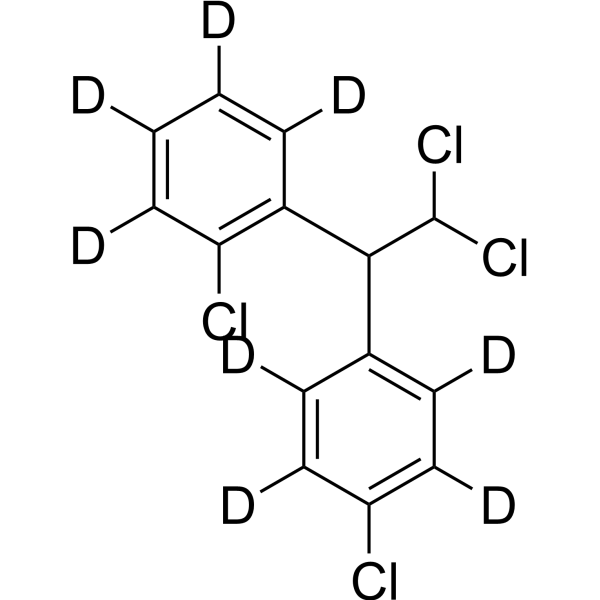
  • HY-13690S2

    2,4′-DDD-d8; o,p'-DDD-d8

    Apoptosis Cancer
    Mitotane-d8 is the deuterium labeled Mitotane . Mitotane (2,4′-DDD), an isomer of DDD and derivative of dichlorodiphenyltrichloroethane (DDT), is an antineoplastic agent, can be used to research adrenocortical carcinoma. Mitotane exert its adrenocorticolytic effect at least in part through lipotoxicity induced by intracellular free cholesterol (FC) accumulation. Mitotane can have direct pituitary effects on corticotroph cells. Mitotane can induce CYP3A4 gene expression via steroid and xenobiotic receptor (SXR) activation, and has agent-agent interactions .
    Mitotane-d8
  • HY-P2740C

    Endogenous Metabolite Metabolic Disease
    Alcohol Dehydrogenase(NADP+ dependent), Thermoanaerobium brockii (EC 1.1.1.2) is involved in the reduction of biogenic and xenobiotic aldehydes and is present in virtually every tissue.
    Alcohol Dehydrogenase(NADP+ dependent), Thermoanaerobium brockii
  • HY-N9348

    Others Metabolic Disease Cancer
    Glucoraphenin, the predominant and orally active glucosinolate in radish sprouts, is hydrolyzed by myrosinase to sulforaphene that is implicated to exert anticancerogenic effects. Glucoraphenin induces xenobiotic metabolizing enzymes (XMEs) .
    Glucoraphenin
  • HY-P2961A

    Glutathione S-transferase Metabolic Disease
    Glutathione-S-Transferase, Rat (EC 2.5.1.18) comprises a family of eukaryotic and prokaryotic phase II metabolic isozymes best known for their ability to catalyze the conjugation of the reduced form of glutathione (GSH) to xenobiotic substrates for the purpose of detoxification.
    Glutathione-S-Transferase, Rat

Consulta en línea

Your information is safe with us. * Required Fields.

Saludo


Country or Region *

Nombre del solicitante *


Nombre de la Organizaciòn *

Department *


Direcciòn del E-mail *


Nombre del producto *

Cat. No.


Requested quantity *

Número de teléfono *


Observaciones

Consulta en línea

Inquiry Information

Nombre del producto:
Cat. No.:
Cantidad:
MCE Japan Authorized Agent:

