



Infection
-
Infection Related Products (18547)
Related Products (18547)

-
Antibodies (22)
-
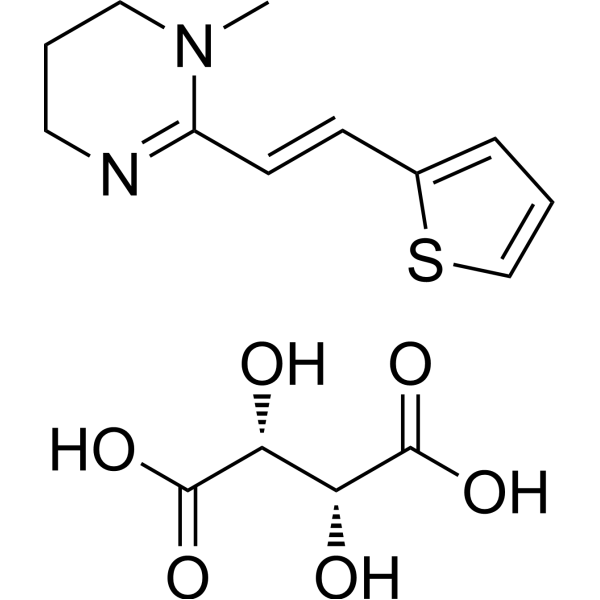
Pyrantel tartrate
 0 Images
Pyrantel tartrate is an orally active antiparasitic agent. Pyrantel tartrate induces spastic paralysis in parasites via actions on neural and muscular cholinergic receptors as a nicotinic acetylcholine receptor (nAChR) agonist. Pyrantel tartrate eliminates both immature and mature endoparasites in horses. Pyrantel tartrate can be used in research related to parasitic infections.
-
PACE4 Inhibitory peptide C23
 0 ImagesSynonyms: Ac-(DLeu)LLLRVK-Amba
PACE4 Inhibitory peptide C23 (Compound C23; Ac-(DLeu)LLLRVK-Amba)), a potent peptidomimetic inhibitor, is a PACE4 inhibitor. PACE4 Inhibitory peptide C23e shows antiproliferative effects against PCa cell lines (Ki = 5 nM; IC50 = 25 and 40 μM for DU145 and LNCaP, respectively). PACE4 Inhibitory peptide C23 also blocks tumor growth in vivo in LNCaP xenograft-bearing mice.
-
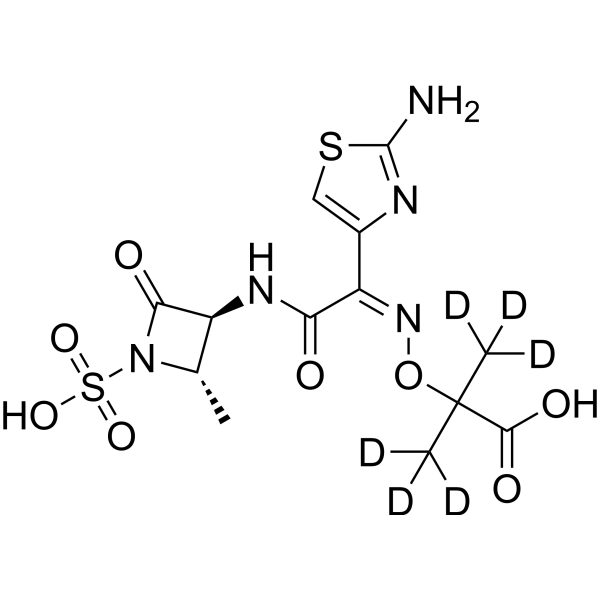
Aztreonam-d6
 0 ImagesSynonyms: SQ-26,776-d6
Aztreonam-d6 is deuterium labeled Aztreonam. Aztreonam (SQ-26,776) is a synthetic monocyclic beta-lactam antibiotic, which has a very high affinity for penicillin-binding protein 3 (PBP-3).
-
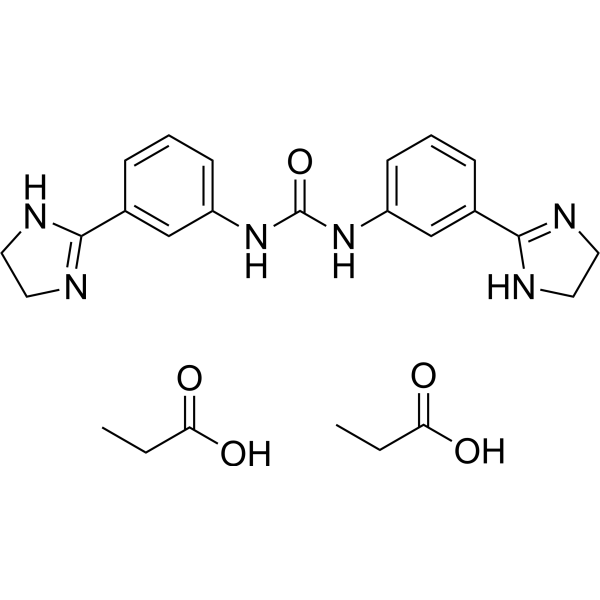
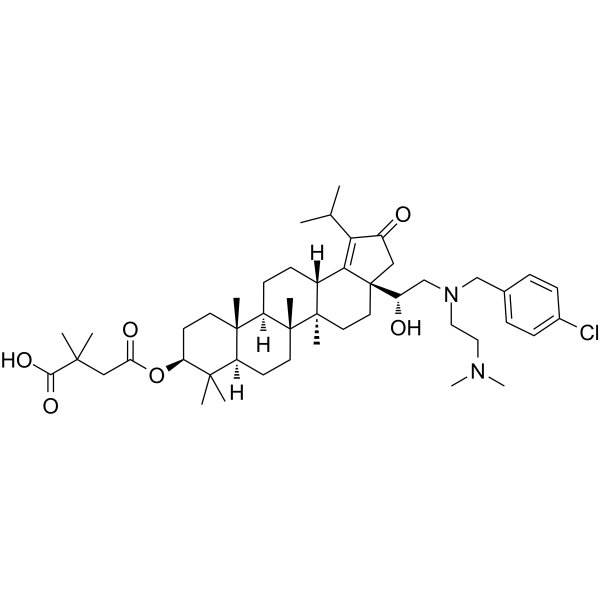
GSK2838232
 0 Images
GSK2838232 inhibit HIV reverse transcriptase activity across a broad panel of HIV-1 isolates, extracted from patent WO/2013090664A1, compound51.
-
α-Lipoic Acid (Standard)
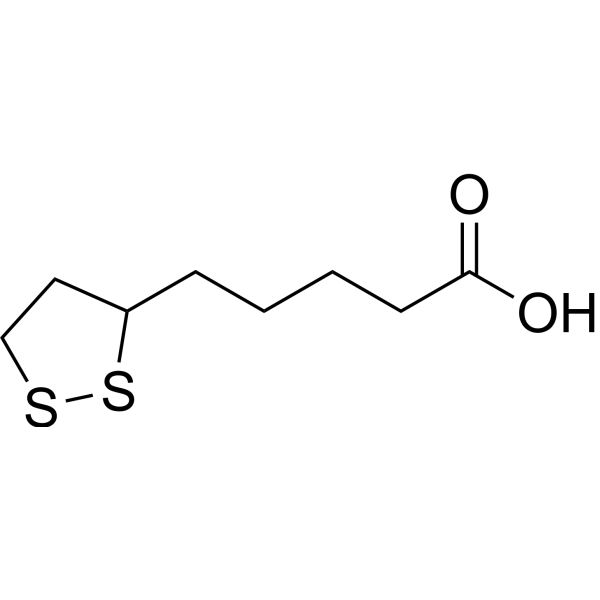 0 ImagesSynonyms: Thioctic acid (Standard); (±)-α-Lipoic acid (Standard); DL-α-Lipoic acid (Standard)
α-Lipoic Acid (Standard) is the analytical standard of α-Lipoic Acid. This product is intended for research and analytical applications. α-Lipoic Acid (Thioctic acid) is an antioxidant, which is an essential cofactor of mitochondrial enzyme complexes. α-Lipoic Acid inhibits NF-κB-dependent HIV-1 LTR activation. α-Lipoic Acid induces endoplasmic reticulum (ER) stress-mediated apoptosis in hepatoma cells. α-Lipoic Acid can be used with CPUL1 (HY-151802) to construct the self-assembled nanoaggregate CPUL1-LA NA, which has improved antitumor efficacy than CPUL1.
-
9-Hydroxycalabaxanthone
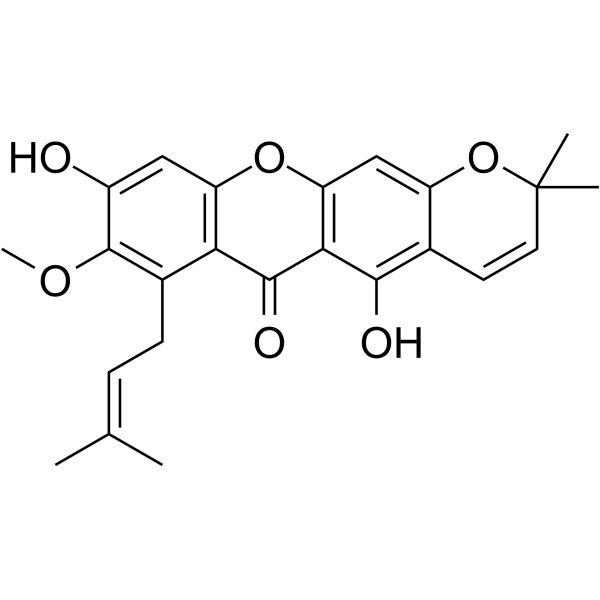 0 ImagesSynonyms: Xanthone I
9-Hydroxycalabaxanthone (Xanthone I) is a known xanthone isolated from Garcinia mangostana Linn. 9-Hydroxycalabaxanthone has quorum-sensing inhibitory, anti-microbial, and anti-malarial activities (IC50=1.2-1.5 μM).
-
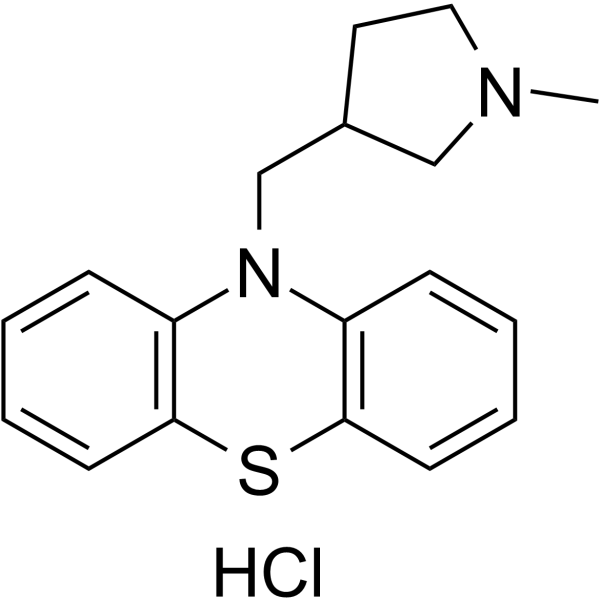
Methdilazine hydrochloride
 0 Images
Methdilazine hydrochloride is an orally active antibiotic (histamine antagonist). Methdilazine hydrochloride can inhibit various mycobacterium with MIC values at 5-15 μg/mL in vitro and in vivo, which can be used for the research of infectious diseases.
-
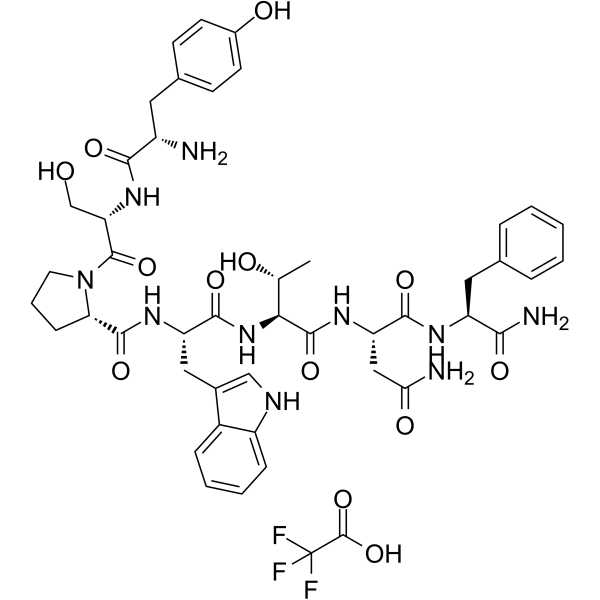
RNAIII-inhibiting peptideTFA
 0 Images
RNAIII-inhibiting peptide(TFA) is a potent inhibitor of Staphylococcus aureus, effective in the diseases such as cellulitis, keratitis, septic arthritis, osteomylitis and mastitis.
-
Ganciclovir-d5
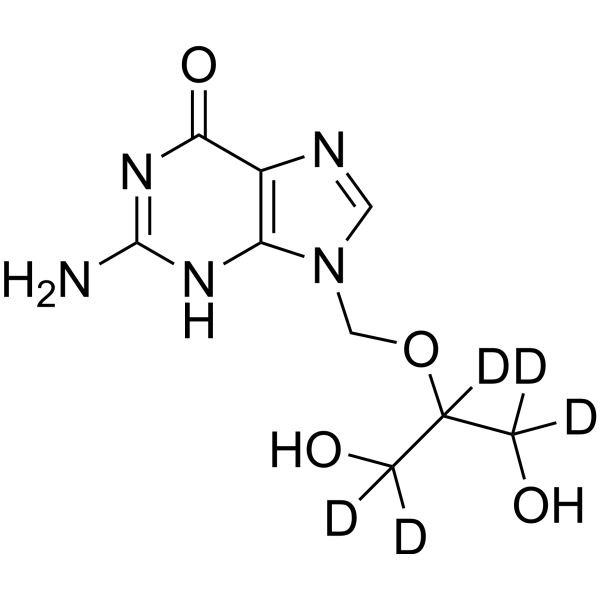 0 ImagesSynonyms: BW 759-d5; 2'-Nor-2'-deoxyguanosine-d5
Ganciclovir-d5 is the deuterium labeled Ganciclovir. Ganciclovir (BW 759), a nucleoside analogue, is an orally active antiviral agent with activity against CMV. Ganciclovir also has activity in vitro against members of the herpes group and some other DNA viruses. Ganciclovir inhibits the in vitro replication of human herpes viruses (HSV 1 and 2, CMV) and adenovirus serotypes 1, 2, 4, 6, 8, 10, 19, 22 and 28. Ganciclovir has an IC50 of 5.2 μM for feline herpesvirus type-1 (FHV-1).
-
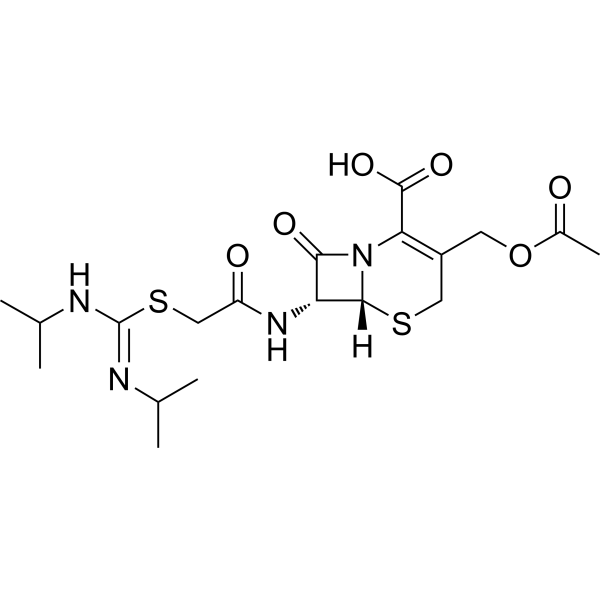
Cefathiamidine
 0 Images
Cefathiamidine is a first-generation cephalosporin antibacterial agent and is used to treat infections caused by susceptible bacteria. Cefathiamidine exhibits a wide spectrum of antimicrobial activity against bacteria. Cefathiamidine is used for the treatment of respiratory, liver, five senses, urinary tract infections, endocarditis and sepsis.
-
AH-D peptide
 0 ImagesCat. No.: HY-P10862Purity: 99.32%
AH-D peptide is a brain-penetrant antiviral agent disrupting highly curved lipid membranes. AH-D peptide exhibits broad-spectrum antiviral activity against ZIKV, Dengue virus, Chikungunya virus, yellow fever virus and Japanese encephalitis virus, with
IC50 values of 11.9, 12.5, 35.7, 206 and 136 nM, respectively. AH-D peptide reduces the viral load in the brain, suppresses inflammation, protects neurons, and does not damage the blood brain barrier. AH-D peptide restores antitumor immunity by decreasing circulating PD-L1+ exosomes, reducing intratumoral immunosuppressive cells (regulatory T cells, myeloid-derived suppressor cells), and enhancing T cell function. AH-D peptide inhibits membrane-enveloped viruses and cancer cell metastasis in vivo. AH-D peptide exhibits no immunogenicity and has negligible effects on normal tissues. AH-D peptide can be used for research in Zika virus and other mosquito-borne viruses, cancer immunotherapy and metastasis.
-
Cefazedone
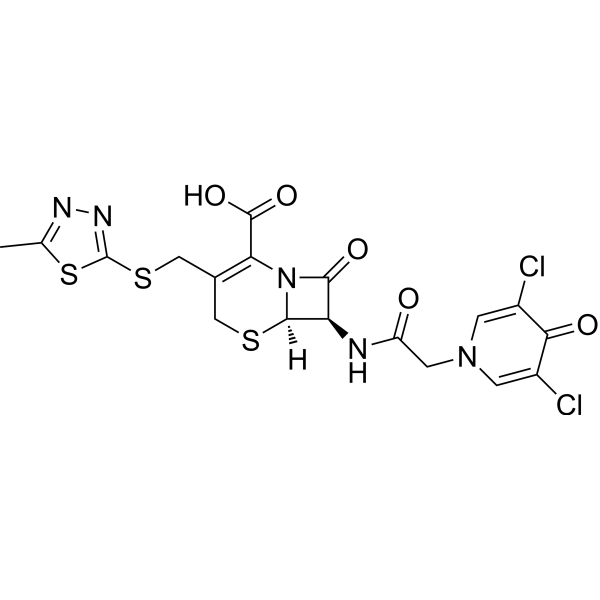 0 ImagesSynonyms: Refosporen
Cefazedone (Refosporen) is a first-generation cephalosporin antibiotic. Cefazedone is active against both Gram-positive and Gram-negative bacteria.
-
Derquantel
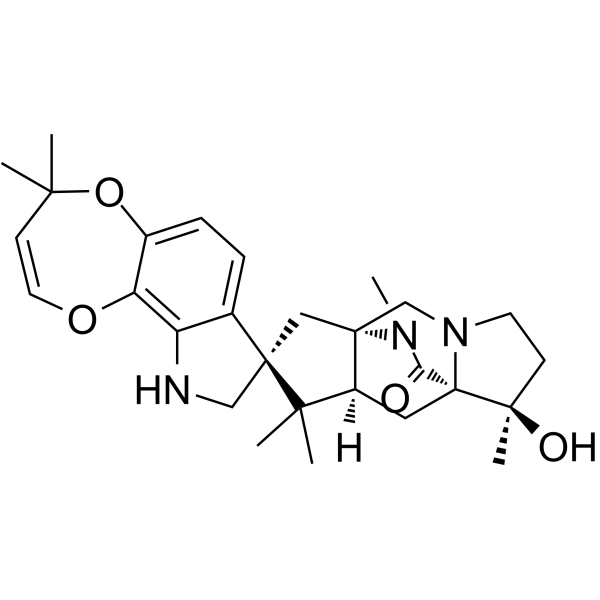 0 ImagesSynonyms: PF-00520904
Derquantel, a spirocyclic anthelmintic, is a competitive, orally active nicotinic acetylcholine receptor (nAChR) antagonist. Derquantel inhibits ACh-induced depolarization with an IC50 of 0.22 μM. By selectively antagonizing nAChRs on the somatic muscles of nematodes, Derquantel causes flaccid paralysis of muscles, thereby dislodging parasites from the host's gastrointestinal tract. Derquantel is applicable to research related to Haemonchus contortus infection and Ascaris suum infection.
-
Anti-virus agent 1
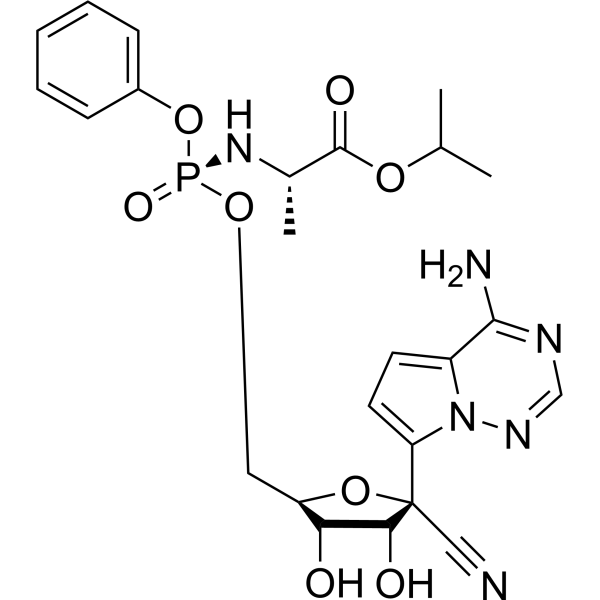 0 ImagesSynonyms: Remdesivir isopropyl ester analog
-
Delamanid-d4
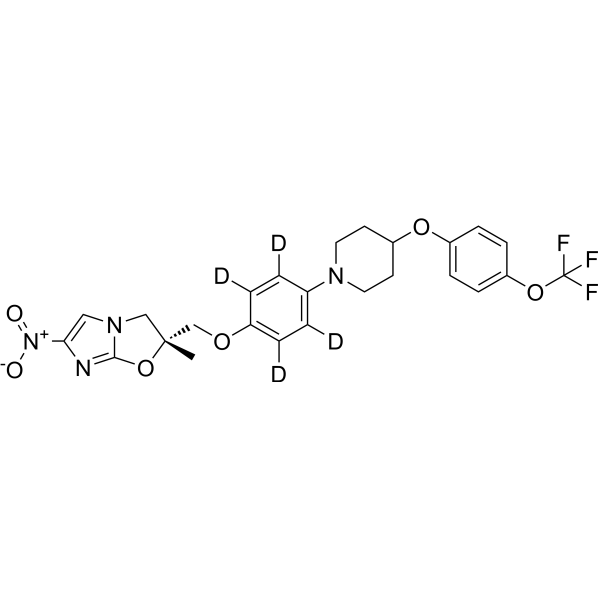 0 ImagesSynonyms: OPC-67683-d4
Delamanid-d4 is the deuterium labeled Delamanid. Delamanid, a newer?mycobacterial cell wall synthesis ?inhibitor, inhibits the synthesisi of mucolic acids.
-
TAT acetate
 0 ImagesCat. No.: HY-P0281BPurity: 98.66%Synonyms: TAT(47-57) acetate; HIV-1 TAT protein (47-57) acetate
TAT (TAT(47-57)) acetate is derived from the transactivator of transcription (TAT) of human immunodeficiency virus-1 (HIV-1) and is a cell-penetrating peptide. TAT acetate can increase the yields and the solubility of heterologous proteins.
-
HSV-gB2 (498-505)
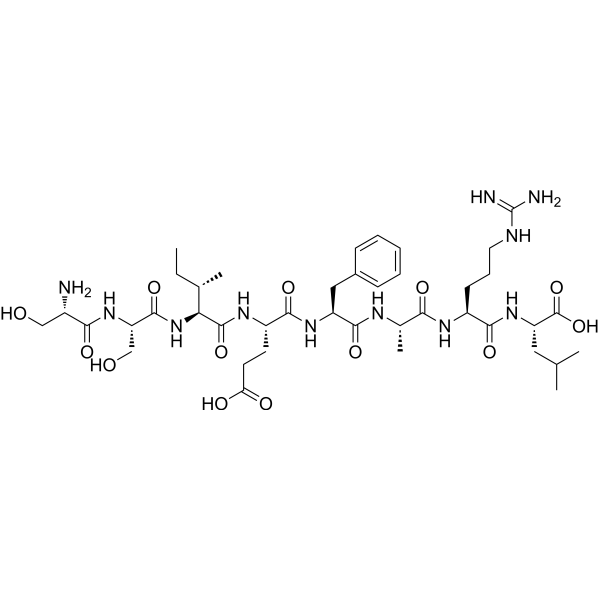 0 Images
HSV-gB2 (498-505) is an immunodominant epitope from herpes simplex virus (HSV) glycoprotein B residues 498-505, acts as H-2Kb-restricted and HSV-1/2-cross-reactive cytotoxic T-lymphocyte (CTL) recognition epitope.
-
Psoralenoside
 0 Images
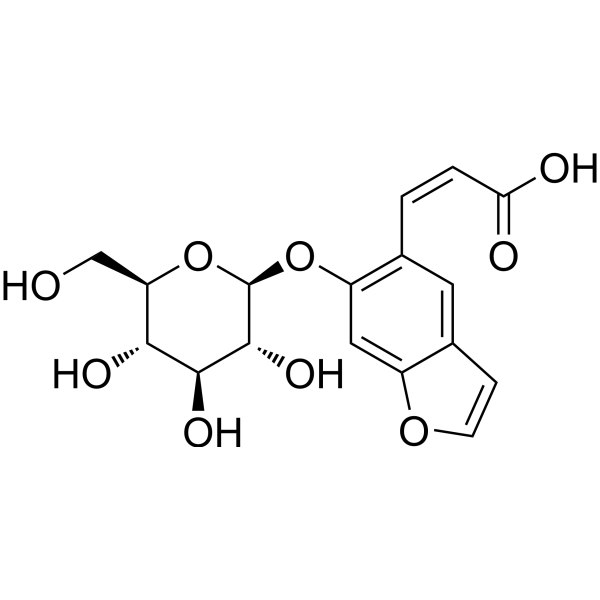
Psoralenoside is an orally active benzofuran glycoside. Psoralenoside is isolated from the fruits of Psoralea corylifolia. As a metabolite precursor, Psoralenoside undergoes deglycosylation by intestinal flora to form Psoralen (HY-N0053). Psoralenoside is applicable to research related to cancer and bacterial infections.
-
M62812
 0 Images
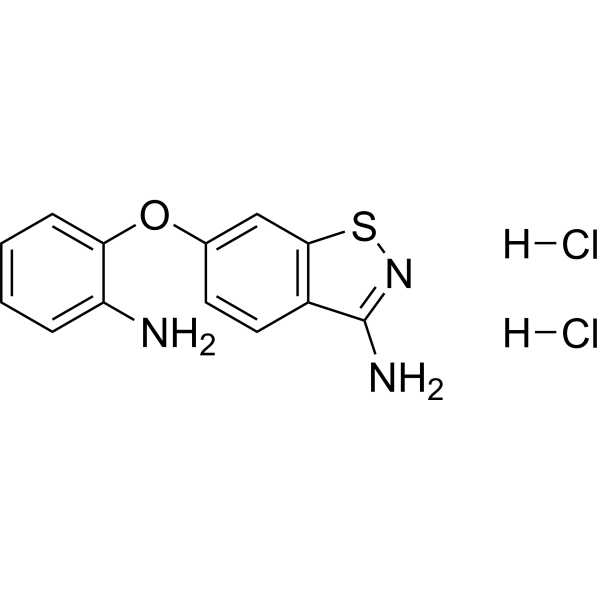
M62812 is a toll-like receptor 4 (TLR4) signaling inhibitor. M62812 inhibits endothelial and leukocyte activation and prevents lethal septic shock in mice. M62812 can reduces LPS-induced coagulation and inflammatory responses. M62812 can be used for the research of sepsis.




