Amyloid-β
β-amyloid peptide; Aβ; Abeta
Amyloid-β (Aβ) denotes peptides of 36–43 amino acids that are crucially involved in Alzheimer's disease as the main component of theamyloid plaques found in the brains of Alzheimer patients. The peptides result from the amyloid precursor protein (APP), which is being cut by certain enzymes to yield Aβ. Amyloid-β molecules can aggregate to form flexible soluble oligomers which may exist in several forms. Amyloid-β peptide is due to overproduction of Aβ and/or the failure of clearance mechanisms. Amyloid-β self-aggregates into oligomers, which can be of various sizes, and forms diffuse and neuritic plaques in the parenchyma and blood vessels. Amyloid-β oligomers and plaques are potent synaptotoxins, block proteasome function, inhibit mitochondrial activity, alter intracellular Ca2+levels and stimulate inflammatory processes. Loss of the normal physiological functions of Aβ is also thought to contribute to neuronal dysfunction.
All Product Categories
-
Amyloid-β Inhibitors
(467)
View all products
-
Amyloid-β Agonists
(2)
View all products
-
Amyloid-β Antagonists
(5)
View all products
-
Amyloid-β Activators
(5)
View all products
-
Amyloid-β Modulators
(4)
View all products
-
Amyloid-β Chemicals
(7)
View all products
-
Amyloid-β Inducers
(5)
View all products
-
Amyloid-β Degraders
(6)
View all products
-
Amyloid-β Controls
(3)
View all products
-
Amyloid-β Substrate
(1)
View all products
-
Amyloid-β Ligands
(11)
View all products
-
Amyloid-β Related Products (743)
Related Products (743)

-
Antibodies (9)
-
Fustin
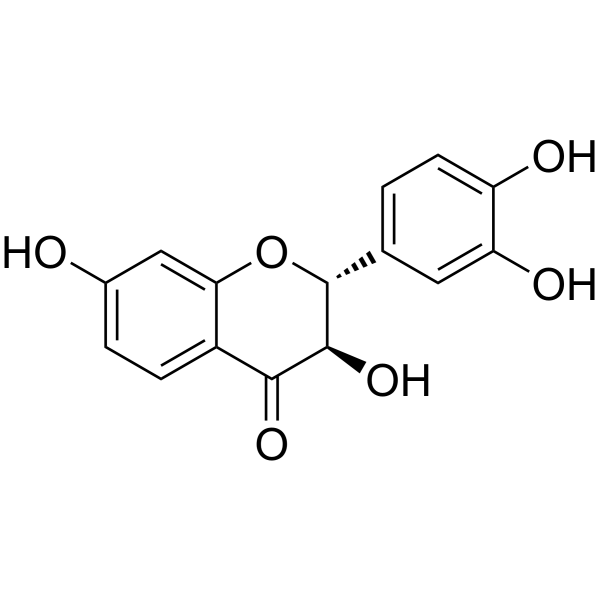 0 ImagesSynonyms: (±)-Fustin; 3,7,3',4'-TetrahydroxyflavanoneFustinis ((±)-Fustin; 3,7,3',4'-Tetrahydroxyflavanone) is a potent amyloid β (Aβ) inhibitor. Fustinis ((±)-Fustin; 3,7,3',4'-Tetrahydroxyflavanone) increases the expression of acetylcholine (ACh) levels, choline acetyltransferase (ChAT) activity, and ChAT gene induced by Aβ (1-42). Fustinis ((±)-Fustin; 3,7,3',4'-Tetrahydroxyflavanone) decreases in acetyl cholinesterase (AChE) activity and AChE gene expression induced by Aβ (1-42). Fustinis ((±)-Fustin; 3,7,3',4'-Tetrahydroxyflavanone) increases muscarinic M1 receptor gene expression and muscarinic M1 receptor binding activity. Fustinis ((±)-Fustin; 3,7,3',4'-Tetrahydroxyflavanone) can be used for Alzheimer's disease research.
-
Thiethylperazine
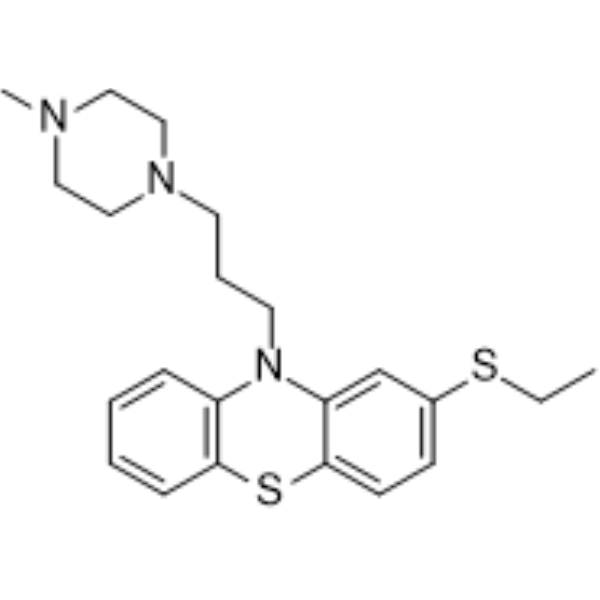 0 ImagesThiethylperazine, a phenothiazine derivate, is an orally active and potent dopamine D2-receptor and histamine H1-receptor antagonist. Thiethylperazine is also a selective ABCC1activator that reduces amyloid-β (Aβ) load in mice. Thiethylperazine has anti-emetic, antipsychotic and antimicrobial effects.
-
5-O-Methylvisammioside
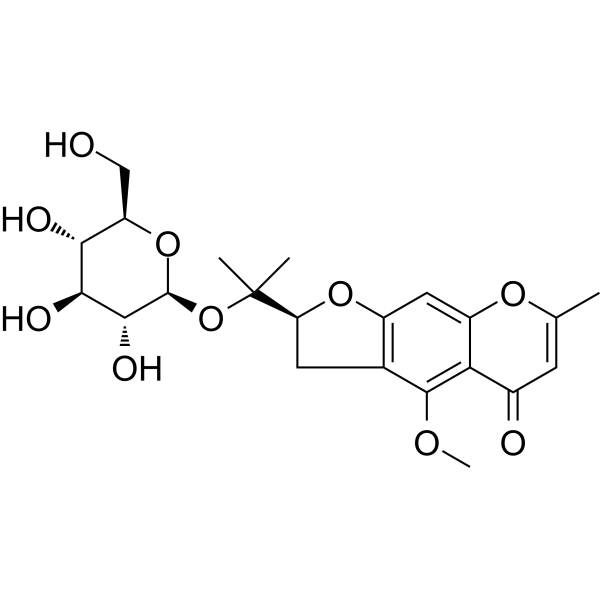 0 ImagesSynonyms: 4'-O-β-D-Glucosyl-5-O-methylvisamminol5-O-Methylvisammioside (4'-O-β-D-Glucosyl-5-O-methylvisamminol) is an orally active natural chromone glycoside and multiple biological activities. 5-O-Methylvisammioside inhibits ferroptosis by activating the Nrf2/HO-1 signaling axis. 5-O-Methylvisammioside alleviates intestinal barrier damage by inhibiting the ROS/NF-κB/NLRP3 pathway. 5-O-Methylvisammioside exerts a protective effect against acute liver injury by reducing ALT/AST, decreasing inflammatory infiltration, and inhibiting IκB-α phosphorylation and NF-κB nuclear translocation. 5-O-Methylvisammioside blocks the HMGB1/RAGE/MEK/ERK signaling axis to exert anti-tumor and anti-angiogenic effects. 5-O-Methylvisammioside improves depression-like behaviors by inhibiting Src kinase and the NF-κB pathway.
-
Anselamimab
 0 ImagesSynonyms: CAEL-101Anselamimab (CAEL-101) is a chimeric monoclonal antibody for systemic light chain (AL) amyloidosis. Anselamimab can promote phagocytic destruction and subsequent clearance of amyloid deposits. Anselamimab can be used in the research of amyloidosis.
-
Semax
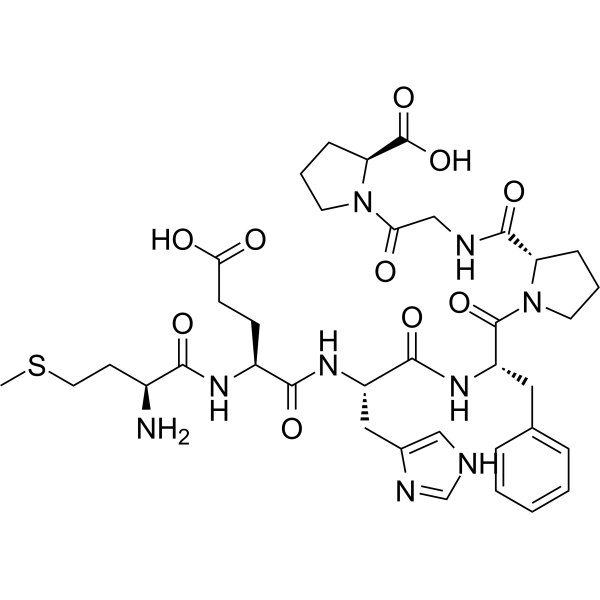 0 ImagesSemax is a BBB-penetrable adrenocorticotropic hormone-like peptide and can form stable complexes with Cu2+. Semax is a synthetic peptide analog of Adrenocorticotropic hormone (ACTH) (4-10). Semax has immunomodulatory, nootropic and neuroprotective activities. Semax can be used in the research of central nervous system diseases such as Alzheimer's disease and cerebral ischemia.
-
Oligopeptide P11-4
 0 ImagesOligopeptide P11-4 is an α-peptide that can be self-assembled into β-sheet amyloids with a hydrogel appearance at low pH. Oligopeptide P11-4 can be used in biomimetic mineralization, enamel regeneration and oral care agent.
-
10-Undecenoic acid,98% (stabilized with TBC)
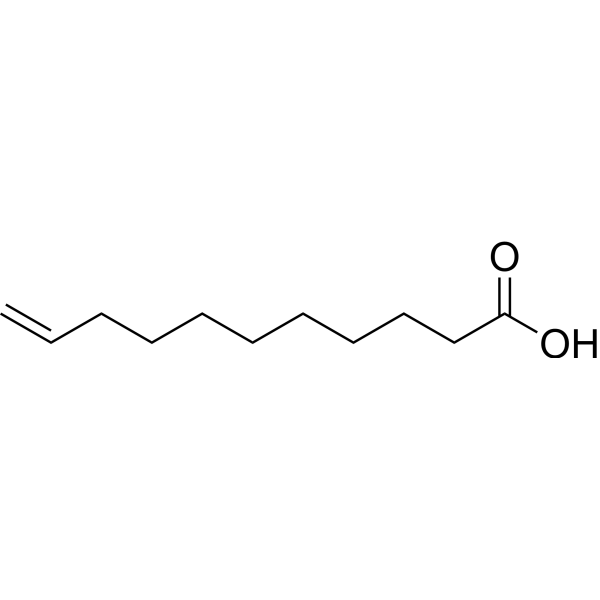 0 Images10-Undecenoic acid (Undecylenic acid) is an antifungal agent. 10-Undecenoic acid inhibits Aβ oligomerization, scavenges ROS and inhibits μ-calpain activity. 10-Undecenoic acid has neuroprotective effects. 10-Undecenoic acid has anticancer effects on a variety of tumors. 10-Undecenoic acid inhibits C. albicans biofilm formation and MRSA infection. 10-Undecenoic acid inhibits quorum sensing signals of Bacillus subtilis and Pseudomonas aeruginosa.
-
Carbenoxolone
 0 ImagesCarbenoxolone is a blood-brain barrier-permeable Pannexin1 inhibitor, gap junction (Gap junction) blocker, and β-amyloid 42 inhibitor. Carbenoxolone modulates voltage-gated currents of wild-type and mutant Panx1, and inhibits stimulus-activated Panx1 channel function. Carbenoxolone interacts with stable residues of β-amyloid 42 peptides, fibrils and oligomers, thereby inhibiting their aggregation. Carbenoxolone alleviates liver fibrosis. Carbenoxolone exerts neuroprotective and nootropic effects. Carbenoxolone can be used in studies related to Alzheimer's disease and liver fibrosis.
-
Negletein
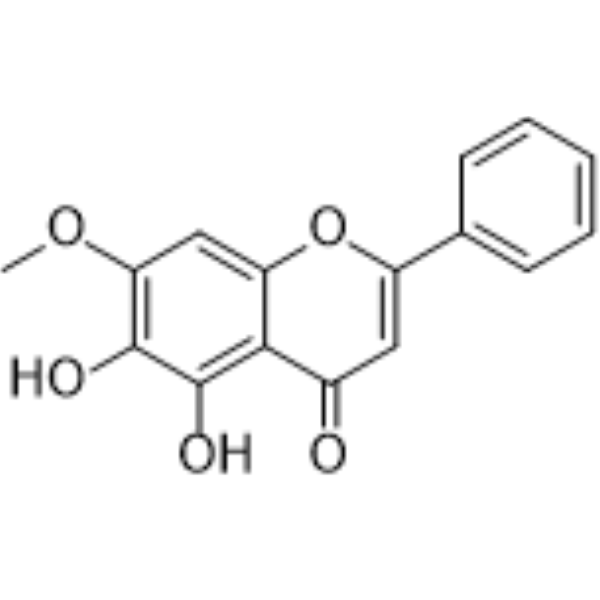 0 ImagesSynonyms: 5,6-Dihydroxy-7-methoxyflavoneNegletein (5,6-Dihydroxy-7-methoxyflavone) is a flavone found in Scutellaria. Negletein shows anti-inflammatory activity via inhibiting TNF-α and IL-1β with IC50 values of 16.4 and 6.4 μM, respectively. Negletein can activate Nrf2 and inhibit ROS production. Negletein can enhance the neuroprotective effect of nerve growth factor. Negletein can inhibit amyloid beta-peptide release and accumulation. Negletein can inhibit pathogens biofilms formation. Negletein can be used for the researches of cancer, infection, inflammation and neurological disease, such as colon cancer and Alzheimer's disease.
-
JNJ-40418677
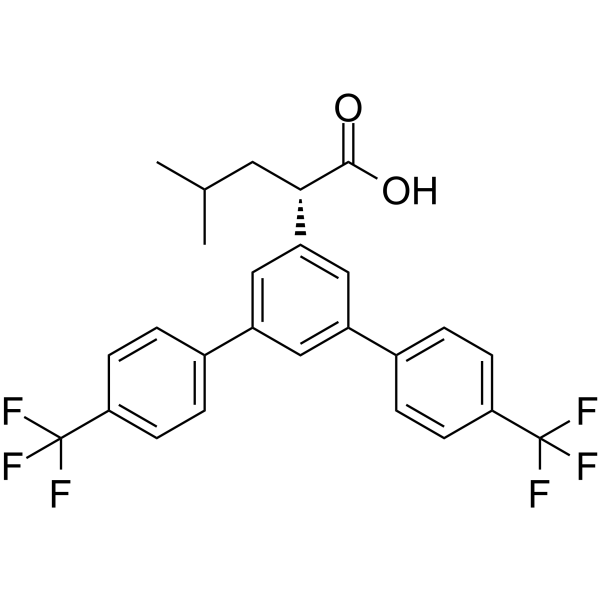 0 ImagesJNJ-40418677 is an orally active modulator of γ-secretase, can cross the blood-brain barrier. JNJ-40418677 inhibits Aβ42 and NS2B-NS3 protease, with IC50s of 200 nM and 3.9 μM, respectively. JNJ-40418677 displays good biological tolerance, can be use for Alzheimer’s disease research.
-
Valiltramiprosate
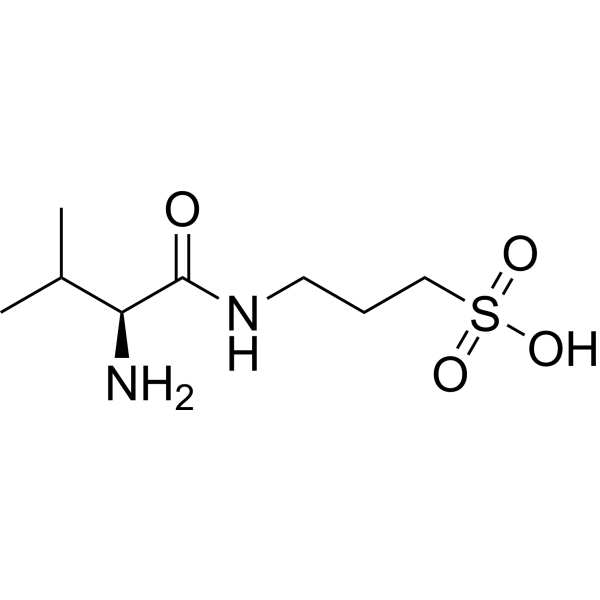 0 ImagesSynonyms: ALZ-801ALZ-801 is a potent and orally available small-molecule β-amyloid (Aβ) anti-oligomer and aggregation inhibitor, valine-conjugated proagent of Tramiprosate with substantially improved PK properties and gastrointestinal tolerability compared with the parent compound. ALZ-801 is an advanced and markedly improved candidate for the treatment of alzheimer’s disease.
-
Crenezumab
 0 ImagesSynonyms: MABT 5102A; RG 7412Crenezumab (MABT 5102A; RG 7412) is a fully humanized anti-Aβ monoclonal antibody that binds multiple forms of Aβ, such as soluble, oligomeric and fibrillar, for use in Alzheimer's disease research.
-
TFEB activator 2
 0 ImagesTFEB activator 2 is an orally active compound that can cross the blood-brain barrier. TFEB activator 2 can bind to the dopamine transporter (DAT). TFEB activator 2 promotes TFEB nuclear translocation and lysosome biogenesis by targeting the DAT-CDK9-TFEB pathway. TFEB activator 2 has neuroprotective activity and can be used in the research of Alzheimer's disease and other diseases.
-
PHF6 TFA
 0 ImagesCat. No.: HY-P4808APurity: 99.45%PHF6 (VQIVYK) TFA is a self-assembly sequence capable of initiating the full-length tau protein aggregation. PHF6 TFA is mapped to the third microtubule-binding repeat region of the tau protein.
-
X-34
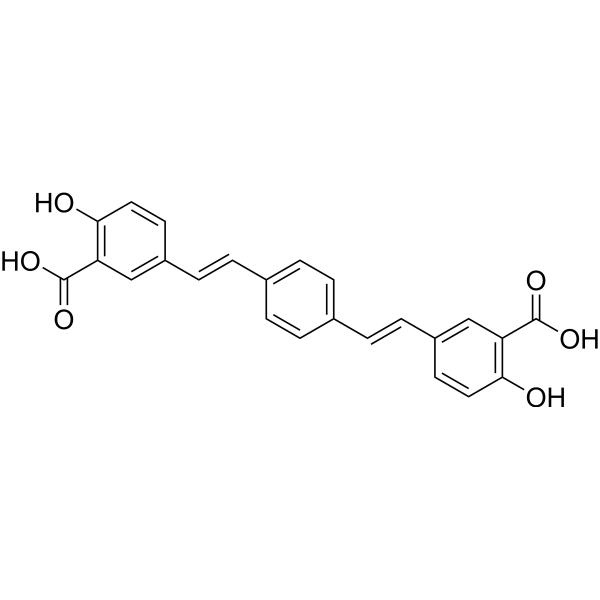 0 ImagesCat. No.: HY-125962CAS No.: 215294-98-7X-34 is a lipophilic and bright yellow-green fluorescent derivative of Congo red (HY-D0236). X-34 can be used to stain neuritic and diffuse plaques, neurofibrillary tangles (NFTs), neuropil threads, and cerebrovascular amyloid in the brain. X-34 can be used for research of Alzheimer’s disease.
-
SEN177
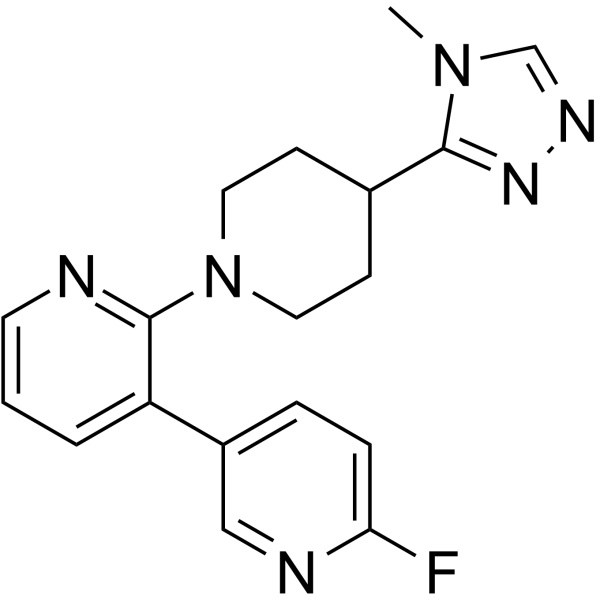 0 ImagesSEN177 is an orally effect glutamine cyclase (QC) inhibitor. The Ki of SEN177 for human glutamine cyclase (hQC) is 20 nM, and the IC50 is 13 nM. SEN177 interferes with the interaction between CD47 and SIRRPα, and has anti-tumor activity. SEN177 reduces aggregation and apoptosis caused by HTT mutation in Huntington model, and can be used in the study of neurodegenerative diseases.

-
Aftin-5
 0 ImagesAftin-5 is an inducer for Amyloid-β 42 (Aβ42). Aftin-5 upregulates Aβ42 and downregulates Aβ38 levels in a β-secretase- and γ-secretase-dependent manner by altering the ultrastructure of mitochondria. Aftin-5 exhibits slightly cytotoxicity in cell SH-SY5Y, HT22, N2a and N2a-AβPP695, with IC50s of 180, 194, 178 and 150 μM, respectively.
-
Benzenesulphonamide
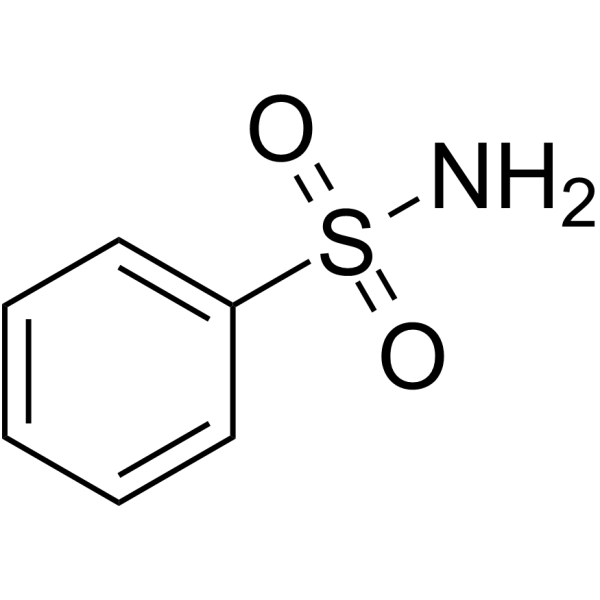 0 ImagesBenzenesulphonamide (Compound 1) is a carbonic anhydrase inhibitor. Benzenesulphonamide exhibits CA II inhibitory activity. Benzenesulphonamide reduces ROS and improves the gene expression of amyloid-β40 and 42. Benzenesulphonamide is beneficial for Alzheimer's disease. Benzenesulphonamide derivatives have anticancer, anti-inflammatory, and anticonvulsant activities. Benzenesulphonamide can be used in the research of Alzheimer's disease, epilepsy, inflammatory diseases, leukemia, melanoma, lung cancer, and colon cancer.