



Apoptosis
Apoptosis
Apoptosis is a distinctive form of cell death exhibiting specific morphological and biochemical characteristics, including cell membrane blebbing, chromatin condensation, genomic DNA fragmentation, and exposure of specific phagocytosis signaling molecules on the cell surface. Cells undergoing apoptosis differ from those dying through necrosis. Necrotic cells are usually recognized by the immune system as a danger signal and, thus, resulting in inflammation; in contrast, apoptotic death is quiet and orderly.
There are two major pathways of apoptotic cell death induction: The intrinsic pathway, also called the Bcl-2-regulated or mitochondrial pathway, is activated by various developmental cues or cytotoxic insults, such as viral infection, DNA damage and growth-factor deprivation, and is strictly controlled by the BCL-2 family of proteins. The extrinsic or death-receptor pathway is triggered by ligation of death receptors (members of the tumor necrosis factor (TNF) receptor family, such as Fas or TNF receptor-1 (TNFR1)) that contain an intracellular death domain, which can recruit and activate caspase-8 through the adaptor protein Fas-associated death domain (FADD; also known as MORT1) at the cell surface. This recruitment causes subsequent activation of downstream (effector) caspases, such as caspase-3, -6 or -7, without any involvement of the BCL-2 family.
Studies suggest that alterations in cell survival contribute to the pathogenesis of a number of human diseases, including cancer, viral infections, autoimmune diseases, neurodegenerative disorders, and AIDS (acquired immunodeficiency syndrome). Treatments designed to specifically alter the apoptotic threshold may have the potential to change the natural progression of some of these diseases.
All Product Categories
-
Apoptosis Inhibitors
(866)
View all products
-
Apoptosis Agonists
(7)
View all products
-
Apoptosis Antagonists
(9)
View all products
-
Apoptosis Activators
(356)
View all products
-
Apoptosis Modulators
(57)
View all products
-
Apoptosis Inducers
(7662)
View all products
-
Apoptosis Degrader
(1)
View all products
-
Apoptosis Controls
(33)
View all products
-
Apoptosis Related Products (9534)
Related Products (9534)

-
Antibodies (120)
-
Milademetan tosylate hydrate
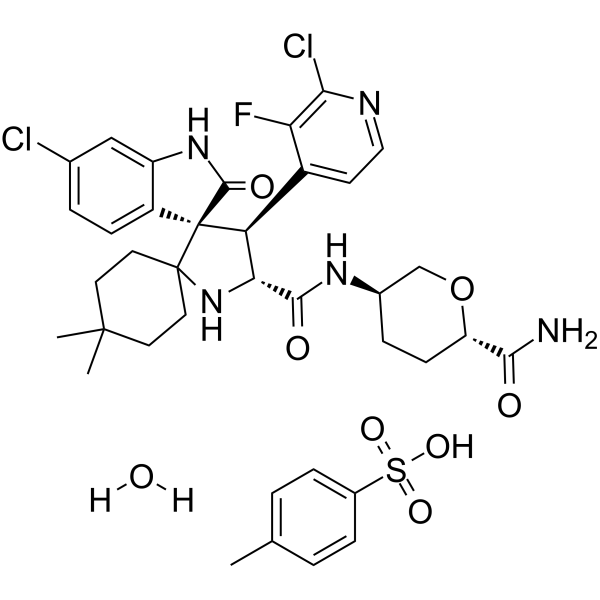 0 ImagesSynonyms: DS-3032b; DS-3032 tosylate hydrate
-
4-IBP
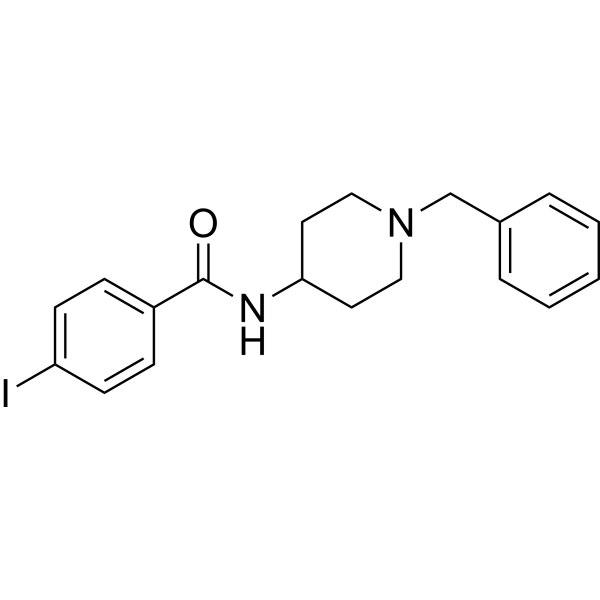 0 Images4-IBP is a selective σ₁ receptor agonist with high affinity for the σ₁ receptor (Ki =1.7 nM) and moderate affinity for the σ₂ receptor (Ki = 25.2 nM). 4-IBP can make cancer cells more sensitive to the cytotoxic effects of pro-apoptotic and pro-autophagic compounds. 4-IBP significantly reduces the migration ability of a variety of cancer cells. 4-IBP is mainly used in glioblastoma, non-small cell lung cancer and prostate cancer research.
-
Olanzapine-d3
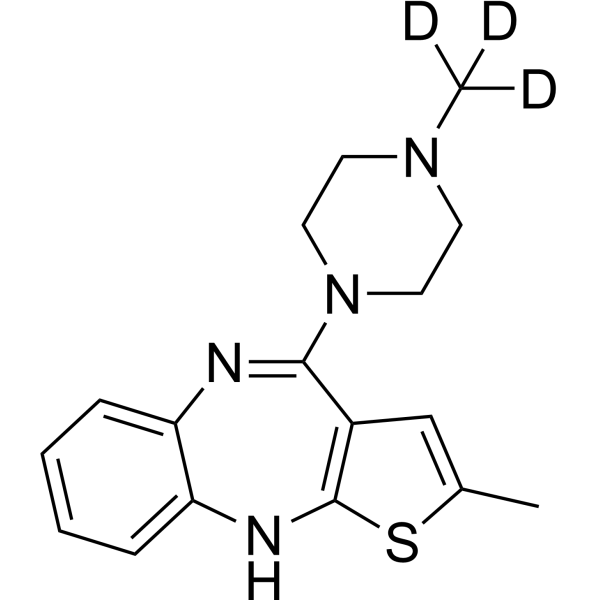 0 ImagesSynonyms: LY170053-d3Olanzapine-d3 (LY170053-d3) is the deuterium labeled Olanzapine. Olanzapine is a selective, orally active monoaminergic antagonist with high affinity binding to serotonin H1, 5HT2A/2C, 5HT3, 5HT6 (Ki=7, 4, 11, 57, and 5 nM, respectively), dopamine D1-4 (Ki=11 to 31 nM), muscarinic M1-5 (Ki=1.9-25 nM), and adrenergic α1 receptors (Ki=19 nM). Olanzapine is an atypical antipsychotic.
-
D-Mannitol-2-13C
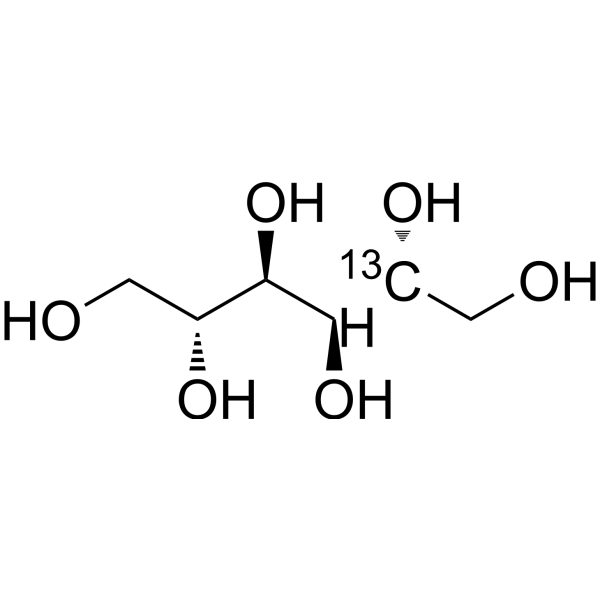 0 ImagesSynonyms: Mannitol-2-13C; Mannite-2-13CD-Mannitol-2-13C is the 13C labeled D-Mannitol (HY-N0378). D-Mannitol (Mannitol) is an oral, resistant sugar widely used in the food and pharmaceutical industries to promote the absorption and retention of calcium and magnesium through cecal fermentation, while acting as a osmotic diuretic to reduce tissue edema. D-Mannitol can enhance brown fat formation, improve insulin effect, reduce blood sugar levels, And through the start the β3-adrenergic receptor (β3-AR), PGC1α and PKA induced by means of white fat cells into brown fat cells. D-Mannitol is commonly used to maintain osmotic pressure between the plant cytoplasm and the culture medium and protect cells when the cell wall is weakened or even removed.
-
(-)-Epigallocatechin Gallate-d4
 0 ImagesCat. No.: HY-13653S1Synonyms: EGCG-d4; Epigallocatechol Gallate-d4(-)-Epigallocatechin Gallate-d4 (EGCG-d4) is the deuterium labeled (-)-Epigallocatechin Gallate (HY-13653). (-)-Epigallocatechin Gallate (EGCG) is a major polyphenol in green tea, which can inhibit cell proliferation and induce cell apoptosis. (-)-Epigallocatechin Gallate inhibits glutamate dehydrogenase 1/2 (GDH1/2, GLUD1/2) activity. (-)-Epigallocatechin Gallate has a potent anticancer, antioxidant and anti-inflammatory properties against various types of cancers such as colorectal cancer, myeloid leukemia, thyroid carcinoma.
-
Udonitrectag
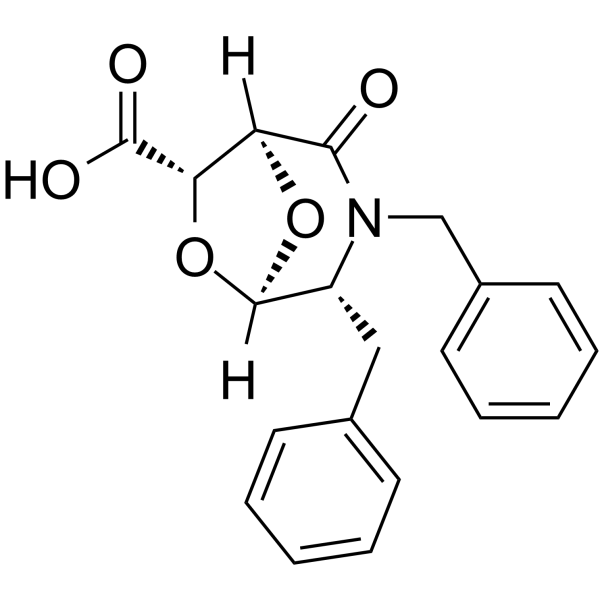 0 ImagesSynonyms: REC 0559Udonitrectag (REC 0559) is a nerve growth factor peptide mimetic and a TrkA receptor binder. Udonitrectag binds to the TrkA receptor, thereby mimicking anti-Apoptotic activity and corneal trophic activity. Udonitrectag promotes the healing of corneal epithelium and stroma. Udonitrectag is applicable to research related to neurotrophic keratitis.
-
Thalidomide-Propargyne-PEG1-COOH
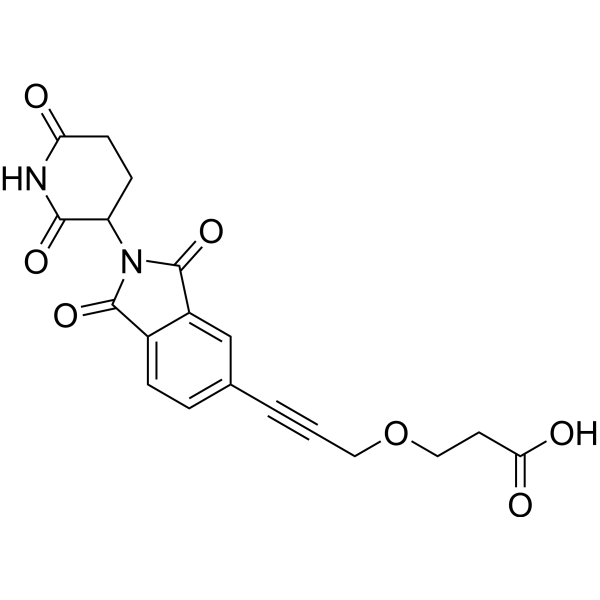 0 ImagesThalidomide-Propargyne-PEG1-COOH is a synthesized E3 ligase ligand-linker conjugate that incorporates the Thalidomide based cereblon ligand and a linker used in PROTAC technology. Thalidomide-Propargyne-PEG1-COOH is a click chemistry reagent, it contains an Alkyne group and can undergo copper-catalyzed azide-alkyne cycloaddition (CuAAc) with molecules containing Azide groups.
-
BRD4/CK2-IN-1
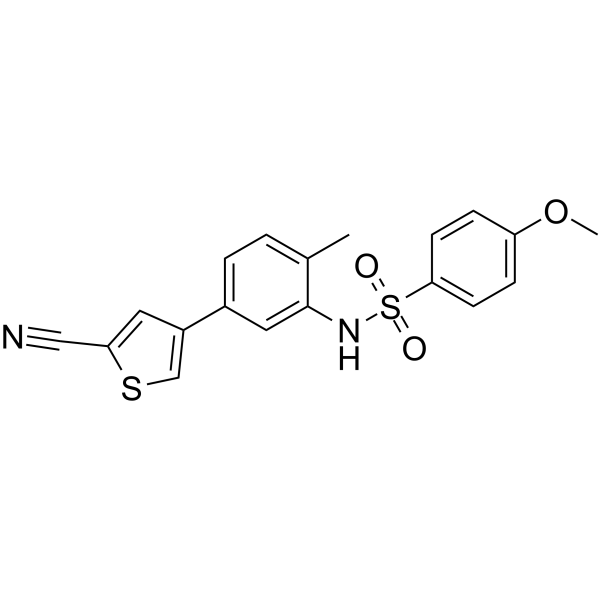
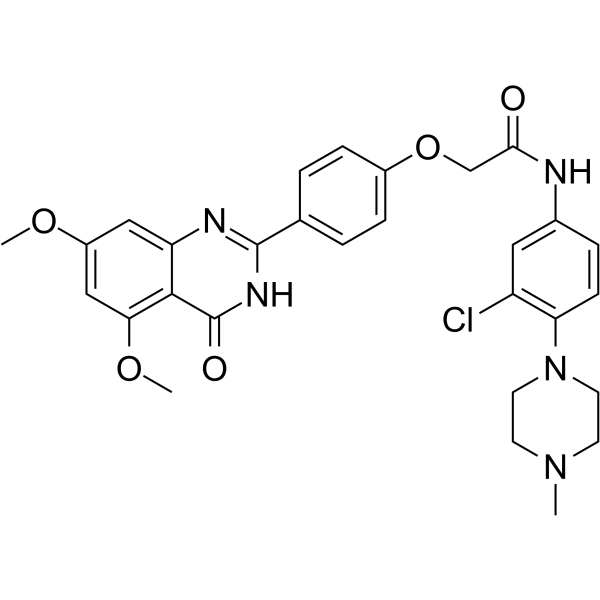 0 ImagesBRD4/CK2-IN-1 is the first highly effective and oral active dual-target inhibitor of BRD4/CK2 (bromodomain-containing protein 4/casein kinase 2), with IC50s of 180 nM and 230 nM for BRD4 and CK2, respectively. BRD4/CK2-IN-1 has strong anticancer activity without obvious toxicities. BRD4/CK2-IN-1 induces apoptosis and autophagy-associated cell death in triple-negative breast cancer (TNBC)
-
4-Hydroperoxy Cyclophosphamide-d4
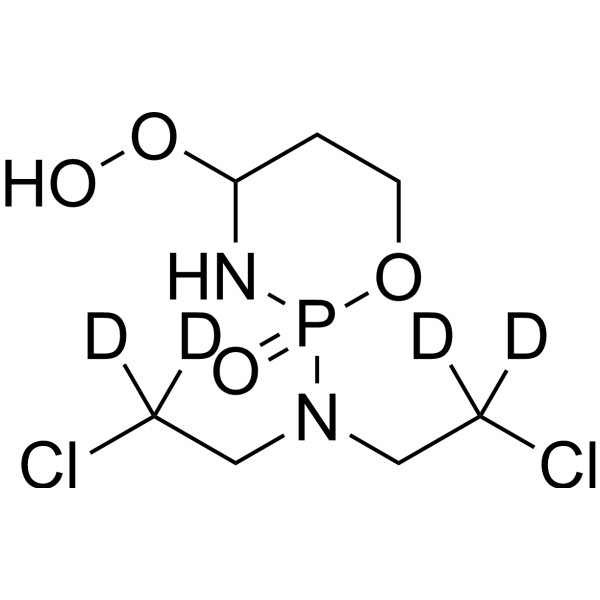 0 ImagesCat. No.: HY-117433SCAS No.: 1246816-71-64-Hydroperoxy Cyclophosphamide-d4 is the deuterium labeled 4-Hydroperoxy cyclophosphamide. 4-Hydroperoxy cyclophosphamide is the active metabolite form of the proagent Cyclophosphamide. 4-Hydroperoxy cyclophosphamide crosslinks DNA and induces T cell apoptosis independent of death receptor activation, but activates mitochondrial death pathways through production of reactive oxygen species (ROS). 4-Hydroperoxy cyclophosphamide has the potential for lymphomas and autoimmune disorders.
-
FD223
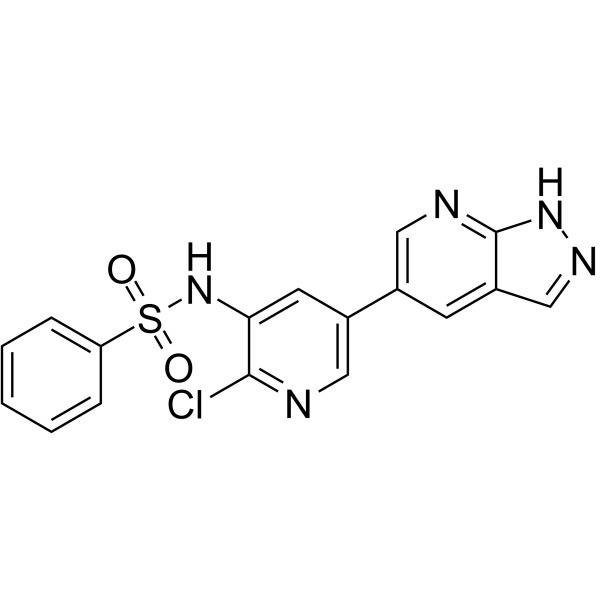 0 ImagesFD223 is a potent and selective phosphoinositide 3-kinase delta (PI3Kδ) inhibitor. FD223 displays high potency (IC50=1 nM) and good selectivity over other isoforms (IC50s of 51 nM, 29 nM and 37 nM, respectively for α, β and γ). FD223 exhibits efficient inhibition of the proliferation of acute myeloid leukemia (AML) cell lines by suppressing p-AKT Ser473 thus causing G1 phase arrest during the cell cycle. FD223 has potential for the research of leukemia such as AML.
-
Sotevtamab
 0 ImagesSynonyms: 16B5; AB-16B5
-
Flonoltinib TFA
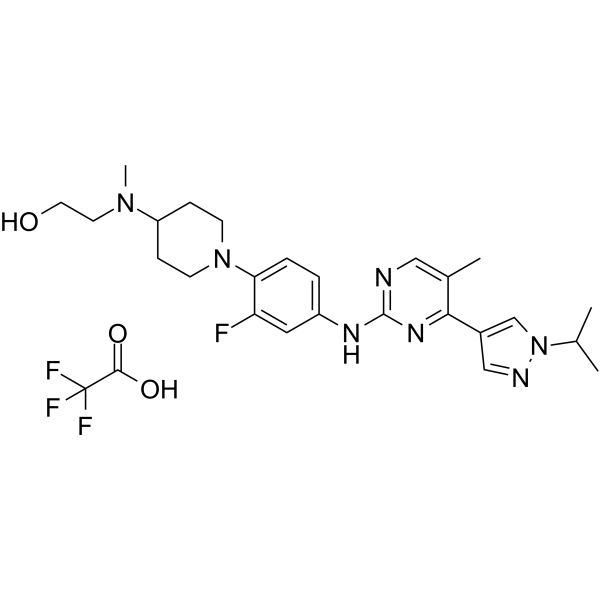 0 ImagesSynonyms: JAK2/FLT3-IN-1 TFA
-
MPT0B392
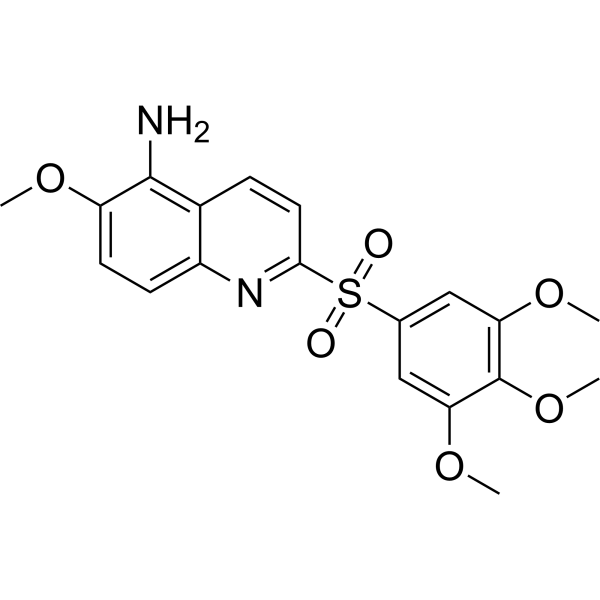 0 ImagesMPT0B392, an orally active quinoline derivative, induces c-Jun N-terminal kinase (JNK) activation, leading to apoptosis. MPT0B392 inhibits tubulin polymerization and triggers induction of the mitotic arrest, followed by mitochondrial membrane potential loss and caspases cleavage by activation of JNK and ultimately leads to apoptosis. MPT0B392 is demonstrated to be a novel microtubule-depolymerizing agent and enhances the cytotoxicity of sirolimus in sirolimus-resistant acute leukemic cells and the multidrug resistant cell line.
-
ζ-Stat trisodium
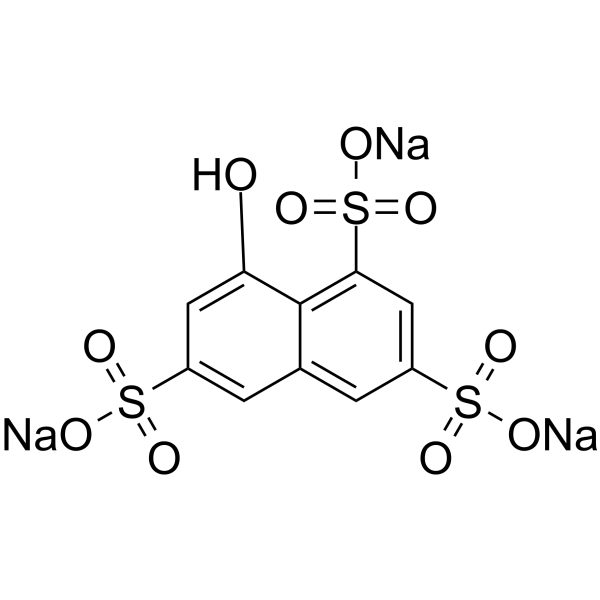 0 ImagesCat. No.: HY-123979ACAS No.: 31894-34-5Synonyms: NSC37044 trisodiumζ-Stat trisodium (NSC37044 trisodium) is a specific and atypical PKC-ζ inhibitor, with an IC50 of 5 μM. ζ-Stat trisodium can reduce melanoma cell lines proliferation and induce apoptosis, and has antitumor activity in vitro.
-
Domatinostat tosylate
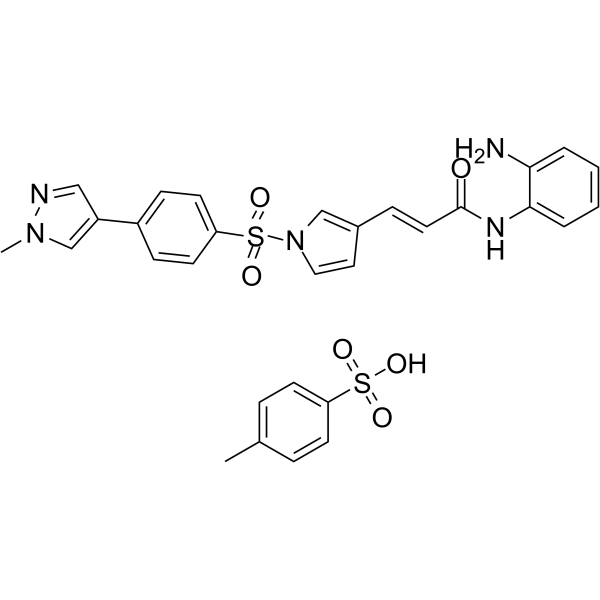 0 ImagesSynonyms: 4SC-202
-
Benufutamab
 0 ImagesSynonyms: GEN1029Benufutamab (GEN1029) is a death receptor 5 (DR5)-specific agonistic antibody. Benufutamab is a mixture of 2 noncompeting DR5-specific IgG1 antibodies, each with an E430G mutation in the Fc domain. Benufutamab has antitumor effects.
-
Tomuzotuximab
 0 ImagesSynonyms: Anti-Human EGFR Recombinant Antibody; CetuxiMab-GEX, GEXMab52201Tomuzotuximab (Anti-Human EGFR Recombinant Antibody) is a fully human glycoengineered IgG1 monoclonal antibody against EGFR. Tomuzotuximab has anticancer effects.




