



Bacterial
Anything that destroys bacteria or suppresses their growth or their ability to reproduce. Heat, chemicals such as chlorine, and antibiotic drugs all have antibacterial properties. Many antibacterial products for cleaning and handwashing are sold today. Such products do not reduce the risk for symptoms of viral infectious diseases in otherwise healthy persons. This does not preclude the potential contribution of antibacterial products to reducing symptoms of bacterial diseases in the home.
All Product Categories
-
Bacterial Inhibitors
(7424)
View all products
-
Bacterial Agonists
(3)
View all products
-
Bacterial Antagonists
(9)
View all products
-
Bacterial Activators
(23)
View all products
-
Bacterial Modulators
(20)
View all products
-
Bacterial Chemicals
(2)
View all products
-
Bacterial Inducers
(7)
View all products
-
Bacterial Controls
(14)
View all products
-
Bacterial Substrates
(2)
View all products
-
Bacterial Ligand
(1)
View all products
-
Bacterial Related Products (8720)
Related Products (8720)

-
Antibodies (14)
-
Related Compound Screening Libraries (1)
-
Lansoprazole-d4
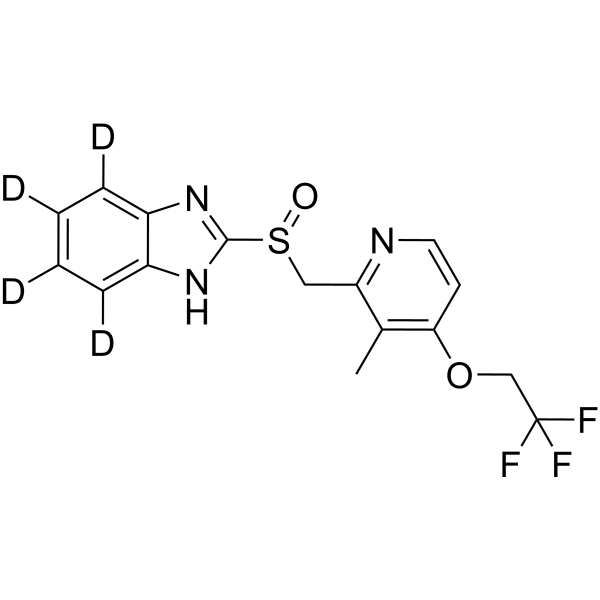 0 ImagesSynonyms: AG-1749-d4Lansoprazole-d4 (AG-1749-d4) is a deuterium labeled Lansoprazole. Lansoprazole is a proton pump inhibitor which prevents the stomach from producing acid.
-
Mupirocin calcium hydrate
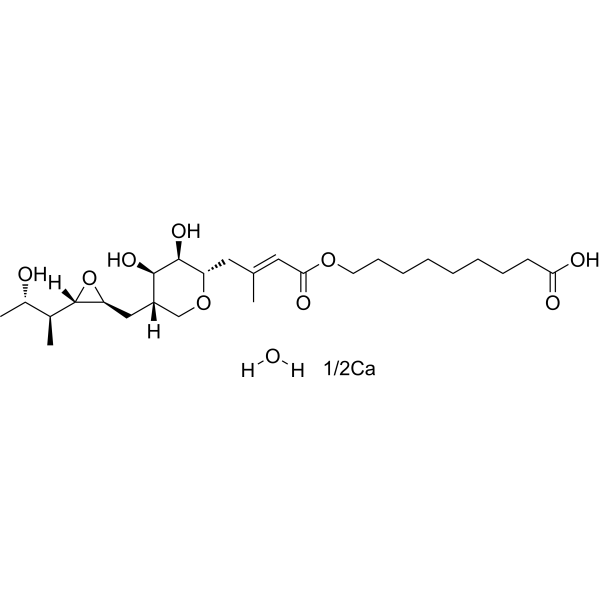 0 ImagesCat. No.: HY-N7068CAS No.: 115074-43-6Synonyms: BRL-4910A calcium hydrate; Pseudomonic acid calcium hydrateMupirocin (BRL-4910A, Pseudomonic acid) calcium hydrate is an orally active antibiotic isolated from Pseudomonas fluorescens. Mupirocin calcium hydrate apparently exerts its antimicrobial activity by reversibly inhibiting isoleucyl-transfer RNA, thereby inhibiting bacterial protein and RNA synthesis.
-
Diazepinomicin
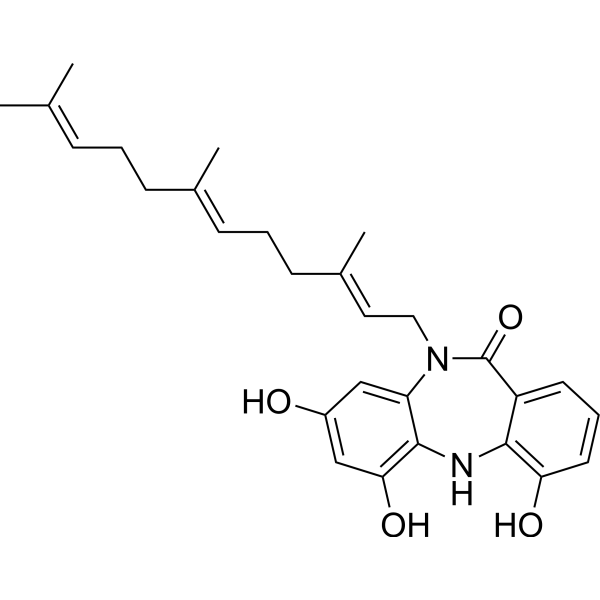 0 ImagesCat. No.: HY-N6674CAS No.: 733035-26-2Synonyms: ECO-4601; TLN-4601; BU 4664LDiazepinomicin (ECO-4601) is an anticancer and antibacterial agent. Diazepinomicin can be produced by a Micromonospora strain. Diazepinomicin induces Apoptosis. Diazepinomicin inhibits the proteases Rhodesain and Cathepsin L at an IC50 of 70-90 μM. Diazepinomicin possesses anti-inflammatory and anti-tumor activity. Diazepinomicin has demonstrated activity against hepatocellular carcinoma. Diazepinomicin shows antiparasitic activity against trypomastigote forms of Trypanosoma brucei with an IC50 of 13.5 μM. Diazepinomicin exhibits moderate antibacterial activity against specific Gram-positive bacteria, with an MIC of approximately 32 μg/mL.
-
Myristamidopropyl dimethylamine
 0 ImagesSynonyms: Lexamine M-13; MAPDMyristamidopropyl dimethylamine (MAPD) is an antimicrobial agent (including against bacteria and fungi) and an insecticide, exhibiting inhibitory activity against Pseudomonas aeruginosa, Staphylococcus aureus, Candida albicans, Fusarium solani, and Acanthamoeba polyphaga. Myristamidopropyl dimethylamine can be used in research on microbial-induced keratitis .
-
VP-4604
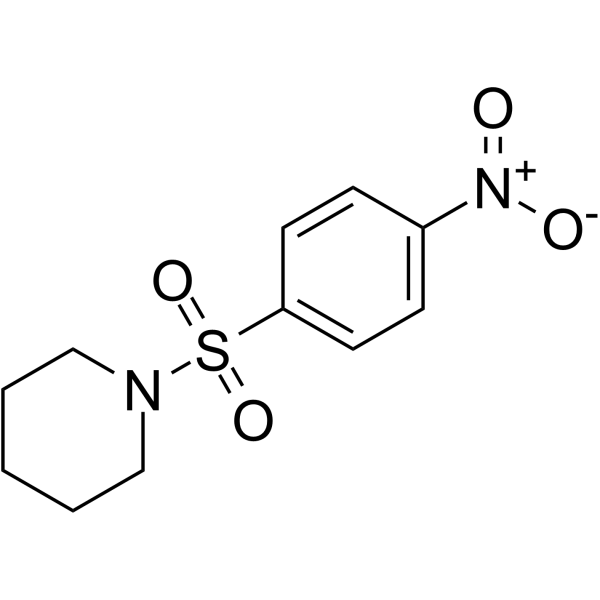 0 ImagesVP-4604 is a potent anti-methicillin-resistant Staphylococcus aureus (MRSA) agent. VP-4604 exhibits significant microbial growth inhibition toward Staphylococcus aureus (ATCC 43300) with MIC of 4-8 µg/mL. VP-4604 inhibits the growth of methicillin‐resistant Staphylococcus aureus with growth inhibition >95%.
-
4-Chlorosalicylic acid
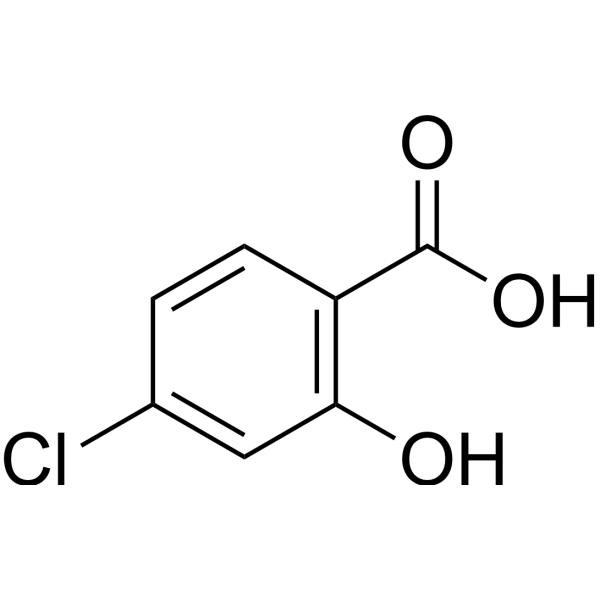 0 Images4-Chlorosalicylic acid is a pharmaceutical intermediate. Inhibits monophenolase and diphenolase activity with IC50s of 1.89 mM and 1.10 mM. Potent antimicrobial activity. Against E. coli with the MIC of 250 μg/mL and with the MBC of 500 μg/mL.
-
Pentamidine-d4 dihydrochloride
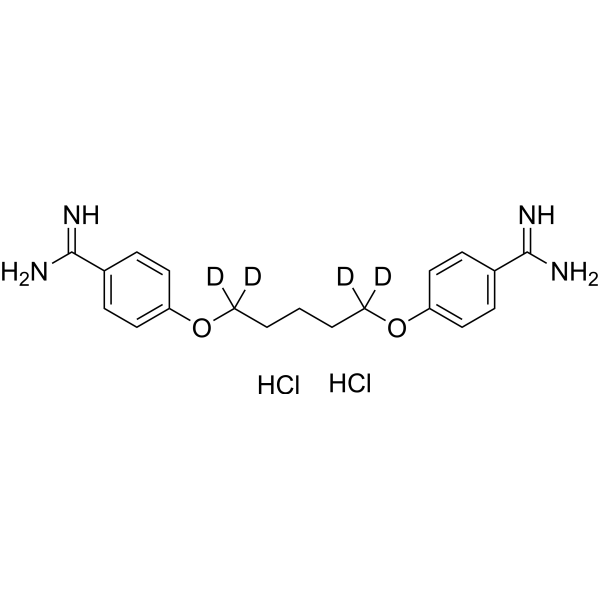 0 ImagesSynonyms: MP-601205-d4 dihydrochloridePentamidine-d4 (dihydrochloride) is the deuterium labeled Pentamidine dihydrochloride. Pentamidine dihydrochloride (MP-601205 dihydrochloride) is an antimicrobial agent and interferes with DNA biosynthetics. Pentamidine dihydrochloride inhibits parasite Leishmania infantum with an IC50 of 2.5 μM. Pentamidine dihydrochloride is a potent and selective protein tyrosine phosphatases (PTPases) and phosphatase of regenerating liver (PRL) inhibitor. Pentamidine dihydrochloride has the potential for Gambian trypanosomiasis, antimony-resistant leishmaniasis, and Pneumocystis carinii pneumonia treatment. Antitumor and antibacterial activities.
-
G43
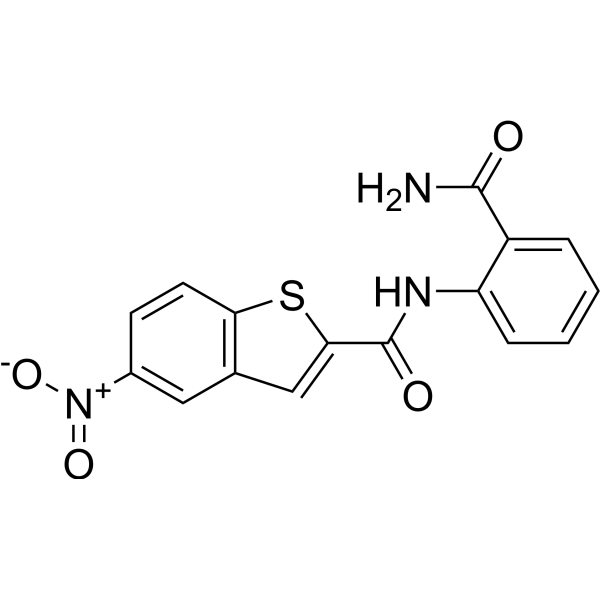 0 ImagesG43 is a potent, selective glucosyltransferase inhibitor, with the Kd of 3.7μM and 46.9 nM for GtfB and GtfC, respectively. G43 has antibacterial to S. mutans in vitro and in vivo, and can be used for dental caries study.
-
Tridecanoic acid-d2
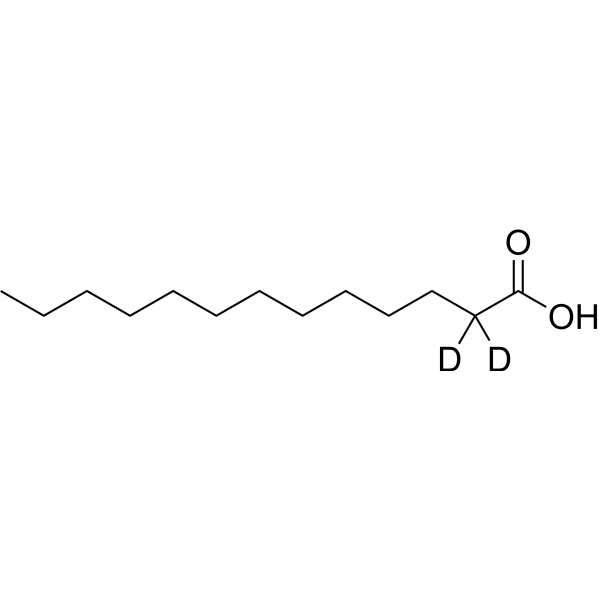 0 ImagesSynonyms: N-Tridecanoic acid-d2Tridecanoic acid-d2 is the deuterium labeled Tridecanoic acid. Tridecanoic acid (N-Tridecanoic acid), a 13-carbon medium-chain saturated fatty acid, can serve as an antipersister and antibiofilm agent that may be applied to research bacterial infections. Tridecanoic acid inhibits Escherichia coli persistence and biofilm formation.
-
Rimonabant-d10
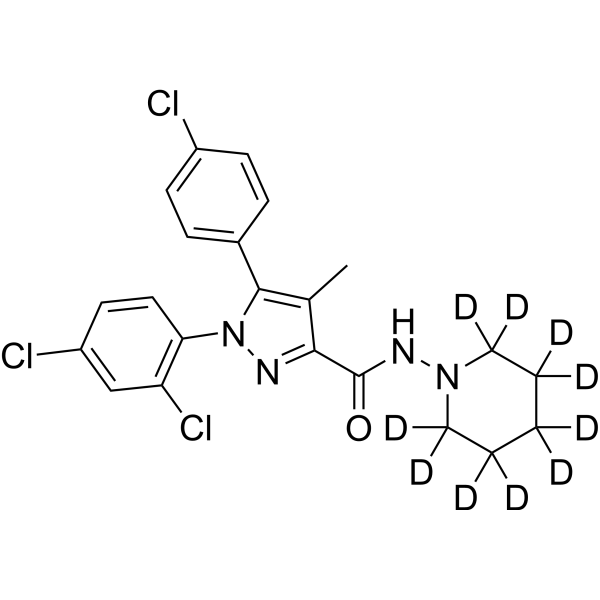 0 ImagesCat. No.: HY-14136SCAS No.: 929221-88-5Synonyms: SR141716-d10Rimonabant-d10 is deuterium labeled Rimonabant. Rimonabant (SR141716) is a highly potent, brain penetrated and selective central cannabinoid receptor (CB1) antagonist with a Ki of 1.8 nM. Rimonabant (SR141716) also inhibits Mycobacterial membrane protein Large 3 (MMPL3).
-
(5α)-Stigmastane-3,6-dione
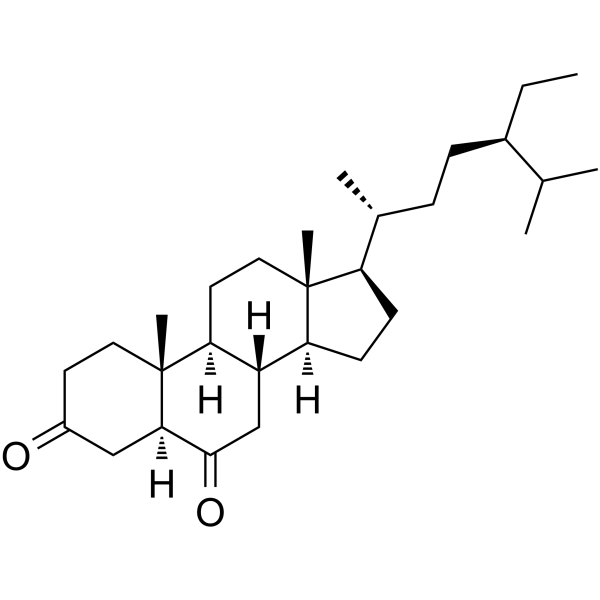 0 ImagesCat. No.: HY-N1203CAS No.: 22149-69-5(5α)-Stigmastane-3,6-dione is a naturally occurring sterol that could be isolated from fruits of Ailanthus altissima Swingle. Antimicrobial Activity..
-
Effusanin A
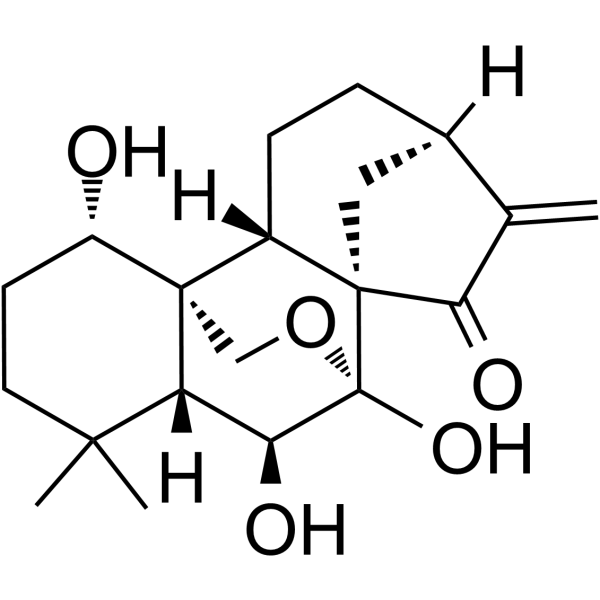 0 ImagesEffusanin A is a natural product that can be found in Isodon rugosus. Effusanin A exhibits DNA-damaging and antibacterial activities.
-
Mequindox
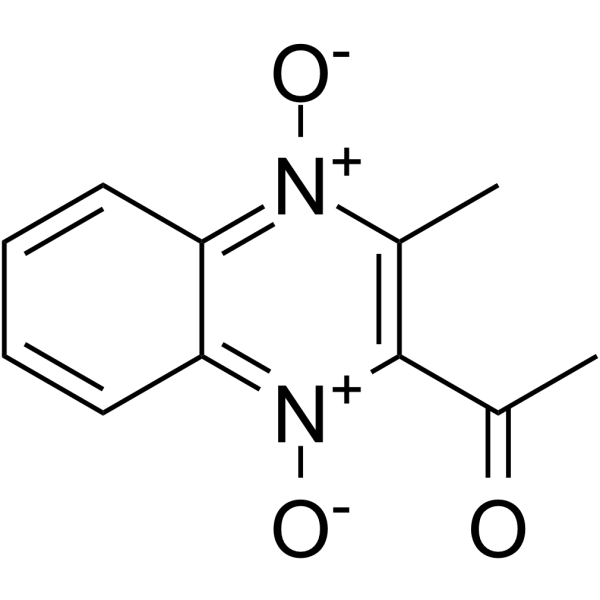 0 ImagesMequindox is an antimicrobial agent. Mequindox acts as an inhibitor of DNA synthesis. Mequindox induces genotoxicity and carcinogenicity in mice.
-
Sapienic acid
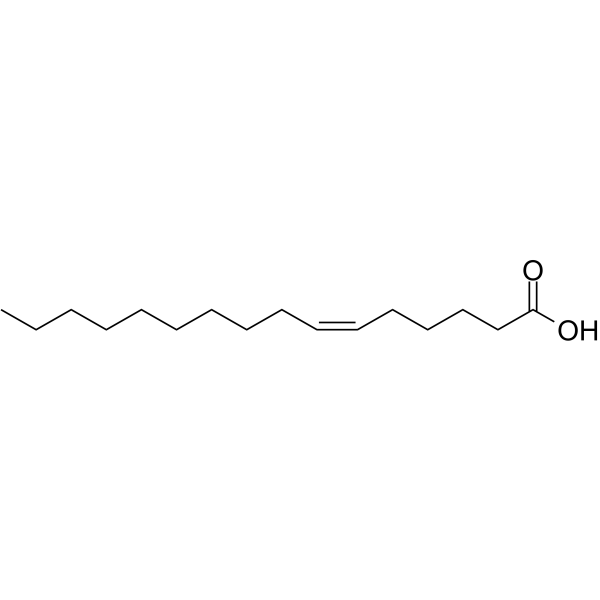 0 ImagesSapienic acid is a fatty acid commonly found on the skin and in mucosa. Sapienic acid has variable antimicrobial activities against Gram-positive and Gram-negative bacteria found on the skin and in the oral cavity. Sapienic acid is active against Streptococcus sanguinis, Streptococcus mitis and Fusobacterium nucleatum with MBC values of 31.3 μg/mL, 375.0 μg/mL and 93.8 μg/mL, respectively.
-
Citric acid tripotassium hydrate (Standard)
 0 ImagesSynonyms: Potassium citrate monohydrate (Standard)Citric acid tripotassium hydrate (Standard) (Potassium citrate monohydrate (Standard)) is the analytical standard of Citric acid tripotassium hydrate (HY-W009156). This product is intended for research and analytical applications. Citric acid tripotassium hydrate is a natural preservative and food tartness enhancer. Citric acid tripotassium hydrate induces apoptosis and cell cycle arrest at G2/M phase and S phase in HaCaT cells. Citric acid tripotassium hydrate cause oxidative damage of the liver by means of the decrease of antioxidative enzyme activities. Citric acid tripotassium hydrate is also an acidulant, emulsifier, sequestrant and buffering agent widely used across many industries.
-
2',4-Dihydroxychalcone
 0 ImagesCat. No.: HY-141462CAS No.: 13323-66-52',4-Dihydroxychalcone is an orally active natural chalcone flavonoid. 2',4-Dihydroxychalcone restores intestinal barrier integrity by upregulating tight junction proteins, regulates intestinal flora balance and alleviates inflammation. 2',4-Dihydroxychalcone induces GPX4 degradation, ferroptosis and apoptosis, triggers cell cycle arrest, and exhibits broad anti-tumor activity. 2',4-Dihydroxychalcone also possesses antifungal activity, antileishmanial activity, and reduces the hemolytic effect and virulence of Vibrio vulnificus.
-
Tunicamycin V
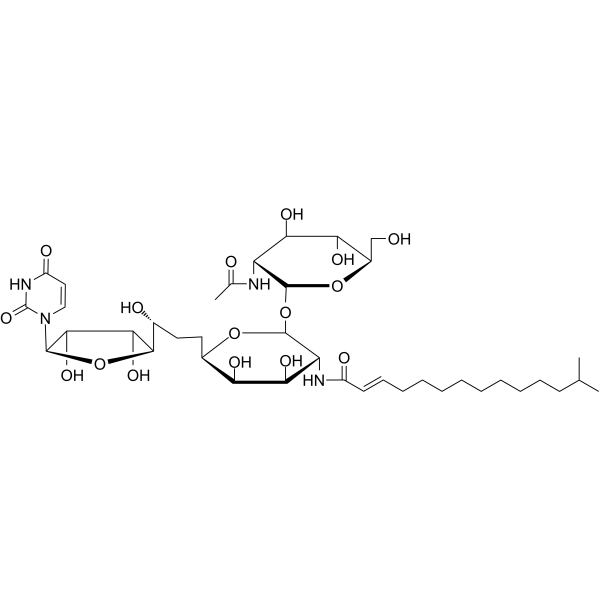 0 ImagesCat. No.: HY-N8395CAS No.: 66054-36-2Synonyms: Tunicamycin ATunicamycin V (Tunicamycin A) is a nucleoside natural product that inhibits bacterial phospho-N-acetylmuramyl-pentapeptide transferase (MraY) with an IC50 of 0.35?μM. Tunicamycin V has antibacterial activties.
-
PF-04753299
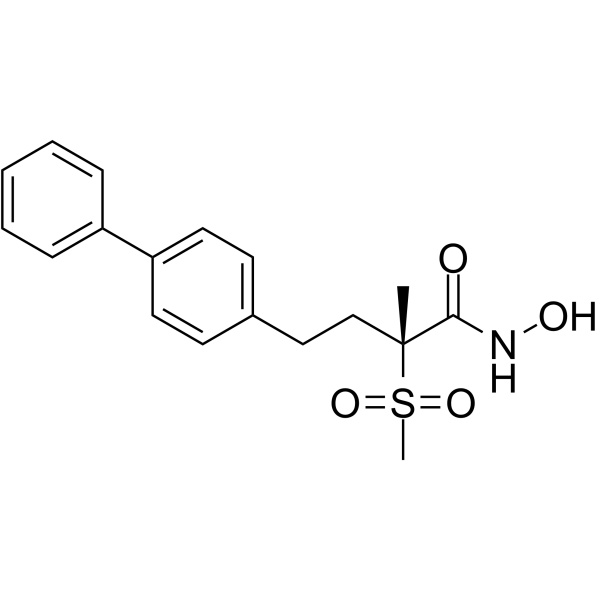 0 ImagesPF-04753299 is a potent and selective UDP-3-O-(R-3-hydroxymyristol)-N-acetylglucosamine deacetylase (LpxC) inhibitor. PF-04753299 is bactericidal for the gonococcal isolates. PF-04753299 inhibits E. coli, P. aeruginosa and K. pneumoniae strains with MIC90 values of 2 μg/ml, 4 μg/ml and 16 μg/ml, respectively. PF-04753299 is used for the study of gram-negative bacteria infection.
-
Sanfetrinem
 0 ImagesCat. No.: HY-106922CAS No.: 156769-21-0Synonyms: GV104326Sanfetrinem (GV104326) is a β-lactamase-stable antibiotic. Sanfetrinem has broad-spectrum antimicrobial activity against both Gram-positive and Gram-negative bacteria.
-
Neuraminidase, arthrobacter ureafaciens
 0 ImagesNeuraminidase, arthrobacter ureafaciens is a neuraminidase derived from Arthrobacter ureafaciens. Neuraminidase, arthrobacter ureafaciens catalyzes the removal of sialic acid residues from cell surfaces and viral glycoconjugates. Neuraminidase, arthrobacter ureafaciens enhances HIV-1-mediated syncytium formation and promotes the viral binding and entry steps in the HIV-1 replication cycle.




