PD-1/PD-L1
PD-1/Programmed death-ligand 1
Programmed death-1 (PD-1) is a cell surface receptor that functions as a T cell checkpoint and plays a central role in regulating T cell exhaustion. PD-1 is activated by the engagement of its ligands PDL-1 or PDL-2. PD-1 receptor delivers inhibitory checkpoint signals to activated T cells upon binding to its ligands PD-L1 and PD-L2 expressed on antigen-presenting cells and cancer cells, resulting in suppression of T-cell effector function and tumor immune evasion. Inhibiting the programmed cell death-1 (PD-1)/programmed cell death-ligand 1 (PD-L1) pathway is an attractive strategy for tumor immunotherapy.
PD-1 is expressed on activated T cells, B cells, monocytes, dendritic cells (DCs), regulatory T cells (Tregs), and natural killer T cells (NKT). It is a member of a family of immunoglobulin domain (Ig) co-receptors that modify the outcome of activation of the T cell receptor by an antigen-presenting cell (APC) or infected target cell. PD-L1 is widely and constitutively expressed on both hematopoietic and nonhematopoietic cells; e.g., naive T and B cells, vascular endothelial cells, and pancreatic islet cells, whereas PD-L2 is exclusively and inducibly expressed on professional APCs.
All Product Categories
-
PD-1/PD-L1 Inhibitors
(341)
View all products
-
PD-1/PD-L1 Agonists
(5)
View all products
-
PD-1/PD-L1 Antagonists
(11)
View all products
-
PD-1/PD-L1 Activators
(16)
View all products
-
PD-1/PD-L1 Modulators
(7)
View all products
-
PD-1/PD-L1 Inducers
(3)
View all products
-
PD-1/PD-L1 Degraders
(13)
View all products
-
PD-1/PD-L1 Control
(1)
View all products
-
PD-1/PD-L1 Substrates
(2)
View all products
-
PD-1/PD-L1 Ligands
(7)
View all products
-
PD-1/PD-L1 Related Products (451)
Related Products (451)

-
Antibodies (8)
-
IBI-363
 0 ImagesCat. No.: HY-P991740Purity: 99.92%IBI-363 is a PD-1/IL-2 bispecific antibody with functions of blocking the PD-1/PD-L1 pathway and activating the IL-2 pathway. The IL-2 arm of IBI-363 retains affinity for IL-2Rα but attenuates binding ability to IL-2Rβ and IL-2Rγ to reduce toxicity. The PD-1 binding arm of IBI-363 enables PD-1 blockade and selective delivery of IL-2. IBI-363 can be used in cancer research, such as non-small cell lung cancer.
-
SSGJ-707
 0 ImagesCat. No.: HY-P991628Purity: ≥99.0%Synonyms: PF-08634404SSGJ-707 (PF-08634404) is a bispecific antibody targeting VEGF and PD-1. SSGJ-707 exerts dual anti-tumor effects by neutralizing VEGF and blocking the PD-1 signaling pathway. SSGJ-707 can be combined with platinum-based chemotherapy to inhibit advanced non-small cell lung cancer (NSCLC), and its inhibitory effect is not limited by PD-L1 expression levels. In the HARMONi-2 trial, the objective response rate of SSGJ-707 correlates with the PD-L1 tumor proportion score, and the incidence of grade ≥3 adverse events is comparable to that of Inetetamab (HY-P99969). SSGJ-707 is being extensively investigated for a variety of malignancies including advanced NSCLC, colorectal cancer and small cell lung cancer.
-
INCB086550
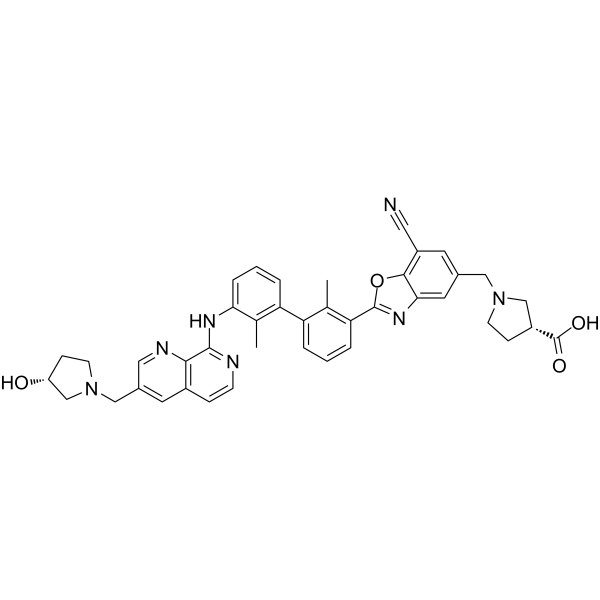 0 ImagesSynonyms: PD-1/PD-L1-IN-8INCB086550 is a potent, oral, small-molecule PD-L1 inhibitor with IC50s value of 3.1, 4.9 and 1.9 nM for human, cynomolgus, and rat, respectively. INCB086550 promotes the dimerization of cell-surface PD-L1 and induces PD-L1 entry into Golgi vesicles then traffick to the nucleus. INCB086550 can be used for multiple cancers research.
-
Gilvetmab
 0 ImagesGilvetmab is a canine-derived anti-cPD-1 monoclonal antibody, as well as an immune activator/antitumor agent. Gilvetmab binds to canine PD-1, blocks the interaction of PD-1/PD-L1/L2, prevents immunosuppression, reactivates antitumor responses, induces tumor regression or disease stabilization, and may also trigger pseudoprogression. Gilvetmab can be used in research related to malignant melanoma and mast cell tumors.
-
PD-1/PD-L1-IN-9
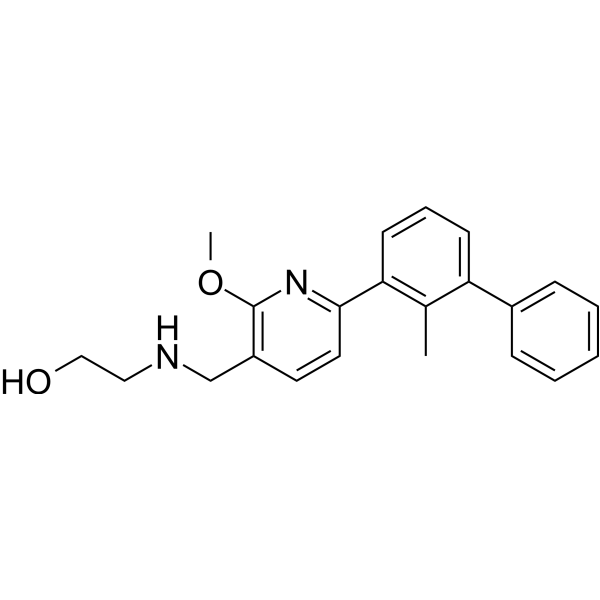 0 ImagesPD-1/PD-L1-IN-9 is a potent and orally active inhibitor of PD-1/PD-L1 interaction, with an IC50 of 3.8 nM. PD-1/PD-L1-IN-9 can enhance the killing activity of tumor cells by immune cells. PD-1/PD-L1-IN-9 also exhibits significant in vivo antitumor activity in a CT26 mouse model.
-
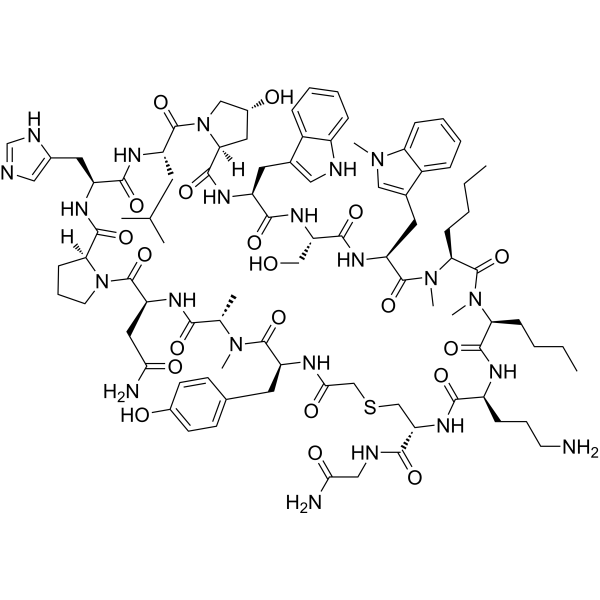
BMS-986189
 0 ImagesBMS-986189 is a macrocyclic peptide PD-1/PD-L1 interaction with an IC50 of 1.03 nM inhibitor. BMS-986189 can be used for cancer research, such as human lung carcinoma cells L2987.
-
Anti-Mouse/Rat/Human PD-L1 Antibody (368A.4H1)
 0 ImagesCat. No.: HY-P990173Purity: 99.406%Anti-Mouse/Rat/Human PD-L1 Antibody (368A.4H1) is a mouse-derived PD-L1 IgG1 κ type antibody inhibitor. Anti-Mouse/Rat/Human PD-L1 Antibody (368A.4H1) increases IFN-γ levels in organoid-primed T cells. Anti-Mouse/Rat/Human PD-L1 Antibody (368A.4H1) can be used for the researches of cancer, such as oral squamous cell carcinoma and mammary cancer.
-
Serplulimab
 0 ImagesSynonyms: HLX 10
-
Sulfo-Cy5 azide
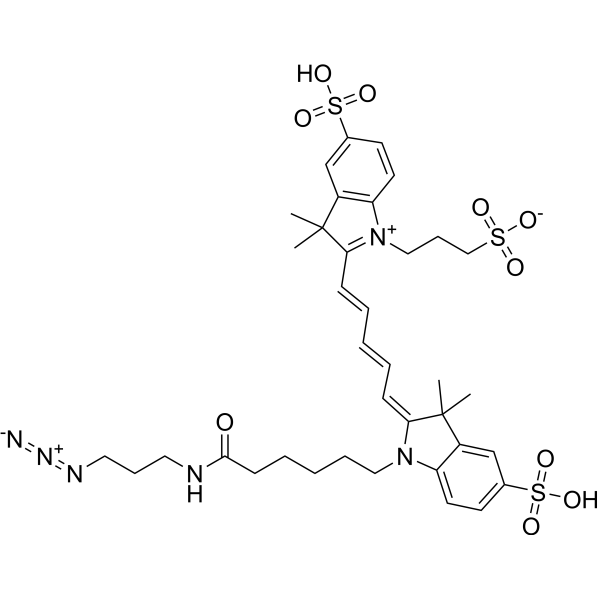 0 ImagesSulfo-Cy5 azide is a near-infrared fluorescent probe with favorable click chemistry reactivity. Sulfo-Cy5 azide enables fluorescence imaging, tissue and cellular visualization of PD-L1 in tumors, and site-specific modification of anti-PD-L1 antibodies. Sulfo-Cy5 azide has been employed for RNA labeling and imaging. Sulfo-Cy5 azide can be conjugated to targeting agents for fluorescence imaging in atherosclerosis and breast cancer models (Ex/Em = 645/670 nm).
-
Acasunlimab
 0 ImagesSynonyms: GEN1046Acasunlimab (GEN1046) is a bispecific antibody (bsAb) targeting PD-L1 and 4-1BB. Acasunlimab enhances T-cell and NK-cell function through conditional 4-1BB stimulation while constitutively blocking the PD-1/PD-L1 inhibitory axis. Acasunlimab can be used in research of cancer.
-
Fraxinellone
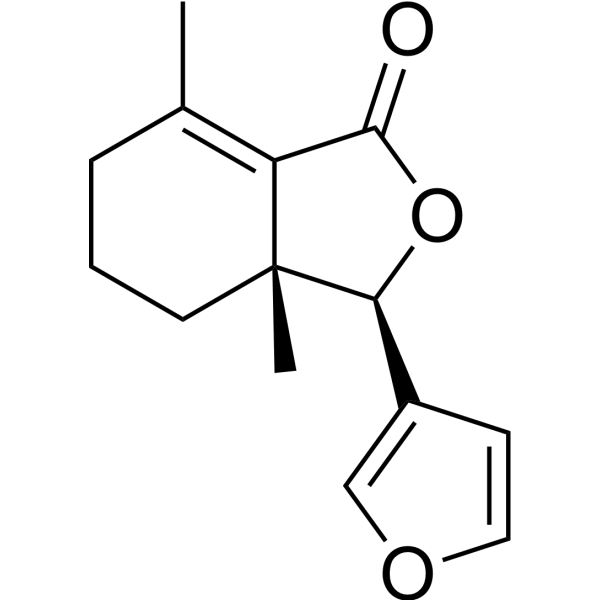 0 ImagesFraxinellone is isolated from the root bark of the Rutaceae plant, Dictamnus dasycarpus. Fraxinellone is a PD-L1 inhibitor and inhibits HIF-1α protein synthesis without affecting HIF-1α protein degradation. Fraxinellone has the potential to be a valuable candidate for cancer treatment by targeting PD-L1.
-
Opucolimab
 0 ImagesSynonyms: HLX20; HLX43 antibodyOpucolimab (HLX20) is an engineered anti-PD-L1 humanised IgG1 antibody. Opucolimab, when conjugated with camptothecin toxoid, yields the PD-L1-targeting ADC, HLX43 (HY-177439). HLX43 can be used for non-small cell lung cancer (NSCLC), head and neck squamous cell carcinoma (HNSCC), esophageal squamous cell carcinoma (ESCC), melanoma (MEL), ovarian cancer (Ovc) research.
-
Adebrelimab
 0 ImagesSynonyms: SHR-1316Adebrelimab (SHR-1316) is a humanized IgG4 monoclonal PD-L1 (PD-1/PD-L1) antibody. Adebrelimab has promising antitumor activity in solid tumors including extensive-stage small-cell lung cancer (SCLC).
-
Panaxadiol
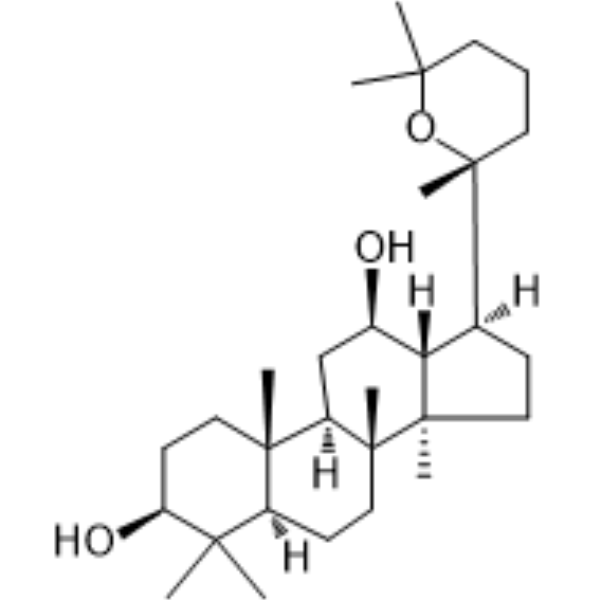 0 ImagesSynonyms: 20(R)-PanaxadiolPanaxadiol (20(R)-Panaxadiol) is an orally active HIF-1α/STAT3 inhibitor. Panaxadiol can suppress HIF-1α and STAT3 then lead to downregulation of programmed cell death-ligand 1 (PD-L1) expression. Panaxadiol shows anticancer, cardioprotective, anti-arrhythmic, and antioxidative activities.
-
Atranorin
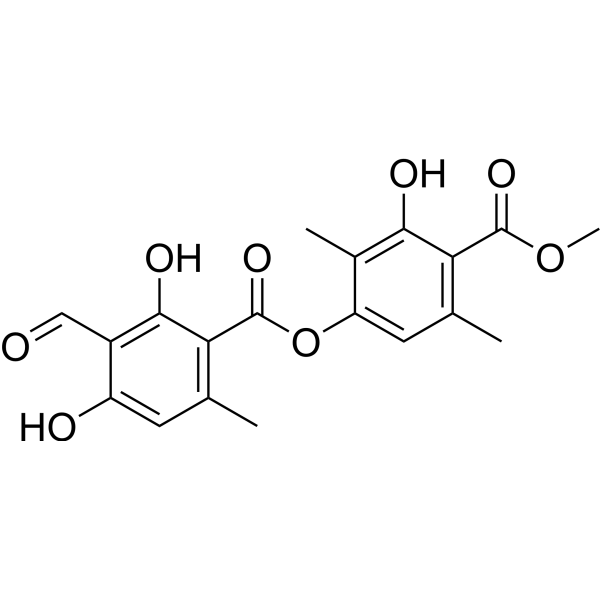 0 ImagesAtranorin is a secondary metabolite of lichens and AKT inhibitor. Atranorin possesses multiple activities such as antibacterial, anti-inflammatory, antioxidant, anti-glycation, analgesic, and anti-tumor effects. Atranorin has IC50 values for scavenging DPPH and ABTS free radicals of 117 μM and less than 10 μM, respectively. Additionally, Atranorin also exhibits effects in promoting wound healing. Atranorin can be used in the research of various diseases, including myelodysplastic syndromes, tumors, and inflammatory conditions.
-
Dostarlimab
 0 ImagesSynonyms: TSR-042; ANB-011; WBP-285
-
Icariside I
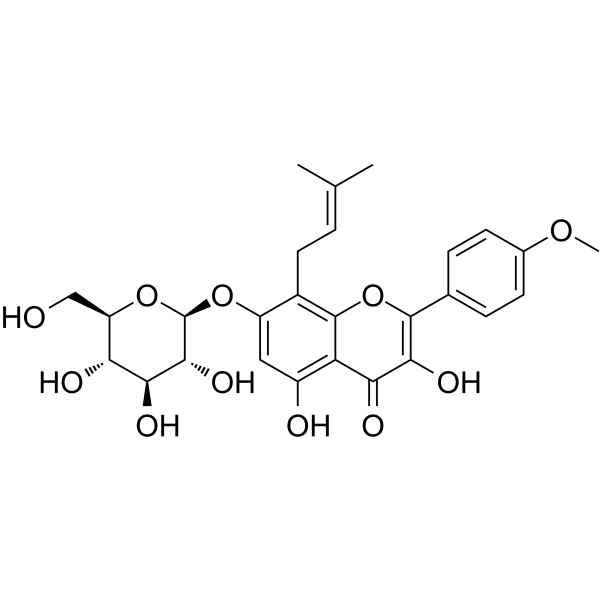 0 ImagesSynonyms: Icarisid IIcariside I (GH01) is an orally active metabolite of icalin. Icariside I improves estrogen deficiency-induced osteoporosis by simultaneously regulating osteoblast and osteoclast differentiation. Icariside I promotes ATP (HY-B2176) or Nigericin (HY-127019)-induced mtROS production and NLRP3 inflammasome activation and causes idiosyncratic hepatotoxicity. Icariside I does not alter the activation of NLRC4 and AIM2 inflammasomes. Icariside I inhibits breast cancer proliferation, apoptosis, invasion, and metastasis by targeting the IL-6/STAT3 pathway. Icariside I is a kynurenine-AhR pathway inhibitor that alleviates cancer by blocking tumor immune escape.