



PERK Inhibitor
-
Daraxonrasib
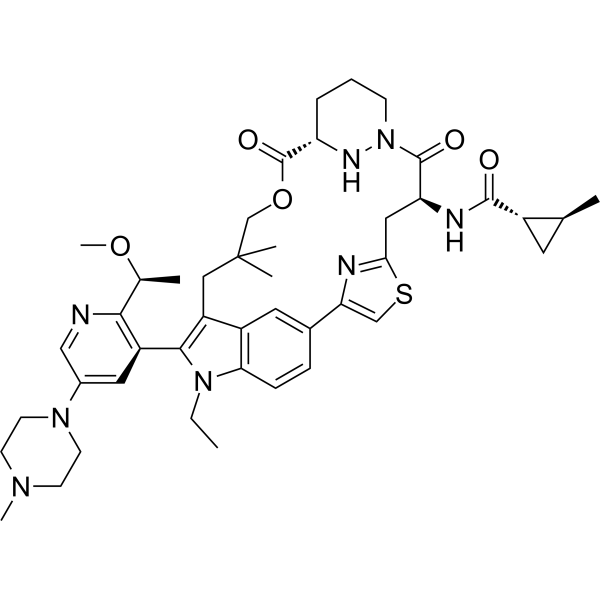 0 ImagesSynonyms: RMC-6236; RAS-IN-2
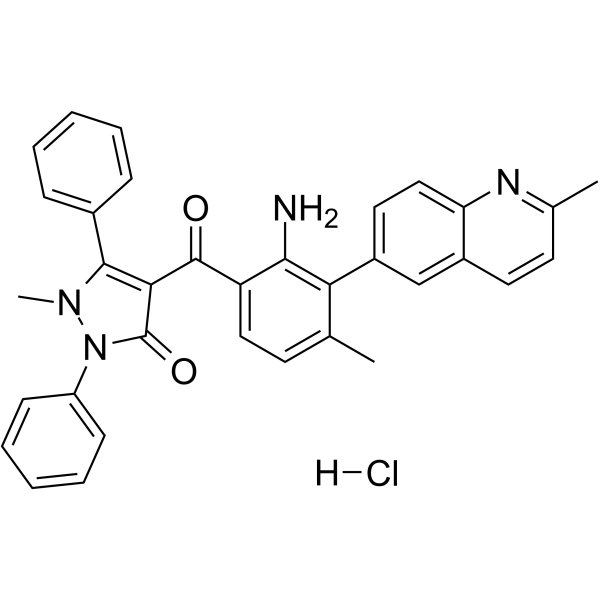
Daraxonrasib (RMC-6236) is an orally active, non-covalent RAS (ON) inhibitor. Daraxonrasib disrupts the interaction of wild-type or mutant RAS proteins with the RAS binding domain of BRAF, with EC50 values ranging from 28-220 nM for wild-type KRAS, NRAS, HRAS, and multiple oncogenic RAS variants. Daraxonrasib inhibits pERK. Daraxonrasib has anti-tumor activity against KRAS mutant tumors.
-
HRS-4642
 0 Images
HRS-4642 is a high affinity, selective, long-acting, and non-covalent KRASG12D inhibitor with a Kd value of 0.083 nM. HRS-4642 inhibits the binding of KRASG12D to SOS1 or RAF1, thereby blocking the downstream MEK-ERK signaling pathway. HRS-4642 promotes Apoptosis. HRS-4642 alone or combined with Carfilzomib (HY-10455) effectively shapes the tumor microenvironment. HRS-4642 has an anti-cancer effect on pancreatic and colorectal cancers carrying the KRASG12D mutation.
-
Dinutuximab
 0 ImagesSynonyms: APN-311; Ch14.18; MAb-14.18
Dinutuximab (APN-311) is a chimeric human-mouse anti-GD2 monoclonal antibody. Dinutuximab can bind to GD2 on the cell surface, triggering antibody-dependent cell-mediated cytotoxicity and complement-dependent cytotoxicity, and promoting tumor regression. Dinutuximab can inhibit the growth, invasion, and migration and induce apoptosis of tumor cells. Dinutuximab can be used in the research of tumors such as neuroblastoma and breast cancer.
-
Kp7-6
 0 Images
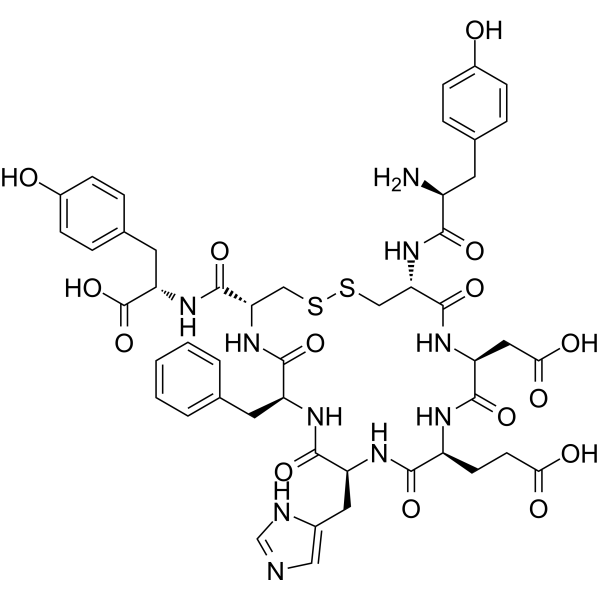
Kp7-6 is a Fas mimetic peptide and also a Fas/FasL antagonist. Kp7-6 specifically binds to Fas and FasL, disrupts receptor complexes, and blocks downstream apoptosis signaling pathways. Kp7-6 inhibits the phosphorylation of ERK1-2, induces the phosphorylation of IκBα, and activates NF-κB. Kp7-6 inhibits the activation of caspase-8, caspase-3 and JNK, and suppresses human amylin-induced β-cell apoptosis. Kp7-6 inhibits FasL-induced lymphoid cytotoxicity and apoptosis. Kp7-6 reduces local tumor FasL expression, increases CD8+Fas+ T cell infiltration, and decreases tumor volume in pancreatic neuroendocrine tumor models. Kp7-6 prevents concanavalin A-induced liver injury in mice. Kp7-6 is applicable to research related to type 2 diabetes, concanavalin A-induced hepatitis and pancreatic neuroendocrine tumors.
-
Pulegone
 0 Images
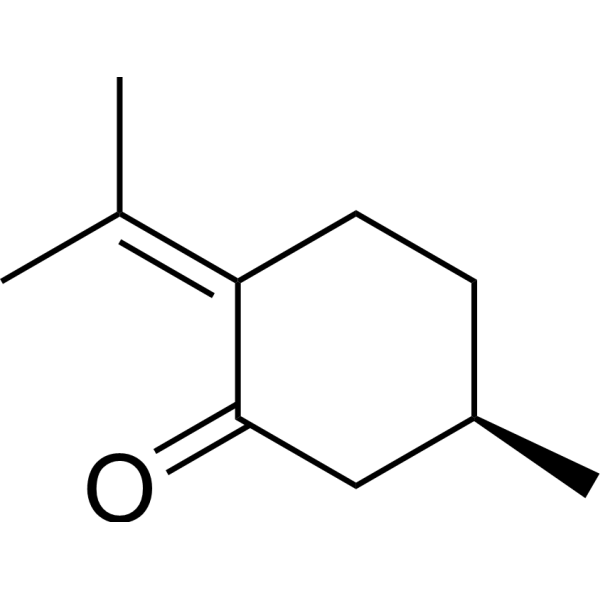
Pulegone is a monoterpene ketone compound widely present in the essential oils of many plants. Pulegone can also be used as a bird repellent. Pulegone has multiple activities such as anti-inflammatory, antibacterial, antifungal, and anti-hyperalgesic effects. Pulegone is particularly effective against bacteria of the Salmonella species.
-
SJF-0628
 0 Images
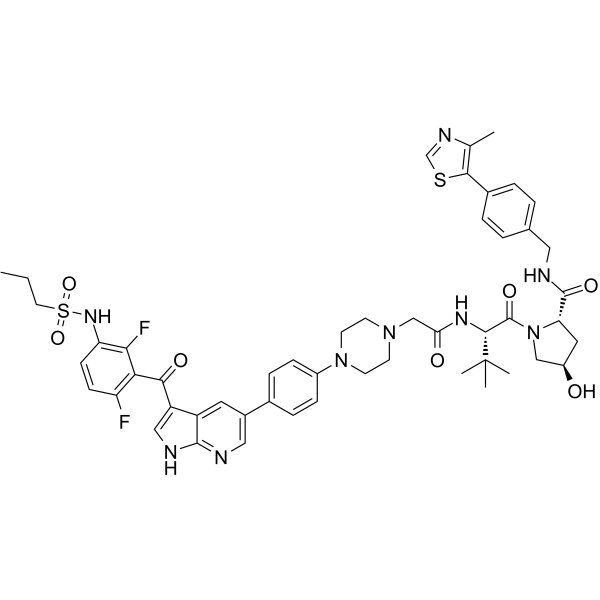
SJF-0628 is a PROTAC degrader of BRAF mutants, with a DC50 of 6.8 nM against BRAFV600E. SJF-0628 induces the ubiquitination and degradation of BRAF mutants in various cancer cell lines. SJF-0628 reduces pMEK and pErk levels. SJF-0628 exhibits antitumor activity. SJF-0628 can be used in research on colorectal cancer, melanoma, lung cancer, and triple-negative breast cancer.
-
Sinapaldehyde
 0 Images
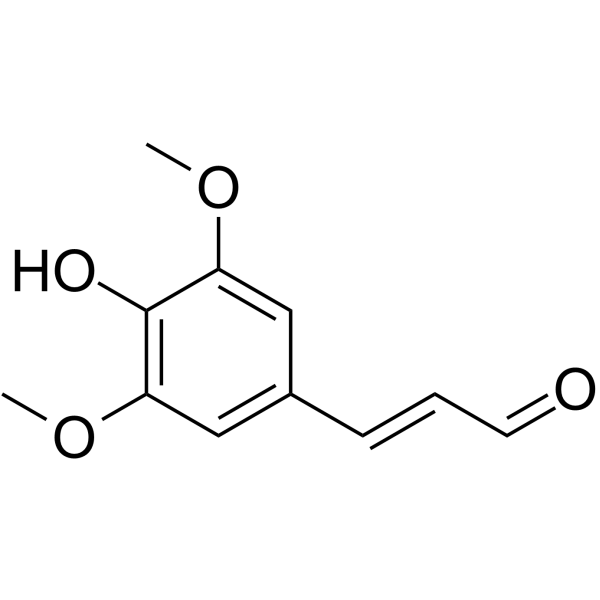
Sinapaldehyde is a methoxyphenol and a selective COX-2 inhibitor (IC50: 47.8 µM) that can be extracted from various plants. Sinapaldehyde has antibacterial, anti-inflammatory, and antioxidant activities. Sinapaldehyde can scavenge DPPH free radicals (IC50: 172 μM). Sinapaldehyde is active against both Gram-negative and Gram-positive bacteria.
-
Pan-RAS-IN-2
 0 Images
Pan-rasin-2 (compound 6A) is an orally active molecular glues that targets RAS. Pan-RAS-IN-2 inhibits pERK (IC50 in AsPC-1 cells: 0.3 nM). Pan-rasin-2 has significant inhibitory activity on cell proliferation of RAS mutant cell lines. Pan-rasin-2 can form ternary complexes with cyclophilin A (CYPA) and RAS (ON) proteins and the formation of ternary complexes can block the binding of RAF downstream of RAS, which has anti-tumor (such as colorectal cancer, pancreatic cancer) effects.
-
8-Gingerol
 0 Images
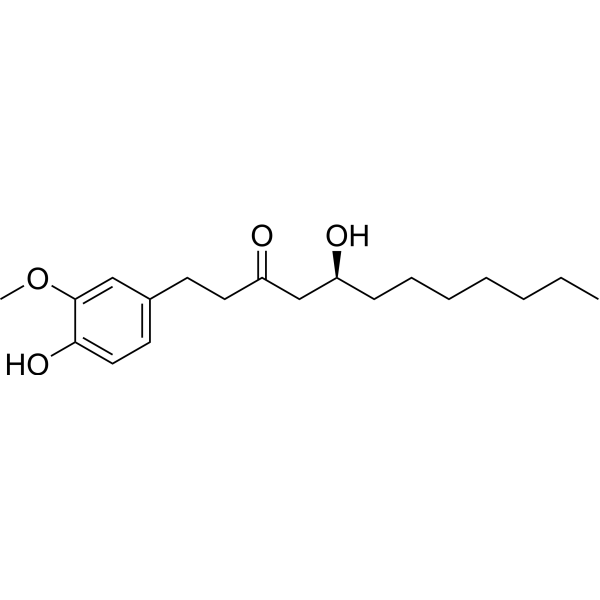
8-Gingerol can be found in the rhizome of ginger (Z. officinale) and has oral bioactivity. It activates TRPV1, with an EC50 value of 5.0 µM. 8-Gingerol inhibits COX-2 and also suppresses the growth of H. pylori in vitro. Additionally, 8-Gingerol exhibits anticancer, antioxidant, and anti-inflammatory properties by inhibiting the epidermal growth factor receptor (EGFR) and modulating its downstream STAT3/ERK pathway to suppress the proliferation, migration, and invasion of colorectal cancer cells. 8-Gingerol also exerts immunosuppressive effects by inhibiting oxidative stress, inducing cell cycle arrest, promoting apoptosis, and regulating autophagy. Furthermore, 8-Gingerol has cardioprotective effects. 8-Gingerol is promising for research in the fields of cancer, infection, immunosuppression, and cardiovascular diseases.
-
Bavachalcone
 0 ImagesSynonyms: Broussochalcone B
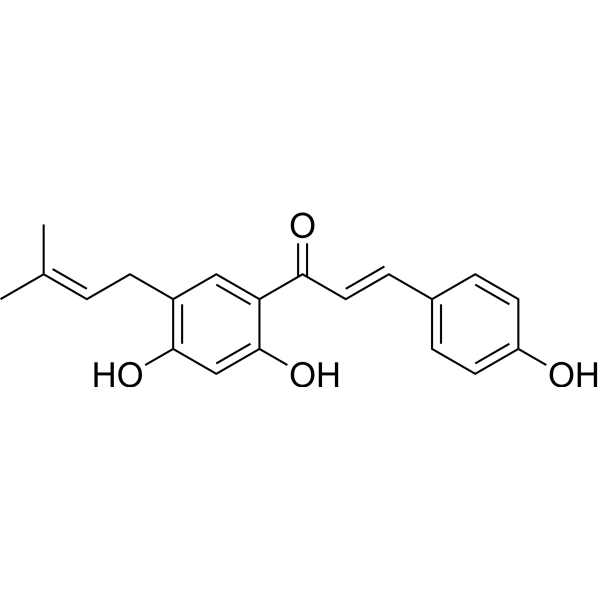
Bavachalcone is a potent inducer of apoptosis. Bavachalcone exerts anticancer activity by promoting autophagy and apoptosis in HepG2 cells. Bavachalcone acts as an anti-neuroinflammatory and antidepressant through the NF-κB pathway. Bavachalcone inhibits osteoclasts by interfering with ERK and Akt signaling pathways and the expression of c-Fos and NFATc1. Bavachalcone exhibits a significant inhibitory effect on baculovirus-expressed BACE-1 in vitro.
-
Claturafenib
 0 ImagesSynonyms: PF-07799933; ARRY-440
Claturafenib ( PF-07799933) is an orally active inhibitor of pan-mutant BRAF. Claturafenib inhibits pERK in cells (IC50 value of 1.6 nM in HT29 cells). Claturafenib has anticancer activity against BRAFG469A mutant NSCLC and BRAFK601E mutant melanoma.
-
Dehydrodiisoeugenol
 0 Images
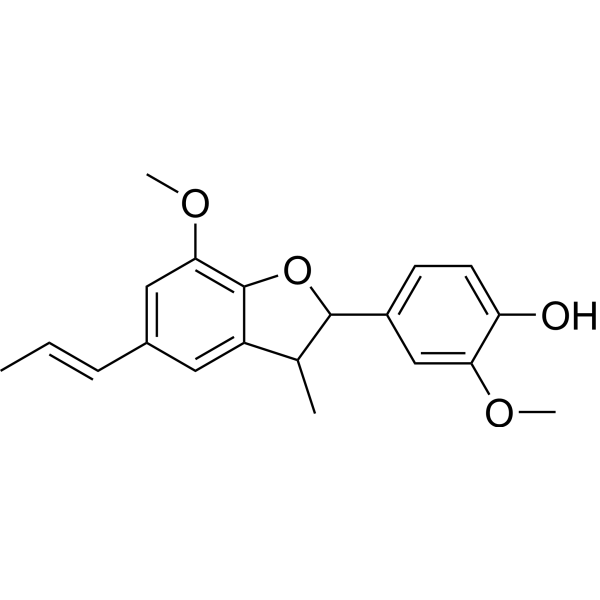
Dehydrodiisoeugenol is an orally active anti-inflammatory and anti-tumor agent. Dehydrodiisoeugenol inhibits the proliferation of colorectal cancer cells, and induces apoptosis, autophagy, endoplasmic reticulum stress and cell cycle arrest. Dehydrodiisoeugenol also exerts anti-inflammatory effects by inhibiting the activation of NF-κB and the expression of COX-2. Dehydrodiisoeugenol can be used in the research related to colorectal cancer, inflammatory diseases and ulcerative colitis.
-
Carbocisteine
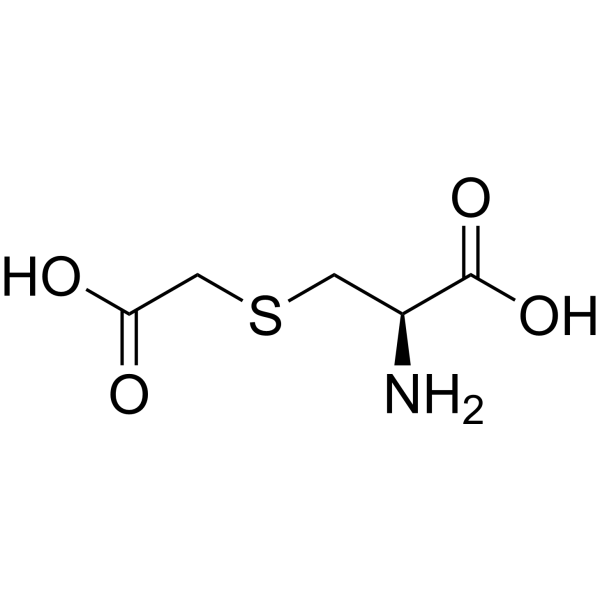 0 Images
Carbocisteine is an orally active mucolytic agent. Carbocisteine attenuates the phosphorylation of NF-κB p65 and ERK1/2. Carbocisteine modulates Nrf2/HO-1 and NFκB interplay. Carbocisteine inhibits Apoptosis. Carbocisteine is used in chronic obstructive pulmonary disease (COPD) research.
-
MCB-36
 0 Images
MCB-36 is a pan-KRAS PROTAC degrader that recruits VHL, with a Kd value of approximately 1 pM against KRAS, and it does not affect KRAS transcription. MCB-36 continuously degrades various KRAS mutants, inhibits oncogenic KRAS signaling pathways, reduces p-ERK levels, and induces apoptosis, thereby suppressing the growth of KRAS-dependent cancer cells. In vivo, MCB-36 inhibits tumor growth, overcomes resistance to KRAS G12C inhibitors, remodels the tumor immune microenvironment and enhances immune cell infiltration. MCB-36 can be used in research related to colorectal cancer and lung cancer.
-
Milnacipran hydrochloride
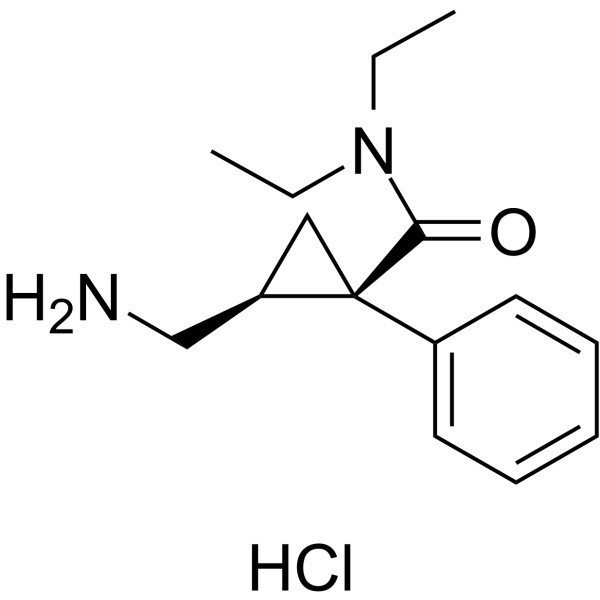 0 Images
Milnacipran hydrochloride is an orally active Serotonin (HY-B1473A) and Norepinephrine (HY-13715) reuptake inhibitor. Milnacipran hydrochloride inhibits monoamine transporters, especially the norepinephrine transporter and the serotonin transporter (Ki values of 31 and 8.5 nM, respectively). Milnacipran hydrochloride inhibits pERK1/2 activation. Milnacipran hydrochloride has antidepressant, anxiolytic and analgesic properties. Milnacipran hydrochloride inhibits biting behavior in mice. Milnacipran hydrochloride can be used in the study of major depressive disorder, anxiety disorders, and neuropathic pain (e.g., fibromyalgia).
-
Oxatomide
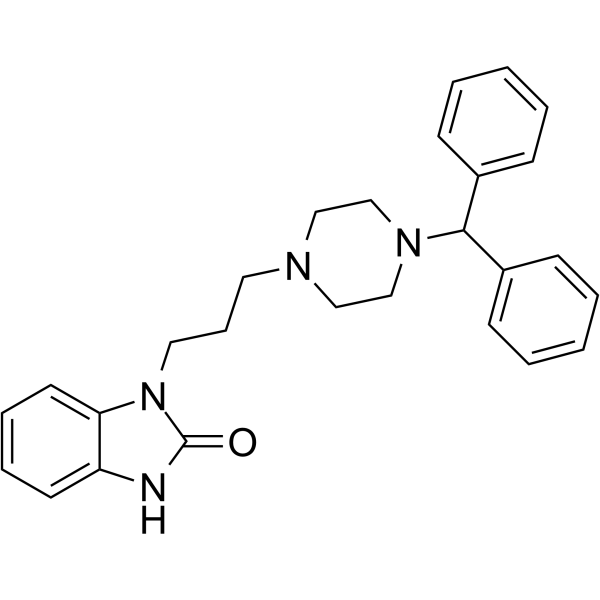 0 ImagesSynonyms: KW-4354
Oxatomide (KW-4354) is an orally active dual antagonist of the H1-histamine receptor and the P2X7 receptor, as well as an inhibitor of serotonin. Oxatomide possesses antihistaminic, antiallergic and anti-inflammatory activities. Oxatomide can be used in the research of allergic diseases.



