



Parasite
Antiparasitics are a class of medications which are indicated for the treatment of parasitic diseases such as nematodes, cestodes, trematodes, and infectious protozoa.
Parasite Isoform Specific Products
All Product Categories
-
Parasite Related Products (2477)
Related Products (2477)

-
Related Compound Screening Libraries (1)
-
Parasite Isoform Comparison
-
SARS-CoV-IN-3
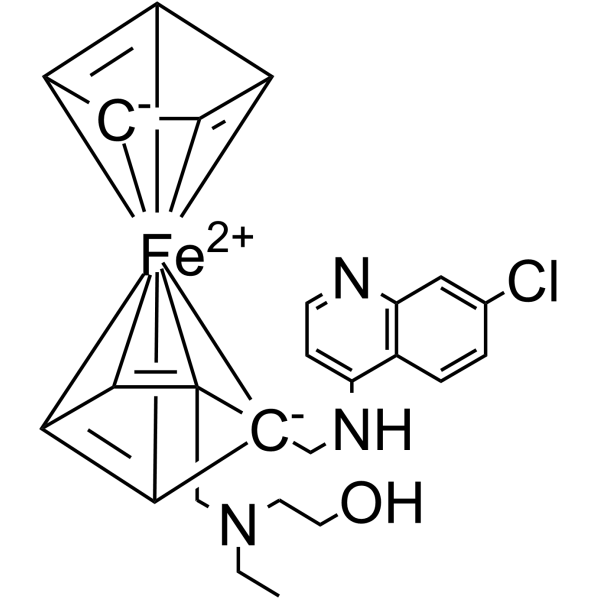 0 ImagesSARS-CoV-IN-3 is an effective inhibitor of SARS-CoV replication. SARS-CoV-IN-3 shows anti-Coronavirus activity with an EC50 of 3.6 μM in Vero cells. SARS-CoV-IN-3 inhibits the 3D7 and W2 strains of P. falciparum with IC50s of 11.7 and 20.4 nM; and IC90s of 29.19 and 56 nM; respectively. SARS-CoV-IN-3 reduces HIV-1-induced cytopathic effect with an EC50 of 10 μM in MT-4 cells.
-
UCT943
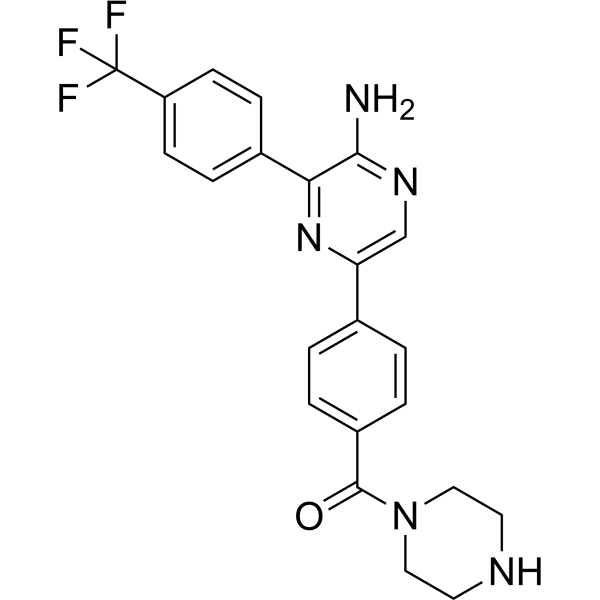 0 ImagesUCT943 is a next-generation Plasmodium falciparum PI4K inhibitor. UCT943 inhibits the P. vivax PI4K (PvPI4K) enzyme with an IC50 of 23 nM.
-
SARS-CoV-IN-1
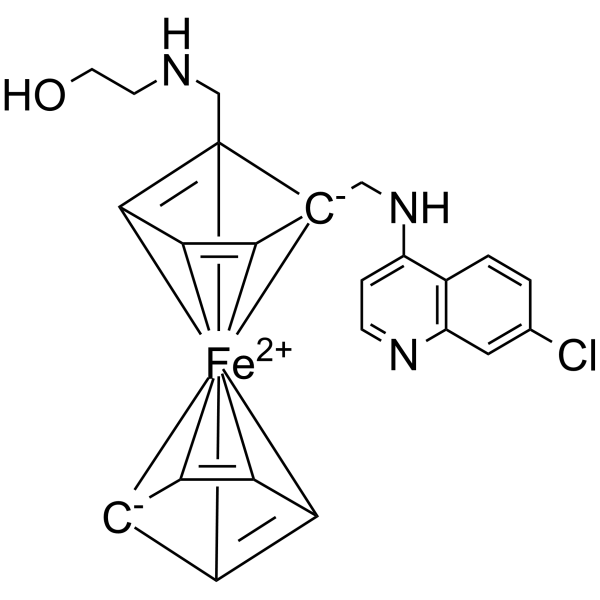 0 ImagesSARS-CoV-IN-1 is an effective inhibitor of SARS-CoV replication. SARS-CoV-IN-1 shows anti-Coronavirus activity with an EC50 of 4.9 μM in Vero cells. SARS-CoV-IN-1 inhibits the 3D7 and W2 strains of P. falciparum with IC50s of 15.4 and 133.2 nM; and IC90s of 25.7 and 459.1 nM; respectively. Antimalarial and antiviral activities.
-
SARS-CoV-IN-2
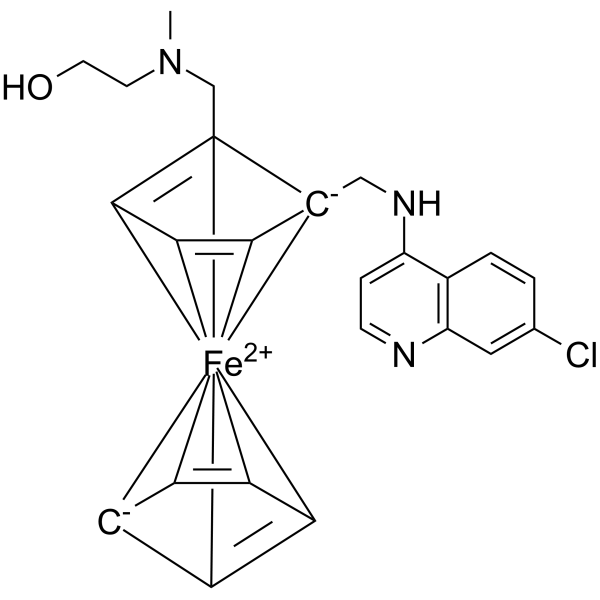 0 ImagesSARS-CoV-IN-2 is an effective inhibitor of SARS-CoV replication. SARS-CoV-IN-2 shows anti-Coronavirus activity with an EC50 of 1.9 μM in Vero cells. SARS-CoV-IN-2 inhibits the 3D7 and W2 strains of P. falciparum with IC50s of 21.5 and 30 nM; and IC90s of 51.0 and 99.9 nM; respectively. SARS-CoV-IN-2 reduces HIV-1-induced cytopathic effect with an EC50 of 2.9 μM in MT-4 cells. Antimalarial and Antiviral Activities.
-
Doxycycline calcium
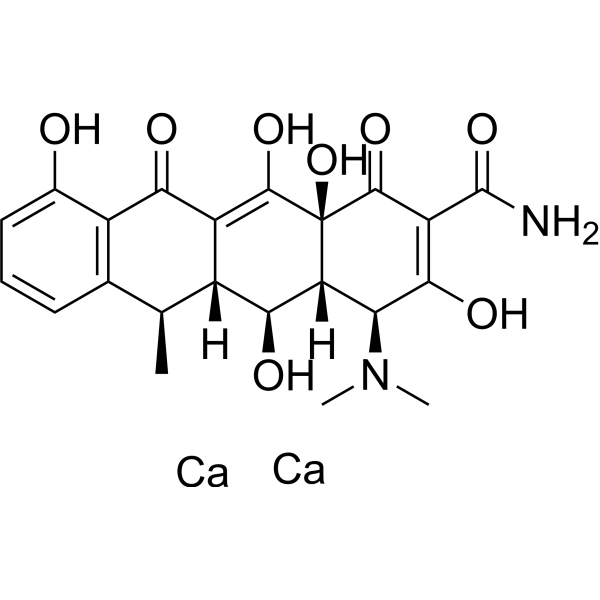 0 ImagesCat. No.: HY-N0565CCAS No.: 94088-85-4Doxycycline calcium is an orally active highly lipophilic, tissue-permeable MMP inhibitor with broad-spectrum antibacterial activity. Doxycycline calcium is also a semi-synthetic antibiotic with chelating properties, which blocks bacterial protein synthesis and inhibits extracellular matrix degradation through interactions with zinc and calcium atoms. Doxycycline calcium also inhibits mitochondrial biogenesis, translation, and the expression of respiratory chain proteins. Doxycycline calcium induces apoptosis, inhibits autophagy and EMT, downregulates stem cell markers, and activates the PI3K-AKT pathway, thereby effectively inhibiting the viability and proliferation of cancer cells such as breast cancer cells. Doxycycline calcium also promotes the survival and self-renewal of embryonic stem cells and neural stem cells, and reduces the frequency of medium changes in culture. Doxycycline calcium has been applied in studies related to breast cancer, prostate cancer, bladder cancer, and other cancers.
-
Anti-Mouse CD209b Antibody (22D1)
 0 ImagesCat. No.: HY-P99122Purity: 99.00%Anti-Mouse CD209b Antibody (22D1) is an anti-mouse CD209b IgG1 antibody inhibitor derived from the host Armenian Hamster. Anti-Mouse CD209b Antibody (22D1) can block SIGN-R1. Anti-Mouse CD209b Antibody (22D1) can be used for the researches of infection, inflammation and immunology, such as toxoplasma infection and pneumonia.
-
DSM502
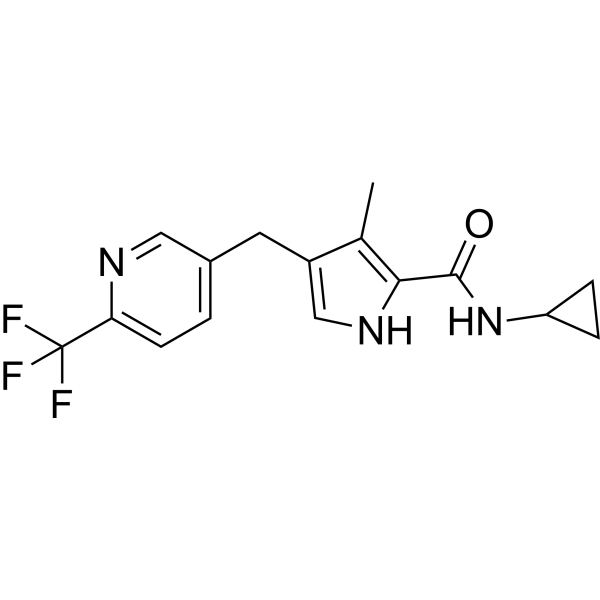 0 ImagesDSM502 is a pyrrole-based Dihydroorotate Dehydrogenase (DHODH) inhibitor. DSM502 exhibits nanomolar potency againsts Plasmodium DHODH and Plasmodium parasites, with no inhibition of mammalian DHODHs.
-
GSK3494245
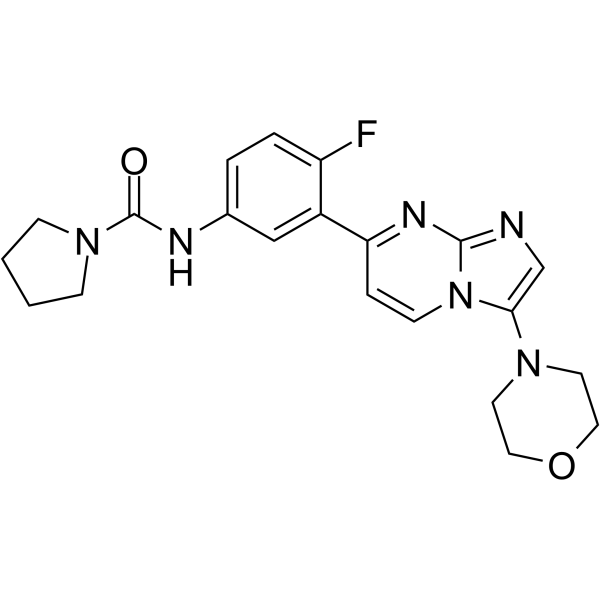 0 ImagesSynonyms: DDD01305143GSK3494245 (DDD01305143) is a potent, orally active, and selective inhibitor of the chymotrypsin-like activity of the parasite proteasome binding in a site sandwiched between the β4 and β5 subunits (IC50=0.16 μM for WT L. donovani proteasomes). GSK3494245 moderately inhibits chymotrypsin-like activity of human proteasome (IC50: purified 26S=13 µM; enriched THP-1 extracts IC50=40µM). GSK3494245 exhibits attractive biological and biosafety properties.
-
Amodiaquine-d10
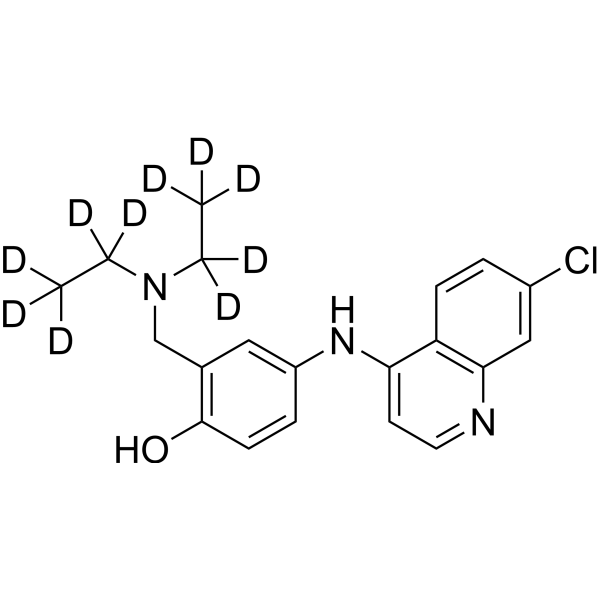 0 ImagesCat. No.: HY-B1322ASCAS No.: 1189449-70-4Amodiaquine-d10 is the deuterium labeled Amodiaquine. Amodiaquine (Amodiaquin), a 4-aminoquinoline class of antimalarial agent, is a potent and orally active histamine N-methyltransferase inhibitor. Amodiaquine is also a Nurr1 agonist and specifically binds to Nurr1-LBD (ligand binding domain) with an EC50 of ~20 μM. Anti-inflammatory effect.
-
Hydroxychloroquine-d4-1 sulfate
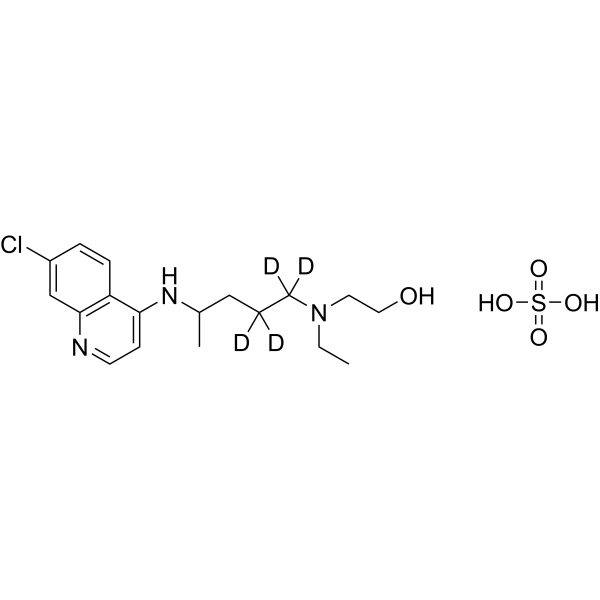 0 ImagesCat. No.: HY-W031727SCAS No.: 1216432-56-2Hydroxychloroquine-d4-1 (sulfate) is the deuterium labeled Hydroxychloroquine. Hydroxychloroquine is a synthetic antimalarial agent which can also inhibit Toll-like receptor 7/9 (TLR7/9) signaling. Hydroxychloroquine is efficiently inhibits SARS-CoV-2 infection in vitro.
-
Clindamycin-d3 hydrochloride
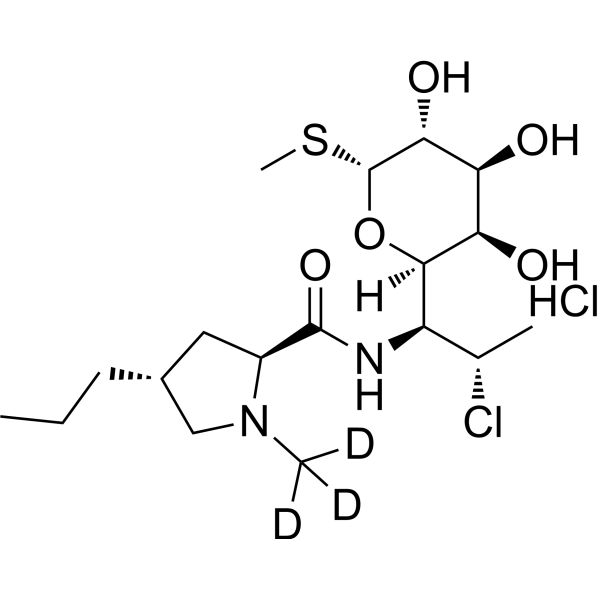 0 ImagesCat. No.: HY-B1455SCAS No.: 1356933-72-6Clindamycin-d3 (hydrochloride) is the deuterium labeled Clindamycin. Clindamycin is an orally active and broad-spectrum bacteriostatic lincosamide antibiotic. Clindamycin can inhibit bacterial protein synthesis, possessing the ability to suppress the expression of virulence factors in Staphylococcus aureus at sub-inhibitory concentrations (sub-MICs). Clindamycin resistance results from enzymatic methylation of the antibiotic binding site in the 50S ribosomal subunit (23S rRNA). Clindamycin decreases the production of Panton-Valentine leucocidin (PVL), toxic-shock-staphylococcal toxin (TSST-1) or alpha-haemolysin (Hla). Clindamycin also can be used for researching malaria.
-
NSC5844
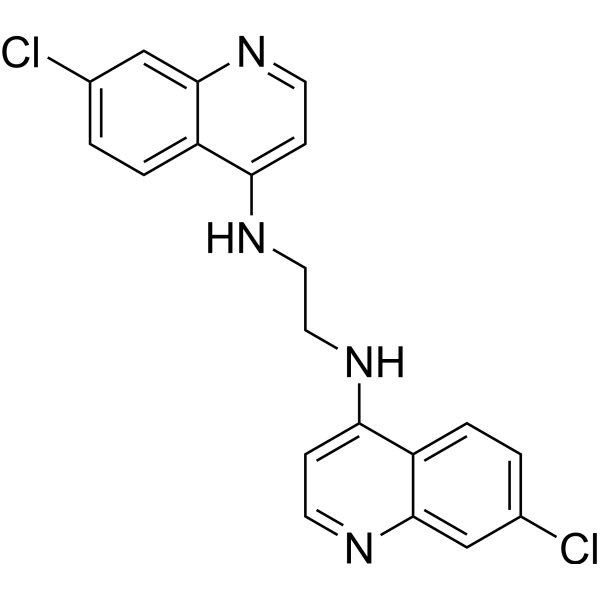 0 ImagesSynonyms: RE-640NSC5844 (RE-640) is a 4-aminoquinoline derivative, with antitumor and antimalarial activity.

-
Dinotefuran-d3
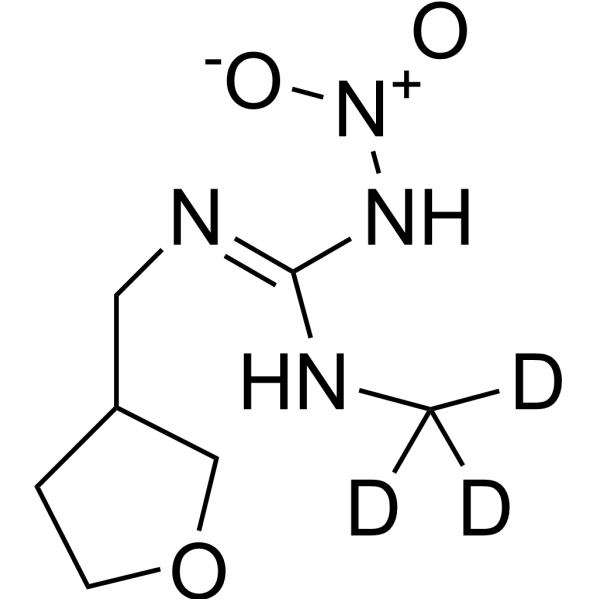 0 ImagesCat. No.: HY-B0827SCAS No.: 2934813-27-9Synonyms: MTI-446-d3Dinotefuran-d3 is the deuterium labeled Dinotefuran. Dinotefuran is an insecticide of the neonicotinoid class, its mechanism of action involves disruption of the insect's nervous system by inhibiting nicotinic acetylcholine receptors.
-
Osthole (Standard)
 0 ImagesSynonyms: Osthol (Standard); NSC 31868 (Standard)Osthole (Standard) is the analytical standard of Osthole. This product is intended for research and analytical applications. Osthole (Osthol) is a natural antihistamine alternative. Osthole may be a potential inhibitor of histamine H1 receptor activity. Osthole also suppresses the secretion of HBV in cells.

-
Zinc stearate
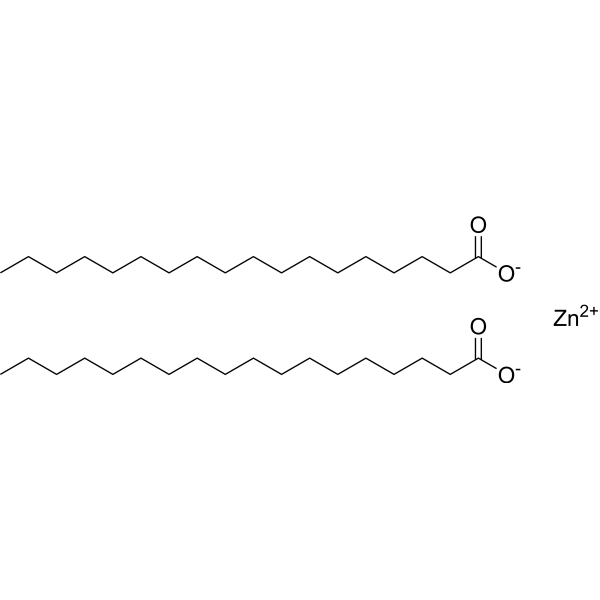 0 ImagesCat. No.: HY-W099569CAS No.: 557-05-1Synonyms: Zinc octadecanoateZinc stearate is a metal stearate that acts as a preservative, bactericide, fungicide, and larvicide. Zinc stearate inhibits larval reproduction in animal feces. Zinc stearate exhibits extremely low systemic toxicity. Zinc stearate is a common component of pharmaceutical excipients, lubricants, mold release agents, polymer stabilizers, and coating matting agents.
-
Pentadecane-d32
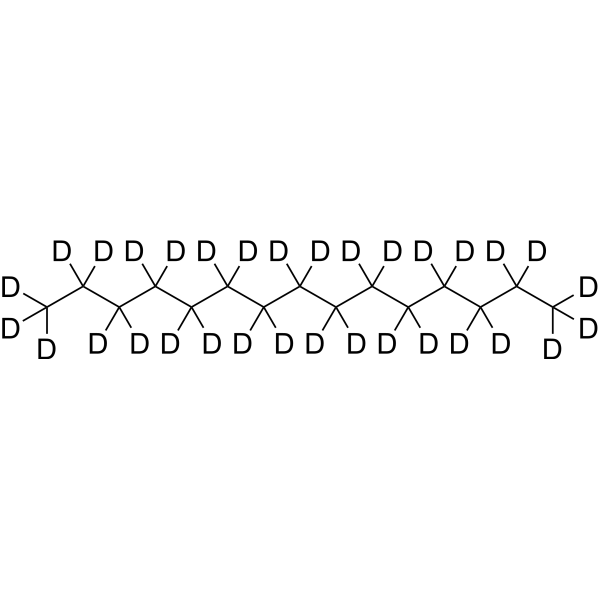 0 ImagesPentadecane-d32 is the deuterium labeled Pentadecane (HY-N7926). Pentadecane is an orally active natural plant volatile alkane with anti-inflammatory, analgesic, antipyretic and anti-leishmanial activities. Pentadecane presents IC50 values of 65.3 μM, 60.5 μM and 194.8 μM against Leishmania infantum promastigotes, amastigotes and intracellular amastigotes, respectively. Pentadecane downregulates the mRNA expression of TNF-α and IL-12 and inhibits the release of inflammatory mediators. Pentadecane arrests the cell cycle of Leishmania infantum and induces apoptosis. Pentadecane can be applied to the research of inflammation and leishmaniasis.
-
Antimalarial agent 1
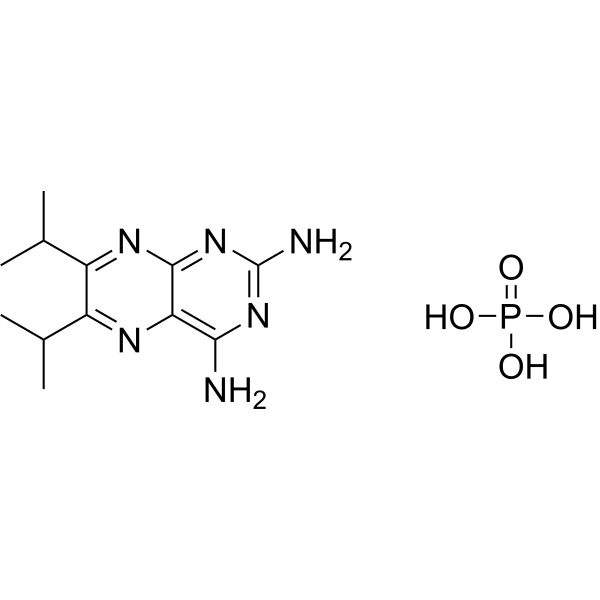 0 ImagesAntimalarial agent 1 is a potent antimalarial agent.
-
Tridecanedioic acid (Standard)
 0 ImagesSynonyms: Brassylic Acid (Standard)Tridecanedioic acid (Standard) is the analytical standard of Tridecanedioic acid (HY-128421). This product is intended for research and analytical applications. Tridecanedioic acid is an endogenous metabolite. Tridecanedioic acid is an endogenous metabolite. Tridecanedioic acid is related to the metabolic regulation of non-alcoholic fatty liver disease (NASH) and may be an important node molecule in the intestinal microbiota-host metabolism interaction network. Tridecanedioic acid is significantly accumulated in tolerant cabbage-type rapeseed varieties and has a lower content in sensitive varieties. It plays an important role in the defense response against the infection of the small cabbage moth (Plutella xylostella). Tridecanedioic acid can be used as a biomarker for plant insect resistance or a diagnostic marker for metabolic diseases.



