



Parasite
Parasites are highly adapted organisms that depend on host-derived resources for survival, growth, and transmission, making host-parasite interactions a central biological process in infectious disease biology[1]. Mechanistically, successful parasitism relies on the ability of parasites to invade host tissues, acquire nutrients, persist within host environments, and evade or manipulate immune defenses that would otherwise eliminate infection[2]. Immune evasion represents a key pathway underlying parasite persistence, and diverse parasites employ molecular strategies such as antigenic variation, immune modulation, and interference with host signaling pathways to maintain long-term survival within hosts[2][3]. These processes not only facilitate infection but also influence parasite transmission, virulence, and disease progression across a wide range of human and animal diseases[1][2]. In disease models, the dynamic interaction between parasite adaptation and host immunity has provided important experimental systems for investigating infection biology, immune regulation, and evolutionary coadaptation[4][5]. Host-parasite relationships further drive reciprocal selective pressures that shape genetic diversity and biological traits in both organisms, making coevolution a fundamental component of parasite biology[4]. Compared with related pathogenic microorganisms that primarily rely on rapid replication, many parasites establish prolonged host associations through sophisticated immune-evasion mechanisms and complex life-cycle strategies involving one or multiple hosts[2][6]. For experimental applications, investigations of parasite invasion, persistence, and immune-subversion pathways continue to support the identification of therapeutic targets and the development of improved antiparasitic intervention strategies[2][3].
-
Parasite Related Products (1855)
Related Products (1855)

-
Metronidazole
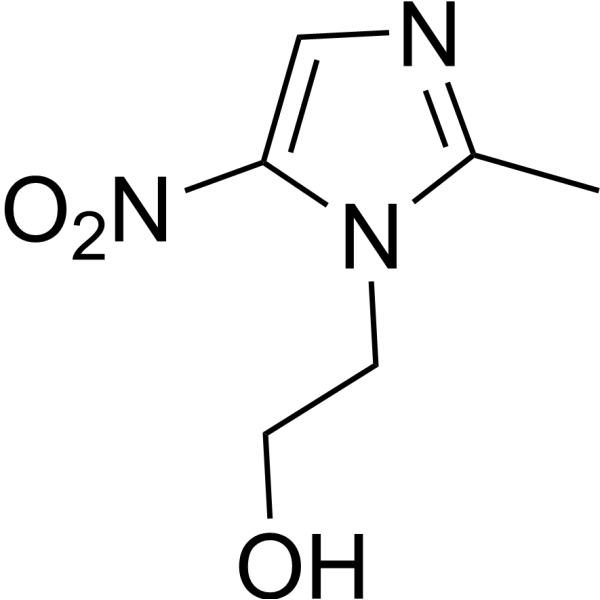 0 ImagesMetronidazole is an orally active nitroimidazole antibiotic. Metronidazole can cross blood brain barrier. Metronidazole can be used for the research of anaerobic infections.
-
Berberine chloride
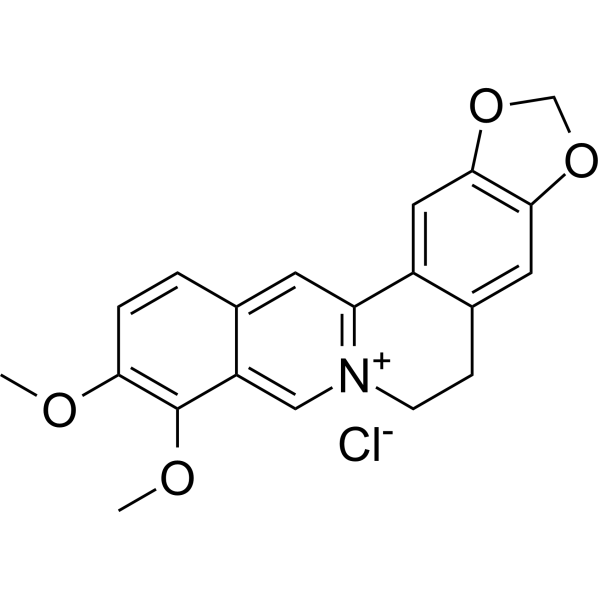 0 ImagesBerberine chloride is an alkaloid that acts as an antibiotic. Berberine chloride induces reactive oxygen species (ROS) generation and inhibits DNA topoisomerase. Antineoplastic properties.
-
Monensin sodium
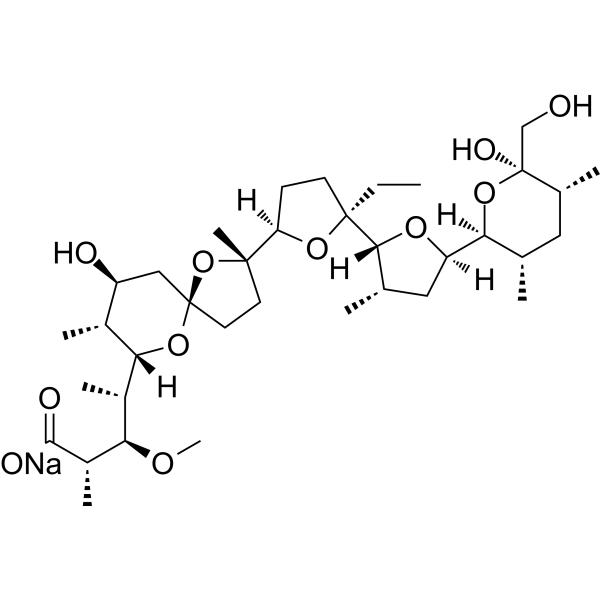 0 ImagesSynonyms: Monensin A sodiumMonensin (Monensin A) sodium, an orally active antibiotic, is an ionophore that mediates Na+/H+ exchange. Monensin sodium is a potent Wnt signaling inhibitor. Monensin sodium causes a marked enlargement of the multivesicular bodies (MVBs) and regulates exosome secretion. Monensin sodium can be used for bacterial, fungal, and parasitic infections research, and shows anticancer effects.
-
Acridine Orange hydrochloride
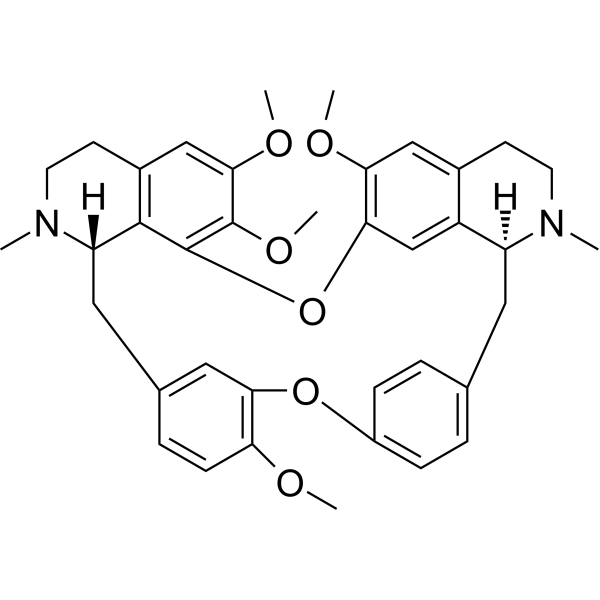
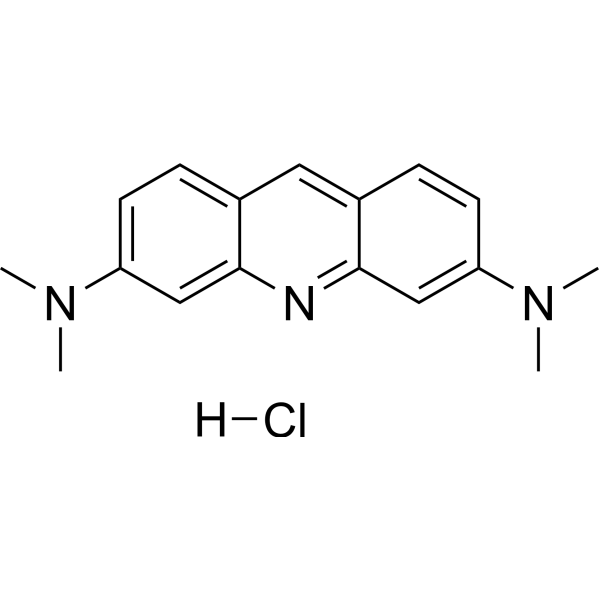 0 ImagesAcridine Orange hydrochloride is a cell-penetrable nucleic acid-selective fluorescent dye. Acridine Orange hydrochloride produces orange fluorescence when it binds to ssDNA or RNA, and green fluorescence when it binds to dsDNA (Ex: 488 nM; Em: green fluorescence at 530 nm, orange fluorescence at 640 nm).
-
Asiatic acid
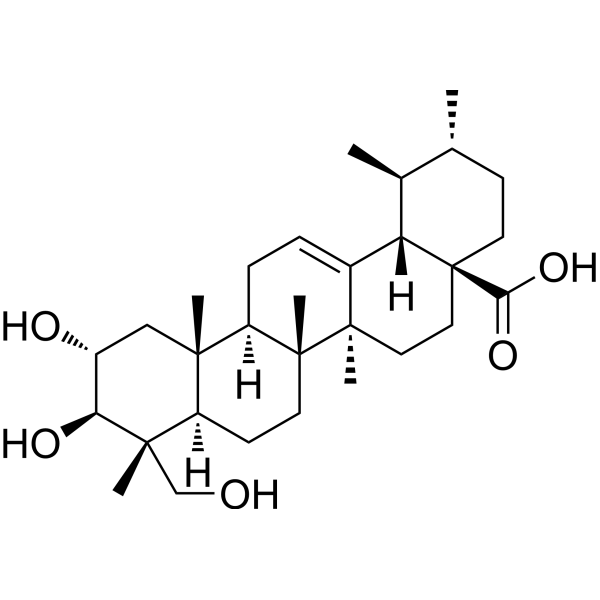 0 ImagesAsiatic acid, a pentacyclic triterpene found in Centella asiatica (Centella asiatica), has anticancer activity. Asiatic acid induces apoptosis in melanoma cells and has barrier protective effects on human aortic endothelial cells (HAEC). Asiatic acid also has anti-inflammatory activity and inhibits tumor necrosis factor (TNF)-α-induced endothelial barrier dysfunction. Asiatic acid also inhibits NLRP3 inflammasome activation and NF-κB pathway, effectively inhibits inflammation in rats, and has neuroprotective effects in rat spinal cord injury (SCI) model.
-
Levamisole
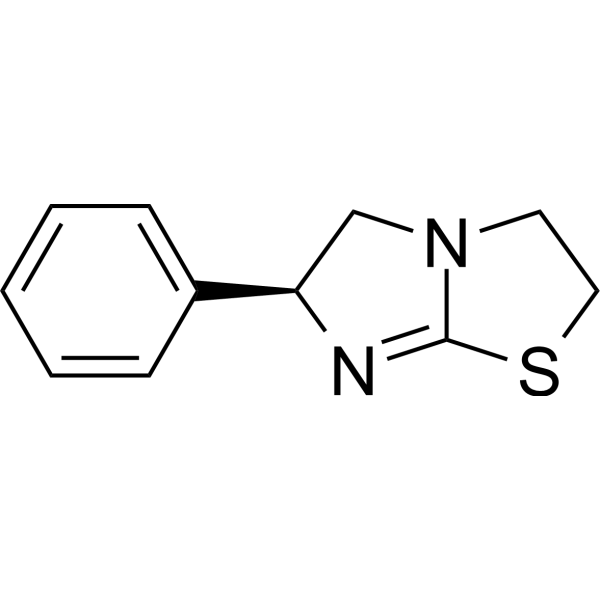 0 ImagesSynonyms: (-)-TetramisoleLevamisole ((-)-Levamisole), an anthelmintic agent with immunomodulatory properties. Levamisole acts as a positive allosteric modulator (PAM) for the α3β2 (EC50=300 μM) and α3β4 (EC50=100 μM) subtype of nAChRs. Orally active.
-
Posaconazole
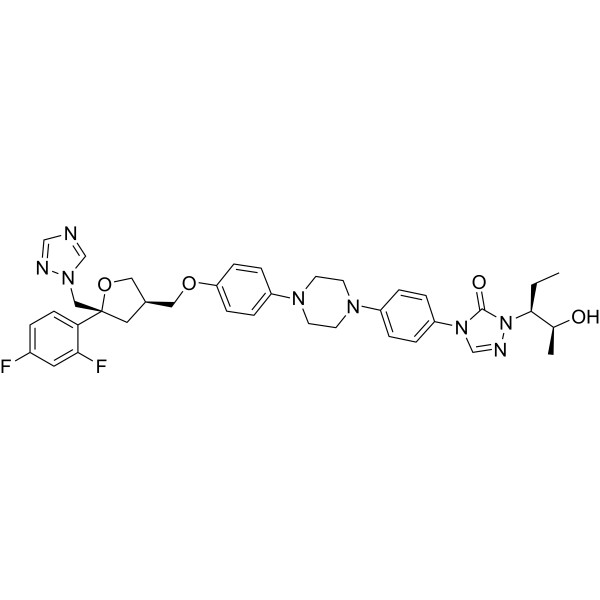 0 ImagesSynonyms: SCH 56592Posaconazole is a broad-spectrum, second generation, triazole compound with antifungal activity.
-
Lonidamine
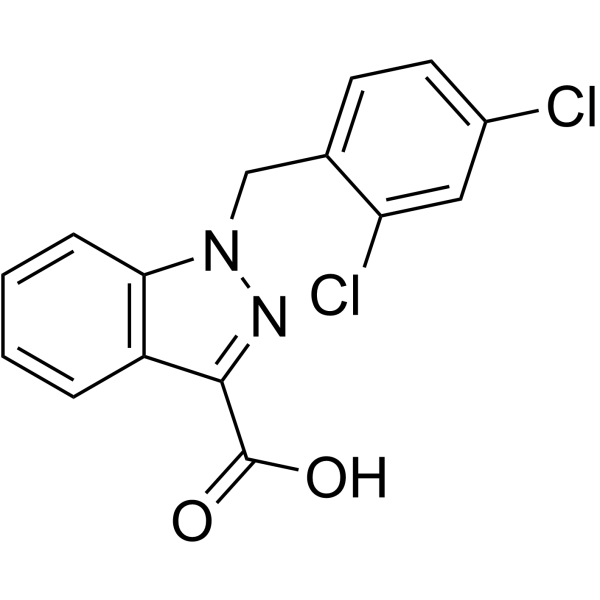 0 ImagesSynonyms: AF-1890; Diclondazolic Acid; DICALonidamine (AF-1890) is a hexokinase and mitochondrial pyruvate carrier inhibitor (Ki: 2.5 μM). Lonidamine also inhibits aerobic glycolysis in cancer cells. Lonidamine can be used in the research of mitochondrial metabolism and inflammation, such as pulmonary fibrosis.
-
Nitazoxanide
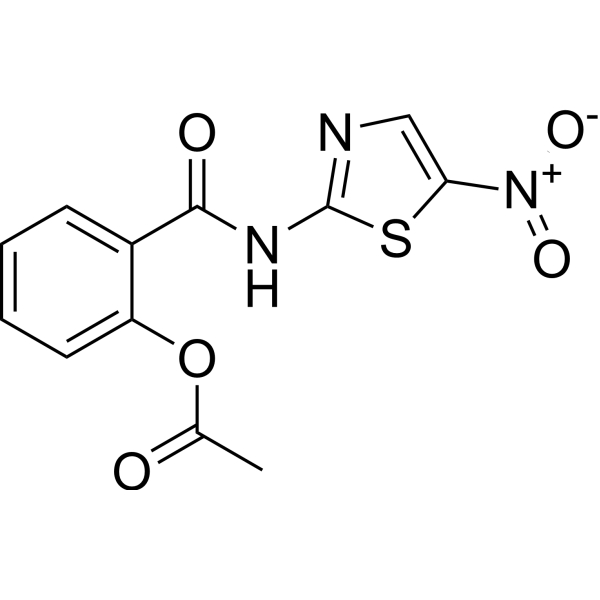 0 ImagesSynonyms: NTZ; NSC 697855Nitazoxanide (NTZ), an anthelmintic agent, exhibits a broad spectrum of activities against a wide variety of helminths, protozoa, and enteric bacteria infecting animals and humans. Nitazoxanide inhibits Giardia lamblia trophozoite proliferation in axenic culture with an IC50 of 2.4 μM. Nitazoxanide can be used for the research of parasitic gastroenteritis. Nitazoxanide shows anti-Japanese encephalitis virus (JEV) activity in a mouse model.
-
Berberine sulfate
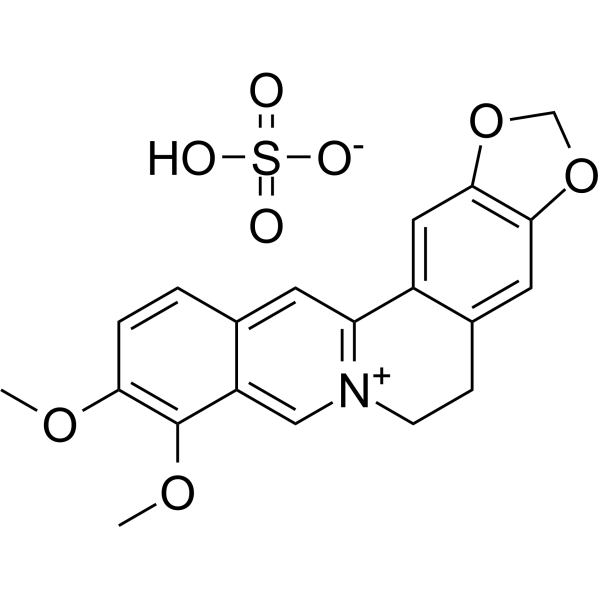 0 ImagesBerberine sulfate is an alkaloid isolated from the Chinese herbal medicine Huanglian, as an antibiotic. Berberine sulfate induces reactive oxygen species (ROS) generation and inhibits DNA topoisomerase. Berberine sulfate has antineoplastic properties. The sulfate form improves bioavailability.
-
Sanguinarine chloride
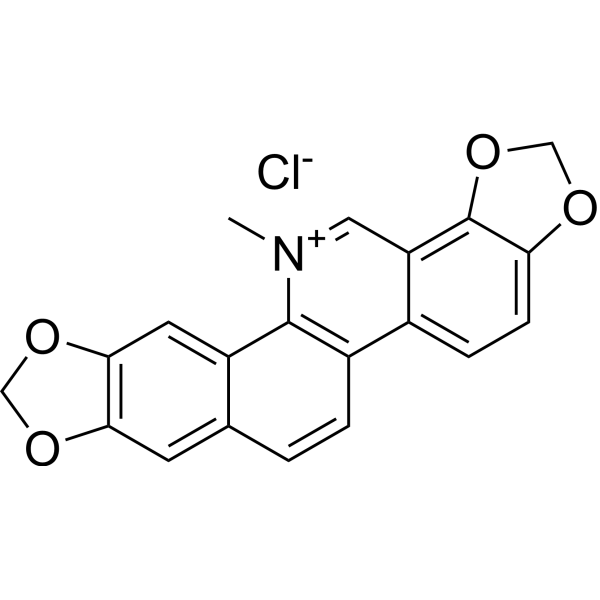 0 ImagesSynonyms: Sanguinarin chloride; Sanguinarium chloride; Pseudochelerythrine chlorideSanguinarine (Sanguinarin) chloride, a benzophenanthridine alkaloid derived from the root of Sanguinaria Canadensis, can stimulate apoptosis via activating the production of reactive oxygen species (ROS). Sanguinarine-induced apoptosis is associated with the activation of JNK and NF-κB.
-
Sinefungin
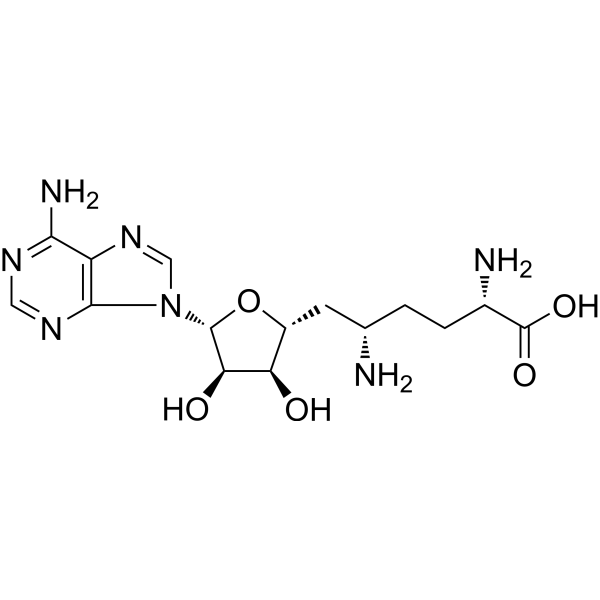 0 ImagesSynonyms: Adenosyl-Ornithine; A-9145; Antibiotic 32232RP
-
Salinomycin sodium salt
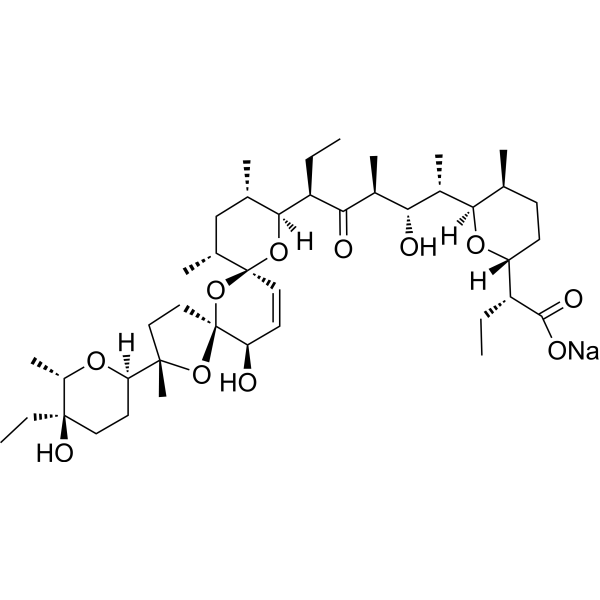 0 ImagesSynonyms: Salinomycin sodium; Sodium salinomycinSalinomycin sodium salt (Salinomycin sodium), an antibiotic potassium ionophore, is a potent inhibitor of Wnt/β-catenin signaling. Salinomycin sodium salt acts on the Wnt/Fzd/LRP complex, blocks Wnt-induced LRP6 phosphorylation, and causes degradation of the LRP6 protein. Salinomycin sodium salt shows selective activity against human cancer stem cells.
-
Kojic acid
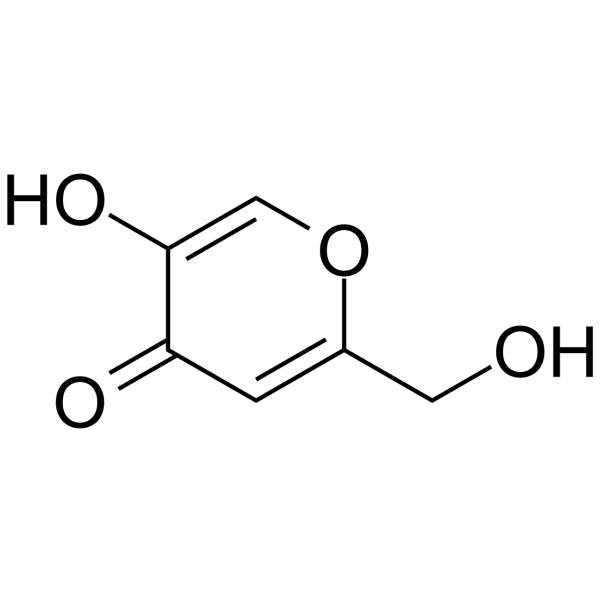 0 ImagesKojic acid is a substance produced by Aspergillus oryzae that is orally effective and can also be absorbed transdermally. Kojic acid exhibits various biological activities, including anti-aging, anti-nematode, antimicrobial, antioxidant, and anti-inflammatory effects. Kojic acid is a Tyrosinase inhibitor with an Mushroom Tyrosinase IC50 of 182.7 μM. Kojic acid prevents melanin production by capturing copper ions that bind to the tyrosinase active site, thus inhibiting its activation. Kojic acid also suppresses the NF-κB and p21 signaling pathways in human keratinocytes. Kojic acid derivatives have anticancer activity.
-
Mebendazole
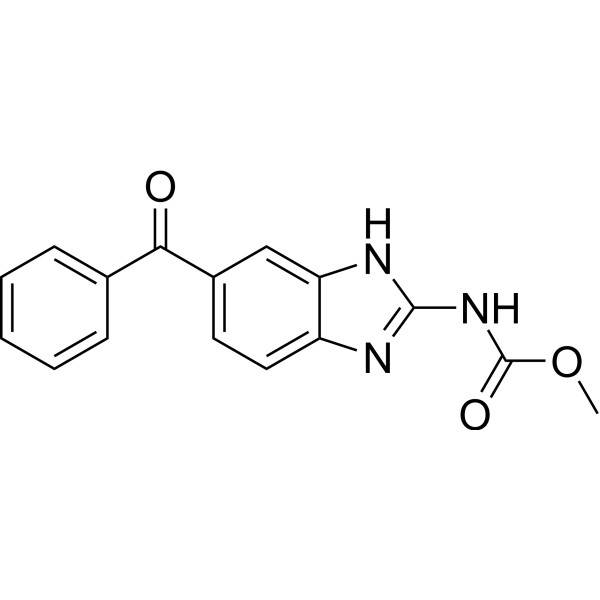 0 ImagesMebendazole is a highly effective, broad-spectrum antihelmintic against nematode infestations. Mebendazole also exhibits inhibitory effect against glioblastoma multiforme (GBM), inhibits Hedgehog pathway and tubulin polymerization. Mebendazole is orally active and can cross CNS penetration.
-
Chloroquine (Standard)
 0 ImagesCat. No.: HY-17589ARCAS No.: 54-05-7Chloroquine (Standard) is the analytical standard of Chloroquine. This product is intended for research and analytical applications. Chloroquine is an antimalarial and anti-inflammatory agent widely used to treat malaria and rheumatoid arthritis. Chloroquine is an autophagy and toll-like receptors (TLRs) inhibitor. Chloroquine is highly effective in the control of SARS-CoV-2 (COVID-19) infection in vitro (EC50=1.13 μM).
-
Fenbendazole
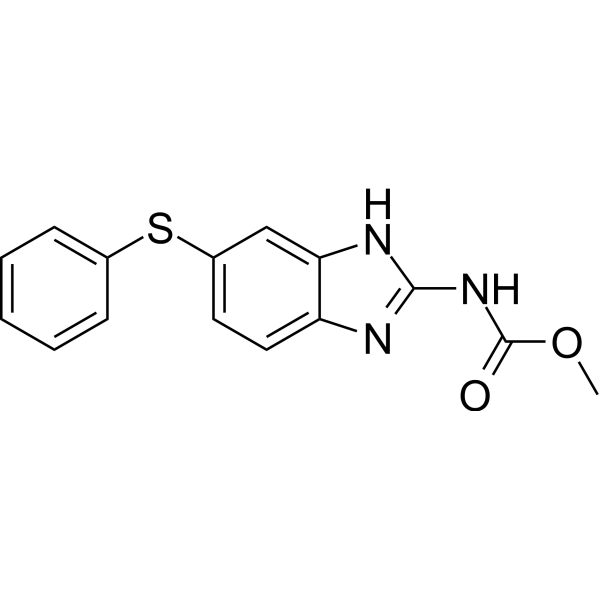 0 ImagesFenbendazole is an orally active benzimidazole anthelmintic agent, with a broad antiparasitic range. Fenbendazole is a microtubule destabilizing agent and acts on helminthes primarily by binding to tubulin and disrupting the tubulin microtubule equilibrium. Fenbendazole stabilizes the transcriptional activator HIF-1α. Fenbendazole possesses an efficient anti-proliferative activity and induces apoptosis. Fenbendazole causes cell-cycle arrest and mitotic cell death, and has antitumor activity in mice xenografted with wild-type p53.
-
Albendazole
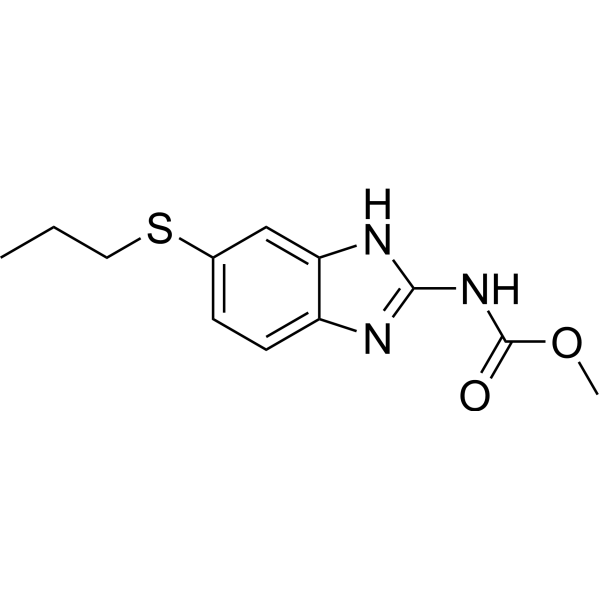 0 ImagesSynonyms: SKF-62979Albendazole (SKF-62979) is an orally active and broad-spectrum parasiticide with high effectiveness and low host toxicity, is used for the research of gastrointestinal parasites in humans and animals. Albendazole induces apoptosis and autophagy in cancer cells. Albendazole also inhibits tubulin polymerization and HIF-1α, VEGF expression, has antioxidant activity, and inhibits the glycolytic process in cancer cells.



