



Parasite Inhibitor
-
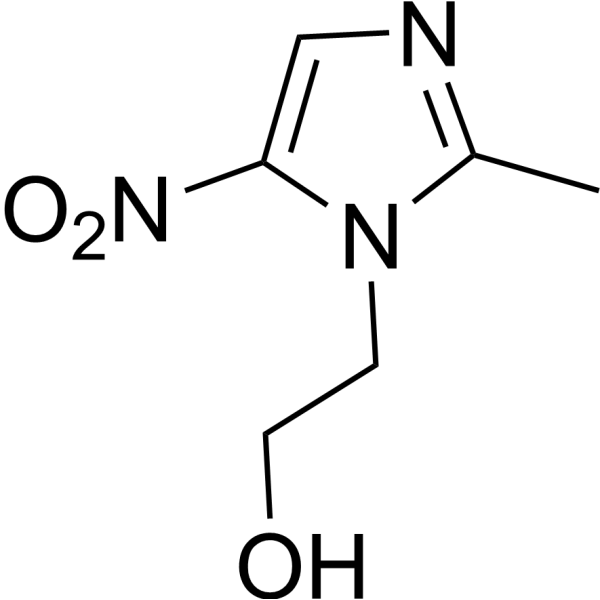
Metronidazole
 0 Images
Metronidazole is an orally active nitroimidazole antibiotic. Metronidazole can cross blood brain barrier. Metronidazole can be used for the research of anaerobic infections.
-
Monensin sodium
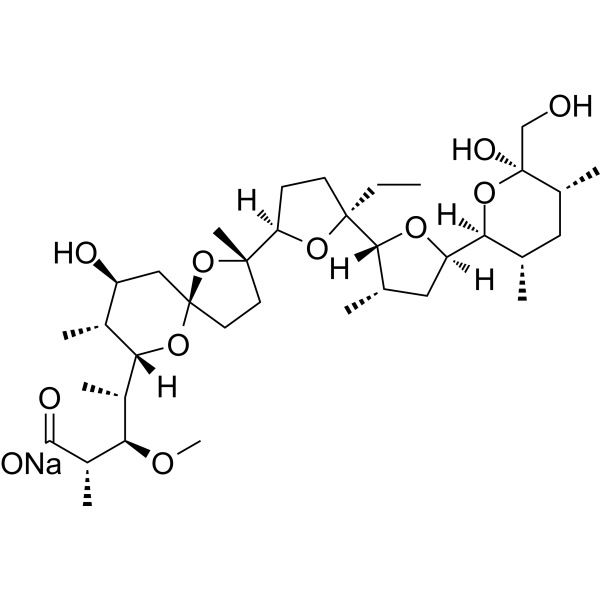 0 ImagesSynonyms: Monensin A sodium
Monensin (Monensin A) sodium, an orally active antibiotic, is an ionophore that mediates Na+/H+ exchange. Monensin sodium is a potent Wnt signaling inhibitor. Monensin sodium causes a marked enlargement of the multivesicular bodies (MVBs) and regulates exosome secretion. Monensin sodium can be used for bacterial, fungal, and parasitic infections research, and shows anticancer effects.
-
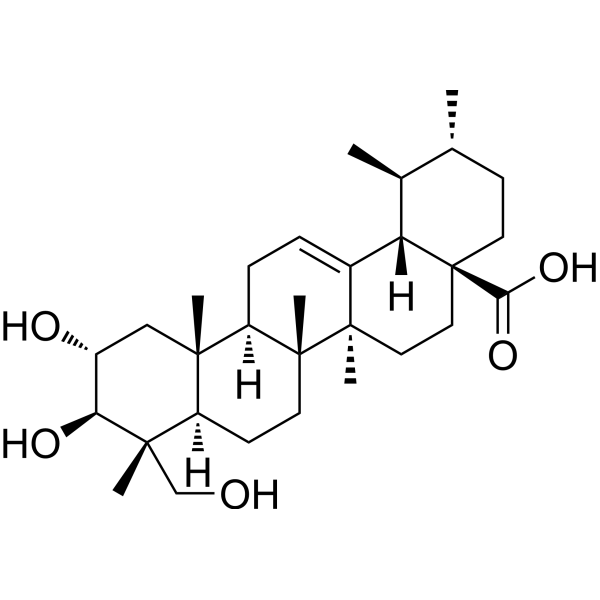
Asiatic acid
 0 Images
Asiatic acid, a pentacyclic triterpene found in Centella asiatica (Centella asiatica), has anticancer activity. Asiatic acid induces apoptosis in melanoma cells and has barrier protective effects on human aortic endothelial cells (HAEC). Asiatic acid also has anti-inflammatory activity and inhibits tumor necrosis factor (TNF)-α-induced endothelial barrier dysfunction. Asiatic acid also inhibits NLRP3 inflammasome activation and NF-κB pathway, effectively inhibits inflammation in rats, and has neuroprotective effects in rat spinal cord injury (SCI) model.
-
Levamisole
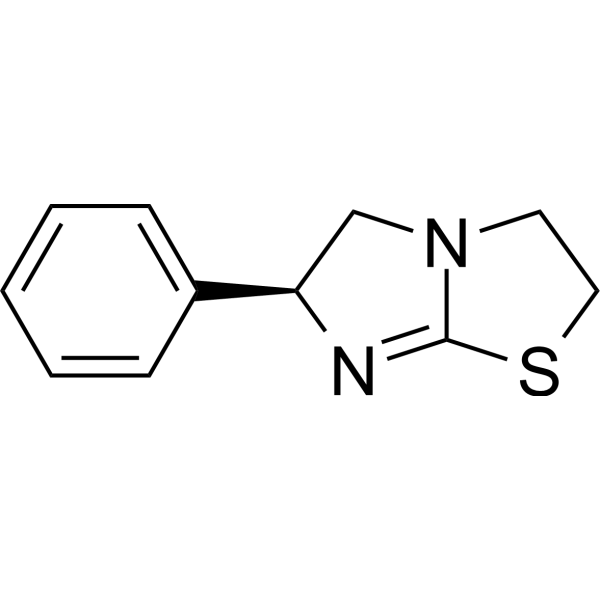 0 ImagesSynonyms: (-)-Tetramisole
Levamisole ((-)-Levamisole), an anthelmintic agent with immunomodulatory properties. Levamisole acts as a positive allosteric modulator (PAM) for the α3β2 (EC50=300 μM) and α3β4 (EC50=100 μM) subtype of nAChRs. Orally active.
-
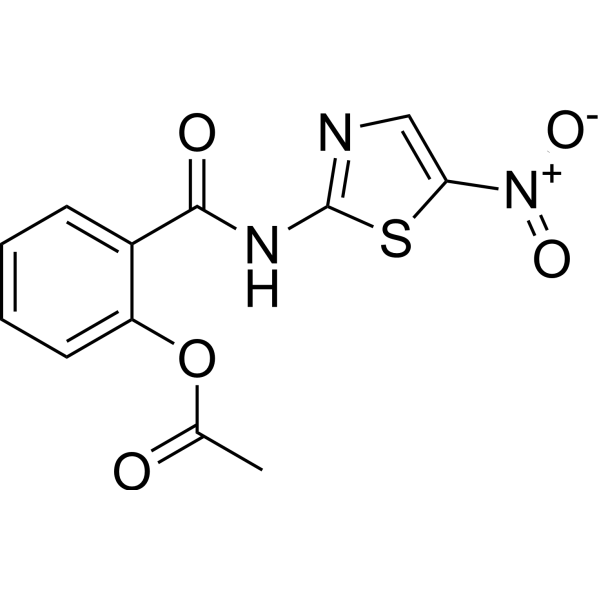
Nitazoxanide
 0 ImagesSynonyms: NTZ; NSC 697855
Nitazoxanide (NTZ), an anthelmintic agent, exhibits a broad spectrum of activities against a wide variety of helminths, protozoa, and enteric bacteria infecting animals and humans. Nitazoxanide inhibits Giardia lamblia trophozoite proliferation in axenic culture with an IC50 of 2.4 μM. Nitazoxanide can be used for the research of parasitic gastroenteritis. Nitazoxanide shows anti-Japanese encephalitis virus (JEV) activity in a mouse model.
-
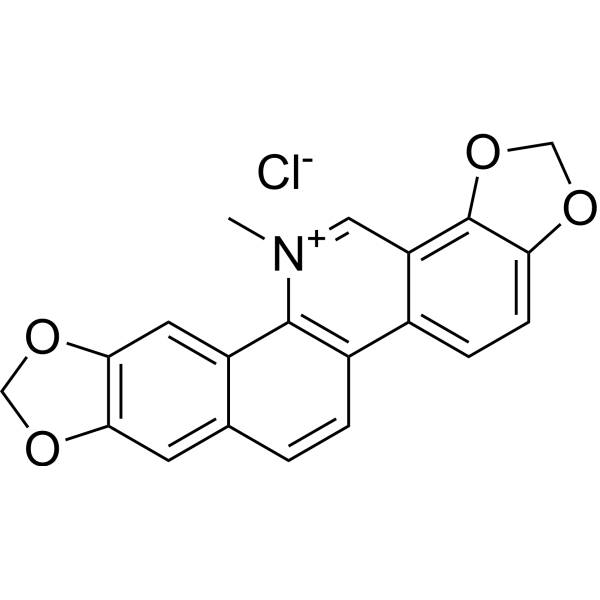
Sanguinarine chloride
 0 ImagesSynonyms: Sanguinarin chloride; Sanguinarium chloride; Pseudochelerythrine chloride
Sanguinarine (Sanguinarin) chloride, a benzophenanthridine alkaloid derived from the root of Sanguinaria Canadensis, can stimulate apoptosis via activating the production of reactive oxygen species (ROS). Sanguinarine-induced apoptosis is associated with the activation of JNK and NF-κB.
-
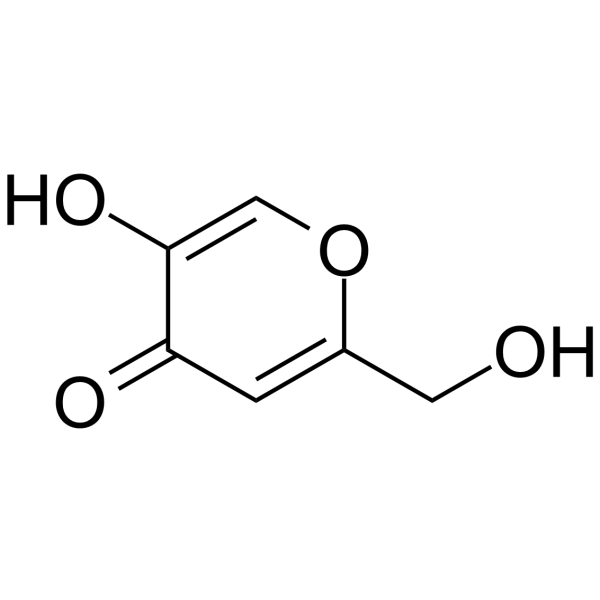
Kojic acid
 0 Images
Kojic acid is a substance produced by Aspergillus oryzae that is orally effective and can also be absorbed transdermally. Kojic acid exhibits various biological activities, including anti-aging, anti-nematode, antimicrobial, antioxidant, and anti-inflammatory effects. Kojic acid is a Tyrosinase inhibitor with an Mushroom Tyrosinase IC50 of 182.7 μM. Kojic acid prevents melanin production by capturing copper ions that bind to the tyrosinase active site, thus inhibiting its activation. Kojic acid also suppresses the NF-κB and p21 signaling pathways in human keratinocytes. Kojic acid derivatives have anticancer activity.
-
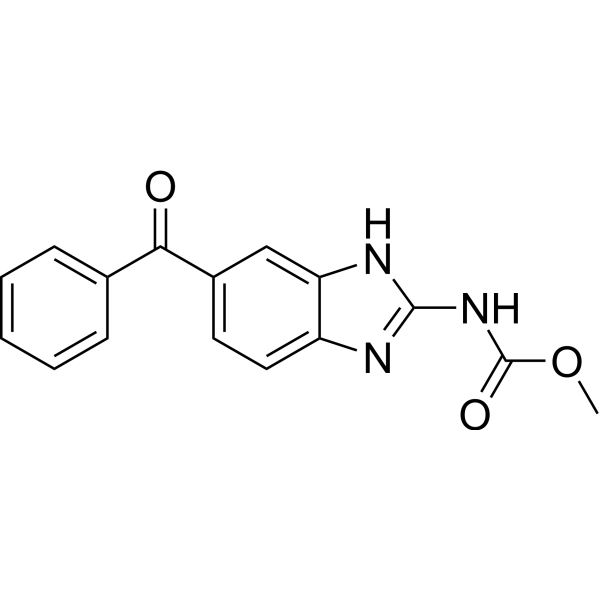
Mebendazole
 0 Images
Mebendazole is a highly effective, broad-spectrum antihelmintic against nematode infestations. Mebendazole also exhibits inhibitory effect against glioblastoma multiforme (GBM), inhibits Hedgehog pathway and tubulin polymerization. Mebendazole is orally active and can cross CNS penetration.
-
Chloroquine (Standard)
 0 ImagesCat. No.: HY-17589ARCAS No.: 54-05-7
Chloroquine (Standard) is the analytical standard of Chloroquine. This product is intended for research and analytical applications. Chloroquine is an antimalarial and anti-inflammatory agent widely used to treat malaria and rheumatoid arthritis. Chloroquine is an autophagy and toll-like receptors (TLRs) inhibitor. Chloroquine is highly effective in the control of SARS-CoV-2 (COVID-19) infection in vitro (EC50=1.13 μM).
-
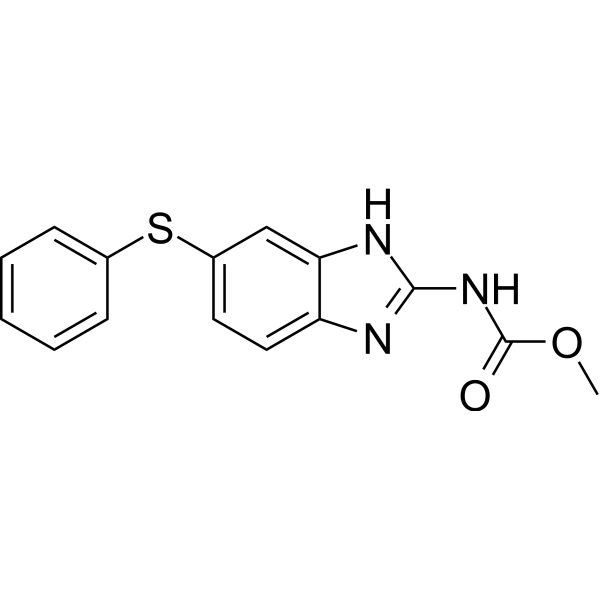
Fenbendazole
 0 Images
Fenbendazole is an orally active benzimidazole anthelmintic agent, with a broad antiparasitic range. Fenbendazole is a microtubule destabilizing agent and acts on helminthes primarily by binding to tubulin and disrupting the tubulin microtubule equilibrium. Fenbendazole stabilizes the transcriptional activator HIF-1α. Fenbendazole possesses an efficient anti-proliferative activity and induces apoptosis. Fenbendazole causes cell-cycle arrest and mitotic cell death, and has antitumor activity in mice xenografted with wild-type p53.
-
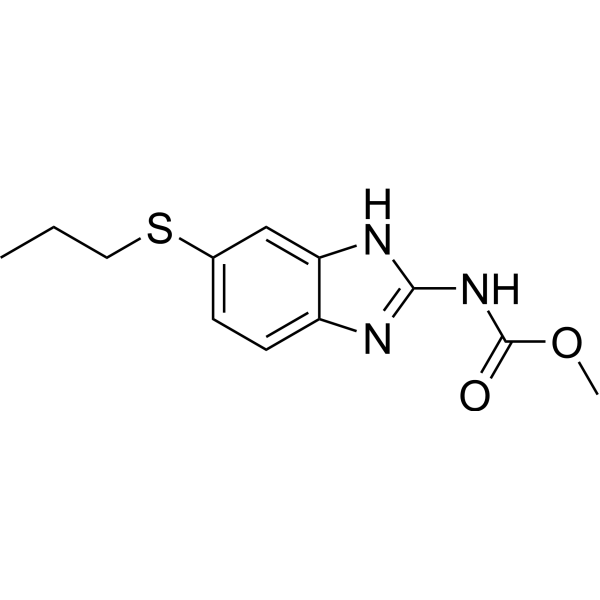
Albendazole
 0 ImagesSynonyms: SKF-62979
Albendazole (SKF-62979) is an orally active and broad-spectrum parasiticide with high effectiveness and low host toxicity, is used for the research of gastrointestinal parasites in humans and animals. Albendazole induces apoptosis and autophagy in cancer cells. Albendazole also inhibits tubulin polymerization and HIF-1α, VEGF expression, has antioxidant activity, and inhibits the glycolytic process in cancer cells.
-
Zymolyase, Arthrobacter luteus
 0 ImagesCat. No.: HY-E70306
Zymolyase, Arthrobacter luteus, is a zymolyase mainly found in Arthrobacter luteus. Enzyme, an enzyme with beta-1,3 glucanase activity, removes the electron-dense outer layer of the Plasmodium karinii cell wall, exposing an electron-lucent layer.
-
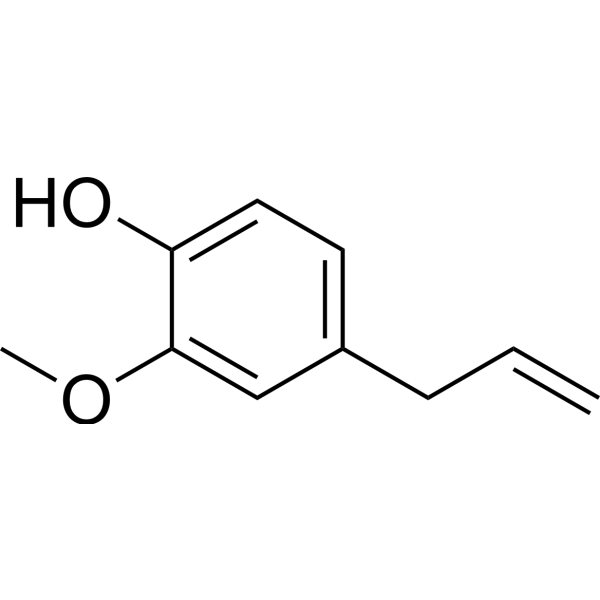
Eugenol,98% (stabilized with TBC)
 0 Images
Eugenol is an essential oil found in cloves with antibacterial, anthelmintic and antioxidant activity. Eugenol is shown to inhibit lipid peroxidation.
-
Aureobasidin A
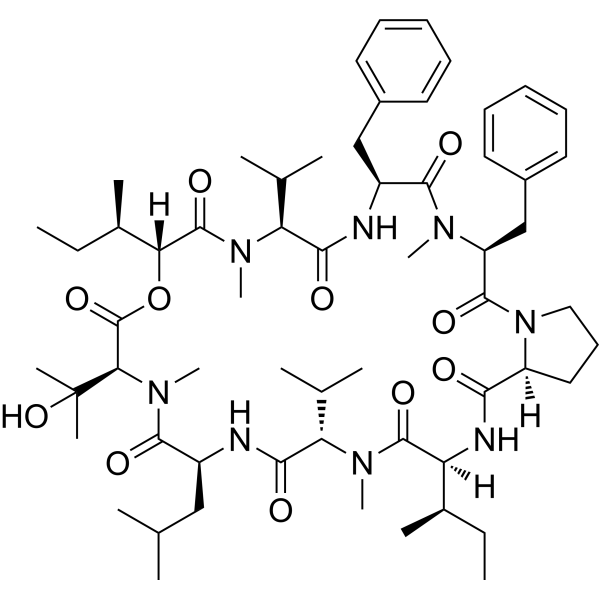 0 ImagesSynonyms: Basifungin
Aureobasidin A (Basifungin) is a cyclic peptide antibiotic with oral activity. Aureobasidin A is an inhibitor of inositol phosphorylated ceramide synthetase AUR1. Aureobasidin A has antifungal and antiparasitic activity.
-
Urethane
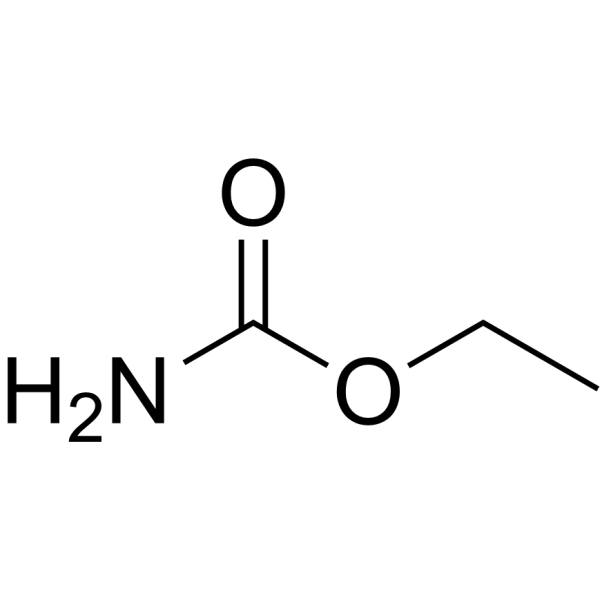 0 ImagesSynonyms: Ethyl carbamate; Carbamic acid ethyl ester; Ethylurethane
Urethane (Ethyl carbamate), the ethyl ester of carbamic acid, is a byproduct of fermentation found in various food products. Urethane has the ability to suppress bacterial, protozoal, sea urchin egg, and plant tissue growth in vitro.
-
Linolelaidic acid
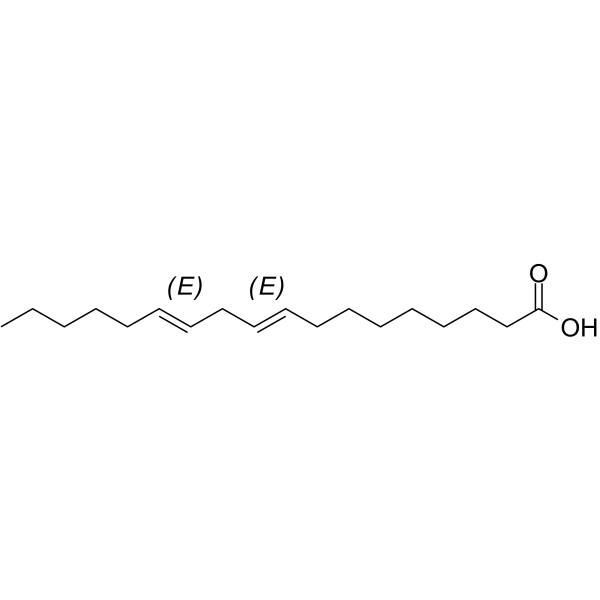 0 ImagesSynonyms: Linoelaidic acid
Linolelaidic acid (Linoelaidic acid) is an omega-6 trans fatty acid (TFA) that is an essential nutrient with oral activity. Linolelaidic acid can be added to enteral nutrition (oral), parenteral nutrition (intravenous), and infant formula. Linolelaidic acid has anti-inflammatory and anti-parasitic ((Parasite)) activities, and can induce Apoptosis. Linolelaidic acid is useful for research in infections.
-
Bruceine D
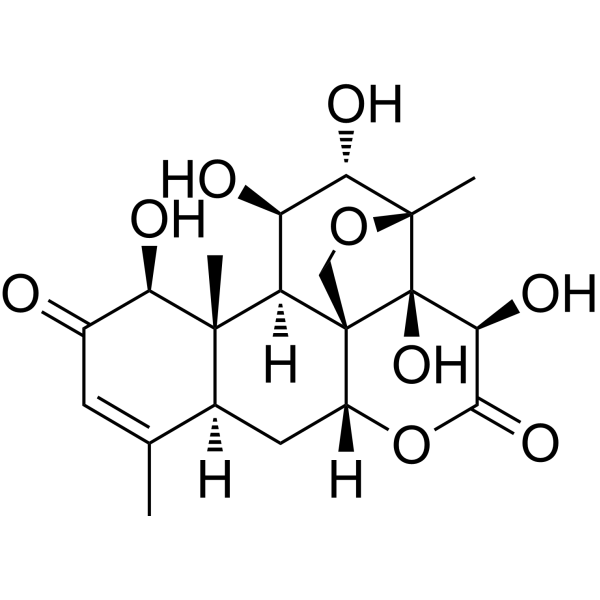 0 Images
Bruceine D is a Notch inhibitor with anti-cancer activity and induces apoptosis in several human cancer cells. Bruceine D is an effective botanical insect antifeedant with outstanding systemic properties, causing potent pest growth inhibitory activity. Bruceine D has strong anthelmintic activity against D. intermedius with an EC50 value of 0.57 mg/L.
-
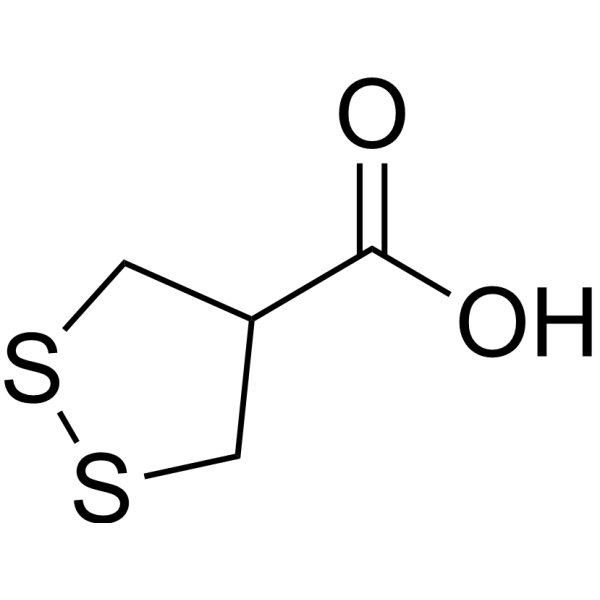
Asparagusic acid
 0 Images
Asparagusic acid is a sulfur-containing flavor component produced by Asparagus officinalis Linn., with anti-parasitic effect. Asparagusic acid is a plant growth inhibitor.
-
Gum arabic
 0 Images
Gum Arabic is an orally active complex branched polysaccharide. Gum Arabic can be isolated from the Acacia senegal tree. Gum Arabic upregulates the expression of maturation markers (CD86, CD40, and CD54), promotes ERK1/2 phosphorylation, and inhibits Apoptosis. Gum Arabic exhibits antimalarial effects against Plasmodium berghei ANKA. Gum Arabic exhibits hepatoprotective, renal, and cardiovascular protective activities. Gum Arabic improves obesity. Gum Arabic is commonly used as a stabilizer and thickener. Gum Arabic can be used in the research of brain tumor imaging.



