



Phospholipase
Phospholipase is a member of a very complex group of enzymes that break down phospholipids into fatty acids and other compounds. Phospholipases are defined by the enzymatic reaction they catalyze. The classes are phospholipase A, which has members A1 and A2; phospholipase B, which can carry out the reactions of both A1 and A2; phospholipase C; and phospholipase D.
Phospholipase A2 (PLA2) catalyses the hydrolysis of the sn-2 position of glycerophospholipids to yield fatty acids and lysophospholipids. Phospholipase C (PLC) converts phosphatidylinositol 4,5-bisphosphate (PIP2) to inositol 1,4,5-trisphosphate (IP3) and diacylglycerol (DAG). DAG and IP3 each control diverse cellular processes and are also substrates for synthesis of other important signaling molecules. PLC is thus central to many important interlocking regulatory networks. Phospholipase D (PLD) is an essential enzyme responsible for the production of the lipid second messenger phosphatidic acid (PA), which is involved in fundamental cellular processes, including membrane trafficking, actin cytoskeleton remodeling, cell proliferation and cell survival.
Phospholipase Isoform Specific Products
All Product Categories
-
Phospholipase Related Products (326)
Related Products (326)

-
Antibodies (9)
-
Phospholipase Isoform Comparison
-
LY433771
 0 ImagesSynonyms: LSN433771LY433771 (LSN433771) (Compound 8) is a type X secretory phospholipase A2 (sPLA2) inhibitor with an IC50 value of 3 nM, which can be used in the study of cardiovascular diseases.
-
(Z)-Oleyloxyethyl phosphorylcholine
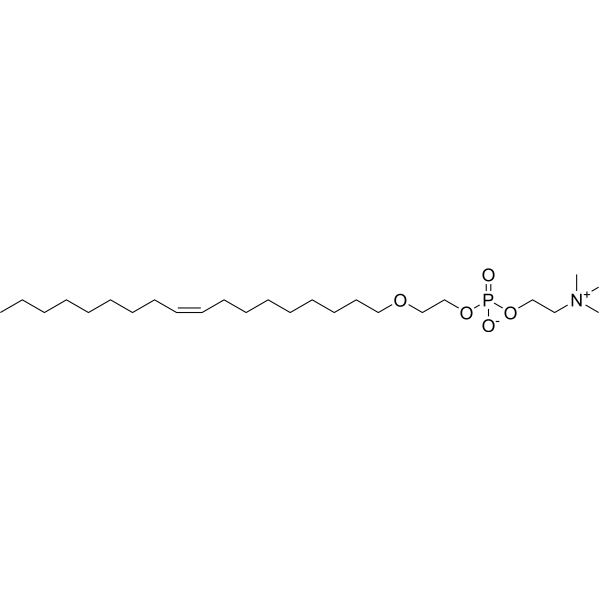 0 Images(Z)-Oleyloxyethyl phosphorylcholine ((Z)-OPC) is an isomer of Oleyloxyethyl phosphorylcholine (OPC). Oleyloxyethyl phosphorylcholine is an inhibitor of secreted Phospholipase A2 (sPLA2), which is involved in the biosynthesis of proinflammatory lipid media. Oleyloxyethyl phosphorylcholine can be used to study inflammatory diseases. Oleyloxyethyl phosphorylcholine also modified the red blood membrane and was used to bind the oxygen-carrying liquid perfluorocarbons as an antivenom agent to reduce toxin-induced hemolysis.
-
Efipladib
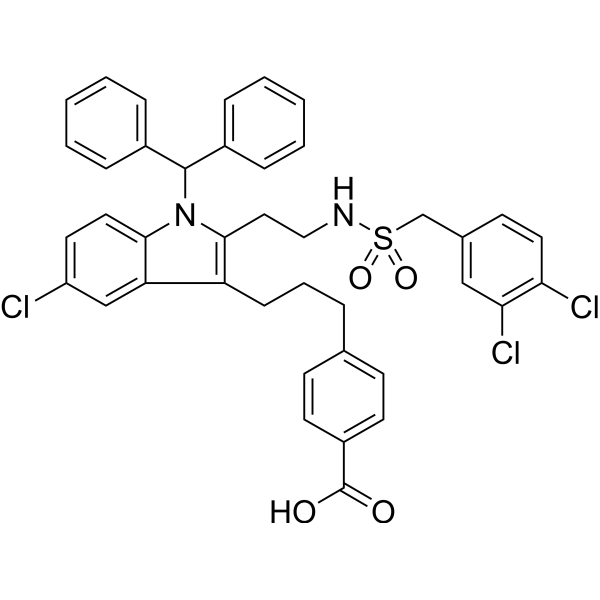 0 ImagesCat. No.: HY-106253CAS No.: 381683-94-9Efipladib is a potent, selective and orally active cPLA2α inhibitor with an IC50 of 0.04 μM and a Kd of 0.067 μM.
-
MJ33-OH lithium
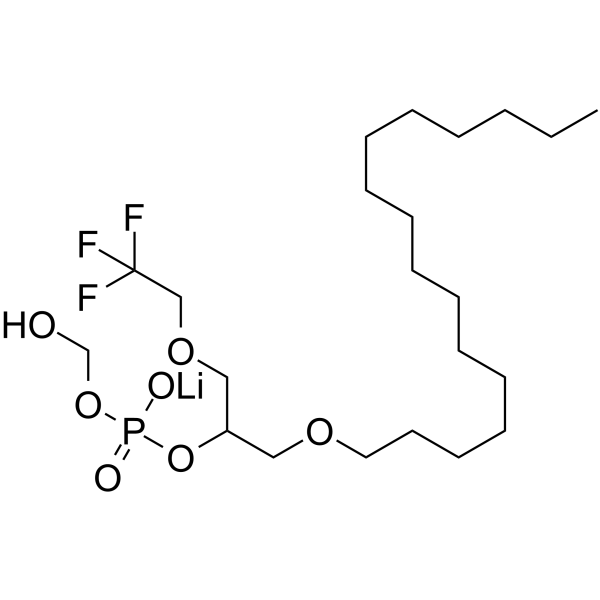 0 ImagesCat. No.: HY-129944ACAS No.: 1135306-36-3MJ33-OH lithium is a metabolite of MJ33. MJ33 is an active-site-directed, specific, competitive, and reversible phospholipase A2 (PLA2) inhibitor. MJ33 blocks the calcium-independent phospholipase A2 (iPLA2) activity of Prdx6.
-
VU 0364739 hydrochloride
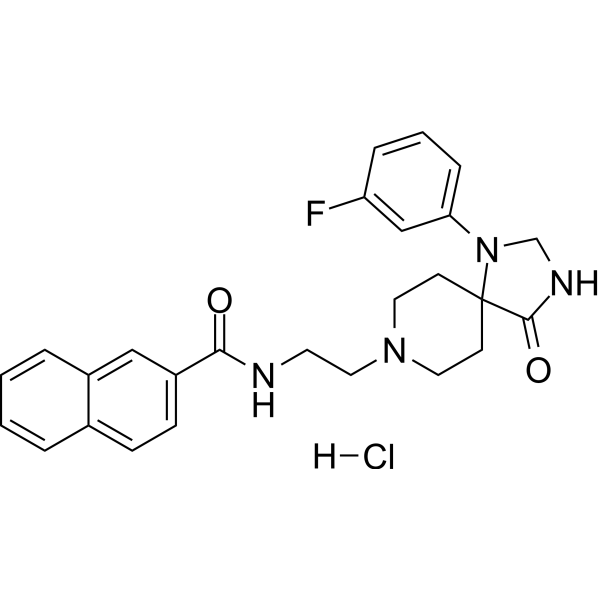 0 ImagesCat. No.: HY-108616CAS No.: 1244640-48-9VU 0364739 hydrochloride is a highly selective phospholipase D2 (PLD2) inhibitor with IC50s of 20 and 1500 nM for PLD2 and PLD1, respectively. VU 0364739 hydrochloride induces apoptosis and it can be used for cancer research.
-
CAY10590
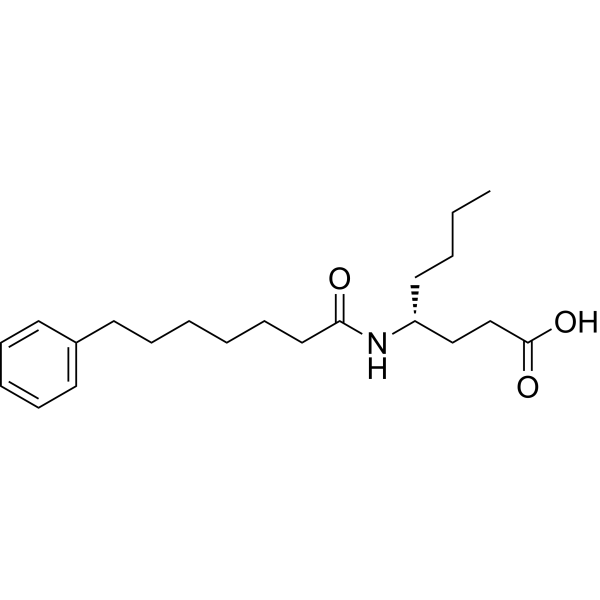 0 ImagesSynonyms: GK115CAY10590 (GK115) is an inhibitor of secreted phospholipase A2 (sPLA2) and can be used for the research of chronic inflammatory kidney diseases.
-
EA4
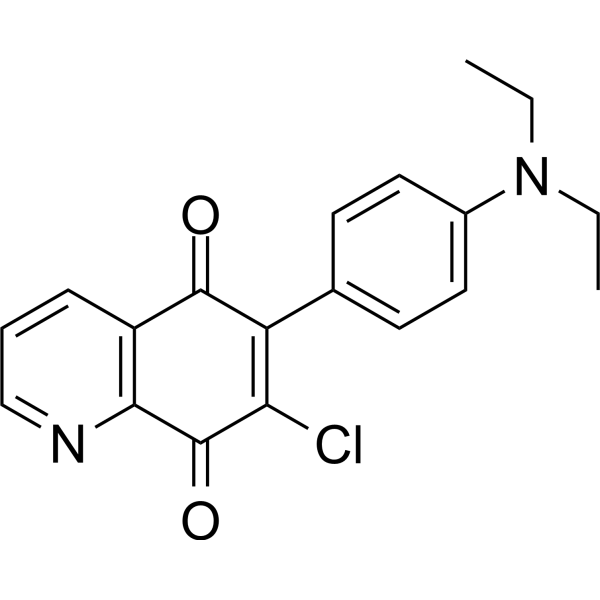 0 ImagesEA4, a derivative of quinone, is an inhibitor for both rPLA and cPLA. EA4 can inhibit rPLA2 with a Ki value of 130 μM. EA4 can be used for the research of hemostasis, thrombosis, and erythropoiesis.
-
AZD2716
 0 ImagesAZD2716 is an orally active secretory phospholipase A2 (sPLA2) inhibitor. AZD2716 inhibits human GIIA sPLA2 (IC50=10 nM), human GV sPLA2 (IC50=40 nM), human GX sPLA2 (IC50=400 nM), snake venom sPLA2 (IC50=2 pM), and snake (Bothrops jararacussu) Lys49-PLA2-like toxin (Kd=110 μM). AZD2716 inhibits sPLA2 isoforms IIa, V, X, snake venom sPLA2s, and snake venom Lys49-PLA2-like toxin myotoxic activity via hydrophobic channel binding. AZD2716 suppresses GIIA sPLA2 production, neutralizes snake venom-induced myotoxicity, and improves survival in envenomed mice. AZD2716 can be used for the research of coronary artery disease, atherosclerosis, and snakebite envenoming.
-
RK-682
 0 ImagesCat. No.: HY-135564ACAS No.: 150627-37-5RK-682 is the inhibitor for protein tyrosine phosphatase (PTPase), heparanase, phospholipase A2 and HIV-1 protease. RK-682 inhibits the dephosphorylation of CD45 (IC50 is 54 μM) and VHR (IC50 is 2.0 μM), and thereby inhibits the ERK signaling pathway. RK-682 inhibits the cell viability of cancer cell MGH-U3, T24 and UROtsa with IC50s of 78.2, 43.2 and 145 nM, respectively, arrests the cell cycle at G1/S phase, inhibits the cell migration and autophagy in MGH-U3 and T24.
-
Luffariellolide
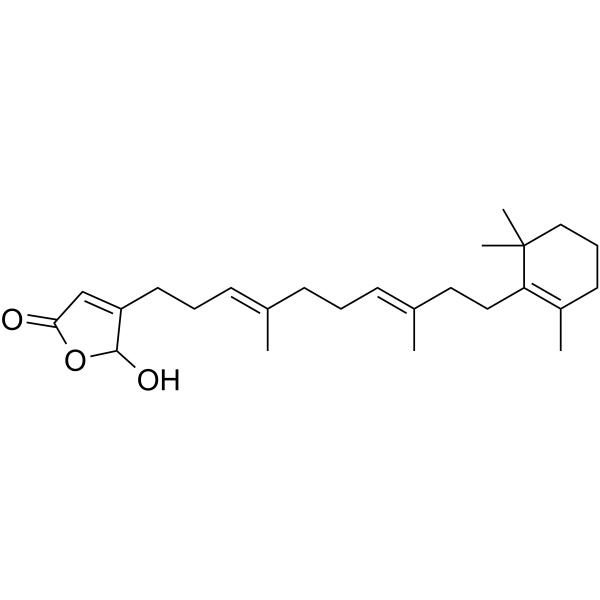 0 ImagesCat. No.: HY-118725CAS No.: 111149-87-2Luffariellolide is an inhibitor of human synovial fluid phospholipase A2 (HSF-PLA2) (IC50=5 μM). Luffariellolide effectively inhibits phorbol ester (PMA)-induced ear edema (ED50=50 μg/ear).
-
(2E)-OBAA
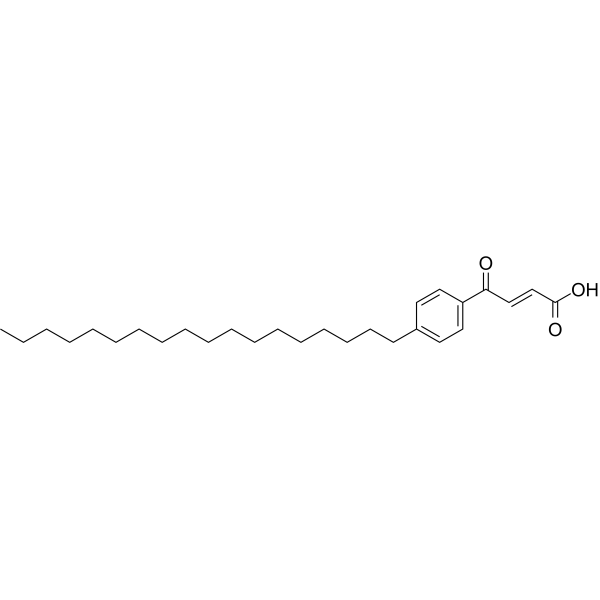 0 ImagesCat. No.: HY-101015CAS No.: 221632-26-4(2E)-OBAA is a potent phospholipase A2 (PLA2) inhibitor, with an IC50 of 70 nM. (2E)-OBAA induces apoptosis of HUVEC cells. (2E)-OBAA blocks Melittin-induced Ca2+ influx in Trypanosoma brucei, with an IC50 of 0.4 μM.
-
Ecopladib
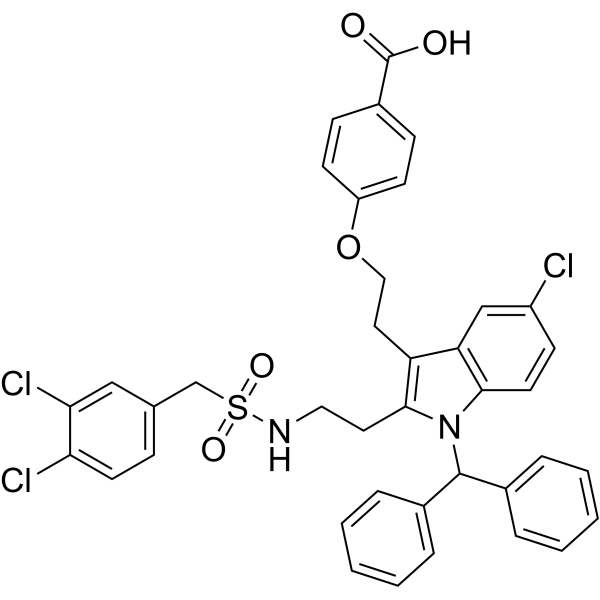 0 ImagesCat. No.: HY-U00037CAS No.: 381683-92-7Synonyms: PLA 725Ecopladib is a sub-micromolar inhibitor of cytosolic phospholipase A2α (cPLA2α), with IC50s of 0.15 μM and 0.11 μM in the GLU micelle and rat whole blood assays, respectively.
-
PLD-IN-1
 0 ImagesPLD-IN-1 (Compound 3r) is an orally active inhibitor for phospholipase D with an IC50 of 1.97 μM. PLD-IN-1 reduces the expression of CD24, CD47 and PD-L1, enhances the calreticulin expression, and thus modulates the immune evasion mechanism in lung cancer cells by promoting the phagocytosis of cancer cells by macrophages. PLD-IN-1 inhibits the cell viability of lung cancer cell A549, HCC44, H460 and HCC15 with IC50 of 18.44, 22.31, 24.85 and 21.45 μM, respectively. PLD-IN-1 can induce apoptosis and inhibits migration in cell A549. PLD-IN-1 enhances the level of pro-inflammatory M1 macrophages and decreases the level of anti-inflammatory M2 macrophages, exhibits antitumor efficacy in mouse model.
-
Sphingomyelin phosphodiesterase, Streptomyces sp.
 0 ImagesSphingomyelin phosphodiesterase, Streptomyces sp. is a sphingomyelin phosphodiesterase derived from the genus Streptomyces, which cleaves the phosphodiester bond of sphingomyelin. Sphingomyelin phosphodiesterase, Streptomyces sp. catalyzes the hydrolysis of sphingomyelin in micelles, synthetic substrates, erythrocyte ghost membranes and liposomes, as well as the hydrolysis of the substrate HNP. In the presence of Mg2+ or Mn2+ , Sphingomyelin phosphodiesterase, Streptomyces sp. induces hemolysis of bovine erythrocytes through the hydrolysis of membrane sphingomyelin.
-
GK187
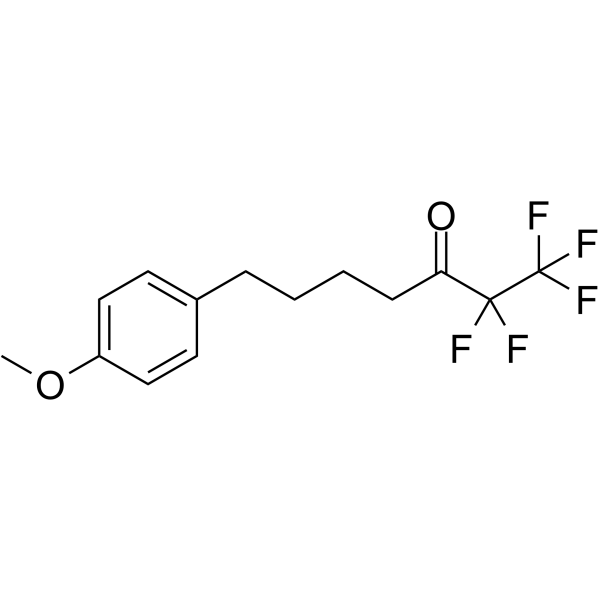 0 ImagesGK187 is a potent and selective Group VIA calcium-independent phospholipase A2 (GVIA iPLA2) inhibitor with an XI(50) value of 0.0001. GK187 can be used for researching various neurological disorders.
[The XI(50) is the mole fraction of the inhibitor in the total substrate interface required to inhibit the enzyme by 50%.]
-
Tanshinone I (Standard)
 0 ImagesTanshinone I (Standard) is the analytical standard of Tanshinone I. This product is intended for research and analytical applications. Tanshinone I is an inhibitor of type IIA human recombinant sPLA2 (IC50=11 μM) and rabbit recombinant cPLA2 (IC50=82 μM).
-
MRS2768 tetrasodium salt
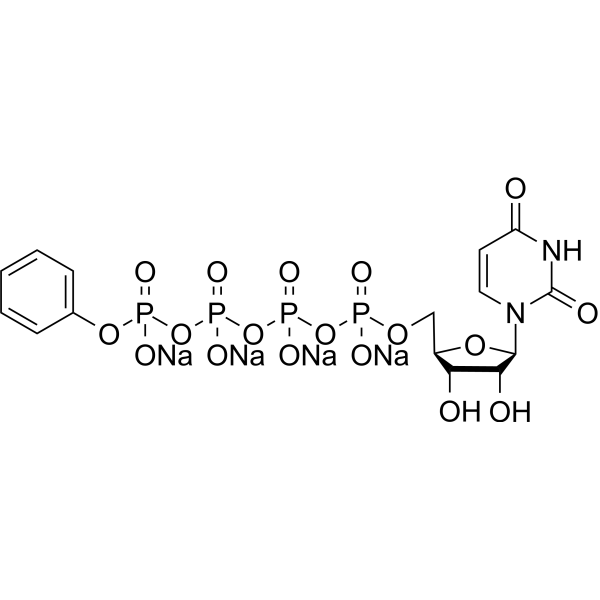 0 ImagesMRS2768 tetrasodium salt is a potent, selective, and metabolically stable P2Y2 receptor agonist with an EC50 of 1.89 μM for the human P2Y2 receptor. MRS2768 tetrasodium salt activates Gq/PLC/PKC signaling, leading to downstream phosphorylation of Akt, eNOS, and ERK, with effects varying by cell type. MRS2768 tetrasodium salt inhibits ENaC via Gq/PKC/Src/Akt to promote natriuresis and lower blood pressure in the kidney. MRS2768 tetrasodium salt activates eNOS to increase NO secretion in endothelial cells. MRS2768 tetrasodium salt drives proliferation via PI3K/Akt in fibroblasts and cancer cells. MRS2768 tetrasodium salt exerts anti-apoptotic effects through PKC/Src/Akt in cardiomyocytes. MRS2768 tetrasodium salt can be applied to investigate P2Y2-dependent pathological processes, including acute kidney injury, chronic kidney disease and renal fibrosis, DOCA-salt induced hypertension, myocardial infarction, pulmonary arterial hypertension, pancreatic cancer, cardiac fibrosis, dry eye disease, as well as shear stress-mediated vascular remodeling and atherosclerosis.
-
Lansoprazole sodium
 0 ImagesSynonyms: AG-1749 sodiumLansoprazole sodium (AG 1749 sodium) is an orally active proton pump inhibitor which prevents the stomach from producing acid. Lansoprazole sodium (AG 1749 sodium) is a potent brain penetrant neutral sphingomyelinase (N-SMase) inhibitor (exosome inhibitor).
-
(R)-Bromoenol lactone
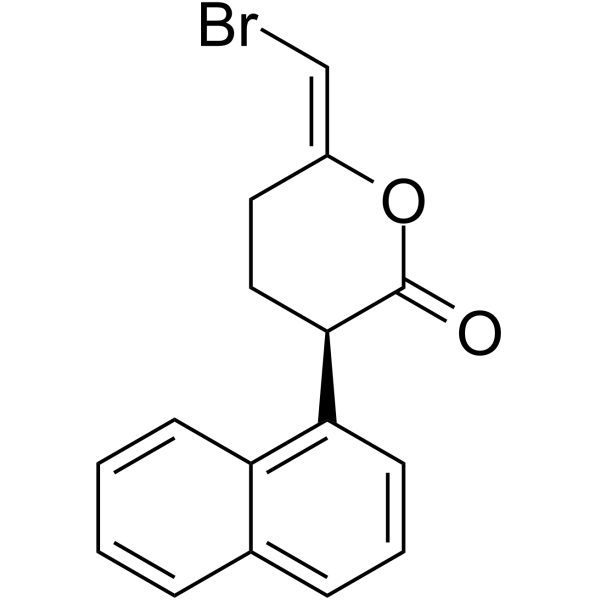 0 ImagesCat. No.: HY-117068CAS No.: 478288-90-3Synonyms: (R,E)-Bromoenol lactone(R)-Bromoenol lactone ((R)-BEL) is an irreversible, chiral, mechanism-based inhibitor of calcium-independent phospholipase γ (iPLA2γ). (R)-BEL inhibits human recombinant iPLA2γ with an IC50 of approximately 0.6 µM.
-
2-Methoxybenzoic acid (Standard)
 0 ImagesSynonyms: NSC 3778 (Standard); O-Methylsalicylic acid (Standard); Salicylic acid methyl ether (Standard)2-Methoxybenzoic acid (NSC 3778; O-Methylsalicylic acid; Salicylic acid methyl ether) (Standard) is the analytical standard of 2-Methoxybenzoic acid (HY-N1393). 2-Methoxybenzoic acid is a natural compound with potential salicylate-like effect. 2-Methoxybenzoic acid inhibits carbonic anhydrase activity, elevates intraplatelet cyclic guanosine monophosphate level, and suppresses cytosolic phospholipase A2 phosphorylation. 2-Methoxybenzoic acid suppresses platelet reactivity, including decreased spreading, retraction, and aggregation in platelets. 2-Methoxybenzoic acid ameliorates arterial thrombosis in a dose-dependent manner without affecting normal hemostasis in mice. 2-Methoxybenzoic acid can be used for the research of arterial thrombosis.




