77 Results for "

endothelial function

" in MedChemExpress (MCE) Product Catalog:
Products (77)

77 Results for "endothelial function" in MCE Product Catalog:

Cat. No.: HY-W707517
CAS No.: 2707433-64-3
Synonyms: MK-208-d4
Famotidine-d4 (MK-208-d4) is the deuterated-labeled Famotidine (HY-B0377). Famotidine (MK-208) is an orally active and highly selective histamine H2 receptor antagonist. It inhibits gastric acid secretion by blocking the Gs signaling pathway, and regulates intracellular cAMP and ERK pathways. Famotidine inhibits TLR3-mediated inflammatory pathways, and reduces the expression of various inflammatory mediators and interferon-related genes. Famotidine scavenges DPPH and nitric oxide free radicals, alleviates oxidative stress damage in gastric tissue, inhibits proMMP-9, improves vascular endothelial permeability, and restores the normal physiological functions of neutrophils and eosinophils. Famotidine crosses intestinal epithelial cells via facilitated diffusion and passive diffusion, blocks paracellular cation transport, and increases intestinal transepithelial electrical resistance. Famotidine reduces serum levels of transaminases and alkaline phosphatase, exerts analgesic effects and gastric protective effects simultaneously. Famotidine can be used in studies related to COVID-19, liver injury and acute gastric ulcer .
loading...
    loading...
Cat. No.: HY-B0377S
CAS No.: 2744683-81-4
Synonyms: MK-208-13C,d3
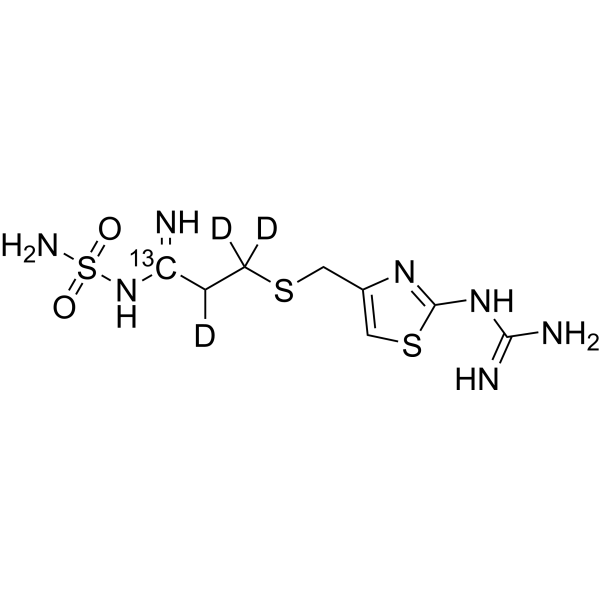
Famotidine- 13C,d3 (MK-208- 13C,d3) is the deuterated, 13C-labeled Famotidine (HY-B0377). Famotidine (MK-208) is an orally active and highly selective histamine H2 receptor antagonist. It inhibits gastric acid secretion by blocking the Gs signaling pathway, and regulates intracellular cAMP and ERK pathways. Famotidine inhibits TLR3-mediated inflammatory pathways, and reduces the expression of various inflammatory mediators and interferon-related genes. Famotidine scavenges DPPH and nitric oxide free radicals, alleviates oxidative stress damage in gastric tissue, inhibits proMMP-9, improves vascular endothelial permeability, and restores the normal physiological functions of neutrophils and eosinophils. Famotidine crosses intestinal epithelial cells via facilitated diffusion and passive diffusion, blocks paracellular cation transport, and increases intestinal transepithelial electrical resistance. Famotidine reduces serum levels of transaminases and alkaline phosphatase, exerts analgesic effects and gastric protective effects simultaneously. Famotidine can be used in studies related to COVID-19, liver injury and acute gastric ulcer .
loading...
    loading...
Cat. No.: HY-101903AR
CAS No.: 2802523-05-1
BMS-309403 (sodium) (Standard) is the analytical standard of BMS-309403 (sodium). This product is intended for research and analytical applications. BMS-309403 sodium is a potent, orally active, and selective adipocyte fatty acid binding protein (also known as FABP4, aP2) inhibitor, with Kis of <2, 250, and 350 nM for FABP4, FABP3, and FABP5, respectively. BMS-309403 sodium interacts with the fatty-acid-binding pocket within the interior of the protein and competitively inhibits the binding of endogenous fatty acids. BMS-309403 sodium improves endothelial function in apolipoprotein E-deficient mice and in cultured human endothelial cells .
loading...
    loading...
Cat. No.: HY-101903R
CAS No.: 300657-03-8
BMS-309403 (Standard) is the analytical standard of BMS-309403. This product is intended for research and analytical applications. BMS-309403 is a potent, orally active and selective adipocyte fatty acid binding protein (also known as FABP4, aP2) inhibitor with Kis of <2, 250, and 350 nM for FABP4, FABP3, and FABP5, respectively. BMS-309403 interacts with the fatty-acid-binding pocket within the interior of the protein and competitively inhibits the binding of endogenous fatty acids. BMS-309403 improves endothelial function in apolipoprotein E-deficient mice and in cultured human endothelial cells .
loading...
    loading...
Cat. No.: HY-171336
CAS No.: 357625-50-4
TRC4186 is a potent advanced glycation end-product (AGE) breaker . TRC4186 breaks advanced glycation end-products, reduces their tissue accumulation, and decreases AGE burden. TRC4186 improves endothelial and myocardial function, preserves cardiac function, retards renal dysfunction, and reduces renal dysfunction severity. TRC4186 downregulates brain natriuretic peptide and IL-6 expression. TRC4186 can be used for the research of diabetic macro- and microvascular complications, diabetic heart failure, diabetic renal failure, hypertension, diabetes, diabetic cardiomyopathy, and diabetic nephropathy .
loading...
    loading...
Cat. No.: HY-16697R
CAS No.: 834903-43-4
Target:  

GPR55

Research Areas:  

Cancer

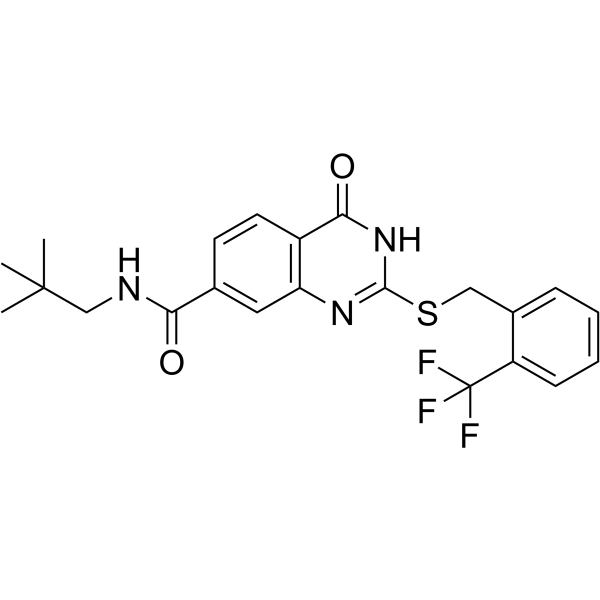
CID 16020046 (Standard) is the analytical standard of CID 16020046. This product is intended for research and analytical applications. CID 16020046 is a potent and selective GPR55 antagonist and inhibits GPR55 constitutive activity with an IC50 of 0.15 μM. CID 16020046 inhibits GPR55-mediated Ca2+ signaling and GPR55-mediated ERK1/2 phosphorylation. CID 16020046 reduces wound healing in endothelial cells and is involved in the regulation of platelet function .
loading...
    loading...
Cat. No.: HY-174593
Target:  

mRNA

Research Areas:  

Cancer

Human KDR mRNA encodes the human kinase insert domain receptor (KDR) protein, a receptor of vascular endothelial growth factor (VEGF). KDR functions as the main mediator of VEGF-induced endothelial proliferation, survival, migration, tubular morphogenesis and sprouting.
loading...
    loading...
Cat. No.: HY-113216S
Synonyms: NG,NG-Dimethylarginine-d7 hydrochloride hydrate
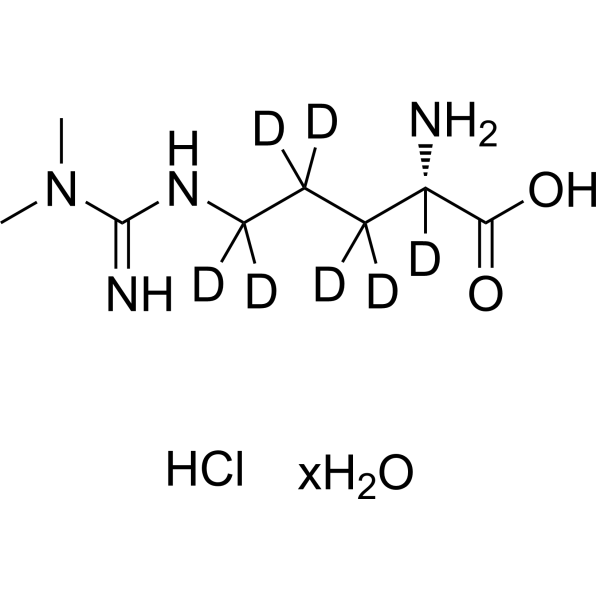
Asymmetric dimethylarginine-d7 (hydrochloride hydrate) is the deuterium labeled Asymmetric dimethylarginine. Asymmetric dimethylarginine is an endogenous inhibitor of nitric oxide synthase (NOS), and functions as a marker of endothelial dysfunction in a num
loading...
    loading...
Cat. No.: HY-174735
Target:  

mRNA

Research Areas:  

Cancer

Human CDH5 mRNA encodes the human cadherin 5 (CDH5) protein, a classical cadherin of the cadherin superfamily. CDH5 functioning as a classical cadherin by imparting to cells the ability to adhere in a homophilic manner. It plays a role in endothelial adherens junction assembly and maintenance.
loading...
    loading...
Cat. No.: HY-P10595
CAS No.: 118904-15-7
Target:  

Sodium Channel

Research Areas:  

Neurological Disease

Antho-Rwamide II is a neuropeptide that can be isolated from the sea anemone Anthopleura elegantissima. Antho-Rwamide II can induce contraction of the endothelial muscles of the sea anemone and participate in neurotransmission. Antho-Rwamide II can be used to explore the function of the nervous system in invertebrates .
loading...
    loading...
Cat. No.: HY-174542
Target:  

mRNA

Research Areas:  

Cancer

Human PRKCB mRNA encodes the human protein kinase C beta (PRKCB) protein, a member of Protein kinase C (PKC) family. PRKCB has been reported to be involved in many different cellular functions, such as B cell activation, apoptosis induction, endothelial cell proliferation, and intestinal sugar absorption.
loading...
    loading...
Cat. No.: HY-106987
CAS No.: 139146-65-9
SP/W-5186 is a nitric oxide (NO) donor agent containing a cysteine structure. SP/W-5186 can improve cardiac function, reduce myocardial damage, protect vascular endothelial function and inhibit inflammation and oxidative stress. SP/W-5186 has the ability to inhibit oxidative damage induced by peroxynitrite (ONOO⁻). SP/W-5186 can be used in the research of myocardial ischemia-reperfusion injury .
loading...
    loading...
Cat. No.: HY-N1419R
CAS No.: 53452-16-7
Vaccarin (Standard) is the analytical standard of Vaccarin. This product is intended for research and analytical applications. Vaccarin is an active flavonoid glycoside associated with various biological functions. Vaccarin significantly promote wound healing and endothelial cells and fibroblasts proliferation in the wound site. Vaccarin ameliorates insulin resistance and steatosis by activating the AMPK signaling pathway .
loading...
    loading...
Cat. No.: HY-W179151
CAS No.: 105026-81-1
Target:  

Dopamine Receptor

Research Areas:  

Inflammation/Immunology

N-Octanoyl dopamine is superior to dopamine in protecting graft contractile function when administered to the heart transplant recipients from brain-dead donors. N-Octanoyl dopamine inhibits cytokine production in activated T-cells and diminishes MHC-class-II expression as well as adhesion molecules in IFNγ-stimulated endothelial cells .
loading...
    loading...
Cat. No.: HY-151616
sEH inhibitor-10 (Compound 37) is a selective soluble epoxide hydrolase (sEH) inhibitor (IC50=0.5 μM). sEH inhibitor-10 maintains high cycloeicosatrienoic acid (EETs) levels by inhibiting sEH, thereby reducing inflammation, regulating endothelial tone, improving mitochondrial function, and reducing oxidative stress. sEH inhibitor-10 has good research potential in metabolic, renal and cardiovascular diseases .
loading...
    loading...
Cat. No.: HY-14243
CAS No.: 856692-39-2
CEP-14083 is a ATP-competitive ALK kinase inhibitor with an IC50 value in enzymatic assays of 2 nM. CEP-14083 also inhibits other kinases, such as insulin receptor (IR), vascular endothelial growth factor receptor 2 (VEGFR2), angiopoietin-1 receptor (TIE2) and dual leucine zipper kinase (DLK). CEP-14083 suppresses CD274 mRNA expression and the NPM/ALK function in the NPM/ALK-carrying T cell lymphoma (ALK+TCL) cells. CEP-14083 is promising for research of lymphoma .
loading...
    loading...
Cat. No.: HY-174744
Target:  

mRNA

Research Areas:  

Inflammation/Immunology

Human CCR4 mRNA encodes the human C-C motif chemokine receptor 4 (CCR4) protein, a member of G protein-coupled receptors family. CCR4 is a receptor for the CC chemokine - MIP-1, RANTES, TARC and MCP-1. Chemokines are a group of small polypeptide, structurally related molecules that regulate cell trafficking of various types of leukocytes. The chemokines also play fundamental roles in the development, homeostasis, and function of the immune system, and they have effects on cells of the central nervous system as well as on endothelial cells involved in angiogenesis or angiostasis.
loading...
    loading...
Cat. No.: HY-162060
CAS No.: 2894823-79-9
Target:  

HDAC NO Synthase Akt PI3K

Research Areas:  

Cardiovascular Disease

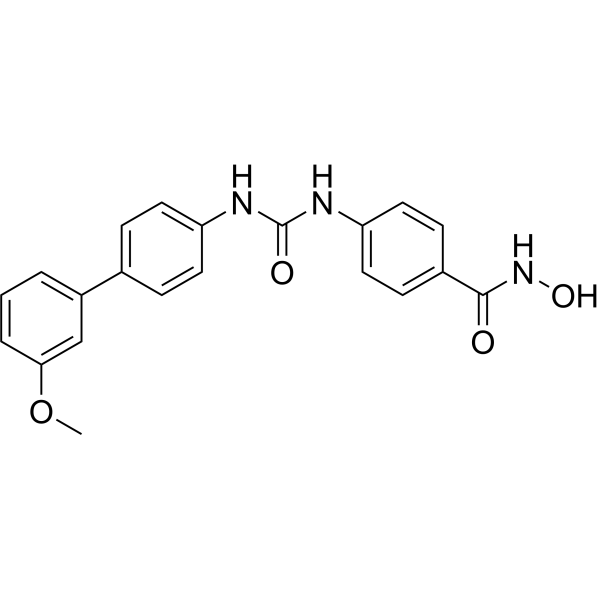
YPX-C-05 is an orally active HDAC inhibitor and vasodilator. YPX-C-05 inhibits HDAC enzymatic activity, increases histone H4 acetylation, activates the PI3K/Akt pathway, promotes Akt and eNOS phosphorylation, enhances eNOS activity, and boosts nitric oxide production. YPX-C-05 increases Tetrahydrobiopterin (HY-107383) levels, restores serum nitric oxide levels, reduces endothelin-1 levels, and improves endothelial function. YPX-C-05 reduces vascular remodeling and exerts antihypertensive effects in hypertensive Mus musculus mice. YPX-C-05 can be used for the research of hypertension .
loading...
    loading...
Cat. No.: HY-165603
CAS No.: 3006860-57-4
Si5-N14 is a key component of siloxane-incorporated lipid nanoparticles (SiLNP), possessing pro-vascular repair and anti-tumor activities. In the transgenic GFP mouse model, Si5-N14 can mediate CRISPR-Cas9 editing. In the Lewis lung carcinoma (LLC) tumor-bearing mouse model, Si5-N14 can knock out the expression of Vascular Endothelial Growth Factor Receptor 2 (VEGFR2) to exert an anti-tumor effect. In a mouse model of lung injury induced by viral infection, the delivery of Fibroblast Growth Factor-2 (FGF-2) mRNA via Si5-N14 can promote vascular repair, increase blood oxygen levels, and improve lung function. Si5-N14 shows promise for research in the fields of oncology, pneumonia, and cardiovascular diseases .
loading...
    loading...
Cat. No.: HY-B0377G
CAS No.: 76824-35-6
Synonyms: MK-208 (GMP)
Famotidine GMP (MK-208 GMP) is Famotidine (HY-B0377) produced in GMP guideline. Famotidine is an orally active and highly selective histamine H2 receptor antagonist. It inhibits gastric acid secretion by blocking the Gs signaling pathway, and regulates intracellular cAMP and ERK pathways. Famotidine inhibits TLR3-mediated inflammatory pathways, and reduces the expression of various inflammatory mediators and interferon-related genes. Famotidine scavenges DPPH and nitric oxide free radicals, alleviates oxidative stress damage in gastric tissue, inhibits proMMP-9, improves vascular endothelial permeability, and restores the normal physiological functions of neutrophils and eosinophils. Famotidine crosses intestinal epithelial cells via facilitated diffusion and passive diffusion, blocks paracellular cation transport, and increases intestinal transepithelial electrical resistance. Famotidine reduces serum levels of transaminases and alkaline phosphatase, exerts analgesic effects and gastric protective effects simultaneously. Famotidine can be used in studies related to COVID-19, liver injury and acute gastric ulcer .
loading...
    loading...

