
91 Results for "

293 T cells

" in MedChemExpress (MCE) Product Catalog:
Products (91)

91 Results for "293 T cells" in MCE Product Catalog:

65
65 Publications Verification
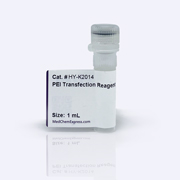
Cat. No.: HY-K2014

MCE PEI Transfection Reagent is designed based on 25 kDa PEI. It has high-efficiency, low-toxicity, strong-stability, and is suitable for many cell types, such as HEK-293、HEK-293T、CHO-K1、COS-1、COS-7、NIH/3T3、Sf9、HepG2 and HeLa et, even some hard-to-transfect cells. It can also be applied to large-scale recombinant protein expression and virus production. The 1 mL is defined as the base specification. All larger sizes correspond to incremental volumes of this base.

loading...
    loading...
16
16 Cited Publications
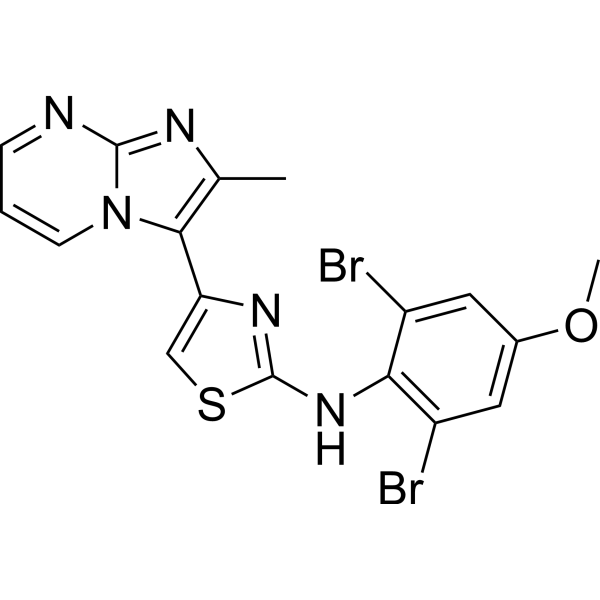
Cat. No.: HY-15888
CAS No.: 315704-66-6
Purity:  99.76%
Target:  

BMI1 Autophagy

Research Areas:  

Cancer

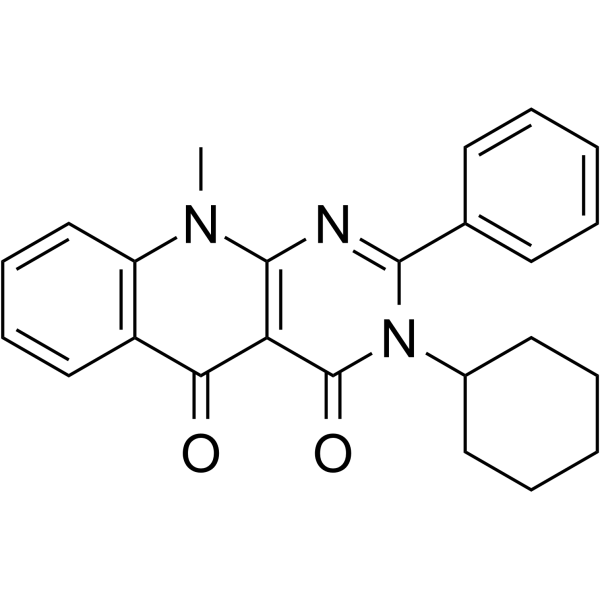
PTC-209 is a specific BMI-1 inhibitor with an IC50 of 0.5 μM in HEK293T cell line. PTC-209 irreversibly impairs colorectal cancer-initiating cells (CICs). PTC-209 shows potent anti-myeloma activity and impairs the tumor microenvironment .
loading...
    loading...
16
16 Cited Publications
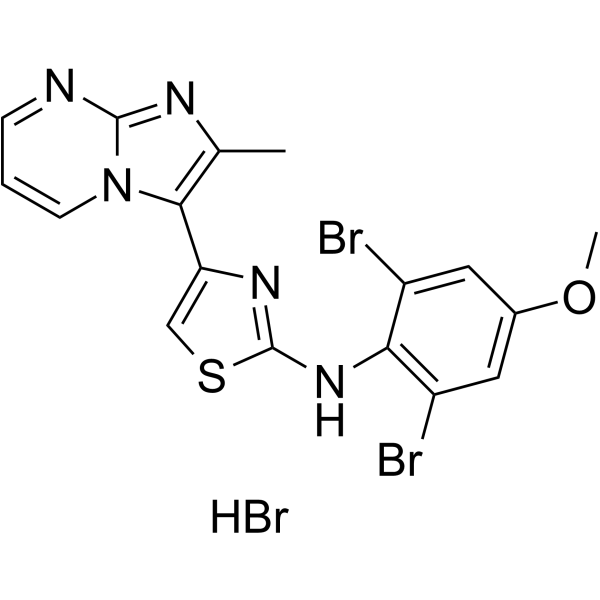
Cat. No.: HY-15888A
CAS No.: 1217022-63-3
Purity:  99.44%
Target:  

BMI1 Autophagy

Research Areas:  

Cancer

PTC-209 hydrobromide is a specific BMI-1 inhibitor with an IC50 of 0.5 μM in HEK293T cell line. PTC-209 hydrobromide irreversibly impairs colorectal cancer-initiating cells (CICs). PTC-209 hydrobromide shows potent anti-myeloma activity and impairs the tumor microenvironment .
loading...
    loading...
2
2 Cited Publications
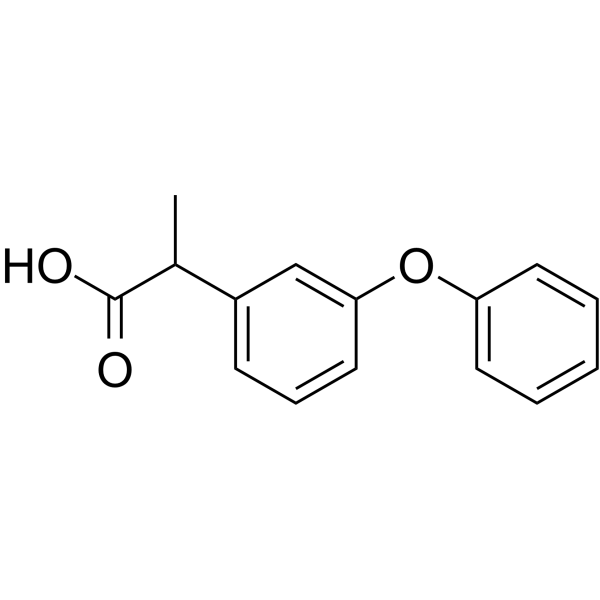
Cat. No.: HY-B1456A
CAS No.: 29679-58-1
Synonyms: LILLY-53858
Research Areas:  

Inflammation/Immunology

Fenoprofen (LILLY-53858) is a nonsteroidal anti-inflammatory agent (NSAID) and inhibits cyclooxygenase (COX). Fenoprofen is a melanocortin receptors (MCRs) positive allosteric modulator (PAM). Fenoprofen also increases ERK1/2 activation in HEK293T cells. Fenoprofen has anti-arthritic activities and can be used for the study of rheumatoid arthritis and osteoarthritis .
loading...
    loading...
2
2 Cited Publications
Cat. No.: HY-B0288B
CAS No.: 71720-56-4
Synonyms: LILLY-53858 Calcium hydrate
Research Areas:  

Inflammation/Immunology

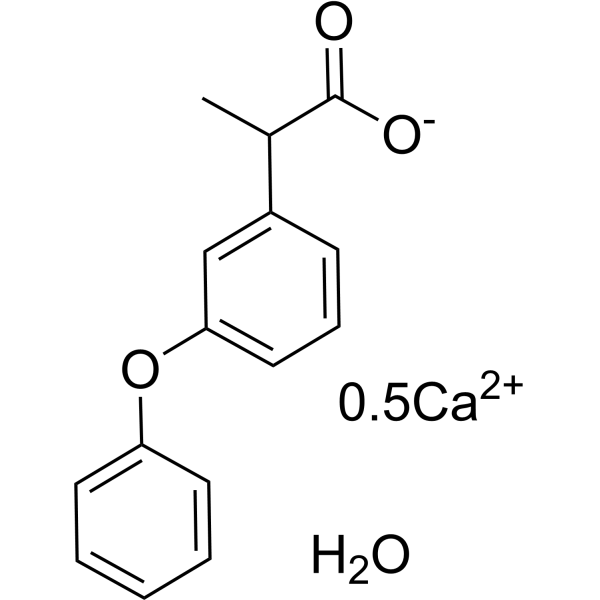
Fenoprofen (LILLY-53858) Calcium hydrate is a nonsteroidal anti-inflammatory agent (NSAID) and inhibits cyclooxygenase (COX). Fenoprofen Calcium hydrate is a melanocortin receptors (MCRs) positive allosteric modulator (PAM). Fenoprofen Calcium hydrate also increases ERK1/2 activation in HEK293T cells. Fenoprofen Calcium hydrate has anti-arthritic activities and can be used for the study of rheumatoid arthritis and osteoarthritis .
loading...
    loading...
2
2 Cited Publications
Cat. No.: HY-138102
CAS No.: 52869-18-8
Purity:  98.01%
Target:  

SARS-CoV

Research Areas:  

Infection

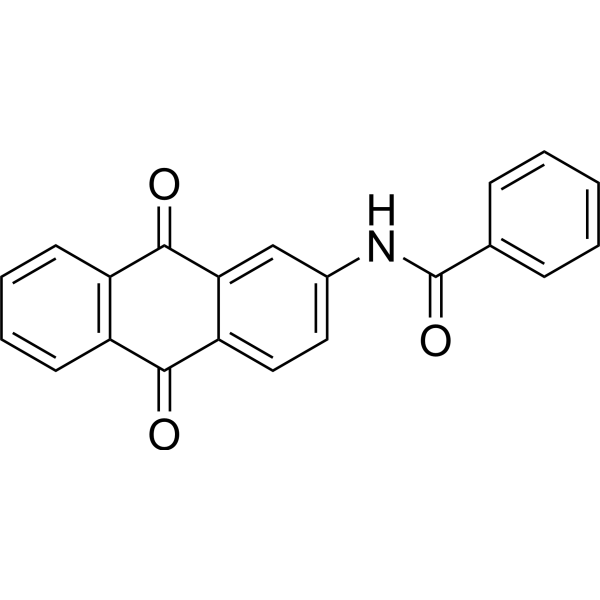
SSAA09E3 is a SARS-CoV entry inhibitor that inhibits SARS/HIV pseudotyped virus entry with an EC50 of 9.7 μM in 293T cells and inhibits SARS-CoV infection of Vero cells with an EC50 of 0.15 μM .
loading...
    loading...
1
1 Cited Publications
Cat. No.: HY-N0041
CAS No.: 68406-26-8
Synonyms: Gypenoside IV
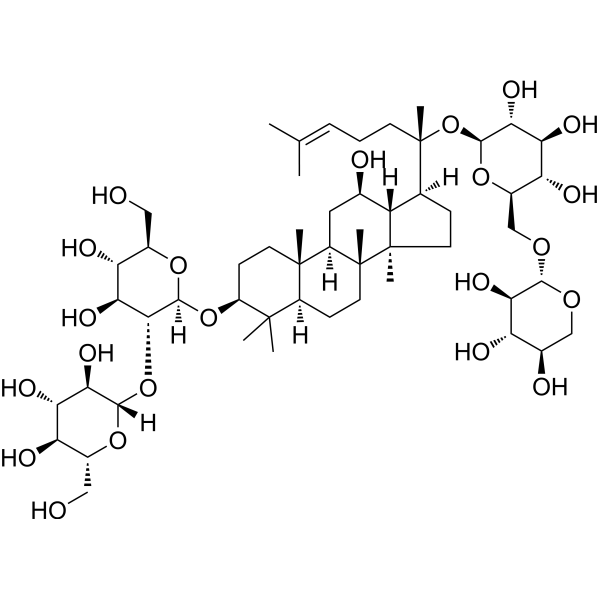
Ginsenoside Rb3 is extracted from steamed Panax ginseng C. A. Meyer. Ginsenoside Rb3 exhibits inhibitory effect on TNFα-induced NF-κB transcriptional activity with an IC50 of 8.2 μM in 293T cell lines. Ginsenoside Rb3 also inhibits the induction of COX-2 and iNOS mRNA.
loading...
    loading...
1
1 Cited Publications
Cat. No.: HY-12833
CAS No.: 1313613-09-0
Purity:  99.76%
Target:  

Phosphatase Akt ERK

Research Areas:  

Others

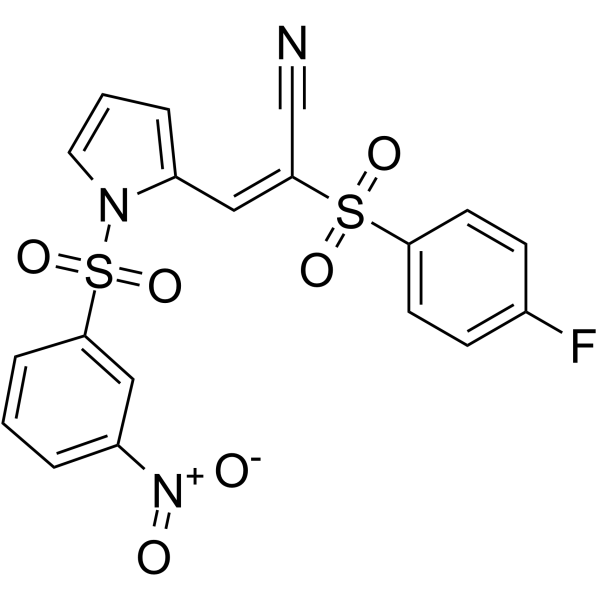
AMZ30 is selective protein phosphatase methylesterase-1(PME-1) inhibitor with IC50s of 600 nM and 3.5 µM in human cell lysates and in HEK 293T cells, respectively. AMZ30 shows >100-fold selectivity relative to other serine hydrolases. AMZ30 reduces the demethylated form of PP2A in living cells. AMZ30 attenuates muscle cell differentiation. AMZ30 increases the resistance of U87MG and U251MG glioblastoma cells to t-BHP-induced oxidative stress. AMZ30can be used for the study of glioblastoma .
loading...
    loading...
1
1 Cited Publications
Cat. No.: HY-19480
CAS No.: 548486-59-5
Synonyms: BCX4208
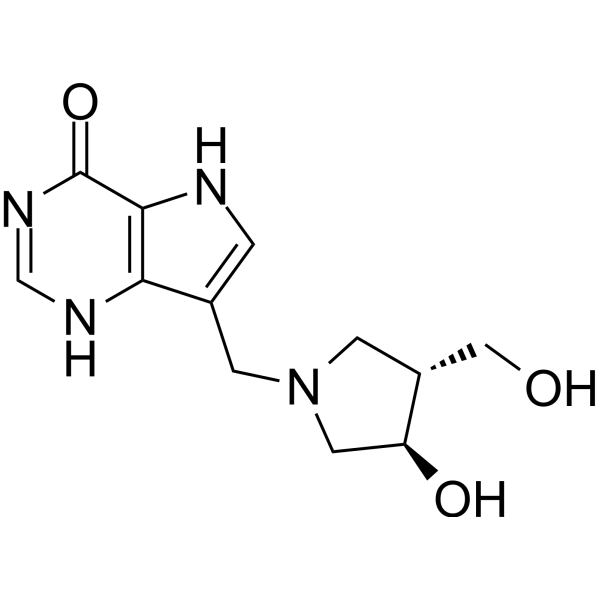
Ulodesine (BCX4208) is a purine nucleoside phosphorylase (PNP) inhibitor, with an IC50 of 2.293 nM against human PNP, and low nanomolar IC50 values against mouse, rat and monkey PNP. Ulodesine blocks the production of uric acid precursors, reduces serum uric acid levels, clears accumulated uric acid in the blood, and elevates the levels of purine nucleosides including guanosine. Ulodesine reduces the counts of total lymphocytes, T lymphocytes and lymphocyte subsets, inhibits the proliferation of cancer cells and activated lymphocytes, and enhances vaccine immune responses. Ulodesine can be used in research related to hyperuricemia and gout .
loading...
    loading...
1
1 Cited Publications
Cat. No.: HY-126037
CAS No.: 1334526-14-5
Purity:  99.87%
Target:  

ROR

Research Areas:  

Inflammation/Immunology

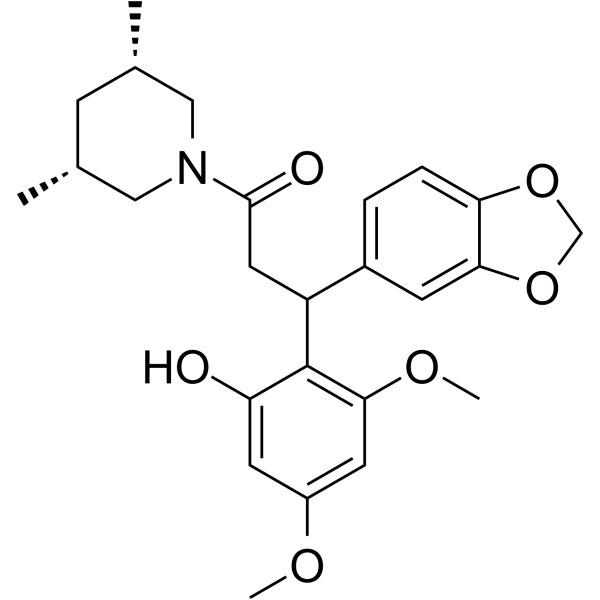
(±)-ML 209 (compound 4n), a diphenylpropanamide, is a retinoic acid-related orphan receptor RORγ antagonist with an IC50 of 1.1 μM. (±)-ML 209 inhibits RORγt transcriptional activity with an IC50 of 300 nM in HEK293t cells. (±)-ML 209 inhibits the transcriptional activity of RORγt, but not RORα in cells. (±)-ML 209 selectively inhibits murine Th17 cell differentiation without affecting the differentiation of naïve CD4 + T cells into other lineages, including Th1 and regulatory T cells .
loading...
    loading...
1
1 Cited Publications
Cat. No.: HY-P1684
CAS No.: 1319725-20-6
Synonyms: FOXP3 inhibitor P60
Peptide P60 is a FOXP3 inhibitor. Peptide P60 reduces the nuclear translocation of FOXP3 and impairs FOXP3-mediated inhibition of NF-κB and NFAT activity. Peptide P60 inhibits the immunosuppressive activity of regulatory T cells and restores the proliferation and activation of effector T cells. Peptide P60 induces lymphoproliferative autoimmune syndrome in neonatal ICR mice and reduces the number of CD4 +CD25 +Foxp3 + T cells in the spleen. Peptide P60 enhances the efficacy of AH1 (HY-P4193) peptide vaccine and recombinant adenovirus-based HCV NS3 vaccine in BALB/c mice, including protective effects against CT26 tumor implantation. Peptide P60 can be used in studies related to tumor immunity, viral infection and lymphoproliferative autoimmune syndrome .
loading...
    loading...
1
1 Cited Publications
Cat. No.: HY-155938
CAS No.: 2801702-34-9
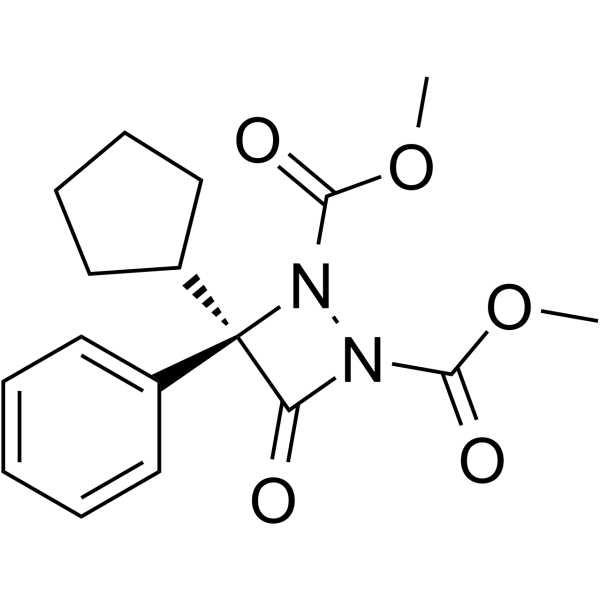
Cyano-myracrylamide is an inhibitor of zinc finger DHHC domain-containing palmitoyltransferase 20 (zDHHC20) with an IC50 value of 1.35 µM. Cyano-myracrylamide also inhibits the S-Acylation of EGFR and CD36. Cyano-myracrylamide also inhibits S-acylation of Legionella E3 ligase GobX, MyD88, and Ras, which are substrates of zDHHC20, zDHHC9, and zDHHC6, respectively, in HEK293T cells expressing recombinant Legionella GobX, recombinant human MyD88, or endogenous Ras .
loading...
    loading...
Cat. No.: HY-108317
CAS No.: 1073529-41-5
Purity:  99.6%
Target:  

Phosphatase

Research Areas:  

Cancer

ABL127 is a selective and covalent inhibitor of protein methylesterase 1 (PME-1) with IC50s of 6.4 nM and 4.2 nM in HEK293T and MDA-MB-231 cells, respectively.
loading...
    loading...
Cat. No.: HY-175357
CAS No.: 2957895-40-6
Target:  

YAP

Research Areas:  

Cancer

YAP/TEAD-IN-2 (Compound T-1) is a YAP/TEAD inhibitor. YAP/TEAD-IN-2 inhibits the luciferase activity driven by YAP/TEAD in 293T cells. YAP/TEAD-IN-2 exhibits strong anti-proliferative activity against human pleural mesothelioma NCI-H226 cells. YAP/TEAD-IN-2 can be used for the study of diseases associated with Hippo pathway dysregulation, particularly cancers .
loading...
    loading...
Cat. No.: HY-N0930B
CAS No.: 2368870-39-5
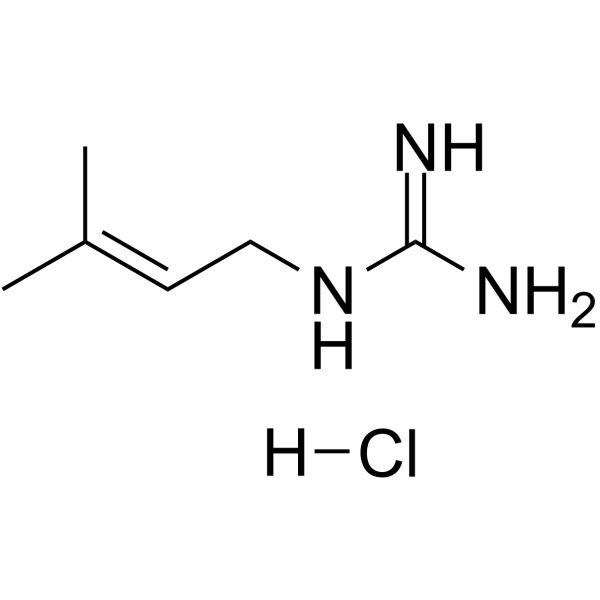
Galegine hydrochloride, a guanidine derivative, contributes to weight loss in mice. Guanidine hydrochloride is the compound derived from G. officinalis, which gave rise to the biguanides, metformin and phenformin. Galegine hydrochloride activates AMPK in 3T3-L1 adipocytes and L6 myotubes, as well as in the H4IIE rat hepatoma and HEK293 human kidney cell lines. Galegine hydrochloride has antibacterial activity, with minimum inhibitory concentration of 4 mg/L against Staphylococcus aureus strains .
loading...
    loading...
Cat. No.: HY-P99499
CAS No.: 2050478-92-5
Synonyms: JNJ 63723283; JNJ 3283

Research Areas:  

Cancer

Cetrelimab (JNJ 63723283; JNJ 3283) is a human IgG4κ mAb targeting PD-1. Cetrelimab binds PD-1 (Kd=1.72 nM, HEK293) to block the interaction of PD-1 with PD-L1 and PD-L2 (IC50s=111.7 ng/mL and 138.6 ng/mL, respectively). Cetrelimab stimulates peripheral T cells, increases IFN-γ, IL-2, TNF-α level and inhibits tumor growth in vivo .
loading...
    loading...
Cat. No.: HY-150089
CAS No.: 883956-47-6
Purity:  99.21%
Target:  

CFTR

Research Areas:  

Inflammation/Immunology

SRI-37240 is a potent premature termination codons (PTCs) inhibitor. SRI-37240 suppresses CFTR nonsense mutations. SRI-37240 alters cellular translation termination at PTCs in HEK293T cells. SRI-37240 can also restore CFTR function in primary bronchial epithelial cells when combination with G418 .
loading...
    loading...
Cat. No.: HY-N0930A
CAS No.: 14279-86-8
Target:  

AMPK Bacterial

Research Areas:  

Infection Metabolic Disease

Galegine hemisulfate, a guanidine derivative, contributes to weight loss in mice. Galegine hemisulfate activates AMPK in 3T3-L1 adipocytes and L6 myotubes, as well as in the H4IIE rat hepatoma and HEK293 human kidney cell lines. Galegine hemisulfate has antibacterial activity, with minimum inhibitory concentration of 4 mg/L against Staphylococcus aureus strains .
loading...
    loading...
Cat. No.: HY-148691
CAS No.: 2655638-07-4
Purity:  95.01%
Target:  

PROTACs Phosphatase

Research Areas:  

Metabolic Disease Cancer

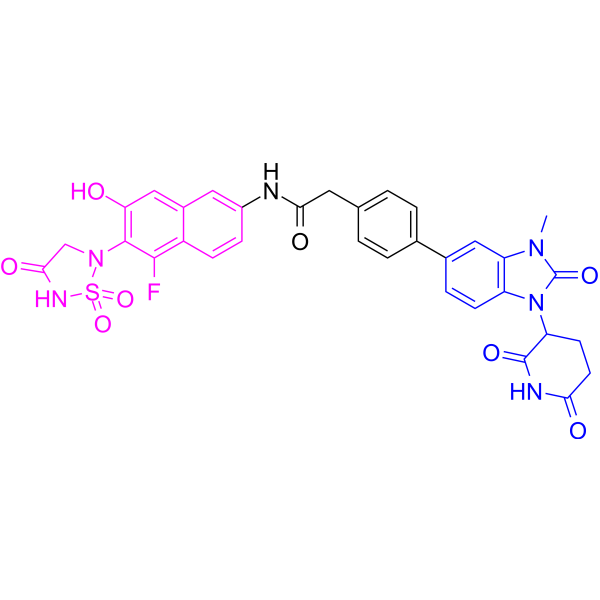
PROTAC PTPN2 degrader-1 is a PROTAC degrader targeting non-receptor protein tyrosine phosphatase 2 (PTPN2), with a DC50 of 18 nM in 293T cells. It exhibits an IC50 of 22 nM against PTPN2. Through highly selective degradation and inhibition of PTPN2 phosphatase, PROTAC PTPN2 degrader-1 relieves the negative regulation of the IFNγ pathway, upregulates interferon signaling, activates effector T cells, and enhances anti-tumor immunity. PROTAC PTPN2 degrader-1 can be used in melanoma-related research .
loading...
    loading...
Cat. No.: HY-W585876
CAS No.: 58814-71-4
Target:  

FXR

Research Areas:  

Metabolic Disease

Chenodeoxycholic acid 3-glucuronide is a metabolite of Chenodeoxycholic acid that can activate the key nuclear receptor (FXR), with an EC50 of 8 μM, and in HEK293T cells, the EC50 for activating FXR is 11 μM .
loading...
    loading...

