1. Search Result
Search Result
Isoforms Recommended: Adenosine A3 receptor (A3R)
Results for "

A3

" in MedChemExpress (MCE) Product Catalog:

1057

Inhibitors & Agonists

14

Biochemical Assay Reagents

4

Peptides

9

Inhibitory Antibodies

35

Natural
Products

65

Recombinant Proteins

15

Isotope-Labeled Compounds

72

Antibodies

578

Oligonucleotides

Cat. No. Product Name Target Research Areas Chemical Structure
  • HY-N1964
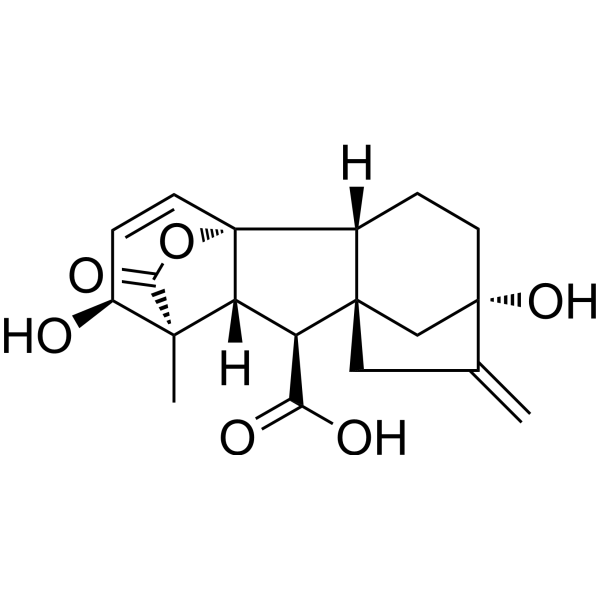
    Gibberellic acid
    1 Publications Verification

    Gibberellin A3

    Environmental Pollutants Drug Derivative Metabolic Disease
    Gibberellic acid (GA3) is a natural plant growth regulator with oral bioactivity. Gibberellic acid governs multiple plant developmental events, including seed germination, cell elongation, floral organ formation, and rice spikelet fertility. Gibberellic acid optimizes root morphology and secondary metabolite production in Echinacea purpurea hairy roots, and serves as a bioactive seed priming agent to improve chilling stress tolerance in chickpea. Gibberellic acid mediates modulation of enzyme activity and secondary metabolism in plants and exerts tissue-specific regulatory effects on antioxidant systems and lipid peroxidation in rats. Gibberellic acid can be used in studies of plant growth, metabolism, and abiotic stress responses [3] .
    Gibberellic acid
  • HY-W040129
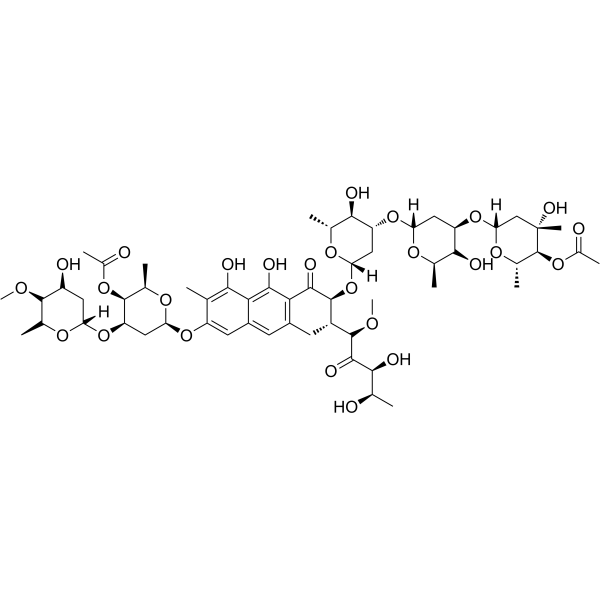
    Chromomycin A3
    1 Publications Verification

    DNA Alkylator/Crosslinker DNA/RNA Synthesis Apoptosis Caspase Infection Neurological Disease Cancer
    Chromomycin A3 is an inhibitor that selectively binds to GC-rich DNA sequences. Chromomycin A3 targets the DNA minor groove after forming a dimer with Mg 2+. Chromomycin A3 inhibits DNA replication and transcription, blocks the binding of Sp1 transcription factor to target gene promoters, downregulates the expression of anti-apoptotic proteins such as FLIP, Mcl-1, and XIAP, and induces S-phase cycle arrest and caspase-dependent apoptosis in tumor cells. Chromomycin A3 can antagonize oxidative stress induced by glutathione depletion and neuronal apoptosis induced by Camptothecin (HY-15660). Chromomycin A3 can be used in basic research on malignant tumors such as cholangiocarcinoma, and is a potential chemosensitizer and GC-rich region probe [3].
    Chromomycin A3
  • HY-N5064

    Apoptosis NO Synthase COX Neurological Disease Inflammation/Immunology
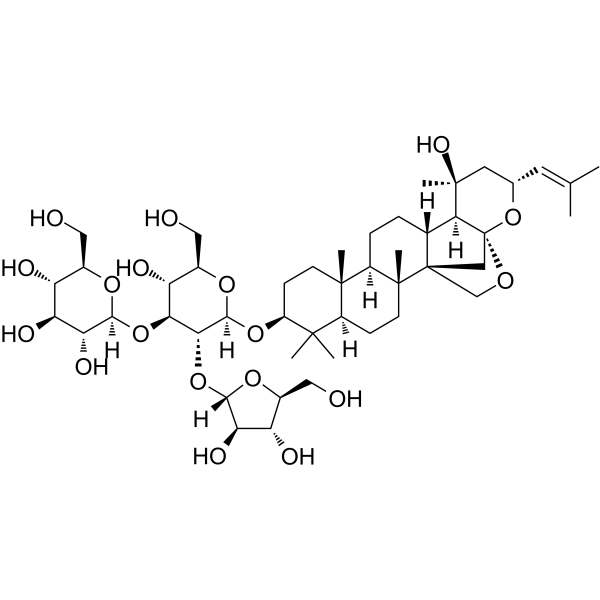
    Bacoside A3 is a triterpenoid saponin isolated from Bacopa monnieri. Bacoside A3 has neuroprotective activity, downregulating β-amyloid-induced inflammatory responses and inhibiting neuronal apoptosis. Bacoside A3 can be used in the study of Alzheimer's disease .
    Bacoside A3
  • HY-176244

    Histone Acetyltransferase Cancer
    KI-TOX-A3 is a TOX protein-protein interaction inhibitor that blocks the TOX-KAT7 protein-protein interaction with an IC50 of 0.51 μM. KI-TOX-A3 induces proteasomal degradation of TOX, restores KAT7-mediated H3K14 acetylation, reverses exhaustion of CD8 + T cells, and inhibits the proliferation of T cell acute lymphoblastic leukemia (T-ALL) cells. KI-TOX-A3 shows promise for use in studies of hematological malignancies such as T-ALL .
    KI-TOX-A3
  • HY-161627

    Pyruvate Carboxylase (PC) NOD-like Receptor (NLR) NF-κB Interleukin Related Inflammation/Immunology
    Anemoside A3-methyl 6-aminohexanoate is an orally effective pyruvate carboxylase (PC) inhibitor with a Kd value of 10.1 μM against human PC. Anemoside A3-methyl 6-aminohexanoate exerts its function through the PC/NF-κB/NLRP3 inflammasome axis. Anemoside A3-methyl 6-aminohexanoate significantly alleviates symptoms of DSS (HY-116282C)-induced colitis in mice. Anemoside A3-methyl 6-aminohexanoate can be used in colitis-related research .
    Anemoside A3-methyl 6-aminohexanoate
  • HY-N0204

    Anemoside A3

    NF-κB p38 MAPK Cardiovascular Disease Neurological Disease Inflammation/Immunology Cancer
    Pulchinenoside A (Anemoside A3) is an orally active triterpenoid glycoside found in the root of Pulsatilla chinensis. Pulchinenoside A has amti-inflammation, antitumor, antidepressant, immunoregulatory and neuroprotective efrects. Pulchinenoside A activates NF-κB/MAPK signaling pathway. Pulchinenoside A can induce relaxing effect in rat renal arteries. Pulchinenoside A can be used for the researches of experimental autoimmune encephalomyelitis, breast cancer, depression and renovascular hypertension [3] .
    Pulchinenoside A
  • HY-130423

    Insecticide Infection
    Milbemycin A3 is a 16-membered macrocyclic lactone compound found in the soil bacterium Saccharopolyspora hygroscopicus subsp. aureolacrimosus. Milbemycin A3 enhances the opening of glutamate- and GABA-gated chloride channels and exhibits insecticidal activity. Milbemycin A3 can be used in insect resistance-related research [3] .
    Milbemycin A3
  • HY-103190

    Adenosine Receptor Neurological Disease Cancer
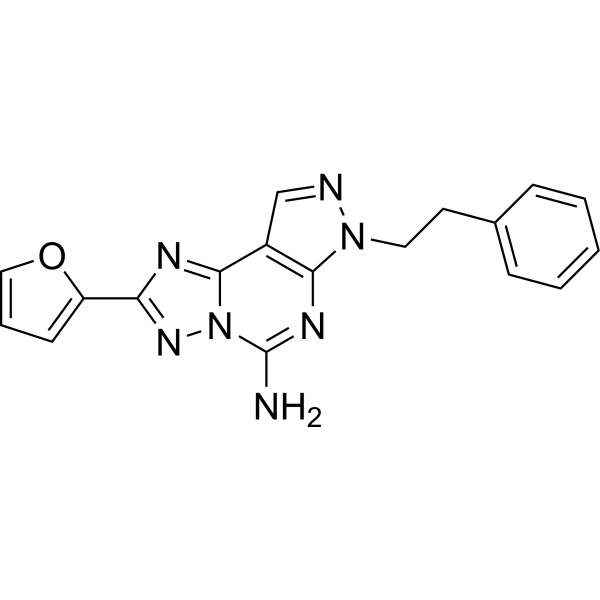
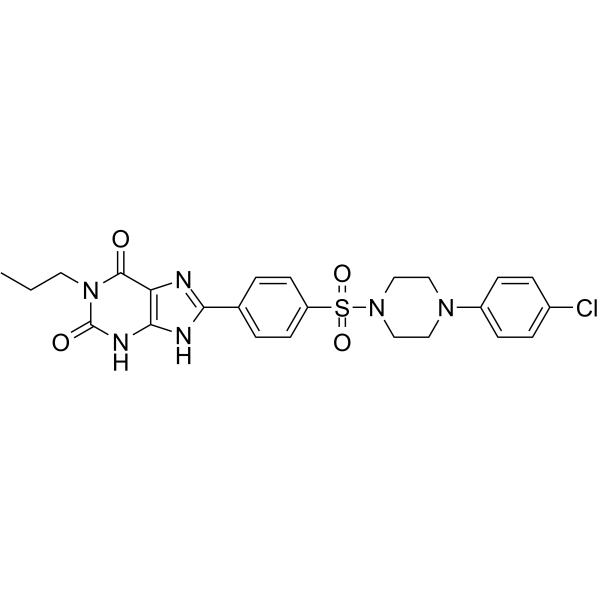
    MRS1220, a highly potent and selective human A3 adenosine receptor (hA3AR) antagonist with a Ki of 0.59 nM, has therapeutic potential for the research of diseases of the central nervous system . MRS1220 reduces glioblastoma tumor size and blood vessel formation in vivo .
    MRS1220
  • HY-103174

    Adenosine Receptor Cardiovascular Disease
    MRS1334 is a potent and selective human adenosine A3 receptor antagonist with Kis of 2.69 nM, >100 nM, >100 nM for hA3, rA1, rA2A, respectively. MRS1334 blocks the protective effect of Cl-IB-MECA leading to significant bradycardia and elevated ST segment . MRS1334 is a click chemistry reagent, it contains an Alkyne group and can undergo copper-catalyzed azide-alkyne cycloaddition (CuAAc) with molecules containing Azide groups.
    MRS1334
  • HY-124543
    MRS-1191
    4 Publications Verification

    Adenosine Receptor Neurological Disease
    MRS-1191 is a potent and selective A3 adenosine receptor antagonist with a KB value of 92 nM, a Ki value of 31.4 nM for human A3 receptor and an IC50 of 120 nM for CHO cells . MRS-1191 is a click chemistry reagent, it contains an Alkyne group and can undergo copper-catalyzed azide-alkyne cycloaddition (CuAAc) with molecules containing Azide groups.
    MRS-1191
  • HY-19365
    AB-MECA
    1 Publications Verification

    Adenosine Receptor Neurological Disease
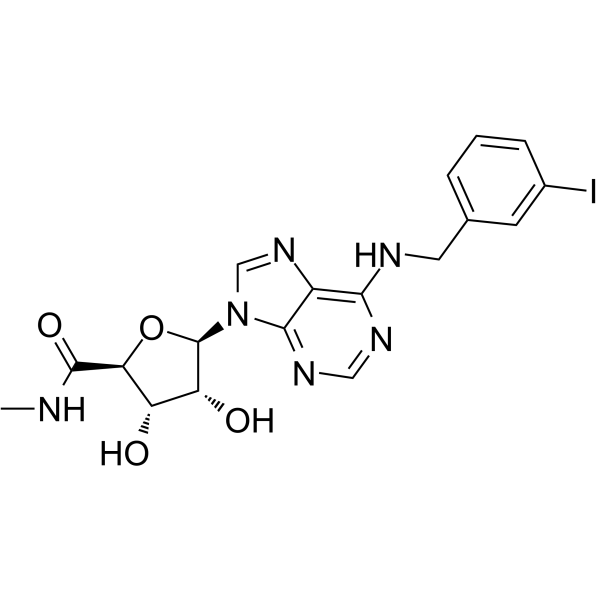
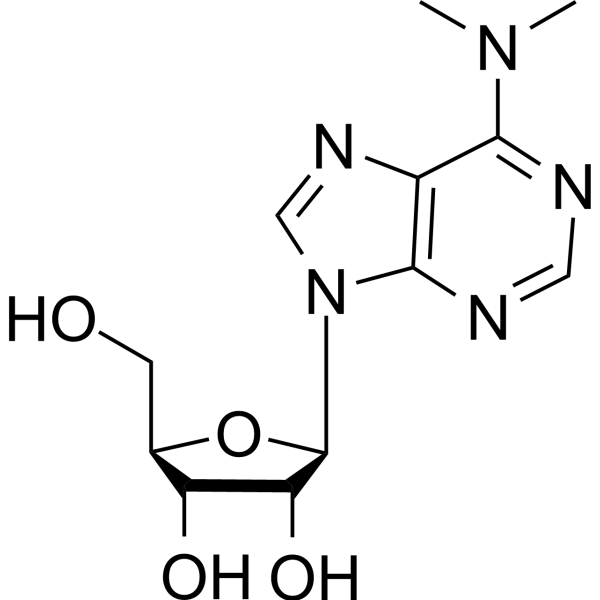
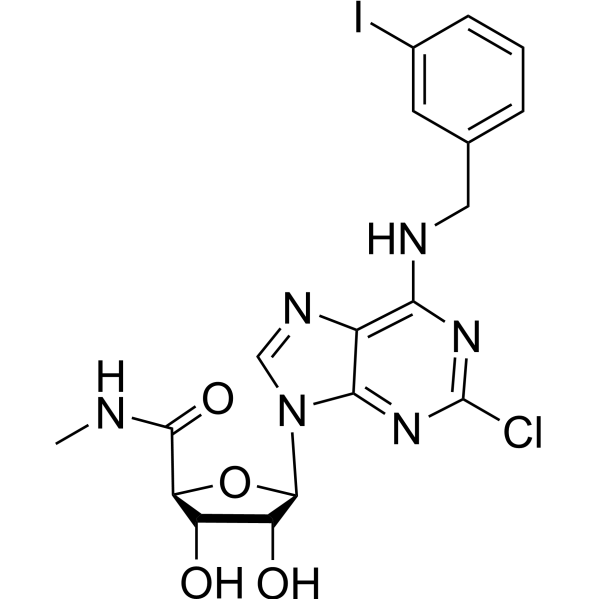
    AB-MECA is a high affinity A3 adenosine receptor agonist with a binding Ki of 430.5 nM for human A3 receptors in CHO cells. AB-MECA can enhance plasma histamine level [3] .
    AB-MECA
  • HY-P990246

    Adhesion G Protein-coupled Receptors (AGPCRs) Inflammation/Immunology
    Anti-Mouse F4/80 Antibody (CI:A3-1) is an anti-mouse F4/80 IgG2b monoclonal antibody. Anti-Mouse F4/80 Antibody (CI:A3-1) can clear macrophages. Anti-Mouse F4/80 Antibody (CI:A3-1) can be used for research on inflammation conditions such as endometriosis. Anti-Mouse F4/80 Antibody (CI:A3-1) often used for flow cytometry analysis and immunohistochemical analysis .
    Anti-Mouse F4/80 Antibody (CI:A3-1)
  • HY-110037

    Adenosine Receptor Neurological Disease
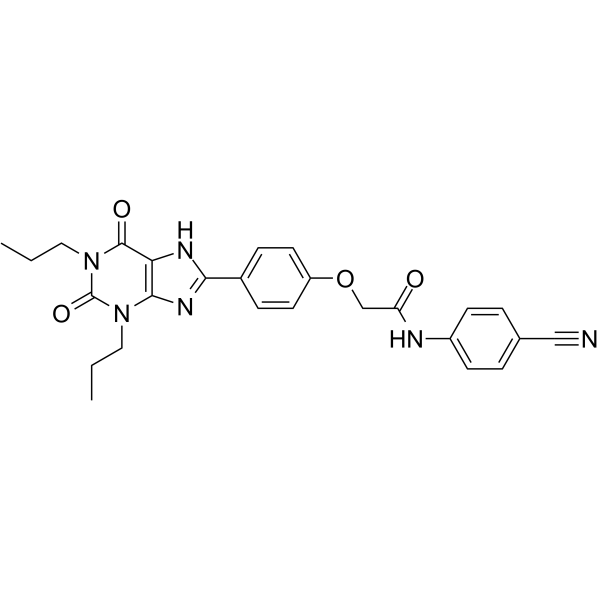
    MRS-3777 hemioxalate is a selective adenosine A3 receptor antagonist .
    MRS-3777 hemioxalate
  • HY-N10327

    Others Others
    Calystegine A3 is a natural product that can be isolated from Calystegia sepium .
    Calystegine A3
  • HY-125957

    PKA Casein Kinase CaMK PKC Others
    A-3 hydrochloride is a potent, cell-permeable, reversible, ATP-competitive non-selective antagonist of various kinases. It against PKA (Ki=4.3 µM), casein kinase II (Ki=5.1 µM) and myosin light chain kinase (MLCK) (Ki=7.4 µM). A-3 hydrochloride also inhibits PKC and casein kinase I with Ki values of 47 µM and 80 µM, respectively .
    A-3 hydrochloride
  • HY-169086

    PROTACs Cancer
    KL-465 is a MAGE-A3 PROTAC degrader that degrades MAGE-A3 in HeLa cells with a DC50 of 2 μM. KL-465 inhibits the proliferation of MAGE-A3-positive cancer cells. KL-465 can be used for the research of MAGE-A3-related cancers .
    KL-465
  • HY-N5064R

    Reference Standards Others Neurological Disease
    Bacoside A3 (Standard) is the analytical standard of Bacoside A3. This product is intended for research and analytical applications. Bacoside A3, a triterpenoid saponin, is one of the major active constituents in Bacopa monnieri. Bacoside A3 has neuroprotective activity .
    Bacoside A3 (Standard)
  • HY-N6982

    Others Metabolic Disease
    Licoricesaponin A3 is a terpenoid saponin identified from licorice .
    Licoricesaponin A3
  • HY-N4145

    Cinnamtannin A3; Cinnamtannin II

    Drug Derivative Bacterial Fungal Infection Cardiovascular Disease Inflammation/Immunology Cancer
    Procyanidin A3 (Cinnamtannin A3; Cinnamtannin II) is a sub class of Proanthocyanidins (HY-N0794). Proanthocyanidin are a class of polyphenolic that are widely distributed in higher plants, consisted of an electrophilic flavanyl unit. Proanthocyanidin can be used as antioxidant and anti-cancer agent. Proanthocyanidin also exhibit anti-inflammatory, cardioprotective, antibacterial and antifungal properties, which can be used in the treatment of chronic venous insufficiency, capillary fragility, sunburn and retinopathy .
    Procyanidin A3
  • HY-103187

    Adenosine Receptor Inflammation/Immunology Cancer
    HEMADO is a potent and selective adenosine A3 receptor agonist with a Ki of 1.1 nM at the human A3 subtype . HEMADO is a click chemistry reagent, it contains an Alkyne group and can undergo copper-catalyzed azide-alkyne cycloaddition (CuAAc) with molecules containing Azide groups.
    HEMADO
  • HY-107497

    Biochemical Assay Reagents Cancer
    1-Methyl-3-amino-4-cyanopyrazole (compound 3) is a molecular compound that can be used in the synthesis of adenosine A3 receptor antagonists. 1-Methyl-3-amino-4-cyanopyrazole can be utilized in cancer research .
    1-Methyl-3-amino-4-cyanopyrazole
  • HY-178783

    Adenosine Receptor Metabolic Disease Inflammation/Immunology Cancer
    MRS8454 is a positive allosteric modulator (PAM) of the A3 adenosine receptor (A3AR). MRS8454 can significantly enhance the maximum effect of the standard agonist Cl-IB-MECA by approximately 286%-300%, and significantly reduce its EC50 value. MRS8454 effectively enhances the ability of A3AR agonists to inhibit the cAMP accumulation induced by Forskolin (HY-15371). MRS8454 can be used for the development of molecular probes .
    MRS8454
  • HY-139617

    Sec61 Others
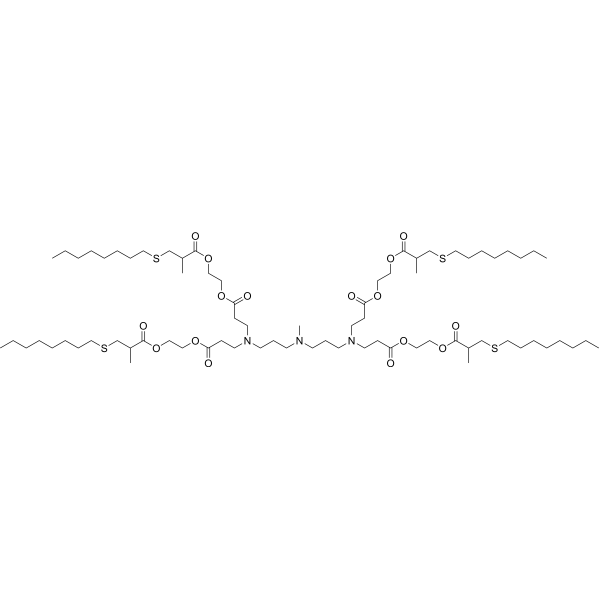
    Sec61-IN-2 (A3) is a protein secretion inhibitor (extracted from patent WO2020176863) .
    Sec61-IN-3
  • HY-103176

    Adenosine Receptor Others
    PSB11 hydrochloride is an antagonist with reverse excitatory activity for human A3 Adenosine Receptor with high affinity (Ki=2.3 nM) .
    PSB11 hydrochloride
  • HY-125633

    Antibiotic Bacterial Infection Cancer
    Kapurimycin A3 is an antitumor and antibacterial antibiotic. Kapurimycin A3 has DNA binding and breakage activity. Kapurimycin A3 can be isolated from Streptomyces .
    Kapurimycin A3
  • HY-158528

    A3 N-linked oligosaccharide

    Biochemical Assay Reagents Others
    A3 glycan (A3 N-linked oligosaccharide) is a N-polysaccharide protein and a multifunctional fluorescent linker. The resulting conjugates exhibit high sensitivity and specificity by mimicking the antennal elements of N-glycans .
    A3 glycan
  • HY-N15032

    Antibiotic Bacterial Infection
    Espinomycin A3 is a sixteen-membered macrolide antibiotic. Espinomycin A3 is active against Gram-positive bacteria .
    Espinomycin A3
  • HY-N14466

    Antibiotic Bacterial Infection
    Pneumocandin A3 is a lipopeptide antibiotic. Pneumocandin A3 has a strong anti-Candida effect. Pneumocandin A3 has the effect of inhibiting the synthesis of 1,3 early-glucan in vitro, with an IC50 of 0.07-0.5 μg/mL .
    Pneumocandin A3
  • HY-130423R

    Insecticide Reference Standards Infection
    Milbemycin A3 (Standard) is the analytical standard of Milbemycin A3 (HY-130423). This product is intended for research and analytical applications. Milbemycin A3 is a 16-membered macrocyclic lactone compound found in the soil bacterium Saccharopolyspora hygroscopicus subsp. aureolacrimosus. Milbemycin A3 enhances the opening of glutamate- and GABA-gated chloride channels and exhibits insecticidal activity. Milbemycin A3 can be used in insect resistance-related research [3] .
    Milbemycin A3 (Standard)
  • HY-N14447

    Aldose Reductase Metabolic Disease
    Salfredin A3 is an aldose reductase inhibitor .
    Salfredin A3
  • HY-W040129R

    Reference Standards Bacterial Fungal Apoptosis Antibiotic Infection Neurological Disease Cancer
    Chromomycin A3 (Standard) is the analytical standard of Chromomycin A3 (HY-W040129). This product is intended for research and analytical applications. Chromomycin A3 is an inhibitor that selectively binds to GC-rich DNA sequences. Chromomycin A3 targets the DNA minor groove after forming a dimer with Mg 2+. Chromomycin A3 inhibits DNA replication and transcription, blocks the binding of Sp1 transcription factor to target gene promoters, downregulates the expression of anti-apoptotic proteins such as FLIP, Mcl-1, and XIAP, and induces S-phase cycle arrest and caspase-dependent apoptosis in tumor cells. Chromomycin A3 can antagonize oxidative stress induced by glutathione depletion and neuronal apoptosis induced by Camptothecin (HY-15660). Chromomycin A3 can be used in basic research on malignant tumors such as cholangiocarcinoma, and is a potential chemosensitizer and GC-rich region probe [3].
    Chromomycin A3 (Standard)
  • HY-N13956

    Antibiotic Bacterial Infection
    Arylomycin A3 is a lipohexapeptide antibiotic against Gram-positive bacteria .
    Arylomycin A3
  • HY-158531

    A3 N-linked oligosaccharide, procainamide labelled

    Fluorescent Dye Biochemical Assay Reagents Others
    A3 glycan, procainamide labelled (A3 N-linked oligosaccharide, procainamide labelled) is a N-polysaccharide protein and a multifunctional fluorescent linker. The resulting conjugates exhibit high sensitivity and specificity by mimicking the antennal elements of N-glycans .
    A3 glycan, procainamide labelled
  • HY-114822

    PGA3

    Prostaglandin Receptor PPAR Endocrinology
    Prostaglandin A3 is a non-enzymatic dehydration product of prostaglandin E3 (PGE3). Prostaglandin A3 showed good affinity for canine EP2 and EP4 receptors with IC50 values of 120 and 20 nM, respectively. The Ki value of Prostaglandin A3 for human PPARγ was 188 μM [3].
    Prostaglandin A3
  • HY-136926

    FR-008I

    Fungal Infection
    Candicidin A3 (FR-008I) is an antifungal antibiotic with significant biological activity. Candicidin A3 can effectively inhibit the growth of fungi through its unique three-dimensional structure and seven-membered ring geometry. The absolute configuration of Candicidin A3 is a specific arrangement of multiple chiral centers, which may affect its biological activity and interaction with targets. Candicidin A3 can be used as a potential drug to inhibit fungal infections .
    Candicidin A3
  • HY-N14864

    Bacterial Infection
    Midecamycin A3 is a macrolide compound with strong anti-Gram-positive bacteria and weak anti-Gram-negative bacteria, mycobacteria and fungi activity .
    Midecamycin A3
  • HY-N11034

    Others Others
    24-Hydroxy-licorice-saponin A3 is an oleanane-type triterpene saponin (OTS). 24-Hydroxy-licorice-saponin A3 can be isolated from G. uralensis. .
    24-Hydroxy-licorice-saponin A3
  • HY-N14701

    Antibiotic Bacterial Infection
    2-Hydroxygentamicin A3 is a 3 aminoglycoside antibiotic with anti-Gram-positive and negative bacteria activity .
    2-Hydroxygentamicin A3
  • HY-118357

    Parasite Insecticide
    Milbemycin A3 Oxime is a macrocyclic lactone antiparasitic agent that exhibits potent inhibitory activity against Dirofilaria immitis .
    Milbemycin A3 Oxime
  • HY-N14176

    Bacterial Infection
    Cyathin A3 has weak activity against Gram-positive bacteria, negative bacteria, actinomycetes and dermatophytes, and has anti-ischemia effect (improving cerebral ischemia in rat model) .
    Cyathin A3
  • HY-175408

    HxA3 methyl ester​

    Calcium Channel Neurological Disease
    Hepoxilin A3 methyl ester is the ester form of HxA3. Hepoxilin A3 methyl ester causes a receptor-induced rise in intracellular calcium through the release from intracellular stores in suspended human neutrophils .
    Hepoxilin A3 methyl ester
  • HY-P11004

    Bacterial Antibiotic Infection
    A3-APO is an antimicrobial peptide. A3-APO has a significant antimicrobial activity by a dual mode of action with both membrane disintegration and intracellular target inhibition. A3-APO can deactivate bacterial toxins and increase the expression of anti-inflammatory cytokines (such as IL-4 and IL-10), without antimicrobial resistance. A3-APO accelerates burn wounds healing in mice infection model of Acinetobacter baumannii and Staphylococcus aureus .
    A3-APO
  • HY-N1964R

    Gibberellin A3 (Standard)

    Reference Standards Drug Derivative Metabolic Disease
    Gibberellic acid (Standard) is the analytical standard of Gibberellic acid (GA3) (HY-N1964). This product is intended for research and analytical applications. Gibberellic acidis a natural plant growth regulator with oral bioactivity. Gibberellic acid governs multiple plant developmental events, including seed germination, cell elongation, floral organ formation, and rice spikelet fertility. Gibberellic acid optimizes root morphology and secondary metabolite production in Echinacea purpurea hairy roots, and serves as a bioactive seed priming agent to improve chilling stress tolerance in chickpea. Gibberellic acid mediates modulation of enzyme activity and secondary metabolism in plants and exerts tissue-specific regulatory effects on antioxidant systems and lipid peroxidation in rats. Gibberellic acid can be used in studies of plant growth, metabolism, and abiotic stress responses [3] .
    Gibberellic acid (Standard)
  • HY-P11250

    Bacterial NO Synthase Interleukin Related Reactive Oxygen Species (ROS) Toll-like Receptor (TLR) ERK JNK p38 MAPK Infection Inflammation/Immunology
    HVF18-a3-d is an antimicrobial peptide. HVF18-a3-d reduces NO production. HVF18-a3-d inhibits the production of TNF-α and IL-6, reduces ROS production, and suppresses the TLR4 signaling pathway, as well as LPS-induced phosphorylation of ERK, JNK, and p38 MAPK. HVF18-a3-d exhibits antimicrobial activity against a variety of bacteria by disrupting their outer and inner membranes. HVF18-a3-d protects mice from fatal septic shock induced by Acinetobacter baumannii resistant to Carbapenem. HVF18-a3-d shows anti-inflammatory and antioxidant effects .
    HVF18-a3-d
  • HY-148076

    Adenosine Receptor Cancer
    A2A receptor antagonist 3 (Example 92) is an adenosine A2a receptor antagonist with a Ki of 0.4 nM. A2A receptor antagonist 3 also binds to A2b, A1 and A3 receptor with Kis of 37, 107 and 1467 nM, respectively .
    A2A receptor antagonist 3
  • HY-146457

    Adenosine Receptor Inflammation/Immunology
    A3AR antagonist 1 (compound 17) is a potent and selective human A3 adenosine receptor (AR) antagonist, with an Ki of 4.63 nM. A3AR antagonist 1 shows no affinity for the rat A3 AR even at high concentrations .
    A3AR antagonist 1
  • HY-10915

    Adenosine Receptor Cardiovascular Disease
    LUF6096, a potent allosteric enhancer of the adenosine A3 receptor, is able to allosterically enhance agonist binding. LUF6096 shows low orthosteric affinity for any of the adenosine receptors. LUF6096 shows protective effects in myocardial ischemia/reperfusion injury .
    LUF6096
  • HY-103177

    Adenosine Receptor Inflammation/Immunology
    PSB-10 hydrochloride is a potent and selective antagonist of human adenosine A3 receptor (A3AR), with a Ki of 0.44 nM. PSB-10 hydrochloride shows more than 800-fold selectivity for hA3 over rA1, rA2A, hA1, hA2A and hA2B receptors (Ki=805, 6040, 1700, 2700, 30000 nM, respectively). PSB-10 hydrochloride produces thermal hyperalgesia in mice .
    PSB-10 hydrochloride
  • HY-134555

    Adenosine Receptor Neurological Disease
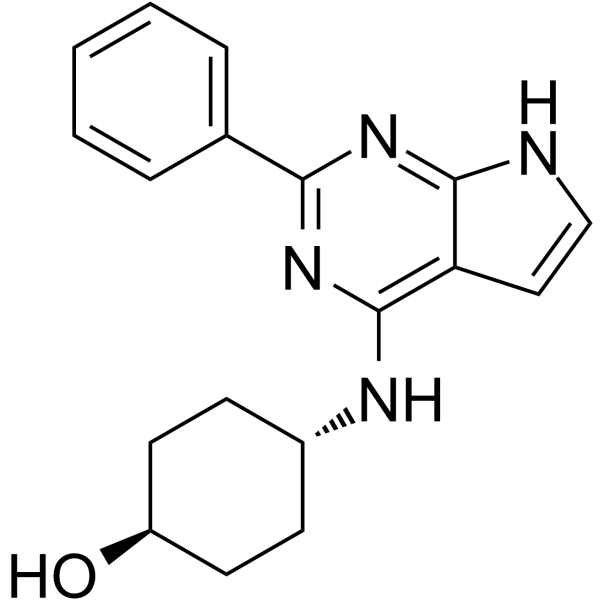
    A3AR antagonist 4 (Compd 1) is an A3AR antagonist, with Ki values of 30.8 nM (hA3) and 203 nM (hA1), repectively. A3AR antagonist 4 (Compd 1) can be used for the study of cerebral ischemia .
    A3AR antagonist 4
  • HY-120652

    Adenosine Receptor Inflammation/Immunology
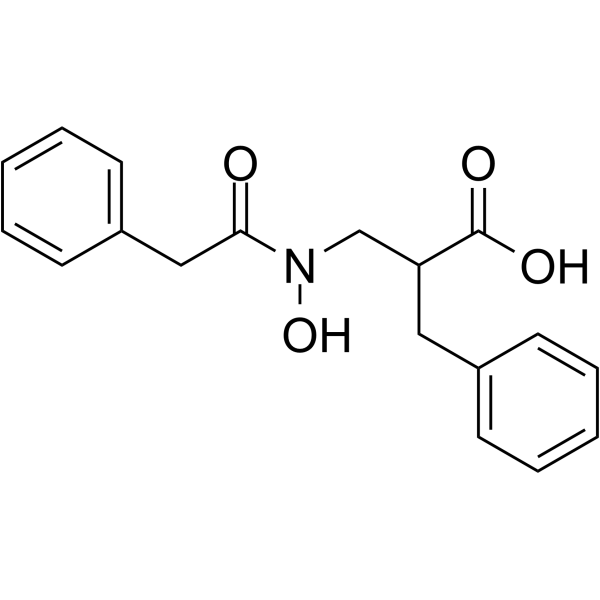
    A3AR antagonist 3 (compound 21) is a selective A3 adenosine receptor (A3AR) antagonist with a Ki of 37 nM. A3AR antagonist 3 shows >60-fold selectivity in comparison to A1 and A2A adenosine receptors .
    A3AR antagonist 3

Inquiry Online

Your information is safe with us. * Required Fields.

Salutation


Country or Region *

Applicant Name *


Organization Name *

Department *


Email Address *


Product Name *

Cat. No.


Requested quantity *

Phone Number *


Remarks

Inquiry Online

Inquiry Information

Product Name:
Cat. No.:
Quantity:
MCE Japan Authorized Agent:

