784 Results for "

AD

" in MedChemExpress (MCE) Product Catalog:
Products (784)

784 Results for "AD" in MCE Product Catalog:

249
249 Publications Verification
Cat. No.: HY-P0175
CAS No.: 1236188-16-1
Synonyms: 740YPDGFR; PDGFR 740Y-P
Target:  

PI3K Autophagy

Research Areas:  

Cancer

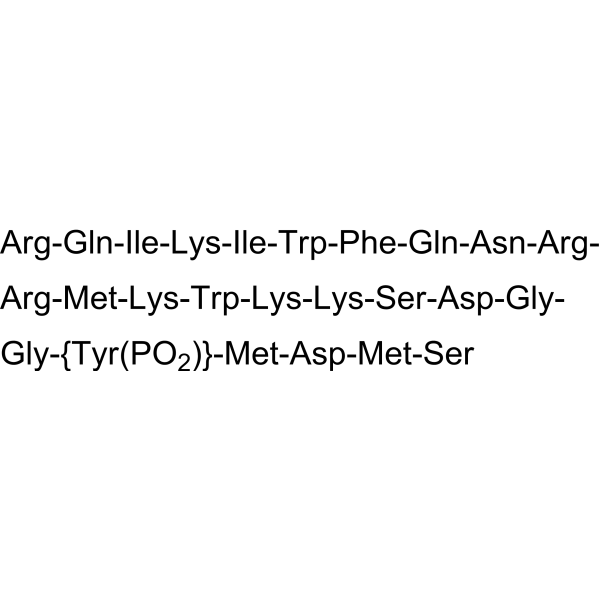
740 Y-P (740YPDGFR; PDGFR 740Y-P) is a potent and cell-permeable PI3K activator. 740 Y-P readily binds GST fusion proteins containing both the N- and C- terminal SH2 domains of p85 but fails to bind GST alone .
95
95 Cited Publications
Cat. No.: HY-114153
CAS No.: 1303420-67-8
Purity:  99.79%
Target:  

c-Fms

Research Areas:  

Neurological Disease

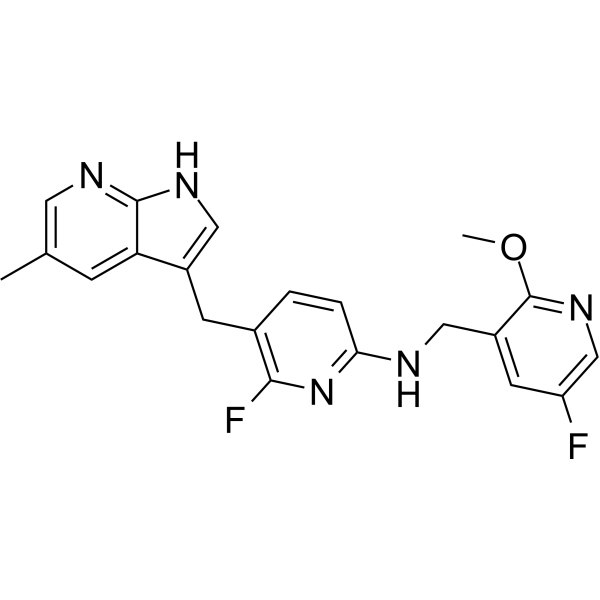
PLX5622 is a highly selective brain penetrant and orally active CSF1R inhibitor (IC50=0.016 μM; Ki=5.9 nM). PLX5622 allows for extended and specific microglial cells elimination, preceding and during pathology development. PLX5622 demonstrates desirable PK properties in varies animals. PLX5622 is predominantly administered via ad libitum diets with a dose of 1200 ppm .
63
63 Cited Publications
Cat. No.: HY-16569
CAS No.: 64-86-8
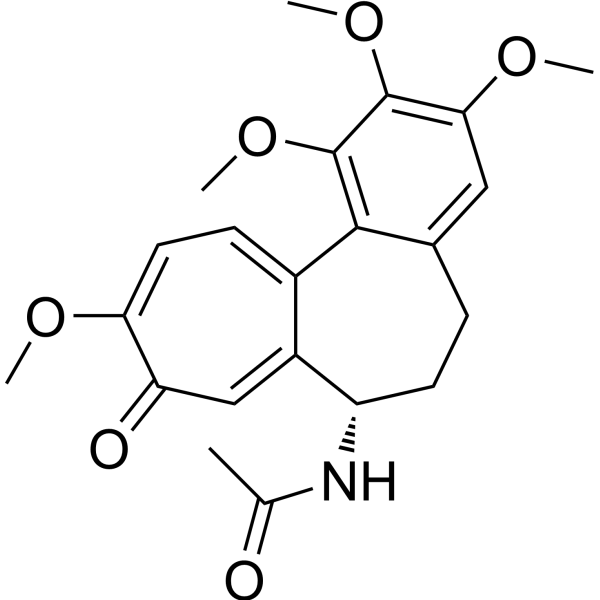
Colchicine, an orally active alkaloid, is a potent tubulin inhibitor and a microtubule disrupting agent. Colchicine inhibits microtubule polymerization with an IC50 of 3 nM. Colchicine is also a competitive antagonist of the α3 glycine receptors (GlyRs). Colchicine prevents non-steroidal anti-inflammatory drug (NSAID)-induced small intestinal injury by inhibiting activation of the NLRP3 inflammasome. Colchicine has extensive anti-inflammatory, immunosuppressive and strong anti-fibrosis effects and has the potential for gouty arthritis research .
48
48 Cited Publications
Cat. No.: HY-14601
CAS No.: 112529-15-4
Purity:  99.97%
Synonyms: U 72107A; AD 4833
Target:  

PPAR Ferroptosis

Research Areas:  

Metabolic Disease Cancer

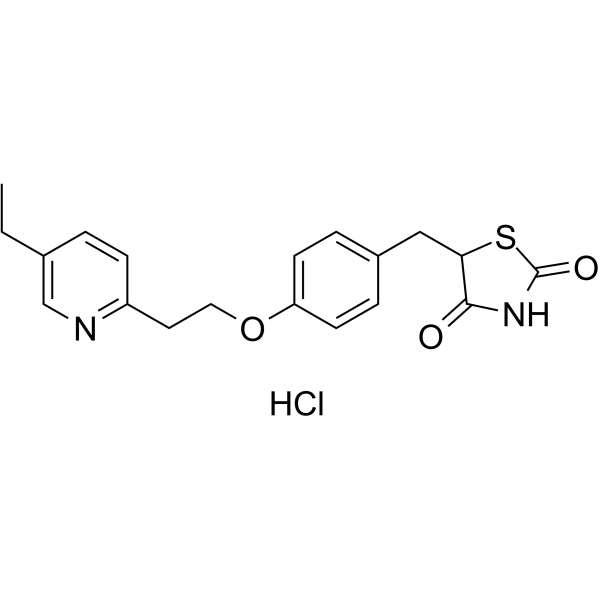
Pioglitazone hydrochloride is a potent and selective PPARγ agonist with EC50s of 0.93 and 0.99 μM for human and mouse PPARγ, respectively.
31
31 Cited Publications
Cat. No.: HY-11068
CAS No.: 193551-21-2
Purity:  99.15%
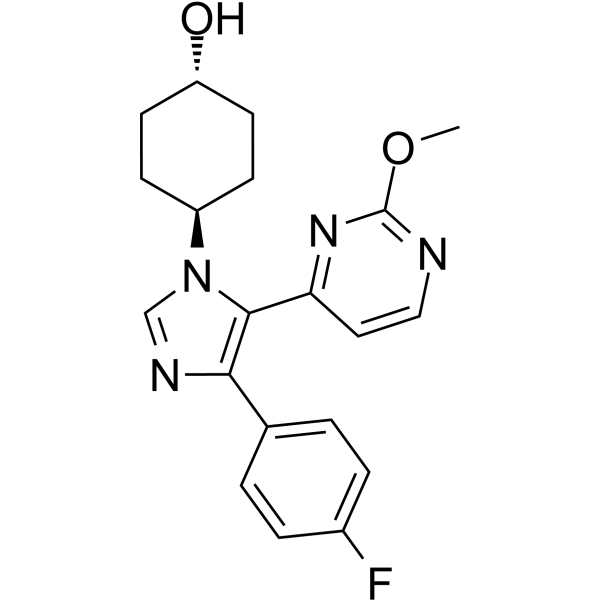
SB 239063 is a potent, selective and orally active p38 MAPK inhibitor, exhibits an IC50 of 44 nM for recombinant purified human p38α, with equipotent inhibitory activity against p38α and p38β. SB 239063 has no effect on p38γ or p38δ. With anti-asthma activity and also be used to enhance memory which is impaired due to aging or medical conditions, such as, AD. SB 239063 can penetrate the blood brain barrier (BBB) .
16
16 Cited Publications
Cat. No.: HY-50682
CAS No.: 603148-36-3
Synonyms: TTP488; PF-04494700
Target:  

Amyloid-β

Research Areas:  

Neurological Disease Cancer

Azeliragon (TTP488) is an orally bioavailable inhibitor of the receptor for advanced glycation end products (RAGE) in development as a potential treatment to slow disease progression with mild Alzheimer’s disease (AD) . Azeliragon also can cross the blood-brain barrier (BBB) .
15
15 Cited Publications
Cat. No.: HY-14657
CAS No.: 14663-23-1
Purity:  99.79%
Synonyms: F 440
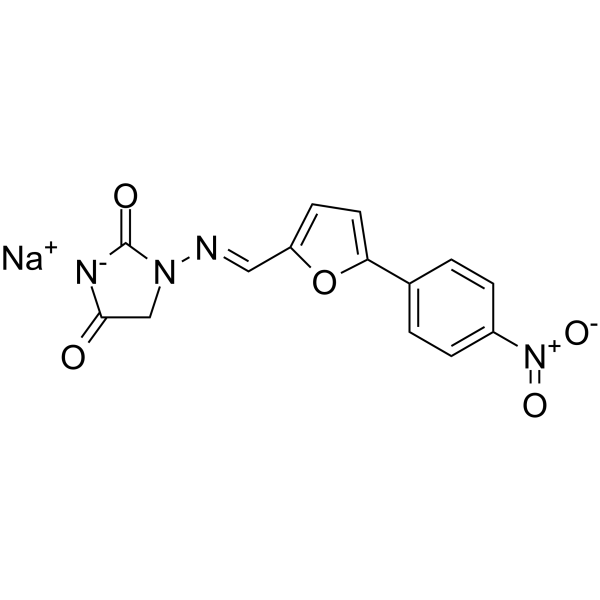
Dantrolene sodium is an orally active, non-competitive glutathione reductase inhibitor with a Ki of 111.6 μM and an IC50 of 52.3 μM. Dantrolene sodium is also a calcium channel protein inhibitor. Dantrolene sodium inhibits the release of Ca 2+ from RyR1 and RyR3, which can be beneficial in a variety of pathologies caused by disruptions in calcium homeostasis (e.g., stroke, ischemia/reperfusion injury, and neurodegenerative diseases). Dantrolene sodium offers relief of muscle spasms, malignant hyperthermia, and antitoxic, antipyretic, and anti-inflammatory properties .
15
15 Cited Publications
Cat. No.: HY-A0009
CAS No.: 1953-04-4
Synonyms: Galantamine hydrobromide
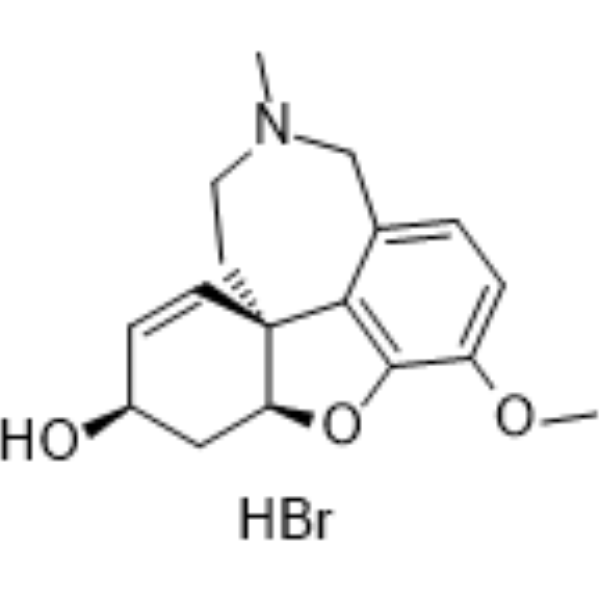
Galanthamine hydrobromide (Galantamine hydrobromide) is a selective, reversible, competitive, alkaloid AChE inhibitor, with an IC50 of 0.35 µM. Galanthamine hydrobromide is a potent allosteric potentiating ligand (APL) of human α3β4, α4β2, α6β4 nicotinic receptors ( nAChRs). Galanthamine hydrobromide is developed for the research of Alzheimer's disease (AD) .
10
10 Cited Publications
Cat. No.: HY-B0591
CAS No.: 19982-08-2
Target:  

iGluR

Research Areas:  

Neurological Disease

Memantine is an orally active, noncompetitive N-methyl-D-aspartate receptor (NMDAR) antagonist. Memantine can be used for the research of moderate-to-severe Alzheimer's disease (AD) .
9
9 Cited Publications
Cat. No.: HY-N0222
CAS No.: 572-30-5
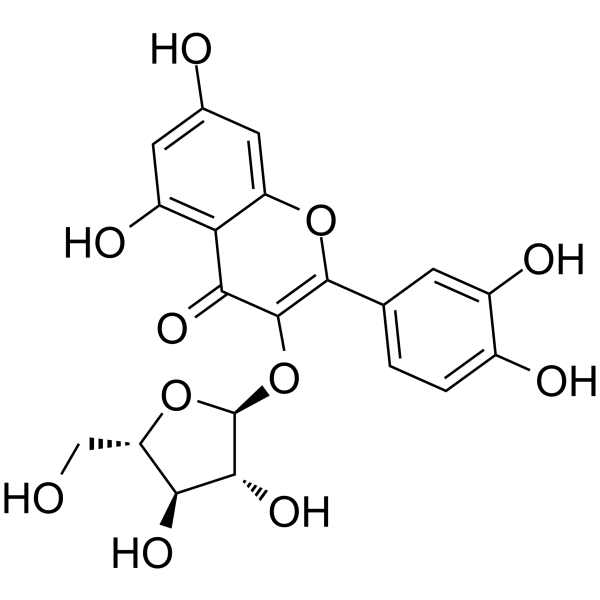
Avicularin is an orally active flavonoid. Avicularin inhibits NF-κB (p65), COX-2 and PPAR-γ activities. Avicularin has anti-inflammatory, anti-infectious anti-allergic, anti-oxidant, hepatoprotective, and anti-tumor activities .
8
8 Cited Publications
Cat. No.: HY-15908
CAS No.: 979-88-4
Purity:  99.52%
Synonyms: Disodium bicinchoninate
BCA (Disodium bicinchoninate) is an orally active and non-competitive Beta-site amyloid precursor protein cleaving enzyme 1 (BACE1) inhibitor with an IC50 value of 28 µM, a Ki value of 43 µM. BCA shows anticancer activity. BCA has the potential for the research of Alzheimer's disease (AD) .
7
7 Cited Publications
Cat. No.: HY-134923
CAS No.: 2412270-22-3
Purity:  99.98%
Target:  

Autophagy

Research Areas:  

Neurological Disease

CA77.1 is a potent, brain-penetrant and orally active chaperone-mediated autophagy (CMA) activator with favorable pharmacokinetics. CA77.1 is a derivative of AR7 (HY-101106) and can increase the expression of the lysosomal receptor LAMP2A in?lysosomes. CA77.1 improves behavior and neuropathology in PS19 mice model and can be used for alzheimer's?disease research .
6
6 Cited Publications
Cat. No.: HY-19369
CAS No.: 292632-98-5
Synonyms: L-685,458
Target:  

γ-secretase Apoptosis

Research Areas:  

Neurological Disease Cancer

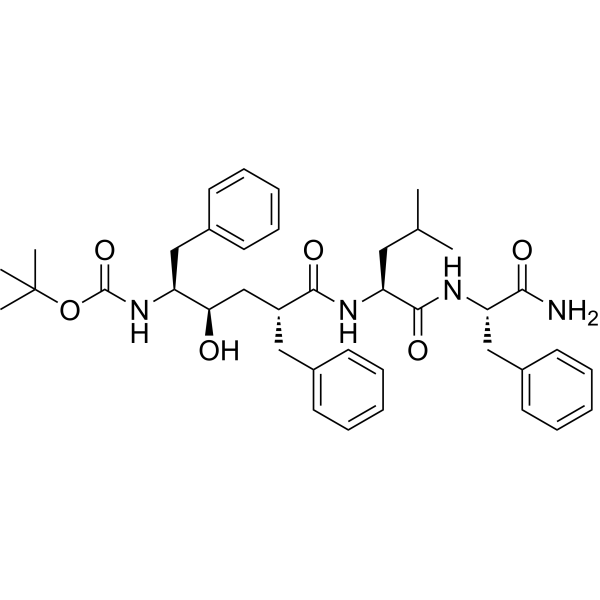
L-685458 is a potent transition state analog (TSA) γ-secretase inhibitor (GSI). L-685458 inhibits amyloid β-protein precursor γ-secretase activity with IC50 of 17 nM, shows greater than 50-100-fold selectivity over other aspartyl proteases tested. L685458 inhibits γ-secretase-mediated cleavage of APP-C99 and Notch-100 with IC50s of 301.3 nM and 351.3 nM, respectively. L-685458 can be used for the research of alzheimer’s disease (AD) and cancers .
6
6 Cited Publications
Cat. No.: HY-N0028
CAS No.: 79916-77-1
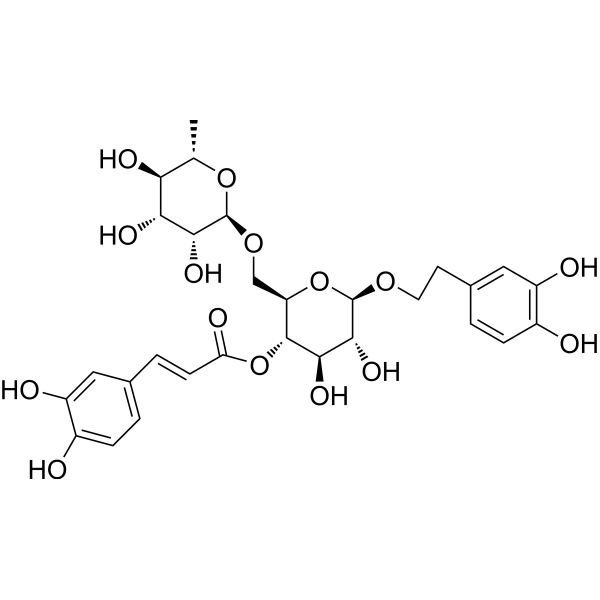
Forsythiaside A is an orally active phenylethanoid glycoside isolated from the dried fruits of Forsythia suspensa. Forsythiaside A is also an inhibitor of COX-2 and has anti-inflammatory, antioxidant and neuroprotective effects. Forsythiaside A prevents neuroinflammation and apoptosis caused by Aβ25-35 damage and may be used in Alzheimer's disease (AD) research. Forsythiaside A also activates the Nrf2/HO-1 signaling pathway and inhibits OVA-induced asthma in mice. Forsythiaside A inhibits the interaction between KLRB1 and CLEC2D .
5
5 Cited Publications
Cat. No.: HY-103240
CAS No.: 863918-78-9
Purity:  98.47%
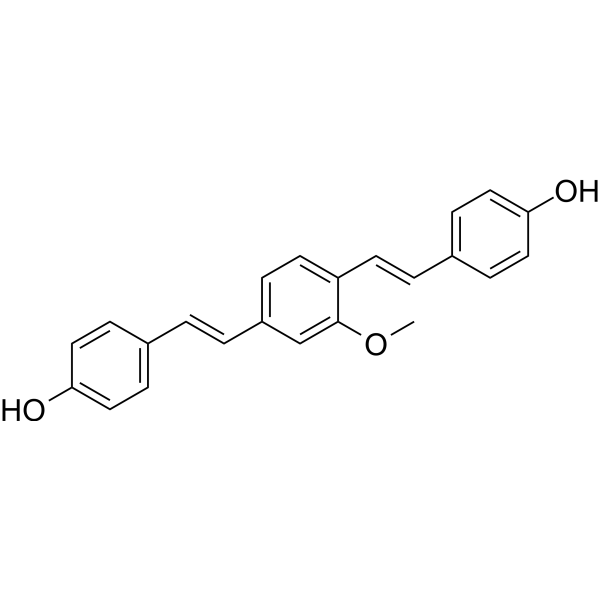
Methoxy-X04 is a fluorescent dye that crosses the blood-brain barrier and selectively binds to beta-pleated sheets found in dense core amyloid Aβ plaques. Methoxy-X04 retains in vitro binding affinity for amyloid b (Ab) fibrils (Ki= 26.8 nM). Methoxy-X04 is fluorescent and stains plaques, tangles, and cerebrovascular amyloid in postmortem sections of AD brain with good specificity .
5
5 Cited Publications
Cat. No.: HY-139004
CAS No.: 2470424-39-4
Purity:  99.67%
Target:  

Casein Kinase

Research Areas:  

Neurological Disease

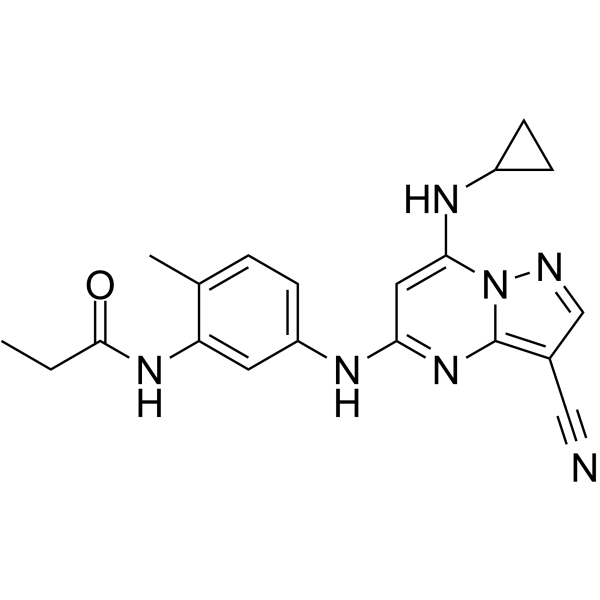
SGC-CK2-1 is a highly potent, ATP-competitive, and cell-active CK2 chemical probe with exclusive selectivity for both human CK2 isoforms, with IC50s of 36 and 16 nM for CK2α and CK2α′respectively in the nanoBRET assay. SGC-CK2-1 can be used for the research of neurodegenerative diseases .
5
5 Cited Publications
Cat. No.: HY-113354
CAS No.: 584-85-0
Purity:  99.85%
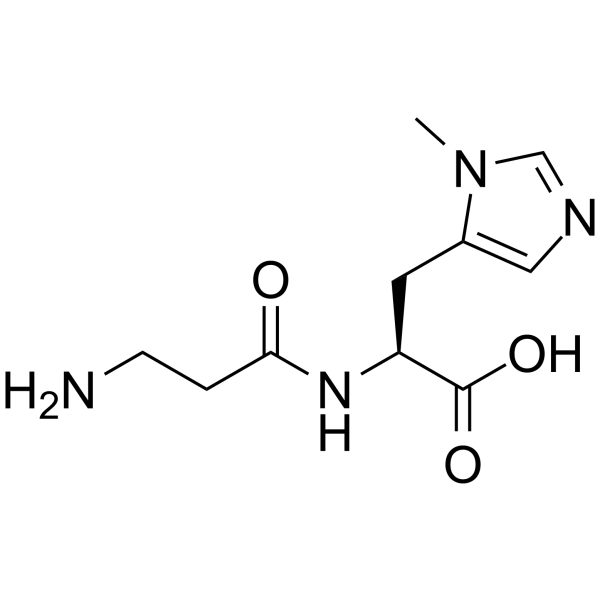
Anserine, a methylated form of Carnosine, is an orally active, natural Histidine-containing dipeptide found in skeletal muscle of vertebrates. Anserine is not cleaved by serum carnosinase and act as biochemical buffers, chelators, antioxidants, and anti-glycation agents. Anserine has blood-brain barrier permeability, and improves memory functions in Alzheimer's disease (AD)-model mice .
3
3 Cited Publications
Cat. No.: HY-B0124
CAS No.: 68291-97-4
Synonyms: AD 810; CI 912
Research Areas:  

Neurological Disease

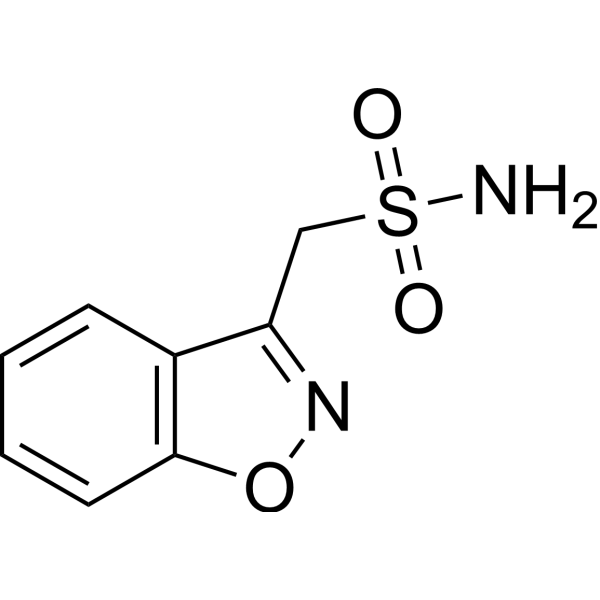
Zonisamide (AD 810) is an orally active carbonic anhydrase inhibitor, with Kis of 35.2 and 20.6 nM for hCA II and hCA V, respectively. Zonisamide exerts neuroprotective effects through anti-apoptosis and upregulating MnSOD levels. Zonisamide also increases the expression of Hrd1, thereby improving cardiac function in AAC rats. Zonisamide can be used in studies of seizure, parkinson’s disease and cardiac hypertrophy .
3
3 Cited Publications
Cat. No.: HY-P2264
CAS No.: 676657-00-4
Target:  

Ephrin Receptor

Research Areas:  

Inflammation/Immunology

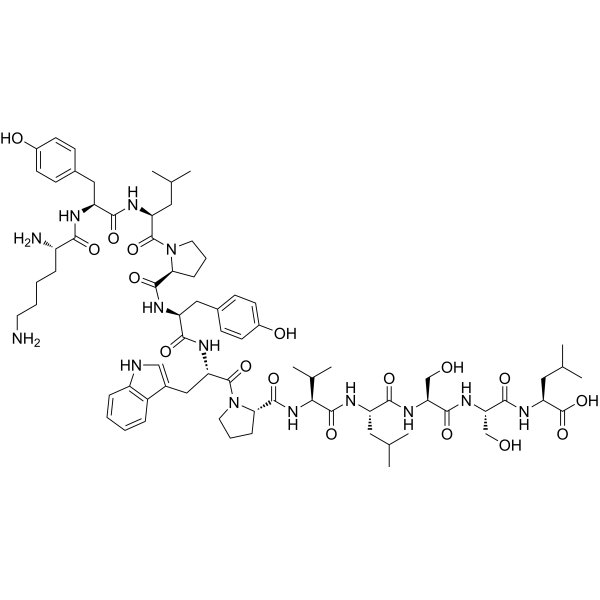
KYL peptide, an antagonistic peptide, selectively targets EphA4 receptor (IC50:4.22 μM, Kd:1.3 μM). KYL peptide binds to the ligand-binding domain of EphA4, effectively alleviates Aβ-induced synaptic dysfunction and synaptic plasticity defects in AD mice. KYL peptide can promote nerve regeneration after injury and modulating immune responses .
3
3 Cited Publications
Cat. No.: HY-109085
CAS No.: 937782-05-3
Purity:  99.63%
Synonyms: OPA-15406
Difamilast (OPA-15406) is a topical, selective and nonsteroidal phosphodiesterase-4 (PDE4) inhibitor with particularly efficient inhibition of subtype B (IC50=11.2 nM). Difamilast can be used for the research of mild to moderate atopic dermatitis (AD) .

